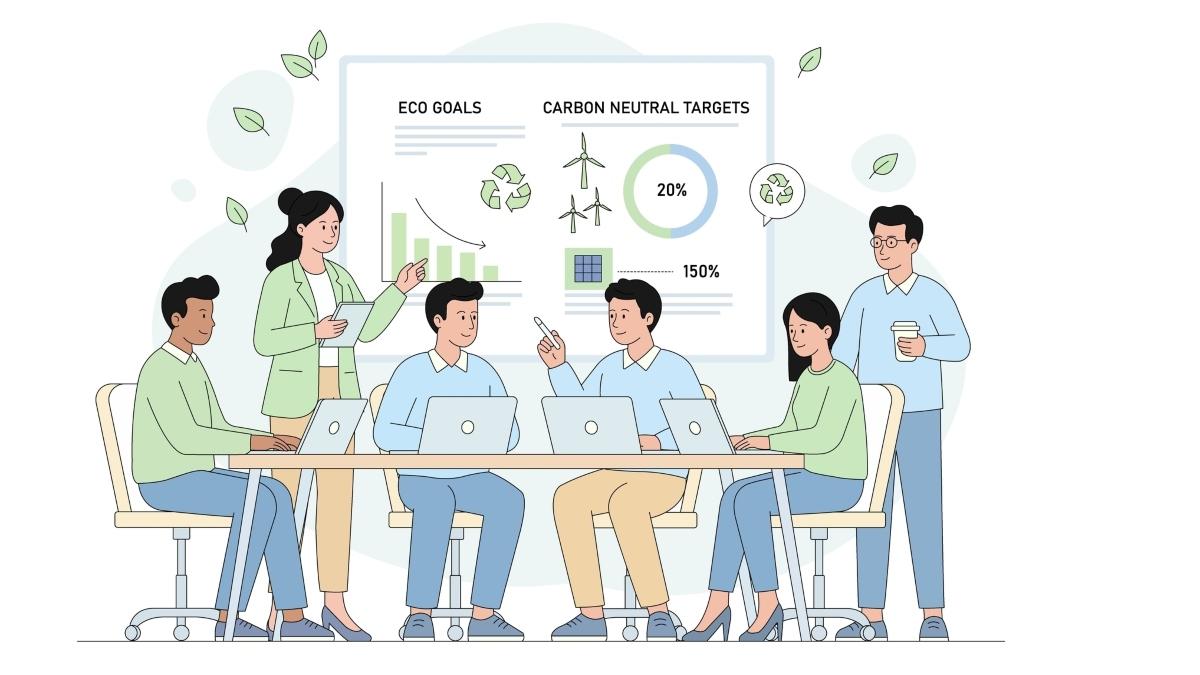
Companies in Europe face intense pressure to communicate their climate strategies, leading to a disparity between their ambitious narratives and actual capabilities. Miia Chabot’s study uses AI text analysis, revealing that while companies present polished climate strategies, real operational change lags due to investment cycles and regulatory complexities. This creates a "narrative acceleration," where sophisticated language outpaces real-world adaptation. The study highlights a homogenization of climate vocabulary and a muted focus on risk-related issues, emphasizing the need to scrutinize how firms manage the balance between aspirational narratives and practical actions.
Financial services, ICT
When climate discourse outpaces climate action

Asia leads the world in spending on nature-based solutions, investing US$93 billion in 2023, primarily driven by China. However, to meet global biodiversity and climate targets by 2030, annual investment must triple to US$571 billion. Southeast Asia requires a sevenfold increase in nature financing from US$8 billion to US$54 billion. Currently, for every US$1 spent on nature, US$20 is expended on destructive activities, totaling US$7.3 trillion globally. The UN Environment Programme emphasizes the need for reforms to redirect finances towards protecting nature.
Financial services
Asia is the world’s biggest spender on nature, but it must invest billions more: UNEP

Japan will implement a carbon emissions trading price corridor starting in fiscal 2026, as part of its green transformation strategy aimed at achieving carbon neutrality by 2050. The scheme features a floor price of JPY1,700 (US$11) and a ceiling of JPY4,300 (US$27) per tonne of CO2. Mandatory participation begins for firms emitting over 100,000 tonnes annually, covering about 300 to 400 companies responsible for 60% of Japan's emissions. Emission allowances will be allocated based on industry benchmarks, with adjustments for inflation. The initiative aims to stimulate investment in clean technology while maintaining global competitiveness.
Japan
Japan sets 2026 price band for carbon market to steer investment by big polluters

Strong, digitally enabled institutions rooted in fairness enhance resilience, foster growth, reduce inequality, and build citizen trust. The review analyzes governance in education, healthcare, infrastructure, intellectual property, climate change, and digital transformation, identifying obstacles like corruption and weak accountability. It advocates for context-specific governance models that prioritize transparency and participation over Western frameworks. The study concludes with policy recommendations aimed at creating inclusive and resilient institutions to meet the challenges of the 21st century and achieve the 2030 Sustainable Development Goals.
Burkina Faso, Ethiopia, Ghana, Guinea, Paraguay | Financial services, Health, Education, ICT
From Field to Future: A Critical Review of Good Governance for Sustainable Development in Developing Countries

Job seekers must adapt to AI-driven recruitment by understanding how applicant tracking systems (ATS) function and optimizing their job application materials accordingly. With a majority of Fortune 500 companies using ATS, candidates need to create machine-readable resumes and align their keywords with job descriptions to enhance visibility. Tailoring applications for each job, using a concise format, and achieving a 60%-80% keyword match can significantly improve the chance of passing automated filters. Furthermore, reframing nontraditional backgrounds can address potential disqualifications and demonstrate value to employers.
Education
How to prepare your job search for an AI world
Real estate markets are experiencing significant structural transformations influenced by various factors. Climate risk is being factored into pricing, regulations are altering return expectations, and the rise of digital job density is changing location desirability. Key insights for real estate leaders include the importance of climate data, the use of AI, the need for diversified financing, and understanding behavioral biases, all essential for maintaining a competitive edge in the evolving market.
Strategic trends in the real estate market you need to know about

Greenland plays a crucial role in climate change research due to its rapidly melting ice sheet, which is disintegrating and contributing to accelerated sea-level rise. Studies reveal that crevasses are forming, channeling meltwater and increasing the ice sheet's instability. The geopolitical stability needed for research is under threat, as opposed to Antarctica's protections under international treaties. Concerns over U.S. control and potential resource extraction, while formidable, are complicated by logistical challenges. Greenland is positioned strategically for military development due to climate change opening new shipping routes, raising the potential for increased conflict.
Antarctica
Why Greenland plays an outsized role in climate change science

Failure is an essential aspect of the creative process, necessary for success across various fields, including art and engineering. While generative AI can produce creative outputs, it lacks the human drive and understanding of meaningful context, failing to grasp concepts like aesthetic failure. Complacency, not failure, poses the greatest risk in education, as reliance on AI may hinder students' ability to learn from mistakes. Additionally, both AI and humans have limitations, often performing poorly when faced with diversity and unpredictability. Understanding the role of failure allows for growth and fosters a more nuanced relationship between humans and technology.
Why failure is a necessary ingredient for success – especially in the era of AI

The retirement of West Midlands police chief Craig Guildford highlights the dangers of relying on AI, particularly following misuse in generating evidence. This trend contributes to "cognitive atrophy," where individuals outsource critical thinking and creativity to AI tools. Consequently, users may experience procrastination, memory loss, and diminished academic performance. Signs of cognitive decline include seeking AI assistance too readily and diminished patience for problem-solving. To counteract this, it's suggested to engage in deep thinking without AI, be skeptical of AI output, and create designated "thinking spaces" to enhance decision-making skills and creativity.
Is AI hurting your ability to think? How to reclaim your brain

Donald Trump’s “Board of Peace” aims to reform international diplomacy by prioritizing pragmatic solutions over traditional methods. Launched at the World Economic Forum in Davos, it includes leaders from various nations, notably those involved in the Gaza peace initiative. However, the board's structure grants Trump unprecedented powers, allowing him to control membership and decisions, raising concerns about accountability and democratic principles. Critics warn that legitimizing such an organization could undermine global governance and perpetuate dependency rather than promote effective problem-solving. There is skepticism regarding Davos's ability to foster meaningful dialogue amidst this shift.
Donald Trump’s Board of Peace signed at Davos – key points I took away from my visit to the ski resort
Citizen engagement is essential for advancing urban mobility and achieving climate goals in European cities. Local authorities need to invest in solutions that reflect residents' true needs and behaviors. In Nantes, France, the urban development agency Samoa, with EIT Urban Mobility's support, piloted the electric-assisted 'BOB' vehicle to facilitate non-car transport options for those with mobility challenges. Comprehensive citizen engagement efforts, including interviews and field observations, provided insights into perceptions of the vehicle. Similarly, the Interact project emphasized communication and trust in automated transport, underscoring the importance of passenger perspectives for successful deployment.
Education
Citizen engagement paves the way for innovative mobility deployment across Europe
The World Summit on the Information Society (WSIS) 20-year Review raises questions about the effectiveness of the final outcome document adopted on December 17, 2025. Negotiations prioritized pragmatism over ambition, struggling to address crucial issues, leaving implementation as the true measure of success. The review stresses that delivering on commitments requires active participation, accountability, and rights-anchoring throughout the process. Despite the continued relevance of WSIS principles, the operational mechanisms need adaptation to the current digital landscape characterized by rapid technological changes and concentrated digital power.
Health, Education, ICT
WSIS at 20: From Declaration to Delivery

Planned relocation of communities from high-risk areas is increasingly essential due to climate change impacts, seen globally as an adaptation and disaster risk reduction measure. While effective in saving lives, relocation is costly and deeply affects livelihoods and social structures, often considered a "last resort." Effective strategies must be participatory and human rights-based, addressing structural inequalities. Low-income countries, lacking resources and political will, rely on fragmented international support, risking human security and stability. The German government should enhance international frameworks and support community-driven relocation initiatives in vulnerable regions.
Africa | Financial services, Health
When Home Becomes Uninhabitable
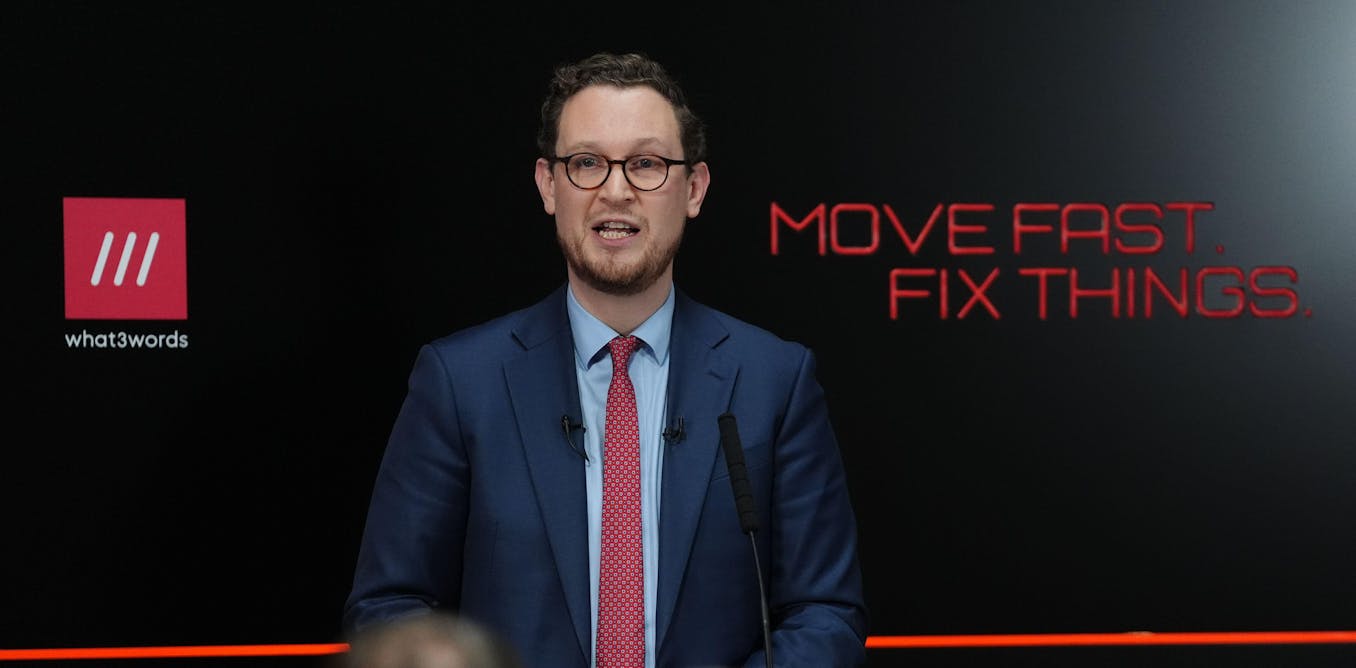
The UK government plans to establish a National School of Government and Public Services (NSGPS) to enhance civil service training, filling a gap since the previous institutions were abolished. This initiative aims to improve public service professional development, address contemporary challenges, and foster inclusivity. For the NSGPS to succeed, it needs stability through long-term funding, a flexible hub-and-spoke structure involving various service providers, and a focus on mobility of knowledge and talent. Cultural challenges within the civil service could pose risks, highlighting the need for critical and innovative approaches to governance. This training initiative is crucial for rebuilding public trust in institutions.
Why the establishment of a national school for civil servants matters
Switzerland will chair the OSCE in 2026, aiming to revitalize its role in European security. The OSCE gained prominence during the 2014 Ukraine crisis through its Special Monitoring Mission, highlighting its potential for dialogue and conflict management. However, Russia's war against Ukraine has deepened mistrust and polarized Europe, challenging the OSCE's inclusive security framework. The current emphasis on deterrence risks escalation, underscoring the need for dialogue, conflict prevention, and mutual restraint as outlined in historic agreements like the 1975 Helsinki Final Act. Progress in resolving the Ukraine conflict will be crucial for the OSCE's future role, potentially involving ceasefire monitoring within a UN-led peacekeeping framework.
The OSCE’s potential in rebuilding the European security order
Data is essential for modern economies, driving decisions, economic growth, and scientific advancements. However, significant inequalities exist in data access and utilization, leading to outdated and inaccessible public finance data. This results in a weak link from data to actionable insights, causing reliance on incomplete or anecdotal evidence. Emerging initiatives advocate for a dynamic evidence infrastructure that promotes shared data, reusable analytical workflows, and policy-focused applications, exemplified by the ONE Data initiative.
Africa | Financial services, Health, Education, ICT
Reimagining how evidence drives change
The People’s Consultation on AI has launched as a civil society initiative in response to the Canadian government's inadequate consultation process during the development of its national AI strategy in October 2025. The government's task force focused primarily on industry needs, limiting participation from those addressing ethical and social implications. A brief public consultation and skewed survey questions emphasized economic benefits while neglecting negative impacts of AI. This initiative aims to provide a platform for diverse voices, including public interest groups and communities, to contribute meaningfully to discussions on AI governance in Canada.
People’s Consultation on AI
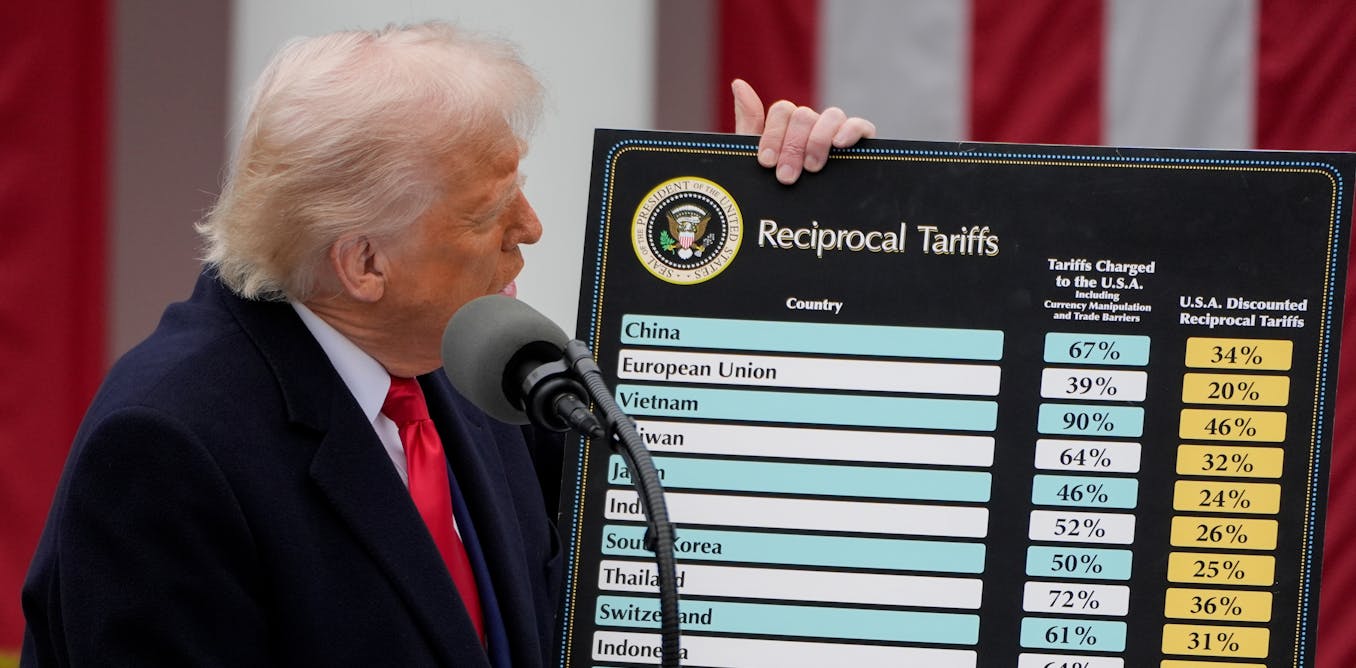
Donald Trump's tariff strategy, initiated to revitalize U.S. manufacturing and reduce the trade deficit, generated $287 billion in revenue primarily from American consumers. While imports from China fell by 27% over ten months, this decline was preceded by geopolitical tensions and earlier restrictions, not solely attributed to tariffs. The tariffs led to increased imports from other countries, reshuffling global supply chains rather than reducing overall U.S. import dependence. However, they resulted in higher consumer prices and only a modest 1% increase in manufacturing output, compounded by labor shortages, illustrating mixed effectiveness and unintended consequences.
After a year of Trump, who are the winners and losers from US tariffs?

AI has not caused mass unemployment despite concerns, as demonstrated by low unemployment rates in the EU, UK, and US. While AI may render some jobs obsolete, it simultaneously creates new opportunities, similar to previous technological revolutions. Historical examples, like the introduction of ATMs, reveal that automation can enhance job value and increase employment. However, AI raises questions about inequality; skilled workers might benefit more than others. The key challenge lies in ensuring that AI empowers all workers rather than relegating them to subordinate roles.
Education
Why AI has not led to mass unemployment
Since early 2025, and culminating in January 2026, the U.S. under President Trump has withdrawn from 66 international bodies, including 31 UN agencies and 35 non-UN institutions, marking the largest retreat from multilateralism since 1945. These withdrawals mainly impact climate governance, humanitarian aid, and peacebuilding, while engagement in security and global economics largely continues. Cuts in U.S. funding and conditionality have weakened UN humanitarian efforts, reducing aid effectiveness and reach in crises. This shift disrupts global cooperation, undermines peacekeeping and humanitarian response, and challenges EU and French funding as these actors face fiscal pressures amid rising defense priorities. The moves signal a redefinition of U.S. sovereignty and international cooperation roles, with broad ramifications for global governance.
Financial services, Health
The U.S. Withdrawal from Multilateral Commitments: Implications for Global Governance, Europe, and France