
Leaders in developing markets enjoy higher trust and satisfaction from employees compared to those in developed markets, with 67% versus 52% satisfaction rates. Trust in leadership is declining globally, leading to disengagement and fractured workplace cultures. To combat this, leaders should modernize leadership models, enhance communication, prioritize emotional intelligence, analyze successful internal cases, and create systems that foster trust. Emotional intelligence and transparency are critical, especially among younger workers who seek genuine connection and clarity in decision-making. Adapting to these needs is essential for effective leadership in a diverse workforce.
Education
What leaders can learn from developing countries about rebuilding trust
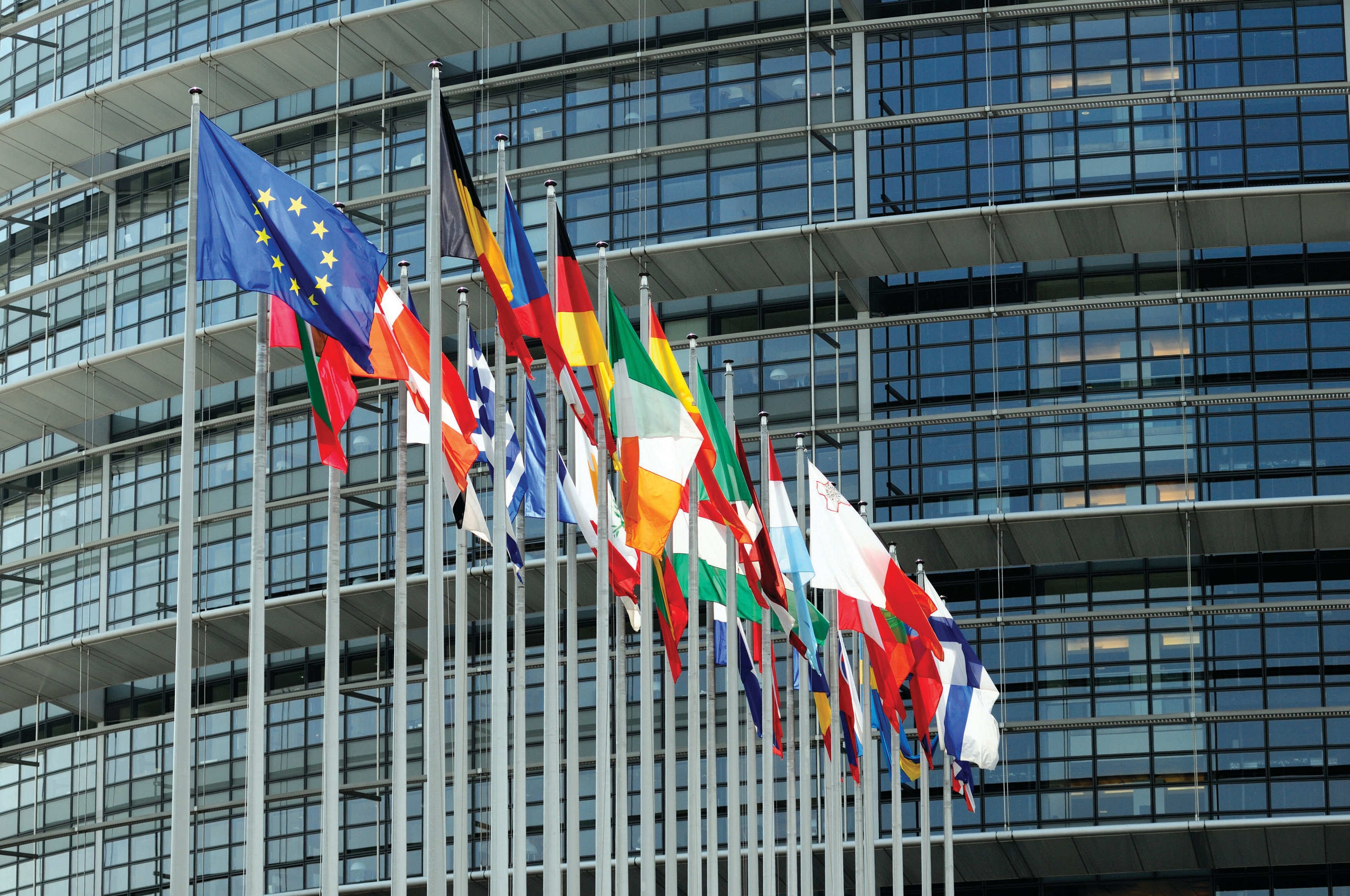
Europe requires €1.2 trillion annually to address investment challenges related to energy transition, digital transformation, and defense. Despite having substantial capital reserves, such as €37 trillion in household savings, Europe struggles with inefficient channels for deploying these funds towards long-term infrastructure. Key issues include reliance on bank lending, high barriers for SMEs in accessing debt markets, fragmented equity markets, and regulatory constraints on private credit and equity. To enhance competitiveness, Europe must improve its financing continuum, increase retail market participation, and reduce market fragmentation, enabling effective capital flow and supporting strategic aims.
Estonia, Germany, Poland, Sweden, United Kingdom | Financial services
Europe has the capital to compete – it just needs to fix its financial plumbing

Artificial intelligence (AI) for structural integrity enhances infrastructure monitoring, assessment, and prediction. It provides real-time insights into asset health, improving performance and safety while reducing unnecessary maintenance costs. This technology is essential during the energy transition, as it allows for flexible operations of facilities amidst changing demands, such as feedstock variations. The World Economic Forum highlights AI for its capacity to optimize existing infrastructure, enabling industries to manage a $6 trillion infrastructure gap while supporting decarbonization efforts without compromising industrial capabilities. Examples show significant financial benefits from adopting this technology across various industrial sites.
Netherlands | Financial services, ICT, Education
3 things leaders must know about AI for structural integrity and how it will help the energy transition

The international system is increasingly fragmented and geopolitically polarized, driven by competition among China, Russia, and the United States. Middle powers must navigate this complex landscape by balancing autonomy, influencing multilateral institutions, and maintaining credibility within international networks. Their strategic choices—whether to align with major powers, hedge relationships, or pursue principled diplomacy—can either stabilize regions or intensify systemic rivalry. Emphasizing behavior, relational positioning, and policy decisions over material capacity, middle powers play a critical role in bridge-building, coalition formation, and mediation, contributing to regional and global stability, multilateralism, and systemic resilience.
Financial services, Health
The Agency of Middle Powers in a Fragmented and Polarised World

Regionalized vaccine manufacturing (RVM) is in early development, requiring coordinated action from governments, industry, and global partners. Political commitments must enable sustainable manufacturing practices, with predictable demand to attract investment and supportive policies for market access. Currently, regional manufacturers meet 29% of vaccine demand in ASEAN, 25% in Latin America, and only 1% in Africa, hampered by unharmonized regulations and limited access to advanced technologies. The next few years are critical for establishing RVM, necessitating deliberate planning and long-term commitment from countries.
Health
A benchmark for action: Tracking progress towards regionalized vaccine production
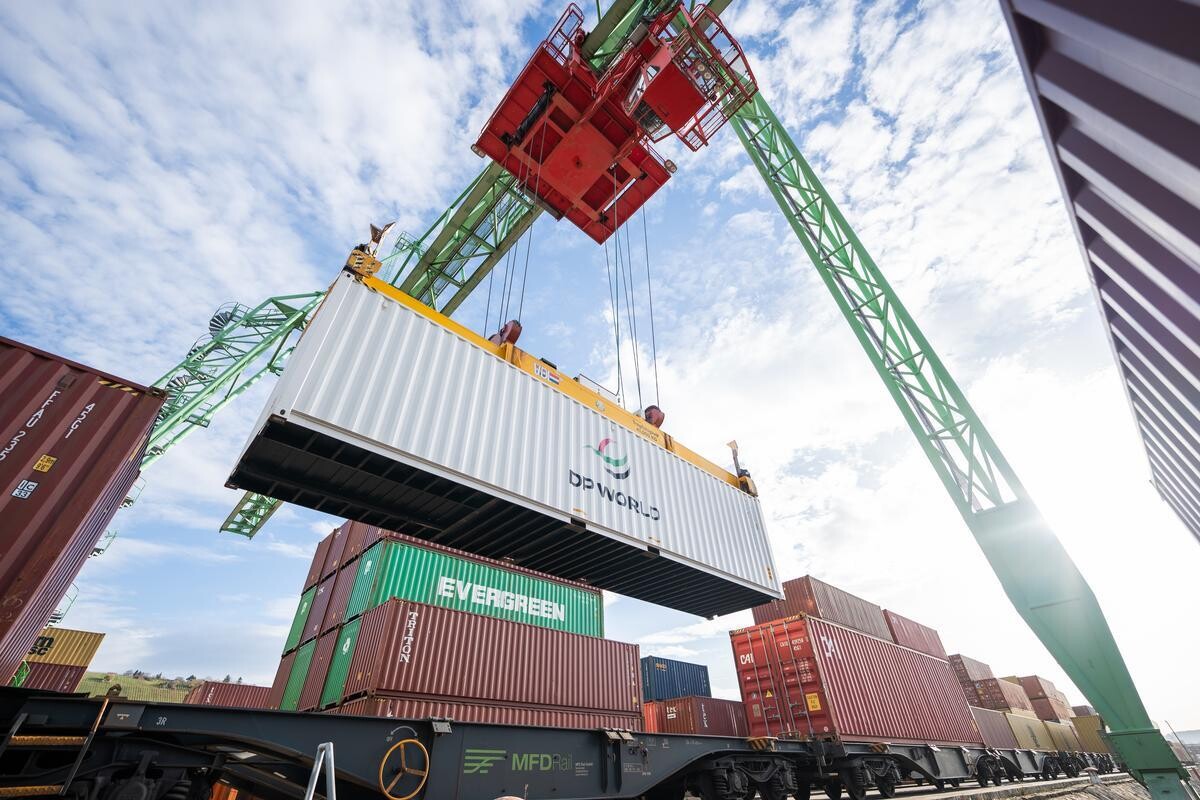
Logistics has evolved into a strategic enabler of growth rather than just a support function, highlighting its competitive advantage in global trade. The Global Trade Observatory Annual Outlook Report 2026 indicates that 54% of supply chain executives anticipate faster trade growth this year, with key priorities including supplier diversification, new market entry, and investment in technology. Warehousing and logistics hubs are recognized as critical infrastructure investments for enhancing trade capacity, with a focus on strategic locations that improve distribution networks. Furthermore, addressing customs inefficiencies is essential for minimizing delays and enhancing business operations.
Barbados, Belgium, Benin, Burkina Faso, Cambodia, Canada, Chile, Colombia, Democratic Republic of the Congo, Denmark, Djibouti, Dominican Republic, Egypt, Estonia, Eswatini, Ethiopia, Finland, Gabon, Georgia, Germany, Ghana, Guatemala, Honduras, Hungary, India, Indonesia, Israel, Jamaica, Japan, Jordan, Kenya, Lebanon, Lesotho, Luxembourg, Malaysia, Morocco, Mozambique, Namibia, Netherlands, New Zealand, Norway, Oman, Pakistan, Panama, Paraguay, Peru, Philippines, Poland, Portugal, Republic of Korea, Russian Federation, Saudi Arabia, Senegal, Singapore, South Africa, Sudan, Sweden, Switzerland, Taiwan, China, Tanzania, Thailand, Togo, Trinidad and Tobago, Tunisia, Uganda, Ukraine, United Arab Emirates, United Kingdom, Zambia, Zimbabwe | ICT
Logistics is no longer merely a support function but a strategic enabler of growth

Public institutions are struggling to meet rising citizen demands for fast and efficient services due to outdated systems and fragmented data. To bridge the trust gap, governments are increasingly turning to agentic AI, which combines AI's speed with human empathy. Successful implementations, like Singapore's virtual assistant and Barcelona's centralized platform, showcase AI's potential to optimize service delivery. This technology can perform complex tasks autonomously, enhancing transparency and citizen engagement. A survey indicates strong public readiness for AI interactions in government, highlighting a shift towards more efficient public sector services.
Education
The new era of public sector service is about building trust through agentic AI
The EU must activate its anti-coercion instrument in response to Donald Trump's threats over Greenland, which include proposed tariffs on goods from several European countries. This economic coercion threatens the rules-based global order and demands a united front with partners like the UK and Norway. The EU's anti-coercion instrument, introduced in 2023, allows for various responses, including tariff increases, but its effectiveness is hampered by a slow and consultative activation process. Cooperation with the UK and Norway could leverage significant trade countermeasures against the U.S. and reduce vulnerability, particularly in energy supplies.
Denmark, Norway, Sweden
The Greenland crisis is a litmus test for the EU’s anti-coercion instrument

Women’s health receives only 6% of private healthcare investment, despite representing nearly half of the global population and facing unique health challenges. The World Economic Forum, in collaboration with Boston Consulting Group, is launching the Women’s Health Investment Outlook to highlight investment gaps and attract private capital. Key areas for potential investment include women's cancer therapeutics, virtual healthcare, and women's mental health platforms. Structural barriers such as insufficient research, fragmented financing, and regulatory hurdles hinder growth in this sector. Addressing these issues is crucial for improving health outcomes and economic resilience.
Financial services, ICT, Health
Women’s health is vastly underfunded. Here’s a plan to change that
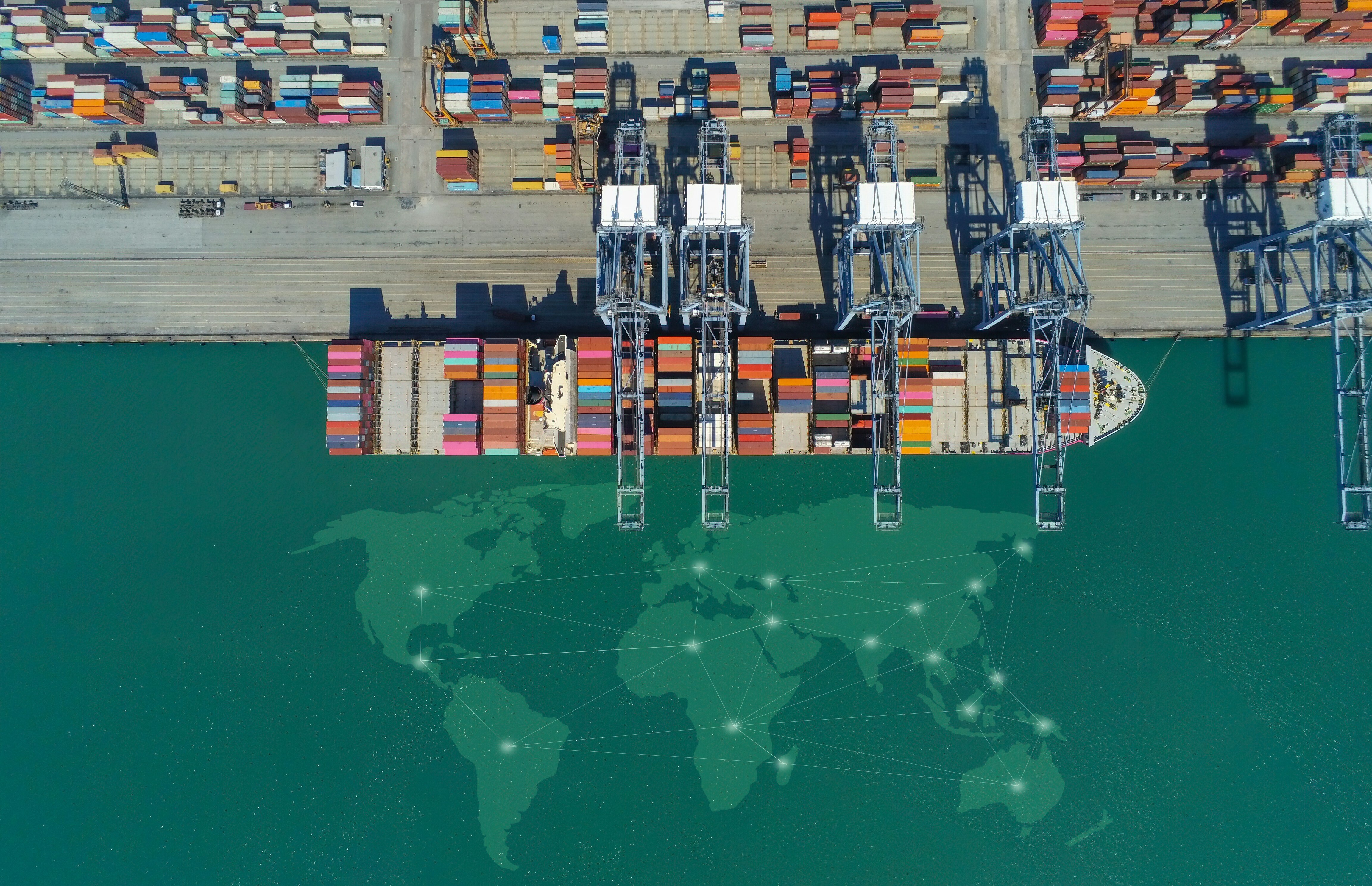
Invisible collateral refers to leveraging trade data generated by firms to establish trust and improve access to financing for small and medium-sized enterprises (SMEs), particularly in emerging markets. Despite SMEs demonstrating reliability through consistent shipping and compliance, they are often excluded from the trade-finance system due to a lack of visible, standardized data. Enhancing visibility of reliable trade data through better regulatory frameworks, standardized data, transparent AI governance, and digitization support for SMEs is crucial. Successful examples like Singapore and Dubai show that integrating trade data can foster confidence among lenders and narrow the $2.5 trillion trade finance gap.
Afghanistan, Armenia, Bahrain, Barbados, Belgium, Benin, Bolivia, Bosnia and Herzegovina, Bulgaria, Burkina Faso, Burundi, Cambodia, Cameroon, Canada, Chile, Colombia, Czech Republic, Denmark, Djibouti, Dominican Republic, Ecuador, Egypt, El Salvador, Estonia, Eswatini, Ethiopia, Finland, France, Gabon, Georgia, Germany, Ghana, Greece, Guatemala, Honduras, Hungary, Iceland, India, Indonesia, Ireland, Israel, Jamaica, Japan, Jordan, Kazakhstan, Kenya, Kyrgyz Republic, Latvia, Lebanon, Lesotho, Luxembourg, Madagascar, Malawi, Malaysia, Malta, Mauritania, Mauritius, Moldova, Morocco, Mozambique, Myanmar, Namibia, Nepal, Netherlands, New Zealand, Norway, Oman, Pakistan, Panama, Paraguay, Peru, Philippines, Poland, Portugal, Republic of Korea, Romania, Russian Federation, Rwanda, Saudi Arabia, Senegal, Singapore, Slovakia, Slovenia, South Africa, Spain, Sudan, Sweden, Switzerland, Taiwan, China, Tajikistan, Tanzania, Thailand, Togo, Trinidad and Tobago, Tunisia, Türkiye, Uganda, Ukraine, United Arab Emirates, United Kingdom, Uruguay, Venezuela, Viet Nam, Yemen, Zambia, Zimbabwe | ICT, Health, Financial services, Education
‘Invisible collateral’: how data can build the trust in global trade

Over 7,000 languages exist globally, but only 100 are significantly represented in AI systems, leaving a third of humanity offline. Inclusive AI aligns social innovation and investment to drive transformative growth, particularly in the Global South, where 85% of the population resides. It emphasizes the importance of collaboration among governments, businesses, and philanthropy to democratize access and address pressing challenges such as health and climate risks. Successful models, like the UAE's national AI strategy, illustrate that forming partnerships and investing in inclusive AI can generate significant economic potential and innovative solutions for underserved communities.
United Arab Emirates | ICT, Education
The AI impact flywheel: How inclusive AI can catalyze transformative growth

SMEs play a crucial role in the green transition, representing 90% of businesses and contributing significantly to global employment and pollution. However, they face challenges in climate reporting due to fragmented requirements and high costs associated with data collection and reporting. Many SMEs lack the resources and expertise needed for effective sustainability measures, with only half communicating carbon footprint data. The World Economic Forum is working to simplify environmental data requests from larger companies to aid SMEs in addressing sustainability and achieving net-zero targets.
Estonia, Luxembourg, Moldova, Singapore, Slovakia, Sweden, United Kingdom | Financial services
Swapping spreadsheets for solutions: Building smarter climate reporting for SMEs

AI in business requires a parallel investment in employee skills and well-being to realize its full potential. Despite advancements in efficiency through generative AI, organizational outcomes lag due to time spent on rework, oversight, and burnout. Leaders must prioritize redesigning roles for an augmented workforce, fostering critical thinking, and adjusting performance metrics to emphasize human discernment. The shift should focus on creating value rather than merely saving hours, with an emphasis on building a robust partnership between AI systems and human capabilities.
Education
Why AI for business means investing in its people

Economic and technological changes are creating a divide between workforce confidence and employer expectations. The "Great Workforce Adaptation" aims to bridge this gap through AI upskilling and the embrace of portfolio careers. Key findings reveal that while 95% of employers are optimistic about growth, only 51% of workers share this sentiment. AI should be viewed as a supportive tool, not a threat, with a significant rise in demand for AI-related roles. Additionally, the traditional linear career path is shifting towards diverse portfolio careers for enhanced job security. Managers play a vital role in fostering trust and connection within teams, essential for adapting to this new work landscape.
Education
3 ways to unite talent and employers on the 'Great Workforce Adaptation'
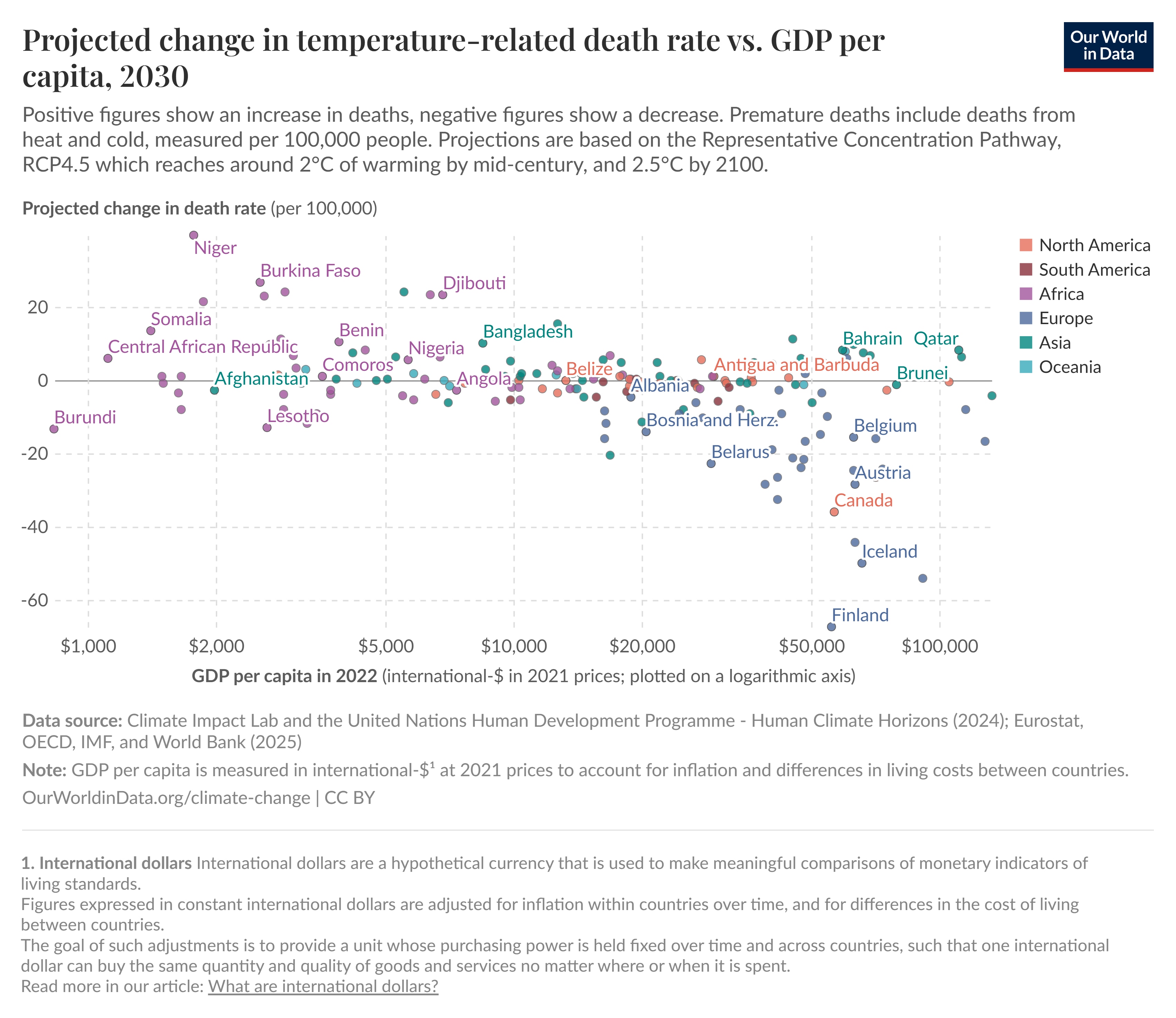
Rising temperatures due to climate change amplify cardiovascular and kidney diseases, straining healthcare systems and increasing global health inequities. By 2050, climate change could lead to 14.5 million additional deaths and $1.1 trillion in extra healthcare costs. Effective adaptation strategies are crucial, focusing on improving care standards, enhancing healthcare delivery, and "greening" health systems. Key components include targeted prevention, decentralized care using telemedicine, public awareness initiatives about climate impacts on health, and integrating sustainability into health product development. Collaboration among healthcare professionals and communities is essential to safeguard equitable access in a changing climate.
Financial services, Education, Health
How to adapt cardiovascular and kidney care in a changing climate

Forced labour affects nearly 28 million people globally, persisting due to fragmented data and disconnected initiatives. The Global Data Partnership Against Forced Labour aims to unify efforts from governments, businesses, and civil society to create a collective impact. By connecting various data sources—like inspection results and worker grievances—the Partnership enhances visibility of risks, fostering accountability and timely intervention. The approach emphasizes shared intelligence while respecting privacy and sovereignty, aiming to break the cycle of limited visibility and weak accountability that currently undermines efforts to combat forced labour effectively.
Health, Education
No longer flying blind: How collective intelligence can help prevent forced labour
Global annual AI investment is projected to reach $1.5 billion for applications and $400 billion for infrastructure by 2030, yet many countries risk lagging as AI sovereignty is often equated with owning infrastructure. The World Economic Forum and Bain & Company highlight that strengthening AI competitiveness requires strategic investments, resilient infrastructure, and trusted international partnerships. They identify five archetypes guiding economies to leverage comparative advantages, focus on impactful applications, and develop interoperable AI systems. Case studies from Singapore and India demonstrate that coordinated public-private efforts and strategic planning can successfully build national AI ecosystems. The report advocates viewing AI sovereignty as strategic interdependence to secure long-term competitiveness in the AI-driven economy.
Rethinking AI Sovereignty: Pathways to Competitiveness through Strategic Investments
Global investment in AI is projected to reach $1.5 billion for applications and $400 billion for infrastructure by 2030. Many economies risk lagging behind as AI sovereignty becomes linked to infrastructure ownership. The World Economic Forum and Bain & Company emphasize the need for strategic investments, resilient infrastructure, and international partnerships to enhance competitiveness. The report outlines five pathways for nations to optimize their AI systems, using case studies from Singapore and India to demonstrate effective strategies. It advocates for viewing AI sovereignty as strategic interdependence for sustained competitiveness in the intelligent economy.
Singapore | Education
Rethinking AI Sovereignty: Pathways to Competitiveness through Strategic Investments
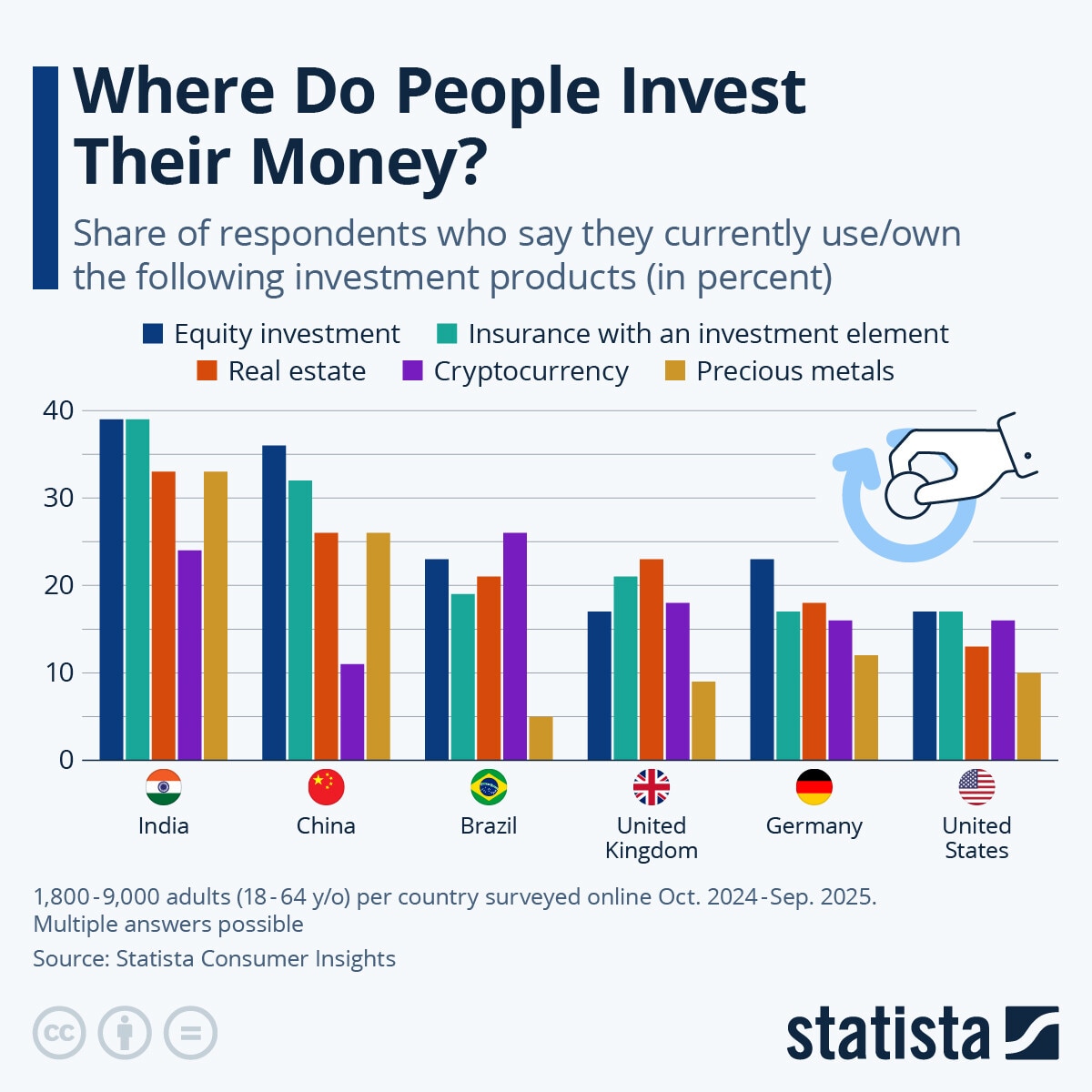
The democratization of finance is transforming private markets, allowing individual investors access to alternatives like private equity, real estate, and private credit through regulatory reforms and digital platforms. New frameworks, such as the EU's ELTIF 2.0 and changes by the SEC, support broader participation while enhancing investor protections. Despite their potential for superior returns, private markets present different risks, necessitating financial education for retail investors. This shift can channel more capital into the real economy, fostering growth in critical sectors. Technology will be essential in facilitating this evolution, shaping the future landscape of private market investing.
Education, Financial services
The rise of the retail investor: how private markets are being transformed

Brazil is developing a regenerative economic model centered on large-scale ecosystem restoration, particularly in the Pará state, to enhance its bioeconomy. Collaborations among private sectors, academia, and NGOs aim to restore ecosystems and create nature-based value chains. Initiatives like COP30 have propelled investments in forest restoration and bio-based industries. Companies like Mombak are leading reforestation efforts, crucial for diverse markets, including food and energy. The Brazilian government is reducing deforestation and promoting restoration, boosting long-term investment security for restoration companies. The shift focuses on leveraging natural capital to diversify industries reliant on healthy ecosystems.
Brazil
Brazil's restoration industry could power the global bioeconomy