
Power systems are evolving into dynamic, decentralized networks driven by digital intelligence and AI, transitioning from centralized structures. This shift is prompted by a soaring global electricity demand, which is rising twice as fast as overall energy demand, necessitating a doubling of grid capacity by 2040. Effective innovation in technology, market dynamics, and financing is essential to integrate renewable energy and manage complex power flows. Addressing the energy trilemma of security, affordability, and sustainability is critical. Uruguay exemplifies successful energy transformation with 98% renewable generation, reducing costs and enhancing economic resilience.
Egypt, Estonia, Ghana, Iceland, Ireland, United Kingdom, Uruguay | Financial services, ICT, Education
As power systems enter their ‘internet moment’, how is innovation redefining the future of energy?
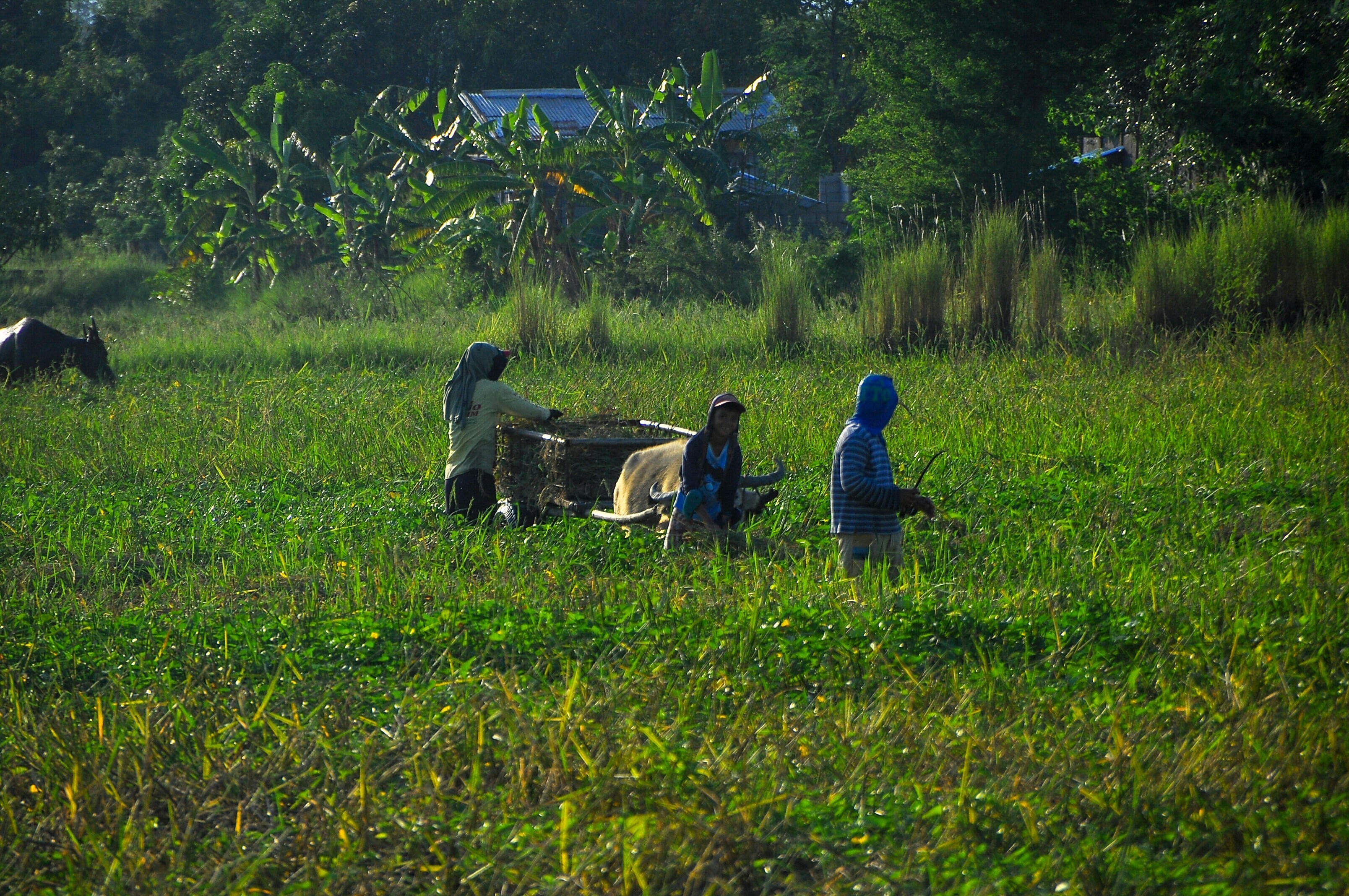
Farmers are vital in combating climate change through sustainable practices, yet their role is often overlooked in global discussions. Recent events like COP30 and the G20 have begun to integrate farmers and food systems into these conversations. Effective climate action requires new strategies, particularly in the Global South, where smallholder farmers enhance food security. Innovative agricultural methods could significantly reduce greenhouse gas emissions, with potential for carbon sequestration and water conservation. Supporting farmers with training, market access, and incentives is crucial for widespread adoption of sustainable practices. The #AFarmerCan campaign seeks to promote actionable policies to empower farmers in this effort.
Farmers are key to fighting climate change – it’s time we gave them the support they deserve
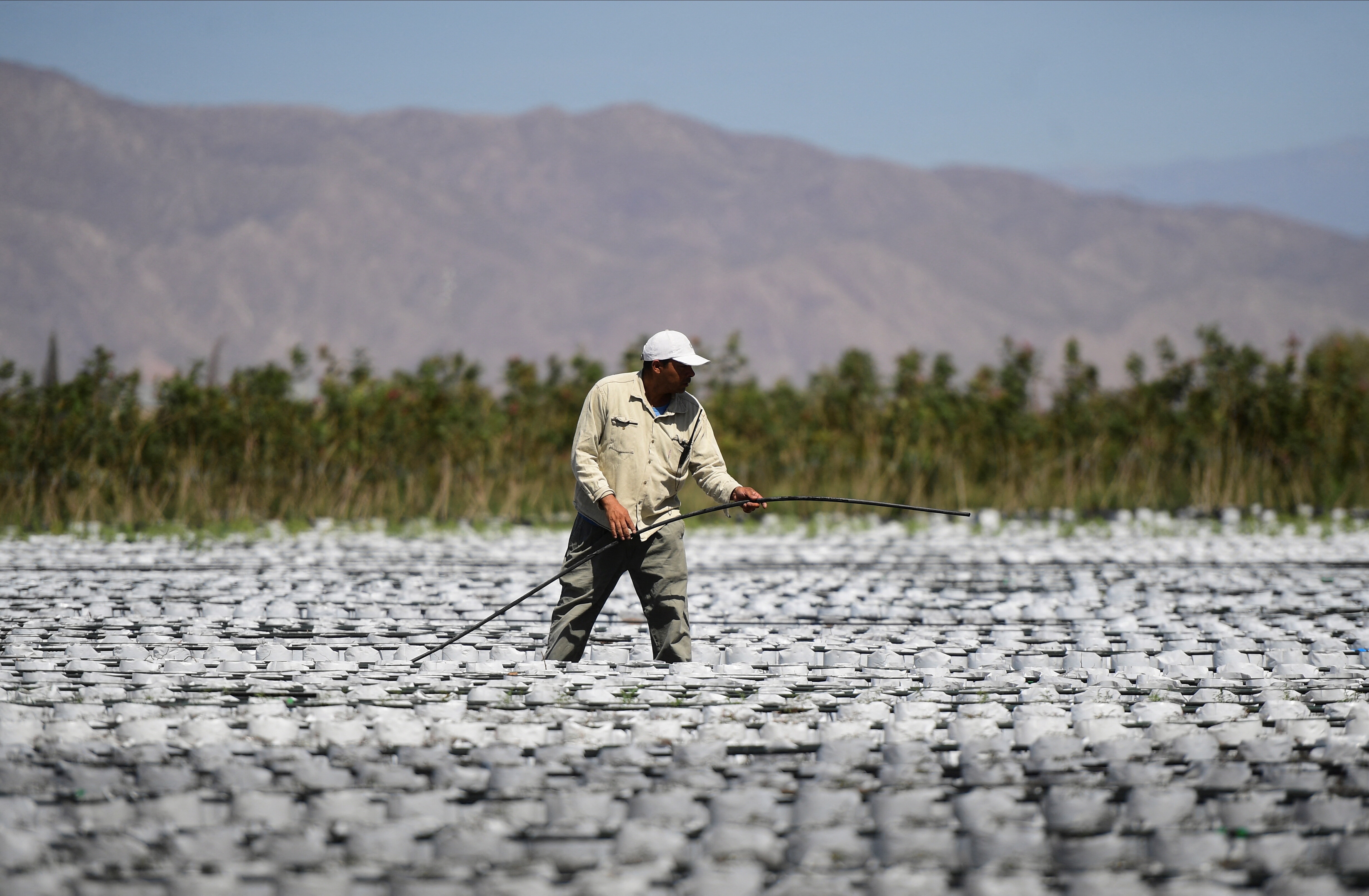
AI is set to enhance productivity notably in various sectors, particularly financial and professional services, where gains are expected within one to three years. Chief economists anticipate that AI adoption will lift overall labor productivity by 1.5% to 3% over the next decade, with significant contributions from technology, finance, and consulting. While AI-related job losses may persist, productivity improvements in software development have already been significant, with some developers reporting doubled output. The expectation is that initial gains will arise in industries highly exposed to AI, with ongoing advancements dependent on implementation, skills, and organizational changes.
Education
Chief economists have clear ideas about where AI will boost productivity, and when

Chief economists anticipate a correction in the AI investment cycle, which some view as a bubble. The economic consequences begin before a bubble bursts, as resources shift to AI, raising costs for non-AI projects. Initially, the bubble may inflate GDP through infrastructure investment, but results are often disappointing. Upon bursting, financial markets face instability, prompting central banks to provide liquidity. Public narratives may exaggerate the fallout, impacting investor confidence and causing potential risks in smaller banks involved with AI. Ultimately, wealth transfer occurs, leading to limited consumption impacts and concentrated job losses within the tech sector.
Financial services
Anatomy of an AI reckoning

The global financial system is increasingly fragmenting, driven by national interests rather than multilateral cooperation. This trend significantly complicates international business operations and poses risks to efficient fund intermediation, potentially increasing credit and currency risks. A report estimates the costs of fragmentation could range from $0.6 trillion to $5.7 trillion. Key events in 2025, including major powers implementing strict trade policies and increasing tariffs, have further emphasized this shift. The evolving landscape indicates a long-term impact on international finance, necessitating that businesses and policymakers adapt to these changes and potential intra-West restrictions.
Ghana, Russian Federation, Taiwan, China, Ukraine, United Kingdom, Zimbabwe | Health, Financial services
Yesterday’s risk, today’s reality: a fragmented financial system

Resilience is evolving from a defensive stance to a strategic element essential for sustainable value creation and risk management. Effective resilience in investment portfolios demands strategic clarity, adaptability, disciplined preparation, and a defined risk appetite. Long-term capital investment is crucial for nations to enhance their resilience amidst various global disruptions such as pandemics and economic volatility. Key characteristics of resilient institutions include strategic clarity, robust governance, and proactive risk management. Nations are increasingly focusing on strengthening economic resilience through investments in critical infrastructure, energy systems, and technology to thrive in a complex and uncertain environment.
Burkina Faso, Colombia, Egypt, Ethiopia, Germany, Ghana, India, Indonesia, Jordan, Kenya, Luxembourg, Nigeria, Philippines, Russian Federation, Rwanda, Senegal, Singapore, South Africa, Switzerland, Tanzania, Uganda, Ukraine, United Arab Emirates, United Kingdom | ICT, Financial services, Health, Education
From shocks to strength: how resilience drives value creation

The January 2026 Chief Economists' Outlook indicates a cautiously improved sentiment compared to late 2025, despite remaining largely negative. The report, based on insights from the World Economic Forum's Chief Economists, discusses the mixed economic trajectories across regions. The US shows improved growth prospects due to strong AI investments, while Europe faces weak growth and geopolitical issues. China deals with deflation and trade rebalancing, and South Asia emerges with the most favorable growth outlook. Key themes include rising public debt, asset valuation concerns, and the uneven impacts of artificial intelligence on productivity and employment.
Chief Economists' Outlook: January 2026
The January 2026 Chief Economists’ Outlook indicates an improved yet cautious economic outlook compared to 2025, based on insights from the World Economic Forum’s Community of Chief Economists. While negative sentiment persists, particular regions exhibit varied growth trajectories. The US sees improved growth driven by artificial intelligence investments, whereas Europe faces weak growth and geoeconomic challenges. China deals with deflationary pressures and trade rebalancing, while South Asia emerges with the strongest growth prospects. The report also addresses debt issues in various economies and the uneven impact of AI on productivity and employment, signaling significant transformations in the global economy.
Australia, Austria, Barbados, Belgium, Bolivia, Bulgaria, Burkina Faso, Cambodia, Chad, Chile, Colombia, Czech Republic, Denmark, Ecuador, Egypt, Estonia, Ethiopia, Georgia, Germany, Ghana, Hungary, India, Indonesia, Japan, Jordan, Kenya, Lesotho, Luxembourg, Malaysia, Namibia, New Zealand, Pakistan, Peru, Philippines, Poland, Republic of Korea, Russian Federation, Senegal, Singapore, South Africa, Sweden, Switzerland, Taiwan, China, Tanzania, Thailand, Uganda, Ukraine, United Arab Emirates, United Kingdom, Venezuela, Viet Nam, Zimbabwe | Financial services, ICT
Chief Economists' Outlook: January 2026

Sustainable growth necessitates reconciling economic, social, political, and ecological interests through collective action via public-private partnerships and regional coalitions. The World Economic Forum's upcoming Davos meeting aims to enhance collaboration under the theme “A Spirit of Dialogue.” Current global forums struggle with vague pledges and insufficient action in addressing climate challenges. To foster long-term value creation, businesses must adopt frameworks that measure natural, social, and human capital, supported by transparent regulations. Innovation and strategic government policies are essential for driving sustainability, with successful examples from Denmark, China, and Texas highlighting the potential for collaboration and investment in sustainable practices.
Ethiopia, Ghana, Indonesia, Sweden, United Kingdom | Financial services, ICT, Education, Health
Coming together: Sustainable growth means rethinking value

Enterprise-wide AI can significantly enhance productivity and reduce costs, yet only 2% of organizations are prepared for its implementation. Successful scaling requires AI-ready data, suitable models, upskilled talent, and effective governance. Responsible AI practices lead to reduced incident costs and higher trust among stakeholders. A platform-based approach facilitates the integration of diverse AI models and cloud solutions, benefiting from open-source tools that lower costs and enhance flexibility. Organizations are increasingly adopting these practices to foster innovation while ensuring safety and compliance.
Education
Enterprise-wide AI can unleash the technology's potential: Here's how you get there

The resurgence of geoeconomics signifies a major shift in how countries utilize economic tools to enhance national power, particularly evident in the U.S.-China rivalry. This transition marks a move from absolute to relative welfare, emphasizing zero-sum competition where countries measure their wealth against rivals. Smaller nations face increased vulnerability to coercion as hegemonic powers leverage economic networks. State intervention is on the rise, with developed countries adopting industrial policies alongside emerging markets. Companies and investors are urged to adopt stakeholderism, aligning business strategies with broader societal goals amidst this changing landscape.
Chile, Egypt, Eswatini, Ethiopia, Georgia, Germany, Ghana, Hungary, Iceland, Indonesia, Japan, Jordan, Poland, Republic of Korea, Russian Federation, Singapore, Sweden, Switzerland, Tanzania, Ukraine, United Arab Emirates, United Kingdom, Zimbabwe | Financial services, Health
The rise – or return – of geoeconomics and the implications for growth

Global warming has surpassed the critical 1.5°C threshold, highlighting the urgent need for immediate action on climate policy. A proposed Science Panel on the Global Energy Transition could offer evidence-based frameworks to assist decision-makers. Addressing climate change hinges on four key factors: rapid net-zero emissions, transforming agriculture, scaling carbon dioxide removal, and protecting natural carbon sinks. Current national commitments are insufficient, projecting over 2.5°C of warming. COP30 aimed to pivot from promises to actionable strategies, focusing on fossil fuel phase-out and halting deforestation, with scientists ready to support this necessary transition.
Financial services
Why it’s time to put scientific guidance at the heart of climate policy

Global economic uncertainty is driven by climate change, geopolitical tensions, and rapid technological advancement, necessitating collaboration for meaningful progress. Experts from the Global Future Councils emphasize the importance of dialogue to foster innovation and resilience. Key takeaways include the growing commitment to ethical AI, reskilling initiatives, and the evolving role of higher education in addressing societal challenges. Collaboration across sectors is essential to align technological and human progress, with a focus on shared purpose and sustainable solutions. Overall, progress is being made, especially when empathy and ethical considerations guide technological development.
Singapore | Financial services, ICT, Health, Education
Amid global uncertainty, Global Future Council experts explore where progress is possible

Cybercrime operates as a borderless economy driven by collaboration, making it imperative for societal-wide efforts to counteract it. Strengthening public-private partnerships and incentivized reporting can disrupt this economic model by fostering community intelligence. Current cybercriminals benefit from sophisticated structures that outpace defenders, who often operate under restrictive frameworks. Successful collaborative initiatives, like the World Economic Forum’s Cybercrime Atlas, demonstrate the potential of shared efforts. However, sustaining long-term impact requires robust incentive-driven models that empower individuals and organizations to report suspicious activity, enhancing deterrence and resilience against cybercrime.
Africa | Financial services, ICT, Health, Education
Collaboration and incentives can shift the economics of cybercrime. Here's how

Financial hubs must evolve to thrive amid uncertainty, focusing on three interdependent areas: enhanced connectivity, responsive infrastructure, and robust governance. Their ability to forge connections is crucial for maintaining relevance and leadership in a fragmented global economy. Financial hubs facilitate capital flow, help companies scale, and adapt to changing market conditions amid geopolitical and technological disruptions. Investment in advanced infrastructure is essential for meeting evolving investor behaviors. Strong governance fosters trust and market integrity, making hubs attractive for global business. Collaborations and innovative structures will shape future global prosperity.
Ghana, Hungary, Singapore, Ukraine | ICT, Health, Education, Financial services
Financial hubs are bridges to prosperity. Here's why

Tourism is positioned as a vital sector for global stability, growth, and shared prosperity, especially amid slow economic growth and rising fiscal pressures. It provides immediate stimulus, with 80% of its economic value benefiting small and medium-sized enterprises and local communities. With a projected labor shortfall in tourism, it offers substantial job creation opportunities, enhancing social cohesion and cultural understanding. Technology is crucial for improving productivity and customer experiences in the sector, though investment in infrastructure remains essential. Saudi Arabia exemplifies successful tourism development, surpassing visitation goals and committing billions toward sustainable tourism investments, illustrating the sector's potential as key economic infrastructure.
Bahrain, Egypt, Eswatini, Ethiopia, Germany, Ghana, Indonesia, Jordan, Lesotho, Malaysia, Oman, Pakistan, Republic of Korea, Saudi Arabia, Senegal, Singapore, South Africa, Sweden, Tajikistan, Tanzania, Thailand, Tunisia, Uganda, United Arab Emirates, United Kingdom, Yemen | Financial services, ICT, Health, Education
How tourism can be a strategic asset for global stability, growth and trust

Social innovation is becoming a key strategy for businesses seeking competitive advantages in a complex global environment marked by supply chain disruptions and changing consumer expectations. Analyzing over 180,000 supply chain events, it was found that social issues account for 18% of disruptions. Companies that adopt social innovation can align their commercial goals with societal benefits, fostering trust and resilience. Initiatives like the Rise Ahead Pledge and examples from Tencent and Belterra Agroflorestas illustrate successful models embedding social positives into operations. More firms are recognizing this need, with new signatories emphasizing commitments to social innovation.
Education
Companies are starting to cash in the social innovation dividend

AI digital infrastructure is projected to significantly increase energy and water consumption, with data centers expected to double their electricity use by 2030 and quadruple their water consumption by 2028. This poses a challenge to resource sustainability, highlighted by 2.1 billion people facing water scarcity. Key priorities for enhancing digital infrastructure include waste heat recovery, independent power and water systems, circular design principles, advanced cooling technologies, and using AI to optimize water resources. Successful Nordic examples demonstrate the potential of these strategies, showcasing how data centers can contribute to community resilience and reduce environmental impact.
Education
Enhancing AI digital infrastructure within planetary boundaries
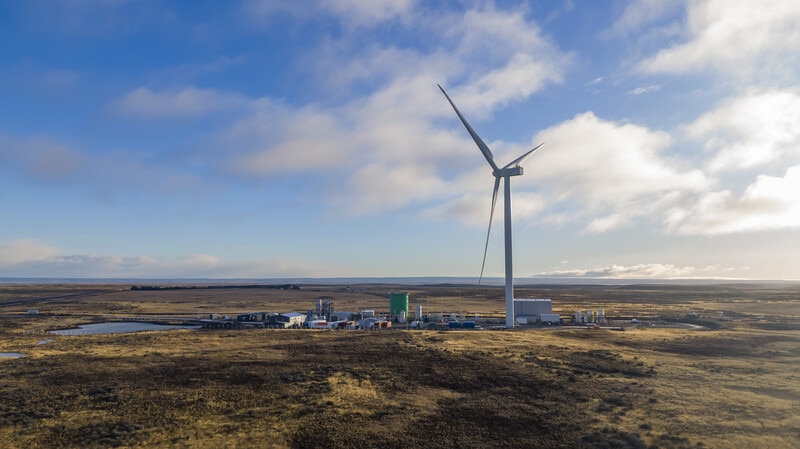
E-fuels are clean fuels that can significantly lower emissions compared to fossil fuels and can be utilized in existing infrastructure. Critical factors for scaling e-fuel production include location, cost reductions, and supportive policies. The COP30 conference saw over 20 countries pledge to quadruple sustainable fuel usage by 2035. E-fuels, produced by combining green hydrogen with recycled CO₂, can serve markets unsuitable for direct electrification. Despite their potential, current production costs are high, necessitating innovations in electrolyzer technology and infrastructure efficiencies. Successful early projects, like the HIF Haru Oni facility in Chile, demonstrate e-fuels' viability and encourage wider adoption.
How location, cost cuts and policy can help clean fuels compete with fossil fuels

Social dialogue is essential for addressing contemporary challenges, emphasizing the importance of including the voices of working people and labor. The AFL-CIO, representing 15 million workers, advocates for active participation in global decision-making to counter unchecked greed and promote fair compensation. Historical lessons indicate that social dialogue has been crucial in overcoming crises. Despite rising authoritarianism and inequality, there is optimism that cooperation can lead to a transition to a low-carbon economy and a focus on ensuring AI benefits all workers. The upcoming World Economic Forum must confront the dangers of deregulation and prioritize worker protections.
Africa, Latin America | ICT, Financial services, Education, Health
Social dialogue cannot happen without working people being heard