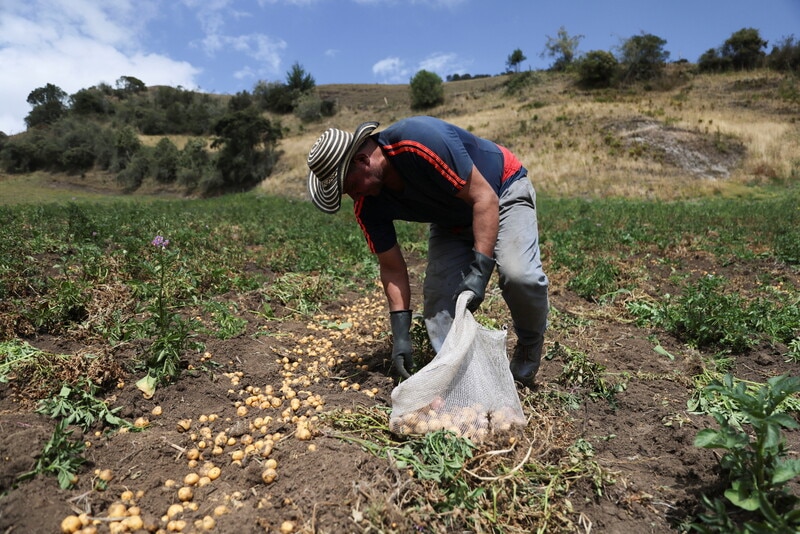
The food system significantly contributes to global greenhouse gas emissions, necessitating collaborative efforts to meet rising nutritional demands while reducing environmental impact. A partnership between Yara and PepsiCo exemplifies effective collaboration to cut emissions through improved fertilizer practices without compromising yields. By employing lower-carbon fertilizers and data-driven nutrient management, this initiative aims to enhance farm efficiency and support sustainability. The model is expanding into Latin America, showing potential for significant emissions reductions and replicability. Integrating procurement commitments and agronomic support is crucial for driving substantial changes in the food value chain.
How partnerships can help decarbonize food value chains

European countries, particularly Denmark, are grappling with US threats regarding Greenland amidst a shifting geopolitical landscape influenced by recent US foreign policy under Trump. Denmark, historically aligned with US-led initiatives, is reevaluating its foreign stance following the Ukraine conflict, seeking EU support against potential US aggression. The situation reveals broader implications for the EU's relationship with the US and highlights multiple analytical frameworks for understanding these dynamics, including realism, the influence of elite power structures, the decline of the liberal international order, and the interconnectedness of global crises.
Denmark, Sweden | Health
Four ways to understand what’s going on with the US, Denmark and Greenland

Business AI is revolutionizing work by reclaiming time for employees and organizations, enabling deeper and more meaningful tasks. Three primary forces drive this shift: AI's capability to perform end-to-end tasks, its integration into core operations, and the need for business growth without proportional increases in headcount. Many work activities are expected to become automated by 2030, potentially adding 12 hours of capacity per employee weekly. This transition allows organizations to focus on innovation, customer relationships, and problem-solving, ultimately redefining productivity by prioritizing time over output.
Education
How business AI can return humanity’s most precious resource – time

Human security has evolved historically in response to major global events such as the Cold War, the 9/11 terrorist attacks and the subsequent war on terror, financial and migration crises, and renewed geopolitical conflicts in Europe, the Middle East, and Africa. It emerged as a broadened security paradigm with its formal introduction in the United Nations Development Programme’s 1994 Human Development Report. The concept has transitioned from normative foundations to practical application by international and regional bodies across military, development, and humanitarian contexts. Effective integration of human security perspectives is essential for contemporary security practitioners in their operational and strategic frameworks.
Health
History of Human Security
China has emerged as the first middle-income economy to rank among the world's top ten most innovative nations, despite its classification as a middle-income country with a GNI per person significantly lower than advanced economies. It ranked tenth in the 2025 Global Innovation Index, outperforming countries like Germany, Japan, and France. China leads in various tech sectors, holding 41% of global industrial robots, 70% of high-speed rail, and producing the most generative AI patents. Furthermore, it dominates high-tech manufacturing, contributing 31% of global output and excelling in high-tech exports, establishing its status as a tech superpower.
Angola, Austria, Bahrain, Belgium, Benin, Bolivia, Cambodia, Canada, Chad, Chile, Denmark, Egypt, Estonia, Ethiopia, Georgia, Germany, Ghana, Guatemala, Guinea, Haiti, Hungary, India, Indonesia, Ireland, Israel, Italy, Japan, Lesotho, Lithuania, Luxembourg, Madagascar, Malaysia, Mali, Mauritius, Mexico, Moldova, Mongolia, Morocco, Myanmar, Nepal, New Zealand, Peru, Philippines, Poland, Qatar, Republic of Korea, Russian Federation, Singapore, Sweden, Taiwan, China, Tajikistan, Tanzania, Thailand, Tunisia, Uganda, Ukraine, United Arab Emirates, United Kingdom, Venezuela, Viet Nam, Yemen, Zambia, Zimbabwe
How China became the first middle-income tech superpower

Companies are increasingly initiating and funding basic research through academic partnerships, challenging the conventional view that such collaborations aim solely for short-term commercial outcomes. A study analyzing 631 collaborative projects in France found that 61% were classified as basic research, focused on advancing scientific knowledge rather than immediate applications. These relationships allow industry to co-create foundational insights, suggesting a shift towards long-term, exploratory partnerships that embed basic research in real-world contexts, ultimately fostering innovation and competitiveness in a knowledge-based economy.
United Kingdom | Education
Why companies use academic partnerships to invest in basic research
AI-generated content is undermining trust in news media, which is already struggling with declining revenue. Content is often created or altered without attribution, leading to legal actions, such as the New York Times lawsuit against OpenAI and Microsoft for using its articles without permission. Provenance verification for digital text is complex, but a new cryptographic method from Encypher AI aims to embed unique digital fingerprints in articles to establish authenticity. This technology, combined with the C2PA standard, seeks to support media companies in protecting their content and negotiating with AI developers, fostering a more equitable digital economy.
Cryptography Could Be The Key To Helping Media Thrive In The Age Of AI

El Niño events significantly impact human health and life expectancy, causing long-term reductions that persist long after the events themselves, according to new research. These climate-driven phenomena, linked to extreme weather, lead to 0.4 to 0.5 years lost in life expectancy in affected regions and economic costs reaching trillions of dollars. The study predicts that by 2100, cumulative life expectancy losses could amount to a median of 2.8 years, costing around $35 trillion due to increasingly intense El Niño events. The authors stress the need for adaptation strategies that incorporate El Niño forecasts into public health planning.
El Niño will cost $35 trillion by 2100 as planet warms, study warns
Agentic AI represents the next evolution in artificial intelligence, transitioning from generative models to systems capable of autonomous action with real-world implications. This shift necessitates grounding AI in factual data and context to avoid risks associated with inaccuracies, which can lead to significant operational failures. The rise of industrial AI emphasizes the importance of verified data and human oversight, ensuring that AI enhances rather than replaces human values and ethics. As AI becomes increasingly capable, maintaining human agency, accountability, and moral oversight is essential to steer technological advancements in alignment with human purpose.
Education
The next wave of intelligence: How human purpose must guide the future of AI

South Korea's climate ministry is investing KRW 60 billion (US$41 million) into a Green Infrastructure Overseas Export Support Fund to support the low-carbon transition and assist domestic firms abroad. The fund aims to mobilize KRW 100 billion (US$68.5 million) total with private investment and focuses on projects in carbon reduction, energy transition, circular economy, and water infrastructure. Launched in October 2024, the initiative is expected to generate over KRW 4.9 trillion (US$3.3 billion) in overseas orders and engage more than 100 small and mid-sized companies in global green value chains, aligning with South Korea's 2050 carbon neutrality goal.
Republic of Korea
South Korea commits $41 million to overseas green infrastructure fund
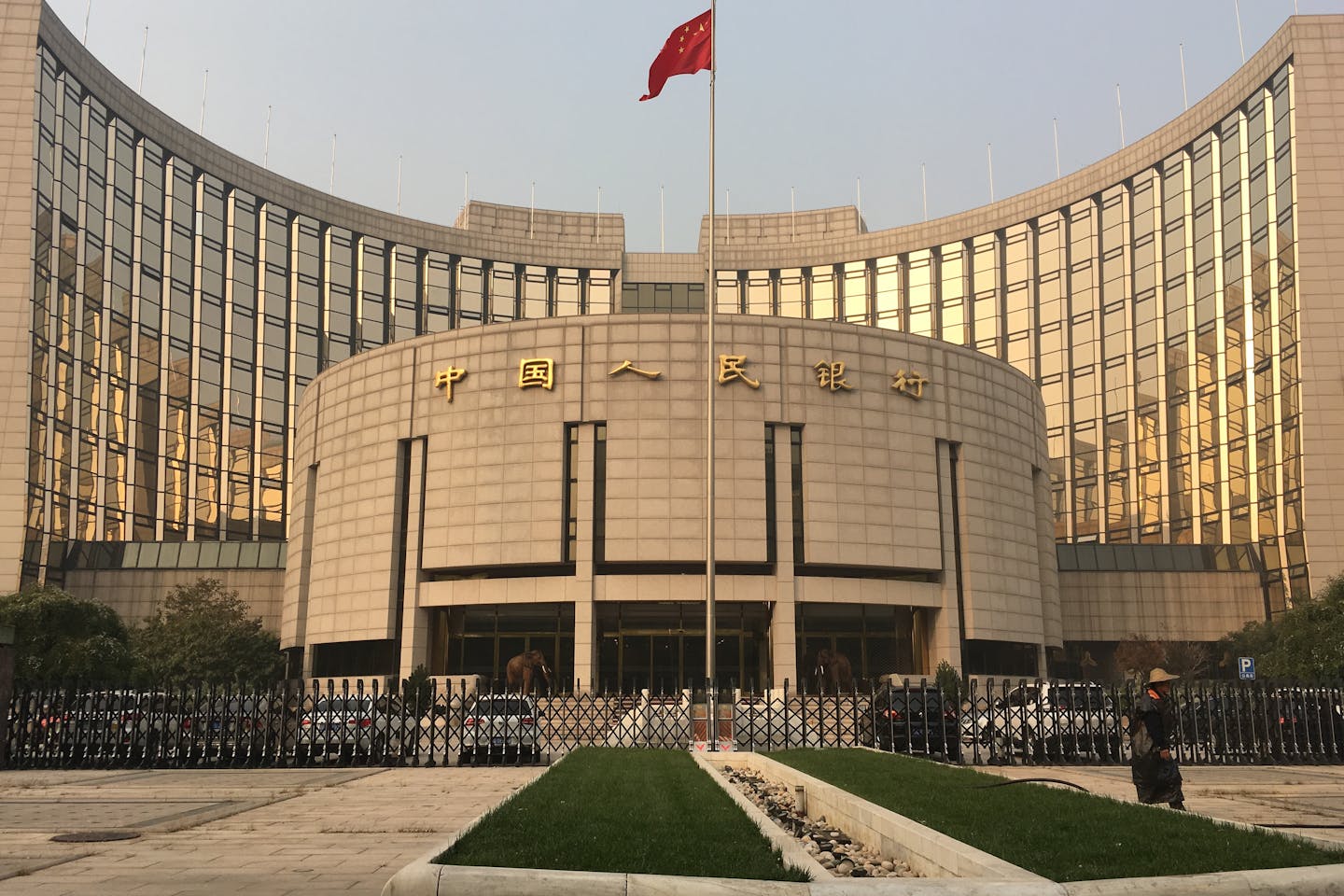
China's new corporate climate disclosure standards, published by the Ministry of Finance and central bank, offer a voluntary framework for companies to prepare for future reporting requirements. Aligned with international standards, these guidelines emphasize accountability in emissions reporting and climate targets. The standards particularly focus on governance and qualitative reporting aspects, while requiring disclosures on emissions reduction pathways. Experts advise companies to conduct a gap analysis to prepare for challenges in measuring indirect emissions and ensuring compliance with upcoming regulatory mandates. This initiative is part of China's broader strategy to embed sustainability in national development plans.
Financial services
Companies should start preparing to adopt China's latest climate disclosure standards, say experts
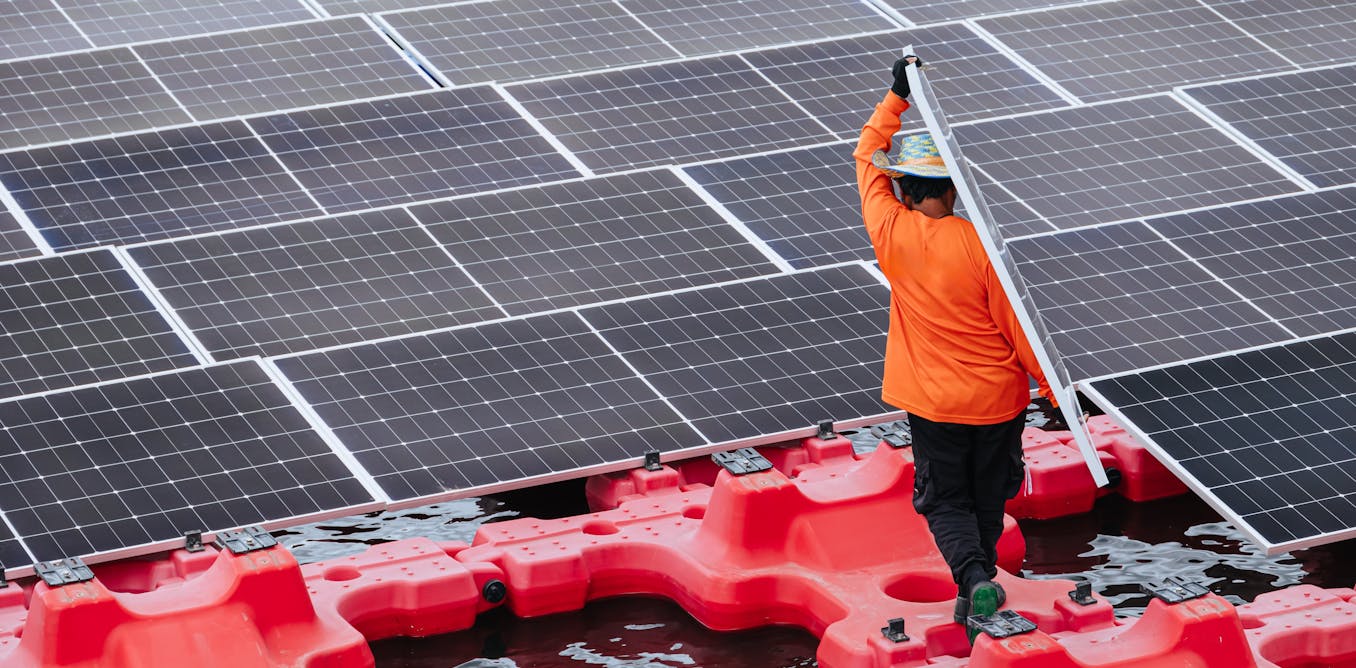
2025 saw severe climate challenges with record temperatures and extreme weather. However, signs of progress are emerging, including the UK nearing a positive tipping point in electric vehicle adoption, with sales increasing significantly. Innovations in solar energy are taking root in Pakistan and South Asia, driven by economic necessity rather than climate pledges. Globally, renewables have surpassed coal as the primary electricity source, with notable advancements in developing regions. Despite facing hurdles, China is intensifying its green economy efforts, aiming for carbon neutrality by 2060. Additionally, climate-change refugia have been identified, highlighting resilient ecosystems that can withstand warming impacts.
A few reasons to feel hopeful about the climate in 2026
Informal science spaces, such as The MagnifiScience Centre in Karachi, address the educational exclusion of over 250 million children globally by offering hands-on science experiences that traditional classrooms often lack. These centers foster curiosity, creativity, and critical thinking, serving as hubs for community engagement and learning outside conventional curriculum limits. They support inclusivity, particularly for girls and women, while strengthening local talent through community-driven innovation. By creating a dynamic learning environment, informal science spaces enhance civic participation and resilience, preparing young individuals for a rapidly changing world.
Education
How informal science spaces unlock learning for the world’s most excluded children
The capture of Venezuelan President Nicolás Maduro by the United States has significant implications for Russia's influence in Latin America. This operation diminishes Russia's credibility as a security partner in the region, leading to a potential shift towards internal security relationships. Following the military strike, Russia condemned the U.S. action and expressed solidarity with the Venezuelan people. Vladimir Putin's public silence reflects a cautious diplomatic stance, avoiding entanglement in direct confrontation. Russia's engagement with Venezuela, a critical partner since Hugo Chávez, faces challenges as the interim government navigates U.S. pressures, impacting Russia's strategic interests and partnerships in the region.
Russian Federation, Venezuela
What the capture of Nicolás Maduro means for Russia’s influence in Latin America

Global cooperation remains steady but is evolving due to geopolitical tensions and fragmentation. The Global Cooperation Barometer 2026 assesses cooperation across five pillars: trade and capital, innovation and technology, climate and natural capital, health and wellness, and peace and security, revealing significant shifts in metrics. Trade cooperation faces challenges, while innovation is increasing despite tighter controls. Climate cooperation has grown but falls short of goals, and health outcomes remain resilient amidst aid pressures. Conversely, peace and security cooperation has declined. Leaders must adapt their strategies to enhance resilience and identify new cooperation formats in response to these changes.
Algeria, Angola, Bahrain, Belgium, Bolivia, Bosnia and Herzegovina, Botswana, Bulgaria, Cambodia, Chad, Croatia, Finland, Guinea, Hungary, Iceland, Israel, Jordan, Kazakhstan, Kuwait, Latvia, Lebanon, Lesotho, Lithuania, Malawi, Malaysia, Mali, Malta, Mongolia, Morocco, Netherlands, Oman, Panama, Philippines, Poland, Qatar, Slovakia, Slovenia, Sweden, Switzerland | Financial services, Health
The Global Cooperation Barometer 2026 – Third Edition
Global cooperation remains steady but is evolving due to geopolitical tensions and fragmentation. The Global Cooperation Barometer 2026 assesses collaboration across five pillars: trade and capital, innovation and technology, climate and natural capital, health and wellness, and peace and security. Key findings indicate that while multilateralism is weakening, more targeted, interest-based, and regional cooperation is growing. Cooperation metrics in trade, innovation, climate, health, and security vary, with increases in technology partnerships and climate financing, though challenges persist in health and peace sectors. Proactive adaptation to these changes is essential for leaders in business and government.
Albania, Algeria, Angola, Bahrain, Barbados, Belgium, Benin, Bolivia, Bosnia and Herzegovina, Botswana, Bulgaria, Burkina Faso, Cambodia, Chad, Colombia, Denmark, Estonia, Ethiopia, Gabon, Georgia, Germany, Ghana, Greece, Guatemala, Guinea, Haiti, Hungary, Iceland, Indonesia, Jamaica, Japan, Jordan, Kazakhstan, Kenya, Kuwait, Latvia, Lebanon, Lesotho, Luxembourg, Malawi, Malaysia, Mali, Malta, Moldova, Mongolia, Montenegro, Morocco, Mozambique, Namibia, Netherlands, New Zealand, Oman, Paraguay, Peru, Philippines, Poland, Qatar, Republic of Korea, Russian Federation, Rwanda, Senegal, Singapore, Slovakia, Sweden, Taiwan, China, Tanzania, Thailand, Uganda, Ukraine, United Arab Emirates, United Kingdom, Zambia, Zimbabwe | Financial services, Health
The Global Cooperation Barometer 2026 – Third Edition
Gulf nations are transforming amid global economic volatility by establishing centers of excellence in innovation, technology, and the energy transition. They are investing heavily in infrastructure, such as Saudi Arabia's Landbridge railway and the UAE's advanced digital networks, enhancing their roles in global trade. As leaders in energy, these nations are shifting from hydrocarbons to renewable sources, with initiatives aimed at achieving substantial economic growth through sustainable models. Furthermore, they are fostering talent and innovation via education and R&D investments while diversifying industrial capabilities to strengthen their economies.
Afghanistan, Algeria, Australia, Austria, Bahrain, Bangladesh, Barbados, Belgium, Benin, Bermuda, Bolivia, Bulgaria, Burkina Faso, Burundi, Cambodia, Canada, Chad, Chile, Colombia, Denmark, Djibouti, Dominican Republic, Ecuador, Egypt, Estonia, Eswatini, Ethiopia, Finland, Gabon, Georgia, Germany, Ghana, Greece, Guatemala, Guinea, Haiti, Hungary, Iceland, India, Indonesia, Ireland, Israel, Jamaica, Japan, Jordan, Kazakhstan, Kenya, Kuwait, Kyrgyz Republic, Lebanon, Lesotho, Luxembourg, Malaysia, Malta, Mauritania, Mauritius, Moldova, Morocco, Mozambique, Myanmar, Namibia, Nepal, Netherlands, New Zealand, Nigeria, Norway, Oman, Pakistan, Paraguay, Peru, Philippines, Portugal, Qatar, Republic of Korea, Russian Federation, Rwanda, Saudi Arabia, Senegal, Singapore, South Africa, Spain, Sri Lanka, Sudan, Sweden, Switzerland, Syria, Taiwan, China, Tajikistan, Tanzania, Thailand, Trinidad and Tobago, Tunisia, Türkiye, Uganda, Ukraine, United Arab Emirates, United Kingdom, Uruguay, Uzbekistan, Venezuela, Viet Nam, Yemen, Zambia, Zimbabwe | Financial services, ICT, Health, Education
How Gulf nations are building an advantage in an age of global volatility

Artificial intelligence (AI) is transforming workplaces, but successful adoption hinges on effective change management and strong human oversight. Leaders must engage employees by addressing their concerns and fostering a culture of experimentation. Training programs should empower staff to use AI tools actively and collaboratively, promoting AI literacy. Human judgment remains essential, as evidenced by failures where oversight was lacking. Companies should implement structured pilot initiatives, ensuring AI enhances rather than replaces human expertise. The focus on training and human involvement can turn skepticism into enthusiasm, driving transformation and trust in AI applications.
Education
Why change management and human engagement are non-negotiable when leading through AI
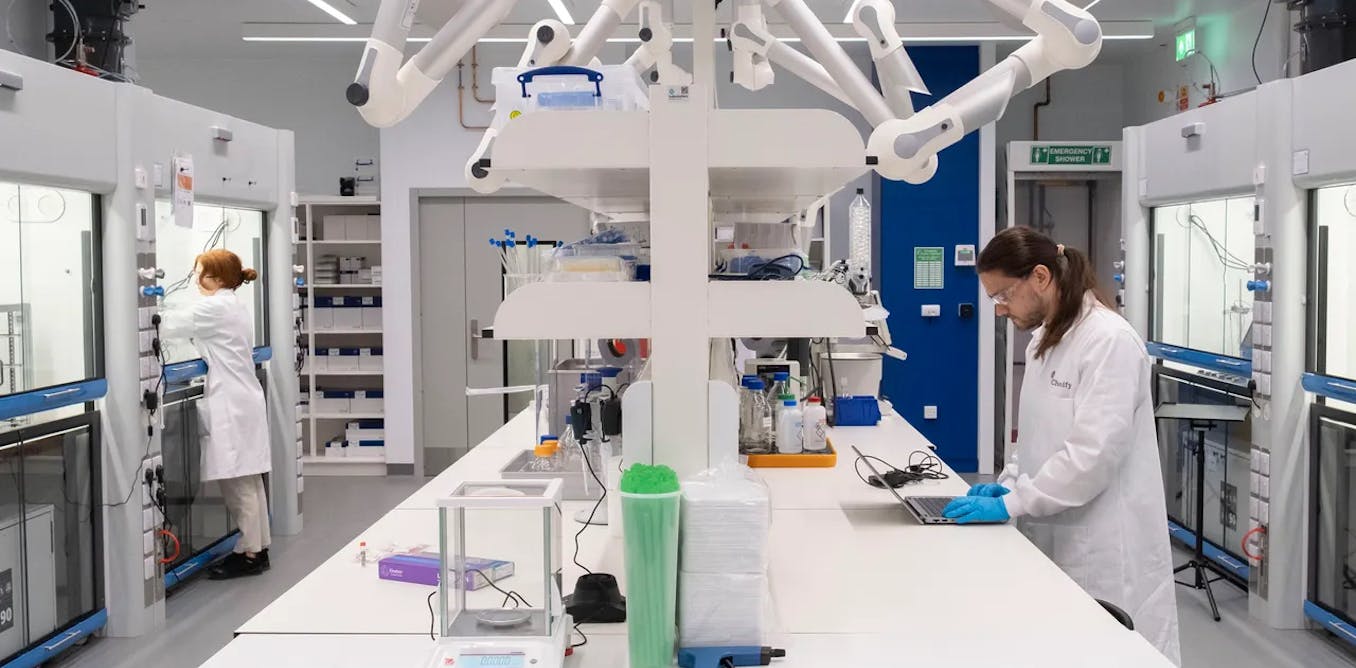
Chemistry is hindered by outdated manual processes despite advancements in AI and robotics. Molecule creation remains labor-intensive and varies by lab, leading to inefficiencies. To overcome these challenges, a programmable approach, termed "chemputation," is essential. This involves encoding chemical synthesis into machine-readable instructions that can be executed consistently across different platforms. The University of Glasgow is pioneering this method, aiming for improved reproducibility and error correction through self-driving laboratories that utilize AI to enhance molecular discovery. This shift could revolutionize chemical research by making it more automated and systematic.
Education
Chemistry is stuck in the dark ages – ‘chemputation’ can bring it into the digital world
Greenland contains substantial natural resources, including critical raw materials like lithium and rare earth elements (REEs), along with significant hydrocarbons such as oil and gas. The region's unique geological history, characterized by mountain-building and volcanic activity, has led to the formation of large REE deposits and other minerals. The US Geological Survey estimates substantial oil reserves in the northeast, similar to the US's proven reserves. However, exploration costs and the impact of climate change on ice coverage pose challenges for resource extraction. Greenland's deposits could significantly influence the global REE market due to their scarcity.
Antarctica, Denmark, Iceland, Nigeria, Norway
Greenland is rich in natural resources – a geologist explains why