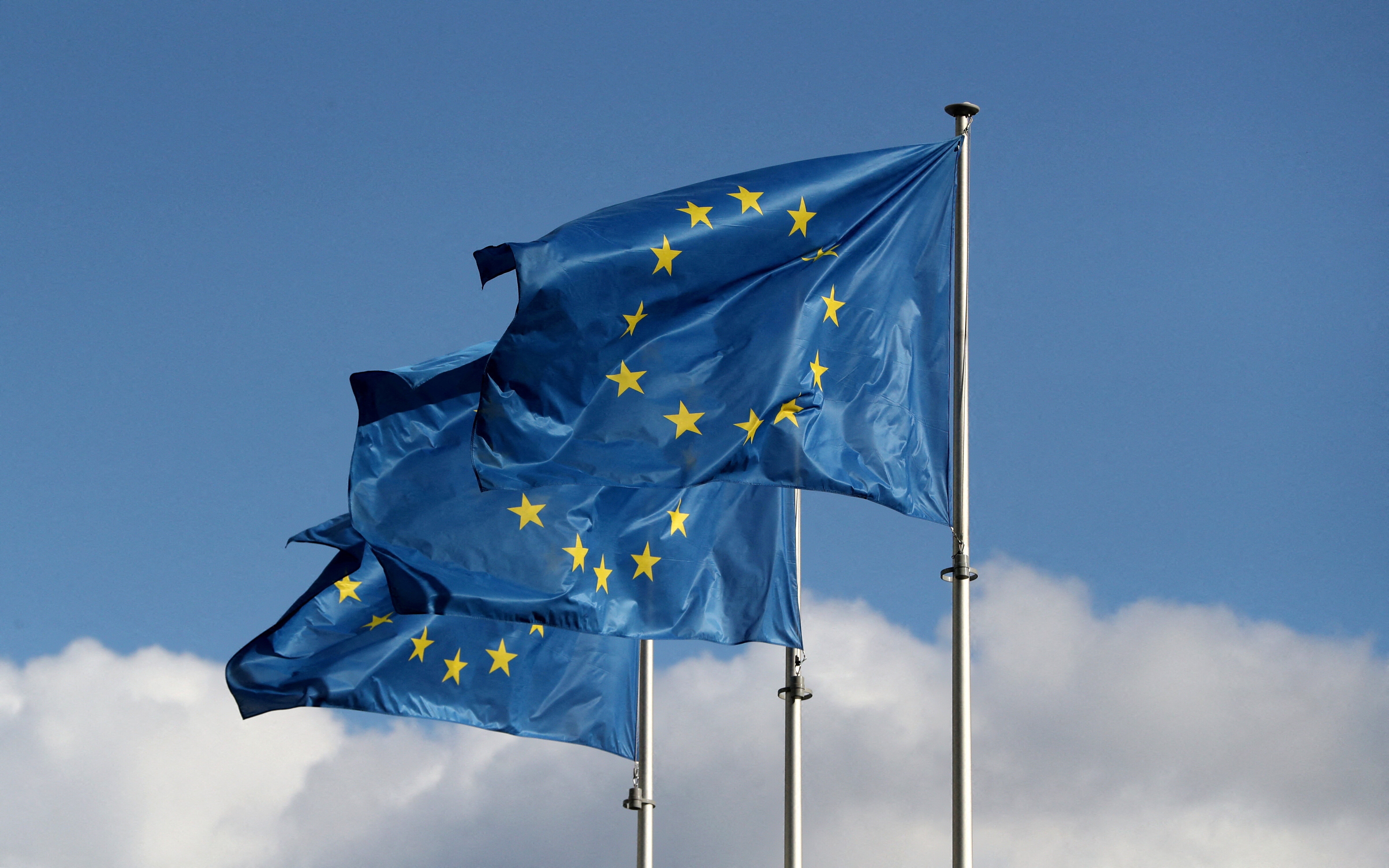
Europe's economy has shown resilience in 2025, avoiding recession while benefiting from increased tech investment and expanding defense budgets. However, geopolitical tensions are imposing significant costs, impacting trade, reducing foreign investment, and heightening uncertainty, which together stifle productivity and aggregate demand. Corporations face growing expenses as they adjust for resilience, with many still not taking necessary actions. Governments are likely to impose regulations for corporate resilience, diverting focus away from growth. Amidst these challenges, corporations have a vital role in advocating for open markets and mitigating the costs of geopolitical fragmentation.
Belgium, Bulgaria, Czech Republic, Denmark, Estonia, Ethiopia, Georgia, Germany, Hungary, Indonesia, Japan, Luxembourg, Philippines, Poland, Portugal, Republic of Korea, Russian Federation, Singapore, Sweden, Switzerland, Tanzania, Ukraine, United Kingdom | ICT, Financial services, Health
Europe's economy isn't collapsing – but let's not downplay the cost of geopolitics

Stablecoins can enhance the financial system by serving as a bridge between traditional fiat currencies and digital assets. True interoperability is essential, connecting banks, mobile wallets, and stablecoin wallets to facilitate seamless and efficient value transfer. The integration of these financial ecosystems will enable faster, cheaper, and more inclusive payments, addressing the limitations of both worlds. Trust is critical; stablecoins must be fully backed, transparent, and regulated to gain user confidence. By fostering this convergence, financial inclusion can be achieved, empowering users globally with better access to the economy.
Financial services
Stablecoins as a bridge not a threat: why interoperability will define global finance

Leaders must develop a unified vision and flexible governance to harness artificial intelligence (AI) as a transformative force within organizations. AI represents a fundamental mindset shift, necessitating a reevaluation of legacy systems and the integration of data and technology. Achieving an intelligence-driven enterprise requires dismantling silos and creating unified strategies that align with business goals. Employee roles will evolve as AI enhances productivity, necessitating training and collaborative support frameworks. Ultimately, success will hinge on delivering value quickly and building trust and empathy within teams, shaping a new model of operation focused on outcomes and adaptability.
Education
Why it’s time to rethink leadership and organizational models for the intelligence-driven era

AI advancement and talent trends are expected to reshape jobs by 2030 in four potential scenarios. The first, "Supercharged Progress," envisions rapid AI integration leading to new job creation amid displacement, with implications for governance and social safety nets. The second, "The Age of Displacement," anticipates faster automation outpacing workforce adaptation, causing increased unemployment and social instability. The "Co-Pilot Economy" scenario focuses on gradual AI integration, emphasizing collaboration between human workers and AI, while the final scenario, "Stalled Progress," sees limited AI impact due to skill shortages and conservative technology deployment, resulting in persistent inequality and frustration.
Education
Here are four ways AI and talent trends could reshape jobs by 2030

Traditional leadership models based on stability and hierarchy are no longer viable amid constant change and complex interdependencies. The erosion of trust in leaders and institutions reflects a deeper crisis: leadership practices have failed to keep pace with evolving realities and crises. Future leadership will not be a single model but diverse, shaped through continuous dialogue, collaboration, and action. A systemic approach to leadership transformation focuses on four key elements: selecting leaders, training them, decision-making and action, and managing succession to ensure lasting impact across sectors and regions.
Education
Next Generation Leadership for a World in Transformation: Driving Dialogue and Action
The upcoming 15th five-year plan, to be published in March 2026, will critically influence China's greenhouse gas emissions and its ability to meet 2030 climate commitments. It targets a 2-6% reduction in energy sector CO2 emissions by 2030, in contrast to a less stringent 7-10% cut by 2035. The plan will determine the peak level of emissions, the growth of clean energy, and the future of fossil fuel dependency, including coal and oil demand. Key questions for policymakers include the alignment with Paris Agreement pledges, clean-energy target enhancement, coal consumption caps, and growth limitations for coal power and the chemical industry.
Q&A: Five key climate questions for China’s next ‘five-year plan’
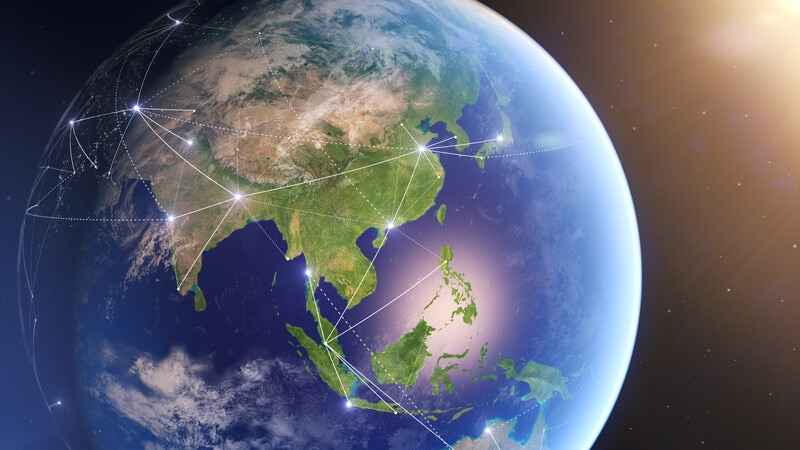
Recent trade and investment deals are transforming the global business landscape, emphasizing a shift from multilateralism to more transactional international relations. Factors such as Brexit, the COVID pandemic, and geopolitical tensions are driving corporations to adapt by engaging in public-private dialogues and diversifying trade partners to mitigate risks. Bilateral trade agreements, like those between the UK and India, are gaining prominence and enhancing M&A activities, which surged to $4.3 trillion in 2022. Companies are increasingly prioritizing regulatory agility and geopolitical alignment to navigate the new multipolar trade environment, focusing on emerging markets for growth.
Afghanistan, Argentina, Armenia, Australia, Austria, Bahrain, Barbados, Belarus, Belgium, Benin, Bermuda, Bolivia, Bosnia and Herzegovina, Brazil, Bulgaria, Burkina Faso, Burundi, Cambodia, Cameroon, Canada, Chad, Chile, Colombia, Costa Rica, Croatia, Cyprus, Czech Republic, Democratic Republic of the Congo, Denmark, Djibouti, Dominican Republic, Ecuador, Egypt, El Salvador, Estonia, Eswatini, Ethiopia, Finland, France, Gabon, Georgia, Germany, Ghana, Greece, Guatemala, Haiti, Honduras, Hungary, Iceland, India, Indonesia, Ireland, Israel, Italy, Jamaica, Japan, Jordan, Kazakhstan, Kenya, Kyrgyz Republic, Latvia, Lebanon, Lesotho, Lithuania, Luxembourg, Madagascar, Malawi, Malaysia, Malta, Mauritania, Mauritius, Mexico, Moldova, Mongolia, Montenegro, Morocco, Mozambique, Myanmar, Namibia, Nepal, Netherlands, New Zealand, Nicaragua, Nigeria, Norway, Oman, Pakistan, Panama, Paraguay, Peru, Philippines, Poland, Portugal, Qatar, Republic of Korea, Romania, Russian Federation, Rwanda, Saudi Arabia, Senegal, Singapore, Slovakia, Slovenia, South Africa, Spain, Sri Lanka, Sudan, Sweden, Switzerland, Syria, Taiwan, China, Tajikistan, Tanzania, Thailand, Togo, Trinidad and Tobago, Tunisia, Türkiye, Uganda, Ukraine, United Arab Emirates, United Kingdom, Uruguay, Uzbekistan, Venezuela, Viet Nam, Yemen, Zambia, Zimbabwe | ICT, Financial services, Education, Health
Beyond borders: how new trade and investment corridors are reshaping global business

Climate adaptation is vital as extreme weather events increase, with various local strategies emerging globally. Initiatives include mangrove restoration in the Philippines and Indonesia, providing coastal protection and carbon storage. Schools are being climate-proofed in Burkina Faso, Kenya, and India through passive-cooling designs. Community-based ecotourism and initiatives like ecoprinting in Indonesia offer sustainable income alternatives. Insurance schemes in Nicaragua and Guatemala are supporting vulnerable farmers, while climate-smart technologies in Africa enhance food security. These approaches illustrate innovative responses to mitigate the impacts of climate change on communities and ecosystems.
Nigeria
Five climate adaptation ideas to watch in 2026
Proposals for climate education in England's national curriculum suggest integrating it as a key focus across all disciplines, making it compulsory in primary teaching, and modernizing its presence in geography, science, and design subjects. This comprehensive approach aims to align educational standards with global counterparts, preparing students for the green transition and future job markets. However, responses vary, with concerns over prioritizing climate education over basic literacy. The push for climate education emphasizes its relevance in fostering critical thinking and problem-solving skills essential for personal resilience and national prosperity. Significant foundational work exists to support these curriculum changes.
Nigeria, United Kingdom | Education
Climate education proposals will prepare young people in England for changing careers and society

Azerbaijan's transition to a green energy future requires the active involvement of traditional energy producers. The country is implementing renewable energy projects and transforming its state oil company to establish an integrated energy model. Azerbaijan aims for nearly 40% of power generation from renewables by 2030, supported by significant infrastructure investments like the Garadagh Solar Power Plant and hydropower facilities. As a key player in the regional energy landscape, Azerbaijan is developing major green energy corridors to facilitate decarbonization efforts, highlighting its commitment to both energy security and environmental sustainability.
Armenia, Bolivia, Bosnia and Herzegovina, Egypt, Georgia, Hungary, Kazakhstan, Kyrgyz Republic, Poland, Romania, Slovakia, Ukraine
Why traditional energy producers must be part of Azerbaijan’s green transition

Writing about familiar local places can effectively engage people in discussions about climate change by grounding abstract ideas in relatable contexts. Research in the UK and Sweden shows that this approach enhances understanding and shifts conversations from fear to constructive reflection. By focusing on personal experiences and observations of specific locations, individuals can better connect climate data to their lived environments. This method encourages deeper inquiry and prioritizes environmental concerns, ultimately helping to bridge the gap between scientific information and personal relevance in climate communication.
How writing about places people know makes the climate crisis less abstract
The Future Barometer 2023 survey explores Danes' concerns and expectations regarding the future. It is part of a broader initiative offering advisory services, talks, courses, organizational training, and partnerships across various sectors including health, education, leadership, urban development, philanthropy, AI and technology, civic service, policymaking, and foresight capabilities. The initiative leverages over 50 years of global experience to support public, private, academic, and civic organizations, providing reports, policy briefs, and futures studies.
Education
Future Barometer 2023
Rising global electricity demand, projected to increase by 40-50% by 2035, is expected to drive significant economic growth and accelerate decarbonization efforts. Countries securing reliable and sustainable electricity will gain a competitive advantage, as economic growth can align with climate goals. Enhanced technologies, including small modular nuclear reactors and improved grid systems, will facilitate this transition. The focus on innovation and investment in lower carbon technologies is crucial. Meeting the demand while cutting emissions presents a pragmatic route to achieve climate objectives without sacrificing economic progress.
ICT, Education
How rising electricity demand will drive decarbonization and global economic growth

Generative AI models pose a significant threat to the media ecosystem by scraping proprietary data and creative work without fair compensation, according to CEOs of Dow Jones and Pinterest. To protect the information ecosystem, leaders should prioritize ownership through licensing agreements and implement the principles of ownership, openness, and oversight. Enhancing media business models is crucial for sustaining creativity and democracy. Companies like Dow Jones and Pinterest are evolving their strategies to ensure that creators are fairly valued, promote transparency, and maintain public trust in the age of AI, fostering a healthier information economy.
Education
How do we protect our information ecosystem? 'Embrace ownership, openness and oversight'
Tourism serves as a crucial catalyst for cultural exchange and shared prosperity, fostering peace and understanding among nations. Despite increased global interconnectedness, many remain unable to experience diverse cultures. The World Economic Forum emphasizes the need to ensure inclusive tourism benefits all communities, particularly those with rich heritage yet lacking visibility. Education and youth mobility programs cultivate globally minded leaders, enhancing cultural awareness. Furthermore, technology enhances cultural immersion through innovative tools, enabling deeper connections between travelers and local communities, ultimately enriching travel experiences and promoting mutual understanding.
Africa | Financial services, Health, ICT, Education
How tourism can be a catalyst for cultural exchange and shared prosperity
FIFA governs global football amidst a complex framework involving various organizations and legal challenges. Alan Tomlinson asserts that without intervention from national legal bodies and the EU, FIFA's mismanagement will persist. The 1995 Bosman ruling by the Court of Justice of the European Union dramatically reshaped player mobility, affirming players' rights to move clubs without transfer fees post-contract. European institutions have made strides towards promoting integrity and governance in sports, yet significant gaps remain in accountability and action against corruption in the football sector.
Who’s in charge of football? Understanding the complex legal framework that governs the beautiful game
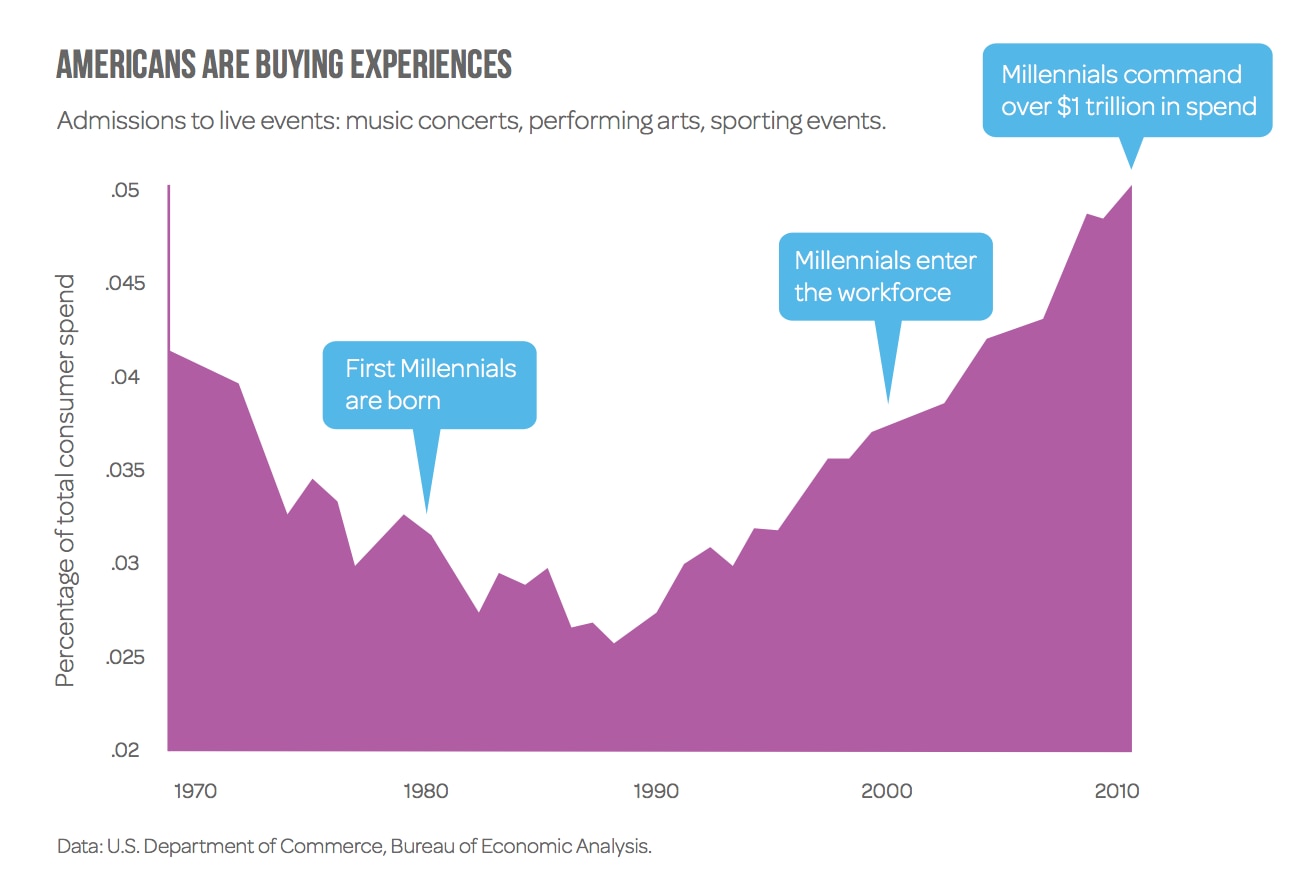
The experience economy is thriving as consumers prioritize experiences over material possessions for deeper connections and lasting happiness. Traditional retail is declining, while businesses that offer engaging offline experiences cultivate stronger emotional ties and loyalty. With the rise of AI and abundant digital content, people increasingly seek unique, sensory experiences that technology cannot replicate. Research shows that experiential purchases lead to greater long-term happiness. Companies like Lego, Red Bull, and Patagonia exemplify this trend by focusing on experiences, demonstrating significantly higher returns on investment than traditional digital marketing.
Education
The experience economy is booming, especially in a world of AI
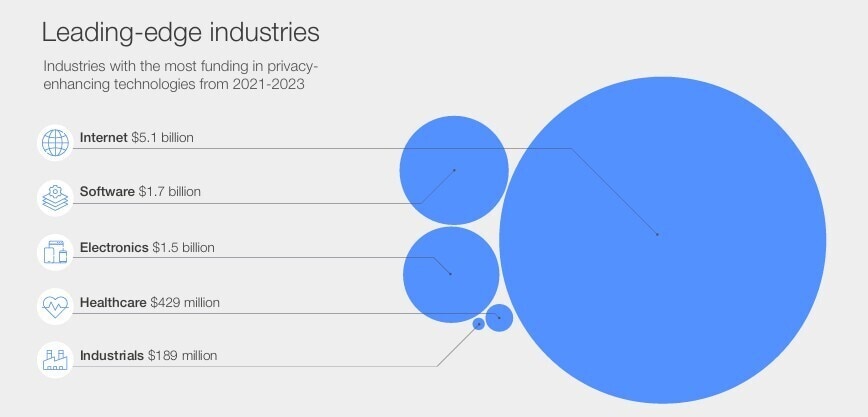
Global finance in 2025 was marked by heightened geopolitical tensions, tariffs, and regulatory changes, leading to a shift towards safe-haven assets. Despite volatility, technological innovations and private capital played crucial roles in market resilience, with private equity assets rising to $9.9 trillion. Geoeconomic fragmentation posed significant risks, potentially costing the global economy $5.7 trillion. AI became integral in financial systems, enhancing credit assessments and expanding access in emerging markets. Additionally, regulatory clarity around the tokenization of financial instruments evolved, paving the way for automated, democratized asset ownership.
United Kingdom | ICT, Health, Education, Financial services
The top finance stories of 2025
Large language models (LLMs) are transforming online news consumption and production. They alter how consumers access information, crawl news sites for data, and simplify content creation, leading to predicted negative impacts on news publishers, including decreased consumer demand and lower newsroom employment. Research documented a moderate decline in traffic to news publishers post-August 2024 and that blocking LLM bots adversely affects large publishers' website traffic. However, LLMs have not yet replaced editorial jobs, and large publishers are focusing on enhancing rich content rather than increasing text volume. These findings illuminate the complex effects of LLMs on the news industry.
The Impact of LLMs on Online News Consumption and Production

Addressing structural injustices requires political solutions, as highlighted by Iris Marion Young. While individual actions like donating or buying ethically are helpful, they do not alter underlying structures. For those unable to commit full-time to activism, three strategies are suggested: 

1. **Activism light** involves engaging in smaller actions, like attending occasional protests or sharing political content on social media, which can accumulate into collective impact.
2. **Work within existing social roles** means challenging injustices through everyday actions, such as educators raising awareness about issues in their curriculum.
3. **Be a scaffolder** supports activism indirectly by assisting those actively engaged, such as providing resources or care for their dependents, enabling greater participation in political actions.
Three ways to tackle injustice without being a full-time activist