
Artificial intelligence is transforming the nature of economic goods by collapsing the marginal cost of intelligence and detaching production from human time. AI enables the creation of goods that are abundant and non-rival, disrupting traditional economic classifications of private, public, and club goods. This shift affects business models, public administration, and tax systems, as outputs become infinitely replicable without exhausting resources. The transformation is evident across various sectors, from consulting to policy analysis, reshaping the economy and posing challenges for existing value and taxation frameworks. Governments are unprepared to navigate these significant changes.
Luxembourg, Singapore | Financial services, Education
AI is changing the nature of economic goods

The Wharton-Accenture Skills Index (WAsX) highlights the ongoing transition from a role-based labor market to a skills-based economy, emphasizing the widening gap between workers' self-promotion and employers' needs. The index reveals that skill value varies by role and industry, challenging assumptions about universally high-value skills. AI is redistributing value by altering demand for certain skills, stressing the importance of human capabilities alongside technology. Key recommendations include employers diagnosing skill surpluses, employees refining their skill portfolios, and educators focusing on job-ready capabilities that align with market demands.
Singapore | Education
2025 Wharton Accenture Skills Gap Index
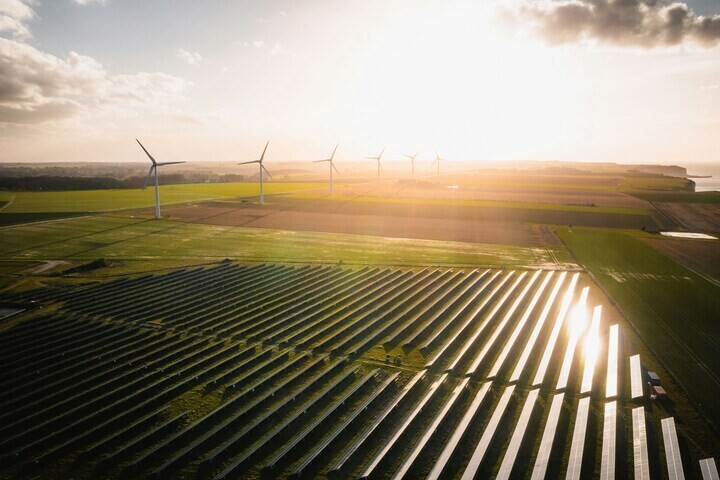
Global growth will increasingly hinge on the integration of digital expansion and energy system transformation, requiring clear governance, smart financing, and enhanced human capabilities. Aligning digital and energy planning can reduce bottlenecks, lower costs, and improve productivity as AI integrates into operations. About $30 trillion is estimated to be needed for infrastructure by 2050, with a focus on emerging markets. Successful initiatives in Türkiye, such as tailored power purchase agreements and joint site planning, highlight effective strategies for scaling renewable energy and digital infrastructure while fostering community engagement.
Albania, Egypt, Estonia, Ethiopia, Georgia, Germany, Ghana, Indonesia, Mali, Qatar, United Arab Emirates, United Kingdom | ICT, Financial services, Health, Education
Scaling innovation at the intersection of the digital and energy transitions

A new Pact for the Mediterranean was launched by the EU and southern neighbourhood countries on 28 November, signaling an institutional commitment to a distinct policy track for the region. However, it largely rehashes existing EU strategies, focusing on migration management, economic cooperation, and security, with familiar tools such as investment plans and regulatory convergence. The Pact presents a balanced agenda but emphasizes the practical aspects of security and migration over societal engagement, which depends on significant political commitment. Overall, it reflects a consolidation of the EU's pragmatic approach rather than a transformative shift in Mediterranean policy.
Luxembourg, Malta, Poland
The new Pact for the Mediterranean – a rebrand or something more?

The Davos 2026 arts and culture programme will focus on engaging global leaders through creativity, promoting understanding of shared humanity amid global challenges. Featuring a range of cultural leaders, the programme emphasizes the arts as tools for empathy and meaningful action. Key themes include Human Presence in the Digital Age, Tradition and Innovation, and Connection and Collaboration. Highlights include a concert merging classical music with AI-generated visuals, interactive installations reflecting global issues like forest loss, and works that challenge perceptions of technology and memory. The initiative underscores the arts' role in fostering genuine dialogue and connection.

Art at the Edge of Change: The Davos 2026 arts and culture programme
Building resilience in emerging markets is critical for economic growth amid ongoing disruption, highlighted in a white paper by the Resilience Consortium and McKinsey & Company. Despite improvements in preparedness, many firms lack essential capabilities to manage disruptions. Key priorities to strengthen resilience include enhancing infrastructure and supply chains, promoting digitalization and skills development, expanding access to capital for SMEs, and reducing policy frictions. Addressing these areas will enable emerging markets to adapt quickly to challenges and unlock significant growth potential, contributing to a more stable global economy.
Germany, Jordan, Rwanda | Financial services, Health, Education
In an age of disruption, how can we strengthen resilience in emerging markets?
Saudi Arabia's digital economy is rapidly evolving, driven by over 99% smartphone penetration and a young population. Digitization has transformed consumer behaviors, making online shopping and digital payments the norm. E-commerce is accelerating, with seamless payment options and increased delivery speed reshaping retail interactions. The country is transitioning towards a cashless economy, supported by innovations like contactless payments and open banking. Enhanced logistics with smart fulfillment centers and AI-driven processes are optimizing delivery efficiency. Overall, digitization is significantly reshaping the consumer landscape, enhancing engagement and competition across industries.
Bahrain, Egypt, Morocco, Saudi Arabia, United Arab Emirates | ICT, Education
Understanding digitalization in Saudi Arabia's consumer economy
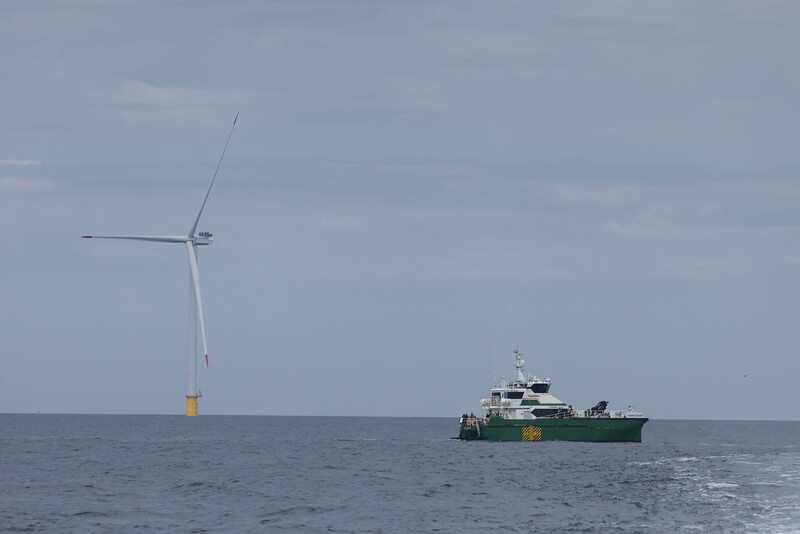
The Baltic Sea has become pivotal in Europe’s energy strategy amid shifting geopolitical dynamics marked by Russia's war in Ukraine. As Europe seeks energy security, the Baltic region is emerging as a key hub for diversifying energy supply and advancing decarbonization goals. A mix of LNG terminals, pipelines, and investments from countries like Poland and Lithuania enhances access to non-Russian energy sources, effectively reshaping trade routes. This transformation positions the Baltic as a crucial corridor for gas and renewable energy, significantly influencing Europe's energy landscape and decarbonization efforts.
Belarus, Denmark, Estonia, Germany, Latvia, Lithuania, Moldova, Netherlands, Norway, Poland, Sweden
Why the Baltic Sea moved to the centre of Europe's energy map
Mobilizing resources through green finance is essential for achieving sustainable development and advancing decarbonization efforts in the Asia Pacific region. The Unlocking Capital for Sustainability 2025 summit convened key decision-makers from finance, business, government, and civil society across six Asian countries. Now in its eighth year and organized by Eco-Business in partnership with the UN Environment Programme (UNEP), the event focuses on mechanisms to unlock capital for a low-carbon future, enhancing financial effectiveness for hard-to-abate sectors, and establishing pathways to a just, net-zero future.
Australia, Bangladesh, Cambodia, Egypt, Ghana, Haiti, Hungary, India, Indonesia, Japan, Kenya, Luxembourg, Malaysia, Nepal, Nigeria, Pakistan, Philippines, Qatar, Republic of Korea, Rwanda, Saudi Arabia, Senegal, Singapore, South Africa, Taiwan, China, Thailand, Uganda, Ukraine, United Arab Emirates, United Kingdom, Viet Nam | Financial services, Health
Unlocking capital for sustainability: Insights Report 2025
The COP30 climate conference in Belém focused on funding climate action in developing nations but resulted in no new agreements, establishing instead a two-year work program. At COP29, countries aimed to triple climate financing to at least $300 billion per year by 2035, with goals of reaching $1.3 trillion annually from various sources. China, while not obligated to contribute as a developing country, is pivotal in achieving these targets through private investment. Experts stress that raising the projected $650 billion from the private sector is crucial yet challenging, given current funding levels.
Benin, Burkina Faso, Egypt, Ethiopia, Ghana, India, Nigeria, Taiwan, China | Financial services
What is China’s contribution to climate finance?

Venezuela's situation under Nicolás Maduro exemplifies a new age of impunity, as articulated by Colombia's President Gustavo Petro. Following a series of US military strikes justified by claims of drug terrorism, the US has intensified military presence in Venezuela, framing Maduro as a global threat despite a lack of evidence connecting him to the fentanyl crisis. This pattern mirrors past US interventions in Latin America, utilizing terrorism and drug wars as pretexts for military action. The situation suggests a future where richer nations may exploit climate crises and resource control, disregarding the sovereignty of poorer nations like Venezuela and potentially extending similar actions to Colombia and Mexico.
Venezuela
Is Venezuela a glimpse of the future?
The article draws parallels between the United States' current policies and those of Nazi Germany in 1938, particularly regarding mass deportations and their consequences. The deportation of undocumented individuals under the Trump administration is compared to the Nazi regime's treatment of Jews, highlighting that both histories involve domestic repression linked to foreign aggression. Instances such as the recent violence linked to frustrations in the immigration process showcase this connection. The role of Immigration and Customs Enforcement (ICE) is examined, as it evolves toward a national police force similar to historical precedents. The implications of these developments suggest a dangerous trajectory for American democracy.
Venezuela
Venezuela And The Decline Of American Democracy
The US military operation leading to Nicolás Maduro's arrest reflects President Donald Trump’s prioritization of US interests in the Western Hemisphere. This development signals to Russia and China that Trump aligns with their perspective on a world organized into spheres of influence. Maduro is now in US custody, marking a significant shift in Venezuelan politics.
Venezuela
The Trump Doctrine in Venezuela
Machine learning (ML) focuses on credit assignment, identifying patterns in observations that predict the outcomes of actions to enhance future performance. Juergen Schmidhuber's paper outlines the history of ML, emphasizing the significance of artificial neural networks (NNs) and deep learning, which relate more closely to cybernetics than traditional AI methods. The timeline highlights key developments in NNs, ML, deep learning, and their mathematical foundations, acknowledging the contributions of pioneering individuals. The text advocates for a broader historical perspective, linking advancements from the Big Bang to the current state of AI.
Education
Annotated History of Modern AI and Deep Learning

Nicolás Maduro's 12-year regime in Venezuela ended following a U.S. military campaign that included strikes on drug-laden boats and a port explosion. President Donald Trump announced the capture of Maduro, aiming to bring him to trial on drug trafficking charges. This military action reflects Trump’s controversial foreign policy, intertwining demands for justice with a reluctance to commit to prolonged interventions. The operation raises concerns about the diminishing role of Congress in warfare decisions and hints at a shift towards spheres of influence, challenging the post-World War II international order.
Latin America
Making Sense of the Venezuela Attack

President Trump initiated a unilateral military operation against Nicolás Maduro in Venezuela, capturing him and his wife without Congressional approval. This action has drawn criticism for being unconstitutional and lacking legal justification. While some argue that Maduro's regime is oppressive and removal could benefit Venezuelans, experts warn of the complexities that follow regime change, including potential chaos and power vacuums. Trump's decision reflects a disregard for public opinion, demonstrated by polls showing widespread opposition to military intervention. Concerns also arise regarding his motivations and the mixed opinions within his administration on intervention in Venezuela.
Venezuela
Trump’s Risky War in Venezuela
Translation often involves a level of corruption in meaning, as highlighted by the Italian saying "traduttore, traditore." This concept is explored in the context of geospatial data, where the interpretation of datasets can yield misleading conclusions. For example, Colombian researchers found a spurious correlation between armed conflict and forest cover due to misinterpretation of the Global Forest Change dataset, where oil palm plantations masked as forests. The complexities of deforestation dynamics in Colombia reveal that different regions respond variably to conflict, complicating simplistic narratives about ecological change.
Latin America
To translate is to betray: On the Inevitable Betrayals of Geospatial Data
Generative AI (GenAI) produces convincingly realistic content at low cost, leading to a socio-technical shift where synthetic realities proliferate across various media. This shift challenges the integrity of information verification and erodes shared epistemic foundations. The risks extend beyond isolated deepfakes, encompassing personal, economic, and socio-technical threats. Key issues include the ease of generating synthetic content and interactions, leading to trust erosion and complicating audits. The paper outlines a taxonomy of risks and proposes a multi-faceted mitigation strategy addressing provenance, governance, and resilience, culminating in the “Generative AI Paradox,” where digital evidence is increasingly discounted.
Education
The Generative AI Paradox: GenAI and the Erosion of Trust, the Corrosion of Information Verification, and the Demise of Truth
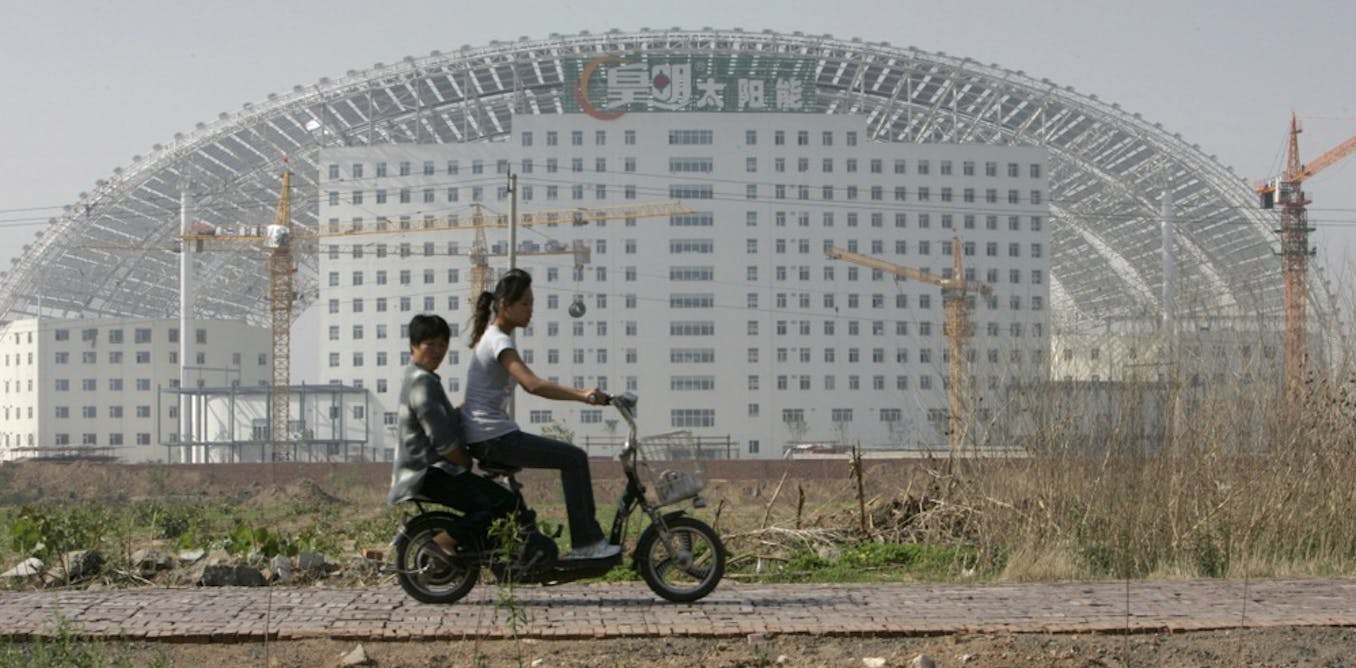
China's 15th five-year plan (2026-2030) focuses on achieving carbon peaking by 2030 and carbon neutrality by 2060, despite coal accounting for 51% of its electricity. Key challenges include inefficiencies in energy transmission leading to wastage, the need to cut coal reliance without causing blackouts, managing overcapacity in green technologies, and facing trade tensions related to surplus clean tech. Local governments must implement national climate policies amidst these challenges, which include preparing for the EU's Carbon Border Adjustment Mechanism starting in 2026, potentially impacting China's green tech competitiveness.
Taiwan, China | Financial services
China’s five green economy challenges in 2026
The rise of artificial intelligence was a key theme in 2025, highlighted in the year’s most popular technology posts. Topics included the backlash against the UK’s mandatory digital ID scheme, the need for responsible freedom of expression on social media, the dominance of hybrid remote work across Europe, and the role of data protection laws in regulating AI. Additionally, an interview with Lauren Sukin examined the evolution of cyber warfare and its implications for global power dynamics.
United Kingdom | Financial services, Health, Education, ICT
Our most popular technology posts of 2025