
Doctors increasingly use AI tools like Google Translate to communicate with patients due to interpreter shortages, raising significant concerns for patient safety in healthcare. A study from the University of Limerick highlights that these tools, which are not tested for medical accuracy, lead to translation errors jeopardizing patient diagnosis and treatment. Issues include inaccuracies with medical terminology, misinterpretation of key terms, and compromised dialogue due to AI limitations. Advocates for refugee and migrant health emphasize the necessity of trained human interpreters for effective communication, especially in critical healthcare areas. The reliance on untested AI solutions poses unacceptable risks.
AI translation is replacing interpreters in GP care – here’s why that’s troubling

In 2025, frontier technologies made significant advancements, influencing decision-making across industries. Key innovations included advanced nuclear technologies, engineered living therapeutics, and autonomous biochemical sensing. A convergence of foundational technologies is creating unprecedented business opportunities, as highlighted in the Technology Convergence Report. Additionally, the Forum's Technology Pioneers program recognized 100 startups driving innovation. Addressing environmental challenges, technologies like automated food-waste upcycling and modular geothermal energy emerged as vital solutions. The agri-tech sector also showed promise in addressing global food security amid increasing demands.
Egypt, Georgia, Germany | Health, Education
From quantum to climate: the frontier tech stories that defined 2025

Taiwan plans to allow heavy industries, including steel and cement, to cut emissions subject to carbon fees by up to 80% to maintain competitiveness, starting in 2026. This policy will impact 262 of the 465 factories under its carbon fee system. The Climate Change Administration expects initial carbon-fee revenue of over NTD$4 billion (US$127 million). Experts caution that these exemptions may hinder investment in emissions reduction, with predictions of significant emissions evasion and reduced revenue. Calls for transparency in sector classifications and concerns about the risk of carbon leakage highlight potential pitfalls in the strategy.
Taiwan, China
Taiwan to ease carbon fees for heavy industry over competitiveness fears
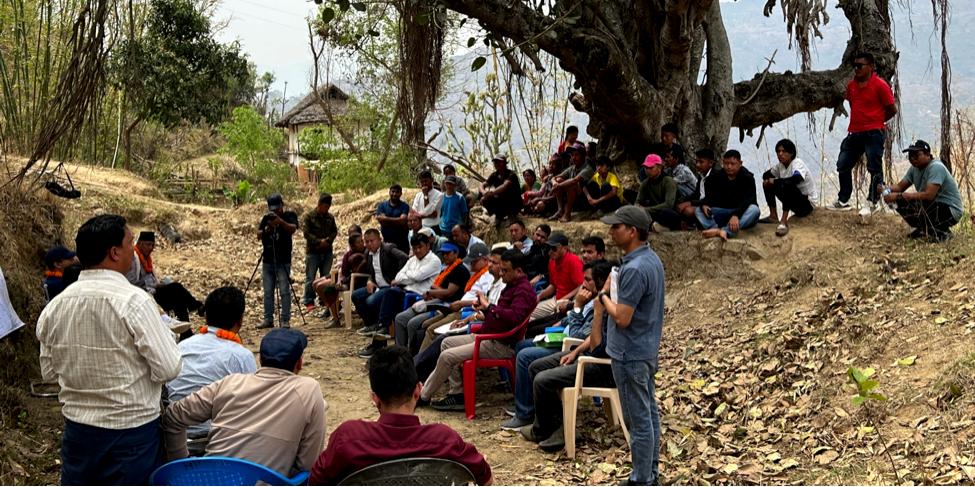
Indigenous Peoples face significant risks from environmental degradation and resettlement due to infrastructure demands. The Asian Development Bank (ADB) emphasizes the necessity of meaningful consultations as part of its safeguards policies, particularly for Indigenous communities. This approach includes culturally appropriate engagement and transparent communication methods tailored to the needs of vulnerable groups. Recent consultations reveal that fostering familiarity and a supportive atmosphere is crucial for effective participation. Additionally, Indigenous Peoples Advisory Groups have been established to ensure that Indigenous voices contribute to ADB's policy updates and project frameworks.
ASEAN
Fostering Participatory Consultations with Indigenous Communities
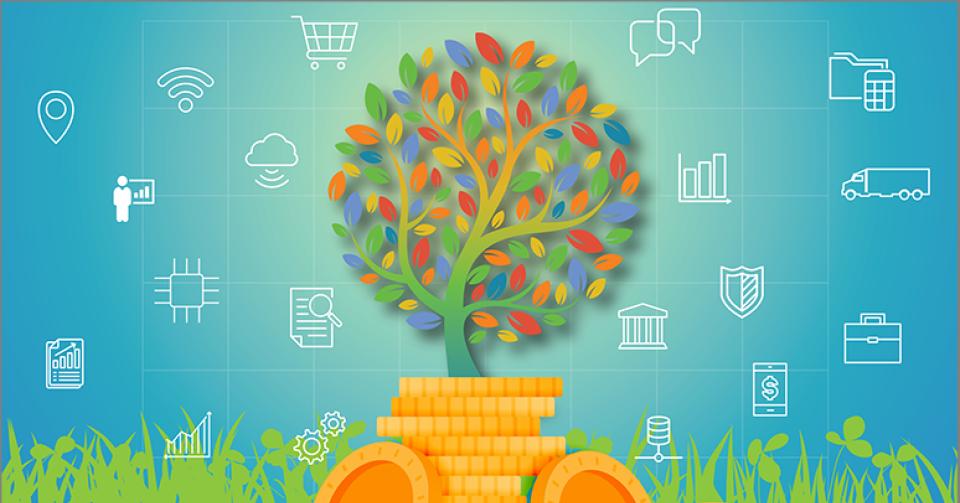
The report highlights the importance of green financing for micro, small, and medium-sized enterprises (MSMEs) in the Asia-Pacific region. It identifies challenges such as high costs and compliance hurdles that limit MSMEs' access to financial products like green bonds and loans. The report recommends policies to enhance the use of fintech, provide MSME training, and improve data collection, aiming to facilitate access to green finance, accelerate the low-carbon transition, and promote inclusive economic growth.
Financial services
Policy Approaches to Support Green Financing of Micro, Small, and Medium-Sized Enterprises: Asia-Pacific Financial Inclusion Forum
Bangladesh is set to graduate from least developed country (LDC) status in November 2026, marking a significant socioeconomic achievement but posing challenges for export competitiveness. To maintain this competitiveness, Bangladesh must phase out export-linked subsidies and shift towards productivity- and innovation-based measures that align with World Trade Organization (WTO) standards. This transition aims to establish Bangladesh as a credible, diversified, and resilient exporter in the global market, ensuring sustainable growth post-LDC.
Bahrain, Bangladesh, Barbados, Belgium, Bolivia, Bulgaria, Burkina Faso, Cambodia, Chile, Dominican Republic, Egypt, El Salvador, Eswatini, Ethiopia, Georgia, Germany, Ghana, Honduras, Hungary, India, Indonesia, Jamaica, Japan, Jordan, Kenya, Kyrgyz Republic, Latvia, Lebanon, Lesotho, Lithuania, Luxembourg, Madagascar, Malawi, Malaysia, Moldova, Morocco, Mozambique, Myanmar, Nepal, Pakistan, Paraguay, Peru, Philippines, Poland, Republic of Korea, Russian Federation, Rwanda, Saudi Arabia, Senegal, Singapore, South Africa, Sri Lanka, Switzerland, Taiwan, China, Tajikistan, Tanzania, Thailand, Tunisia, Uganda, Ukraine, United Arab Emirates, United Kingdom, Viet Nam, Zambia, Zimbabwe
Supporting Bangladesh’s Exports After Least Developed Country Graduation: Toward a World Trade Organization-Compatible Mechanism
AI has become integral to peer review, with 53% of reviewers utilizing AI tools, according to a Frontiers whitepaper. The study, based on insights from 1,645 researchers globally, indicates a significant moment for research publishing, emphasizing the need for robust, equitable practices. Early-career researchers (87% adoption) and regions like China (77%) and Africa (66%) show high enthusiasm for AI. Reviewers primarily use AI for report drafting and summarization but recognize its potential for enhancing rigor, reproducibility, and methodological insights. There is a strong demand for clear policies to facilitate advanced AI use in research.
Most peer reviewers now use AI, and publishing policy must keep pace
Digital technology is significantly reshaping society by influencing regulation, surveillance, protests, and climate impacts. In 2026, the balance between innovation and regulation will be increasingly challenged as governments and companies invest in AI. The EU is adjusting privacy laws to permit AI data usage without consent, while countries like Australia are enforcing strict age regulations for social media. Youth-led protests fueled by social media are rising globally, countered by government internet shutdowns to suppress dissent. Additionally, increased surveillance and digital management of migration reflect state responses to global upheavals. Climate concerns are also rising due to the surge in data centers supporting AI technology.
Africa | Financial services, ICT, Education
AI, bans and facial scans: Digital frontiers in 2026
Artificial intelligence is fundamentally reliant on a physical infrastructure, including data centers that require significant electricity and water. The current expansion of infrastructure includes large hyperscale data centers, with notable projects like OpenAI's 5-gigawatt campus in Abu Dhabi. Governments view AI as a vital component of industrial policy, with major investments and initiatives, exemplified by France's €100 billion commitment and the UAE's appointment of the first AI minister. This race for AI capabilities also revolves around securing essential resources like energy, land, water, semiconductors, and minerals, influencing the global competitive landscape in technology.
Inside the AI-Led Resource Race
Generative artificial intelligence (AI) is beginning to disrupt the dynamics of collective intelligence by altering how ideas, information, and perspectives are exchanged among individuals. This transformation allows for quicker processing of information and more efficient movement from ideas to concrete outcomes. While this presents exciting opportunities to enhance problem-solving and foster inclusive environments, there are risks of undermining the very cultures and institutions essential for collaboration. The challenge lies in exploring how AI can effectively improve collective intelligence in practical policy contexts.
Education
AI is changing the physics of collective intelligence—how do we respond?
UNDP's report, "The Next Great Divergence," reveals that despite rapid advancements in Artificial Intelligence (AI), many countries lack the necessary infrastructure, skills, and governance to benefit from it, while simultaneously experiencing its economic and social disruptions. This disparity may lead to increased inequalities between nations, particularly in Asia and the Pacific, where there are significant differences in income, digital readiness, and institutional capacity. The report provides recommendations for countries to leverage AI opportunities and mitigate associated risks to promote broader human development.
Africa, Latin America | Education
The Next Great Divergence

Electrification is rapidly advancing globally, marking a "positive tipping point" towards cleaner air and decreased reliance on fossil fuels. The significant decline in solar and wind energy costs, combined with rising electric vehicle sales, is driving this transition, making renewables the dominant and most affordable energy source. However, challenges remain for a truly inclusive energy transition, particularly in developing nations that lack access to clean energy investments. Electric vehicles are increasingly popular, reducing demand for fossil fuels and influencing global energy policy. Collaboration among major markets is essential for catalyzing further electrification and technology adoption.
Education
How the unstoppable electrification revolution has led us to a solar and wind-powered tipping point

Rising global steel demand, which has doubled in the last two decades and contributes 7-8% of carbon emissions, necessitates urgent decarbonization efforts in the sector. Clean steel technologies are approaching a positive tipping point driven by competitive costs, increasing market demand, and supportive policies. Breakthrough direct reduced iron (DRI) technologies using green hydrogen show promise for reducing costs, while public procurement can stimulate demand. Significant transformation is anticipated within the next five years, contingent upon international cooperation and targeted trade policies to enhance the adoption of near-zero-emissions steel.
Belgium, Tunisia
The world is approaching a positive tipping point towards clean steel. Here’s how to accelerate it
AI has transitioned from experimental pilots to integral systems in various industries, though governance has not kept pace with its rapid adoption. Major constraints identified for future growth include energy consumption, safety, and equity. Organizations face increasing digital safety challenges amid evolving online threats. The rise of AI agents is notable, with many executives planning their adoption, highlighting a gap between experimentation and oversight. AI also presents opportunities for creative fields while raising concerns about privacy and bias. The energy demands of AI systems are significant, with calls for more efficient design and deployment. The EU's AI Act marks a significant step in regulation.
Education
From experimentation to infrastructure: the AI shifts that defined 2025
Ethan Mollick, co-director of Wharton Generative AI Labs, discusses the rapid advancement and growing adoption of artificial intelligence in business. He emphasizes the potential impacts on the labor market and the necessity for regulatory guardrails as organizations approach 2026.
Education
Where Artificial Intelligence Stands Heading Into 2026
In Japan, traditional employment models are increasingly misaligned with modern social and economic realities, leading to significant shifts in work practices. Key changes include a growing emphasis on reskilling, with 76% of managers supporting skills-based approaches to boost productivity. Workers prioritize personal growth, with 35.1% seeking it in new roles. The government has introduced financial support for individuals to take sabbaticals for training, alongside expanding four-day workweeks and hybrid models to enhance work-life balance. These reforms reflect a broader transformation in perceptions of work, emphasizing purpose, balance, and flexibility.
Japan, Qatar, Singapore, Sweden | Financial services, Education
Navigating work transformation in Japan
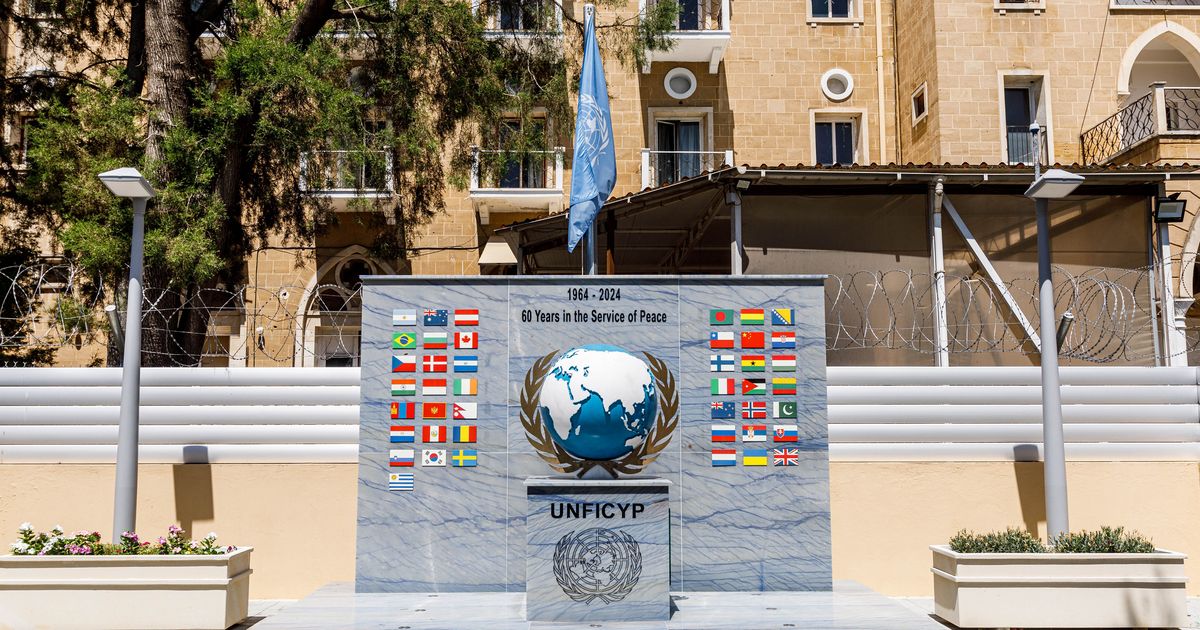
The UN peacekeeping mission in Cyprus (UNFICYP) remains crucial for maintaining stability between the Republic of Cyprus and the Turkish Republic of Northern Cyprus, which have been divided since 1974. Despite ongoing military and civilian violations along the buffer zone, UNFICYP prevents potential escalations. With new political momentum, including a recent trilateral meeting involving key leaders, the EU must continue to support UN-led negotiations and refrain from reducing the mission. Economic engagement from Europe is essential to improve conditions in Northern Cyprus and foster confidence-building measures.
Cyprus
The UN mission in Cyprus is indispensable for Europe
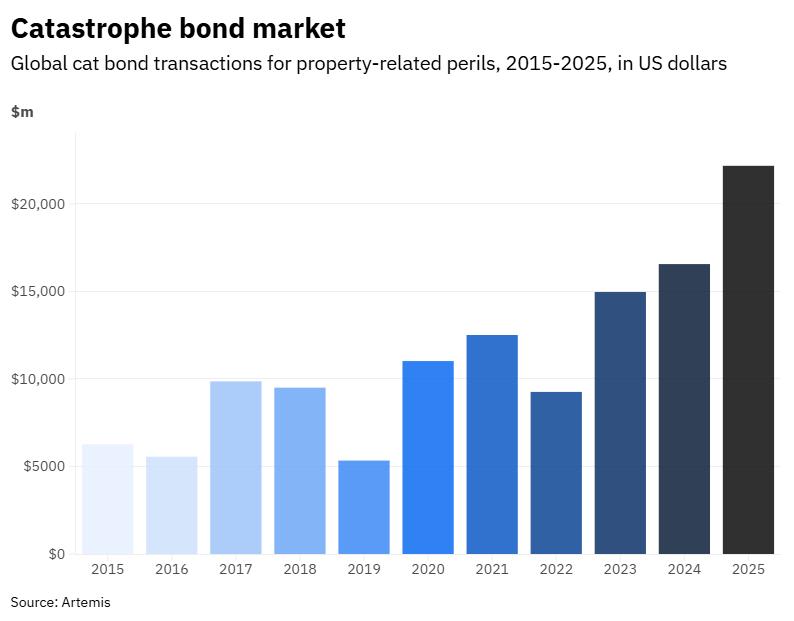
Catastrophe bonds (cat bonds) help insurers mitigate financial losses from natural disasters linked to climate change, with less than 60% of global weather-related losses currently insured. Insurers transfer disaster risks to investors through cat bonds, established in the 1990s, which provide a fixed payout if specified disaster triggers occur. These bonds offer investors higher interest rates and stability against economic fluctuations. Additionally, various entities, including governments, utilize cat bonds for disaster risk protection. Despite their growing role, challenges remain as many vulnerable communities lack adequate insurance coverage against extreme weather events.
Financial services
Explainer: How catastrophe bonds help manage climate risks
A €6.5 trillion water infrastructure gap by 2040 threatens billions with inadequate systems despite advances in circular solutions, technology, and finance. Developed with Acea and the University of Cambridge, this playbook quantifies the gap, highlights socio-economic benefits of addressing it, and presents 27 scalable best practices to enhance equitable access, resilience, circularity, and innovation. It emphasizes the need for coordinated leadership and renewed global commitment to water stewardship to modernize and secure water infrastructure worldwide.
Financial services
Bridging the €6.5 Trillion Water Infrastructure Gap: A Playbook
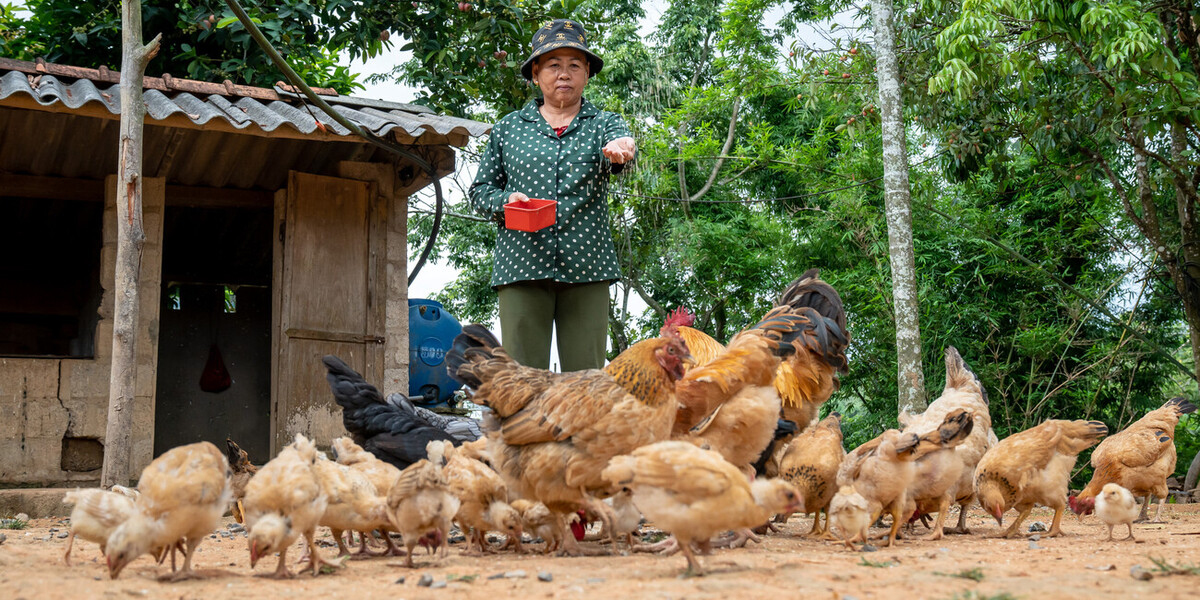
The integrated poultry value chain model in Laos, developed by the social enterprise Green Goods Co., Ltd., aims to enhance sustainable agricultural growth and improve food security. Addressing the challenges of disease management and market access, the model employs AI for disease detection, optimizes feed sourcing, and forms cooperatives for local farmers, particularly benefiting women. It has increased farmers' revenues by up to 200%, supported over 350 households, and enhanced nutritional access to poultry products. Environmentally, the initiative promotes eco-friendly practices, including organic feed and waste recycling, contributing to reduced emissions and climate resilience.
Bangladesh, Ghana, Nigeria, Paraguay | Financial services
Driving Green Growth in Agriculture with an Integrated Poultry Value Chain