
Georgia has implemented an integrated participatory planning approach to enhance urban livability and boost economic growth and tourism. Supported by the Asian Development Bank, this model allows for stakeholder engagement across multiple sectors, addressing urban challenges through collaborative efforts. The process involved three phases: visioning and needs assessment, stakeholder consultations, and developing an integrated urban action plan. Investments focus on urban upgrades, community facilities, and transport improvements, aiming to improve quality of life and stimulate local economies. Initial outcomes show effective implementation and community-driven initiatives, reflecting real needs and fostering regional identity.
Albania, Bangladesh, Bulgaria, Georgia, Ghana, Kyrgyz Republic, Tanzania, Ukraine
Georgia’s Urban Transformation Through Integrated Participatory Planning

Local governments in Asia and the Pacific can leverage green, social, and sustainability (GSS+) bonds to secure cost-efficient capital for sustainable infrastructure projects amidst global population growth. The report highlights case studies from cities like Tokyo, illustrating how GSS+ bonds can finance climate and social initiatives. It emphasizes collaboration with development banks to encourage bond issuance and establish pooled finance vehicles, thus addressing investment gaps needed for local adaptation and resilience projects.
Financial services
Mobilizing Capital for Local Government Finance in Asia and the Pacific Through Green, Social, and Sustainability Bond Markets
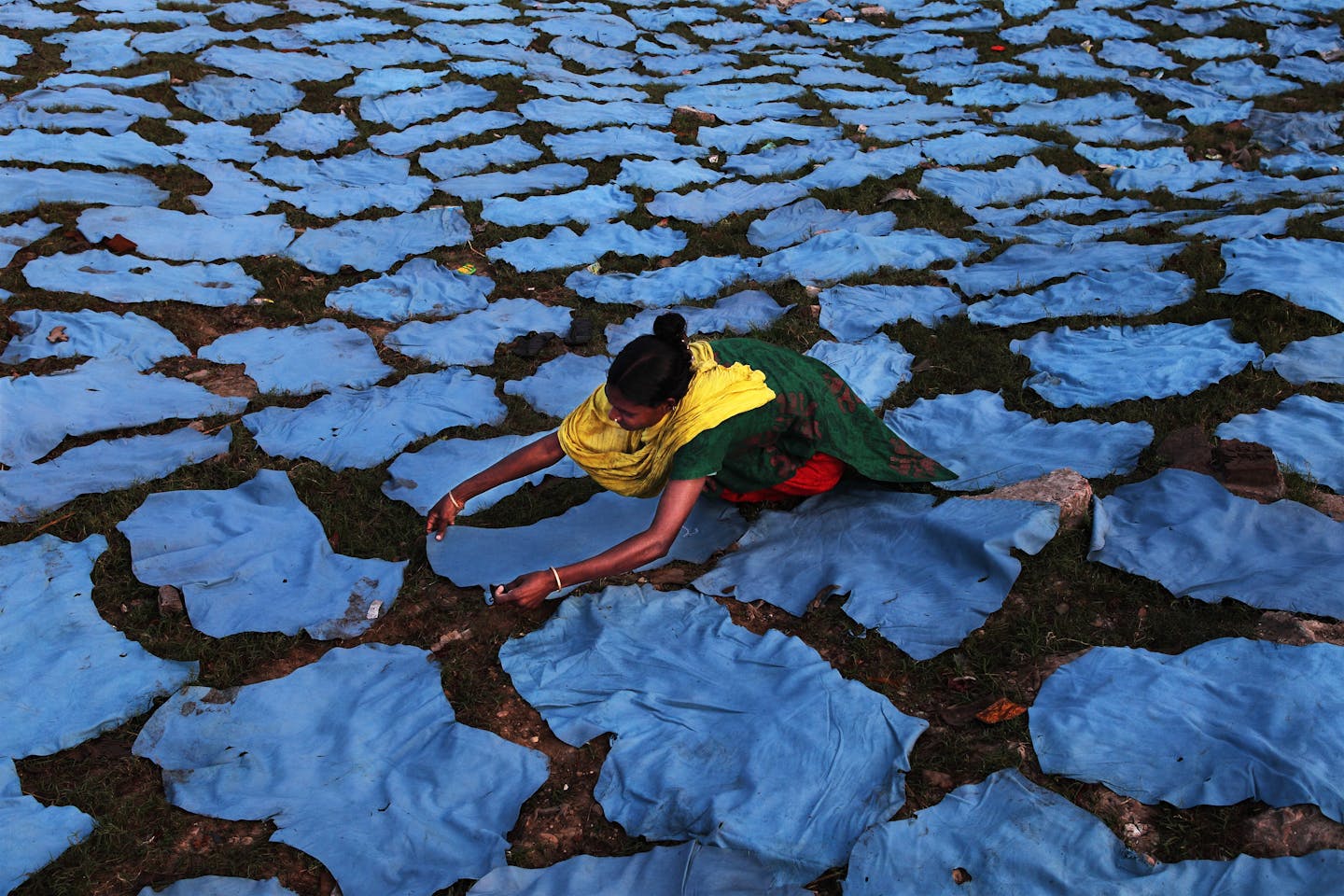
Digital passports may soon be required for garments sold in Europe, enhancing transparency in the fashion industry. Consumers will be able to verify the environmental claims of brands through QR codes that detail the materials, production processes, and resource consumption of garments. Textile suppliers in Bangladesh may need to adopt this system by 2027, although smaller manufacturers face challenges in meeting the stringent EU requirements. Support from global brands and governments is crucial for these suppliers to upgrade their capabilities. Blockchain technology is being utilized to ensure traceable and authentic data throughout the supply chain, aimed at combating greenwashing practices.
Financial services
Passport for fashion aims to end industry greenwashing
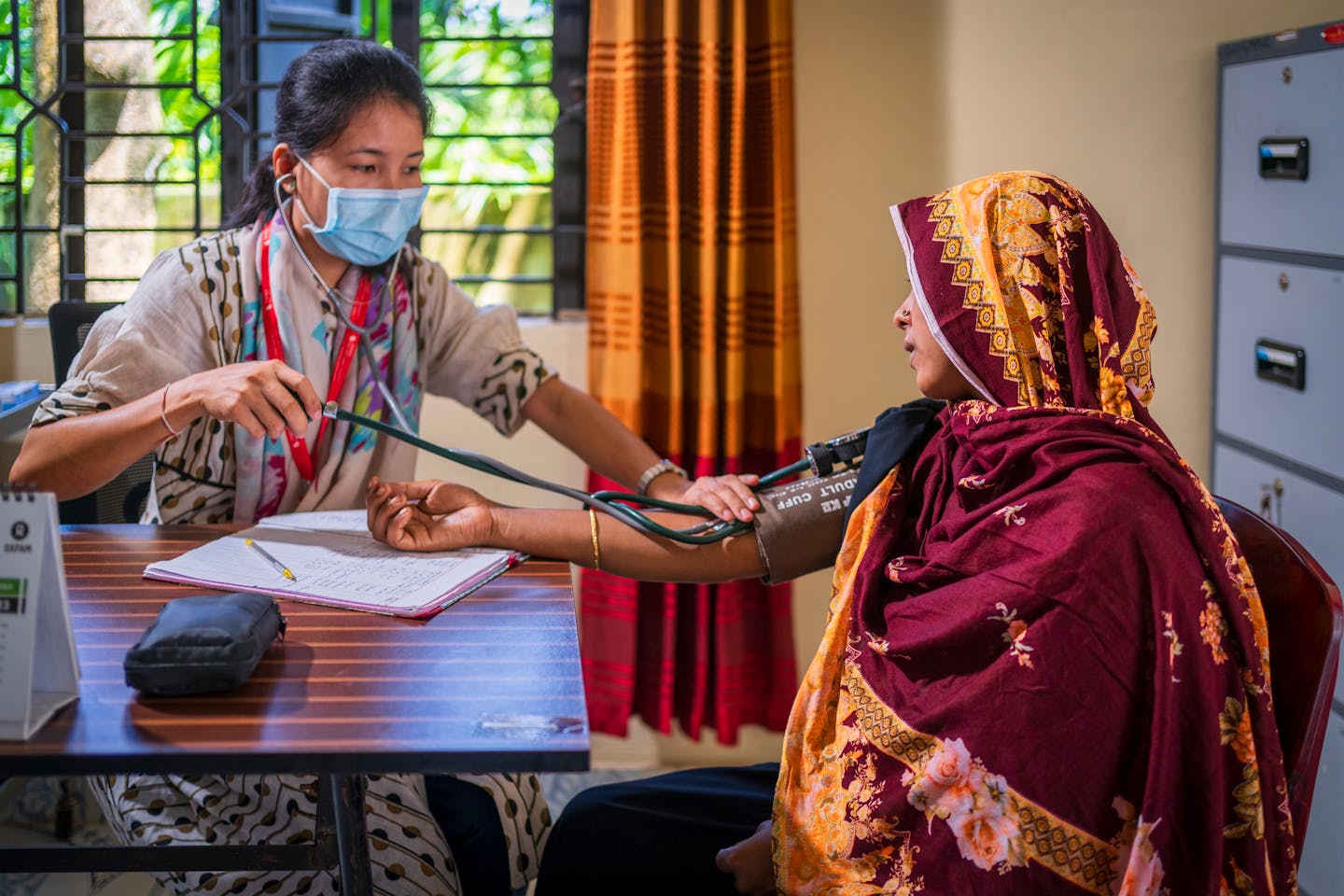
Climate change is severely impacting reproductive health in Asia, particularly among vulnerable groups such as pregnant women, adolescents, and LGBTQ+ individuals. Extreme weather events like floods and heatwaves hinder access to healthcare services and increase risks of complications, leading to a rise in adverse outcomes for mothers and infants. Studies show that climate-related disturbances have resulted in higher rates of pre-term births and neonatal issues. Additionally, climate financing often neglects sexual and reproductive health, which experts argue is crucial for enhancing community resilience against climate impacts. Integrating these health needs into environmental policies is essential for improving outcomes in affected populations.
Nigeria | Health
How climate change threatens reproductive health in Asia
In 2026, artificial intelligence will shift from an era of evangelism to one of evaluation, emphasizing its practical utility. Predictions by Stanford faculty highlight the need for rigorous standards in assessing AI applications across fields like law and medicine. The focus will change from “Can AI do this?” to “How well, at what cost, and for whom?” Notable trends include direct user engagement by technology creators and an increase in generative transformers for clinical applications, underscoring the importance of patient understanding and robust benchmarking in AI advancements.
Education
Stanford AI Experts Predict What Will Happen in 2026
Higher levels of trust in regional organizations are significantly correlated with increased citizen demand for engagement in policymaking processes, according to a study involving 7,729 respondents across four European regions. The research identifies a gender disparity where women exhibit greater trust in regional organizations but do not demand more engagement. These findings highlight the necessity for inclusive engagement strategies that consider gender differences in political efficacy and responsiveness, with implications for participatory governance and urban sustainability challenges.
Latin America
Public trust in regional policymaking and citizen demands for engagement

In 2025, global health faced significant challenges, including a downturn in financing and rising health risks from climate change. The World Health Organization reported a decline in global life expectancy, reversing a decade of gains, and emphasized the need for urgent action. Climate-related health impacts could lead to millions of deaths and substantial economic losses unless strategic investments are made. The rise of artificial intelligence in healthcare shows promise for improving outcomes, but trust and infrastructure are vital for its success. Women's health disparities persisted, prompting new initiatives to address these gaps.
Africa | Financial services, Health
The top global health stories from 2025
In 2025, global trade underwent significant transformations, marked by tariff shocks and a surge in protectionism following the 2024 US elections. Despite these challenges, the trading system reached a record value of $35 trillion, highlighting its resilience. Middle powers in the Global South thrived by enhancing their connectivity amidst traditional trade frictions. Key themes included navigating a fragmented trade landscape through strategies like supply chain diversification and advocating for regional agreements, as well as recognizing the intersection of climate and trade policies. The adoption of AI in trade activities emerged as a critical tool for efficiency while addressing the risks of digitalization.
Angola, Argentina, Armenia, Australia, Austria, Bangladesh, Barbados, Belgium, Benin, Bolivia, Brazil, Bulgaria, Burkina Faso, Burundi, Cambodia, Cameroon, Canada, Chad, Chile, Colombia, Democratic Republic of the Congo, Denmark, Ecuador, Egypt, Estonia, Eswatini, Ethiopia, Finland, France, Gabon, Georgia, Germany, Ghana, Guinea, Haiti, Honduras, Hungary, India, Indonesia, Ireland, Jamaica, Japan, Jordan, Kenya, Lesotho, Liberia, Madagascar, Malawi, Malaysia, Mali, Malta, Mauritania, Mauritius, Moldova, Morocco, Mozambique, Myanmar, Namibia, Nepal, Netherlands, New Zealand, Niger, Nigeria, Pakistan, Paraguay, Peru, Philippines, Republic of Korea, Russian Federation, Rwanda, Saudi Arabia, Senegal, Singapore, South Africa, Sri Lanka, Sweden, Switzerland, Taiwan, China, Tajikistan, Tanzania, Thailand, Trinidad and Tobago, Tunisia, Türkiye, Uganda, Ukraine, United Arab Emirates, United Kingdom, Viet Nam, Zambia, Zimbabwe | Financial services, Health, Education
Tariff shock, protectionism and the rise of the Global South: The top international trade stories of 2025
The final outcome document of the WSIS 20-year Review, adopted on December 17, emphasizes reaffirming core principles, clarifying institutional roles, and establishing implementation expectations amid a changing digital policy environment. However, it does not address all issues raised during the review. The Global Partnership for Digital Development (GPD) highlighted that legitimacy in digital governance relies on ongoing participation, human rights, and accountability, rather than just consensus.
Health, Education, ICT
WSIS+20: What the Final Outcome Delivers – and What It Leaves Unresolved

Europe's renewable energy infrastructure faces significant climate risks as it transitions to clean energy. Research indicates that 83% of renewable capacity and 92% of storage assets are at high risk from extreme weather, with nearly half (46%) at critical risk. Urgent, affordable resilience measures must be implemented to protect this infrastructure and facilitate long-term investments. Policymakers should incentivize resilience in design, adopt climate stress testing, and ensure existing assets are fortified against climate impacts. Proactive spending on resilience can substantially reduce expected losses and secure the future of Europe’s energy landscape.
Africa | Financial services
Protecting Europe's green future: Why climate resilience in energy infrastructure can't wait

Businesses must closely monitor government and central bank policies as market evaluations of these policies critically influence investment and strategy decisions. When market confidence wanes, firms face swift repercussions, demonstrated by the UK’s 2022 "mini-budget" which led to higher borrowing costs and economic tightening. The analysis reveals that diminished policy credibility now constrains business strategies more than the policies themselves. Additionally, persistently low interest rates have not led to robust investment, as firms prioritize confidence in future demand over mere financing conditions. Thus, markets prioritize credibility over intentions, significantly shaping business behavior.
Latin America | Financial services
When markets judge policy credibility, what is the impact on business?
In 2025, the energy landscape saw unprecedented growth in renewable energy, particularly solar and wind, as renewables surpassed coal for the first time in electricity generation. Investment in clean energy rose over $2 trillion, yet remains below the required $5.6 trillion annually to meet climate goals. Notably, China’s clean power generation helped reduce its CO2 emissions despite rising demand, showcasing progress due to significant investments in renewables. The World Economic Forum reported a 1.1% year-on-year increase in global energy system performance, underlining the need for targeted investment and infrastructure improvements to sustain energy transition momentum.
Egypt, India, Taiwan, China, United Arab Emirates, United Kingdom
The top energy stories of 2025
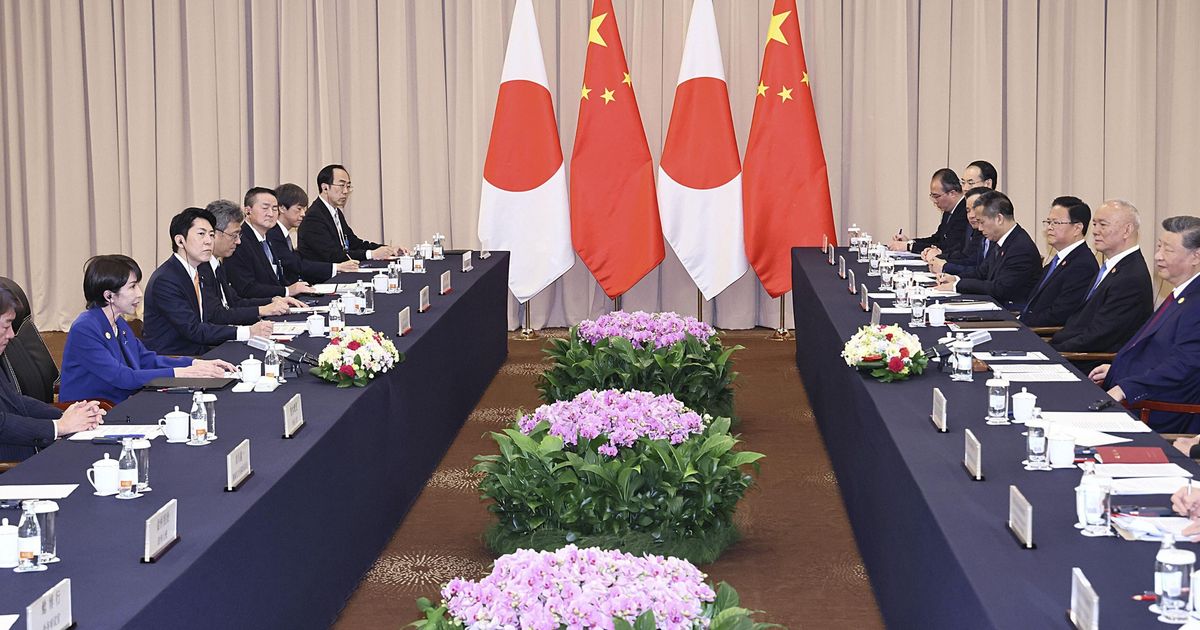
The relationship between Japan and China, crucial for Indo-Pacific stability, has seen a modest thaw during Japanese Prime Minister Ishiba Shigeru's tenure from October 2024 to October 2025. Despite some diplomatic exchanges and Beijing lifting import restrictions on Japanese products, tensions escalated again following new Prime Minister Takaichi Sanae's comments on Taiwan. Limited high-level political engagement has characterized the relationship, with significant visits occurring infrequently, and underlying economic ties remain strong despite geopolitical rivalry. The relationship continues to be fragile due to deep mutual distrust and unresolved historical issues.
Israel, Japan, Kenya, Singapore, Taiwan, China, Tajikistan, Tanzania
The End of the Diplomatic Thaw between Japan and China
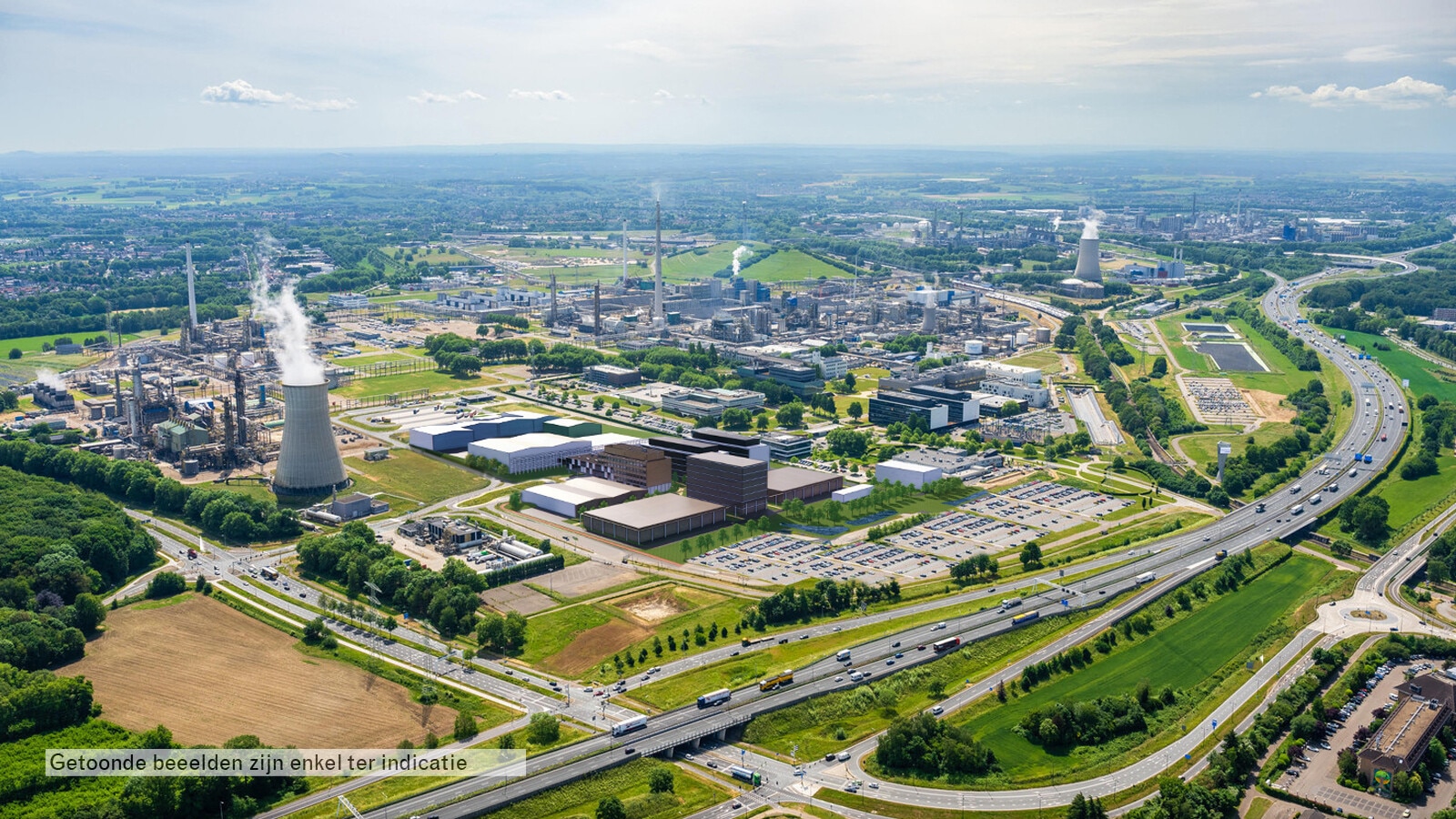
Industrial clusters facilitate the transition to circular business models through effective regulations, shared infrastructure, and digital tools, offering economic, social, and environmental benefits. These clusters, found in countries like China, Spain, and the Netherlands, enhance resource exchange and efficiency, crucial for implementing circular strategies that can reduce emissions significantly. Successful clusters require regulatory support, collaboration, and innovation ecosystems, as demonstrated by projects like the chemical recycling plant in Rotterdam. Initiatives like the Brightlands Circular Space also aid in overcoming infrastructure challenges, proving that proximity and shared resources can drive sustainability and economic growth.
Belgium, Netherlands
How industrial clusters are helping the circular economy go mainstream
Blockchain technology can create a new economic operating system for the internet, enabling ownership rights and value exchange to be designed as native digital principles. This development addresses the historical gap in the internet's architecture, allowing money, assets, and contracts to function as programmable internet-native software. Blockchain networks promise a neutral and tamper-resistant infrastructure governed by diverse stakeholders, facilitating global economic participation without reliance on central authorities. The resulting increase in economic velocity could radically transform various sectors, allowing seamless transactions and access to global markets, thereby reshaping economic organization.
Financial services, Education
How blockchain can build a new economic OS for the internet
A new pragmatic architecture of cooperation is emerging between the UK and the EU, as reflected in a Joint Statement established on May 19, 2025, marking a shift from transactional negotiations to sustained strategic engagement. Despite significant public support in the UK for rejoining the EU, the current government maintains a clear stance against returning to the customs union or single market. Key areas of collaboration include agrifood trade and shared security initiatives. This evolving relationship suggests a hybrid model of European cooperation that addresses sovereignty while promoting shared economic, security, and social interests, emphasizing the UK’s role as an essential partner in shaping Europe's future.
United Kingdom
Beyond Brexit – the rise of a new European political architecture

Views on the British Empire significantly influence voting behavior among the electorate, revealing a divide in public opinion characterized by ambivalence. A recent study demonstrates that sentiment towards the empire fluctuates, with 62% agreeing it was responsible for atrocities and 44% believing it had a civilizing effect. Imperial nostalgia is higher among older demographics, men, and less-educated individuals, aligning with support for Conservative and Reform parties. Political parties tend to avoid discussing the empire, as criticism may mobilize opposition while offering minimal rewards. This dynamic indicates that imperial nostalgia, while largely understated, remains a powerful undercurrent in British politics.
Study shows views of British empire shape voting behaviour – but in subtle ways

More than 50 scientists warn that climate change impacts from Earth's frozen regions are escalating, with Greenland and Antarctica losing approximately 370 billion tonnes of ice and global mountain glaciers shedding 270 billion tonnes in one year. This melting is accelerating sea-level rise, currently at 4.5mm per year, and threatens coastal communities. The Paris climate agreement aims to limit global warming to 1.5°C, yet recent negotiations have seen dilution of scientific findings, particularly concerning the cryosphere. Without urgent action against emissions from fossil fuels, the world is projected to exceed 2.6°C of warming by 2100, risking significant loss of glaciers and rising sea levels.
Antarctica
Earth’s frozen regions are sending a clear warning about climate change – but politicians are ignoring it

The European Union will implement a carbon border adjustment mechanism (CBAM) starting January 1, 2026, imposing carbon costs on a variety of imported goods to promote fair competition and incentivize global decarbonization. This regulation targets industries that produce carbon-intensive materials, requiring proof of compliance with emission standards. While it aims to foster cleaner production internationally, it has drawn criticism for potentially disadvantaging developing nations. Consumers in the EU may see rising prices for goods like cars and appliances, but overall, CBAM strives to enhance transparency and encourage climate-conscious purchasing, while generating revenue to support vulnerable households and clean technology investments.
Financial services
How Europe’s new carbon tax on imported goods will change global trade – and our shopping habits
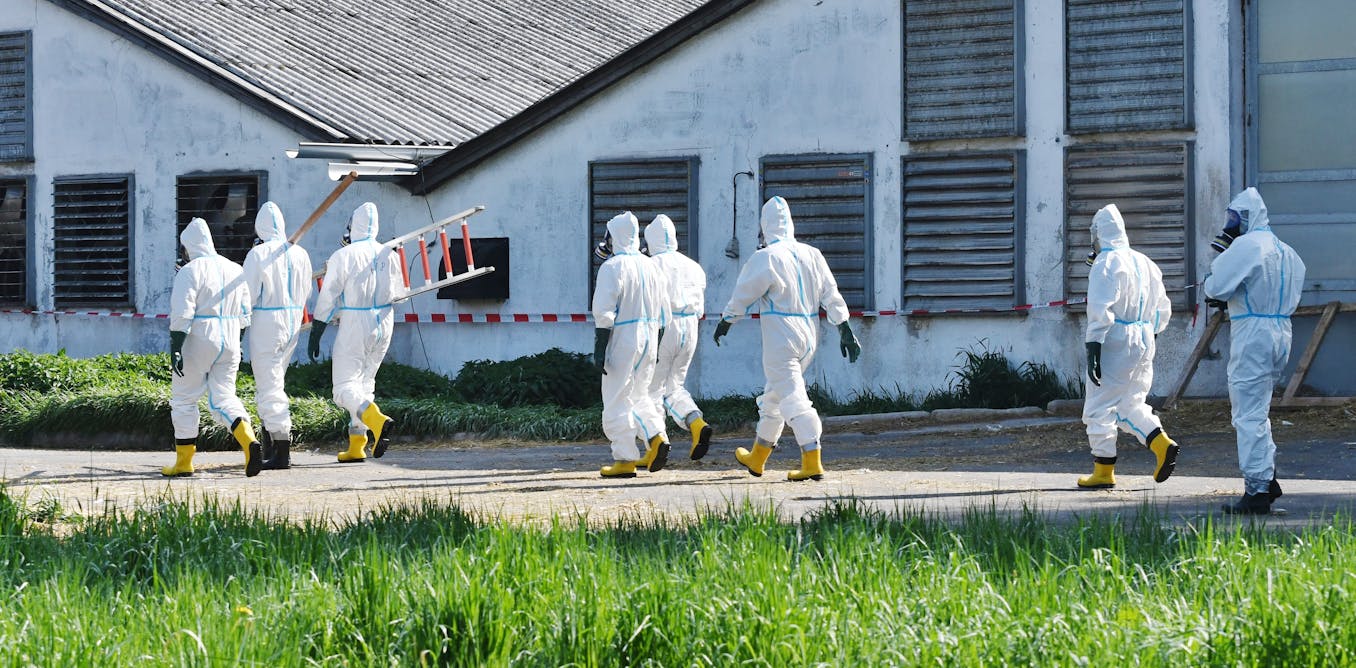
Bird flu, specifically the H5 viruses, poses a serious risk as outbreaks among mammals escalate and poultry farms facilitate species transfer. Despite only 992 confirmed human infections since 2003, fatalities are near 50%, and rising global cases signal potential for spillover. Surveillance systems are deteriorating due to budget cuts and reduced monitoring capabilities, leaving countries vulnerable. The disconnect between early warnings and bureaucratic response often undermines preparedness, leading to insufficient public awareness of the threat. A recent poll indicates that many Americans do not perceive bird flu as a credible danger, despite its growing prevalence.
Financial services, Health
Bird flu warnings are being ignored. I’ve seen this pattern before