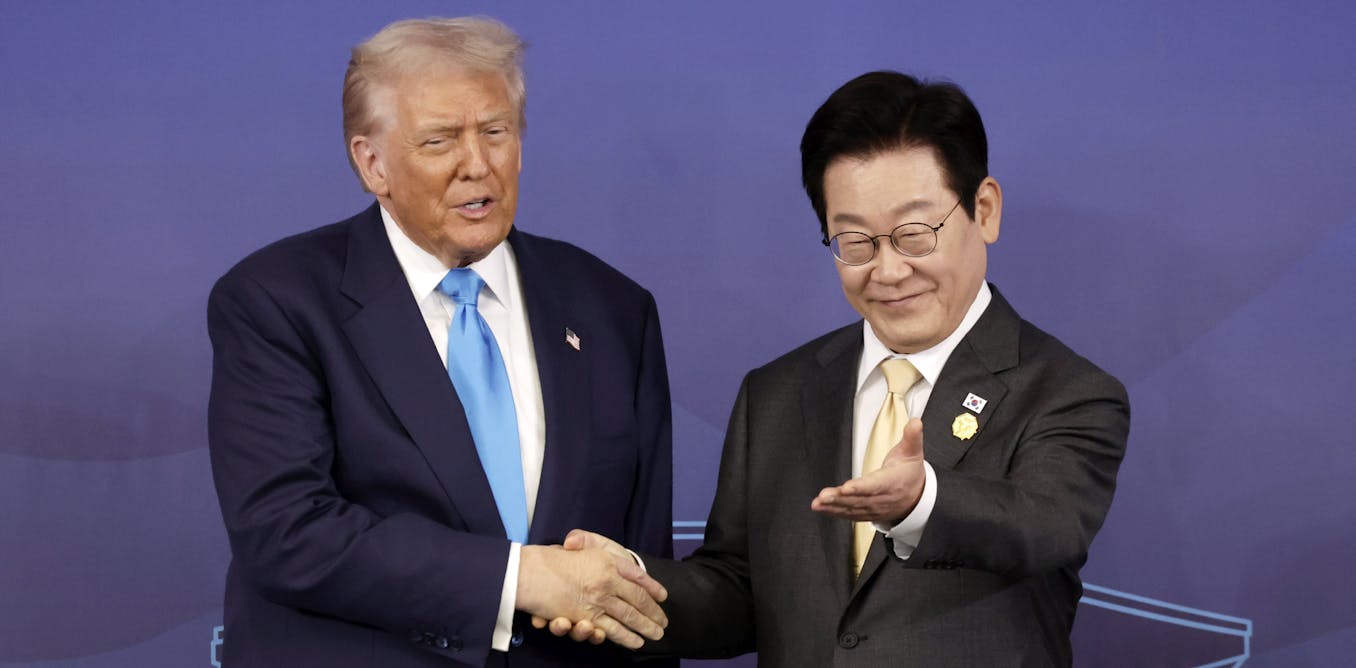
South Korea, Taiwan, and Vietnam are utilizing economic statecraft to assert their influence beyond traditional roles, often associated with great powers. South Korea launched the "Make American Shipbuilding Great Again" initiative, collaborating with major conglomerates to modernize US shipbuilding. Taiwan leverages its semiconductor industry as a "silicon shield" against China, imposing strict controls to protect its market position. Vietnam is restricting rare earth exports to enhance domestic processing and secure its role in critical supply chains. These cases reflect a trend where middle powers actively shape economic and security relationships rather than merely participating in multilateral negotiations.
Republic of Korea, Taiwan, China
South Korea, Taiwan and Vietnam show that economic statecraft is not just the preserve of great powers

Public perceptions of terrorism in the UK diverge significantly from the actual threat landscape. A survey of 5,000 respondents revealed a common association of terrorism with bombs, despite evidence showing that nearly 80% of domestic attacks since 2018 involved bladed or blunt force weapons. While concerns about terrorism vary by religious affiliation, with Jewish and Christian respondents expressing heightened fears, most respondents ranked terrorism lower than issues like poverty and health. Awareness of government counter-terrorism campaigns is alarmingly low, with 83.5% unaware of them, indicating a need for improved public education and an updated approach to counter-terrorism policies.
Why public views of terrorism don’t match the evidence, and what the government needs to do to keep people safe
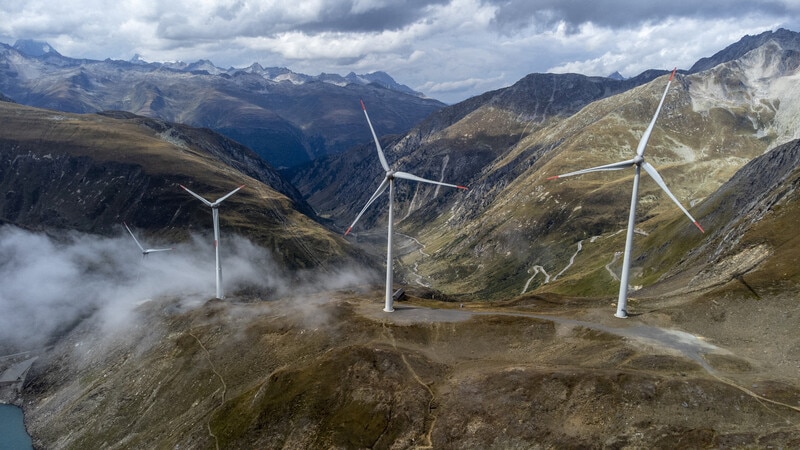
A $2.2 trillion annual investment gap exists in financing the global energy transition, crucial for reducing reliance on fossil fuels and enhancing renewable energy systems. Clean energy investments have doubled since 2020, supporting over 16 million jobs. Innovative financing mechanisms, such as tax incentives for clean technology and power purchase agreements, are essential for mobilizing necessary funds. The modernization of existing infrastructure is critical, needing an estimated $14.3 trillion by 2050. Additionally, addressing perceived risks in emerging markets will facilitate investments in renewable projects, aided by multilateral development banks offering financial guarantees.
Poland | Financial services, Health
How will we pay for the energy transition? Here's a quick guide
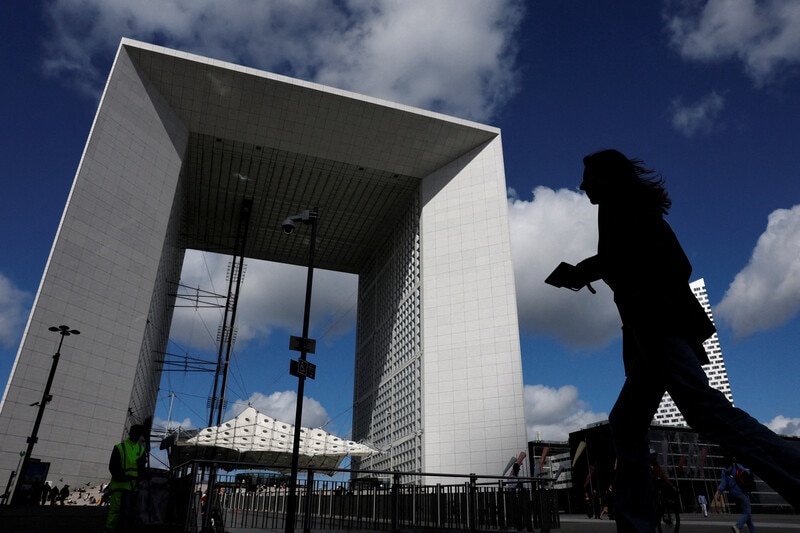
The intersection of geoeconomics and technology, particularly AI, is reshaping strategies for growth and resilience in various industries. The World Economic Forum's Dialogue Series explores future scenarios reflecting these dynamics. Executives from Siemens and ING highlight the necessity of leveraging digitalization and AI to enhance productivity and customer engagement while emphasizing the importance of robust regional strategies amid geopolitical shifts. Key trends include prioritizing data-driven insights, advancing decarbonization efforts, and transforming governance frameworks to ensure ethical AI use. Organizations will need to adapt to increased complexity and volatility to thrive in the evolving economy.
Bolivia, Egypt, Ethiopia, Georgia, Germany, Indonesia, Japan, Jordan, Kenya, Kyrgyz Republic, Mozambique, Nigeria, Paraguay, Philippines, Russian Federation, Rwanda, Senegal, Singapore, Switzerland, Tanzania, Uganda, Ukraine, United Arab Emirates, United Kingdom | Financial services, Health, Education
Navigating the new economy: 6 decision-makers reveal their strategies for growth and resilience
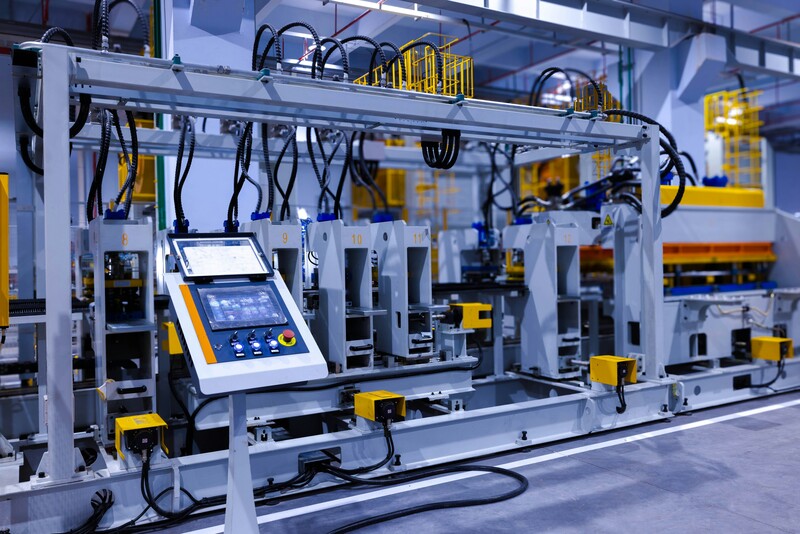
AI is transforming manufacturing by enhancing productivity and posing unique challenges. While advanced manufacturers have long utilized AI for optimizing production and process automation, the technology's potential to combine human skills with machine efficiency remains under exploration. Current projects include using AI to analyze welding practices and improve product inspections. However, trust in AI outcomes is a concern, particularly with third-party data reliability. Companies must balance sharing knowledge with protecting proprietary information, posing challenges for building secure AI-driven supply chains.
Education
Protecting jobs and boosting productivity when deploying AI in manufacturing
Google's rollout of AI-generated recipes has negatively impacted recipe writers, as their original creations are often repurposed without attribution, resulting in misrepresented and simplified versions. Bloggers who don't use paywalls have seen their recipes incorporated into AI outputs and cookbooks, creating a diluted version of their work. The misuse extends to their imagery, which is used on social media platforms without permission. Additionally, recipe writers face legal challenges since recipes themselves lack copyright protection, leaving them vulnerable to this exploitation.
Google AI summaries are ruining the livelihoods of recipe writers: ‘It’s an extinction event’
News organizations will face a significant choice regarding AI in 2026: continue blocking AI crawlers and pursuing legal actions, or adapt to the changing landscape. Journalists must fulfill their duty to provide information via AI, as it is increasingly where people seek news. Blocking AI cedes control to sources of misinformation. Major AI models are evolving beyond text-based training, and preventing AI access to reputable news outlets undermines online discoverability. Embracing AI is crucial for optimization, shifting focus from SEO to AIO, as AI tends to prioritize authoritative sources over brand content.
APIs for news
Argentina is undergoing significant economic transformation under President Javier Milei, focusing on foundational reforms to encourage sustainable growth. Key points for investors include:

1. The introduction of the RIGI incentive regime aims to attract foreign investment but relies on political stability.
2. Economic growth is anticipated, with GDP projections of around 5% for 2025, aided by reduced inflation rates.
3. Structural reforms in fiscal and labor sectors are essential for productivity improvements.
4. Political continuity beyond Milei’s tenure is crucial for stable governance and sustained reforms.
5. Expected reentry into international debt markets in 2026 could enhance investor confidence, though caution is advised.

Overall, while opportunities are emerging, risks remain, necessitating informed and strategic investment decisions.
Algeria, Argentina, Bolivia, Chile, El Salvador, Georgia, Germany, Haiti, Hungary, Kenya, Montenegro, Paraguay, Peru, Slovenia, Spain, Venezuela, Zimbabwe
What every investor should know about Milei’s Argentina
The book edited by Ines Mergel and Carsten Schmidt examines the digital transformation of national libraries through artificial intelligence, highlighting co-creation strategies that involve stakeholders in AI implementation. It derives from the LibrarIN project, aiming to reimagine library services with a focus on social innovation. The book is structured into three parts: an introduction and research design, twelve case studies of AI projects in various national libraries, and recommendations for policymakers and library managers, including a toolkit for practical implementation.
Education
AI Innovations in Public Services: The Case of National Libraries
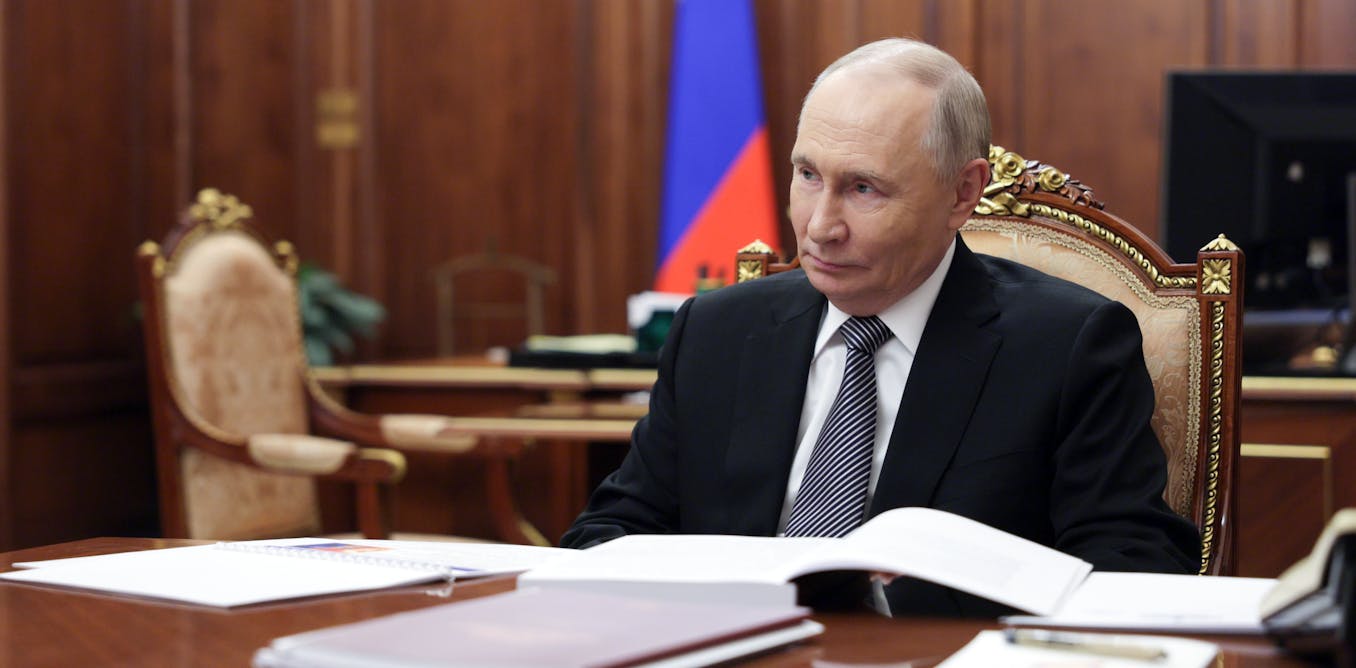
Russia's wartime economy is weakening as it approaches the fourth year of the Ukraine conflict, with a report highlighting extensive military spending and declining earning capabilities. The sovereign wealth fund has been largely depleted, with 76% of its pre-war reserves spent. Despite resilient revenue streams from diversified oil exports to China, India, and Turkey, the economy is under structural strain from industry focusing on defense at the expense of civilian sectors. Labour shortages, inflation, and reliance on traditional revenue sources make future stability uncertain, compounded by external geopolitical pressures and tightened sanctions.
Russian Federation, Ukraine
Russia’s war economy is not collapsing, but neither is it stable
AI tools have significantly contributed to escalating online violence against women in public life, with a report from UN Women revealing that 24% of women experiencing online abuse linked it to AI-generated content. The research, involving 641 women across 119 countries, shows that public communicators, especially writers and activists, face the highest rates of AI-assisted harassment. The emergence of accessible generative AI has lowered the barriers for creating harmful content, while social media algorithms exacerbate its spread. There is an urgent need for stronger detection tools and legal frameworks to combat this growing issue, as online violence often leads to real-world harm, impacting freedom of expression and democracy.
AI tools are being used to subject women in public life to online violence
Ethiopia has sustained an impressive 8% annual economic growth over two decades, improving per capita GDP and social services. Despite these gains, the country’s economic transformation remains limited, scoring 20/100 on ACET’s African Transformation Index, with challenges in underdeveloped manufacturing, export concentration, and gender inequality. The Ethiopia Country Economic Transformation Outlook (CETO) analyzes key sectors—light manufacturing, pharmaceuticals, and the digital economy—and stresses gender-responsive policies. It offers evidence-based recommendations to enhance sustainable growth and inclusive development, aiming for broader benefits across society.
Algeria, Angola, Armenia, Austria, Benin, Botswana, Burkina Faso, Burundi, Cambodia, Cameroon, Chad, Chile, Cyprus, Ecuador, Egypt, Estonia, Eswatini, Ethiopia, Ghana, Greece, Guinea, Hungary, Israel, Jordan, Kenya, Lesotho, Lithuania, Malawi, Mali, Malta, Mauritania, Mauritius, Morocco, Mozambique, Namibia, Nepal, Peru, Portugal, Romania, Rwanda, Senegal, South Africa, Tajikistan, Tanzania, Tunisia, Uganda
Country Economic Transformation Outlook (CETO): Ethiopia

2025 witnessed significant collective action to prioritize the care agenda in global development discussions, driven by increasing demands from conflicts, climate disasters, migration, and aging populations. While progress was noted with policy advancements in the Global South and international recognition of care’s importance, investment in care systems remains inadequate. Key events such as the 4th International Financing for Development Conference and the G20 highlighted the urgency of adequate financing for care work. Advocates underscored care's foundational role in sustainable development, emphasizing the necessity for sustained public investment amidst rising economic challenges.
Africa | Financial services, Health
Centering Care through Collective Action: A Look Back at 2025
Agentic AI is poised to transform productivity and innovation, but three primary obstacles hinder its effective adoption: infrastructure constraints, a trust deficit, and data challenges. Infrastructure must evolve to support the massive computational and networking demands of agentic AI, necessitating new data centers and networks. Trust is essential; without it, adoption stalls risk due to AI's unpredictable nature. Finally, data, particularly machine-generated and synthetic data, serves as critical fuel for AI; organizations need to unlock its potential while adhering to privacy regulations. Addressing these issues requires proactive leadership and strategic investment to realize agentic AI's full capabilities.
Education
3 obstacles to agentic AI adoption and how to overcome them

Leaders are increasingly collaborating to compete in a turbulent economy marked by uncertainty and rapid change. This shift from isolated competition to collaborative ecosystems is necessary for growth, adaptability, and innovation. Organizations are finding that partnerships, even with competitors, enhance capabilities and speed up response to market demands. Research indicates that 64% of organizations are investing in such ecosystems, which drive revenue growth. Effective collaboration requires trust, transparency, and a clear framework for communication and conflict resolution. The focus should be on leveraging partnerships that fill critical capability gaps for sustainable success.
Costa Rica, Estonia, Ethiopia, Finland, Germany, Indonesia, Japan, Jordan, Kenya, Paraguay, Peru, Philippines, Portugal, Republic of Korea, Russian Federation, Rwanda, Senegal, Spain, Sweden, Tanzania, United Arab Emirates, United Kingdom | Financial services, Health, Education
To go fast and far, go together: Why leaders are collaborating to compete

The World Economic Forum's Annual Meeting 2026, themed ‘A Spirit of Dialogue’, will convene leaders from various sectors in Davos, Switzerland, from January 19-23. Key topics include green growth, resilience economics, and minilateralism, highlighting global challenges that necessitate collaboration. Emerging terms anticipated at the forum include "AI slop," referring to low-quality AI-generated content, "electron gap," which describes the disparity in electricity production between the US and China crucial for AI development, and "inclusive AI," emphasizing equitable participation in AI’s growth. The event will also address transformative technologies like quantum computing and suptech for a more resilient financial system.
Bolivia, Egypt, Ethiopia, Finland, Georgia, Germany, Ghana, Indonesia, Japan, Jordan, Kenya, Malaysia, Nigeria, Qatar, Republic of Korea, Russian Federation, Rwanda, Senegal, Singapore, Sweden, Switzerland, Taiwan, China, Tanzania, Ukraine, United Arab Emirates, United Kingdom | Financial services, Health, Education
Some of the trending terms you might hear at Davos 2026

Delivering growth while ensuring resilience amid geopolitical turbulence is a major challenge for CEOs. With the rise of sophisticated, AI-driven cyber threats, such as deepfakes and ransomware, companies face increased risks that must be addressed through comprehensive strategies for risk identification and mitigation. The solution lies in platformization and radical collaboration, moving away from fragmented cybersecurity tools. Effective management of both growth and resilience is essential, requiring organizations to adopt a military-like strategy of broad visibility and data collection to preempt risks and capitalize on opportunities.
Belgium, Bulgaria, Estonia, Ethiopia, Georgia, Germany, Ghana, Indonesia, Japan, Jordan, Kenya, Luxembourg, Paraguay, Philippines, Poland, Russian Federation, Rwanda, Senegal, Sweden, Switzerland, Tanzania, Uganda, Ukraine, United Arab Emirates, United Kingdom | Financial services, Health, Education
CEO paradox: How to drive growth, ensure resilience during geopolitical turbulence
The paper discusses the European Union's strategic position regarding semiconductor production and its implications for economic security. It explores the balance between achieving technological autonomy and recognizing the importance of global interdependencies. Key authors emphasize the need for the EU to navigate its role in semiconductor supply chains effectively, advocating for policies that enhance both self-sufficiency and collaboration within the global market.
Autonomy or Indispensability? Identifying the EU’s Semiconductor Lodestar
John Zhang, a marketing professor at Wharton, analyzes the differences between free and fair trade, focusing on the economic assumptions, political motivations, and distributional effects of tariffs within the current global trading landscape.
Free Versus Fair Trade in a Changing Global Economy
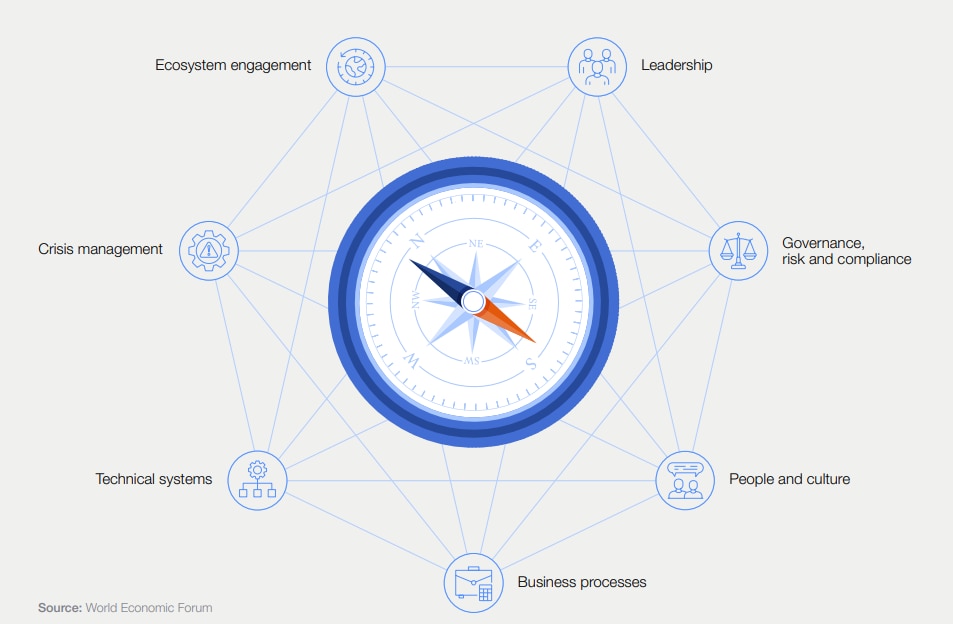
Cybersecurity in 2025 has been marked by significant challenges and advancements. Artificial intelligence has emerged as a double-edged sword, leading to a 1,200% rise in phishing attacks, while also providing improved tools for threat detection. The focus has shifted from mere defense to "cyber resilience," emphasizing organizational culture over technical solutions. Key topics included the vulnerabilities of satellite infrastructure as the space economy expands, and the growing skills gap in cybersecurity personnel, with only 14% of organizations possessing adequate talent. The conversation now emphasizes diversifying skills and creating a proactive resilience culture within organizations.
Africa | Financial services, Health, Education, ICT
5 must-read cybersecurity stories of 2025