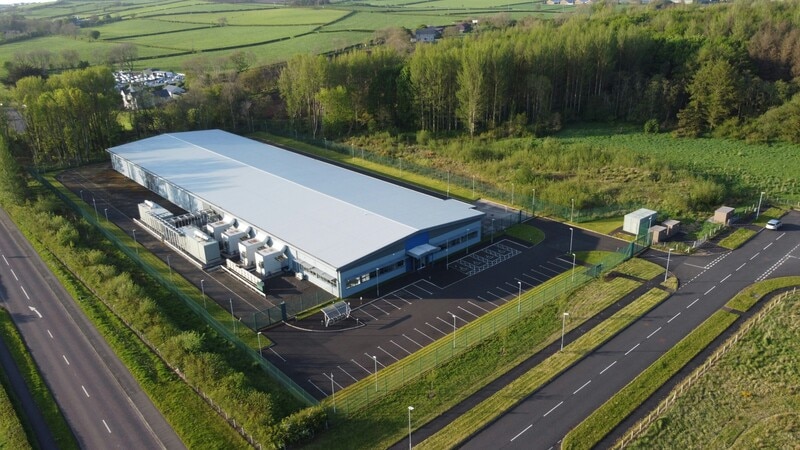
The surge in data centre construction and AI investments is significantly driving economic growth, particularly in the United States, which holds over 40% of global data centre capacity. Major tech firms like Microsoft, Alphabet, and Meta lead this investment wave, signaling a shift towards a capital-intensive model akin to manufacturing. The substantial growth in AI-related spending is offsetting weaknesses in other economic areas. While GDP growth remains strong, employment has weakened, suggesting early productivity improvements from AI. Long-term impacts on productivity and labor dynamics remain to be seen.
Education
How data centres and AI are becoming a new engine of growth

Climate finance is significantly lagging, especially in emerging markets and developing economies (EMDEs), which need approximately $2.4 trillion annually by 2030. Private sector engagement is essential, but perceived investment risks deter participation. Data indicates that these perceived risks are often overstated, with average default rates in EMDEs comparable to advanced economies. Insurance can play a crucial role in mitigating risks and enhancing investability by providing data, risk modeling, and innovative products. However, traditional insurance models must evolve to address systemic climate risks effectively, necessitating a better understanding of insurers’ contributions to climate finance mechanisms.
Financial services
Climate finance is stuck. Can insurance unblock it?
Uncertainty is a fundamental aspect of the modern business environment, necessitating resilience as a key to success. Organizations that integrate resilience into their operations are better equipped to innovate and create value amid challenges such as financial crises, climate change, pandemics, and geopolitical tensions. Leaders must shift from defensive to strategic resilience, employing proactive scenario analyses, stakeholder engagement, and data capabilities to navigate uncertainties. Additionally, the strategic integration of artificial intelligence can enhance competitiveness and operational efficiency. Ultimately, resilience should be intentionally woven into organizational structure and culture to thrive in an unpredictable future.
Barbados, Benin, Burkina Faso, Chad, Denmark, Egypt, Eswatini, Ethiopia, Finland, Georgia, Germany, Ghana, Guinea, Haiti, India, Indonesia, Japan, Jordan, Kenya, Malawi, Mali, Peru, Philippines, Qatar, Russian Federation, Rwanda, Senegal, Singapore, Sweden, Switzerland, Taiwan, China, Tanzania, Thailand, Tunisia, Uganda, Ukraine, United Arab Emirates, United Kingdom, Viet Nam, Zimbabwe | Financial services, Education, ICT
How business leaders can adapt and thrive when uncertainty is a certainty
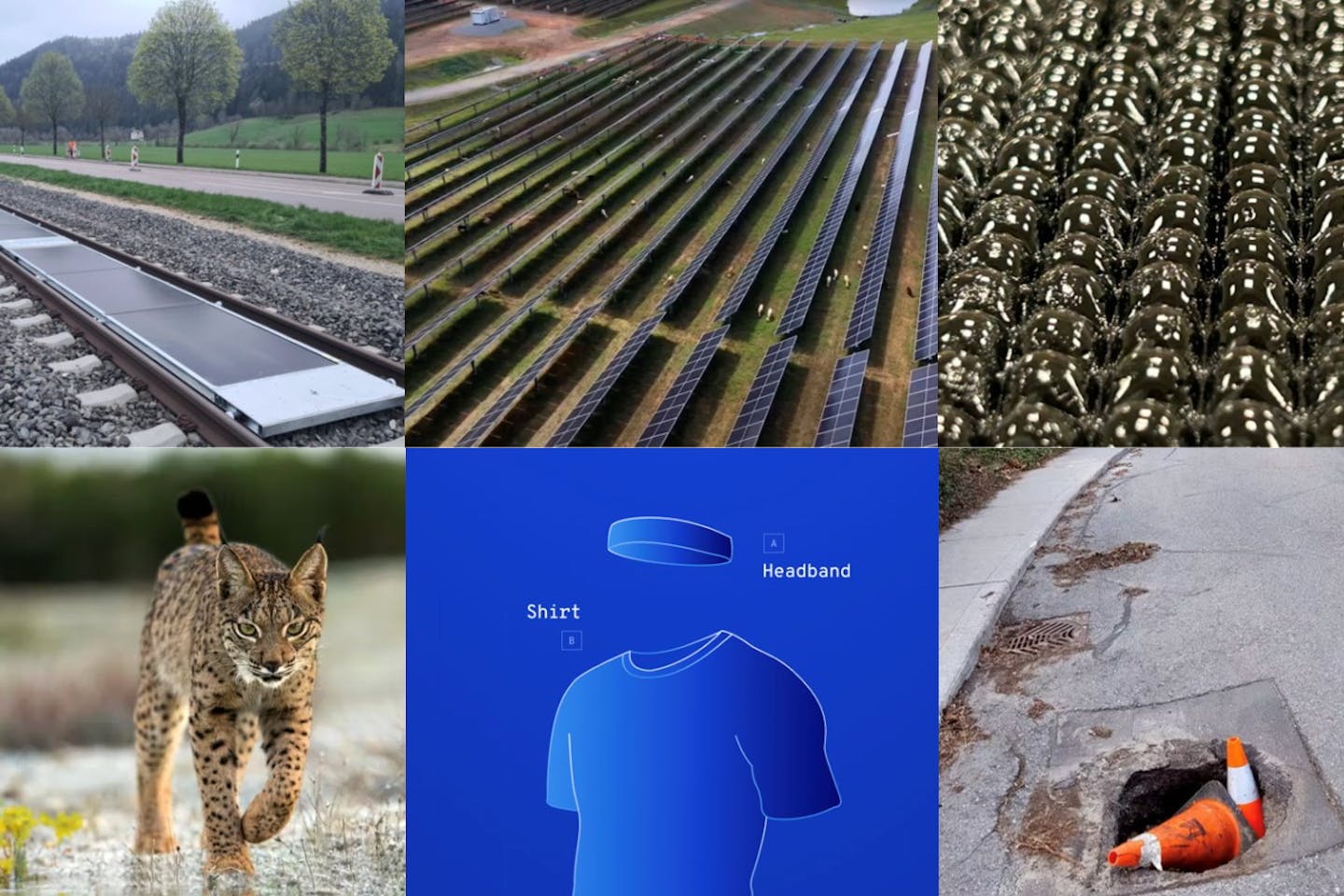
In 2025, global energy investment reached a record US$3.3 trillion, with US$2.2 trillion directed toward clean technologies. Investment in climate tech, although fluctuating, showed a recovery towards the end of the year. Key innovations included Snowcap Compute’s superconducting chips, which reduce energy use in data centers; Clic Recycle’s repurposing of human hair into eco-friendly products; Literal Labs' energy-efficient AI; and Eztia Materials' heat-absorbing gel for clothing. Additionally, Yokohama implemented "SDGs lockers" to combat food waste in train stations, demonstrating diverse advancements in sustainability and technology.
Nigeria | Financial services, Education
14 sustainable innovations that gave us hope in 2025
Rigorous impact evaluations, especially randomized trials, provide critical insights for governments regarding the effectiveness of policies and programs. When utilized effectively, these evaluations create an evidence base that enhances resource allocation and improves citizen services. Despite their potential, technical and political barriers limit their usage. Solutions include leveraging artificial intelligence, utilizing various evaluation methods, addressing ethical concerns through design and engagement, and ensuring cost-effectiveness via data alignment and partnerships. The report emphasizes the importance of international cooperation for capacity building and sharing best practices.
Education
Unleashing the policy potential of rigorous impact evaluation and randomised trials
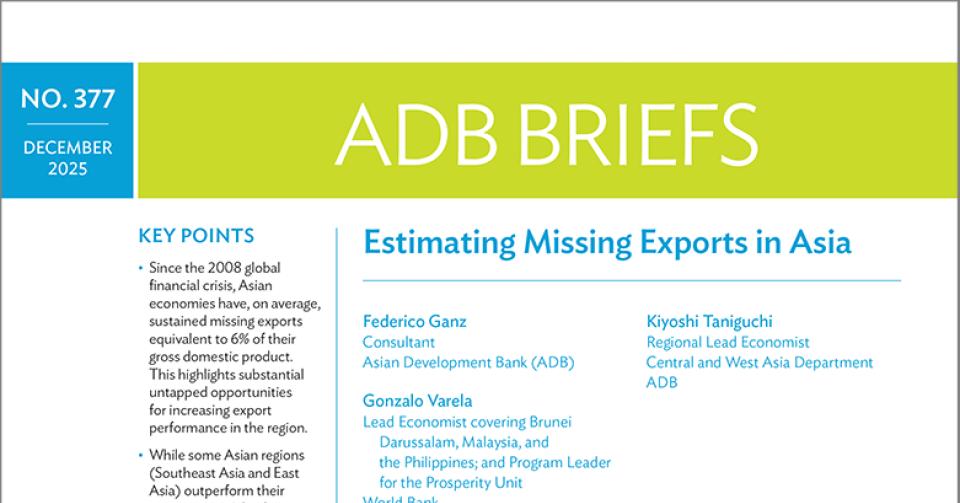
Asian economies have experienced missing exports equivalent to 6% of GDP since the 2008 global financial crisis. This gap, defined as the difference between predicted and actual exports, reveals that Central, West, and South Asia have underperformed while Southeast and East Asia have exceeded their export potential. Improving export performance can be achieved by reducing trade barriers, enhancing logistics, integrating trade practices, and targeting investments. These strategies are essential for unlocking export opportunities and fostering economic growth.
Afghanistan, Argentina, Armenia, Australia, Austria, Bahrain, Barbados, Benin, Bolivia, Bosnia and Herzegovina, Brazil, Bulgaria, Burkina Faso, Cambodia, Cameroon, Canada, Chile, Costa Rica, Cuba, Czech Republic, Dominican Republic, Ecuador, Egypt, Estonia, Eswatini, Ethiopia, Finland, Gabon, Georgia, Germany, Ghana, Greece, Hungary, Iceland, India, Indonesia, Ireland, Jamaica, Japan, Jordan, Kazakhstan, Kenya, Kyrgyz Republic, Latvia, Lebanon, Lesotho, Lithuania, Luxembourg, Madagascar, Malawi, Malaysia, Malta, Mauritania, Mauritius, Mexico, Moldova, Morocco, Mozambique, Myanmar, Namibia, Nepal, New Zealand, Oman, Pakistan, Panama, Paraguay, Peru, Philippines, Poland, Portugal, Republic of Korea, Romania, Russian Federation, Rwanda, Saudi Arabia, Senegal, Singapore, Slovakia, South Africa, Spain, Sri Lanka, Sweden, Switzerland, Syria, Taiwan, China, Tajikistan, Tanzania, Thailand, Tunisia, Türkiye, Uganda, Ukraine, United Arab Emirates, United Kingdom, Venezuela, Viet Nam, Yemen, Zambia, Zimbabwe
Estimating Missing Exports in Asia
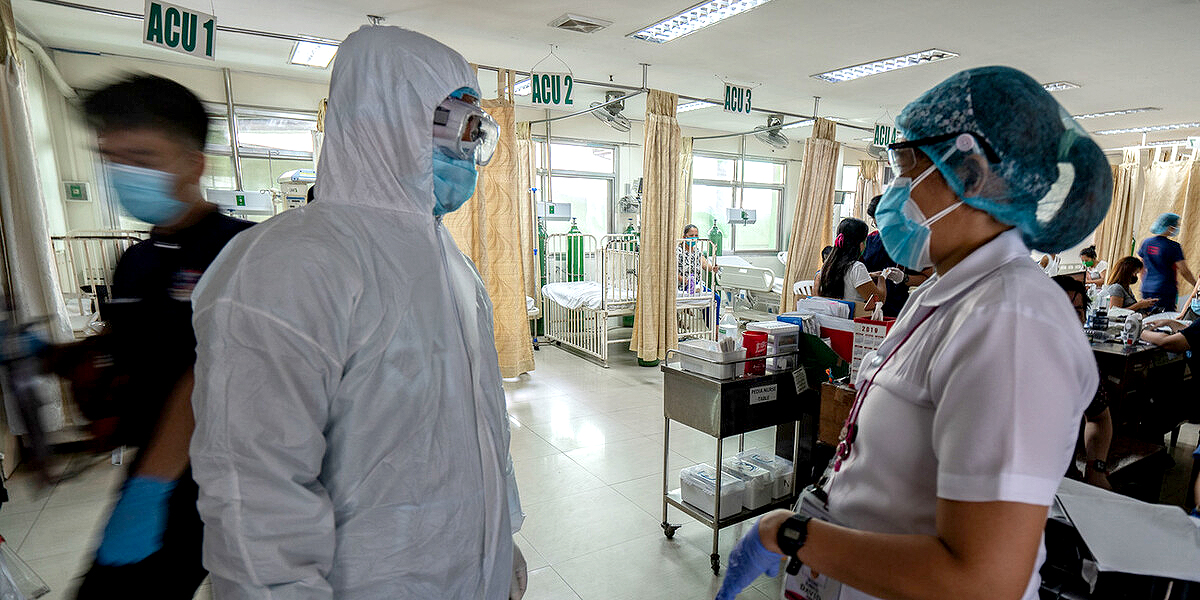
The COVID-19 pandemic highlighted significant gaps in global health security, particularly in Asia and the Pacific, leading to over 14 million deaths and $12.5 trillion in economic losses. Historical neglect following past outbreaks has left countries underprepared, with major health system disruptions and economic contraction during the pandemic. Investing in pandemic preparedness yields substantial economic returns, with conservative estimates suggesting a return of over $10 for each dollar spent. To build resilience, four strategic pillars are essential: enhanced surveillance and research, strong national systems, equitable access to medical countermeasures, and improved global governance and financing.
Africa | Financial services, Health
From Crisis to Confidence: Building a Pandemic-Ready Asia and the Pacific
Local Participation involves the meaningful and sustained engagement of local labor in ADB-financed projects, incentivizing contractors who foster local job creation and invest in skills development. It enhances community ownership, economic empowerment, and capacity building, contributing to sustainable growth and collaboration among communities, government, and contractors. Effective January 1, 2026, at least 50% of total person-days for internationally advertised contracts must be performed by local workers.
Local Participation
Tunisia leads African countries on the African Transformation Index due to its resilient, diversified economy, particularly its robust services and industrial sectors. However, deep inequalities persist across regions, generations, and gender, with regional poverty rates exceeding 35% in some areas and youth unemployment at 37.7% in 2025. Female labor participation remains low at 28.2%. High public debt and budget deficits limit government investment to address these challenges. Structural economic change is necessary to promote inclusive growth, adapt to global shifts, and leverage youth and gender equality. The Tunisia Country Economic Transformation Outlook (CETO) highlights key sectors—renewable energy, MSME financing, and digital economy—and offers evidence-based, gender-responsive policy recommendations to drive sustainable development.
Algeria, Angola, Austria, Bahrain, Belgium, Benin, Bolivia, Bosnia and Herzegovina, Botswana, Burkina Faso, Burundi, Cambodia, Cameroon, Chad, Chile, Costa Rica, Croatia, Cyprus, Denmark, Ecuador, Egypt, Estonia, Eswatini, Ethiopia, Finland, Ghana, Greece, Guinea, Ireland, Israel, Italy, Jordan, Kenya, Kuwait, Lebanon, Lesotho, Luxembourg, Malawi, Malaysia, Mali, Malta, Mauritania, Mauritius, Morocco, Mozambique, Namibia, Nepal, Netherlands, Oman, Panama, Peru, Portugal, Qatar, Romania, Rwanda, Senegal, South Africa, Spain, Switzerland, Taiwan, China, Tajikistan, Tanzania, Thailand, Tunisia, Türkiye, Uganda, United Arab Emirates, Venezuela
Country Economic Transformation Outlook (CETO): Tunisia
The EU aims to assert digital sovereignty while fostering global collaboration, defined as exercising strategic independence in data governance, infrastructure control, and innovation. This initiative seeks to mitigate economic, security, and technological vulnerabilities without resorting to isolationism. A multi-layered framework is proposed, encompassing Digital Governance, secure Digital Infrastructures, competitive Digital Products and Markets, and citizen empowerment through digital literacy. The brief highlights both initiatives, like the Digital Services Act, and risks, including dependencies on non-EU providers and fragmented strategies.
Denmark, Estonia, Georgia, Indonesia, Ireland, Jordan, Luxembourg, Russian Federation, Senegal, Sweden, United Kingdom | Financial services, Health, ICT, Education
Open but Not Powerless: Towards a Common Understanding of EU Digital Sovereignty

The rise of artificial intelligence, particularly generative AI, has sparked debate regarding whether it represents a technological revolution or an economic bubble. Key historical analogies include tulip mania, signifying speculative frenzy without value, and the dot-com boom, which blended genuine technological progress with investor exuberance. Current studies indicate that while around 75% of executives report AI enhancing productivity and decision-making, only 5% see significant profit gains, reflecting the early stage of AI integration. Overall, AI is generating real value, but its transformative impact is still developing, suggesting it resembles a technology in early diffusion rather than outright speculation.
Education
Decoding the AI Bubble: Tulips, Dot-Coms, or Something Else?

In 2025, the impact of artificial intelligence (AI) on language was highlighted by selections from various dictionaries for their words of the year. Collins Dictionary chose "vibe coding," signifying the use of AI in coding, while Macquarie Dictionary opted for "AI slop," referring to low-quality AI-generated content. Other notable terms included "parasocial," reflecting relationships with AI companions, and "glazing," excessive flattery. The word selections are based on extensive tracking of usage across various platforms, capturing trends influenced by internet culture, with choices revealing societal concerns and shifts in communication.
Slop, vibe coding and glazing: AI dominates 2025’s words of the year
The EU aims to reduce its dependency on critical raw materials dominated by China to secure its green and digital transitions through diversified supply chains. Southeast Asia, rich in critical minerals like nickel and cobalt, presents significant partnership opportunities but remains underutilized by the EU. ASEAN is increasingly positioning itself as a strategic actor in the critical minerals sector, with key players like the US and South Korea advancing cooperation deals. Challenges include ASEAN's heterogeneity, differing strategic priorities, and a focus on local value addition. Strengthening EU-ASEAN collaboration is vital for resilient, sustainable mineral supply chains, benefiting both European strategic autonomy and ASEAN’s development goals.
Africa, ASEAN, Latin America
ASEAN Strategies and Partnerships in the Critical Minerals Sector
Suppliers in heavy-emitting sectors face significant barriers to scaling low-carbon solutions, primarily influenced by policy, finance, and market challenges. The First Movers Coalition (FMC) emphasizes the importance of coordinated action between demand and supply to enable decarbonization. A report, "Turning Challenge into Opportunity," highlights insights from over 30 interviews with executives, showcasing shared challenges like inconsistent policy and financing hurdles that inhibit investment in low-carbon projects. Collaborative platforms like the FMC’s First Suppliers Hub are essential for connecting supply with demand, ultimately driving the transition toward sustainable industrial practices.
Ethiopia, Germany, India, Indonesia, Senegal, United Arab Emirates, United Kingdom
How suppliers in heavy-emitting sectors are turning barriers into breakthroughs

The national youth strategy in England aims to improve career advice for teenagers as the job market rapidly evolves, influenced by advancements like ChatGPT. While job postings requiring no degree or experience have significantly decreased, new roles in digital and healthcare sectors are emerging. However, many young people still pursue traditional careers, often feeling ill-equipped for modern job demands. Disadvantaged students face greater challenges in career development. The workforce requires not only digital and AI skills but also cognitive abilities, creativity, and emotional intelligence. A coordinated approach linking education and real-world skills is essential to prepare students for an uncertain future.
Education
Teenagers are preparing for the jobs of 25 years ago – and schools are missing the AI revolution
President Trump's foreign policy approach emphasizes bilateral over multilateral relations, focusing on deal-making with nations like South Korea. His recent tour of Asia led to perceived gains for both the U.S. and China, though experts argue Trump ultimately emerged weaker in negotiations. The U.S.-South Korea alliance is under pressure as Trump demands increased defense spending and cost-sharing from Seoul, which could rise from $1 billion to $10 billion annually. Additionally, the U.S. seeks greater operational flexibility regarding its forces in South Korea amidst evolving regional dynamics.
Estonia, Georgia, Germany, Indonesia, Poland, Republic of Korea, Russian Federation, Singapore, South Africa, Sweden, Taiwan, China, Ukraine, United Kingdom
[Trump’s World] - South Korea:
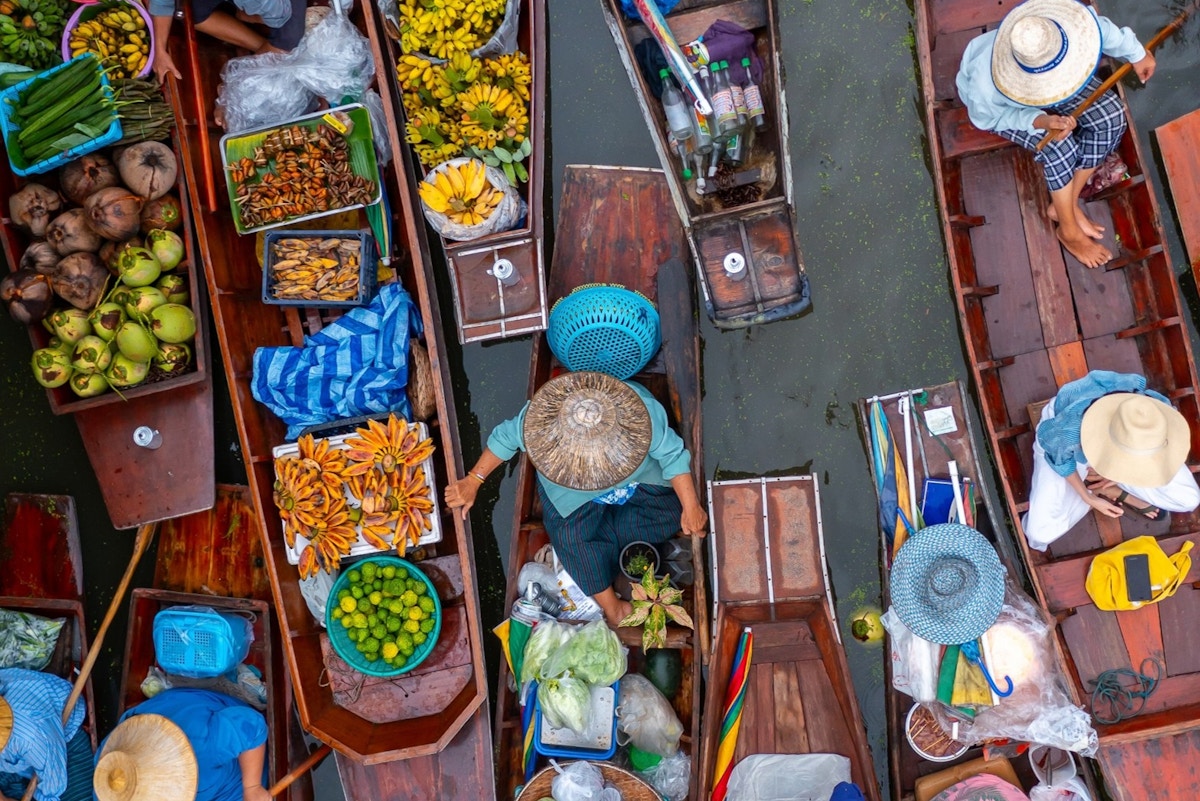
GlobeScan's 2025 Healthy & Sustainable Living consumer research reveals a notable decline in sustainability messaging from brands, leading to decreased trust, especially among younger consumers. Despite this, 58% of Asia-Pacific consumers report purchasing environmentally friendly products, an increase from 53% in 2024. Key motivators for sustainable purchasing now include personal health and affordability, rather than solely environmental concerns. For instance, 42% of Singaporean consumers are influenced by cost-effectiveness. The findings suggest a need for brands to reframe sustainability as accessible and beneficial, creating new opportunities for engagement.
Health
Healthy and sustainable living in Asia-Pacific: consumer study

Skills development is crucial to addressing the global digital talent gap, which is growing as demand for skills like AI and data literacy significantly outpaces supply. The World Economic Forum and Cognizant highlight that business leaders increasingly struggle to find qualified talent. The shortfall could lead to substantial economic losses and limited job growth, particularly in regions such as the UK and sub-Saharan Africa. Bridging this gap requires collaborative efforts among businesses, governments, and educational institutions to provide accessible learning opportunities and practical experience in digital skills. Programs like Cognizant Synapse aim to train millions and foster inclusive pathways to the digital economy.
Africa | Financial services, ICT, Education
Skills development is critical to bridging the global digital talent gap

In 2025, water innovation became integral to climate and sustainability discussions, driven by rising water stress and the need for corporate water stewardship across various sectors. Investor confidence in water-focused ventures grew, although traditional infrastructure financing remained inadequate, with an estimated $6.7 trillion needed by 2030. Regulatory scrutiny increased, particularly towards PFAS contamination, prompting innovation and funding in detection technologies. Public sector initiatives and university collaborations also highlighted the importance of integrated water resilience solutions, positioning water management as a critical component of business strategy and regulatory frameworks.
Africa | Financial services, Health, Education
3 trends defining water innovation in 2025 and what they mean for the global water agenda in 2026
Geoeconomic and technological trends are reshaping business strategies, as identified by chief strategy officers. The World Economic Forum's report outlines four potential scenarios for the global economy by 2030: 

1. **Digitalized Order** - Growth driven by geopolitical stability and technological adoption, but increased inequality risks.
2. **Cautious Stability** - Predictable environment with stagnant growth and limited tech benefits.
3. **Tech-based Survival** - High-risk world with rapid tech adoption amid geopolitical tensions, leading to operational complexities.
4. **Geotech Spheres** - Geopolitical volatility with diminished tech adoption, resulting in isolationism and local job creation challenges.

Strategic foresight is essential for navigating this evolving business landscape.
Egypt, Ethiopia, Georgia, Germany, Indonesia, Japan, Jordan, Kenya, Republic of Korea, Russian Federation, Singapore, Tanzania, Ukraine, United Arab Emirates, United Kingdom, Viet Nam | Financial services, Health, Education
The new economy will not be 'back to normal'. Here is why