Forum Spaces
Product
Use Cases
Get involved

Insights

By 2040, the global population aged 65+ will increase by 53%, outpacing the 13% growth of the working-age group, posing major economic and societal challenges. Ageism and caregiving career gaps threaten retirement security and cost the economy billions, while housing issues limit younger generations' future planning. Addressing longevity requires shifting from reactive to preventive strategies, focusing on health and wealth intersections. Simple interventions like home modifications, increased physical activity, and hearing aids could unlock trillions in healthcare savings and productivity gains, reducing strain on systems and improving well-being worldwide.
Africa | Health
In a world of exponential change, long-term thinking is crucial for sustainable longevity

Despite exponential data growth and advanced AI, transformative discoveries are slowing, partly due to a misalignment of research questions with societal needs. Problems arise not from data scarcity but from narrow, method-driven questions shaped by outdated incentives and political or business constraints. Historical oversights, like underfunding women’s health research and pandemic preparedness gaps, illustrate the consequences of flawed question framing. With AI becoming an efficient answer generator, the critical challenge shifts to formulating meaningful questions. There is an urgent need for a systematic “science of questions” to study how questions arise, improve inquiry, and guide knowledge production effectively.
Education, Health
Toward a Science of Questions
Liberal democracy in the United States is in deep crisis, with nearly 70% of Americans doubting its effectiveness and widespread mistrust in governing elites and institutions. This "anti-system age" has led many to reject the democratic process or support dangerous alternatives. Despite ongoing political debates and policy campaigns, relying on traditional governance methods within a broken system risks further entrenching authoritarianism and oligarchy. Without a fundamentally different approach, future elections alone will not prevent a potential authoritarian breakthrough, highlighting the urgent need for transformative change in governance.
Africa, Latin America
Governance in an Anti-System Age
AI tutors can manage large online lecture courses by delivering lectures, designing assessments, guiding students, and grading work with minimal human intervention, drastically reducing labor costs. This model challenges traditional education based on personal teacher-student relationships, potentially alienating students but attractive to budget-conscious administrators. While AI's impact on student learning and literacy skills is debated, its broader economic potential as a transformative technology remains uncertain amid public skepticism and slow realization of promised benefits.
Education
Artificial Negligence
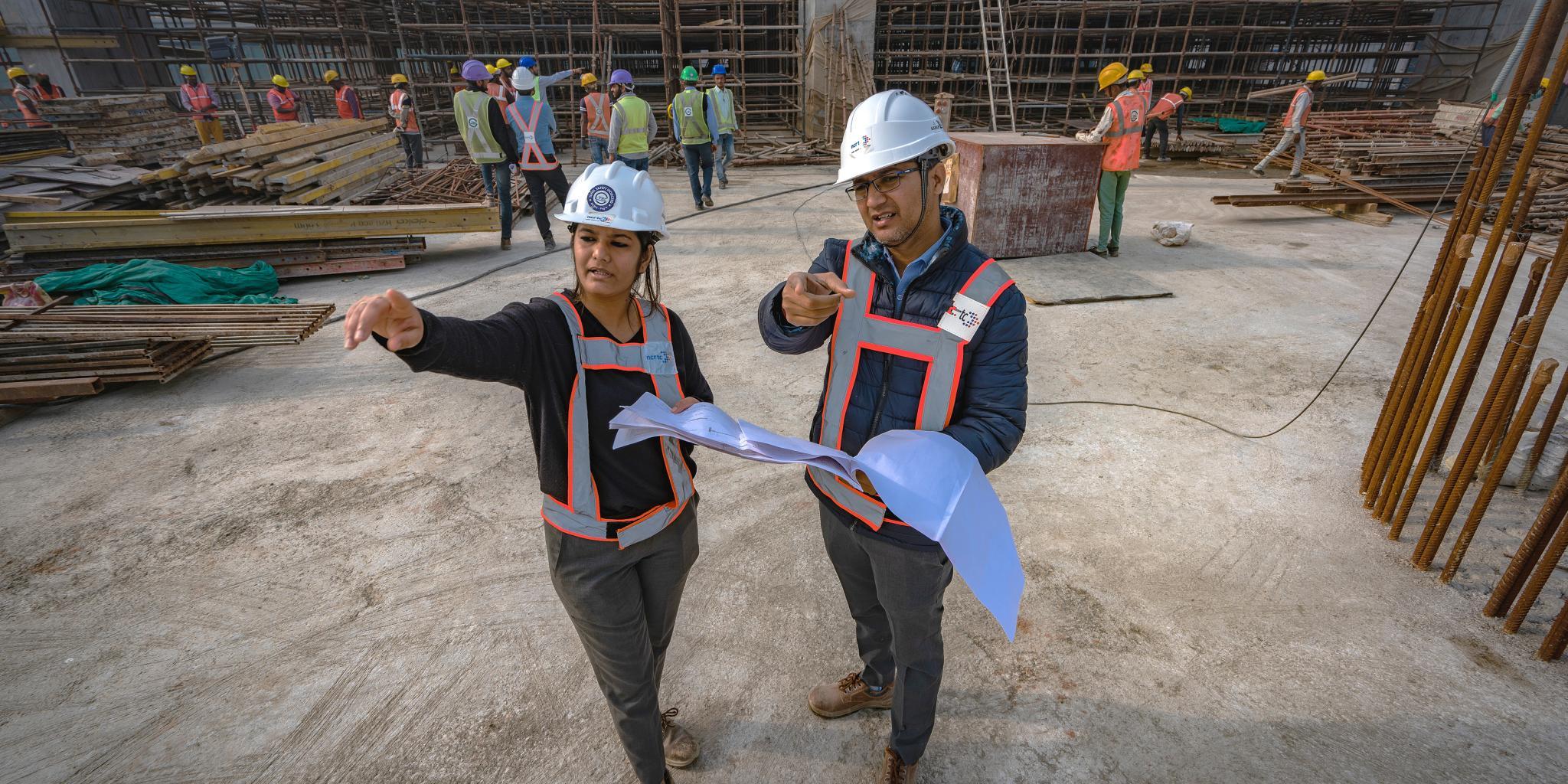
Strengthening state capacity for development delivery requires improving project readiness beyond design, focusing on government business processes throughout the project cycle. A "step-up" approach promotes progressive readiness by addressing critical actions early and monitoring milestones continuously. South Asian countries like India, Bangladesh, and Nepal have advanced formal readiness frameworks embedding procurement, safeguards, approvals, and financial management into government procedures, enhancing coordination and planning. These reforms help align interagency processes, reduce implementation delays, and institutionalize readiness as a core aspect of government development management, resulting in more effective and efficient delivery of infrastructure projects financed by multilateral development banks.
Africa, ASEAN | Health, Financial services
Development Asia: Strengthening State Capacity Through Better Project Readiness
Michael Sedlmair joined Fraunhofer IGD’s leadership on October 1, 2026, working alongside Matthias Unbescheiden to guide research at the Darmstadt and Rostock sites. His expertise lies in human-centered artificial intelligence and visual computing, focusing on how visual technologies can assist with complex cognitive and physical tasks. Sedlmair brings extensive experience in augmented and virtual reality, visualization, and human-computer interaction, strengthening IGD’s capabilities in making complex data and AI outputs understandable and usable. He also holds a professorship at the Technical University of Darmstadt. This leadership expansion enhances Fraunhofer IGD’s mission to translate advanced digital research into practical solutions for industry and the public sector.
ICT
Michael Sedlmair Joins Matthias Unbescheiden in Leading Fraunhofer IGD

Effective planning requires the integrated co-evolution of institutions, coordinating mechanisms, capacities, and funding arrangements through incremental, context-sensitive changes rather than solely relying on better policies or projects. The Three Arenas Model presents a next-generation planning framework that centers implementation alongside policy formulation and project creation. This model fosters collaborative dialogue, strategic prioritization, and institutional transformation simultaneously by combining communicative, strategic, and transformative planning. It adapts to diverse contexts, enhancing the credibility, investability, and feasibility of plans while addressing real-world constraints through learning and data-driven processes.
Three Arenas Model: A Process Architecture for Next-Generation Planning

Mongolia's greenhouse gas emissions increased by 31.6% from 2017 to 2023, outpacing GDP growth of 24.5%. Production-based emissions consistently exceed consumption-based emissions, making Mongolia a net exporter of emissions. The rise is driven primarily by agriculture, mining, and power generation sectors. Despite marginal improvements in emissions intensity, the country's economic growth remains closely linked to carbon-dependent industries. To meet climate targets, Mongolia must enhance industrial efficiency, address supply chain emissions, and reduce agricultural methane emissions.
Understanding Emission Trends in Mongolia: Insights from Environmentally Extended Multiregional Input–Output Tables
Democratic innovations in Latin America facilitate direct citizen involvement in climate governance, addressing intertwined challenges of the Anthropocene era. Three types—intermediation, deliberation, and mobilisation—aim to manage life conditions, seek community consent, or counter environmental causes and effects. These innovations face limits shaped by historical and colonial legacies, notably highlighted by the Plantationocene concept, which underscores systemic exploitation and inequality. While democratic innovations alone cannot overturn these entrenched systems, they function as counter-hegemonic efforts for justice, sovereignty, and environmental sustainability.
Africa | Health
Governing the Planetary? Democratic Innovations in Latin America
The Handbook on Anthropology and Artificial Intelligence offers an innovative collection of research exploring AI through an anthropological lens. It examines AI not just as a technology but as a sociocultural phenomenon, addressing its limits, hopes, and fears. Using ethnographic case studies worldwide, the book analyzes human–machine interactions in areas like AI companions, healthcare, policing, warfare, chatbots, and fact-checking. It critically assesses AI's evolving power and influence, considering its current state and future implications for domains including climate change and politics.
Handbook on Anthropology and Artificial Intelligence
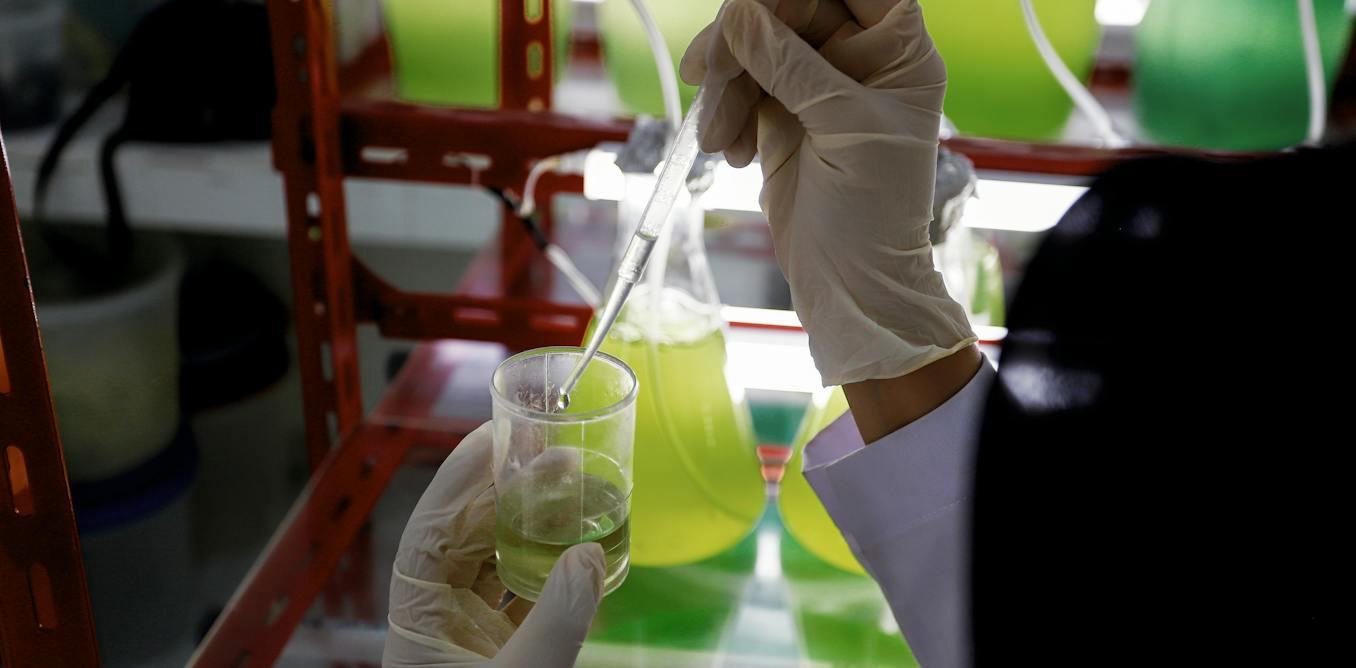
Microalgae are microscopic organisms that convert light and carbon dioxide into valuable compounds such as proteins, fats, pigments, and potential biofuels. Scaling up their growth industrially is challenging due to the need to carefully control interdependent factors like light, temperature, pH, oxygen, and carbon dioxide. AI and machine learning are being applied to analyze sensor data and images, optimizing cultivation by predicting growth, detecting stress conditions early, and adjusting operational parameters in real time. Studies include AI-controlled outdoor cultivation systems using reinforcement learning for pH regulation. Despite promising advances, challenges remain in sensor reliability, data quality, and strain variability before widespread commercial AI-driven microalgae production becomes feasible.
From food to fuel, AI helps pinpoint how to grow ‘microalgae’ at scale

HIV treatment in the UK has dramatically improved since the epidemic began in the 1980s, with effective antiretroviral therapy (ART) enabling people diagnosed to live long, healthy lives and preventing sexual transmission when viral loads are undetectable (U=U). Despite these medical advances, stigma rooted in early fears and misinformation persists, affecting disclosure and relationships, particularly within LGBTQ+ communities. Popular culture, public figures, and government campaigns have raised awareness but also contributed to enduring associations of HIV with fear and shame. While overt discrimination has lessened, social attitudes have not fully caught up with scientific progress, continuing to shape the experiences of people living with HIV today.
HIV treatment has transformed lives in the UK, but stigma lingers
The expiration of New START has left the two largest nuclear powers without legally binding limits on their strategic arsenals, exposing the decline of nuclear arms control. Rising geopolitical tensions, eroding trust, and disruptive technologies in AI, cyber, and space increase nuclear escalation risks. Traditional arms control forums and methods are ineffective in the current multipolar security environment. In the absence of immediate formal negotiations, emphasis should shift to understanding and mitigating multi-domain nuclear risks. Developing a new generation of arms control experts through Track 2 dialogues among nuclear states can build common ground and support future official talks, fostering strategic stability and enabling a renewed era of nuclear arms control.
Nuclear Arms Control Needs a New Start
Organizations like national statistics offices increasingly share data used by AI tools in online searches, but AI-generated answers can misattribute or overinterpret evidence. To ensure responsible AI use, publishers should provide clear definitions, limitations, and example questions with annotated guidance alongside their data. This approach helps AI developers verify that answers are faithfully supported by evidence, transparently acknowledge uncertainties, and maintain consistency between human-readable and machine-readable information. Collaboration between data producers and AI developers, including shared test questions, enhances the reliability and accountability of AI-generated knowledge.
How organizations can publish knowledge that AI can use responsibly

The UK experienced record-breaking hot summers, with temperatures surpassing 35°C more frequently, leading to increased health risks, wildfires, and water shortages. Public concern about climate change has risen sharply, with 74% experiencing extreme heat and 62% viewing it as the top climate impact. Support for climate policies, such as frequent flyer levies and low-traffic zones, has increased modestly. However, personal experience of extreme weather affects climate beliefs mainly when linked to climate change and aligned with political views. Behavioral changes remain limited, driven more by demographics and income than worry. Effective communication and policy timing, like during hosepipe bans, can enhance engagement and promote sustainable habits.
Did the hot summer make more people worry about climate change? Here’s what the latest indications show

AI holds significant promise for healthcare but requires stringent human oversight to ensure safety. Healthcare organizations must continuously qualify AI systems, defining their reliable capabilities, limitations, and contexts, as models and clinical environments evolve. Safety involves mapping potential failures, detecting uncertainties, implementing risk-proportionate safeguards, escalating complex cases to experts, and learning from outcomes to refine AI use. Tools like model cards and risk analyses aid transparency, and expert involvement ensures identification of failure modes. Continuous monitoring of AI performance and human-AI workflows is essential to maintain trust and improve decision quality while leveraging AI’s transformative potential.
Health, Education
How healthcare can build a human-in-command approach to AI

Persistent school absence in England remains high, with 18% of pupils missing significant sessions in 2024-25, linked partly to poor mental health and bullying, especially among children with special educational needs. Only two-fifths of children consistently feel safe at school, highlighting the need for emotional security. Effective support includes a whole-school approach fostering a safe environment through policies, designated safe spaces like nurture rooms, access to a significant adult, and therapeutic activities such as art. Structured environments, clear routines, and nurture groups help reduce anxiety and improve attendance. Collaboration between schools and families also supports children's well-being and school engagement.
What helps children feel safe at school?

Cybersecurity is essential for economic resilience, yet current governance, investment, and measurement practices lag behind rising cyber threats. Most organizations still view cybersecurity as a technical expense instead of a strategic business investment. To address this, leaders must develop a shared decision-making language, reframe cybersecurity as a value driver, create comparable resilience metrics, and establish sustainable funding for under-resourced areas. Implementing these actions by 2027 will position cyber resilience as a core component of economic stability rather than a reactive cost.
Africa | Financial services, ICT
Cybersecurity’s Strategic Inflection Point: A Senior Leadership Agenda for 2027

Cybersecurity is essential for economic resilience, yet current governance, investment, and measurement practices lag behind evolving threats. Many organizations still view cybersecurity as a technical expense rather than a strategic investment. The World Economic Forum’s report, Cybersecurity’s Strategic Inflection Point: A Senior Leadership Agenda for 2027, advocates for senior leaders to build a shared decision-making vocabulary, redefine cybersecurity as business value, develop comparative resilience metrics, and establish sustainable funding for vulnerable sectors. These actions aim to embed cyber resilience as a cornerstone of economic stability by 2027.
Africa | ICT, Financial services
Cybersecurity’s Strategic Inflection Point: A Senior Leadership Agenda for 2027
Scientists have warned about climate change for decades, leading to global efforts like the 2015 Paris Accords, which aimed to limit temperature increases to 1.5-2 degrees Celsius. Despite widespread corporate net-zero pledges and sustainable investing growth, global emissions continue to rise, and achieving these targets remains challenging. Key obstacles include the complexity of accurately measuring corporate carbon footprints, especially Scope 3 emissions from supply chains, and the non-binding nature of climate promises. Nevertheless, technological, policy, and business innovations are trending positively and could yield meaningful climate impact if current hurdles are overcome.
Who Builds the Green Economy?
Show more

Forum Spaces

© 2026 All rights reserved
Privacy Policy & Terms of Service