
AI has facilitated a rise in remote IT worker scams targeting businesses globally, as cybercriminals exploit the recruiting process for remote technical roles. Utilizing generative AI, fraudsters create fake resumes and employ deepfake technology to secure jobs. This trend has expanded beyond the tech sector, affecting various industries. Companies must enhance their hiring defenses by tightening screening processes and training HR teams to recognize red flags associated with fraudulent candidates, thereby mitigating risks posed by these sophisticated scams.
Education
Unmasking the AI-powered, remote IT worker scams threatening businesses worldwide
Border carbon adjustments are being integrated into global trade, mandating emissions visibility and pricing based on the carbon footprint of imported goods. Initiatives are gaining traction, particularly the European Union's Carbon Border Adjustment Mechanism set to start in January 2026. This new framework compels businesses to enhance their emissions tracking and management strategies, especially in high-emission sectors. Global cooperation efforts, including a Climate Club and an Open Coalition on Compliance Markets, aim to address carbon leakage and standardize emissions measurement across nations. Effective emissions accounting will be crucial for businesses navigating these changes.
Belgium, Canada, Denmark, Ecuador, Germany, India, Indonesia, Japan, Malaysia, Morocco, Netherlands, Norway, Poland, Sweden, Taiwan, China, United Kingdom | Financial services
Here’s how businesses can navigate border carbon adjustments embedded in trade
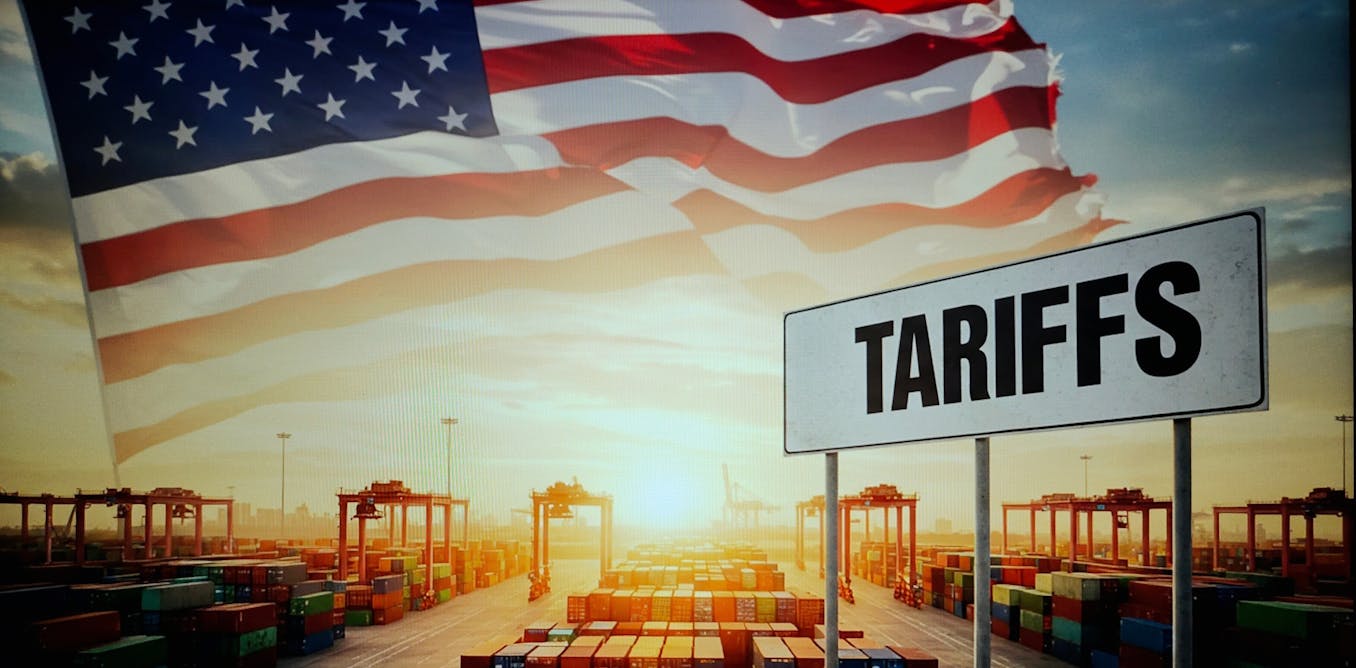
The Trade Policy Uncertainty Index surged following Donald Trump's announcement of trade tariffs in April 2025, indicating unprecedented volatility in global finance compared to the COVID-19 pandemic. Uncertainty, prevalent in complex systems, often leads to economic precarity and rising inequality, while allowing some to exploit these conditions for profit. The resulting rise in populism threatens transnational collaboration, compounded by a lack of human engagement that contributed to the 2008 financial crisis. Strategies countering uncertainty, highlighted in the book "Navigating Uncertainty," emphasize the importance of diverse knowledge and human interactions in addressing today's challenges.
Luxembourg, Poland, Taiwan, China, United Kingdom | Education, Financial services
In this age of global uncertainty, where in the world can we look for guidance?

The global labor market is undergoing profound changes due to demographic shifts, deglobalization, and accelerated AI adoption, creating systemic weaknesses and redefining skilled labor. Organizations face significant talent shortages, even as AI modifies job requirements and introduces a need for continuous reskilling. The Skills Economy Report indicates that roles increasingly merge technical and interpersonal skills, emphasizing the importance of lifelong learning. Education systems must adapt to align with modern workforce needs, ensuring curricula incorporate AI literacy and problem-solving abilities. Leaders must invest in skills development and design resilient frameworks to navigate these transformations.
Africa | Financial services, Education
Beyond the inflection point: The new forces shaping the transformation of work
EU leaders will discuss enlargement at the European Council on December 18-19, highlighting the urgent need to include the Western Balkans, Ukraine, and Moldova. While the geopolitical rationale for expansion is recognized, Paul Schmidt emphasizes the necessity of internal structural reforms to prevent dysfunction in a larger Union. Current mechanisms for enforcing rule of law are inadequate, suggesting a need to empower the European Court of Justice. Additionally, reforms in voting power and budget structures are essential for managing future enlargements effectively. Without these changes, the EU risks becoming paralyzed by indecision.
Latin America
EU enlargement needs more than ambition – it needs a reformed European Union
Malaysia's semiconductor sector is projected to double its global market share from 7% to 14% by 2029, leading to increased electricity use and Scope 2 emissions unless significant changes are made in energy sourcing and consumption methods. As the sixth-largest chip exporter, Malaysia faces pressures from rising global demand, with purchased-electricity emissions representing 77% of the sector's carbon footprint. Experts emphasize the need for immediate action on energy consumption reduction and optimizing water systems, which account for up to 30% of fab energy use, to address both energy and emission challenges in this capital-intensive industry.
Malaysia, Singapore, Taiwan, China
Malaysia’s chip boom risks soaring Scope 2 emissions, experts warn
A recent gathering in São Paulo brought together over 100 leaders from the Global South to rethink global development. The conference highlighted the need to revolutionize the development system by widening participation and reshaping its architecture to be more inclusive and locally grounded. Geopolitical uncertainties present an opportunity for the Global South to redefine development standards rooted in local histories and realities. Furthermore, knowledge networks, like Southern Voice, are crucial for innovation, fostering collaboration, and redistributing power in the development discourse. The conference aimed to empower members to turn collective ideas into actionable commitments for transformative change.
Latin America | Health
Beyond the Old Tables: The Global South Is Redefining Global Development

Border carbon adjustments are transforming the global economy by integrating emissions accountability within trade, investment, and innovation. They offer business leaders a chance to leverage carbon transparency and low-emission production for competitive advantage, fostering markets that value sustainability and innovation. The analysis highlights how emerging carbon pricing mechanisms influence global climate action and industrial strategy. It emphasizes the need for companies to adopt life-cycle decarbonization and supply-chain transparency while viewing decarbonization as a competitive lever. This approach aids industries in adapting to border carbon adjustments and promoting sustainable, inclusive growth.
Latin America | Financial services
Climate and Competitiveness: Border Carbon Adjustments in Action
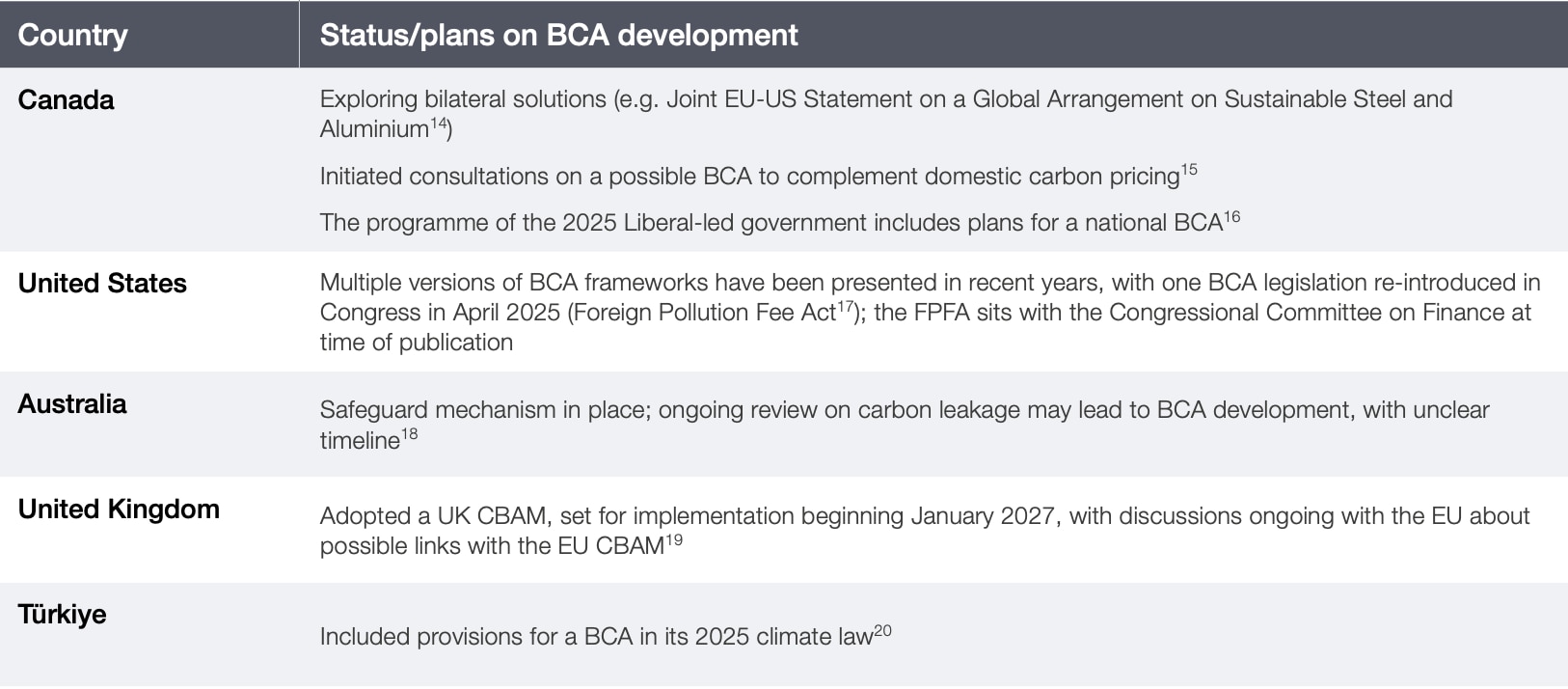
The EU's Carbon Border Adjustment Mechanism (CBAM), effective January 1, 2026, will charge fees based on the emissions intensity of imported goods, marking a significant shift in global carbon pricing. This mechanism aims to combat carbon leakage, where emissions-intensive production shifts to areas with looser regulations. Other countries, such as Canada and the U.S., are exploring similar policies. Businesses, particularly in high-emission sectors, are encouraged to adopt robust governance, digital monitoring, and internal carbon pricing to prepare for compliance and leverage competitive advantages while aiding decarbonization efforts.
Financial services
How the EU's CBAM will impact the business and carbon pricing landscape

During COP30 in Belém, Brazil, references to critical minerals, essential for the clean energy transition, were omitted from the UNFCCC text despite advocacy from developing countries and civil society. Conflict arose as China and Russia opposed these inclusions. Subsequently, China engaged in discussions on the G20 Critical Minerals Mechanism and a joint initiative with South Africa supporting Africa’s modernization. The governance of critical minerals is crucial as their extraction is concentrated in the Global South, raising concerns about environmental justice and potential exploitation. The UN has established a panel to focus on equity and sustainability in mining practices.
Democratic Republic of the Congo, Namibia, Zambia
What next for the global governance of critical minerals?
Geoeconomics is vital for Asian middle-income countries, particularly China, India, Indonesia, and the Philippines, to achieve high-income status. This paper highlights trade policies as mechanisms to mitigate geopolitical tensions while aligning economics with geopolitical interests. It discusses how historical trade dependencies have shaped the region's geoeconomic power dynamics and proposes policy architectures for fostering both economic prosperity and peace through simulation-based quantitative assessments of trade policies.
Argentina, Armenia, Australia, Bahrain, Belgium, Bolivia, Cambodia, Colombia, Czech Republic, Denmark, Ecuador, Egypt, Estonia, Eswatini, Ethiopia, Finland, Georgia, Germany, Ghana, Greece, Hungary, India, Indonesia, Israel, Japan, Jordan, Kazakhstan, Kenya, Kyrgyz Republic, Lesotho, Malaysia, Mozambique, Namibia, Nepal, Pakistan, Panama, Paraguay, Peru, Philippines, Poland, Portugal, Republic of Korea, Russian Federation, Singapore, South Africa, Sri Lanka, Sweden, Switzerland, Taiwan, China, Thailand, Türkiye, Ukraine, United Kingdom, Viet Nam, Zambia, Zimbabwe
Charting Prosperity: Geopolitics and Asia’s Economic Future
Women are forming supportive "tribes" globally to address persistent challenges in leadership, as nearly half of the working-age population is female but only 35% hold managerial roles. Initiatives like the International Woman Leadership Conference have emphasized the value of collaborative relationships among women to overcome obstacles and enhance personal and professional growth. Research highlights five core dimensions of these tribes, including alleviating leadership isolation and fostering lifelong learning. Such structured support networks are seen as vital for women to thrive and drive systemic change within organizations.
Rising together: how women’s tribes are rewriting leadership

The rapid investment in artificial intelligence, although resembling a bubble, is an essential part of technological evolution. It drives infrastructure development, fosters future economic growth, and establishes a foundation for transformative advancements across various industries.
Education
Why Today’s AI Bubble May Fuel Tomorrow’s Economic Growth

Accelerating the decarbonization of heavy industry requires overcoming barriers that hinder suppliers from delivering low-carbon technologies and products at scale. This report amplifies the voices of producers, project developers, and innovators in hard-to-abate sectors, emphasizing that the transition depends on suppliers of low-carbon solutions. Through structured interviews within the First Movers Coalition’s sectors—aluminium, aviation, carbon dioxide removal, cement, shipping, steel, and trucking—candid supplier perspectives highlight tangible progress, ongoing challenges, and potential paths forward, providing valuable insights for producers, investors, and policymakers.
Turning Challenge into Opportunity: Supplier Voices from Heavy-Emitting Sectors
Global energy in 2026 will emphasize growth, resilience, and competition, with investments likely exceeding $3.3 trillion in 2025, including $2.2 trillion in clean energy technologies. Governments are shifting focus from environmental pledges to energy security and economic competitiveness. China leads in clean energy investment and manufacturing, with significant developments in India and Europe as well. Geopolitical tensions are heightening the need for resilient energy infrastructures, while AI's impact on energy demand is reshaping site selection for data centers. The next phase prioritizes practical execution of energy projects that deliver immediate economic and environmental benefits.
Algeria, Denmark, Estonia, Germany, India, Sweden, United Kingdom | Financial services
Global energy in 2026 will be marked by growth, resilience and competition
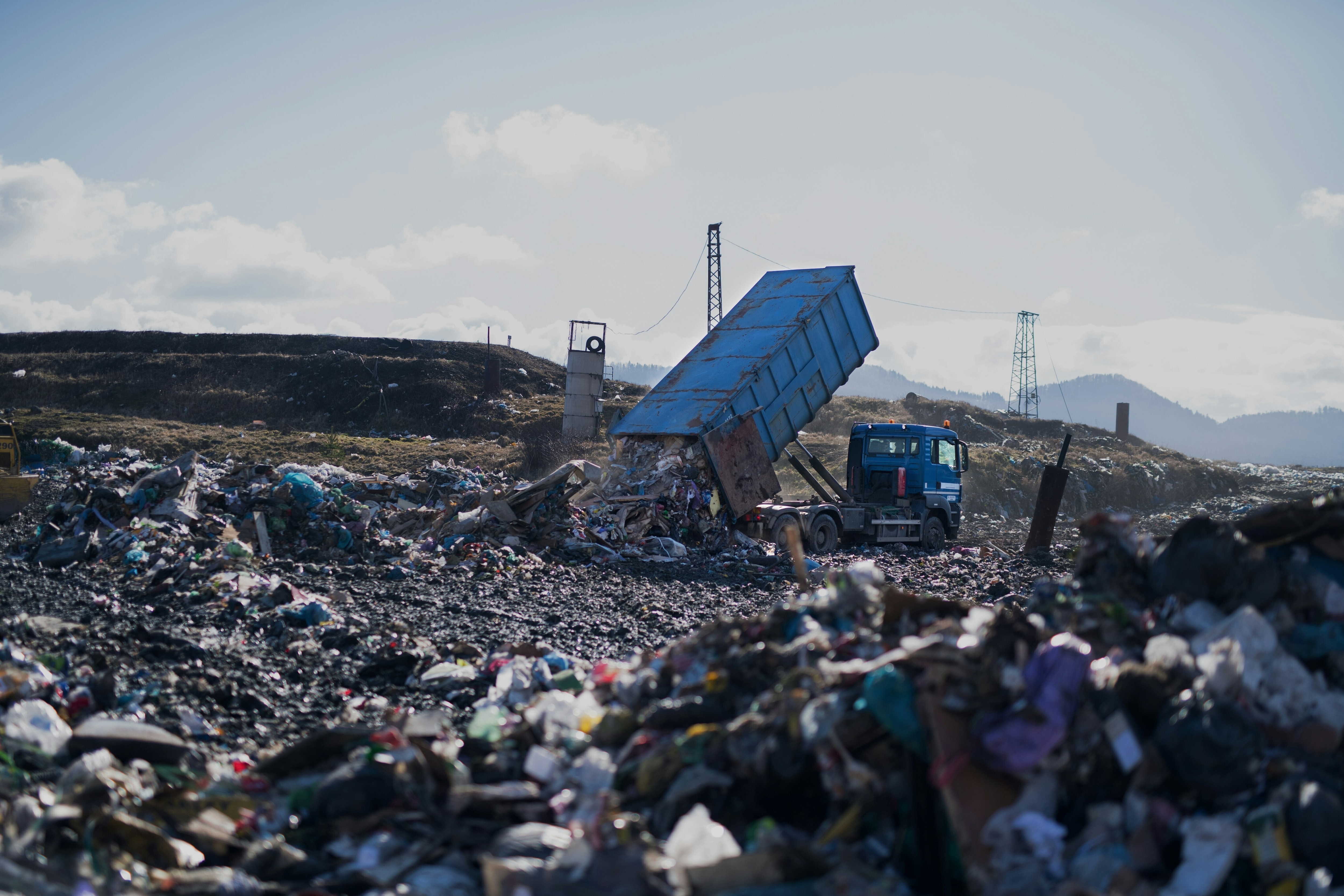
Extended producer responsibility (EPR) is increasingly recognized as crucial for sustainable packaging and circular economy initiatives worldwide. It holds companies accountable for their packaging post-consumption, promoting environmental benefits and market resilience. As of now, 63 jurisdictions are legislating EPR, highlighting its importance. EPR systems encourage innovation and economic opportunities, particularly in developing countries, by creating new markets and enhancing recycling efforts. Experts emphasize the need for digital traceability, data-driven tools, and robust monitoring frameworks to maximize EPR's potential and improve community engagement and social compliance.
Here’s why we should be bullish on extended producer responsibility
Air pollution in northern India significantly hampers economic growth by diminishing productivity and increasing health-related expenses. Each winter, severe smog leads to school closures and halted construction, while year-round pollution, primarily from vehicles and burning waste, contributes to an estimated 1.67 million pollution-related deaths in 2019. Economic losses attributed to air pollution amounted to $36.8 billion, approximately 1.36% of GDP. Vulnerable groups, including informal workers and small firms, face the greatest impact due to unequal exposure and limited resources for mitigation. Overall, air pollution represents a major obstacle to sustainable economic development in India.
How air pollution is holding back India’s economy
Central banks and financial regulators are leveraging supervisory technology (suptech) to enhance consumer protection and strengthen the financial system. This collaboration with tech companies enables the implementation of tools like AI and predictive analytics to streamline oversight and early risk detection. As of 2025, 197 financial authorities across 140 countries are using at least one suptech solution. Emerging markets are increasingly adopting these technologies, focusing on market access and financial inclusion. Initiatives like the Public-Private Secondments for SupTech Innovation aim to bridge expertise gaps, exemplified by an AI system in a Middle Eastern central bank that automates the handling of consumer complaints, improving operational efficiency and accuracy.
Education, Financial services
How financial regulators are using technology to protect consumers and strengthen the financial system
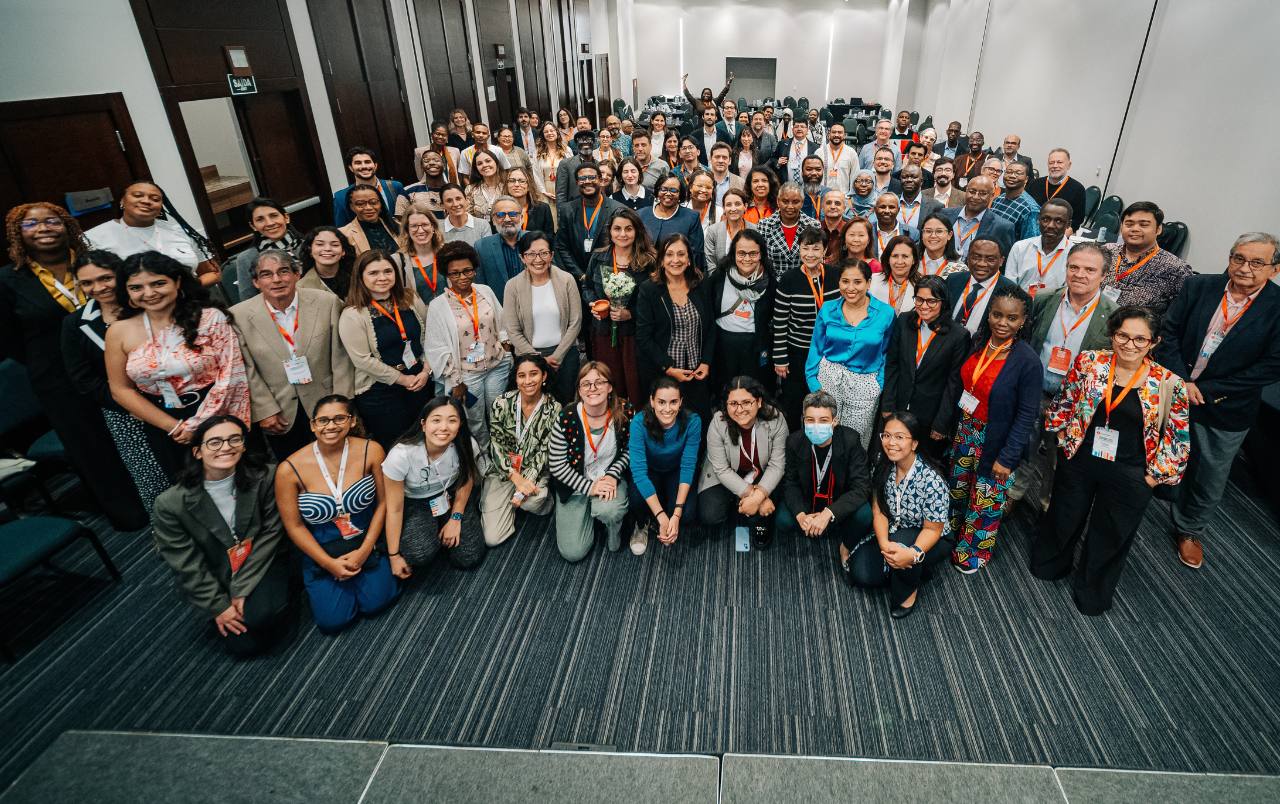
In October 2025, Southern Voice convened its global network in São Paulo to address global development challenges. With five years remaining before the 2030 Sustainable Development Goals deadline, the conference focused on strengthening Global South perspectives and promoting balanced multilateralism. Participants discussed tackling power asymmetries, enhancing inclusive decision-making processes, and identifying how Southern Voice can effectively contribute to these efforts amid rising inequality and a fragmented multilateral system.
Africa, Latin America | Health
Southern Voice Joint Statement Following 2025 Conference
Fusion energy could start contributing to national grids by the 2030s, transitioning from experimental stages to deployment. Google DeepMind is collaborating with Commonwealth Fusion Systems to utilize AI in addressing complex fusion physics challenges, enhancing the path to practical fusion energy. A new US government fusion roadmap emphasizes the strategic importance of this technology. Multiple countries are involved in fusion research, and the IAEA reports significant global investment and development in fusion facilities. AI is expected to facilitate advancements in plasma physics, essential for controlling fusion reactions effectively.
How AI will help get fusion from lab to grid by the 2030s