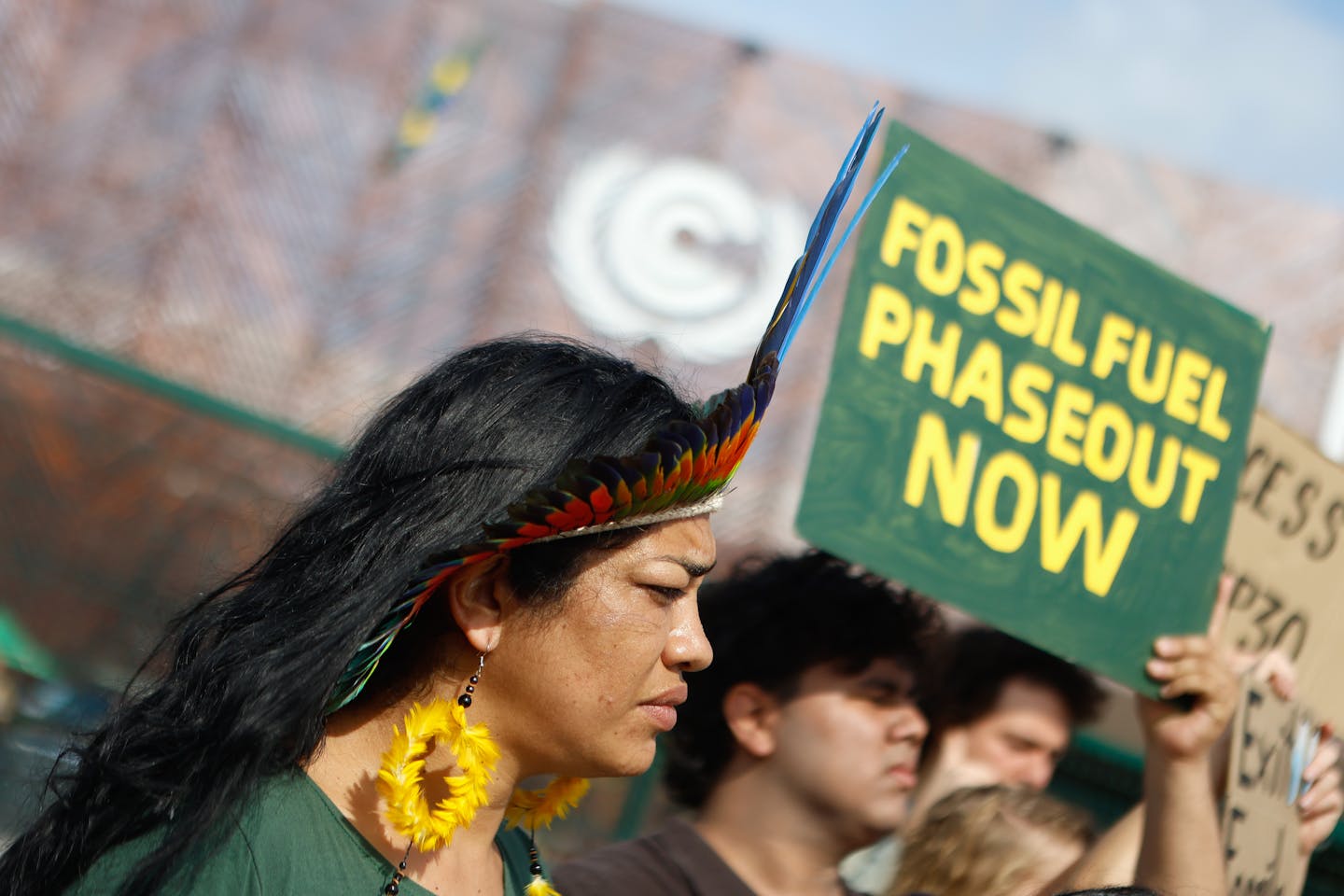
In 2025, global dependence on fossil fuels remained high, driving record carbon dioxide emissions despite agreements to transition away from them. However, renewable energy, particularly solar power, saw significant growth, surpassing coal's share in the electricity mix for the first time. Major increases occurred in China, the U.S., and the EU. Geopolitical factors and rising energy demands, partly due to AI, complicated the clean energy transition. The U.S. and Europe experienced setbacks in renewable energy policies, while fossil fuel discussions were sidelined at COP30. The energy sector faces a skilled labor shortage as demand for clean energy jobs grows.
Renewable energy boomed in 2025, but so did fossil fuels

Stronger-than-expected exports and reduced trade uncertainty have led to an upward revision of growth forecasts for economies in developing Asia and the Pacific. The 2025 growth is projected at 5.1%, boosted by India’s domestic consumption and exports of technology products. Growth for 2026 is slightly adjusted to 4.6%, with risks including tariff increases and geopolitical pressures. Specific projections include 6.5% growth for South Asia and 4.5% for Southeast Asia in 2025. Inflation is expected to decrease to 1.6% in 2025. Key risks to the outlook include renewed trade tensions and property market instability in China.
India
Asian Development Outlook (ADO) December 2025: Growth Steadies But Uncertainty Lingers
Generative AI is leading to a decline in entry-level wages and hiring practices. After the introduction of ChatGPT, starting wages for junior employees in AI-exposed companies fell by 6.3%, while mid-level salaries dropped by 5.9%. AI's ability to automate tasks traditionally performed by junior staff is altering workforce dynamics, reducing new junior positions by 4% and increasing mid-level roles. This shift, combined with declining education requirements for junior and mid-level positions, poses challenges for skill development among new entrants, questioning the effectiveness of traditional career progression pathways.
Education
How AI is depressing entry-level wages and hiring
Women-led collective action, aided by responsive institutions, can transform communities from distress-driven migration to resilient livelihoods. A case study of Kanfodi gaon and Kanfodi tanda in Maharashtra reveals a seven-year transition facilitated by the Maharashtra State Rural Livelihoods Mission. Key changes included the formation of women's self-help groups, financial inclusion, and sustainable vegetable farming practices. These efforts led to income stabilization, reduced seasonal migration, enhanced social cohesion, and decreased domestic violence, illustrating the potential of livelihood strategies, women’s agency, and supportive institutions to foster ecological, economic, and social resilience.
Restoring Roots of Resilience: Evolution of Seasonal Migrants into Employers
Geopolitical tensions have heightened competition for scientific leadership among the U.S., China, and other major powers in fields like AI and biotechnology, which are crucial for military and economic security. The U.S. has shifted from a proactive, investment-focused Cold War strategy to a defensive posture characterized by export controls and immigration restrictions. This change risks undermining U.S. scientific leadership as it alienates foreign talent, who comprise a significant portion of the STEM workforce. In contrast, China is adopting similar Cold War strategies by investing heavily in basic science and attracting foreign researchers, posing a growing challenge to U.S. dominance.
Russian Federation | Financial services, Education
Can America Win the New Race for Scientific Leadership?

Africa's energy landscape is characterized by isolated and underfunded national grids, resulting in high electricity costs and unreliable supply for over 600 million people. Despite hosting 60% of the world's prime solar resources, the continent attracts less than 3% of global clean energy investment. Regional energy interconnectivity can transform this scenario, enabling electricity trade, enhancing energy security, and fostering investment in renewable projects. Initiatives like the Africa Single Electricity Market and the Continental Power Systems Master Plan aim to create a unified electricity network, with a focus on implementing cross-border transmission projects to meet future energy demands.
Ghana, Malawi, Rwanda, South Africa, Zambia | Financial services
How grid integration can power Africa’s future
Bahrain is leveraging artificial intelligence (AI) to transform its public sector and drive sustainable development. The Ministry of Sustainable Development, in partnership with Bain & Company and the World Economic Forum, has initiated AI applications to enhance national sustainability efforts. Key developments include the SME SMART tool, which aids small and medium-sized enterprises (SMEs) in assessing and improving sustainability practices, potentially generating a cumulative valuation increase of $17 million by 2030. Bahrain's strategic initiatives in AI governance and workforce training aim to foster a responsible digital economy and mobilize up to $370 billion in sustainable investments across the MENA region by 2030.
Bahrain | Education
AI for sustainable development: how Bahrain is driving public-sector transformation through tech
Rising AI adoption is driving significant economic transformation but risks tripling global data centre electricity use by 2035, threatening energy grids, increasing costs, and impeding climate goals. The World Economic Forum and Accenture's "From Paradox to Progress: A Net Positive AI Energy Framework" presents a practical blueprint to ensure AI growth supports sustainable energy systems. The framework emphasizes designing for efficiency, deploying for impact, and shaping demand wisely, supported by education, collaboration, and transparent measurement. Highlighting over 130 real-world use cases, it demonstrates how intentional design and governance can make AI a catalyst for energy system resilience and climate-positive outcomes.
From Paradox to Progress: A Net-Positive AI Energy Framework

Rising AI adoption is driving significant economic changes while increasing energy demands that threaten grid stability, raise costs, and hinder climate goals. Global data center electricity usage may reach 1,200 terawatt-hours by 2035, nearly tripling from 2024 levels. The "Net-Positive AI Energy Framework" proposes three action drivers—design for efficiency, deploy for impact, and shape demand wisely—to ensure AI supports rather than burdens energy systems. The framework emphasizes education, collaboration, and transparency, drawing from over 130 real-world use cases demonstrating AI’s potential for resilience and climate-positive outcomes.
Education
From Paradox to Progress: A Net-Positive AI Energy Framework
Achieving net-positive AI energy by 2030 requires aligning AI growth with energy-transition goals to balance the increasing electricity demand from data centers, projected to double. Key strategies involve designing AI systems for efficiency, deploying AI solutions that enhance energy efficiency, and shaping demand by prioritizing impactful applications. Strategic enablers include workforce upskilling, cross-sector collaboration, and transparent measurement of energy performance. Real-world applications demonstrate that high-performance AI can be achieved with lower emissions, and coordinated AI deployments can significantly reduce energy consumption and improve grid management.
Education
What will it take to achieve net-positive AI energy by 2030?

A wealth transfer of $83 trillion is occurring, positioning women to control an unprecedented share of global financial wealth, with projections indicating they will hold nearly 40% of global investable wealth by 2030. The report, developed with the Global Future Council on Investing in Gender Parity and LinkedIn, emphasizes that leveraging this ownership to increase allocator power can enhance deal flow, diversity in business scaling, and support more resilient market performance, thereby positioning gender parity as a catalyst for innovation and inclusive growth.
Transforming Capital for the Next Era: Gender Parity and the Expansion of the Investable Frontier
Health systems face rising chronic diseases, cost pressures, workforce shortages, inequities, and complex data risks. Quantum technologies—computing, sensing, and communication—are maturing and poised to address key healthcare challenges. Four value pillars have emerged: discovery acceleration, precision diagnostics, operational optimization, and trusted data infrastructure. Leading organizations like Moderna, Merck, and Mayo Clinic are piloting quantum solutions to enhance research, diagnostics, and data security. Strategic actions are essential now to harness these technologies for safer, more efficient, and personalized healthcare delivery.
Financial services, ICT, Education, Health
Quantum Technologies: Strategic Imperatives for Health and Healthcare Leaders

Health systems face significant challenges, including rising chronic diseases, cost increases, workforce shortages, and complex data risks. Quantum technologies, now maturing, present opportunities to alleviate these issues. A report by the World Economic Forum and Accenture highlights four value pillars: discovery acceleration, precision diagnostics, operational optimization, and trusted data infrastructure. It showcases case studies from institutions like Moderna and Mayo Clinic, illustrating successful pilot projects in R&D, diagnostics, and data protection. Strategic actions are necessary to leverage these technologies for safer, more efficient, and personalized healthcare.
Education, Health
Quantum Technologies: Strategic Imperatives for Health and Healthcare Leaders

Utility resilience is essential for business continuity amid increasing climate risks. Disruptions from extreme weather impact profitability, necessitating strategic public-private partnerships and investments in technology, financing, and community support. There is a significant financial risk associated with utility failures, illustrated by the $1.8 billion loss during the 2021 Texas winter storm. The private sector is urged to adopt an investment mindset, focusing on four core pillars: strategic public-private partnerships, investment in resilient technologies, and innovative financing. Expansion in market opportunities for climate-smart solutions is crucial as climate adaptation investments significantly grow.
Financial services, Health, Education
4 ways the private sector can empower utility resilience amid severe climate risks

Rising inflation has significant political effects, particularly evident in the aftermath of the 1970s inflationary episodes. The COVID-19 pandemic triggered a resurgence of inflation after decades of stability, reigniting discussions on its causes and the policies promoting low inflation, primarily conservative monetarist frameworks. Different theories explain this shift: the ideological acceptance of low inflation by politicians, the influence of conservative global monetary anchors (like the US Fed and German Bundesbank), and the political move towards neoliberalism as social-democratic parties waned. The role of socio-economic circumstances is crucial, as public preferences shift from employment to inflation concerns during periods of economic security. Leftist parties played a pivotal role in embedding monetarist policies, often through internal ideological struggles, reflecting a significant transformation in political economics.
Latin America | Financial services
The politics of inflation and disinflation from the 1950s to COVID-19

Identity fraud is evolving in the AI era, with a decline in overall fraud volumes but an increase in the complexity of attacks. Despite a slight decrease in the overall fraud rate, multi-step fraud schemes surged by 180% in 2025, indicating a shift towards more organized and sophisticated fraud tactics. Payment-method fraud now dominates, highlighting a trend where criminals infiltrate transactional flows for instant profit. Furthermore, 40% of companies and 52% of individuals experienced fraud attempts, emphasizing the widespread nature of identity crime across various sectors. Regional disparities reveal differing fraud trends and the urgent need for public-private collaboration in addressing emerging threats.
Africa, Latin America | Financial services, Education
How identity fraud is changing in the age of AI
Global environmental negotiations have faced significant failures, evidenced by the collapse of talks on plastic pollution, the IPCC report timeline, and other major frameworks. Key issues include a breakdown in consensus-based decision-making, allowing a few nations to block progress, and the politicization of scientific findings that erodes trust and delays action. Power imbalances persist among countries, with smaller nations often sidelined, and gender disparities remain prevalent. Rising nationalism complicates cooperation, impacting climate pledges and biodiversity targets. Rethinking negotiation strategies, enhancing scientific input, and modernizing approaches could improve outcomes and foster more effective global environmental action.
Latin America | Financial services, Education, Health
Why global environmental negotiations keep failing – and what we can do about it
Diasporas create complex social, emotional, and political maps that transcend national borders, reshaping identity, governance, and belonging. Traditional maps often fail to represent these transnational realities, highlighted by campaigns like #CorrectTheMap that challenge distorted depictions of Africa. Modern diasporas are characterized by interconnected lives, blending cultural practices and economic ties across continents. The African Union recognizes diasporic networks as vital to Africa's future, valuing their contributions to development. This evolving understanding captures the ambivalence of presence and absence, generating plural identities and innovative governance beyond formal state politics.
Africa, Latin America
Invisible cartographies: why diasporas rewrite the world
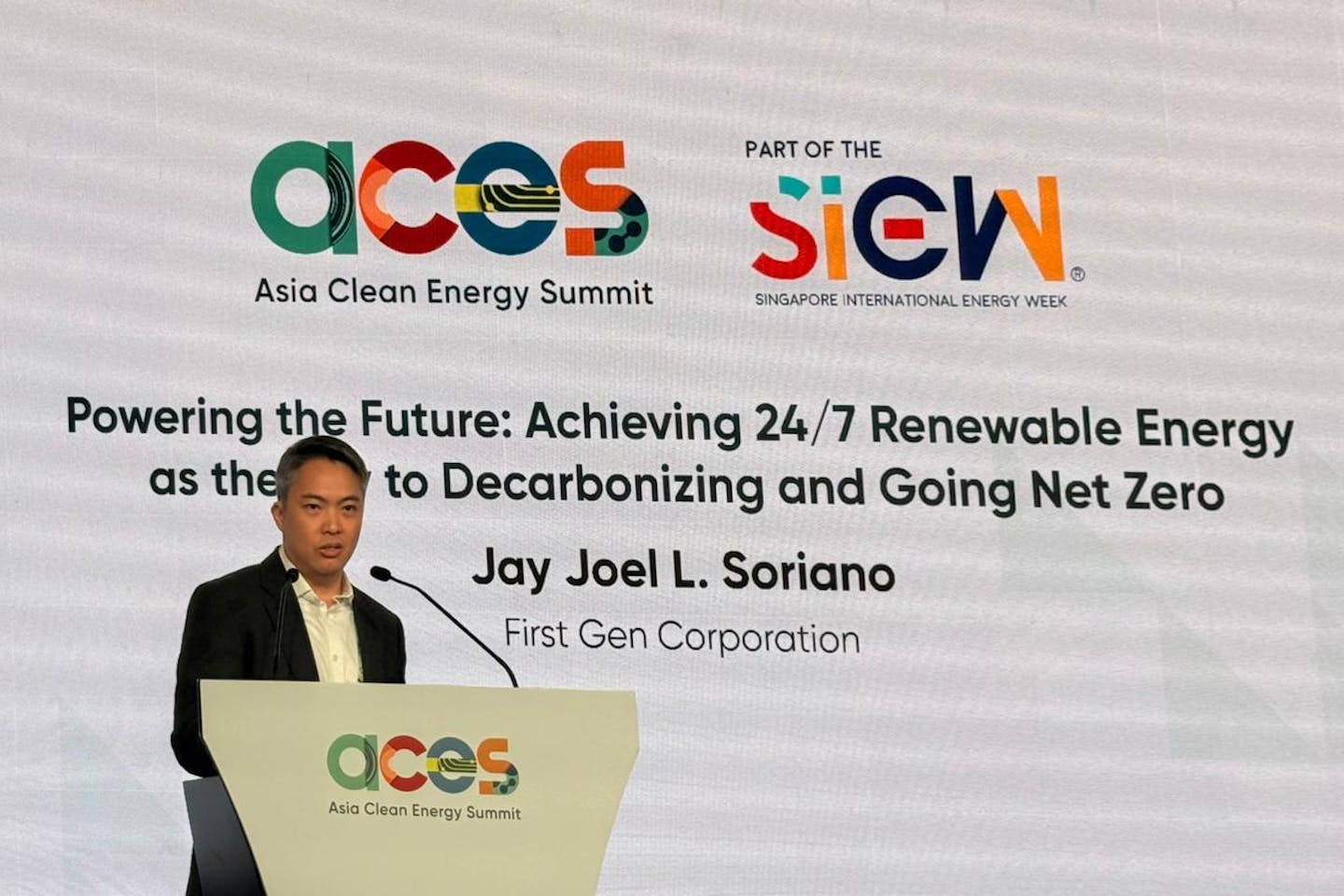
Joel Jay Soriano, strategy head at First Gen, emphasizes the urgent need for resilience in the Philippines' energy infrastructure in response to increasingly severe typhoons, such as Goni and Yolanda. Following devastating damage in 2013, improvements at the Bac-Man geothermal plant allowed for quick recovery after Typhoon Rolly in 2020. Soriano highlights the necessity of building robust yet adaptable facilities to tackle various climate-related challenges. With First Gen aiming for net-zero emissions by 2050, the company seeks to replace 12,000MW of coal capacity with renewable energy, addressing the balance between growth and decarbonization in one of the world's most vulnerable regions.
Decarbonisation in the Philippines is a 'balancing act': First Gen strategy head Joel Jay Soriano
The joint OECD-ADB report, "Government at a Glance: Southeast Asia 2025," delivers evidence on public administration in Southeast Asia, crucial for policymakers, citizens, and researchers. It highlights the region's substantial economic growth and improvements in livelihoods and essential services, while emphasizing the need for strong public institutions to address modern fiscal, social, environmental, and technological challenges. The report provides comparable governance data to enhance institutional strength, policy effectiveness, and overall government performance.
Angola, Cambodia, Eswatini, Germany, Indonesia, Japan, Republic of Korea, Singapore, Sweden, Thailand | Health
Government at a Glance: Southeast Asia 2025