
Public-private partnerships (PPPs) can enhance global development despite challenges. The TRANSFORM initiative, started in 2015 by Unilever, the UK's FCDO, and EY, has positively impacted over 19 million lives across Africa and Asia. Key lessons for successful PPPs include understanding each organization’s values, ensuring mutual benefits, embracing differences, activating local leadership, sharing knowledge, offering more than just funding, and resetting power dynamics. These strategies foster collaboration and innovation, leading to sustainable solutions for complex social and environmental issues.
Health
10 ways to turbocharge public-private partnerships in global development
The pharmaceutical industry's shift to precision care has led to the concept of "precision globalization." This transition, characterized by a multimodality strategy, enables companies to tailor global solutions to local needs. As nations prioritize self-reliance and security, traditional globalization models are inadequate. A successful approach involves a customizable portfolio, a global yet regionally adaptable footprint, interoperable data systems, and flexible governance across jurisdictions. Investments in these areas are crucial for multinational companies like Merck to thrive in a complex, interconnected market while addressing local demands.
Burkina Faso, Canada, Chile, Colombia, Egypt, Ethiopia, Germany, Ghana, India, Indonesia, Japan, Jordan, Kenya, Malaysia, Morocco, Mozambique, Pakistan, Paraguay, Peru, Republic of Korea, Russian Federation, Rwanda, Saudi Arabia, Senegal, South Africa, Sweden, Switzerland, Tanzania, Tunisia, Türkiye, Ukraine, United Arab Emirates, United Kingdom | Financial services, ICT, Education, Health
The world needs ‘precision globalization’. Pharma is showing the way

Integrity processes not only address moral and legal issues related to corruption but also enhance business competitiveness. Companies with strong integrity frameworks can foster better communication with stakeholders and drive consistent performance. Anti-corruption measures, established through global treaties and national laws, demonstrate a direct link between corporate governance and success. Despite navigating a complex environment of geopolitical tensions and regulatory changes, robust integrity practices can provide a competitive edge, fostering innovation and ethical growth while maintaining public trust.
Algeria, Angola, Belgium, Burkina Faso, Chad, Egypt, Ethiopia, Guinea, Hungary, Kuwait, Luxembourg, Mali, Qatar | Financial services, Education
Can integrity processes help companies compete?
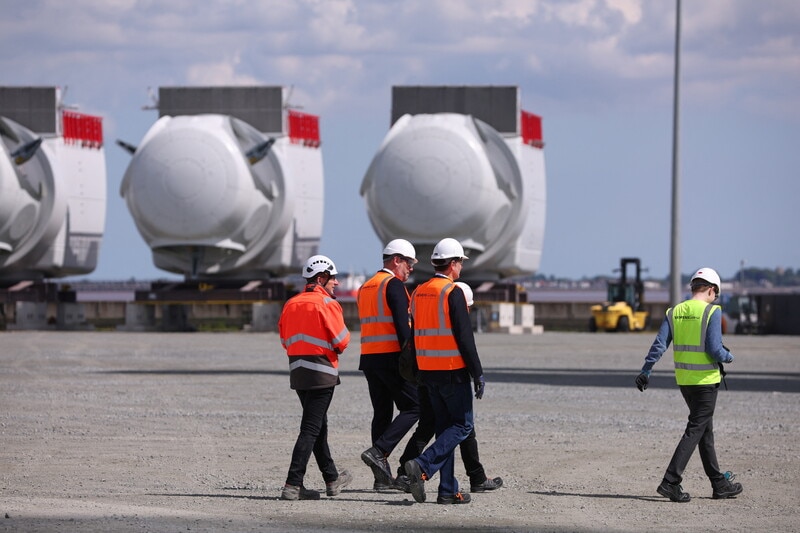
The industrial energy transition is critical as hard-to-abate sectors, which account for nearly 40% of global emissions, face increasing pressure to reduce carbon footprints. Key strategies for advancing this transition include: 

1. Creating stronger demand for low-carbon fuels and materials through clear signals and standards.
2. Developing necessary infrastructure, such as reliable energy access and transportation systems, to support scaling.
3. Reducing capital costs for clean industrial projects to enhance economic viability.

Despite technological advancements, high financing barriers and fragmented demand hinder progress, necessitating coordinated actions from governments, industries, and consumers.
Germany, India, United Arab Emirates, United Kingdom | Financial services, Health, Education, ICT
Five ways to push progress on the industrial energy transition
The 2025 assessment of eight heavy industrial and transport sectors—aviation, shipping, trucking, steel, cement, aluminium, primary chemicals, and oil and gas—reveals that these hard-to-abate industries contribute nearly 40% of global greenhouse gas emissions. While emission reduction technologies exist, progress is hindered by the lack of scalable systems. The transition requires deeper innovation, stronger policy frameworks, and enabling infrastructure, focusing not just on emissions reduction but also on building competitive, productive industries. Five strategic priorities are highlighted: developing standards-based demand, building shared infrastructure, reducing capital costs, prioritizing market-ready solutions, and balancing top-down policies with bottom-up innovation.
Algeria, Ireland, Netherlands, New Zealand, Norway
Scaling the Industrial Transition: Hard-to-Abate Sectors and Net-Zero Progress in 2025

The United Nations Environment Assembly (UNEA-7) commenced in Nairobi, addressing critical environmental issues amid significant geopolitical divisions. With rising global emissions and stagnation in plastic pollution negotiations, officials emphasized the necessity of multilateral cooperation to tackle climate change, biodiversity loss, and pollution. Despite the challenges, UNEA president Abdullah Bin Ali Al-Amri and UNEP executive director Inger Andersen urged for ambitious, science-based actions and integration across sectors. Kenya's environment cabinet secretary highlighted the urgent need for bold action. The assembly brings together nearly 6,000 participants from over 170 countries, reflecting a continued commitment to global environmental engagement.
Health
Global leaders press for environmental action even as divisions widen
Ford faced significant setbacks in the electric vehicle market due to supply chain disruptions caused by the Covid-19 pandemic and a global semiconductor shortage. These challenges led to factory shutdowns, decreased production, and lost market share. Research by Seyed Iravani and colleagues highlights that effective preparation is crucial for companies to navigate such disruptions. Their game theory model shows that firms can achieve better outcomes through strategic investments in backup supplies and flexibility before disruptions occur. The ability to mitigate losses and potentially capture competitors’ market share hinges on a company's preparedness and proactive strategies during supply chain crises.
When Supply-Chain Disruptions Strike, Preparation Is Everything

Attacks on education are increasing, particularly affecting women and girls in conflict zones, with over 600 million women and girls living near armed conflict. This targeting leads to significant educational loss, with over half of girls in crisis-affected areas out of school. The consequences include rising child marriage and poverty. Effective monitoring, reporting, and accountability are crucial for addressing these issues, yet attacks remain under-reported. The situation in Afghanistan exemplifies the urgent need for gender-focused protection of education. The ten-year anniversary of the Safe Schools Declaration highlights the necessity of reaffirming global commitments to ensure girls' educational rights.
Education
Invisible Crimes, Lost Classrooms: Addressing Under-Reporting and Impunity in Attacks on Girls’ Education (November 2025) - World
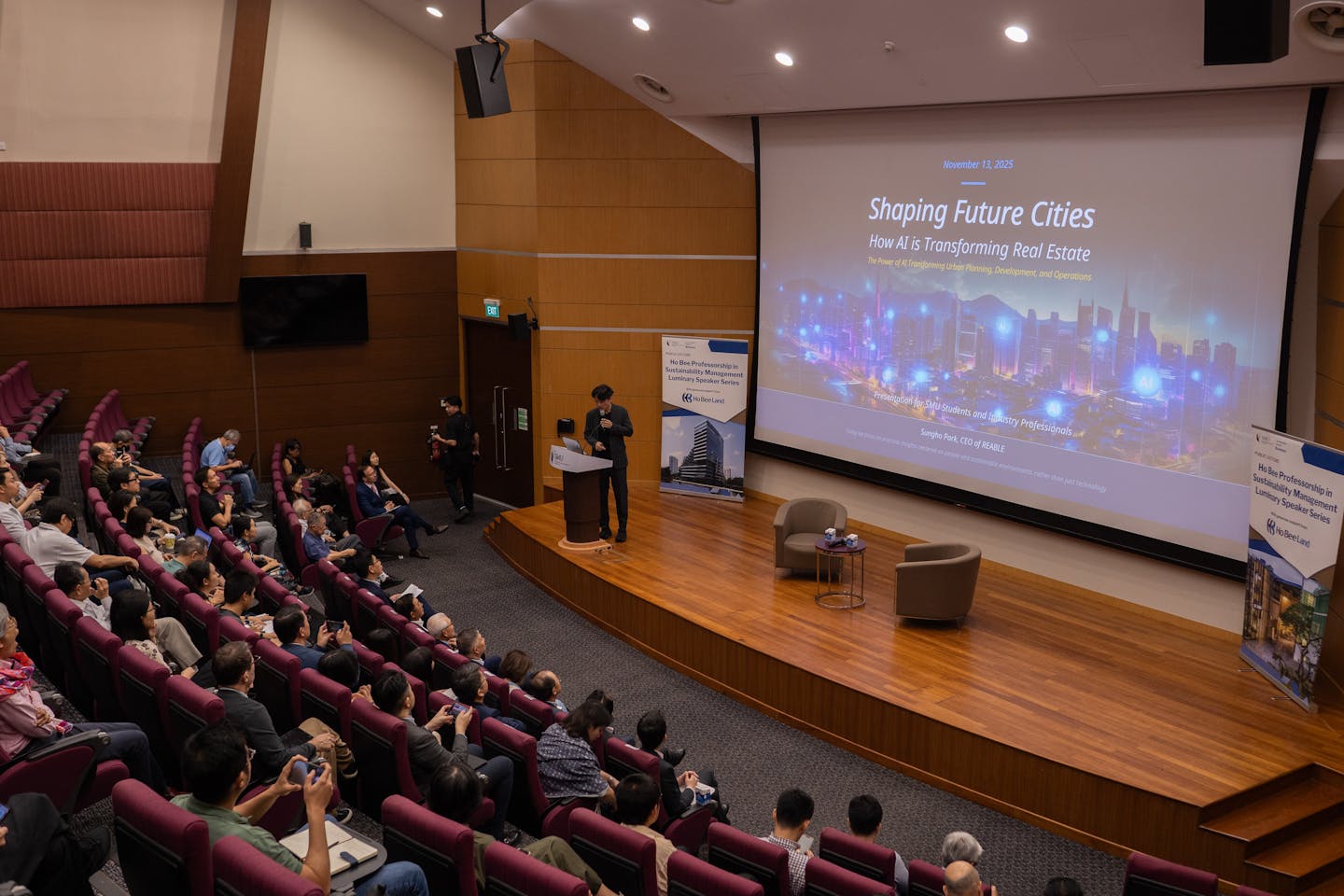
37% of real estate tasks are currently automatable, with AI essential for efficiency and sustainability in the industry. Digital innovations, such as predictive maintenance and digital twins, are transforming real estate operations in Singapore, similar to advances seen in South Korea, where these technologies have reduced costs and increased rental revenues. However, the growing energy demands of AI pose challenges, as data centers account for significant electricity usage in Singapore. Proper governance and integration of real estate data are necessary to mitigate potential biases and ensure effective AI application. Collaboration between technology and a trained workforce is crucial for successful implementation.
Singapore | Education
Asia’s AI real estate boom reaches Singapore, bringing efficiency and new risks

Global food prices are partially driven by a significant decline in public and private investment in agricultural research over the past four decades. Between 1980 and 2021, while population growth surged by 80%, the annual growth of spending on agrifood research and development slowed dramatically, particularly since 2015. Currently, middle-income countries and the private sector have surpassed high-income countries and public funding in terms of investment. This trend poses challenges for meeting future food demand and could lead to sustained higher food prices if not reversed quickly.
Health
Food will be more affordable — if we double funds for agriculture research now

Digital tools are transforming circular economy initiatives across Asia and the Pacific by enhancing waste reduction and resource management. Technologies such as sensors, AI, and modeling software enable data-driven decision making, fostering practical solutions for sustainable growth. While many developing nations have circular economy strategies, their implementation often lags. Digital platforms can bridge this gap, providing real-time insights into resource flows and efficacy of policies. Case studies in cities like Taipei showcase that integrated approaches yield optimal outcomes. Overall, these digital approaches enhance efficiency, inclusivity, and accountability in circular economy transitions.
Bangladesh | Financial services, Education, ICT
How Digital Tools Accelerate Circular Economy Transitions in Asia and the Pacific

Building trust and literacy in AI is essential for digital safety, particularly as technology evolves and becomes more integrated into daily life. The rapid adoption of AI technologies has outpaced public understanding, posing risks to vulnerable groups like children and the elderly. Trust hinges on user understanding of AI capabilities and limitations, especially in high-stakes areas like health and finance. Interaction-focused measures such as provenance labels and confidence scores can help users make informed decisions. Additionally, scaling AI literacy through education and community support is crucial to empower users to recognize persuasive design and verify information.
ICT, Education
Why building trust and literacy in AI is essential for digital safety
France's introduction of a voluntary military-service scheme marks a significant shift in its defense strategy, coinciding with broader changes across the EU prompted by heightened security threats from Russia, particularly following the invasion of Ukraine. European nations are reassessing their military structures, grappling with recruitment challenges and an inadequate manpower base. Many are considering reinstating conscription or enhancing reserve forces to bolster defense readiness. This transformation reflects a growing urgency in Europe to strengthen national defenses amid diminishing reliance on U.S. security guarantees.
France
Transforming Military Service in the EU: France Is Not an Isolated Case
The transition to a low-carbon economy in Latin America necessitates enhancing energy reliability to support economic growth and social wellbeing. Recent power outages highlight vulnerabilities stemming from increased reliance on renewable energy, which lacks the stability of traditional power sources. Building resilience requires collaboration among governments, regulators, and institutions, alongside advanced technology for grid integration. Investment in grid capacity, regional interconnections, and digital solutions is crucial, with an estimated need of over $30 billion annually through 2035. Focusing on flexible infrastructure and climate-resilient strategies is vital to achieving a secure and sustainable energy transition.
Angola, Chad | Financial services
Resilience amid power blackouts: Lessons for energy reliability in Latin America
Global market challenges like geopolitical fragmentation, supply chain disruptions, and climate impacts pressure companies to remain competitive amid uncertainty. The Resilience Consortium’s 2025 Pulse Check Survey of over 270 executives found only 25% feel prepared across resilience areas, with macroeconomic instability, skills shortages, and financial limits as key barriers. The World Economic Forum and McKinsey & Company propose a three-pronged resilience strategy focused on infrastructure, digital and skills development, financial solutions, and enabling policies. Coordination among companies, governments, and multilateral development banks can transform resilience from crisis management into a catalyst for sustainable, inclusive economic growth.
Financial services
Resilient Firms and Economies: How Companies, Governments and Multilateral Development Banks can Help Unlock Growth in Emerging Markets
The green economy, valued at $5 trillion, is expected to grow to over $7 trillion by 2030, driven by rapidly expanding green revenues that outpace conventional revenues. Key sectors include transport, carbon management, agriculture, and waste management. CEOs can leverage this growth by improving technology efficiency, engaging with stakeholders, and attracting diverse investments. Current findings show that green revenues grow twice as fast and often secure lower capital costs, challenging the myth of sustainability as a profit trade-off. Leading businesses treat sustainability as essential for long-term competitiveness and value creation.
The $5 trillion green economy is growing. Here’s how CEOs can turn opportunity into long-term growth
The Metagov community report identifies layers of the AI stack and proposes strategies for fostering meaningful collective governance for each layer. Collective governance is defined as a context-sensitive practice that ensures accountability to those affected by power structures and can take various forms, from participatory to representative. The report emphasizes the importance of feedback loops in governance, advocating for a model that enhances human intelligence through collaborative processes. It aims to cultivate spaces for collective governance rather than impose ethical standards or predefined norms on AI technologies.
Collective Governance for AI: Points of Intervention
Europe and China are pursuing a new joint venture strategy to enhance collaboration in cleantech. This initiative aims to leverage the strengths of both regions to develop sustainable energy solutions and tackle climate challenges. The strategy includes sharing technological advancements and investment in clean energy projects to foster innovation and reduce carbon footprints.
Europe-China: A New Joint Venture Strategy for Cleantech

OpenAI, initially founded as a non-profit with the mission to ensure artificial general intelligence benefits humanity, has transitioned to a public benefit corporation, now prioritizing shareholder profits alongside its moral obligations. This shift highlights the challenges of balancing ethics with capitalism, as competition compels firms to prioritize profit, potentially at odds with their stated missions. OpenAI’s leaders argue that to fulfill their ethical aspirations effectively, especially against financially stronger rivals, they needed to embrace profit-driven models. The tension between moral duty and capitalist competition illustrates inherent contradictions in integrating ethical principles within a profit-oriented framework.
Why OpenAI is a prime example of the ethical limits of capitalism
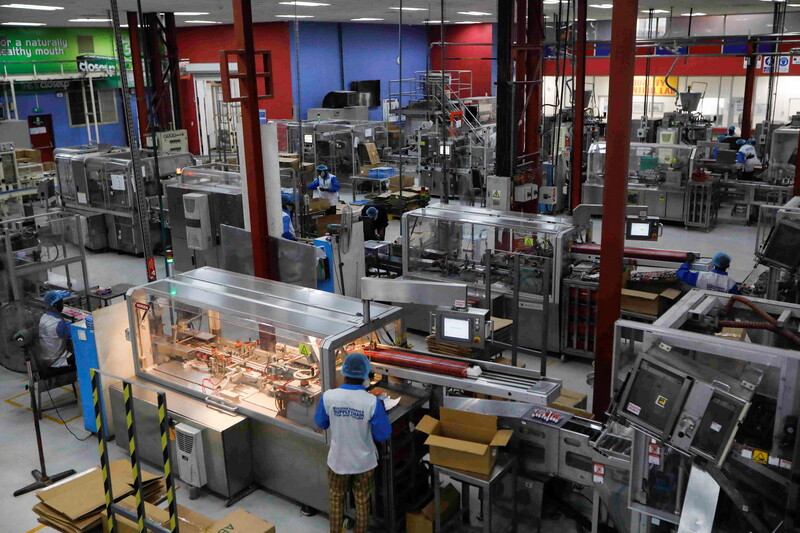
The industrial workforce requires new digital skills to thrive in advanced human-machine environments, driven by technologies like generative AI and robotics. Comprehensive upskilling programs and digital learning hubs are essential, with over 70% of manufacturers recognizing the skills gap as a significant barrier. Key metrics for evaluating training effectiveness include reduced mean-time-to-repair, decreased error rates, and accelerated promotion pathways. Successful case studies highlight initiatives from companies like Unilever and Western Digital, which have significantly improved operational efficiency and employee engagement through targeted training strategies.
ICT, Education
How do we train and upskill the new industrial workforce? Some insights from the production line