
Misinformation and manipulated media are becoming increasingly prevalent, leading to widespread distrust in online information. Visual thinking strategies, developed for art education, can help individuals critically decode visual content through three open-ended questions: what’s happening in the image, what observations support that interpretation, and what else can be found. This method promotes careful observation, group discussion, and evidence-based reasoning, fostering a culture of curiosity and open-mindedness. As visual data becomes more important in policy and decision-making, enhancing visual literacy can improve dialogue in polarized societies and support informed outcomes across various fields.
Visual thinking: the strategy that could help you spot misinformation and manipulated images

A national emergency briefing on climate and nature held in November informed around 1,200 UK leaders of the urgent crises facing the country. Experts emphasized that the nature crisis is critical infrastructure-related and a national security issue. Urgent emissions reductions were highlighted, with a need for radical change to prevent dangerous climate overshoot. Discussions covered food security, the impact of climate change on health, and the economic potential of a faster energy transition. Many leaders were shocked by the accelerating realities of the climate crisis, underscoring the inadequacy of current actions. The event aimed to motivate genuine action among decision-makers.
Nigeria | Health
What we told UK leaders about climate and nature at a national emergency briefing

Innovation teams face pressure to deliver measurable results amidst formal processes that can stifle creativity, leading to what is termed the “paradox of institutionalising spontaneity.” A study conducted on a multinational technology firm revealed that successful innovators navigate these constraints by creating temporary “spaces for play” that allow for experimentation within structural limits. This involves three phases: securing legitimacy by aligning projects with strategic goals, maintaining momentum through resource leverage, and reconstituting efforts to stay connected with core business strategies. Tactics include cultivating senior sponsorship, engaging customers, and continuous reflection.
Education
How successful innovation teams develop creative spaces within organisations

The New Economy Skills series provides guidance on prioritizing skills essential for innovation, resilience, and growth. This initial installment emphasizes human-centric skills, which enable individuals and organizations to adapt and lead transformation. It defines these skills, analyzes their global supply and demand, proposes a framework for their assessment and development, and showcases innovative practices from various regions.
Singapore | Education
New Economy Skills: Unlocking the Human Advantage

The EU is increasingly losing its geopolitical influence in its neighborhood, particularly to China, despite its efforts to promote policy alignment and strengthen economic ties. Significant declines in trade and investment with key neighbors like Turkey and Egypt highlight this shift. China has become a more attractive partner for over 60% of these countries, as it offers fewer barriers to trade and investment. To regain influence, the EU must modernize trade agreements, enhance strategic partnerships for critical resources, and improve financial accessibility for neighboring states while launching substantial infrastructure funding initiatives.
Australia, Austria, Belarus, Belgium, Benin, Bolivia, Bosnia and Herzegovina, Bulgaria, Burkina Faso, Chile, Cyprus, Czech Republic, Denmark, Ecuador, Egypt, Estonia, Ethiopia, Finland, France, Georgia, Germany, Ghana, Greece, Hungary, India, Indonesia, Israel, Italy, Kazakhstan, Kenya, Latvia, Lithuania, Luxembourg, Malaysia, Mauritania, Moldova, Mozambique, Namibia, Nepal, Netherlands, Norway, Pakistan, Paraguay, Peru, Poland, Portugal, Republic of Korea, Romania, Russian Federation, Rwanda, Senegal, Singapore, Slovakia, Slovenia, South Africa, Spain, Sweden, Switzerland, Taiwan, China, Tanzania, Tunisia, Türkiye, Uganda, Ukraine, United Arab Emirates, United Kingdom, Venezuela, Viet Nam | Financial services
The EU’s geopolitical dream is dying in its own neighbourhood

Investment in green computing can facilitate AI growth in Africa, potentially unlocking $1.2-$1.5 trillion in economic value by 2030. The continent faces a "compute paradox," characterized by significant unmet demand for GPUs coupled with inadequate infrastructure. Despite rising demand for AI solutions and increasing initiatives like Nairobi’s IXAfrica campus and Senegal’s datacenter, challenges remain in aligning GPU costs with economic realities. Access barriers for local innovators hinder progress, with high GPU prices and fragmented market demand exacerbating underutilization issues. Coordinated investment in infrastructure, governance, and skills is necessary to close the compute gap and elevate local innovation.
Burkina Faso, Ghana, Rwanda | Education
Africa’s AI moment: How coordinated investment in 'green' computing can unlock $1.5 trillion
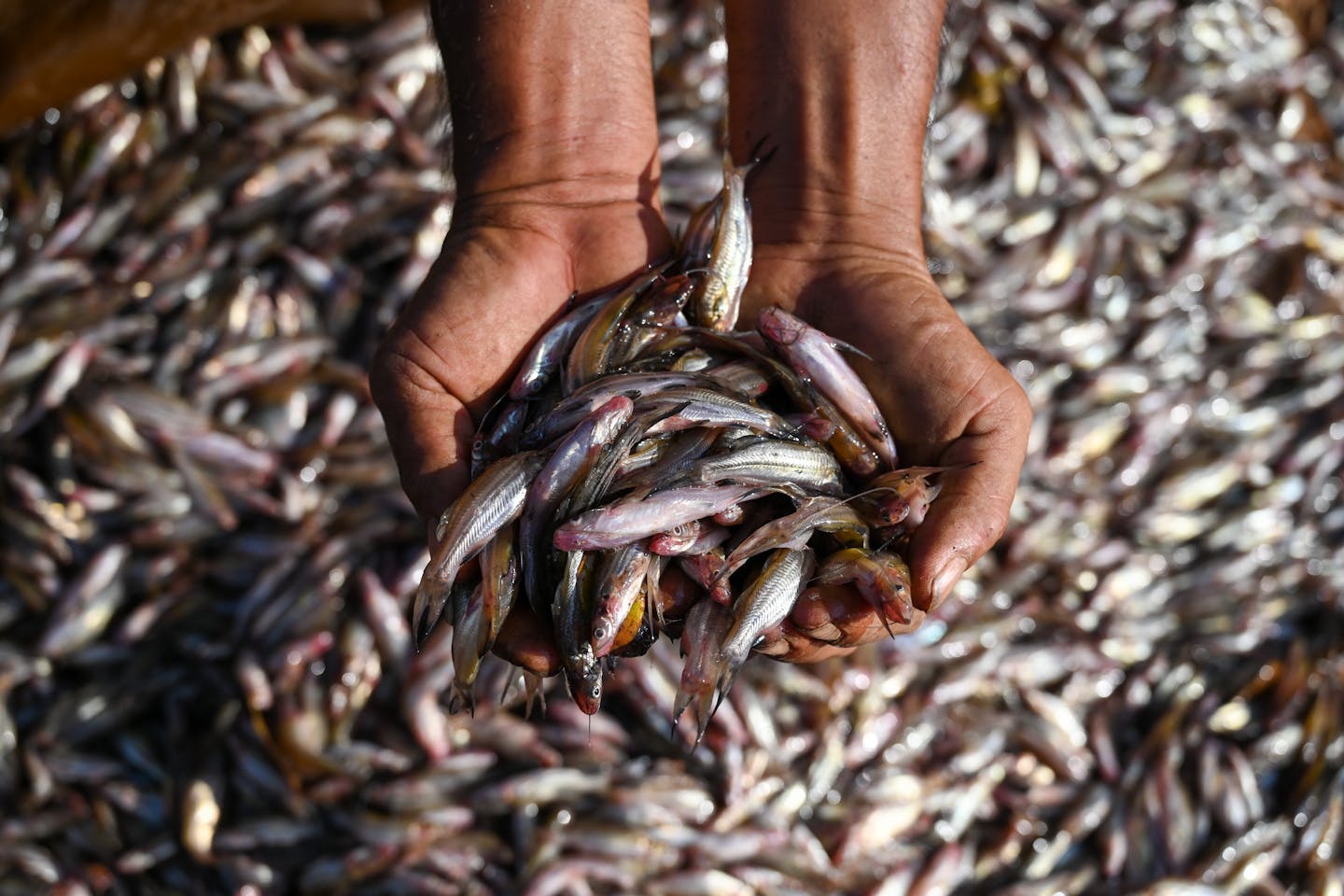
Countries are submitting climate pledges ahead of COP30 but experts criticize these commitments for lacking specific, actionable targets. While 85 of 96 coastal nations included ocean initiatives, many focus on broad conservation rather than addressing the phasing out of offshore fossil fuels, which is vital for ocean health and carbon sequestration. The majority of ocean-related measures target adaptation, with limited emphasis on climate mitigation strategies like reducing offshore oil and gas extraction, which was notably included only by Colombia and the UK. Researchers emphasize the need for clearer, diversified commitments to effectively tackle climate change.
Antarctica, Denmark, Nigeria, Norway
Concrete ocean pledges lacking in countries’ climate plans, say experts
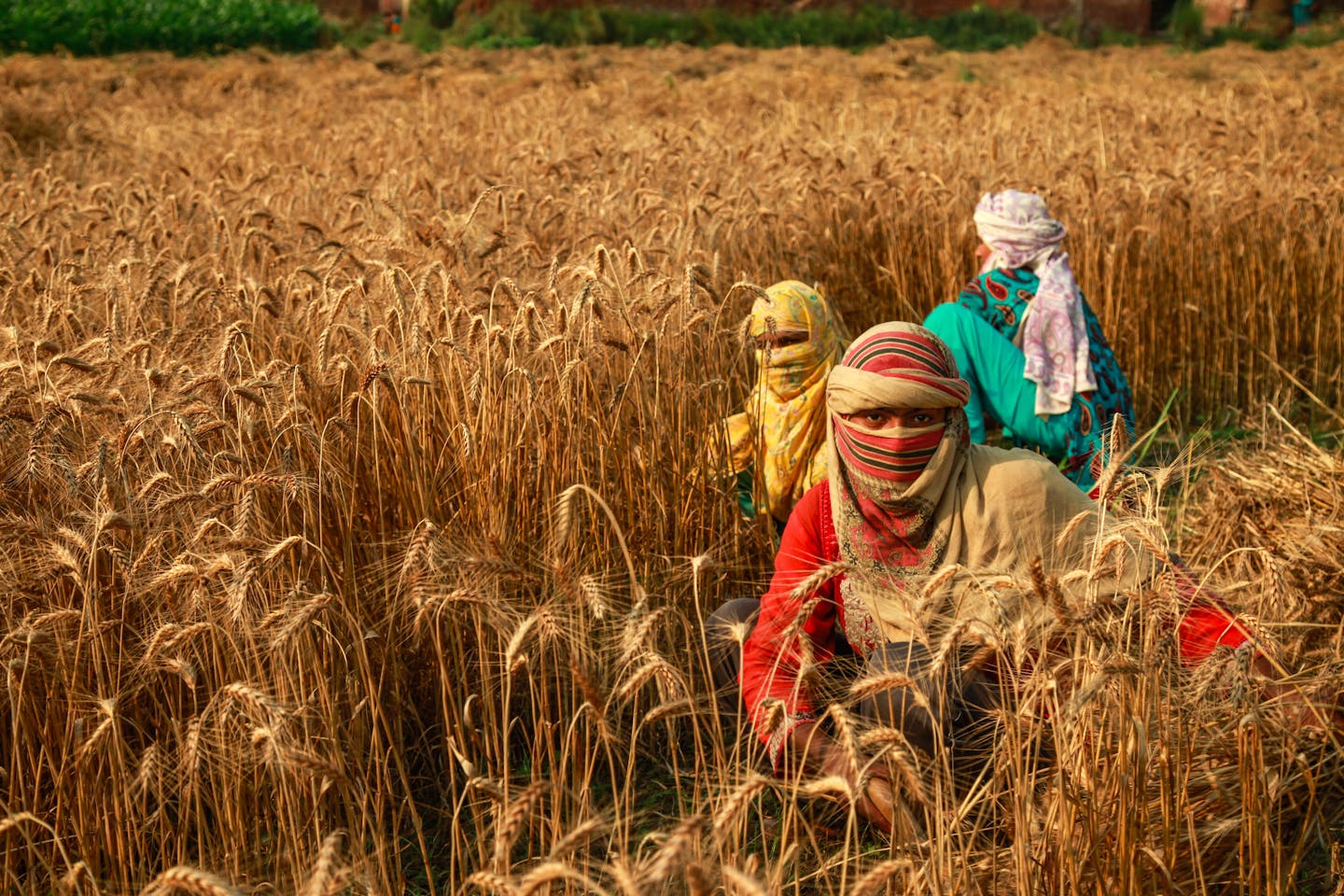
Severe flooding in Punjab, impacting both India and Pakistan, has resulted in significant agricultural losses and heightened food insecurity. In India, floods destroyed 175,000 hectares of farmland, with reports of at least 57 deaths, while in Pakistan, over 304 people died, and 1.12 million hectares of land were affected. Farmers face inadequate recovery support, raising fears of food shortages. Climate factors, including intense monsoon rains and the release of water from dams, led to widespread destruction, jeopardizing vital crops such as rice, sugarcane, and cotton. Consequently, small landholders are increasingly reliant on credit and facing distress sales of livestock.
Bangladesh | Financial services
Climate disasters deepen food insecurity in the Punjab
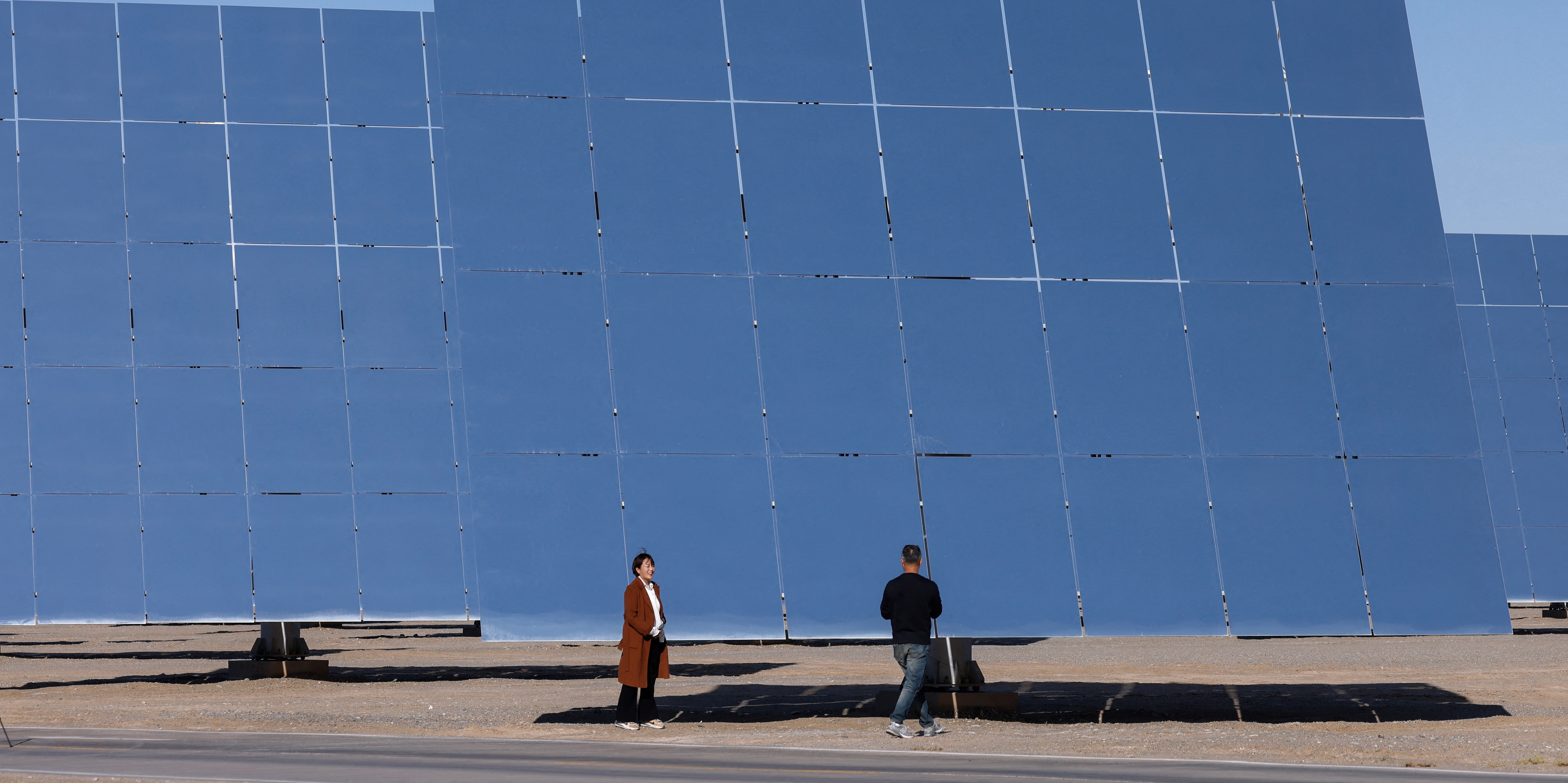
China is leading the world in renewable energy deployment, installing over 360 gigawatts of wind and solar capacity in 2024 alone, contributing to a total of 1.4 terawatts. However, challenges such as system integration, economic costs, and market mechanisms persist. To address these, China is simultaneously expanding renewable generation and strengthening the power grid, investing over $80 billion in infrastructure. The nation is also reforming market structures to enhance flexibility and promote equitable cost distribution across energy systems, facilitating a transition to a cleaner, more resilient power infrastructure.
Denmark, Egypt, Ethiopia, Ghana, India, Nigeria, Taiwan, China | Financial services
China's renewable energy boom has its own challenges. Here's what we can learn
Rapid advancements in satellite technology and geographic information systems (GIS) are transforming national spatial data into essential public infrastructure, enabling improved planning and decision-making. Approximately 90% of government-managed issues involve geography. The integration of earth observation and GIS, which together provide real-time data and actionable insights, is crucial for addressing global development goals. However, the growing number of satellites raises concerns over space congestion and governance. Countries must prioritize the intentional development of spatial systems for effective public administration, enhancing capabilities for real-time intelligence governance and collaboration across sectors.
Ethiopia, Germany, Indonesia, Japan, Republic of Korea, Singapore, Spain, United Kingdom | Financial services, ICT, Health, Education
The World Isn’t Flat, but Government Data Is
COP30, held in Belém, Brazil, marked a continuation of global climate cooperation amid geopolitical challenges. While the summit achieved some advancements, such as tripling adaptation finance to $120 billion per year and establishing the Belém Action Mechanism for a just transition, it lacked formal agreements on fossil fuels and deforestation strategies. It also highlighted the importance of healthy ecosystems, with significant participation from Indigenous peoples. The conference recognized the Climate Action Agenda as vital for real economy transformation, launching over 480 initiatives across various sectors to catalyze climate solutions.
Latin America
What happened at COP30 – and what comes next?

The Global South faces inadequacies from three dominant AI paradigms set by the Global North. Current models do not address their developmental and sustainable growth challenges, risking agency decay, bond erosion, and environmental burdens. Instead of choosing sides, the Global South can pursue a "Fourth Path" for AI, advocating for prosocial AI that is localized and equitable. This approach, inspired by the Non-Aligned Movement, emphasizes tailored systems that reflect local contexts and values, ensuring that AI technology serves both people and the planet effectively.
Health, Education
How the Global South Can Chart a New Path for AI
Markets require protectionist interventions, such as intellectual property laws, to stimulate innovation. Recently, startups have formed a symbiotic relationship with tech giants and monopoly-driven investors, not primarily to meet consumer needs but to become monopolists themselves. Historically, many economists in the mid-20th century argued that competitive markets hinder technological progress, a view sidelined during the neoliberal era. To move forward, both center-left and center-right factions must recognize their past mistakes and outdated ideological perspectives to establish a relevant new centrism.
Financial services, Education
The Progress Paradox

Inland waterway transportation has been underutilized in Europe, accounting for only about six percent of transport share, primarily due to inadequate infrastructure and water level fluctuations. The EU project CRISTAL aims to increase this share by up to 20 percent using digital twins and smart sensor technologies. Focused on rivers such as the Vistula, Oder, Po, Moselle, and Seine, the project seeks to enhance navigability and efficiency in route planning. Digital twins developed for locks, buoys, and water levels will monitor infrastructure, forecast navigability, and utilize data from sensors to improve logistics processes and reliability in transportation.
“We Want to Enhance Navigability for Tributaries”
The 2025 Ripple Rewind episode of the Ripple Effect podcast features highlights from the year's discussions led by Wharton professors on various trending business topics. Key discussions include Kevin Werbach on the current state of blockchain and cryptocurrency, Daniel Rock on AI's role in the productivity paradox, and insights from other experts on social issues like wealth inequality, entrepreneurship, and social media dynamics in professional relationships. The episode serves as a reflective compilation of impactful insights from 2025.
Education
2025 Ripple Rewind
Artificial intelligence (AI) is increasingly utilized in strategic foresight, aiding governments, businesses, and research institutions in anticipating the future. Research by the OECD and World Economic Forum identifies three maturity levels of AI integration: analysis augmentation, where AI assists in data synthesis; creative sparring, where it generates and tests ideas; and integrated workflow, involving comprehensive AI embedding. While AI enhances time efficiency and data analysis, concerns arise regarding output quality, bias, and ethical governance. Despite these challenges, practitioners view AI as a valuable supplement to human insight in foresight efforts.
Education
What AI’s role in strategic foresight tells us about the future of thinking
Data centres are projected to see energy consumption double globally by 2030, reaching 945 TWh. To combat this, a holistic sustainability approach is essential, accounting for the interconnectedness of energy, cooling, water, and materials. Key strategies include optimizing workloads to reduce power demand and enhancing physical efficiency through innovations like water cooling, which can cut power use significantly. Additionally, addressing water consumption, critical materials, and recycling is crucial for sustainability. Employing a three-pillar strategy focusing on physical efficiency, workload efficiency, and a circular economy can guide data centres toward long-term sustainability goals.
Education
3 ways data centres can avoid doubling their energy use by 2030

Google is leveraging its custom tensor processing units (TPUs) for training its AI system Gemini, shifting away from reliance on Nvidia's graphics processing units (GPUs). This change highlights the emerging significance of tailored hardware in AI development, as TPUs showcase superior performance for specific tasks, allowing for faster iteration and innovation. Google's strategy reduces operational costs and dependence on external suppliers, inviting other organizations, such as Meta, to consider similar shifts. As competition intensifies in AI infrastructure, the hardware landscape is diversifying, presenting challenges and opportunities for Nvidia amid a growing demand for specialized chips.
Google is relying on its own chips for its AI system Gemini. Here’s why that’s a seismic change for the industry

Andropause, or late-onset hypogonadism, is increasingly recognized in Japan, with a push for better support systems due to its significant impact on men's health and the economy, leading to annual losses of JPY 1.2 trillion ($7.6 billion). Awareness remains low; only 27.1% of surveyed men acknowledged experiencing symptoms, with many facing societal barriers to discussion. Initiatives to enhance understanding include a government policy explicitly addressing LOH and public-private collaborations, such as dedicated leave for symptoms and company awareness programs. These efforts aim to foster open dialogue and improve health support for men.
Andropause awareness helps move us towards a healthier society
The green economy, valued at over $5 trillion annually, represents the world's second-fastest growing sector after technology, with green revenues increasing at double the rate of conventional revenues. Despite challenges, the sector offers substantial growth opportunities and is projected to exceed $7 trillion by 2030. Successful companies thrive by advancing technology maturity, reducing costs, understanding regulations, and accessing smart capital. The report shares insights and lessons from leaders who have effectively scaled their green businesses, encouraging others to seize the potential within this dynamic market.
Already a Multi-Trillion-Dollar Market: CEO Guide to Growth in the Green Economy