
The green economy, valued at over $5 trillion annually, is the second most dynamic growth sector after technology, with revenues growing twice as fast as conventional ones. Companies in this sector benefit from cheaper capital and higher market valuations. Despite challenges, successful companies accelerate growth by maturing technologies, reducing costs, navigating regulations, and leveraging smart capital. Insights from leaders in the field offer guidance for businesses to capitalize on this market, which is projected to exceed $7 trillion by 2030.
Already a Multi-Trillion-Dollar Market: CEO Guide to Growth in the Green Economy

East Africa is at a pivotal moment in its development, with youth empowerment, health system strengthening, and trade integration key to its future. As elections occur and a large youth population seeks change, leaders must set ambitious yet realistic development goals to accelerate growth. The upcoming 7th Development Strategy will outline priorities for achieving Vision 2050, addressing persistent poverty and youth unemployment. Targeted educational and health interventions could significantly boost GDP per capita by 2050, while transitioning health systems to manage both communicable and non-communicable diseases is critical for harnessing demographic potential.
Burkina Faso, Burundi, Democratic Republic of the Congo, Ecuador, Egypt, Ethiopia, Ghana, Kenya, Malawi, Mozambique, Namibia, Rwanda, Senegal, South Africa, Tanzania, Tunisia, Uganda | Health
Five years to shape East Africa’s trajectory

Supply planners today confront significant volatility stemming from trade, climate, regulatory, and workforce changes. The integration of agentic AI and advanced data-driven tools will transform their roles from operational crisis management to strategic orchestration. By shifting to a network-centric planning approach, planners can leverage collaborative resources across multiple sites, enhancing resilience and adaptability. Intelligent planning solutions will provide optimized, scenario-based production plans, empowering planners to make informed decisions quickly. The future of supply planning includes AI agents autonomously monitoring and suggesting adjustments, further increasing agility while maintaining accountability.
Education
How agentic AI will change supply planning from firefighting to foresight

Organizations adopting AI agents require a structured approach for evaluation and governance, encapsulated in four foundational pillars: 

1. **Classification**: Clearly define an agent’s role, function, autonomy, authority, use case, and operational environment to ensure effective integration.
2. **Evaluation**: Assess an agent's performance through contextual evaluation, focusing on task success, reliability, and user interactions.
3. **Risk Assessment**: Implement a five-step process to analyze and manage risks associated with AI agents based on their operational context and complexity.
4. **Progressive Governance**: Establish governance frameworks that align insights from evaluations and risk assessments to maintain effective oversight as AI agents evolve. 

This structured methodology is essential for safe and responsible AI agent deployment.
How to build a strong foundation for AI agent evaluation and governance
Storytelling is essential in transforming complex bio-innovations into accessible narratives that foster understanding, trust, and action. Effective communication employs relatable language and metaphors, making scientific concepts memorable and urgent, as seen in historical examples like the “hole in the sky” during the ozone crisis. Creativity and emotional engagement enhance these narratives, making them impactful. Focusing on purpose over process builds trust and aligns stakeholders with the mission of innovations. Ultimately, successful breakthroughs arise from collaborative efforts and collective genius rather than individual achievements.
Health, Education
The science of story: Turning breakthroughs into belief
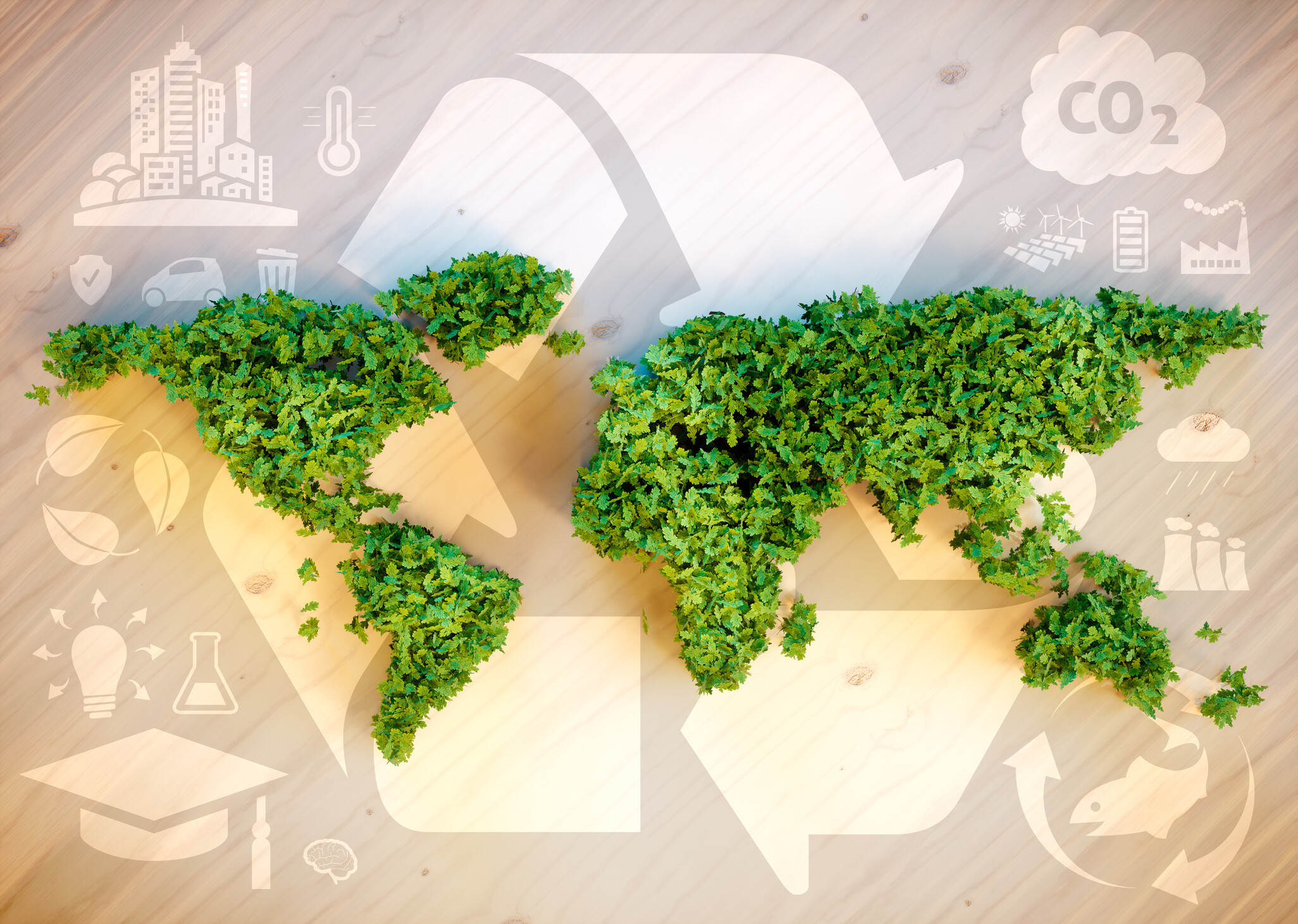
Scaling carbon dioxide removal is essential for achieving net zero emissions, yet current efforts fall significantly short, with only about 2 million tonnes removed annually. A major barrier is the "missing middle" of funding, where projects are too advanced for early equity but too risky for traditional lenders. Only $836 million in equity capital was invested in durable carbon removal in 2024, insufficient to meet Europe’s estimated €2.4–6.7 billion investment needs by 2030. Effective financial architecture is required to align risk with capital types and facilitate movement of investment by establishing predictable demand and supportive policies, such as tax credits and contracts for difference.
Canada, United Kingdom | Financial services
How to build the financial architecture to scale carbon removal
Dunkirk is emerging as a significant site for European industrial renewal, driven by initiatives in energy and economic security. The report highlights collaborative efforts among key local and regional stakeholders aimed at enhancing industrial capabilities and attracting investments. Contributions from various experts and organizations underscore Dunkirk's potential role in sustainability and innovation within the broader European context. The involvement of governmental and business leaders is pivotal in shaping Dunkirk's industrial landscape towards a more resilient and competitive economy.
Belgium, Burkina Faso, Denmark, France, Germany, Luxembourg, Netherlands, Poland, Senegal, United Kingdom
Dunkirk: a Testing Ground for European Industrial Renewal
Germany hosted a Franco-German summit on November 18, 2025, to discuss European digital sovereignty, focusing on reducing dependence on the US and China across the digital landscape. The summit emphasized evaluating public policies to revitalize Europe’s industries and innovation systems. Key challenges include the high costs and low margins of semiconductor manufacturing and the need for a strong innovation ecosystem to capitalize on emerging chiplet technologies. Opportunities exist in sectors like automotive and aerospace, while Europe maintains a strong position in network equipment manufacturing. Enhanced investment in quantum computing and public R&D funding is essential for progress.
Austria, Belgium, Denmark, France, Germany, Ghana, Hungary, Luxembourg, Netherlands, Poland, Republic of Korea, Singapore, Spain, Sweden, Switzerland, United Kingdom | Financial services, Education, ICT
Can Europe achieve digital sovereignty?
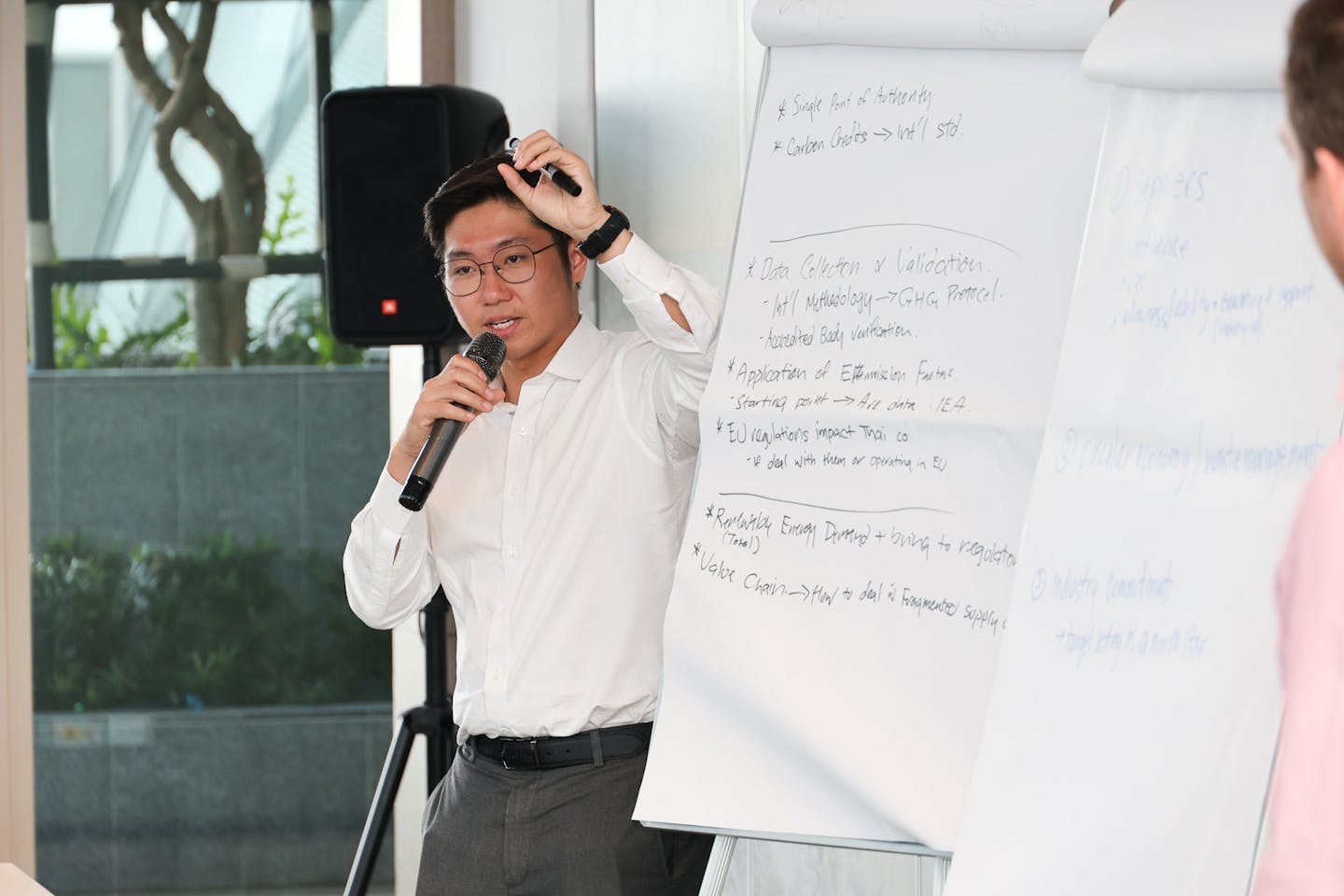
Thailand is set to enact its first Climate Change Act, introducing mandatory emissions reporting and carbon regulations that will enhance competitive positioning for businesses. The private sector, known for its adaptability, is increasingly focusing on direct emissions reduction in response to global sustainability standards. With a commitment to achieve net zero emissions by 2050, the legislation aims to align Thai firms with international environmental goals. Financial institutions are also adapting, boosting sustainable financing to support clean energy projects and SMEs in transitioning toward heightened competitiveness.
Bahrain, Bangladesh, Belgium, Benin, Cambodia, Denmark, Egypt, Eswatini, Ethiopia, Germany, Ghana, Greece, Hungary, India, Indonesia, Japan, Luxembourg, Malaysia, Mauritania, Mauritius, Nepal, Norway, Oman, Qatar, Republic of Korea, Saudi Arabia, Senegal, Singapore, Sweden, Switzerland, Taiwan, China, Tanzania, Thailand, Tunisia, Uganda, United Arab Emirates, United Kingdom, Viet Nam | Financial services, ICT
Resilient and ready: Thai businesses don’t see climate action as a burden but a ‘competitive edge’

Growth must prioritize human values over mere economic metrics, proposing a shift towards a "Growth Quotient" (GQ) that emphasizes well-being and fairness. The future requires leaders who listen and foster authentic dialogue, as empathy and ethical awareness are crucial in the era of advanced technology. Emphasizing the need for a global conversation rooted in understanding, the focus is on transforming systems to rebuild trust and foster cooperation. True progress will stem from connecting and caring, aiming for a society where dialogue prevails over conflict.
Education
Growth measured in humanity: why dialogue must shape the new economy
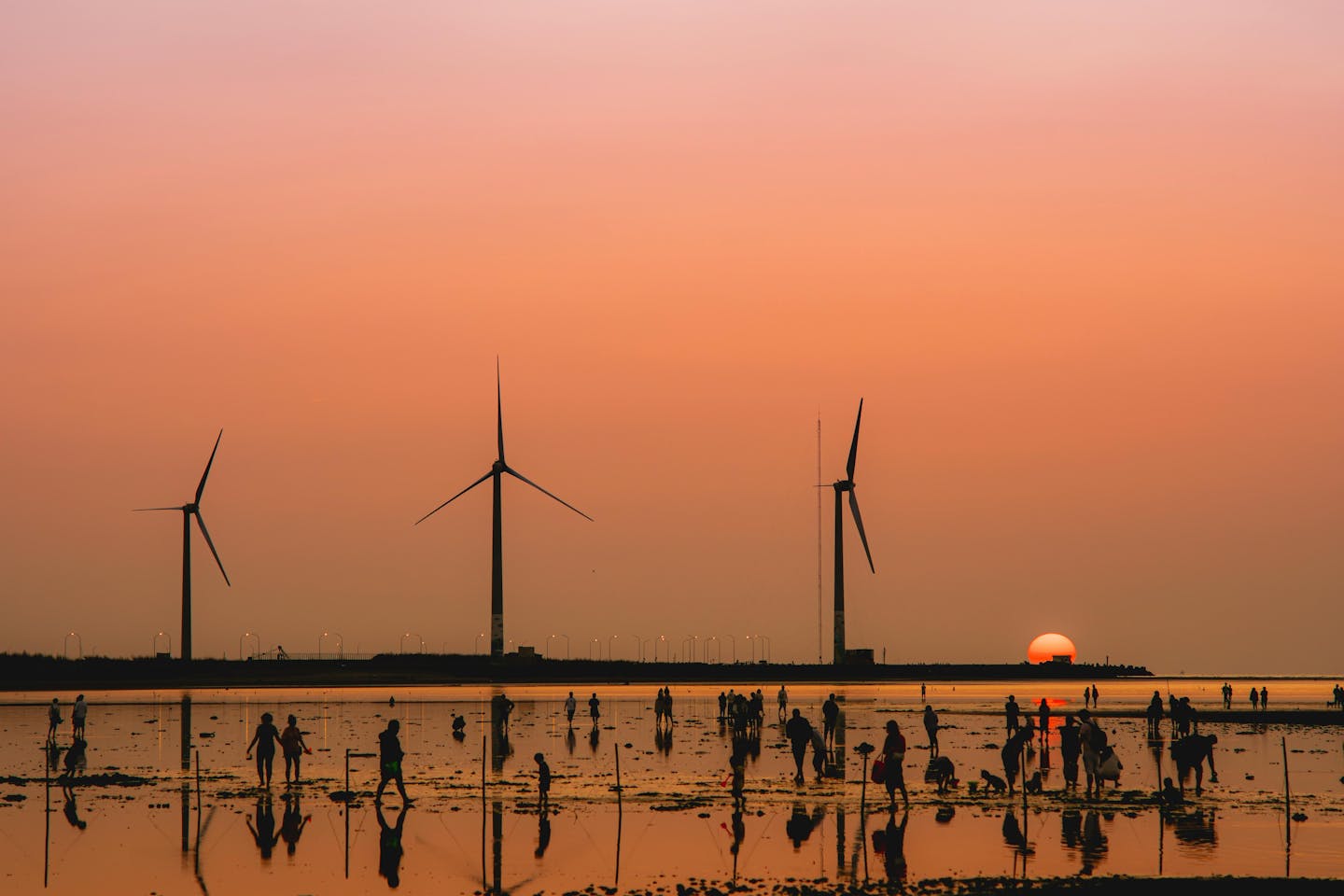
Taiwan has introduced governance guidelines to mitigate conflicts between renewable energy developers and local communities following a year-long “regional governance sandbox" study. The initiative identified ongoing disputes related to solar, aquaculture-solar, micro-hydropower, and geothermal projects, often driven by concerns over land use, environmental impacts, and cultural sensitivities. Key recommendations include establishing a cross-ministerial forum, enhancing industry and community engagement, and promoting tailored project development that respects local needs. The government also plans to revise regulations for solar installations on agricultural facilities to ensure that energy initiatives prioritize agricultural functions.
Taiwan, China
Taiwan issues new governance guidelines to ease local tensions over renewable energy rollout
Empowering girls as leaders is essential for achieving gender equality in Asia and the Pacific, particularly in addressing child, early, and forced marriage (CEFM). Despite declines in CEFM rates, significant challenges such as poverty, gender norms, and limited access to education persist. The International Day of the Girl 2025 celebration highlighted the importance of girls' voices in driving systemic change and developing strategic solutions to empower them. Events featured girl advocates stepping into leadership roles and discussions among experts on integrating gender analysis into development strategies. Cross-sector collaboration is critical for addressing CEFM and enhancing girls' participation in decision-making.
Bangladesh | Health
Amplifying Girls' Voices to End Child, Early, and Forced Marriage in Asia and the Pacific

Latin America and the Caribbean (LAC) has experienced a significant digital payments transformation over the past decade, with adults using digital financial products rising from under 3% in 2011 to 40% by 2021. This shift has facilitated greater financial inclusion, supported by the growth of fintech firms and robust public policies. Key lessons include the necessity of private sector innovation combined with effective public policies, the importance of interoperability achieved through diverse approaches, and the need for cross-sector measures to enhance financial access. Successful examples include Brazil's Pix system, while challenges were noted in countries like Mexico.
Latin America | Financial services
Beyond Cash: Three Lessons From the Digital Payments Revolution in Latin America and the Caribbean
The rollout of the Single Window system in the People's Republic of China improved administrative efficiency and led to modest increases in cargo volume and significant increases in port calls. The system integrated customs and other functions, primarily benefiting smaller vessels and less congested terminals by enhancing vessel frequency, without altering average ship size or processing times. Overall, the findings suggest that additional port activity is contingent on the physical capacity of terminals to manage increased traffic.
Taiwan, China
Digital Trade Facilitation and Container Traffic: Evidence from the Electronic Single Window Rollout in the People’s Republic of China
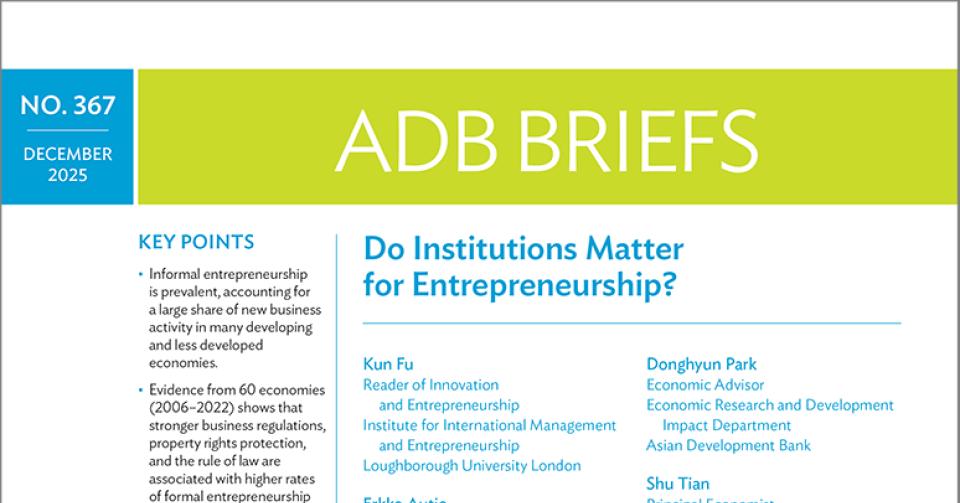
Reforms to institutional factors such as business regulation, property rights, and the rule of law significantly enhance the formalization of startups and influence informal entrepreneurship. The relationship between informality and entrepreneurs’ growth aspirations varies by gender. Policymakers are encouraged to lower barriers to formality, strengthen institutional protections, and create incentives to encourage entrepreneurs to scale within the formal sector, relevant for both developing and advanced economies.
Do Institutions Matter for Entrepreneurship?

Global supply chains contribute to food insecurity despite sufficient food production to feed the global population. In 2024, 8% of people faced hunger, and 28% experienced food insecurity. Wealth inequality is exacerbated by complex global food supply systems that favor large exporters and harm local food production. Brazil, a major food producer, exemplifies this with rising food insecurity linked to policies and market shifts since the 1990s. Successful local initiatives, like Belo Horizonte's right-to-food program, demonstrate alternatives that enhance food security and nutrition, showing the potential for policy-driven solutions to combat hunger.
Bangladesh, Bolivia, Brazil, Burkina Faso, Ethiopia, Ghana, Paraguay | Financial services, Health
How unsustainable global supply chains exacerbate food insecurity

Activism in student movements, while often viewed as empowering, can also marginalize and exclude dissenting voices. A study of the 2019 student protests in Hong Kong reveals that student organizations initially fostered engagement but increasingly demanded political alignment, particularly with localist and radical perspectives. This shift created pressure for conformity, sidelining moderate students and leading some to withdraw from activism altogether. The findings underscore a paradox; as activism grows louder, it risks limiting the diversity of opinions. Universities must navigate these challenges to maintain inclusivity and openness in student political engagement.
Activism doesn’t always empower students: in Hong Kong, it has silenced them too

Donald Trump’s “Genesis Mission” aims to leverage AI to revolutionize scientific research, proposing a model where AI designs and executes experiments autonomously. While this aligns with global trends in AI for science, fundamental philosophical concerns challenge the feasibility of fully automating discovery. AI systems, lacking human experience and situational awareness, may overlook significant anomalies and prioritize short-term projects. Additionally, the process of scientific persuasion, fundamental for validating theories, could suffer if AI-generated hypotheses are not critically evaluated by scientists. The approach raises questions about bias, accountability, and the robustness of scientific discourse.
Education
Genesis Mission: why Trump’s plan to put AIs in charge of science could backfire

Experts indicate that regional cooperation is currently more favorable than global cooperation, as reflected in the upcoming Global Cooperation Barometer 2026. The survey revealed that 83% of respondents viewed global cooperation in 2025 as declining due to geopolitical tensions, while over half believed regional cooperation remained steady or improved. Europe and Asia exhibited stronger collaborative efforts compared to North America, driven by advancements in technology and health. To enhance global cooperation, rebuilding trust and fostering dialogue were deemed crucial. The full Barometer report will be released in January 2026, highlighting these insights and challenges.
Algeria, Angola, Bahrain, Barbados, Belgium, Bolivia, Burkina Faso, Colombia, Denmark, Ethiopia, Georgia, Germany, Ghana, Guinea, Hungary, Indonesia, Kuwait, Luxembourg, Malawi, Malaysia, Mali, Paraguay, Poland, Qatar, Russian Federation, Sweden, Tanzania, United Kingdom | Financial services, Health
Regional cooperation in better state than global cooperation, experts say
France is experiencing a significant rise in drug-related crime, security threats, and the rise of the far right, all amidst a complex budget crisis for 2026. Prime Minister Sébastien Lecornu's attempts to rally support for the budget have been met with overwhelming parliamentary rejection of the revenue section. With the Senate and National Assembly at odds over the social security budget and critical debates scheduled, the government's path to adopting any budget by the constitutional deadline of December 23 remains uncertain.
France
[Decoding France] - Beyond the Budget Crisis