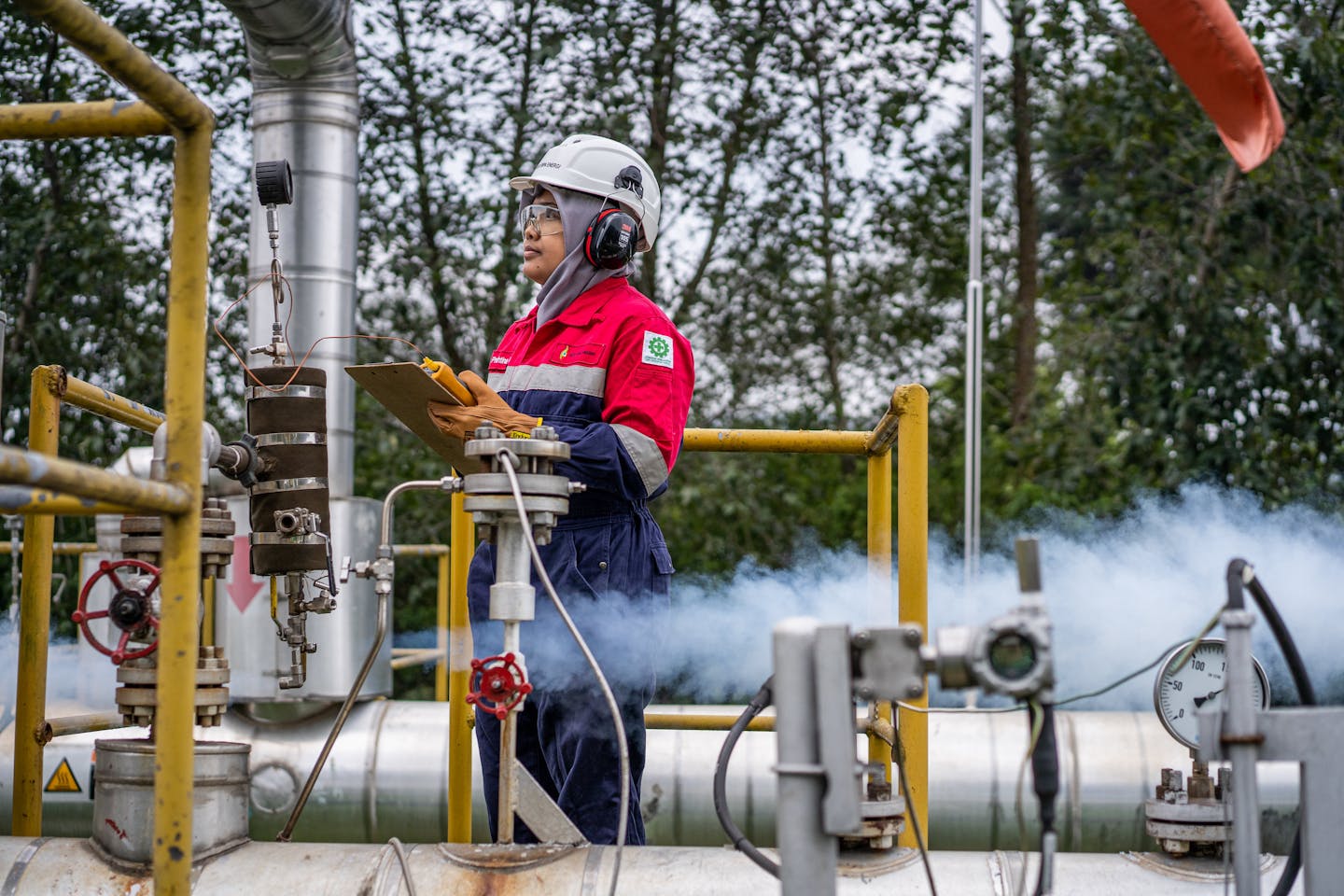
Geothermal energy is essential for Indonesia's goal of achieving net-zero greenhouse gas emissions by 2060, targeting an increase in capacity from 2.7 GW to 22.7 GW. Despite having significant geothermal reserves, governance is centralised, limiting local authority over resource exploitation and leading to conflicts and community resistance. The 2018 and 2023 regulations further enhance central control, sidelining local governments that are focused on community interests. It's proposed that local governments gain more decision-making power through tailored decentralisation to address unique regional challenges, ensuring energy justice and local engagement in geothermal development.
Indonesia
Indonesia’s geothermal governance must empower local people

Asia faces a pressing pension challenge as its population ages rapidly, with projections indicating that by 2050, one in four Asians will be over 60. More than 55% of workers are in the informal economy, where pension coverage is less than 20%. Current traditional systems are inadequate, and without reform, governments may incur additional costs of up to 3% of GDP annually by 2040. Innovative solutions are needed, including micro-contribution platforms and portable benefits to accommodate informal workers. Additionally, technologies such as auto-enrollment and longevity bonds could alleviate fiscal pressures and attract global capital, ensuring sustainable retirement options for the aging population.
Financial services
Asia’s Pension Challenge: When a Billion People Retire, Who Pays the Bill?
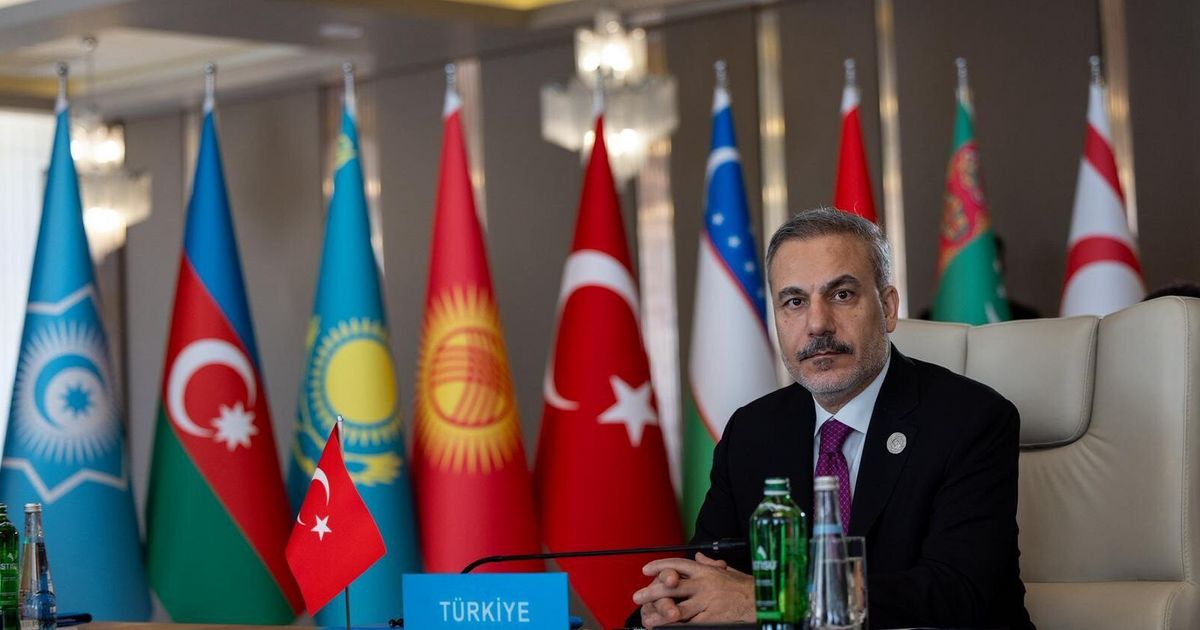
Ankara's involvement in Central Asia is often interpreted through the lens of the "Great Game," suggesting Turkey's rivalry with Russia and China. This perspective overlooks the multi-vector foreign policies of Central Asian states, where engagement with Turkey is an addition to existing relationships. Historically, Turkey recognized Central Asian independence in the 1990s and sought integration, but its ambitions faced challenges, leading to a pragmatic approach. Currently, Central Asia is pivotal for Turkey's economic and military interests, highlighting defense cooperation and infrastructure projects. Turkey aims to strengthen Turkic solidarity through regional organizations, while Central Asian responses to Turkish initiatives remain selective.
Austria, Cyprus, Hungary, Kazakhstan, Kyrgyz Republic, Pakistan, Russian Federation, Taiwan, China, Tajikistan, Tunisia, Türkiye, Uzbekistan
Turkey’s Turns to Central Asia: Learning by Doing
Slavko Splichal's book, "The Gig Public," examines the changing nature of publicness in the age of digital communication and social media. It posits that the "gig public" signifies a new paradigm that challenges traditional views on public engagement and its role in social and political change. This phenomenon is characterized by spontaneous yet less structured public discourse, which faces obstacles in maintaining sustained interaction. The book analyzes the influences of technology, economic dynamics, and government strategies on public life while highlighting the interplay of public and private domains in redefining civic engagement.
ICT
The Gig Public
Infrastructure inequities define modern cities, necessitating an agenda for advancing infrastructural equity in low-income urban contexts. The authors argue that methodological silos and data fragmentation impede the development of a cohesive knowledge base for coordinated action. They advocate for integrating diverse methodologies, focusing on research that informs context-specific action, and maintaining ethical standards that prioritize affected communities in improving infrastructure access.
Education, ICT
An agenda for data-rich, action-oriented, ethical research on infrastructure in informal settlements
State governments are increasingly leveraging Generative AI (GenAI) to improve operations, service delivery, and policy innovation while maintaining human oversight and transparency. An in-depth analysis of pilot projects and use cases reveals GenAI's potential to collaborate with state employees across various sectors, including public health, transportation, education, and environmental management. Key recommendations include establishing cross-agency learning networks, investing in workforce training, and implementing governance frameworks to ensure responsible AI usage, enabling states to develop a skilled workforce in the face of digital transformation.
Education, Health
AI in State Government
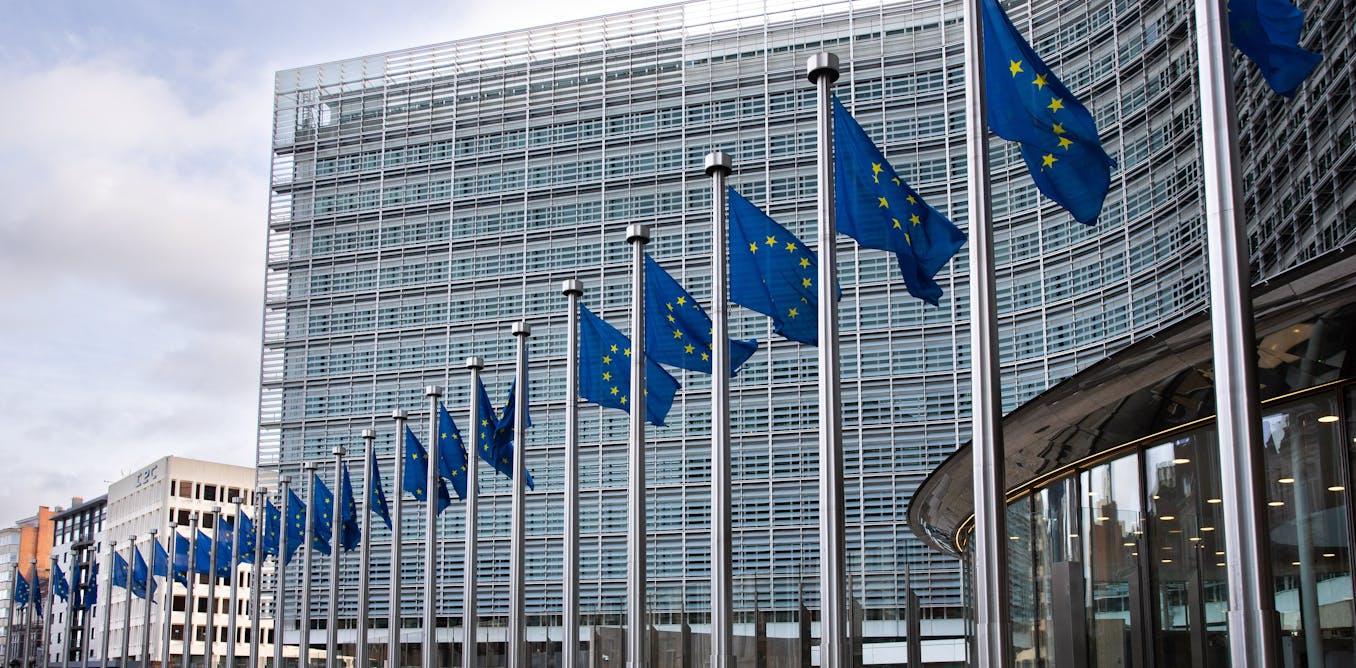
The European Union's Artificial Intelligence Act is facing significant delays, with proposals to push high-risk AI regulations to 2027, amid lobbying from tech companies and the Trump administration. While the EU claims these changes aim to simplify rules and support technology growth, critics argue they compromise digital protections. The act intends to regulate AI systems based on their risks, with specific guidelines for applications like hiring algorithms. A recent policy paper from US and German scholars emphasizes the need for a balanced approach to AI governance that fosters innovation while upholding human rights and social justice.
Education
EU proposal to delay parts of its AI Act signal a policy shift that prioritises big tech over fairness

The UK faces critical budgetary challenges with Chancellor Rachel Reeves under pressure to navigate welfare spending cuts, “triple lock” reforms, and tax revenue without violating Labour's manifesto pledge. The country’s financial crisis stems from significant COVID debt, costly energy support measures, and Brexit's economic fallout, issues largely overlooked in current discussions. Public debt surged from pandemic support and high energy costs, while the economic impact of Brexit reduced GDP by 6-8%. These unresolved matters hinder meaningful discourse on future strategies to handle similar crises.
The three spectres hanging over Rachel Reeves’ make-or -break budget

Climate change and geopolitical tensions create compound risks that threaten financial stability and amplify shocks to banks. Tools developed for managing climate risks can aid in supervising and handling geopolitical risks. These risks are intertwined, impacting global economics through channels like market uncertainty and trade disruptions. Bank supervisors should adopt scenario analysis and governance practices used in climate risk management to address the uncertainties of geopolitical risks. This integration can enhance banks' resilience and inform future research and policy to mitigate compounding risks.
Ghana, Nigeria, Pakistan, Poland, Russian Federation, Switzerland | Health, Financial services
What climate risk management can teach banks about geopolitical risk

Volunteers are enhancing youth-led education through initiatives like Voices Unbound, which provides English language education to orphaned children in Jeddah and has expanded to Zanzibar. These programs focus on community trust and mentorship, fostering not just language proficiency but also confidence and critical thinking. Participants experience personal growth and aspiration through activities like public speaking and role-playing. Success in Zanzibar illustrates the model's broad applicability, suggesting that such youth-led, resource-efficient programs can significantly improve educational outcomes and empower local communities worldwide.
Africa | Education
How volunteers are advancing youth-led education from Jeddah to Zanzibar – and beyond

Laos is actively diversifying its energy mix to include renewables, moving from a heavy reliance on hydropower. Recent initiatives include partnerships for floating solar projects and new solar and wind developments. The government aims to raise the share of solar and wind to 11% by 2030 while committing to universal electricity access and significant electric vehicle adoption. However, achieving net zero emissions by 2050 will necessitate a major overhaul of the power sector, requiring a capacity expansion to nearly 30 gigawatts by 2030. Key challenges include investment, infrastructure gaps, and the need for a resilient grid.
ASEAN, Latin America
Laos races to expand renewables as net zero ambitions come into focus
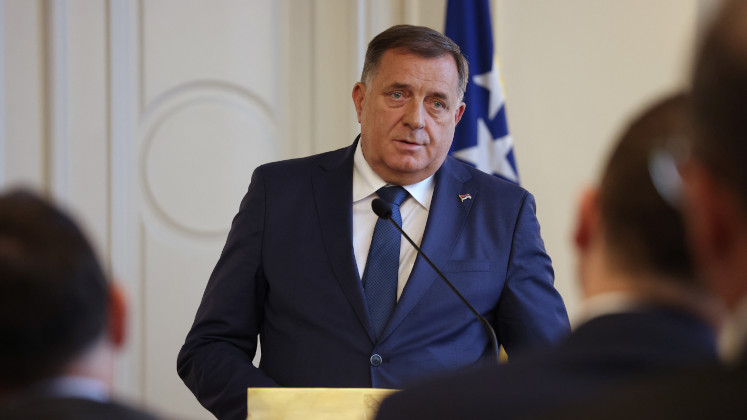
Milorad Dodik, President of Republika Srpska, combines populist rhetoric with threats of secession from Bosnia and Herzegovina. However, a recent study reveals that populist appeals have little effect on citizens' pro-secession attitudes. While Dodik uses this discourse to navigate political constraints, traditional factors such as ethnic identity and economic grievances are more powerful predictors of secessionism. Interestingly, stronger populist attitudes among citizens correlate with decreased support for Dodik’s party but do not significantly influence secessionist sentiment, highlighting a disconnect between elite and mass perceptions.
What drives secessionism in Republika Srpska?

China's CO2 emissions have remained flat or fallen for 18 months, with notable changes in various sectors. Electric vehicle adoption led to a 5% drop in transport emissions, while emissions from cement and steel production also decreased. Power-sector emissions remained unchanged despite a 6.1% rise in electricity demand, aided by significant growth in solar (46%) and wind (11%) energy generation. However, emissions from the chemical industry surged, offsetting reductions in other areas. Overall, as of September 2025, a full-year emission decrease appears likely, yet achieving carbon intensity targets by 2025 remains a challenge.
Taiwan, China
Analysis: China’s CO2 emissions have now been flat or falling for 18 months

NBS compiles the latest business sustainability research, focusing on in-press articles to showcase innovative knowledge. The compilation includes studies from Financial Times Top 50 journals and encompasses diverse topics, such as organizational inclusivity, entrepreneurship dynamics, ethical implications of ESG issues, and innovative workplace practices. Highlights for October 2025 feature contributions from various authors and cover significant themes relevant to sustainability and ethical business practices.
Ethiopia
Table of Contents: October 2025

Malaysia must reform its urban governance and integrate nature into city planning to effectively combat climate change, according to former minister Nik Nazmi Nik Ahmad. He emphasized the importance of local governance, suggesting a shift from federally appointed mayors to a councillor-based structure for greater accountability. The absence of local council elections since the 1960s hinders community engagement in urban development. He highlighted the challenges of preserving green spaces, citing development pressures in Kuala Lumpur, where urban heat and flooding are exacerbated by inadequate planning. Revitalizing cities with nature as a strategic ally is essential for climate resilience.
Malaysia, Nigeria
Strong governance and nature integration needed for cities to lead climate fight: Nik Nazmi
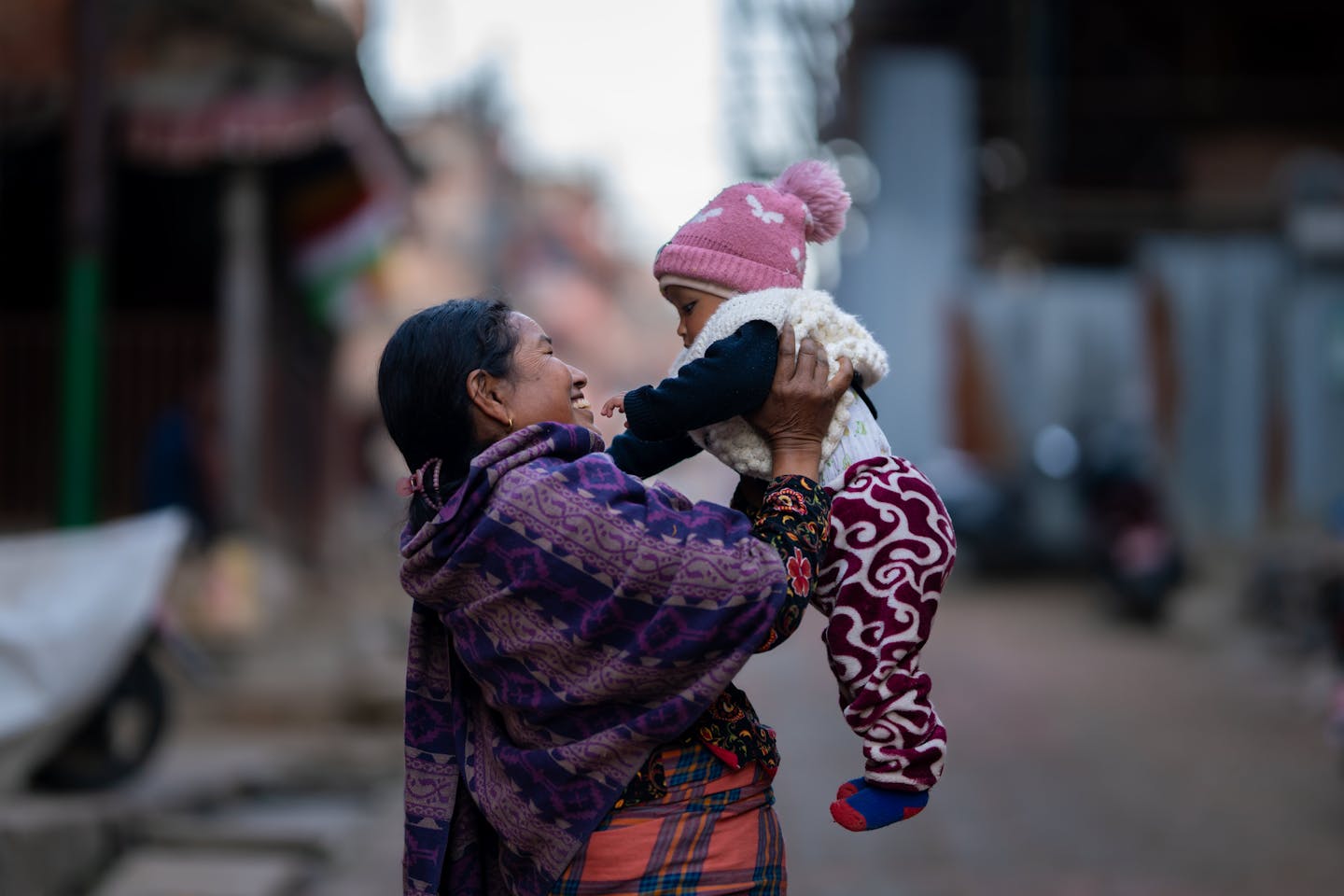
Record numbers of women now use modern contraception globally, but experts at the International Conference on Family Planning warn that cuts in aid could undermine this progress, especially in low and middle-income countries. The cessation of U.S. funding, which accounted for 41% of global family planning budgets, has prompted other nations, like the Netherlands and the UK, to consider similar cuts. The funding gap undermines access to contraception and threatens sexual and reproductive health advancements. Experts emphasize the need for diversified funding sources and increased financial commitment from various stakeholders to sustain and enhance reproductive health services.
Health
Experts warn funding cuts risk setbacks in reproductive health

South Korea has launched the trading of greenhouse gas emissions allowances through securities firms, expanding participation in its emissions trading scheme (ETS) and enhancing market liquidity. This reform aligns South Korea's ETS, the world's third-largest, more closely with European carbon markets. Companies will now trade allowances via brokerage accounts, facilitating institutional investor participation, including asset managers and pension funds. The government aims to significantly reduce emissions by 2035 and has expressed intentions to further diversify market participants, potentially including retail investors, following assessment of market conditions.
Republic of Korea
South Korea opens carbon trading to securities firms in major market overhaul
The demand for digital and AI skills is rapidly increasing across Asia and the Pacific, reshaping job requirements and wage structures. Research of over 6 million job postings from 2019 to 2024 shows that approximately 45% require basic digital literacy, while more than 10% demand advanced skills like programming and AI use. The introduction of AI tools has led to significant growth in job posts requiring these capabilities. Wages increase with digital skill levels, with notable premiums for AI-related roles. Policymakers are urged to enhance digital education, target skill upgrades, and implement real-time skill monitoring to meet workforce needs.
Singapore | Education, ICT
Digital Skills Are Reshaping Jobs, and Paychecks, Across Asia and the Pacific

Cop30 in Belém, Brazil, promised a "people’s summit" but fell short as fossil fuel interests overshadowed Indigenous participation. Despite over 5,000 Indigenous attendees, only 360 participated in negotiations while 1,600 represented fossil fuels. While protests led to recognition of four new Indigenous territories, key agreements leaned towards voluntary pledges rather than binding commitments, failing to include fossil fuels in the final text. The absence of the US delegation allowed other countries, particularly China, to assume a leadership role. Overall, the summit's outcomes did not address the urgent need to limit global warming to 1.5˚C, underscoring a lack of decisive action.
Nigeria
Cop30: five reasons the UN climate conference failed to deliver on its ‘people’s summit’ promise
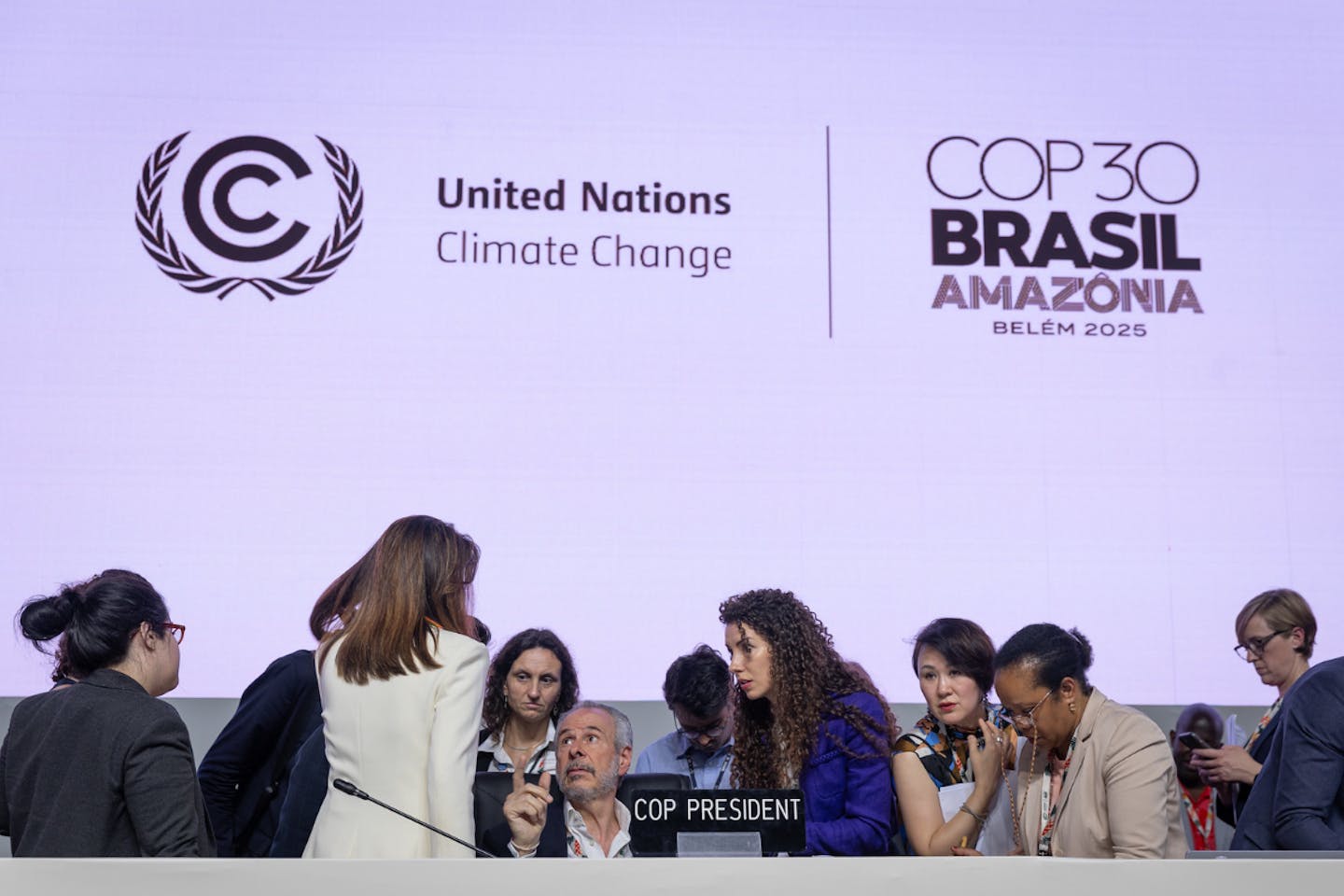
Countries at the COP30 climate conference in Belém, Brazil, reached a challenging compromise, marked by disagreements on fossil fuels and adaptation funding. The final agreement did not mention fossil fuels or deforestation, leading to protests from numerous nations regarding the adequacy of funding and adaptation indicators. A notable achievement was the extension of the just transition work program, emphasizing rights and inclusion. While there was agreement on the need to triple adaptation finance by 2035, no firm commitments were made. Further, discussions on critical minerals were stymied by China and Russia's opposition, leaving many issues unresolved.
Bolivia | Financial services
Global climate talks end with adaptation disagreements and no fossil fuel pledge