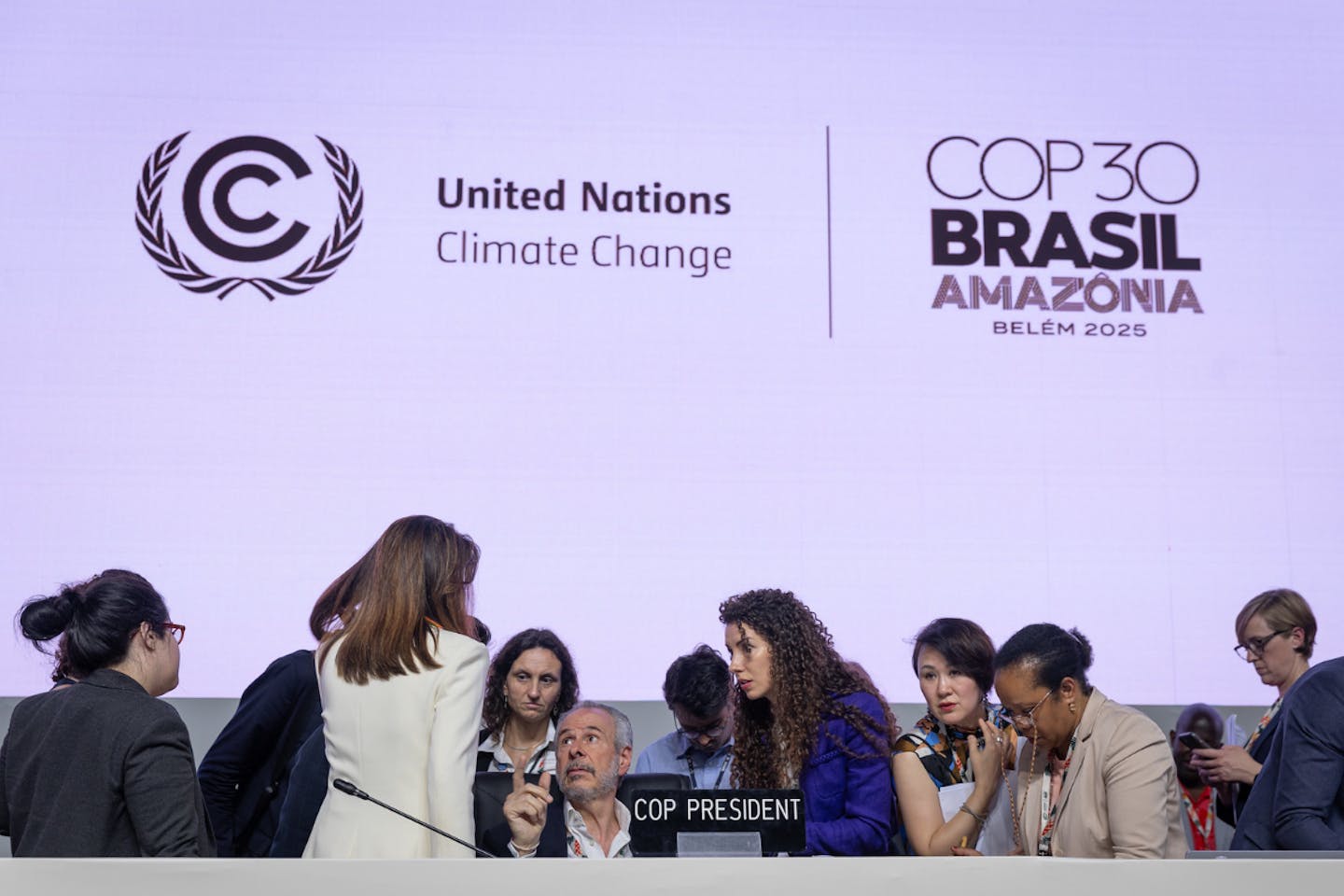
Countries reached a "difficult compromise" at COP30 in Belém, Brazil, failing to agree on fossil fuel mentions and deforestation in the final agreement. This resulted in significant dissent, particularly from Colombia and the EU, highlighting inadequate adaptation indicators and funding commitments. While adaptation finance goals were set for tripling by 2035, contentious issues like critical minerals were excluded at the request of China and Russia. A notable outcome was the extension of the just transition work programme, praised for its focus on rights and inclusivity. COP30 concluded with a call for improved engagement with subnational governments and the operationalization of the loss and damage fund.
Bolivia, Nigeria
Global climate talks ends with adaptation disagreements and no fossil fuel pledge

Scientists across disciplines utilize data from the internet to gain insights into human behavior. As platforms increasingly restrict access to data, researchers are likely to resort to web scraping, which poses legal, ethical, and institutional challenges. This paper presents a framework for U.S.-based social science researchers, outlining considerations and recommendations for ethical and scientifically legitimate scraping practices. It reviews the current regulatory landscape affecting data collection and offers strategies to mitigate risks while maximizing research impact in an evolving data access environment.
Web scraping for research: Legal, ethical, institutional, and scientific considerations

The world has failed to meet climate targets set by the 2015 Paris agreement, leading to an inevitable warming exceeding 1.5°C within years. This overshoot will result in increased extreme climate events and threaten vital ecosystems, risking existential consequences for billions. The missed opportunities from prior agreements have culminated in a critical situation where feedback loops could lead to severe climate scenarios, potentially raising temperatures by over 5°C. Immediate global action is necessary to phase out fossil fuels, transform food systems, and enhance carbon removal efforts to limit overshoot and aim for a stable climate.
The world lost the climate gamble. Now it faces a dangerous new reality
Electricity's share in final energy consumption is rising, particularly in leading economies like China, Norway, and Texas, driven by efficient electric technologies and integration of renewables. Key enablers of this trend include supportive policy frameworks, financial incentives, and technological advancements. Countries like China and Norway have successfully aligned electrification with decarbonization and energy security goals. However, challenges remain, particularly concerning grid readiness to accommodate increased demand. As global electrification efforts continue, addressing these challenges will be crucial for accelerating the transition to clean energy.
Egypt | Financial services, ICT, Education
Lessons on electrification from economies leading the way on the energy transition
Quantum technologies are transforming various industries but pose significant cybersecurity threats as current encryption methods may be rendered obsolete. A diverse skill set is essential for quantum ecosystems, yet there is a growing talent gap across roles such as engineers, technicians, and business managers. Organizations must align technology adoption with workforce development through training and partnerships. The transition to post-quantum cryptography is urgent to safeguard data, with the EU mandating changes by 2026. Current workforce challenges highlight the need for greater education and training investment to prepare for quantum innovations.
Qatar, Singapore, United Arab Emirates | Financial services, ICT, Health, Education
How upskilling quantum talent will prepare us for a quantum-safe future
Saudi Arabia has demonstrated that strong regulations are essential for fostering a robust digital economy, capturing 8.3% of global FDI from 2021 to 2023. The Kingdom's digital sector contributes approximately 15% to GDP, with ongoing policy reforms linking infrastructure investment to inclusive growth. Initiatives like the National Frequency Spectrum Strategy support innovation and broaden access, while collaboration with local companies accelerates advancements in technologies such as 5G. Despite progress, challenges like fragmented oversight and connectivity gaps persist, offering lessons for other developing countries in establishing cohesive digital governance, prioritizing public-private partnerships, and enhancing digital literacy.
Algeria, Bahrain, Bangladesh, Burkina Faso, Chad, Egypt, Ethiopia, Guinea, Indonesia, Kuwait, Mali, Morocco, Qatar, Republic of Korea, Rwanda, Saudi Arabia, Senegal, Singapore, South Africa, Tanzania, Tunisia, United Arab Emirates | Financial services, Education, ICT
Regulations are what build a digital economy. Saudi Arabia proves why

Wargaming is an effective tool for preparing for modern crises, such as ransomware attacks, misinformation through deepfakes, and foreign economic pressures. It simulates real-world scenarios to identify gaps and inform smarter responses. Used by organizations like the Pentagon and NATO, wargaming can stress-test systems against various threats, including AI governance in healthcare and climate change. It exposes underlying assumptions, facilitates public policy discussions, and reveals regulatory blind spots. Proposed simulations include scenarios around crypto scams, AI-generated deepfakes, and geopolitical competition over critical minerals.
Financial services, Education
Wargaming: the surprisingly effective tool that can help us prepare for modern crises

Adaptation to climate change involves practical steps to prepare for its impacts, which often receive less attention than mitigation efforts like reducing greenhouse gas emissions. Bill Gates emphasizes the need for both adaptation and mitigation strategies to address health, housing, and economic challenges. As extreme weather events increase, particularly in the UK, risks to health, housing, and public services rise as well. Effective adaptation requires community awareness, planning for emergencies, and supporting sustainable systems. Framing adaptation within broader societal needs can enhance resilience and improve quality of life in the face of climate challenges.
Nigeria | Financial services, Health, Education
What does climate adaptation actually mean? An expert explains
U.S. foreign policy is increasingly centered on AI in the context of the geopolitical rivalry with China, described as an "existential race." The Trump administration has initiated a strategic agenda focused on maintaining technological dominance through collaboration with private tech firms. This includes significant investment in AI research, implementation across the U.S. economy, and integration within the armed forces. With China's aggressive AI development and military "intelligentization," the U.S. aims to secure its technological edge, consolidate sovereignty, and shape global standards. This shift underscores a new paradigm of competition, prioritizing American interests over traditional international frameworks.
Germany, Russian Federation, Switzerland, Taiwan, China | Financial services, ICT, Education
U.S. Foreign Policy: Power in the Age of AI
Artificial intelligence (AI) presents both opportunities and challenges for the financial services industry. It has the potential to democratize access to financial advice but may also exacerbate existing inequalities if deployed improperly. The effectiveness of AI in financial services hinges on aligning incentives with long-term client well-being rather than transaction volume. Key shifts include adopting outcome-aligned business models, ensuring transparency in algorithmic recommendations, and fostering shared accountability. By combining AI's strengths in data processing with human qualities like empathy and judgment, financial services can enhance guidance and support for clients effectively.
Education, Financial services
Rethinking financial services in the age of AI
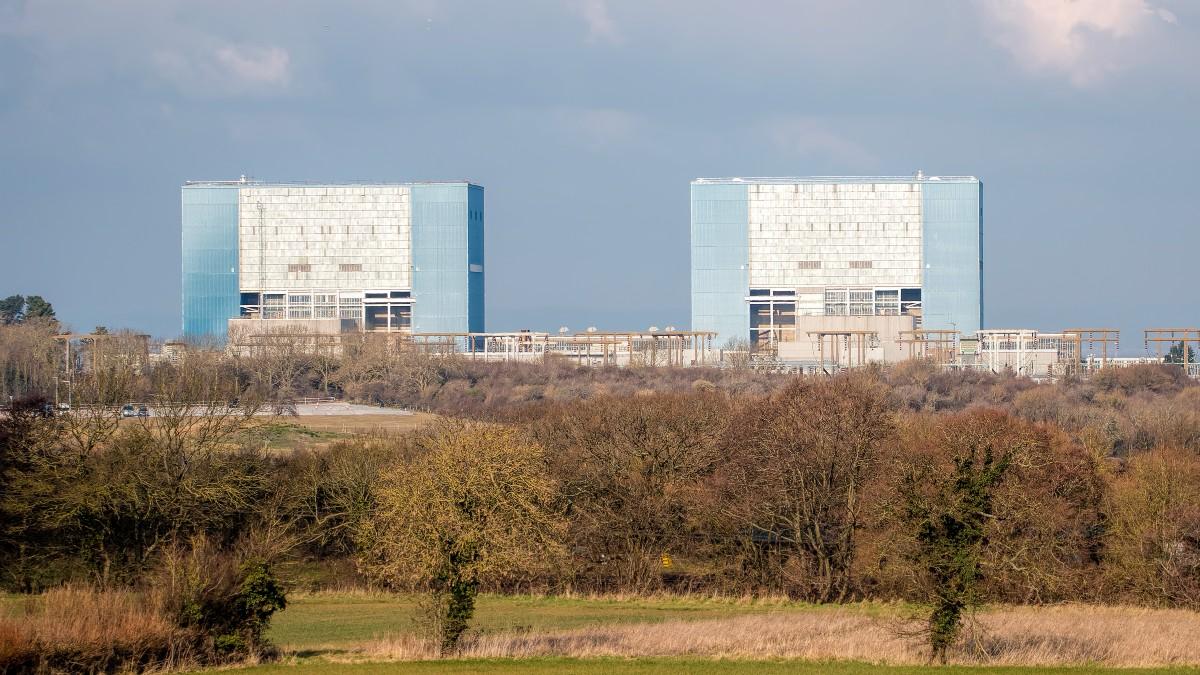
Nuclear energy is positioned as a crucial element in Britain’s plans to achieve net-zero targets, aiming to quadruple its capacity by 2050. Projects like Hinkley Point C and Sizewell C, alongside the introduction of small modular reactors (SMRs), promise to modernize nuclear energy. However, challenges remain, including high costs, logistics, and public opposition. The British Energy Security Strategy targets 24 gigawatts of nuclear capacity, emphasizing energy independence and job creation, while financing and waste management concerns linger. Even amidst renewed support, nuclear's role in a renewable-dominant energy landscape is uncertain.
Financial services
The promise, peril and pragmatism of Britain’s nuclear “renaissance”
Scaling climate finance is both an environmental and economic necessity, especially highlighted at COP30 in Brazil. A central theme emerged around mobilizing capital for climate-aligned projects, as global climate finance needs to accelerate significantly to bridge the investment gap, particularly in emerging markets. Effective progress hinges on aligning development and climate finance into a coherent system. Understanding the diverse roles of private investors, particularly insurers, is crucial for integrating risk management early in project design. Additionally, standardization of successful models and enhanced transparency are essential to replicate and scale investments efficiently.
Ghana, Rwanda, Switzerland | Financial services, Health
From São Paulo to Davos: What needs to happen in climate finance
The French National Strategic Review 2025 (NSR 2025) faces critical limitations amid escalating external threats, such as Russian incursions and cyberattacks. André Leblanc's analysis highlights the review's lack of a coherent strategy and insufficient consideration of resource allocation. The maximalist approach adopted is not aligned with budgetary constraints, questioning its effectiveness. Consequently, while the NSR outlines strategic objectives and measures, it ultimately fails to formulate a true strategy, reflecting a need for a more critical and structured methodology in addressing national security concerns.
Russian Federation | Financial services
The Test of Reality: French National Strategic Review, the Scenario and the Means

Brazilian farmers are defending their role in deforestation during the COP30 climate summit, arguing that illegal logging and mining, rather than agriculture, are the primary causes. They claim that pending EU regulations prohibiting commodities linked to deforestation unfairly target sustainable farmers. While recent data indicates an 11% drop in Amazon deforestation, Brazil remains a significant contributor to global tropical forest loss. The agribusiness sector, vital to Brazil's economy, is facing increasing scrutiny and calls for transparency amid ongoing protests from environmental groups.
Brazil
At COP30, Brazil's farmers defend record on forests
Geopolitical risks significantly influence capital flow volatility and asset markets across 29 advanced and emerging economies from 2000 to 2023. These risks negatively affect all economies, with emerging markets being particularly vulnerable through bond yields and exchange rates. Factors such as deeper financial development, higher central bank independence, and lower public debt can mitigate these negative effects and enhance resilience against geopolitical uncertainties.
Egypt, Ghana, Pakistan, Poland, Republic of Korea, Russian Federation, South Africa, Spain, United Arab Emirates | Financial services
Geopolitical Risk, Capital Flow Volatility, and Asset Market Spillovers

Violence against women in the Pacific is prevalent, with two in three women affected, significantly impacting health, economics, and societal participation. To confront this issue, enhancing structured counseling systems is essential. Key actions include institutionalizing counseling through policy, strengthening training, supporting counselor well-being, embedding counselors within healthcare and legal systems, and recognizing their contributions. Improved access to healthcare, legal aid, and psychosocial services is crucial, alongside collaboration among governments, NGOs, and development partners to create comprehensive support systems for survivors across the region.
Strengthening Counseling Services to Confront Violence Against Women in the Pacific
Health impact assessment (HIA) is an essential tool for evaluating how development activities and policies affect public health, particularly in relation to climate change. It promotes collaboration across sectors, thus preventing negative health outcomes and enhancing health co-benefits. Organizations like the Asian Development Bank are integrating HIA into environmental planning to safeguard health. Various tools, including health risk assessments and vulnerability assessments, complement HIA by identifying climate-related health risks and aiding in the development of resilient health systems. Together, they provide comprehensive insights for decision-makers to improve public health outcomes in the context of climate influences.
Health
Using Health Impact Assessments to Build Resilient and Sustainable Health Systems and Communities
Healthcare is facing significant disruptions due to staff shortages, financial pressures, and regulatory changes. Transformation efforts among clinical providers emphasize both technological integration and adjustments to the payment landscape. Key strategies include fostering organizational alignment, focusing on flexibility, and understanding that ROI may be indirect. Innovations like AI scribes can enhance clinician efficiency and retention, contributing to reduced burnout. Additionally, health systems are diversifying revenue streams and exploring collaborative models, such as joint ventures, to provide comprehensive care and optimize service lines. Consolidating specialized services into regional centers of excellence is also promoted for improved quality.
Financial services, Health
Margins, missions and medicine: Driving transformation without compromising care
Cities are increasingly facing water challenges due to rising demand and environmental pressures. Urban centers are leveraging governance, investment, and collaboration to foster innovation in water management. The World Economic Forum’s Water-BOOST framework provides a systems-based approach to enhance these ecosystems, emphasizing the importance of strong relationships and enabling mechanisms for innovation to thrive. Case studies from cities like San Francisco and Valencia illustrate effective strategies, such as regulatory mandates for water reuse and digitalization of water services, showcasing scalable models for urban water innovation amidst ongoing crises.
Ghana, Rwanda, Singapore | Financial services, ICT, Health, Education
How cities are turning water challenges into innovation opportunities
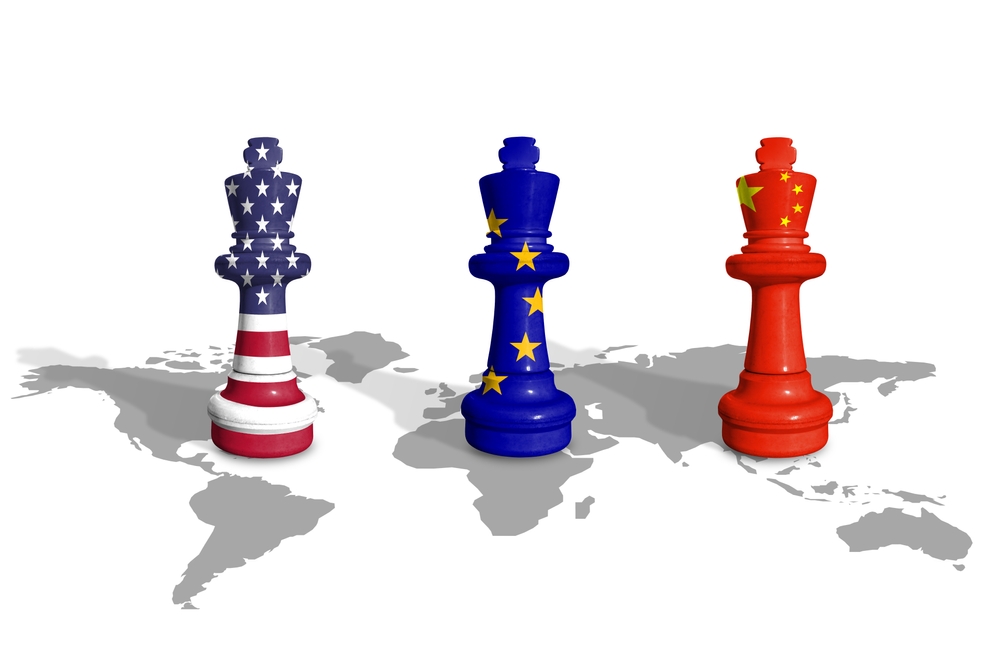
Europe has lagged in technology for nearly 40 years, despite numerous reports urging reform. A recent report by former prime ministers raises alarms about Europe’s position in a technology-driven world and the existential risks posed by failing to innovate. It emphasizes that leadership in technologies like AI is vital for national strength and societal resilience. The report calls for decisive actions, including expanding global tech influence, reforming regulations, and boosting AI adoption. Notably, it highlights the potential of GovTech to establish a distinct digital government model, which could enhance Europe’s global presence in the AI era.
Algeria, Angola, Austria, Belgium, Chad, Denmark, Finland, Germany, Italy, Luxembourg, Mali, Netherlands, Poland, Singapore, Sweden | Financial services, Health, Education, ICT
Europe In The Age Of AI: A New Urgency To Solve Entrenched Problems