
As AI, clean energy, advanced manufacturing, and infrastructure renewal progress, there is growing demand for practical, hands-on "maker" skills essential to building, operating, and maintaining critical goods and systems. The latest report in the New Economy Skills series highlights that current supply of these skills is insufficient to meet increasing and complex future needs. It identifies three main challenges: adapting skill sets to evolving requirements, attracting more individuals to maker careers, and improving assessment and credentialing of these skills to strengthen economic and business competitiveness globally.
Education
New Economy Skills: Skills for the Maker Economy
Generative artificial intelligence (AI) is more than just a platform centered on interfaces like APIs; its true power lies upstream in complex systems such as compute supply chains, mineral extraction, semiconductor control, and energy infrastructure. This concentration of control creates a "structured absence," where democratic governance erodes as public authorization fades, despite extensive regulation through export controls and industrial policy. Communities are incorporated into AI systems under unequal, opaque terms without meaningful input or oversight. Addressing this requires building democratic infrastructures that can effectively authorize and govern technological change.
ICT
Structured Absence
Sovereign and trustworthy data sharing is essential for tackling local and regional challenges and promoting economic development in European communities. Federated data sharing, supported by the emerging technical, business, and governance frameworks of Common European Data Spaces, enables collaboration among diverse stakeholders. The willingness to participate depends on clear value propositions aligned with stakeholders’ objectives, with private sector orchestration proving effective in well-defined initiatives. Progress requires translating principles like sovereignty into practice, addressing incentives and barriers, and balancing market demand and supply for successful data cooperation.
ICT, Health
Exploring Federated Data Sharing in Smart Communities
Armed conflicts are reaching historic highs with increasing civilian attacks, necessitating improved conflict research methods. Traditional conflict research relies largely on text-based data and fatalities as proxies for violence intensity, but these suffer from biased human reporting. Satellite-derived war damage data offer complementary insights with different limitations. Integrating these data sources through improvement, enrichment, and fusion bridges their gaps, enabling richer analysis of conflict dynamics beyond fatalities. Case studies from Ukraine and Myanmar demonstrate how this integrated approach reveals the complexity of violence and advances understanding of modern conflicts.
Africa | Health, ICT
Advancing conflict research and response through satellite-derived data
The AI boom is driving large data center proposals into small and rural U.S. communities, often causing conflicts due to mismatched agency and limited local involvement. While data centers bring economic benefits like jobs and tax revenue, they also impose costs such as noise, visual pollution, and increased utility demands, which are not fully understood. Decision-making is frequently fragmented and noninclusive, with local citizens sidelined by complex negotiations and confidentiality agreements. This fuels community skepticism and tensions linked to broader AI concerns. Effective solutions include community-led deliberative processes to voice priorities and build consensus, though these are time-consuming and challenging amid rapid development pressures.
Could AI help communities navigate complex challenges like the US data center boom?

Plans to alter the state pension's triple lock, which currently guarantees pension increases based on the highest of inflation, 2.5%, or earnings growth, propose removing the mechanism that allows pensions to outpace wages permanently. From 2030, pensions would still rise with inflation or earnings but without cumulative boosts beyond wage growth. Research shows such a change could save £9 billion annually while still growing pensions faster than prices. Public opinion, across age groups, supports maintaining some form of the triple lock, with many recognizing familial financial interdependence rather than seeing pensions as a generational conflict. Economic issues like pension reform generally unite rather than divide generations politically, but the challenge lies in older voters accepting shared costs.
Plans to tamper with the pension triple lock might not be as dangerous for Labour as some believe
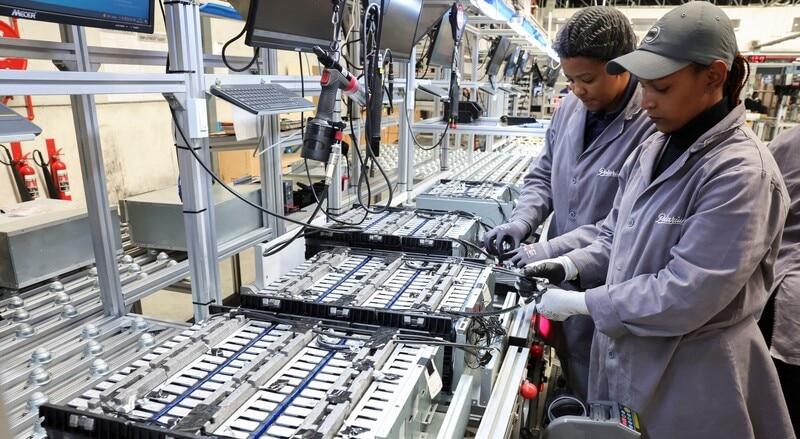
Africa faces significant challenges in financing and managing the infrastructure required for AI data centers, as around 600 million people lack electricity and power-sector capital is limited. Data centers demand substantial investment in generation, transmission, and grid connections, creating risks around who pays and carries the costs if demand falls short or is delayed. Examples like Kenya’s Microsoft-G42 project illustrate disputes over guaranteed power payments and capacity commitments. Solutions include requiring long-term contracts, minimum-demand commitments, and customer contributions to infrastructure costs, ensuring risks align with parties best able to manage them. Moreover, integrating AI infrastructure with broader economic goals—such as skills development and industrial use—can maximize benefits and justify investment.
Africa | Financial services, ICT
Africa's AI infrastructure: Who pays and who carries the risk?

Governments face a significant public sector workforce aging and retirement wave, with over 27% of central administration employees aged 55 or older. This demographic shift threatens institutional knowledge and coincides with rising demands from aging populations, straining resources for pensions and healthcare. Rather than merely replacing retiring staff, governments have a strategic opportunity to redesign public sector work by integrating AI. Trials, such as those in the UK and Brazil, demonstrate AI can save time on routine tasks, improve efficiency, and handle administrative duties without displacing jobs. This task-level automation allows governments to focus human effort on judgment and accountability, enabling more effective public service delivery amid demographic and fiscal challenges.
Education
Why the retirement wave could be government’s AI moment

Political leaders face numerous stressors affecting their mental health, including parliamentary culture, online abuse, job insecurity, and public pressure. A study of UK, Canadian, and South African MPs reveals that poor mental health impairs politicians' decision-making, reducing confidence under pressure and increasing risk aversion. Those with depressive symptoms are less likely to make bold decisions, favoring risk avoidance and reactive choices, which may hinder effective governance on complex issues like climate change. Supporting politicians' mental health through institutional changes is crucial to maintaining robust democratic processes and decision quality.
Africa | Health
The mental health of politicians is a critical issue - we should all care
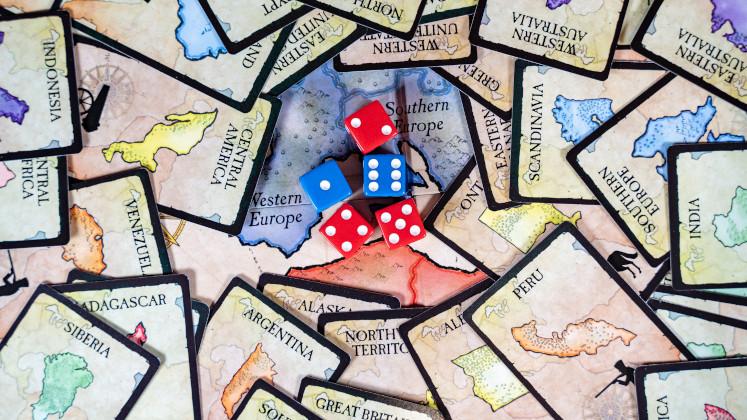
Miqdad Asaria explains that climate change is fundamentally a social problem requiring us to rethink how societies are organized, rather than merely a technological issue. Board games offer a unique way to engage with these complex social-environmental interactions by encouraging imaginative thinking and exploring alternative societal rules. Traditional games like Monopoly often promote resource hoarding and competition, but reimagined games can help players envision cooperative, sustainable futures. Using games in teaching allows students to actively participate in creating solutions and realize that climate outcomes depend on collective social choices, highlighting the need for systemic change beyond individual actions.
Health
Interview with Miqdad Asaria: “Board games can help us think differently about climate change”
Breast and cervical cancer remain leading causes of death among women in Asia and the Pacific, despite being largely preventable or treatable through vaccination, screening, and timely care. Breast cancer is the most common cancer worldwide with cases expected to rise, while cervical cancer, linked to HPV infection, disproportionately affects women in low-income areas with limited access to screening and HPV vaccination. Effective programs require multisectoral governance, integrated services across healthcare levels, community engagement, and addressing barriers for women with disabilities. Financial protection and partnerships with private providers are essential to reduce costs. Strengthening women's health services through integrated, equitable approaches can improve prevention, early diagnosis, and treatment outcomes in the region.
Health
Asian Development Blog: Closing the Gap on Breast and Cervical Cancer Treatment in Asia and the Pacific

Climate-sensitive health risks are increasing in the Greater Mekong Subregion due to climate change and compounding factors. Strengthening resilience requires building capacity and reinforcing early warning protocols through a One Health approach that integrates human, animal, and environmental health. Key capabilities for improved early action include governance, financing, data sharing, trigger-action protocols, communication, capacity building, and quality assurance. Digital tools and regional cooperation are essential to close gaps between early warnings and effective responses, enabling better preparedness and management of current and future health threats.
Africa, ASEAN, Latin America | Financial services, Health
Strengthening Climate-Sensitive Health Risk Management Across the Greater Mekong Subregion
In 2026, Mexican think tanks face increasing fragility due to mounting fiscal, financial, and political pressures. Over half report challenges with regulatory compliance and government distrust, notably through revocation of tax-exempt status, which threatens funding and operations. Political polarization restricts work on sensitive issues like security and human rights, pushing focus towards less contentious topics. Dwindling funds and the prevalence of short-term grants hinder long-term impact and sustainability. Despite these challenges, resilience shows through AI adoption to enhance research and strong female leadership, with 71% of think tanks led by women. However, sustaining independence and influence remains at risk.
Africa, Latin America
The price of independence: Think tanks in Mexico face growing fragility in 2026

The UK’s pension triple lock, introduced in 2011 to combat pensioner poverty, guarantees annual pension increases by the highest of 2.5%, inflation, or average earnings growth. This mechanism helped reverse declines in pension value and ensured pensioners share in economic prosperity. However, it is costly and benefits all pensioners equally, regardless of need. While pension poverty has been reduced, means-tested benefits and other policies have been more impactful. Andy Burnham proposes retiring the triple lock by 2030, replacing it with a double lock linked to inflation or 2.5%, combined with periodic earnings-based top-ups, aiming to reduce costs while maintaining pension value relative to earnings.
The UK’s pension triple lock has done its job and needs to be retired
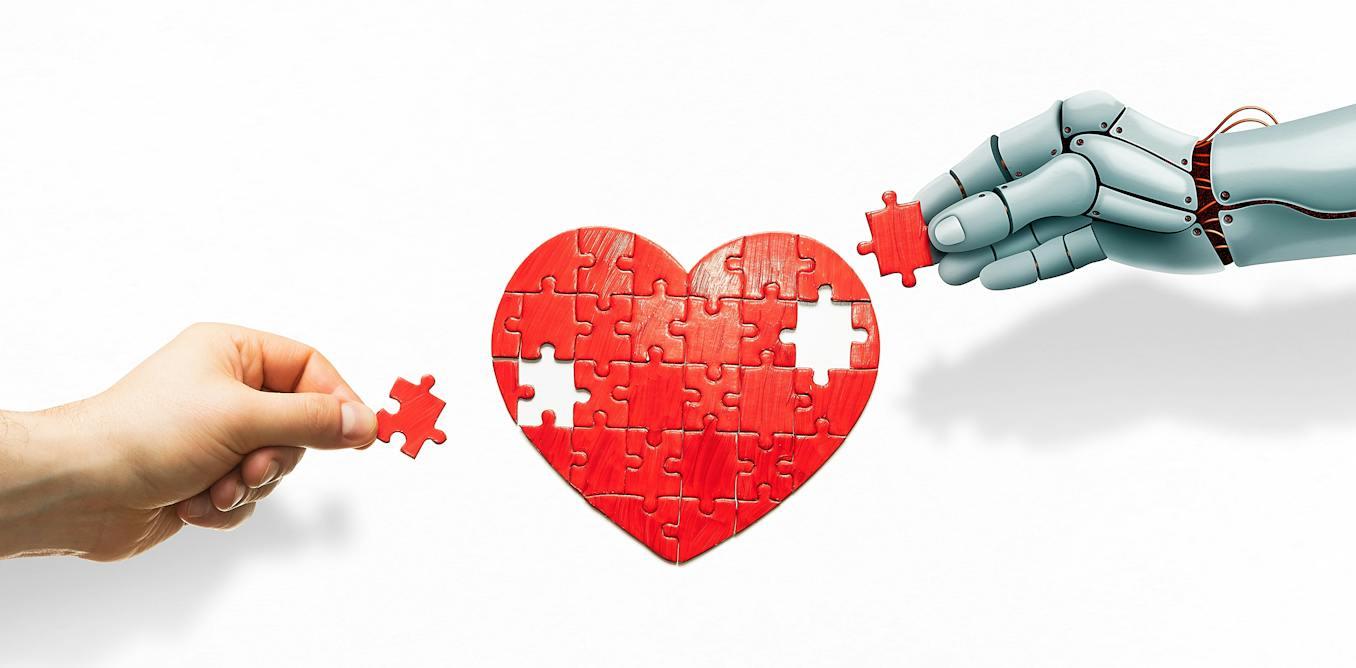
Attachment relationships require persistence, emotional significance, desire for closeness, distress upon separation, and seeking comfort when threatened. AI companion apps elicit feelings like grief and friendship, but current research hasn't fully confirmed whether these meet the strict attachment criteria, particularly the crucial aspect of seeking security during distress. Many studies conflate frequent use or mild separation anxiety with attachment, lacking measures of emotional regulation through AI. Additionally, some AI apps engineer engagement through guilt and manipulative tactics to retain users, raising ethical concerns. Overall, while AI-human bonds show affectionate qualities, evidence for true attachment remains inconclusive.
How deep do AI relationships really go? An expert in attachment theory explains

Engaging in brief daily brain-stimulating activities such as puzzles, reading, music, and socializing can significantly improve cognitive health and even reverse cognitive impairment in older adults. In a study involving 11,500 participants aged 60 to 85 with mild to severe cognitive impairment, all groups showed cognitive improvement over a year, with 28-33% reversing impairment. Providing advice and access to brain exercises yielded modest additional benefits. The improvements were attributed mainly to increased engagement in brain-stimulating activities, though the lack of a classical control group and further analysis are needed to confirm long-term effects.
Reading, socialising and doing puzzles can help preserve cognitive health – large study shows

China is attempting to replicate its electric vehicle leapfrog by advancing semiconductor technology beyond traditional lithography limits, aiming to lead in AI chip development despite lacking access to extreme ultraviolet (EUV) lithography due to US export controls. China's strategy focuses on innovating around constraints through next-generation architectures, like Huawei's Tau Scaling Law and three-dimensional chip designs such as LogicFolding, which optimize signal timing and reduce data movement energy consumption. This approach mirrors China's past success in EVs by leapfrogging established technologies to become a global leader.
ICT
Can China repeat its electric vehicle leapfrog with semiconductors?

Agentic AI marks a shift from AI as a passive tool to an active teammate capable of autonomous actions within workflows, coordination, and decision-making. Leaders face critical choices about how much authority to delegate to AI agents, balancing innovation and risk. A teaching case at a British infrastructure firm illustrates this leadership dilemma, showing AI agents treated as teammates with defined roles, permissions, and evaluation processes. This approach emphasizes responsible integration, ongoing oversight, and human judgment while AI co-produces organizational knowledge and decisions. The shift demands new governance models managing hybrid human-AI systems rather than traditional tools.
Education
How much should you authorise your AI agent to do?
The U.S. stock market has dramatically outpaced Europe's between 2008 and 2023, with U.S. market value quadrupling compared to less than doubling for Europe. This has widened the market valuation gap from $3 trillion to $34 trillion, making U.S. companies about 330% more valuable. The primary reason is that U.S. firms have succeeded in scaling rapidly within new technology-driven industries, whereas European companies have struggled to do so despite having comparable scientific knowledge and economic foundations. The disparity is not due to more U.S. companies or a few large firms dominating but reflects a broader issue of scalability in European businesses in the current economy.
Africa, Latin America | Financial services
Why Is the U.S. Stock Market Outpacing Europe’s?
AI chatbots are increasingly used for political information, offering personalized, accessible advice drawn from vast data. While concerns exist that AI may reinforce echo chambers by pandering to users' preferences, research suggests a greater risk arises when individuals' beliefs conflict with their preferences, creating uncertainty. In such cases, AI may provide extreme or biased information to please users. The model indicates AI tends to reinforce existing aligned beliefs rather than distort them, but when beliefs and preferences clash, AI's incentive to skew information increases, potentially deepening political divisions. This nuance highlights challenges in AI's role in political discourse.
Will Talking Politics with AI Unite or Divide Us?