
Digital transformation of power systems is essential for electrification and decarbonization according to a report by the International Renewable Energy Agency (IRENA). This transformation can support the COP28 goal of tripling renewable energy capacity by 2030. Key areas for digitalization include smart sensors, AI forecasting, operational optimization, demand response automation, and enhanced transparency. Additionally, the International Energy Agency (IEA) highlights rising energy security concerns, record growth in fossil and renewable energy, and the need for resilient supply chains. Other updates include developments in energy ties, incentives for solar energy use, and advancements in autonomous operations in the Middle East.
Egypt, India | Financial services, Education, ICT
Digital power system transformation ‘essential’ – and more top energy stories
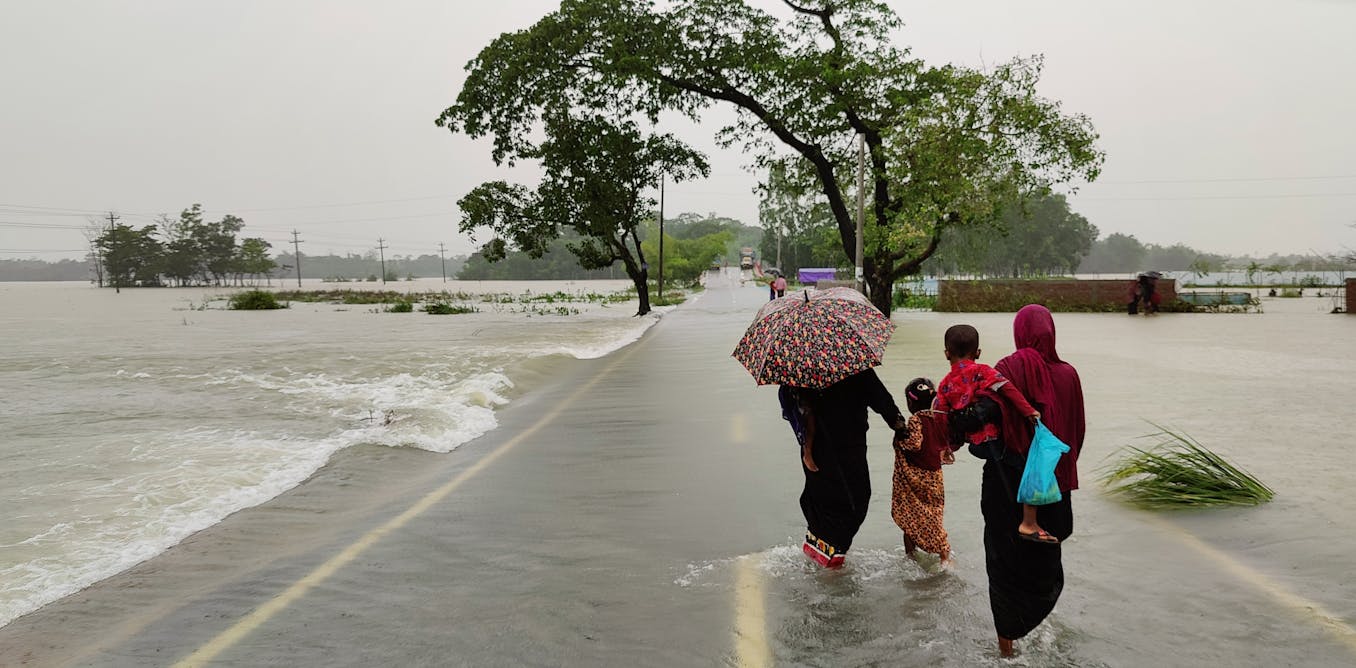
Public concern about climate change has declined in many high-income countries, dropping from 73% viewing it as a major threat in 2022 to 66% in 2025. Notable decreases were seen in Poland (down 13 points), the Netherlands, and Italy (both down 11 points). Conversely, concern is growing in middle-income nations like Brazil (up 5 points), India (up 8 points), and Turkey (from 40% to 70%). Political affiliations influence these perceptions, with right-leaning individuals less likely to consider climate change a threat. Gender, age, and education also play roles in determining concern levels across demographics.
Nigeria | Financial services, Health
Worries about climate change are waning in many well-off nations – but growing in Turkey, Brazil and India

The UK government’s push to rollback financial regulations poses significant risks to long-term economic stability. In the aftermath of the 2008 financial crisis, stricter regulations were deemed essential, but recent proposals by Labour to ease these rules aim to stimulate growth through increased bank lending. Key safeguards, including limitations on risky mortgage lending and the separation of investment and retail banking, are being challenged despite warnings from regulators about rising instability. Historical examples underscore the unpredictability of financial markets, and easing regulations could lead to severe consequences akin to the past crises.
Latin America | Financial services
The UK government’s risky rollback of financial regulation threatens long-term growth
Co-production of research, involving collaboration between researchers and lived experience experts, enhances research quality and impact. Limited evidence exists on effective co-production methods for data-intensive research with underserved groups. This study evaluates a partnership with Voice of Young People in Care (VOYPIC), focusing on a project examining the link between care experience, mental health, and mortality. The paper aims to report on the co-production impact, assess mechanisms against established principles, and explore whether specific guidelines are needed for this context.
Co-producing data-intensive research with an underserved group: a case study and evaluation identifying pathways to impact
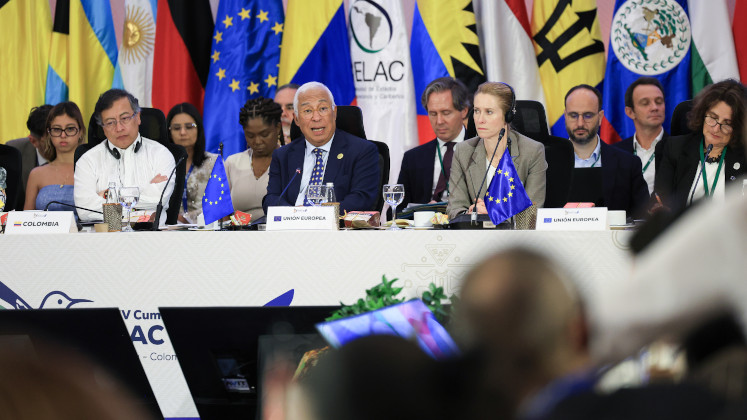
Latin America’s international relations are often misunderstood through the lens of US dominance, detracting from crucial historical ties with Europe. Charlotte Eaton highlights that interactions have evolved beyond imperial legacies, emphasizing the dynamic exchanges of people and ideas in the 20th century. Notably, Latin Americans sought solidarity and support from Europe, countering US influence. Collaborative networks emerged during periods of dictatorship and conflict, fostering shared beliefs and a more egalitarian relationship. Recent summits underscore the commitment of both regions to deepen these historical connections based on mutual interests and values.
Latin America
A shared Atlantic? Reimagining the historical ties between Europe and Latin America

Governments, businesses, and Indigenous organizations play crucial roles in fostering Indigenous enterprise and trade. This publication builds on a previous World Economic Forum white paper by focusing on business and Indigenous-led initiatives. It presents a typology of practices that promote Indigenous economic growth across six levels: organization, operations, products and services, business relationships, supply chains, and community. Additionally, it emphasizes Indigenous-led initiatives that drive new pathways through research, advocacy, forums, events, and training. The aim is to inspire meaningful partnerships and systematic action using structured frameworks and examples.
Ethiopia, Indonesia
Enabling Indigenous Trade: Business and Indigenous-Led Practices
Good governance of the security sector is crucial for sustainable development, ensuring peace, justice, and strong institutions aligned with the 2030 Agenda and other global frameworks. However, corruption within security institutions—manifested as a lack of transparency, weak oversight, and procurement fraud—undermines these efforts, aggravating conflict and destabilizing economies. The G20's Anti-Corruption Working Group has largely neglected this issue. To combat these risks, there is a need for robust oversight, anti-corruption initiatives, and risk assessments in the security sector, reinforcing integrity and accountability in defense and security spending.
Angola, Ghana, Guinea | Financial services, Health
Security sector corruption: The overlooked risk in global stability and development agendas
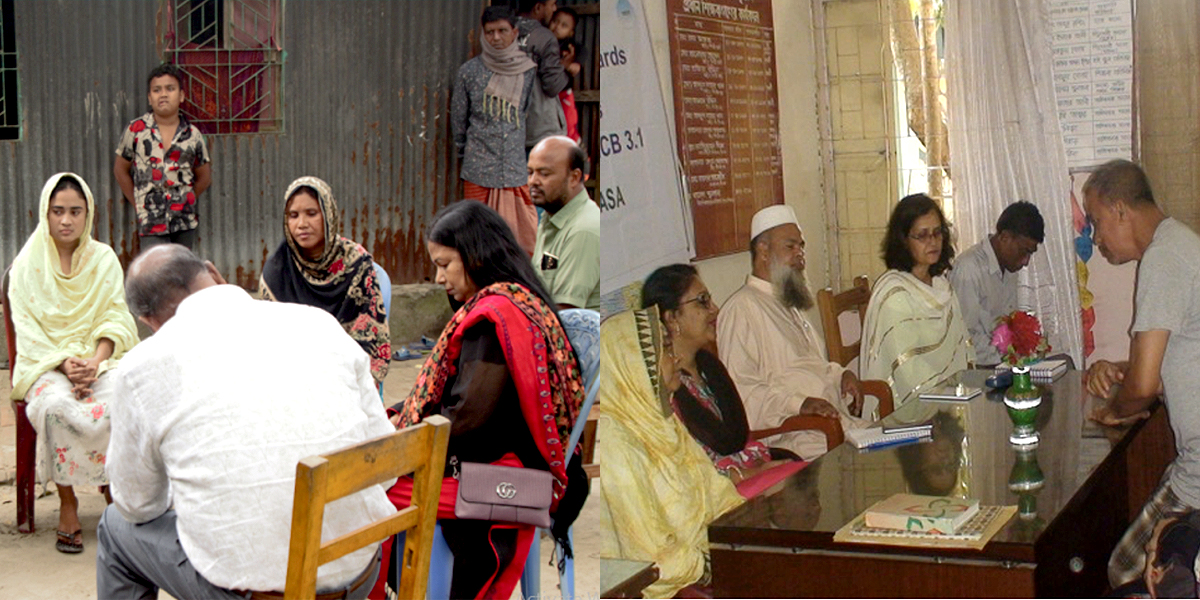
Dhaka faces acute water security challenges due to over-reliance on groundwater, prompting the Dhaka Environmentally Sustainable Water Supply Project (DESWSP) to implement a transition to surface water supply. The project involves significant infrastructure development and impacts around 2,800 families requiring resettlement. The approach emphasized fair compensation and community engagement, addressing socio-economic dynamics and cultural sensitivities, particularly regarding graveyard relocation. Challenges included legal hurdles and livelihood risks for displaced individuals. Solutions included trust-building through collaboration, an escrow account for compensation, and enhanced institutional capacity, ensuring effective participation and support for vulnerable groups.
Bangladesh
Adaptive Resettlement for Urban Water Security: Lessons from Dhaka
Bangladesh needs to diversify its economy, which is heavily reliant on the apparel sector, contributing over 80% of exports. The country ranks low in the Economic Complexity Index, highlighting its limited manufacturing diversity. Historical successes, like the apparel industry's growth from jute, show potential for diversification. Key strategies include forming international partnerships, providing targeted training, and executing long-term plans. By focusing on a few key sectors and utilizing its strong NGOs for community engagement and technological dissemination, Bangladesh can replicate the apparel industry's success in other industries, achieving measurable economic growth.
Armenia, Bahrain, Bangladesh, Barbados, Belarus, Belgium, Benin, Bermuda, Bolivia, Bosnia and Herzegovina, Brazil, Bulgaria, Burkina Faso, Burundi, Cambodia, Chile, Denmark, Djibouti, Egypt, Ethiopia, Finland, Georgia, Ghana, Hungary, India, Indonesia, Jamaica, Japan, Jordan, Kazakhstan, Lebanon, Luxembourg, Madagascar, Malawi, Malaysia, Mauritius, Mexico, Moldova, Morocco, Mozambique, Myanmar, Namibia, Nepal, New Zealand, Pakistan, Panama, Paraguay, Poland, Portugal, Republic of Korea, Russian Federation, Rwanda, Saudi Arabia, Senegal, Singapore, South Africa, Sri Lanka, Sweden, Switzerland, Taiwan, China, Tajikistan, Tanzania, Thailand, Uganda, Uzbekistan, Viet Nam
Beyond Apparel: How Bangladesh Can Develop New Exports
South Africa's G20 presidency highlighted critical financial challenges facing Africa, particularly concerning debt sustainability and development finance. Over half of African countries are in debt distress, spending more on debt servicing than on essential services like health and education. Key issues include a cumbersome debt relief process favoring creditors and the need for a holistic approach to debt that considers social and environmental impacts. South Africa has raised awareness and garnered a G20 declaration on the crisis but requires sustained action beyond its presidency to ensure ongoing focus and seek solutions. Recommendations include engaging expert panels to identify barriers to sustainable finance.
Ghana, South Africa | Financial services, Health
Africa has a debt crisis: momentum from G20 in South Africa can help find solutions
Forests are vital for regulating climate, purifying air and water, and supporting biodiversity and livelihoods but are rapidly disappearing due to illegal logging, mining, agricultural expansion, and climate change. Advances in digital technologies, especially artificial intelligence, present new opportunities for conservation. The report introduces the Digital Tree framework, illustrating the interconnectedness of digital solutions in forestry, from foundational technologies to AI-driven analytics that enhance forest management. It emphasizes just and inclusive stewardship, integrating indigenous knowledge and ensuring community benefits.
Live Canopy: Harnessing AI And Digital Innovation for Forest Conservation and Reforestation
Public involvement can enhance the science of AI by integrating lived-experience experts in the design, data collection, and interpretation of evaluations. As AI systems become more prevalent, both computer and social scientists are urged to ensure quantitative assessments of AI safety and reliability. The paper discusses the sociotechnical challenges of evaluating adaptable AI systems and presents five key areas where public participation can improve evaluations: equipoise, explanation, measurement, inference, and interpretation. It draws on case studies from various fields, advocating for participatory methods in AI research.
How public involvement can improve the science of AI

Asia's country pavilions at COP30 in Belém, Brazil, aimed to promote multilateral climate action and carbon markets. These pavilions enabled nations to engage in soft diplomacy, showcasing climate responses and cultural initiatives. China focused on South-South cooperation, while Indonesia emphasized forest carbon governance. Japan and South Korea highlighted innovative technologies for decarbonization. Singapore addressed climate adaptation through extreme heat resilience and coastal security. The ASEAN pavilion made its debut, yet collaborative efforts among Southeast Asian nations remained unclear.
ASEAN
In pictures: Carbon, cooperation and soft diplomacy at COP30’s Asian pavilions
Abu Dhabi is addressing the global challenge of chronic non-communicable diseases (NCDs), which constitute 71% of all deaths, by establishing a comprehensive digital health system focused on prevention and personalized care. The strategy, centered on "Predict, Prevent, and Act to Cure and Restore," leverages digitalization, AI, and integrated health data through platforms like Malaffi and the Sahatna app. These tools provide real-time access to patient histories, empower residents in managing their health, and facilitate proactive healthcare engagement, ultimately aiming to reduce costs and enhance care quality.
Africa | Health
Towards personalized care for all: Abu Dhabi’s digital health quest
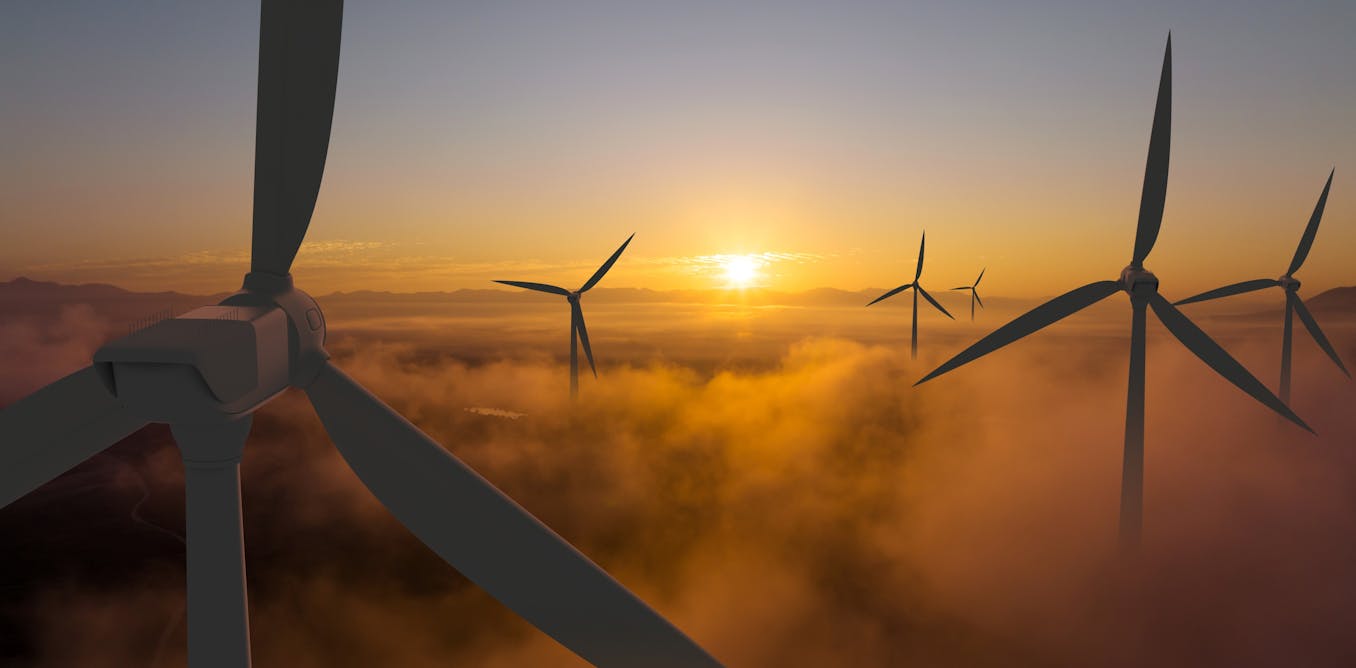
Global greenhouse gas emissions reached a record 53 billion tonnes in 2024, increasing by 10% since the Paris Agreement's signing in 2015. Despite widespread participation, the accord has become a mere reporting exercise rather than an effective emissions reduction mechanism. While competitive decarbonization is emerging as countries prioritize energy security and industrial advantage, this shift has led to a nationalistic approach to clean technology and resource management. Wealthy nations' protective measures risk deepening global divides, as developing countries feel abandoned in funding and technology transfer. Without cohesive global governance, progress remains inconsistent, with managed emissions potentially becoming the norm.
Health
How climate cooperation turned into a global race for green power

Shannon McCoole operated a major dark web child abuse forum until his arrest by Australia's Taskforce Argos, which relied on linguistic evidence, specifically his unique greeting "hiyas," to identify him. Investigators located additional users with similar linguistic traits on other forums, linking them back to McCoole. His arrest enabled the rescue of 85 child victims and the prosecution of numerous offenders. Forensic linguistics plays a crucial role not only in identifying criminals but also in improving legal processes for vulnerable populations. The study of language in online criminal interactions is essential for understanding and combating such offenses.
Forensic linguistics: how dark web criminals give themselves away with their language
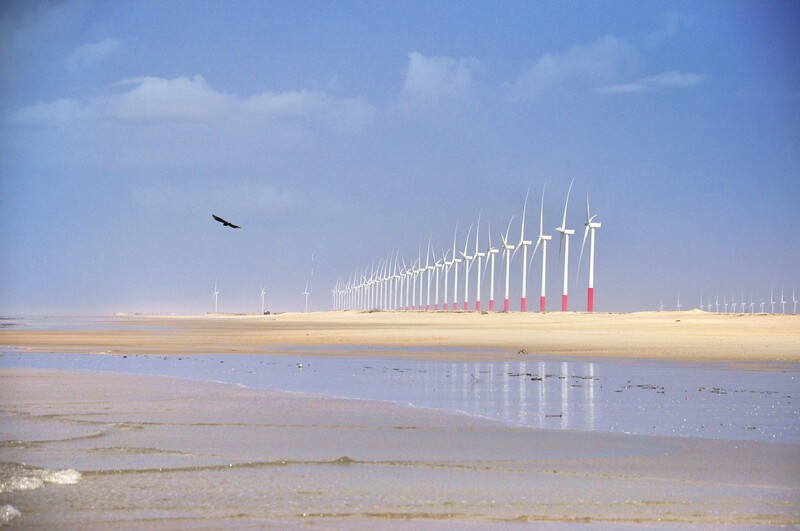
Latin America and the Caribbean (LAC) have significant renewable energy potential, producing 70% of their electricity from renewables. Despite this, the region struggles with energy transition readiness, lagging in infrastructure, financing, and human capital. The 2025 Energy Transition Readiness white paper identifies five priority actions: adopting stable policies, modernizing infrastructure, investing in skills and innovation, diversifying the energy mix, and mobilizing financing. Successful examples include Uruguay's near-total renewable electricity, Chile's electric bus fleet, and Costa Rica's sustained renewable efforts, demonstrating pathways for broader progress in the region's energy transition.
Angola, Bolivia, Chile, Costa Rica, Dominican Republic, Ecuador, Honduras, Panama, Venezuela
Unlocking Latin America and the Caribbean’s clean energy future
The development of machine learning and the adoption of AI, especially generative AI, have transformed data practices, creating new industries related to data labeling and exposing instances of exploitation, such as illegal data scraping. This presents complexities for African countries, necessitating comprehensive regulations. While 38 of 55 African Union Member States have data protection laws, disparities exist in their quality and enforcement. Effective governance requires robust data protection regulations that encompass data quality, privacy, and labor protections. The RICE Data Governance Framework is proposed to support these reforms and enhance cooperation in AI governance across the continent.
Africa | Health
Operationalizing Comprehensive Data Governance in Africa

Artificial intelligence is radically transforming how knowledge is created, retained, and transmitted, surpassing human capacities to fully grasp complex global information systems. Humans have historically functioned as nodes in knowledge networks, storing and conveying socially coded information that shapes culture and intimacy. Cybernetics established that living systems operate via regulatory feedback, integrating human decision-making with machine data processing. Bernard Stiegler’s concept of tertiary retention highlights how human memory is co-constituted with technical systems—from cave art to digital media—shaping society. Today, however, knowledge architectures increasingly serve nonhuman systems, potentially automating thought and altering how humans experience and produce knowledge.
Education
The Shape of Knowledge to Come
China’s semiconductor strategy emphasizes state support and market competition to achieve self-reliance and industrial dominance. Despite challenges from US technology transfer restrictions, China aims to catch up by improving its domestic capabilities and increasing production. The forthcoming 15th Five-Year Plan targets significant increases in semiconductor sales and production, as well as advancements in chip technology. A hybrid system supports competition among firms, enabling the creation of national champions through strategic investments. China’s approach includes mandatory domestic sourcing for state-funded projects, ensuring a strong market for local companies.
Denmark, Indonesia, Israel, Singapore, Taiwan, China, Viet Nam | Financial services, Education, ICT
China Trends #24 - Semiconductors: China’s Industrial Policy Steamroller in Motion