
Iran is experiencing a severe water crisis, marked by critically low reservoir levels and groundwater depletion, especially in Tehran and Mashhad. The government is imposing nighttime water cuts and has warned of potential evacuations. Mismanagement, inefficient agricultural practices, and climate change are key contributors, with over 90% of water used for farming. Sanctions hinder access to advanced technologies needed for effective water management. Conflicting priorities among government ministries exacerbate the issue. Experts suggest that with improved foreign relations and technological access, there is hope for solutions, including real-time water monitoring and stricter regulations on groundwater extraction.
Financial services
Iran’s capital faces unprecedented water shortages and even possible evacuation. What changes could help?

Gen Z is encountering unprecedented challenges in the labor market, with youth unemployment rates significantly higher than overall rates globally. In the US, youth unemployment hit 10.8%, while regions like Asia and Africa face even steeper figures. Despite low overall joblessness, economic uncertainties, slow hiring, and skills mismatches hinder opportunities for young workers. AI play a role in reshaping work, but broader structural issues are more critical. Efforts to address these challenges include resurgent vocational training and skills-first hiring practices, as employers adapt to the changing landscape.
Africa | Education
Gen Z is facing record challenges in today’s labour market, and other trends in jobs and skills this month
The transition to sustainability can be optimized by addressing the needs of individuals and economies, according to a report by the World Economic Forum and McKinsey & Company. The report highlights the impact of geopolitical shifts, inflation, and inequality on competitiveness and economic opportunities. Key barriers identified include rising energy costs, regulatory uncertainty, and slow investment returns, with a significant disparity in access to finance between low- and high-income economies. To maintain competitive advantage, climate ambitions must align with social and economic priorities, emphasizing the need for collaboration across sectors. The report underscores that successful green transitions require tailored solutions that benefit both people and economies.
Algeria, Bahrain, Belgium, Bolivia, Cambodia, Chad, Costa Rica, Czech Republic, Denmark, Ecuador, Finland, Greece, Guinea, Hungary, India, Indonesia, Jordan, Kuwait, Luxembourg, Malawi, Malaysia, Mali, Nepal, Netherlands, Peru, Poland, Portugal, Qatar, Republic of Korea, Saudi Arabia, Singapore, Slovakia, Sweden, Switzerland, Taiwan, China, Uganda, Viet Nam | Health, Education, Financial services
How to make the green transition work for people and economies
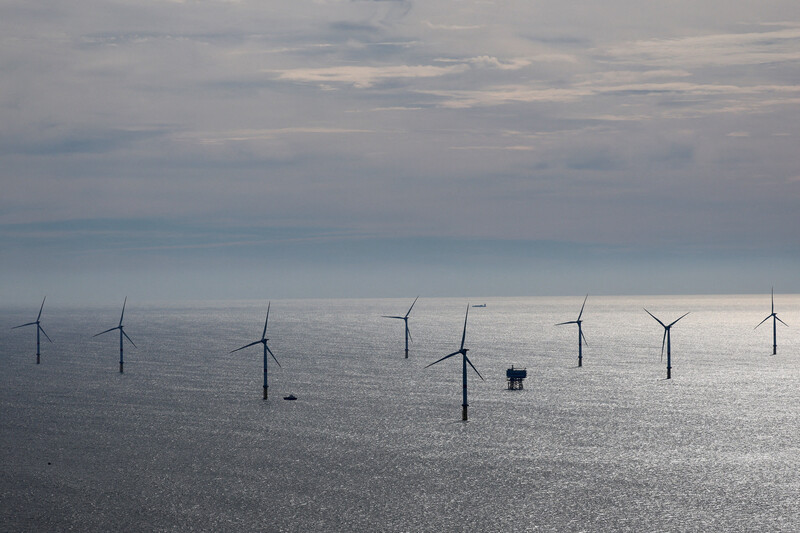
The World Economic Forum and McKinsey & Company report emphasizes that advancing climate action is feasible by addressing practical needs amid geopolitical and economic challenges. It suggests that companies must integrate sustainability deeply into their core business models to foster resilience and innovation. Leaders advocate for strong worker involvement in green transition planning to protect incomes and enhance productivity. The transition could create nearly 10 million jobs by 2030; however, insufficient support for workers could lead to a loss of 2.4 million jobs. Collaboration across sectors is crucial for achieving an inclusive low-carbon economy.
Indonesia, Qatar, Sweden | Health, Education, Financial services
Maintaining momentum: decision-makers weigh in on the practical necessities of the green transition

AI can enhance communication but also poses risks of misuse, particularly in spreading misinformation. Global leaders must understand AI's dual potential to foster trust and facilitate unethical manipulation. As AI evolves, it applies ancient persuasive techniques at unprecedented scales, creating ethical dilemmas regarding privacy and bias. Research indicates AI persuasion is more effective when users are unaware they are engaging with it, raising concerns about deception. While this technology could improve public health messaging, it also enables malicious actors to manipulate individuals for their own gain, necessitating strong ethical guidelines and regulatory frameworks.
Using AI? Here’s how you can preserve agency in an age of superhuman persuasion
Mazama Energy has developed the world’s hottest Enhanced Geothermal System (EGS) at 629 °F (331 °C) in Newberry, Oregon, significantly enhancing clean energy potential by increasing power density tenfold, reducing water use by 75%, and drilling 80% fewer wells. This breakthrough could lead to carbon-free, stable baseload power generation at scale. While geothermal energy currently meets less than 1% of global energy demand, it has the potential to satisfy up to 15% of electricity demand by 2050, supported by advances and investments in the sector. Increased geothermal deployment could reach $2.5 trillion by 2050, making it essential for a sustainable energy transition.
Geothermal Is Suddenly Hot
Ukraine, once regarded as the world's breadbasket, faces a critical crisis in soil nutrient depletion exacerbated by the ongoing war. Historical over-fertilization during the Soviet era transitioned to significant under-fertilization after 1991, leading to a dramatic decline in soil nutrients. By 2023, crops were extracting much more nitrogen, phosphorus, and potassium than farmers applied, risking long-term agricultural productivity. Solutions include precision fertilization, enhanced manure utilization, and the incorporation of legumes in crop rotations. The crisis highlights the need for sustainable farming practices globally to ensure food security and environmental health.
Ukraine’s farms once fed billions but now its soil is starving
The EU-India partnership is strengthening amid a challenging international climate, with opportunities in trade, digital collaboration, and defense. A free trade agreement is anticipated before the end of the year, while preparations for a Bilateral Summit in early 2026 are underway. Solidifying the strategic relationship requires enhanced security cooperation and trust-building mechanisms to address tech leakage. Both India and the EU face external pressures, particularly from the US and China, necessitating pragmatic multilateral approaches to navigate their geopolitical interests.
France, India, Indonesia, Italy, Poland, Republic of Korea, Russian Federation, Ukraine | ICT
EU-India Partnership: A Window of Opportunity for Our Ambitions?
The rise of climate realism in Europe poses a threat to the green transition, with proponents arguing that fossil fuels remain essential. Critics label climate activists as hypocritical, citing dependence on fossil fuels for daily needs. Political figures, including Tony Blair, advocate for a pragmatic approach to fossil fuels in climate strategies, weakening ambitious targets. While fossil fuels are embedded in various societal structures and cultural practices, their phased removal is critical. Countering climate realism requires acknowledgment of fossil fuel dependencies and a commitment to a comprehensive transition to sustainable energy solutions.
Fighting realism with realism – how to break our reliance on fossil fuels
Serbia's candidacy for European Union membership faces significant challenges amid social unrest and a drift towards Moscow and Beijing under President Aleksandar Vučić. The European Commission's annual report highlights Serbia's struggles with governance, public freedoms, and adherence to EU standards, intensifying scrutiny compared to other candidates. Recent protests, sparked by a tragic accident due to government negligence, reflect widespread dissatisfaction with Vučić's regime, which employs both democratic and authoritarian tactics. The evolving geopolitical landscape, particularly following the Ukraine invasion, complicates Serbia's EU integration prospects and raises questions about its commitment to the EU's fundamental values.
Bosnia and Herzegovina
Serbia’s Candidacy for the European Union: Is There a Future Ahead?
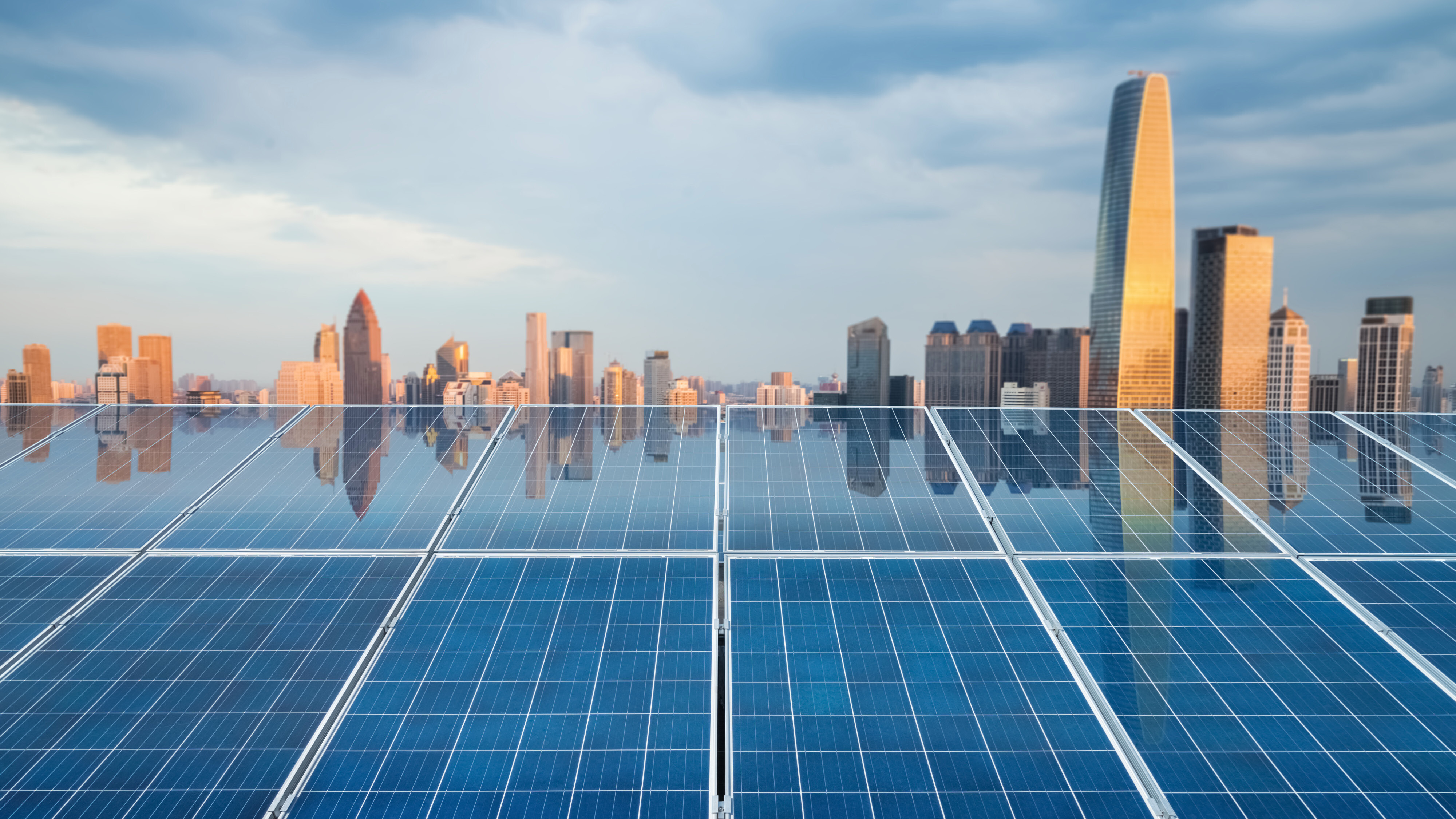
The global economy faces challenges such as inflation, supply chain disruptions, and rising inequality, impacting the pace of climate action. The World Economic Forum's survey indicates that 37% of businesses view high energy costs as barriers to sustainable models, while many are concerned about consumer affordability, highlighting the need for economic feasibility in climate efforts. The report, created with McKinsey & Company, outlines a framework for incorporating socioeconomic factors into corporate transition plans and identifies six national transition archetypes. It emphasizes the importance of equity and resilience in green strategies to promote shared prosperity.
Indonesia, Kuwait, Qatar, Saudi Arabia, Sweden, Switzerland | Financial services, Health
Making the Green Transition Work for People and the Economy
The report emphasizes the challenges facing climate action amid global economic shifts, such as inflation and inequality. A World Economic Forum survey revealed that 37% of businesses view rising energy costs as obstacles to green models, with over half concerned about consumer affordability. The publication, in collaboration with McKinsey & Company, proposes a framework for aligning climate initiatives with socioeconomic benefits and outlines six national transition pathways. It highlights case studies from companies like SSE, Maersk, and Vale, illustrating how to incorporate equity and resilience into transition strategies to promote shared prosperity.
India, Indonesia, Saudi Arabia, Switzerland | Health, Financial services
Making the Green Transition Work for People and the Economy
Cardiovascular disease (CVD) remains the leading global cause of death, exacerbated by biological complexity, which limits progress in treatment. A shift towards precision medicine is proposed, focusing on understanding CVD as a multifaceted condition involving intricate biological interactions. Key innovations include utilizing "omics" approaches to uncover disease subtypes, identifying new therapeutic targets, and developing RNA-based therapies. Advances in computational modeling and artificial intelligence can enhance drug development and patient-specific treatment strategies. Effective implementation requires global collaboration and shared data systems to improve health disparities and outcomes related to CVD.
Financial services, Education, Health
Can precision medicine finally turn the tide on cardiovascular disease?
Expanding financing, access to machinery, and tailored training can support older farmers in Asia and the Pacific, aiding their productivity as the workforce ages. Many older workers lack safety nets and work past retirement age, especially in agriculture, which employs a significant portion of older individuals. Mechanization can reduce physical demands, but financial and technological barriers hinder adoption. Supportive measures like cash transfers, local tool hubs, and age-appropriate training programs can help older farmers overcome these challenges, ensuring they remain productive and well-integrated into the agricultural workforce.
Mechanization and Financing Can Extend Older Farmers’ Working Lives
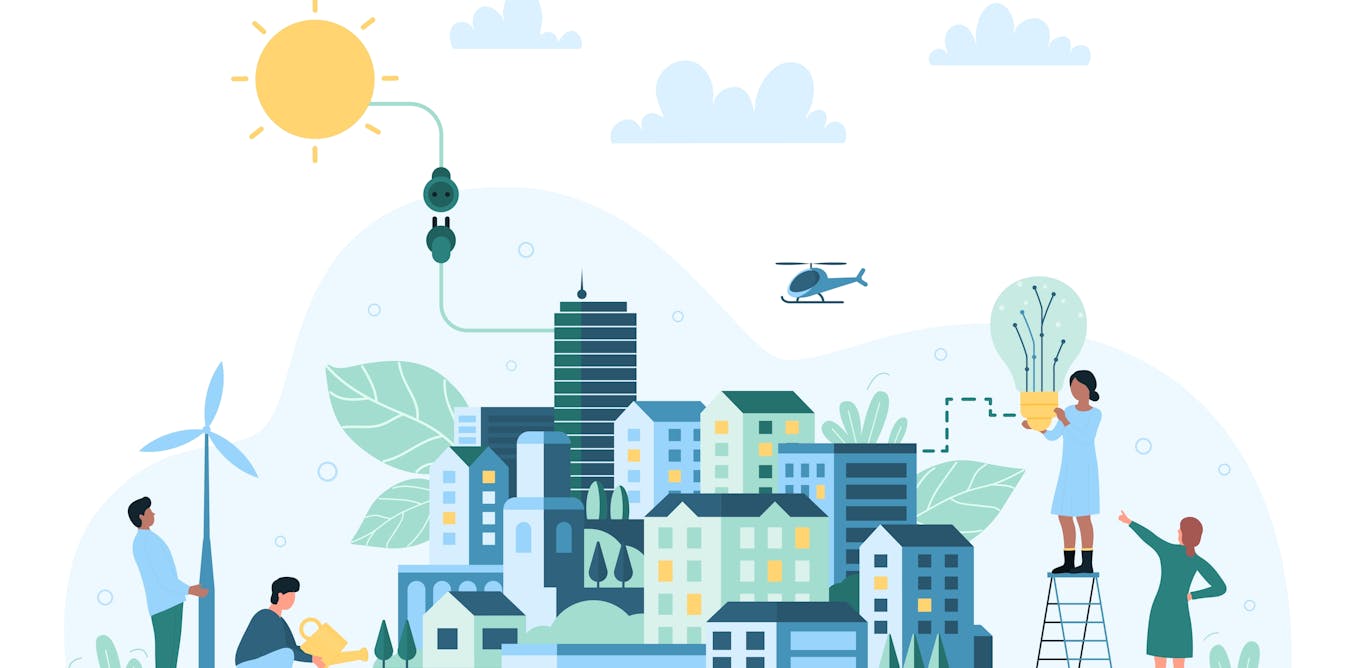
World leaders at COP30 in Belém, Brazil, face the challenge of insufficient progress on carbon emissions under the Paris Agreement. However, advancements in renewable energy present significant economic opportunities. Renewables facilitate access to affordable energy, especially in underserved regions, while also driving investment and job growth. Every dollar in renewables produces 1.5 times the economic activity compared to fossil fuels. Clean energy investments have notably boosted GDP in developing nations, with projections of 43 million clean energy jobs by 2050. Additionally, renewable energy's cost-effectiveness enhances productivity, promising further economic benefits.
India, Indonesia | Financial services, Health, Education
Renewable energy is reshaping the global economy – new report
Offensive cyberspace operations have rapidly expanded over the past decade, now involving numerous states and non-state actors, which has normalized these capabilities globally. This diffusion complicates deterrence, blurring the lines between peace and conflict and increasing the risks of miscalculation. Managing this spread is crucial for maintaining strategic stability amid rising geopolitical competition. Enhancing stability requires improved transparency, robust legal and normative frameworks, and collaborative efforts. The analysis includes the diffusion of offensive operations, escalation dynamics, policy gaps, and suggestions for global cooperation to mitigate risks.
A Global Policy Perspective on Offensive Cyberspace Operations

Innovation and collaboration are essential for restoring planetary balance, especially during COP30 in Belém. The World Economic Forum's report on "10 Emerging Technology Solutions for Planetary Health" showcases breakthroughs in addressing environmental challenges. Key advancements include methane capture and low-carbon concrete, emphasizing the need for coordinated policy and financing efforts. Additionally, geothermal energy presents a significant opportunity for sustainable development, as firms like Baseload Capital aim to scale this underutilized resource through collaborative investment strategies. Rising greenhouse gas levels underscore the urgency for immediate collective climate action.
Financial services, Health, Education
Planet in focus: The technologies helping restore balance – and other news to watch in frontier tech
China has committed to an absolute reduction in greenhouse gases for the first time, encompassing all gases, not just carbon dioxide. The pledge may signal a structural shift in its climate strategy, contributing to global mitigation efforts. Key developments include policies that have plateaued transport fuel demand since 2024 and heightened focus on non-CO2 emissions, such as methane and nitrous oxide. These gases account for 20-25% of China's emissions, and effective measures could cut 380 million tons of CO2-equivalent annually by 2030. This comprehensive approach sets a foundation for future climate ambitions.
China’s climate pledge breaks new ground

The UK faces a pressing need to adopt a "new economics" that prioritizes wellbeing, justice, and ecological resilience over traditional GDP growth. Current economic systems contribute to the global "polycrisis" of climate change, inequality, and resource insecurity. Research identifies ten principles for this new approach, including recognizing ecological limits, fostering equity, and promoting community engagement. Success stories like the Welsh Wellbeing of Future Generations Act and Amsterdam's “doughnut economics” illustrate how alternative economic models can shift focus from short-term growth to sustainable, long-term wellbeing strategies.
Indonesia | Health, Education, Financial services
Why the UK should look beyond growth to a ‘new economics’ that works for all

Over a third of Latin Americans face unmet healthcare needs, worsened by climate change. The region's healthcare systems contribute significantly to global CO₂ emissions while struggling with non-communicable diseases. Initiatives like the Living Lab partnership have improved access to essential services, particularly in remote areas, by employing telehealth and training local healthcare workers. Collaborative efforts in diagnostics, involving investments in advanced imaging technologies, have enhanced healthcare quality and sustainability. The need for climate-resilient health systems is urgent, with calls for greater innovation and partnerships driving progress in both health and environmental outcomes.
Africa, Latin America | Financial services, Education, Health
Future-proofing health in Latin America through climate-smart, equitable care