
The International Energy Agency (IEA) forecasts increasing fossil fuel demand alongside growing renewables in its Current Policies Scenario (CPS), drawing criticism from climate experts who argue it misrepresents energy market trends. Critics contend that the CPS is politically motivated and fails to reflect climate priorities. They emphasize the need for investment aligned with real market trends and advocate for global cooperation in renewable energy deployment. The report highlights China's dominance in renewables, while Southeast Asia is projected to drive coal and fossil fuel demand, raising concerns about energy market volatility and economic competitiveness.
India
More fossil fuels by 2050? Experts caution investors on IEA’s 'misrepresentative' energy outlook scenario

Moldova's population has declined by 13.6% over the past decade, leading to a diaspora exceeding a million. The Russian invasion of Ukraine has shifted Moldova from a primarily emigration-focused country to one experiencing both emigration and an influx of Ukrainian refugees. Despite absorbing over 800,000 refugees, most Ukrainians eventually moved on to EU states for better opportunities. Concurrently, Ukrainian entrepreneurs have affected Moldova’s housing market, particularly in Chișinău, where property prices have surged, highlighting a divide between a prosperous urban area and struggling rural regions.
Moldova
Exodus – how the Ukraine war rewired Moldova’s mobility

The UK faces a housing crisis with a shortage of 2.5 million homes. The government aims to build 1.5 million homes by 2029. While new homes provide security, successful housing estates require adequate public transport, schools, and community infrastructure. Research on Milton Keynes' Glebe Farm and Whitehouse estates reveals significant challenges, including poor transport links and delayed community services, impacting low-income residents the hardest. Essential improvements include establishing public transport early, ensuring necessary amenities, and investing in community development to foster inclusive neighborhoods and avoid exacerbating social issues.
How to make new housing estates work for the people who live there

Critical minerals, particularly antimony, are gaining strategic importance due to recent supply constraints. The fragility of supply chains has highlighted the need for nations, especially the US and Europe, to collaborate on industrial policies to secure access to these vital resources. China, Russia, and Tajikistan dominate antimony production, causing the US and Europe to reconsider their dependency. Recent measures, such as US investments in domestic antimony production and new European policies, aim to mitigate risks and foster innovation. Long-term offtake agreements are emerging as a strategy to enhance market stability and ensure reliable supply.
From rare earths to antimony: A strategic approach to critical mineral supply

Taxpayers could face significant financial burdens if the AI sector collapses, similar to the bank bailouts following the 2008 financial crisis. The combined worth of major AI companies exceeds £2 trillion, and their extensive integration into essential services like healthcare and education raises concerns about the potential risks of failure. Despite many generative AI projects failing, public investment in AI continues, driven by hopes for advancements such as artificial general intelligence (AGI). However, doubts remain about AI's future capabilities, and with no protective measures for taxpayers, the consequences of a bubble burst could be severe.
Financial services
If the AI bubble does burst, taxpayers could end up with the bill

A recent survey reveals a significant confidence gap regarding retirement readiness between US employees and employers. While 64% of savers feel they are on track, only 38% of employers share this belief. As lifespans increase, 79% of retirees believe employers should assist with income during retirement rather than just preparing for it. Concerns about income stability are growing, with 64% of retirees fearing their savings won't last. Innovative retirement solutions, including guaranteed income options, are seen as vital for enhancing financial security for future generations. Empowering savers through financial education and resources is essential for improving retirement outcomes.
Financial services
Employers and employees disagree on retirement readiness. What does it mean for our financial futures?

Collaboration is essential for effective leadership and systemic change, particularly in addressing global challenges like climate change. Successful partnerships rely on trust, shared governance, inclusivity, and long-term commitment, as demonstrated by the 2026 GAEA Awards winners. These initiatives showcase how structured collaboration can lead to significant environmental impact by bridging evidence and action, unlocking finance, and redistributing power. Key elements include building trust, aligning on a shared vision, ensuring robust governance, securing scalable financing, and fostering inclusivity. Mastering collaboration is vital for transforming ambition into measurable results in the face of urgent climate issues.
Education, Health
Collaboration isn't broken, it's just hard – here's what it takes to succeed
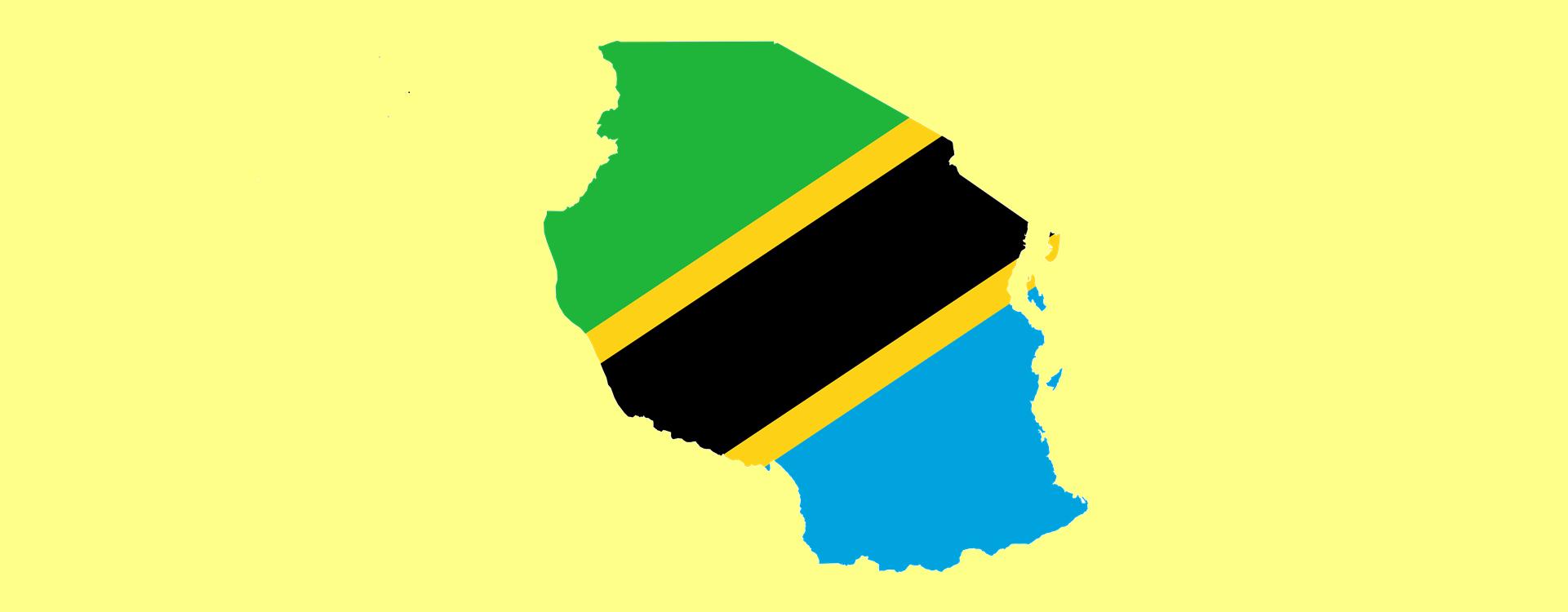
Tanzania faces significant challenges as political repression and unrest following the disputed October election jeopardize long-term development for short-term stability. The government's heavy-handed response to protests has exacerbated a legitimacy crisis, undermining social stability and investor confidence. Despite experiencing impressive economic growth, with GDP tripling from 2004 to 2023, 71% of the population remains in poverty, highlighting a governance gap that fails to convert growth into inclusive opportunities. The extensive informal sector exacerbates these issues, limiting productivity and fiscal capacity. Key reforms in governance are crucial for transforming growth into equitable economic advancement and reducing unrest.
Algeria, Angola, Benin, Botswana, Burkina Faso, Cambodia, Cameroon, Chad, Democratic Republic of the Congo, Egypt, Eswatini, Ethiopia, Gabon, Georgia, Ghana, Guatemala, Guinea, Indonesia, Kenya, Lesotho, Madagascar, Malawi, Mali, Malta, Mauritania, Mauritius, Morocco, Mozambique, Namibia, Oman, Rwanda, Senegal, South Africa, Tajikistan, Tanzania, Trinidad and Tobago, Tunisia, Uganda, Zambia, Zimbabwe
The cost of coercive stability for Tanzania
Urbanization and the climate crisis are increasing the threat of sinking cities due to land subsidence, which affects an estimated two billion people globally. This subsidence arises from excessive groundwater extraction, rapid development, and poor planning, exacerbating flood risks and infrastructure issues. "Resilient Economies: Strategies for Sinking Cities and Flood Risks," by the World Economic Forum and Deloitte, examines responses from cities like Tokyo and Jakarta. The report advocates for integrated policies, nature-based infrastructure, and proactive resilience strategies, emphasizing the importance of valuing land and water, strengthening governance, and empowering communities to secure urban prosperity and livability amid climate challenges.
Africa | Health, Financial services
Resilient Economies: Strategies for Sinking Cities and Flood Risks
Asia's emissions reduction strategies must balance production and consumption by tracking emissions throughout entire supply chains. Consumption-based emissions, attributed to final consumers, reveal that a significant portion of emissions is generated during production in Asia, predominantly by China. Import-dependent nations like the Philippines and Sri Lanka often have higher consumption-based emissions than production-based. To mitigate emissions, both manufacturing and importing economies need to implement low-carbon technologies, improve energy efficiency, and enhance consumer accountability through pricing and transparency. Policy measures like carbon tariffs and the European model of regulating supply chains could aid in cutting emissions significantly.
Cambodia, Cameroon, Denmark, India, Indonesia, Japan, Malaysia, Philippines, Republic of Korea, Sri Lanka, Thailand, Viet Nam | Financial services, Health
How Asia Can Balance Production and Consumption to Cut Global Emissions
Leading through polarized environments requires expanded empathy and perspective among leaders. Polarization affects not only politics but also workplaces and communities, prompting leaders to navigate the risks of voicing opinions versus remaining silent. Organizations must engage with societal debates thoughtfully, upholding authentic corporate purpose while avoiding political divisiveness. Emphasizing transcendent motivation shifts focus from self-interest to serving others, fostering trust and unity. Encouraging dissent and integrating diverse viewpoints enhances decision-making. Ultimately, leaders should balance analytical approaches with broader contexts to ensure meaningful productivity that reflects deeper organizational values.
Leading through a polarized world
Diversity is essential for stability in both natural ecosystems and societal structures. When one belief system, such as market logic, dominates, it risks creating imbalance and crises, as seen in historical events like the 2008 financial crash. Society is best served by a mix of institutions—including the state, community, family, and religion—that provide varied perspectives. The marginalization of these other viewpoints often leads to dormant groups, which can eventually prompt activism as a corrective measure. The health of society relies on the coexistence of diverse institutions to foster resilience and balance.
Financial services, Education
We need diversity in our social ecosystem too
AI is positioned as a transformative tool for understanding and safeguarding the natural world, with applications in environmental monitoring, biodiversity mapping, and land-use planning. The paper highlights the social, ethical, and governance challenges associated with AI technologies and advocates for a collaborative approach across science, technology, and policy to maximize benefits for nature and humanity.
AI for Nature: How AI Can Democratize and Scale Action on Nature
The UNECE Policy Briefs series examines the opportunities and challenges that AI presents to public-private partnerships (PPPs) and infrastructure throughout project lifecycles. It highlights how AI can lower transaction costs and expedite the PPP process, leading to greater efficiency in supporting sustainable development goals (SDGs). However, it also stresses the need to assess the risks involved in AI implementation. The series is developed by experts and includes webinars and podcasts engaging various stakeholders from government, academia, and the private sector.
Policy Briefs series on AI & PPPs
Public sector organizations are significantly increasing their AI investments, with UK government contracts for AI reaching £573 million by August 2025 and US federal agencies committing $5.6 billion from 2022 to 2024. The focus is shifting towards purchasing off-the-shelf AI solutions for efficiency rather than custom builds. Additionally, centralized procurement models are gaining popularity, leading to concentrated decision-making power. Moreover, many agencies are utilizing AI through informal means like free pilots and academic partnerships, resulting in less accountability. These trends contribute to an expanding gap between AI procurement and actual adoption.
The surprising shifts in how the public sector is buying AI, and what policymakers can do about it

Five lifestyle changes can help reduce biological age and promote longevity. Regular physical activity is crucial, with studies showing that consistent exercise can lower biological age by two years. Healthy eating, particularly diets rich in fruits, vegetables, and whole grains, can also diminish biological age by an average of 2.4 years. Quality sleep is essential for cellular repair and reduces the risk of age-related diseases. Avoiding unhealthy habits like smoking and excessive alcohol consumption accelerates ageing, while managing stress is also vital for overall health. Making these changes can empower individuals to enhance their longevity.
Five lifestyle changes that might help you live longer and slow down ageing
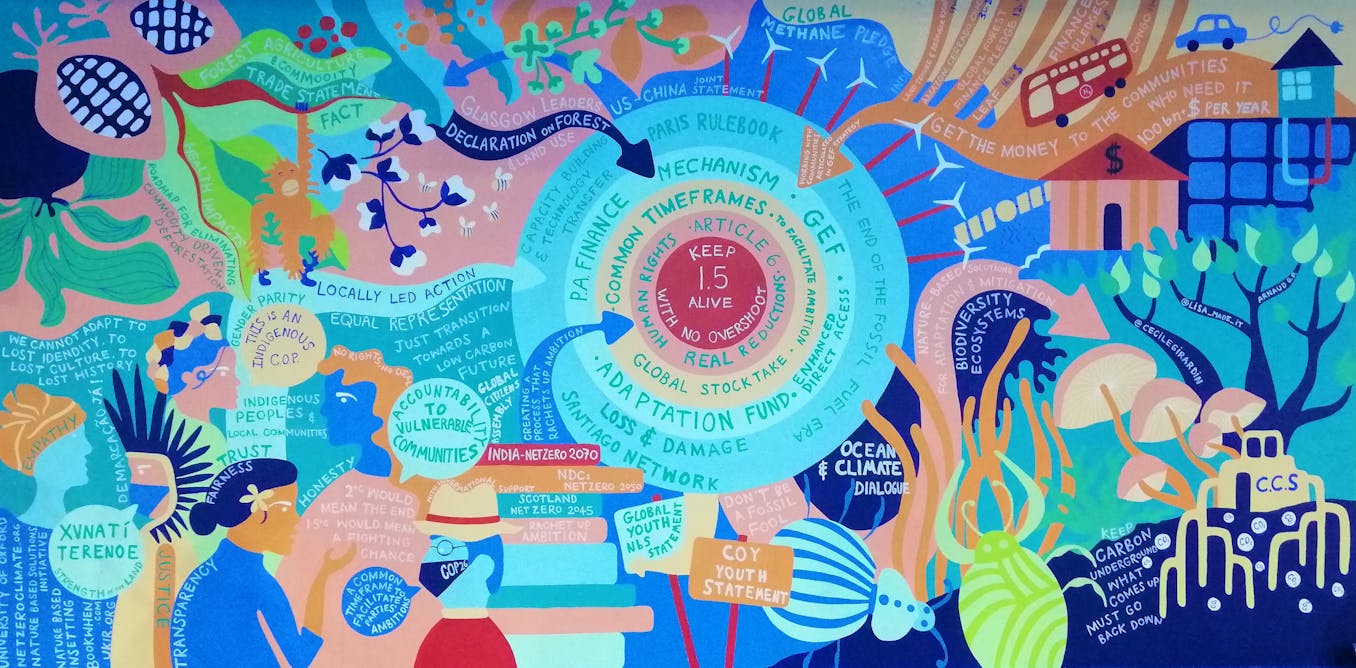
The Middle East is significantly underfunded in global climate finance, despite being highly vulnerable to climate change and extreme weather events. Humanitarian crises in countries like Yemen, Syria, and Palestine have diverted funds away from climate action. Between 2018 and 2023, 79% of climate finance mainly supported East Asia, Western Europe, and North America, leaving the Middle East lacking support. Although new financial instruments like green bonds and climate debt swaps could help address this gap, the region’s disparities in climate funding remain pronounced, with most resources flowing to politically stable countries.
Africa, Latin America | Financial services, Health
Why the Middle East is being left behind by global climate finance plans

Trump's 15% tariffs on EU imports threaten global innovation, particularly impacting the UK technology sector. As advanced technologies depend on complex supply chains, these tariffs could disrupt key areas like artificial intelligence and semiconductor design. UK firms, including ARM Holdings which licenses vital chip architecture, illustrate the country’s significant role in the global tech ecosystem. Tariffs may increase costs, complicate international collaboration, and hinder investment in research and innovation. The UK's unique post-Brexit position further amplifies these risks, potentially diminishing its role as a crucial link in transatlantic tech partnerships.
United Kingdom | Financial services
Trump’s tariffs threaten the future of innovation – and UK tech could be collateral damage

Nearly half of the world's daily spending occurs in three main time zones, with significant peaks in economic activity when major markets overlap. By 2040, Asia, particularly under China Standard Time, will dominate global consumption, joining a predicted 1 billion new consumers. Current analysis shows that the top three time zones account for $31 trillion annually. Understanding peak financial activity, especially during simultaneous online hours, is crucial for businesses in the digital economy. Aligning strategies with these time-zone rhythms enhances engagement and optimizes global audience reach.
Financial services
Why businesses should align with global time zones and spending rhythms

Global supply chains rely on the health of workers, yet challenges like healthcare access, climate change, and fragmented governance jeopardize this stability. Investing in labor health and climate adaptation throughout the value chain can enhance both business and public health outcomes. Insights from nearly 60 leader interviews reveal that existing strategies for worker health are insufficient. A transformation in corporate strategy is needed to integrate health with environmental and financial metrics. Progressing from pilot programs to large-scale investments requires collaboration among companies, industries, governments, and civil society.
Health
Workforce Health Across the Value Chain: Organizational Insights to Mitigate Risk and Create Sustainable Growth