
Climate change is often represented by dramatic images like melting glaciers and sinking islands, which fail to address the political and colonial factors driving these transformations. The concept of “climate memes” highlights how such visuals can obscure the human actions—particularly resource extraction and industrialization—that contribute to environmental decline. Artistic interventions by figures like Cecilia Vicuña and collaborations like "Rise: From One Island to Another" emphasize Indigenous narratives and resistance against exploitation. A greater focus on localized experiences can provide a deeper understanding of the interconnectedness of social and environmental violence.
Antarctica
Apocalyptic images of melting glaciers and sinking islands won’t help anyone imagine a better future

Toppling Nicolás Maduro’s dictatorship in Venezuela poses significant challenges in establishing a functional democracy. Historical precedents indicate that overthrowing a regime is often easier than building an effective state. Rómulo Betancourt's previous efforts to democratize Venezuela faced hurdles after a coup, illustrating the fragility of democratic institutions. Current opposition leader María Corina Machado’s push for regime change, supported by U.S. military readiness, confronts a powerful military loyal to Maduro, which may resist change due to fear of legal repercussions and loss of power. Additionally, Machado’s proposed reforms for economic recovery highlight the complexities of replacing Maduro's regime effectively.
Venezuela
What Democracy in Venezuela Would Require

Industrial demand flexibility presents a significant opportunity to enhance the resilience and competitiveness of energy systems. By actively managing electricity consumption, industries can reduce grid storage needs and generate revenue through demand-side participation. Current constraints on infrastructure expansion highlight the inefficiencies of relying solely on supply growth; therefore, integrating industrial demand flexibility can alleviate pressure during peak times and improve renewable energy integration. Effective participation requires structured programs that align with industrial operational constraints, predictable financial incentives, and clear compensation structures, transforming energy use into a strategic asset rather than a cost.
Financial services, Education
Industrial demand management: A hidden lever for a resilient and competitive energy system

Cultural heritage and local knowledge are essential in enhancing climate resilience for communities and national strategies. Integrating culture into urban planning promotes social cohesion, ecological restoration, and adaptable cities, yet remains underutilized in climate policy. Successful examples include community-led projects and Indigenous knowledge systems, crucial for sustainable ecosystems. Although the heritage tourism market is rapidly growing, cultural considerations in national adaptation plans are limited. Strategies for climate resilience emphasize leveraging Indigenous practices, storytelling, collaboration across sectors, and including cultural heritage in governance, ultimately driving effective and inclusive climate action.
Africa | Financial services, Education, Health
How culture and heritage can be catalysts for climate resilience
Boards of directors should be intentionally structured to match a company's developmental stage, according to Thomas Keil and Marianna Zangrillo. As companies evolve, their strategic challenges shift, necessitating changes in board composition and leadership to avoid becoming liabilities. Traditional governance often imposes a one-size-fits-all approach, hindering adaptability. Effective boards must assess current needs, update their membership, and proactively plan for succession. Design adaptations are essential through the growth, maturity, and crisis phases, with boards needing to be agile during growth, structured in maturity, and decisive in times of crisis to ensure organizational resilience and strategic clarity.
The best company boards plan to evolve with the firm
A data winter is emerging, marked by the increasing inaccessibility of critical data necessary for science, governance, and innovation. This phenomenon, akin to previous AI winters, arises from various barriers including proprietary restrictions, regulatory constraints, and technological limitations. Eight interrelated forces contribute to this trend, such as government data cutbacks, generative AI data hoarding, and private-sector closures, which hinder evidence-based policymaking and equitable AI development. To combat this decline, five strategic interventions are proposed: treating data as essential infrastructure, enforcing openness commitments, investing in data stewardship, innovating governance, and creating sustainable data commons. The future depends on society's ability to foster an open data ecosystem.
Education, Health
The Emergence of a Data Winter: The Growing Enclosure of Data at a Time of Rapid AI Advances

Businesses increasingly view circularity as essential for sustainability, resilience, competitiveness, and growth, with 95% of nearly 500 surveyed executives acknowledging its importance within three years. Geopolitical factors regarding rare earth sourcing further emphasize the need for circular supply chains. The focus has shifted to implementation, yet operationalizing circular strategies presents challenges that require clear priorities, smart design, and strong partnerships. The white paper, developed by the World Economic Forum alongside Bain & Company and the University of Cambridge, provides a roadmap for prioritizing, designing, and enabling circular supply chains, offering actionable strategies for leaders to drive economic value and transformation.
Circular Transformation of Industries: The Art of Scaling Circular Supply Chains

A global study by the Royal Institution of Chartered Surveyors reveals a significant decline in the construction sector's commitment to sustainability, particularly in the Americas. Nearly half of the surveyed professionals do not measure embodied carbon, and only 16% use carbon data to inform material choices. High upfront costs, unclear returns, and lack of consumer demand hinder sustainability investments. While there's rising interest in protecting biodiversity and climate adaptation, many still overlook its importance. Despite challenges, 40% of respondents recognize increasing demand for sustainable buildings, though fewer than 10% report a significant rise.
Financial services
Building sector's appetite for sustainability wanes amid cost and geopolitical concerns

The publication examines micro, small, and medium-sized enterprises (MSMEs) across 26 countries in Asia and the Pacific, offering insights into their development and resilience. It emphasizes the importance of domestic strategies for supporting innovative, service-oriented businesses, small manufacturers, and tech start-ups to drive economic growth. The report evaluates financial and non-financial conditions, explores policy interventions, and assesses advancements since the previous edition.
Cambodia, Indonesia, Republic of Korea
Asia Small and Medium-Sized Enterprise Monitor 2025: Global Uncertainty, Trade, and Private Sector Businesses in Asia and the Pacific
Southeast Asia needs to shift to cleaner energy systems due to growing electricity demand and heavy reliance on coal, gas, and oil. This dependence on fossil fuels increases vulnerability to price fluctuations and supply disruptions. Key solutions include improving access to finance, investing in renewable energy, and enhancing regional cooperation. However, high financing costs for projects hinder progress, with rates in Southeast Asia being significantly higher than in developed economies. To succeed, coordinated government policies, institutional support, and regional connections are crucial for transitioning to affordable and sustainable energy.
Cambodia, India, Indonesia, Republic of Korea, Viet Nam | Financial services
Financing Southeast Asia’s Shift to Cleaner Energy
Integrating asset management into public investment enhances the value of infrastructure such as roads, bridges, and water systems, promoting economic resilience in East Asia. Effective management prevents deterioration and enhances public trust, ensuring infrastructure remains productive throughout its lifecycle. Countries like China and Mongolia are proactively embedding asset management practices into their systems, which optimizes operations and reduces costs. This strategic approach ends the cycle of neglect, linking fiscal discipline with developmental outcomes, ultimately fostering a sustainable future and strengthening community foundations for growth and opportunity.
Financial services
How Smarter Infrastructure Maintenance Can Secure East Asia’s Long-Term Growth
Brazil's instant payment system, Pix, offers a potential solution for improving climate finance delivery to local communities adversely affected by climate change. While climate finance largely favors mitigation projects, Pix could facilitate efficient adaptation funding directly to those in need, as demonstrated during recent floods. Its capabilities include supporting savings for resilience, enabling seamless insurance payments, and integrating with social programs. By streamlining resource allocation, Pix can enhance local climate adaptation efforts and provide a model for effective climate financing.
Financial services
Pix and the Path to Climate Resilience in Brazil
Stronger national data and regional cooperation are critical for addressing the needs of 16 million displaced people in Asia and the Pacific. The publication examines how improved data systems can lead to effective programs and sustainable solutions for forced displacement. It identifies the gaps in existing data, emphasizes the need for enhanced data collection and integration, and calls on governments to collaborate regionally to achieve resilient outcomes for displaced populations and host communities.
Toward Durable Solutions: Mapping and Analysis of Displacement Data in Asia and the Pacific
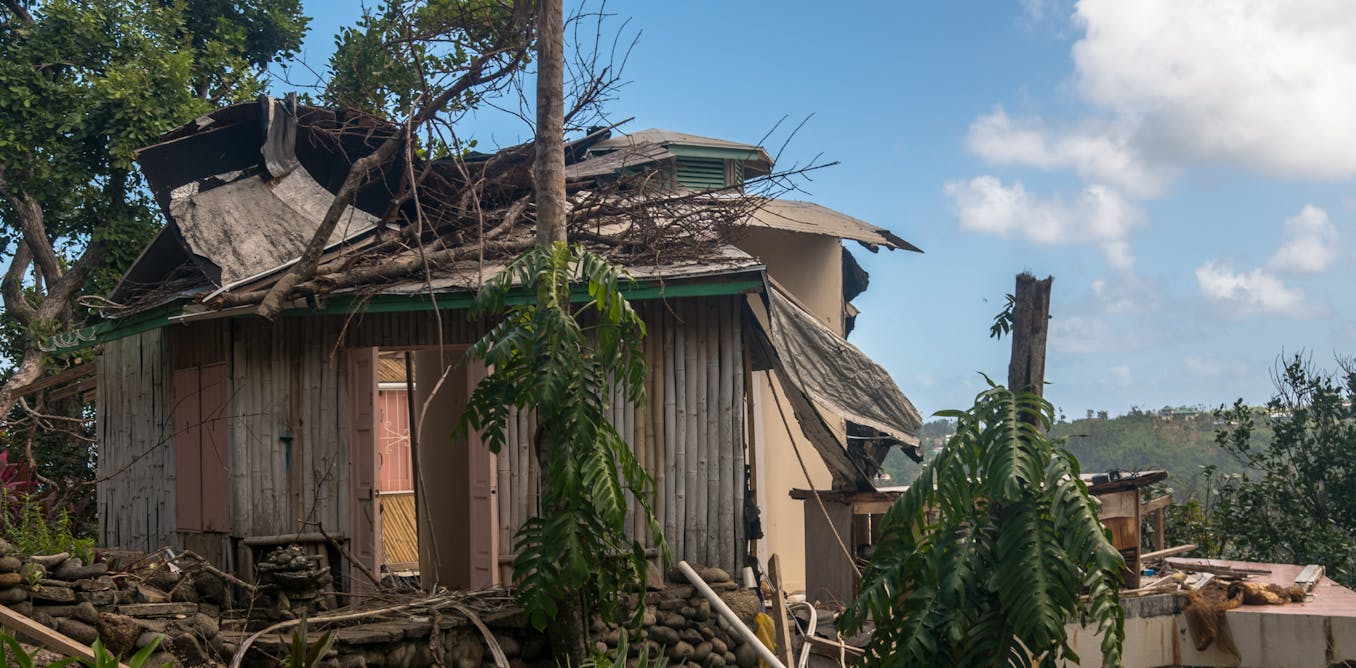
Jamaica successfully reduced its debt from 150% of GDP in 2013 to 62% by 2024 through strict fiscal discipline. However, Hurricane Melissa caused an estimated $7 billion in damages, leaving a recovery shortfall exceeding $6 billion. This scenario reflects a broader pattern among small island developing states, which face escalating costs from climate-related disasters, leading to increased reliance on expensive debt. A Global ODI study reveals these nations suffered around $141 billion in economic loss from extreme weather events since 2000, largely exacerbated by climate change. Urgent action and financial support from developed nations are essential to address these challenges and prevent deepening debt crises.
Barbados, Jamaica | Financial services, Health
Climate disasters will send many countries into a debt spiral – but there’s a way out
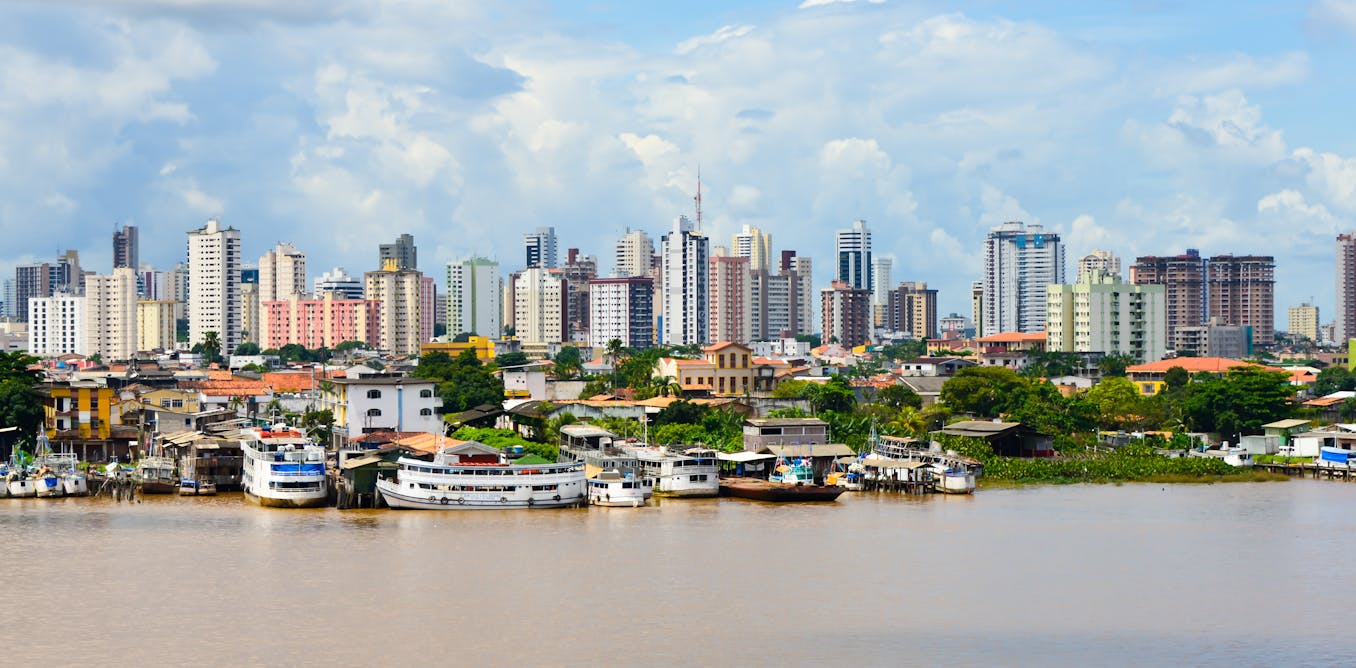
The UN climate talks have expanded into massive assemblies, now attracting over 50,000 participants, which undermines their effectiveness. Growing costs and accommodation issues highlight accessibility challenges, particularly for negotiators from poorer nations. Wealthier countries benefit from increased prestige and influence by hosting these events, often dictating the agenda away from critical topics like fossil fuel reduction. Additionally, the disparity in representation is stark, with fewer voices from Indigenous peoples and smaller nations amidst an influx of corporate lobbyists. This evolving landscape risks prioritizing the interests of those with financial resources over inclusive climate action.
The UN climate talks have become too big for their own good
The tourism sector, a major economic driver projected to contribute $16 trillion to GDP and create over 100 million jobs by 2034, is at a critical juncture faced with challenges like overtourism and environmental impact. A new World Economic Forum report advocates for an "ecosystem approach" to facilitate inclusive prosperity, highlighting case studies from countries like Portugal and New Zealand. It emphasizes the transition towards experiential travel, with consumers demanding meaningful experiences. Systemic issues affecting local communities and the need for new metrics that prioritize value over volume are identified as crucial for sustainable tourism development.
Health, Education
Is tourism a right or a privilege? Reimagining an industry for inclusive prosperity
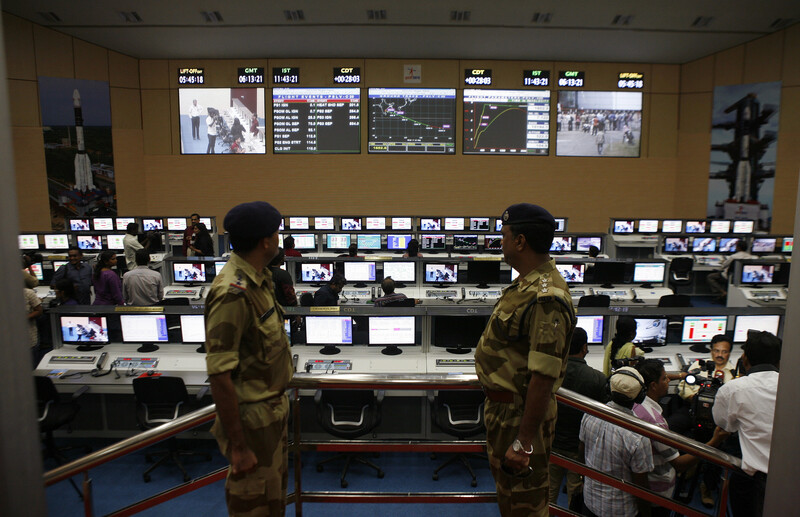
India is positioned to emerge as a leader in deep tech and the global space race, driven by its national space agency's advancements and a growing private sector. However, founders face challenges such as long development timelines, regulatory complexities, and limited specialized talent. Key factors for success include grit, resilience, and addressing structural gaps in demand and policy. Fragmented governmental demand for space data and uneven policy execution hinder progress. To capitalize on chances, India must foster public-private partnerships and improve talent development while navigating global supply challenges.
India
What will it take for India to lead on deep tech and the global space race?
Recent international agreements have sparked optimism in biodiversity governance amidst the bleak outlook for climate diplomacy leading to COP30. The Kunming-Montreal Global Biodiversity Framework, adopted in 2022, sets ambitious targets, including a goal to protect 30% of global land and sea by 2030. CBD COP16 established mechanisms for Indigenous participation and fair benefit-sharing from biotechnology. Notable progress includes the 2023 marine biodiversity treaty and movements against deep-sea mining, raising hopes for effective biodiversity management. The real challenge lies in the implementation of these initiatives by the upcoming CBD meetings.
Financial services, Health
Global biodiversity governance offers a ray of hope for environmental diplomacy
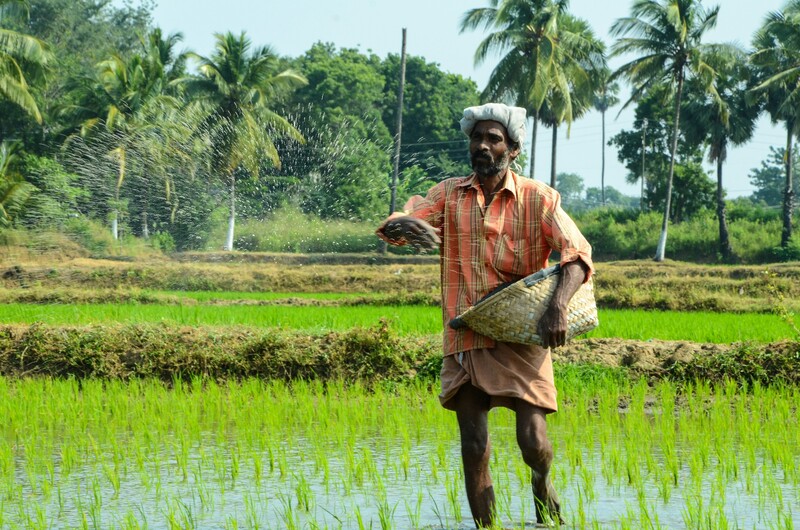
Environmental credits are emerging as a vital tool to support regenerative farming by providing financial incentives for farmers to adopt sustainable practices. Regenerative agriculture reduces environmental impact, enhances resilience, and can increase productivity by 10-30%. However, farmers face barriers such as limited access to capital and early financial strains. The integration of environmental credits, along with tailored financing and support networks, can improve the viability of these practices. Projects like Hummingbird aim to bundle environmental benefits into tradable assets, fostering collaboration and securing investments for regenerative transitions in agriculture.
Financial services
Unlocking nature markets: How environmental credits can power regenerative farming

Growing public debt in Europe is a persistent structural issue driven by an ageing population, low economic growth, and government spending inefficiencies. The COVID-19 pandemic exacerbated these problems, with projections estimating government debt could reach 130% of GDP by 2040. Increased geopolitical pressures—necessitating higher defence and energy spending—coupled with rising global interest rates, create a vicious circle limiting EU fiscal space while deepening geopolitical dependence. Additionally, high debt strains EU cohesion and confidence in central institutions, posing risks of external political exploitation. Sustainable finances are essential for the EU's geopolitical resilience.
Poland | Financial services, Health
Europe’s fiscal–geopolitical vicious circle