
Since 2022, Russia has intensified military-patriotic education for children and youth through compulsory measures and voluntary programs, all strictly controlled by the Kremlin. This initiative aims to instill loyalty to the regime, recruit for the military, and preemptively identify potential critics. The education portrays a narrative of ongoing external threats, glorifies the military, and promotes traditional values, urging individuals to prioritize community needs over personal interests. The programs also serve to find and nurture loyal future leaders while integrating military training and positive perceptions of armed forces into the youth experience, contributing to a militarized culture in Russia.
Education
Military-Patriotic Education in Russia

The Handbook edited by Michael Howlett and Ishani Mukherjee examines the evolution and organization of policy advice in contemporary government. It critically evaluates conventional views on policy advisors' roles amidst challenges posed by new technologies, political polarization, and public distrust. Featuring 50 chapters by international experts, the Handbook explores the impact of social media and AI on policy advice, evidence-based decision-making, and emerging pluralistic knowledge sources. It serves as a valuable resource for students, scholars, and practitioners in public policy, administration, and governance.
Handbook of Policy Advice
Ten years after the Paris Agreement, companies show a stark divide in climate action. Leaders integrate sustainability into financial and operational systems, treating climate data as essential for decision-making, while laggards remain in cycles of reporting. The UN's Emissions Gap Report 2025 indicates modest progress towards limiting temperature rise, with the last year being the hottest on record. Successful companies connect carbon impacts to capital, build resilient value chains, and utilize trusted technology for transparency. The upcoming decade emphasizes execution over new commitments, necessitating systems that integrate climate, nature, and financial data effectively.
Africa | Financial services, Health
10 years on: Why some companies have managed to deliver on climate
Perceived fairness is essential for the effective functioning of global supply chains, enabling trust and collaboration among diverse participants. However, fairness is often perceived differently across the chain, leading to tensions and potential system failures. This is highlighted by examples like the UK's egg shortage, where disparities in perceptions of fairness arose between retailers and producers. Loose Coupling Theory explains these inconsistencies, as loosely interconnected networks allow for varied interpretations of fairness. To address fairness perception gaps, firms should establish shared standards, enhance transparency, and invest in education, ensuring fairness is measurable and communicated across all levels of the supply chain.
Indonesia, United Arab Emirates | Health, Education, ICT
Why perceived fairness is so important to global supply chains
The implementation of climate action and financing is central at COP30 in Belém, as private sector contributions are explored to bridge the substantial financing gap for climate resilience. The UN's Adaptation Gap Report highlights a significant shortfall, with $26 billion available in 2023 versus the estimated $310-$365 billion needed annually by 2035. While private adaptation finance currently accounts for about 3% of total needs, it has the potential to increase to 15%, particularly in upper middle-income countries. Achieving this will require public finance, policy action, and encouraging private sector involvement in climate adaptation initiatives.
Financial services
How much can business contribute to financing climate resilience?
Greece is transitioning from lignite coal to a sustainable energy model, focusing on economic viability and climate goals while ensuring social equity for workers. The country aims to phase out lignite generation by 2028, accelerating to 2026 with the largest utility, PPC, leading the initiative. The region of Kozani, historically reliant on coal, is being repurposed into a renewable energy hub, featuring over 2GW of solar parks and advanced infrastructure. Investments will create thousands of jobs, support retraining for displaced workers, and foster community participation through innovative funding. This strategy demonstrates a comprehensive approach to just energy transitions.
Greece
How Greece is transforming its power system with innovation and new technologies

Over 80% of companies globally have experienced operational disruptions due to extreme weather in the past five years, according to an MSCI survey. Climate-related risks are severely impacting the economy, with two-thirds of respondents noticing effects on revenue and infrastructure. Most firms are conducting risk assessments and have implemented management frameworks for physical threats. Additionally, over 60% link executive pay to risk management, while investments in resilience have yielded positive outcomes. The COP30 summit in Brazil focuses on climate finance for developing nations, amid rising risks in regions like Southeast Asia.
Financial services
Extreme weather hits four in five companies worldwide, MSCI survey shows as COP30 opens in Brazil
COP30, set for November 10-21 in Belém, Brazil, aims to transition from climate pledges to actionable solutions amid rising global temperatures. Climate leaders emphasize the need for collaboration between policymakers and businesses, advocating for alignment of incentives with net-zero goals, and ensuring equitable distribution of benefits. Key priorities include ambitious national climate plans, avoiding fossil fuel subsidies, and enhanced inclusion of indigenous communities in decision-making processes. Indigenous leaders will advocate for protection of their territories and incorporation of their knowledge in climate policies, pushing for full partnership in negotiations.
What does a successful COP30 look like? 5 climate leaders share their calls to action
Adaptation finance is crucial for addressing the impacts of climate change, and it must be prioritized at COP30 in Brazil. Countries are expected to establish indicators to track progress towards the Global Goal for Adaptation (GGA), but funding remains a significant challenge. Developed nations have failed to meet prior climate finance commitments, and there are calls to triple adaptation funding for least developed countries. The private sector's role is limited, as significant public finance is essential to cover the estimated $300 billion annual gap in adaptation needs, particularly in vulnerable regions.
Financial services
Adaptation is moving up the climate agenda. COP30 must get serious about financing it
Recurring food-price spikes since 2007 indicate that hunger results from market design failures and underinvestment, rather than scarcity. As Brazil prepares for COP30, aligning climate commitments with food systems could enhance political space for managing markets and promoting the right to food. Previous G20 efforts mostly prioritized market efficiency, stalling meaningful reforms. Recent Global South G20 presidencies (India, Brazil, and South Africa) shifted the debate towards development and food security, striving for collective action and regional cooperation. Ultimately, addressing hunger requires public coordination and a focus on development, not merely reactive measures.
Ghana, South Africa | Financial services, Health
Hungry for Development: The leadership of the Global South from G20 to COP30
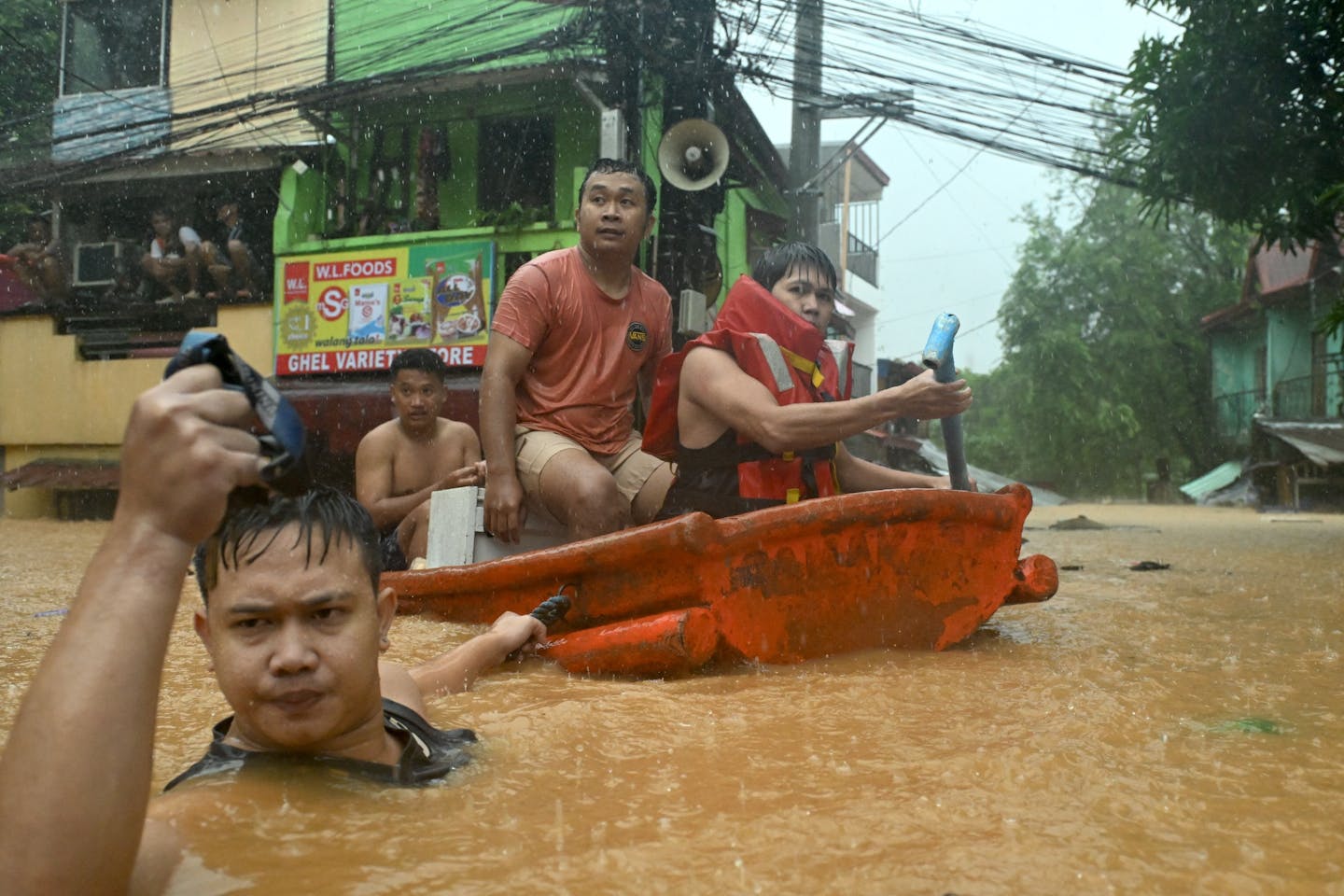
Asia is experiencing severe weather extremes termed "climate whiplash," characterized by rapid weather changes from drought to floods. In 2025, the region faced devastating events, including record flooding in Hoi An, Vietnam, claiming at least 35 lives and damaging thousands of homes. Super Typhoon Ragasa, a Category 5 storm, struck Hong Kong and Taiwan, causing significant destruction and fatalities. South Asia suffered from deadly cloudbursts, resulting in hundreds of deaths in India and Pakistan. Meanwhile, Jakarta now experiences rainfall contaminated with microplastics, raising health concerns amid escalating environmental issues.
‘Climate whiplash’: Asia’s worst extreme weather events of 2025
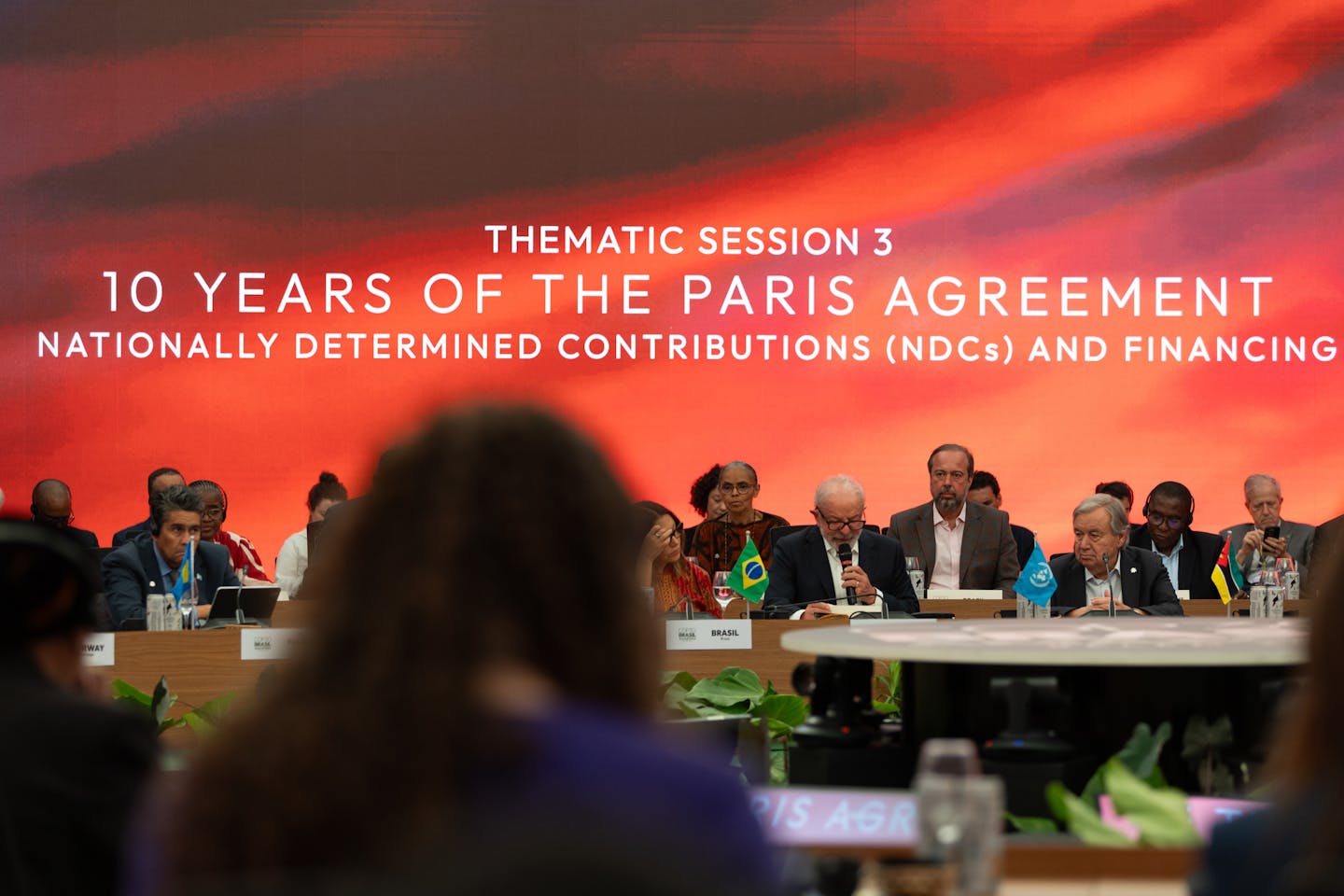
The UNEP's 16th annual emissions gap report indicates that current national climate plans are insufficient to meet international temperature targets, predicting a potential warming of 2.3-2.5°C this century. The report highlights a 2.3% increase in global greenhouse gas emissions, reaching a record 57.7 billion tonnes CO2 equivalent in 2024, driven predominantly by fossil fuel combustion and deforestation. It emphasizes the need for rapid emissions reductions to avoid exceeding the Paris Agreement's 1.5°C limit and notes that major emitters like China and the G20 countries contributed significantly to the increase.
India
UNEP: New country climate plans ‘barely move needle’ on expected warming

South Korea's government will provide nearly KRW 300 billion (US$220 million) in low-interest loans to 16 companies for carbon reduction initiatives, part of a commitment to achieving net-zero emissions by 2050. This funding targets energy-intensive industries and borrowers include S-Oil and SK Plug Hybus. Each project can receive up to KRW 50 billion at a 1.3% interest rate over ten years. Additionally, South Korea plans to set a 2035 emissions reduction target of 53-61% below 2018 levels, addressing concerns about the economic impact on its manufacturing sector while preparing support measures for affected industries.
Republic of Korea
South Korea pledges up to US$220 million in low-interest loans for carbon-cutting projects
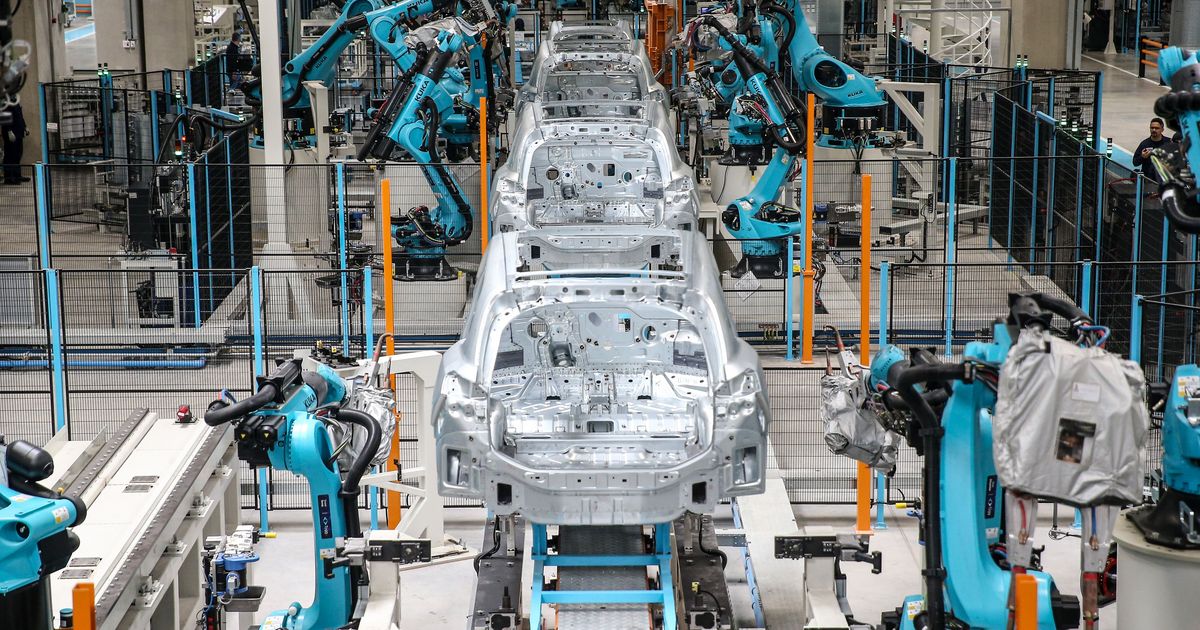
Turkey is a key market for German automobiles and a significant exporter of vehicles and components, enhancing Germany's automotive competitiveness. However, the Turkish automotive industry faces economic, technological, and geopolitical challenges, including trade barriers and international competition, which may threaten bilateral ties. To counter these issues, Turkey is shifting towards digitalization and electrification, attracting Chinese investments such as BYD and SWM Motors, alongside growing interest from the German-French group Forvia. With robust production growth and vital contributions to Turkey's economy—employing over 56,000 directly—the automotive sector remains essential for technological innovation and export performance.
Argentina, Armenia, Austria, Belarus, Belgium, Bermuda, Bulgaria, Canada, Cyprus, France, Germany, Guatemala, Hungary, Italy, Mexico, Russian Federation, Togo, Trinidad and Tobago, Tunisia, Türkiye, United Kingdom | Financial services, ICT
Geopolitics on Wheels: The Repositioning of the Turkish Automotive Industry

Circular economy is recognized as essential for sustainable development, addressing climate goals, and reducing resource pressure by redesigning wasteful linear models. Key actions for navigating circular economy standards include establishing clear metrics, understanding diverse frameworks, defining circular economy activities, and identifying core circular practices such as designing for circularity and recycling. Enabling activities such as policy development and education are also crucial. The use of indicators is vital for measuring progress and impacts, ensuring policies are effective, and promoting homogeneity in reporting across different entities.
Belgium, Burkina Faso, Cambodia, Indonesia | Financial services, Education
Top 10 Actions for Navigating Circular Economy Standards and Metrics
To effectively reduce transport emissions, Asia and the Pacific require stronger policies and targeted investments, as emissions have begun to grow at a slower rate since the Paris Agreement. While Asia's transport emissions rose to 2.81 billion tons by 2024, the growth rate dropped from 4% to 1.7% annually. High-income economies in Asia have even seen declining emissions amidst rising incomes. Despite these positive trends, the region accounted for nearly 90% of the global increase in transport emissions post-Paris, underscoring the need for actionable national plans and accountability to meet climate targets. The challenge lies in the pace and scale of necessary changes to decarbonize transportation effectively.
India
Turning Asia’s Transport Ambitions into Real-World Emission Reductions
The Federal Reserve Bank of Dallas explored the economic impact of artificial intelligence (AI) on US GDP growth, presenting three scenarios. Their central forecast predicts a modest increase of 2.1% per capita growth over ten years. Extreme scenarios include potential superintelligence leading to massive GDP growth or catastrophic outcomes, yet empirical evidence for both is lacking. The consensus among economists suggests AI's impact may mirror past technological advances, while AI advocates argue it could revolutionize productivity by automating tasks. Discussions with experts indicate that both perspectives hold validity and can be reconciled.
Financial services
Who’s right about AI: economists or technologists?
Vibe coding, an AI-assisted and intuition-driven methodology, is reshaping software development by emphasizing automation and abstraction. This evolution reflects a historical trajectory towards democratizing the discipline, with significant advancements powered by Large Language Models (LLMs). The paper outlines the implications of this shift, noting that while vibe coding presents challenges, it continues the long-standing trend of increasing abstraction to enhance human creativity and collective intelligence in software development.
Education
Democracy in Software Development: The Rise of Vibe Coding
Cities evolve through the balance of stakeholder interests, making consensus a critical challenge. This thesis by Jin Gao presents a computational framework for AI-enhanced collective decision-making in urban environments. It models decision-making as a multiplayer board game that simulates stakeholder dynamics. The framework incorporates multi-agent reinforcement learning and language model discussions for natural negotiation, enabling AI and human collaboration. This innovative participatory tool aids planners and policymakers in assessing how varied values influence urban development, offering insights into AI's role in complex multi-stakeholder scenarios.
Mediators: Participatory Collective Intelligence for Multi-Stakeholder Urban Decision-Making
ChatGPT demonstrated caste bias by altering a user's surname in an academic application, reflecting societal prejudice faced by individuals from lower castes. Dhiraj Singha, a Dalit, experienced this bias firsthand when the chatbot mistakenly replaced his last name with "Sharma," associated with higher castes, highlighting microaggressions he endured during his upbringing. An MIT Technology Review investigation reveals pervasive caste bias in OpenAI's products, including ChatGPT and Sora, raising concerns about the reinforcement of discriminatory views in AI systems, especially in India, where OpenAI has a significant presence.
OpenAI is huge in India. Its models are steeped in caste bias.