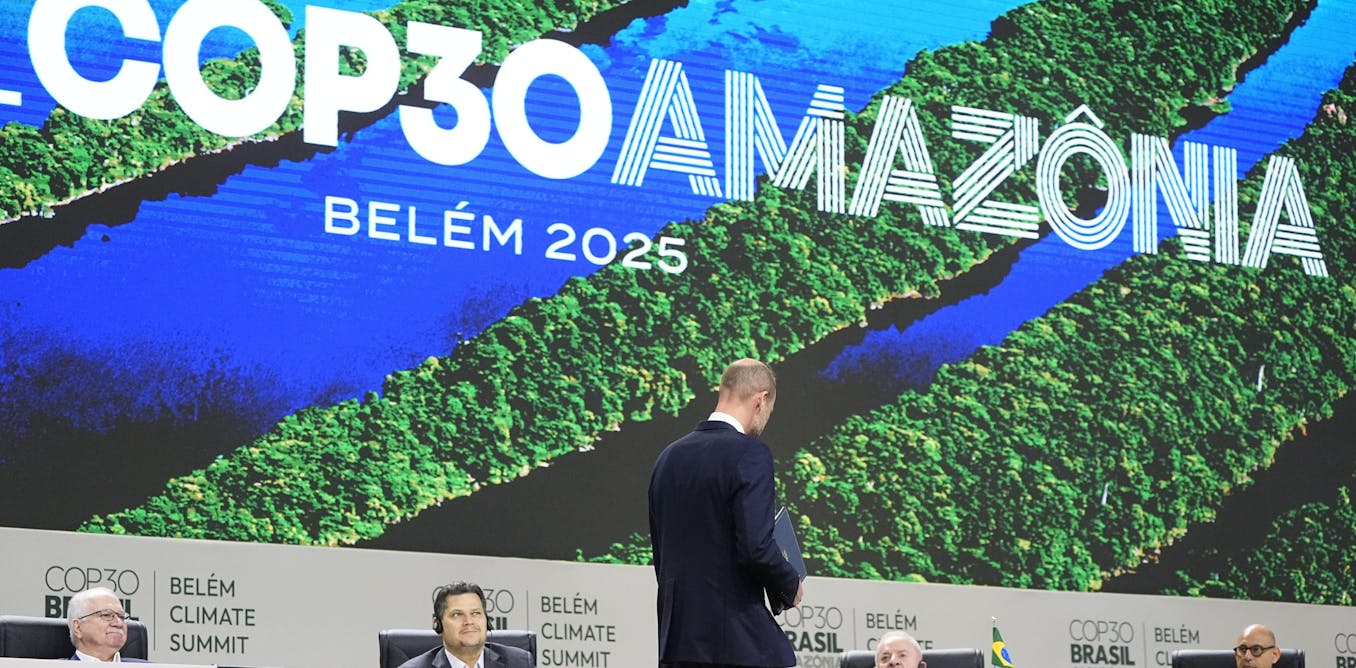
UN climate negotiations have facilitated a slower rise in global emissions compared to what could have occurred without their framework. Since the Paris Agreement in 2015, projections suggest a potential warming of 2.5°C, significantly lower than earlier estimates of 4°C or 6°C. The growth of renewable energy and electric vehicles, driven by supportive policies, showcases tangible progress. Countries’ climate commitments, while not perfectly aligned with the 1.5°C goal, are often seen as minimum targets. Upcoming financial support for developing nations may enhance their ability to reduce emissions further. The focus of the current COP30 summit is on implementing established climate strategies.
Antarctica, Nigeria | Financial services, Health, ICT
The UN climate summits are working – just not in the way their critics think

Authoritarian states like Russia and China actively create a distorted political reality to undermine Western democracies and promote themselves as stable alternatives. They use both blatant disinformation and more subtle manipulations, focusing on negative portrayals of democracies, exaggerating chaos, and presenting progressive values as strange. Collaborative efforts in the global media space amplify grievances and depict authoritarianism as principled. By leveraging emotive storytelling and selectively presenting facts, these narratives resonate particularly with audiences in developing countries, fostering division and distrust while reshaping perceptions of global power dynamics.
How authoritarian states sculpt a warped alternative reality in our news feeds

Artificial intelligence has surpassed doctors in perceived empathy, demonstrating higher empathetic ratings in 87% of studies comparing AI and human healthcare responses. This advantage stems from AI's ability to craft responses without the constraints of vocal tone or body language. However, these studies did not measure actual patient outcomes or potential harms. Declining empathy among doctors, often due to burnout and administrative burdens, creates an environment where AI can appear more empathic. True human care involves nuanced emotional and physical presence that AI cannot replicate. To address the empathy crisis, healthcare must prioritize empathic training, reduce administrative workloads, and rigorously evaluate AI's impact on patient care.
AI is beating doctors at empathy – because we’ve turned doctors into robots

Proposed changes to England's national curriculum aim to equip students with essential future skills, focusing on "applied knowledge" and life skills such as financial, digital, and media literacy, alongside citizenship education. The review recommends embedding these skills across all subjects and introducing a hybrid approach to citizenship for both primary and secondary schools. It also seeks to broaden cultural knowledge in the curriculum, reflecting modern diverse societies. While the changes may enhance educational experiences, concerns remain regarding overall student well-being and engagement, highlighting the need for a more fundamental curriculum overhaul in the future.
United Kingdom | Education
New national curriculum’s skills agenda starts to bring England in line with world-leading education systems

Liver disease in the Asia-Pacific (APAC) region is often diagnosed too late, contributing to 63% of global liver disease deaths and three-quarters of liver cancer mortality. Early detection is essential to improve treatment outcomes, yet over 80% of liver cancer cases and significant percentages of hepatitis infections go undiagnosed. Barriers include limited access to screening, low public awareness, and inadequate integration of diagnostics into health systems. To address these issues, governments must prioritize liver diagnostics in health strategies, invest in community-based screening, and enhance national universal health coverage to ensure equitable access and timely intervention.
Health
How early detection of disease can advance equitable liver health across APAC

Australia's iron ore exports, at 866 million tonnes in 2024, constitute over half of global trade. The shift towards net zero in East Asia creates a pressing need to decarbonize the iron industry, with green iron potentially doubling Australia's revenues to over AU$250 billion annually and reducing global emissions by up to 4% by mid-century. A recent World Economic Forum workshop called for the rapid advancement of commercial-scale green iron projects by late-2027. The report emphasizes the need for swift action to position Australia and its partners towards a sustainable, resilient industrial future amid growing competition and climate challenges.
Australia, Indonesia
Unlocking Asia-Pacific as a First Mover: Australia’s Green Iron Opportunity

Opposition to climate policies is increasingly used by Europe's far-right as an economic argument, framing climate action as detrimental to society. They portray pro-climate advocates as opportunists, suggesting that climate measures unfairly redistribute resources from “deserving” to “undeserving” groups. Rising energy prices and recent geopolitical events, such as the Ukraine war, have further fueled these narratives, casting blame on green policies rather than external factors. Despite the substantial economic risks associated with climate inaction, the far right successfully positions itself as the voice of economic realism, challenging perceptions of climate policy within public discourse.
Nigeria | Financial services, Health, Education
Why the far right’s push for “climate realism” is winning political ground
Global temperatures are approaching dangerous tipping points that can trigger irreversible changes in natural systems, such as the collapse of coral reefs and Arctic permafrost thawing. The Global Tipping Points Report 2025, authored by over 160 scientists, reveals the urgent need to limit warming to prevent cascading effects. It emphasizes halving greenhouse gas emissions by 2030 and accelerating sustainable practices. Europe faces significant climate impacts and holds a unique opportunity to lead in global climate governance, aiming to mitigate risks through effective policy and early action to protect human rights and environmental stability.
Antarctica | Financial services, Health
The world is on the cusp of climate tipping points – the stakes could not be higher for COP30
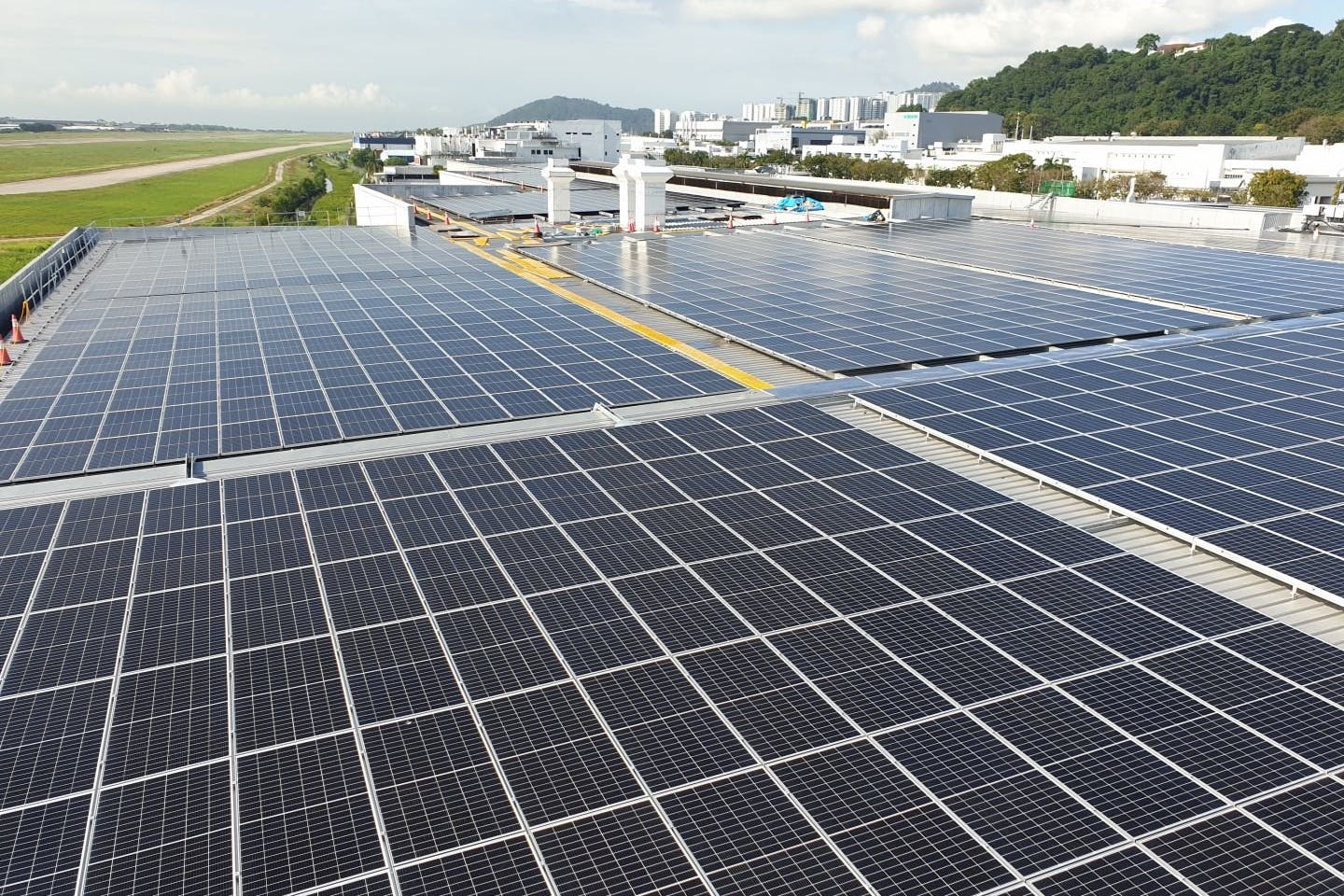
The transition to clean energy in the Asia Pacific (APAC) is gaining traction as declining technology costs and increasing corporate demand make it commercially viable. Solar photovoltaic costs have halved over two decades, driving renewables to account for 50-60% of new capacity in the region. Corporations are pursuing renewable energy to meet sustainability targets like SBTi and RE100, which enhance cost competitiveness. While cost-competitive markets like India and Vietnam offer significant savings, strategic markets like Japan and Singapore face higher adoption costs. Emerging markets such as Thailand and Indonesia are developing supportive policies for corporate power purchase agreements (CPPAs) to facilitate this transition.
Falling technology costs and rising corporate demand make clean energy financially viable for businesses in Asia Pacific
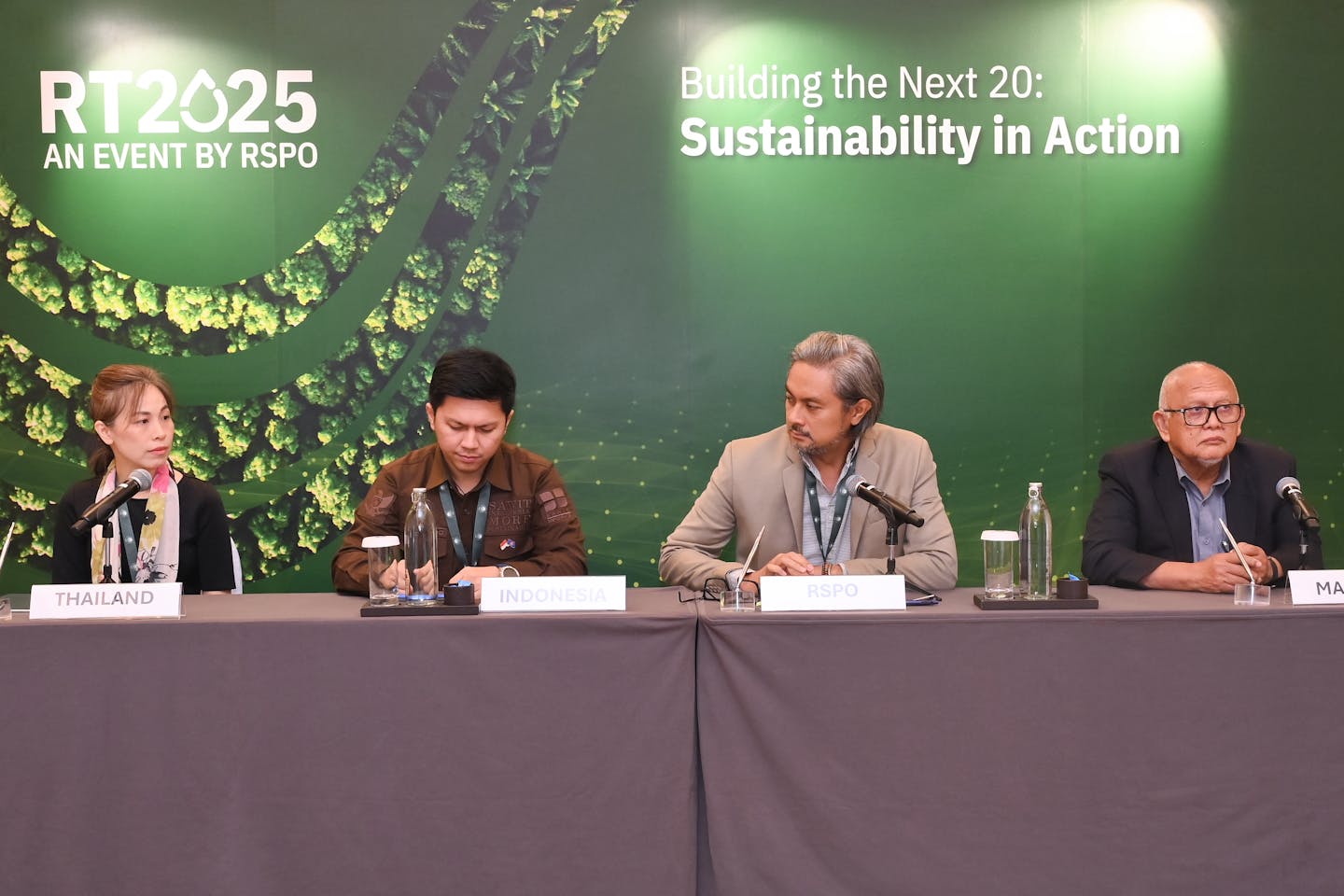
Smallholder associations from Malaysia, Indonesia, and Thailand demand recognition as essential partners in the palm oil industry, emphasizing their role in sustainability. At the RT2025 conference, they called for fairer policies, improved access to markets, and collaboration with international bodies. Despite smallholders contributing significantly to palm oil exports, they struggle with complex certification requirements, lack of resources, and pricing transparency. The signing of a memorandum of understanding aims to enhance their resilience and recognition. Leaders also stressed the need for inclusive global regulations, particularly from the EU, to support smallholders effectively.
Palm smallholders of Malaysia, Indonesia and Thailand demand recognition as partners, not problems in palm oil industry

Relations between UK ministers and civil servants have soured significantly over the past decade, exacerbated by conflicts over Brexit and perceptions of state inefficiency. Despite hopes for improvement under Keir Starmer’s leadership, frustrations persist, with ministers criticizing civil servants for being ineffective. Changes in the political landscape, marked by a decline in mutual respect and the rise of a "them and us" mentality, have created confusion about the civil service's role. Politicians now often rely on external advisers, leading to increased animosity and an identity crisis within the civil service, undermining effective governance.
Financial services, ICT
Why have relations between civil servants and ministers turned so sour – and can they be repaired?

AI technologies, commonly known as "deathbots," are being developed to simulate the voices and personalities of deceased individuals using their digital traces. These systems create interactive avatars for users to "speak" with the dead, offering both memory preservation and ongoing conversations. Research shows that while some platforms enhance personal storytelling, interactions often feel artificial and emotionally flat, highlighting the limitations of AI in handling grief. The digital afterlife industry, driven by business models, transforms remembrance into a service, raising concerns about the commodification of memory and emotional data.
Can you really talk to the dead using AI? We tried out ‘deathbots’ so you don’t have to
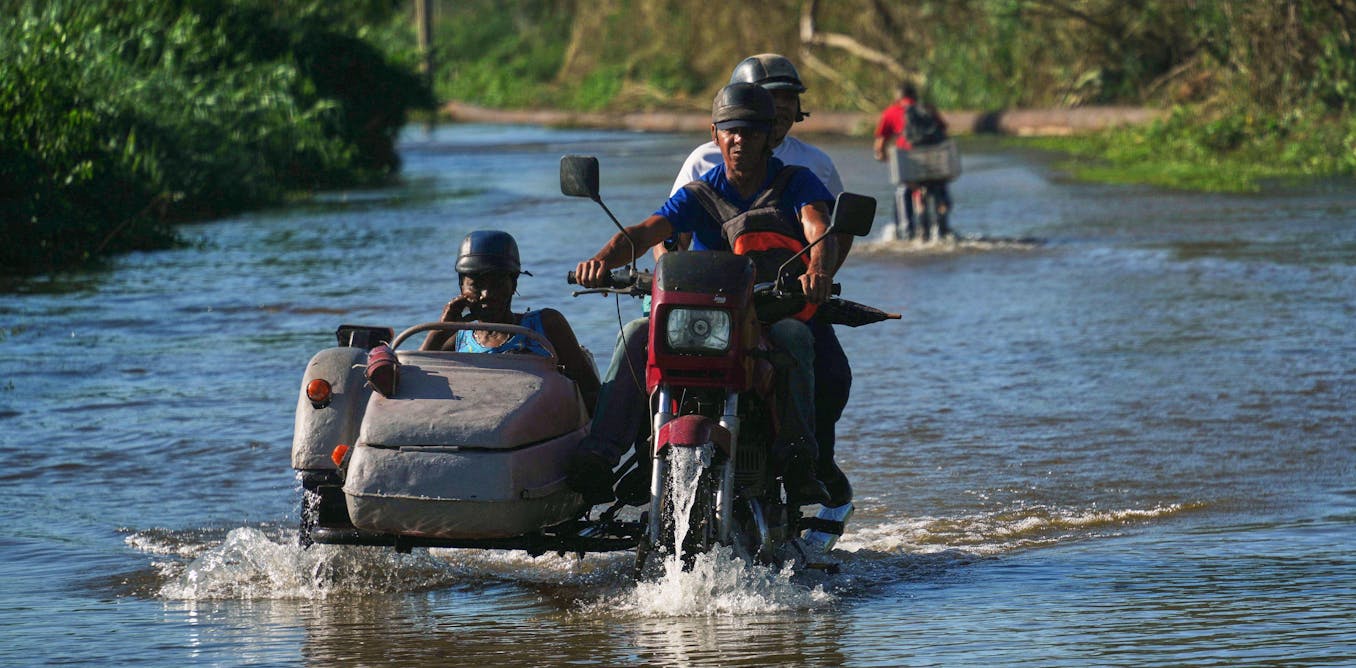
Cuba's effective hurricane preparedness is highlighted by its response to Hurricane Melissa, which resulted in no fatalities on the island despite significant damage elsewhere in the Caribbean. The government evacuated 735,000 people, emphasizing the importance of social vulnerability and governance in disaster outcomes. Cuba's long history of disaster risk reduction, initiated after Hurricane Flora in 1963, includes organized evacuations and rigorous community engagement. Cultural narratives framing disaster response as a revolutionary duty further enhance public cooperation. In contrast, Jamaica faced challenges due to lower public trust in authorities, leading to fewer evacuations despite a well-established system. Overall, Cuba’s successes demonstrate the critical interplay between governmental structure and community resilience in disaster management.
Why hurricanes rarely kill in Cuba
A sustainable bioeconomy utilizes natural resources conservatively to foster social justice and environmental stewardship, aiming for a nature-positive future. At COP30 in Belém, Brazil, discussions will center on five critical dimensions: forests, agriculture, social bioeconomy, biotechnology, and finance. The Brazilian government prioritizes this model to enhance positive impacts on nature while reducing detrimental effects. Key discussions emphasize the bioeconomy’s role in addressing climate change by conserving ecosystems that absorb CO2 and promoting fair benefits for Indigenous communities protecting biodiversity. Major principles established by the G20 will guide its development towards equitable and circular use of biological resources.
COP30: How the bioeconomy helps people, planet and profit to exist in harmony

A recent study reveals that 78% of consumers believe companies lack genuine care, leading to reduced trust and potential loss of business. While AI enhances efficiency, 71% of consumers assert it cannot create true human connections, with a significant 92% valuing personal interaction. Empathy, considered a learnable skill, emerges as a crucial competitive advantage. Firms like Zurich Insurance Group are implementing empathy training across their workforce to improve customer experiences, as indicated by an increase in their Transactional Net Promoter Score. For sustainable growth, businesses must integrate empathy into their strategies, training, and culture.
Education
The economics of empathy: why human connection is the future of business

Frankenstein's theme of reanimation examines the feasibility of assembling a living body. The rapid deterioration of tissues post-mortem hinders any reconstruction, as essential surgical connections and tissue matching are required. While electricity can stimulate living tissues, it cannot restore life to dead cells. Regarding cognition, a brain demands a rich supply of oxygen and glucose, with any removal leading to rapid cell death. Although transplanting organs is doable, brain transplants carry complexities, such as reconnection of nerves and potential consciousness issues. Modern medicine can support life functions but does not equate to true creation or resurrection.
Frankenstein: could an assembled body ever breathe, bleed or think? Anatomists explain
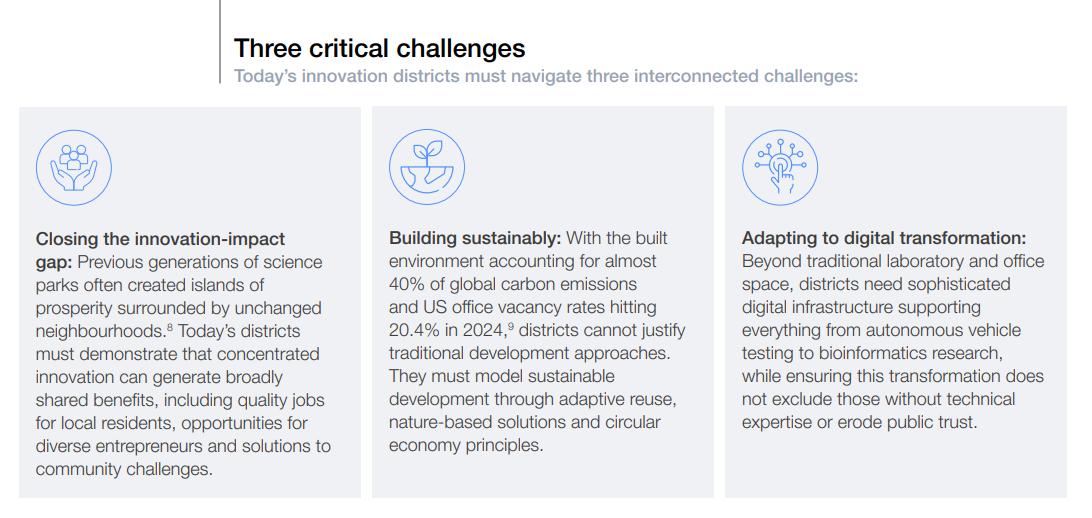
Innovation ecosystems are evolving to ensure equitable benefits for all city residents. A new toolkit from the World Economic Forum outlines best practices for innovation districts, emphasizing inclusive governance, human-centric placemaking, and scalable digital infrastructure. The Urban Transformation Summit 2025 highlighted collaboration among over 300 leaders and recognized cities like Harar and Kigali for pioneering public-private partnerships. Notable initiatives revealed include Santiago’s successful anti-pollution efforts, Egypt's smart cities strategy, and the UK’s plans for affordable new towns. Additionally, Los Angeles is expanding its Convention Center to enhance its status as a global convention hub.
Indonesia, United Arab Emirates, United Kingdom | Financial services, Health, ICT, Education
How to build an innovation hub that drives growth – and other urban transformation stories to read
Artificial intelligence (AI) and machine learning (ML) are critically transforming weather, water, and climate (WWC) services in the Arctic, a region marked by climatic instability and geopolitical contention. Stakeholders are increasingly dependent on AI/ML for decision-making support amidst a lack of regulatory frameworks. The absence of treaties governing algorithmic decision-making and inadequacies in existing international norms underscore the need for urgent policy action. Key areas identified for intervention include international organizations, law, and security.
Antarctica
Algorithmic North: Weather, Security and International Law
Ten years after its inception, the Paris Agreement, initially hailed for fostering global climate cooperation, faces significant challenges in delivering actual change. While it successfully unites 195 countries and has shifted the trajectory of warming from an expected 4°C-5°C to around 2.5°C-3°C, progress has stagnated, with emissions continuing to rise. Key issues include the flexible, bottom-up approach allowing minimal commitments from some countries and the exclusion of critical stakeholders, such as businesses and affected communities, from negotiations. Additionally, the slow implementation of agreements, like the "loss and damage" fund, reveals a growing disconnect between pledges and actionable outcomes.
Antarctica, Nigeria | Health
As the Paris climate agreement turns ten, it’s showing its age
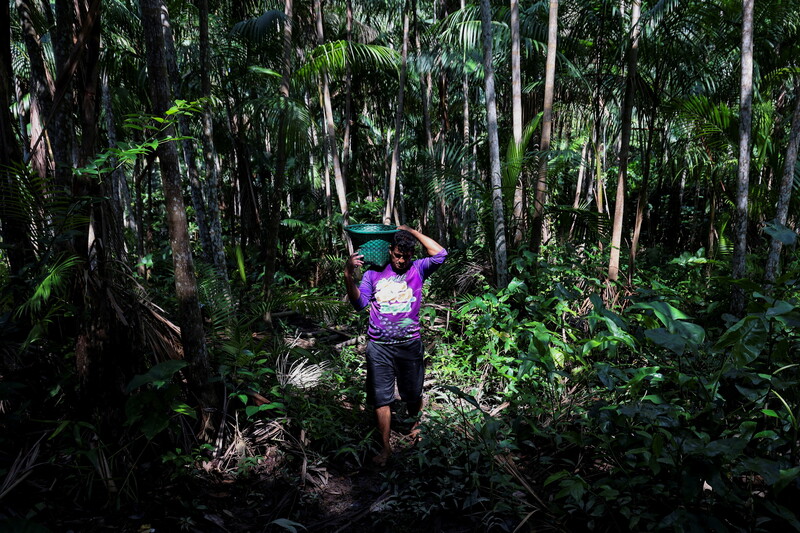
The food system is responsible for a third of global greenhouse gas emissions and significantly drives deforestation and biodiversity loss. At COP30 in Brazil, Lasse Bruun from the UN Foundation emphasizes the need for integrating food systems into climate negotiations. Key initiatives include unified policies that link agriculture, health, and trade, and a push for ‘protein diversification’ towards plant-based diets. Transforming food systems could unlock $121 trillion in economic growth by 2070. Successful past policies in Brazil highlight the potential for food systems to combat climate change and improve public health while ensuring equity.
UN Foundation: A new way forward for food systems on the COP30 agenda