
Ukraine and Russia hold fundamentally incompatible visions of European security: Ukraine seeks integration into Western structures to strengthen them, while Russia aims to control Ukraine and destabilize European and transatlantic security. Most European actors perceive Russia as a major threat, prompting a focus on deterrence and defense. NATO and the EU remain central to Europe’s security, with efforts underway to strengthen these organizations and maintain U.S. engagement. Emerging minilateral groups enhance flexibility beyond larger institutional consensus. There is broad support for Ukraine’s ongoing integration into the EU and NATO, contingent on the level and speed of European commitment.
Ukraine
The Tipping Point: An Emerging Model of European Security with Ukraine and without Russia
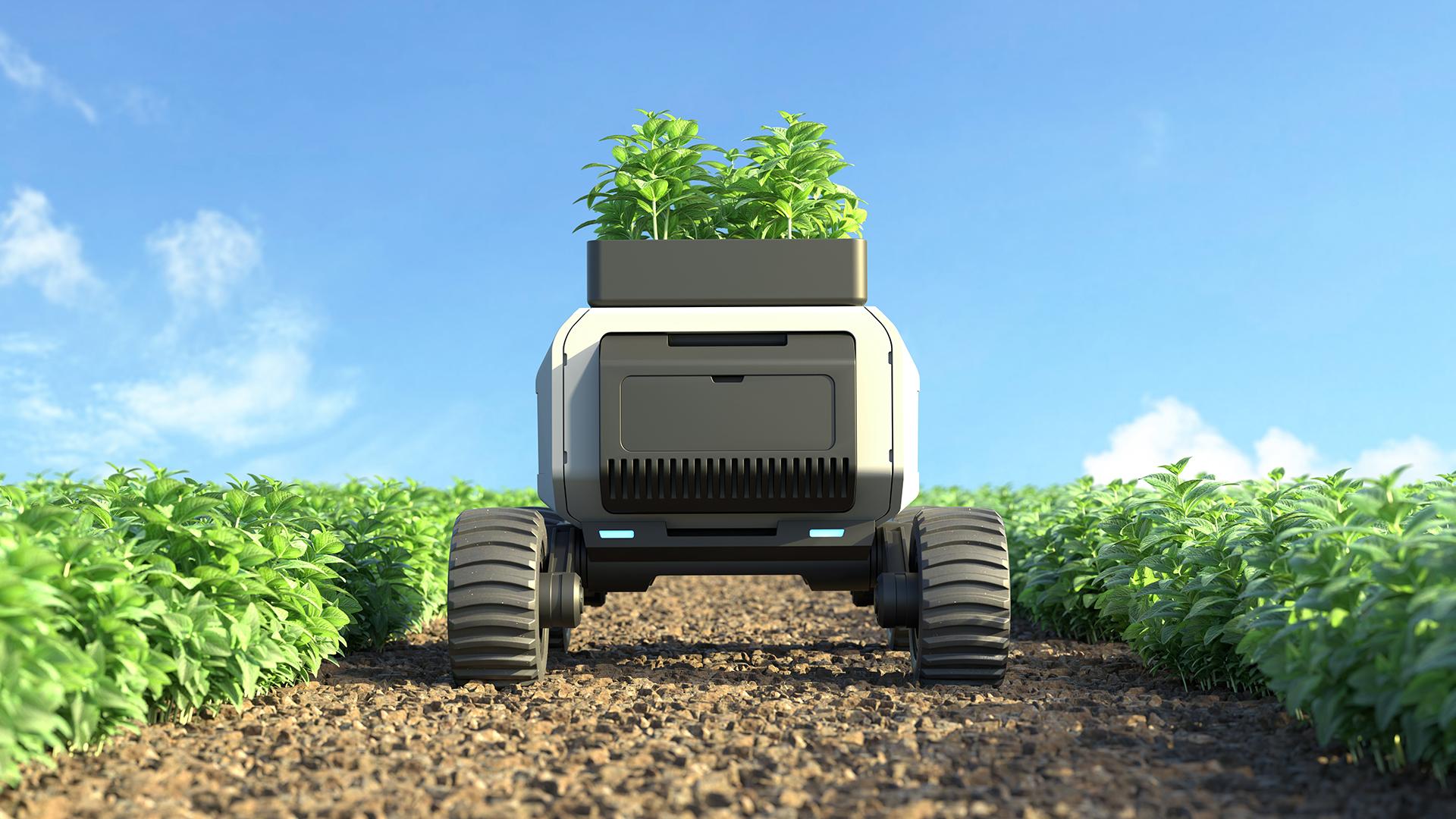
Global agriculture faces significant challenges due to climate change, resource degradation, demographic shifts, and geopolitical instability, necessitating innovative solutions beyond conventional methods. The World Economic Forum’s Artificial Intelligence for Agriculture Innovation (AI4AI) initiative highlights how frontier technologies—such as artificial intelligence, robotics, edge IoT, nanotechnology, and satellite remote sensing—can transform agriculture. The report outlines breakthrough use cases, practical pathways for ecosystem development, and emphasizes the need for collective action among governments, industry, and research to advance agricultural deep tech and ensure sustainable food security.
Nigeria | Health, ICT
Shaping the Deep-Tech Revolution in Agriculture
As climate risks increase, there is an urgent need to protect people, infrastructure, and economies. An estimated annual investment of $300–500 billion is required to enhance resilience, but current funding is insufficient. Private engagement is critical alongside public funding. The Resilience Opportunity: Unlocking Climate Resilience through Public-Private Collaboration advocates for stakeholders to identify entry points, align on goals, and co-develop projects. It outlines six archetypes for private-sector involvement to enhance project bankability, align incentives, and improve outcomes, positioning resilience as a scalable, investable element of global climate strategies.
Health
The Resilience Opportunity: Unlocking Climate Resilience through Public-Private Collaboration

Investment needs for climate resilience infrastructure are estimated at $300–500 billion annually, necessitating private engagement alongside public funding. "The Resilience Opportunity" advocates for collaborative efforts among stakeholders to identify project entry points and align objectives. It outlines six archetypes for private-sector involvement, which can enhance project bankability, align incentives, and improve delivery outcomes. By fostering structured public-private collaborations, climate resilience can be transformed into a scalable and investable component of the global climate strategy.
Health
The Resilience Opportunity: Unlocking Climate Resilience through Public-Private Collaboration
Decentralized urban development is essential for transforming African cities. The central control, a legacy of colonialism, has led to a planning culture that stifles commerce and infrastructure investment. Empowering local governments to act as market stewards rather than regulators can foster growth. Current rigid regulations, such as minimum plot sizes and excessive approval processes, hinder development and perpetuate informality. A shift towards secure property rights and performance-based governance is needed, enabling communities to develop incrementally while maintaining basic safety and equity standards. This requires an enabling-state framework promoting local solutions to urban challenges.
Burkina Faso, South Africa | Financial services
Beyond control: letting markets and communities build Africa’s cities

Sustainability has become essential for Asia's future leaders, with universities playing a pivotal role in equipping them through innovative programs like the Ho Bee Professorship in Sustainability Management at Singapore Management University (SMU). This partnership with Ho Bee Land aims to connect academic insights with industry practices, preparing students to tackle sustainability challenges. Initiatives like the Luminary Speaker Series and the Sustainability Business Case Challenge encourage dialogue on integrating technology, finance, and policy for a low-carbon economy. Young professionals are encouraged to turn sustainability ambitions into actionable, measurable outcomes grounded in credible data and collaborative strategies.
Education
From ambition to action: How SMU and Ho Bee Land are nurturing Asia’s next generation of sustainability leaders

Collaboration among senior business leaders, including CIOs, CMOs, CFOs, and CHROs, is essential for successful digital transformation, as IT has evolved to be a shared responsibility across all functions. Data indicates that while 80% of non-CIO executives feel responsible for digital initiatives, only 20% effectively lead them. Effective collaboration should be strategic, focusing on high-impact initiatives, while smaller teams of five to seven members facilitate agile decision-making. Utilizing technology, such as generative AI, can enhance research and streamline discussions, ensuring clarity and speed in the decision-making process.
ICT, Education
How senior business leaders’ collaboration on tech can become a digital advantage
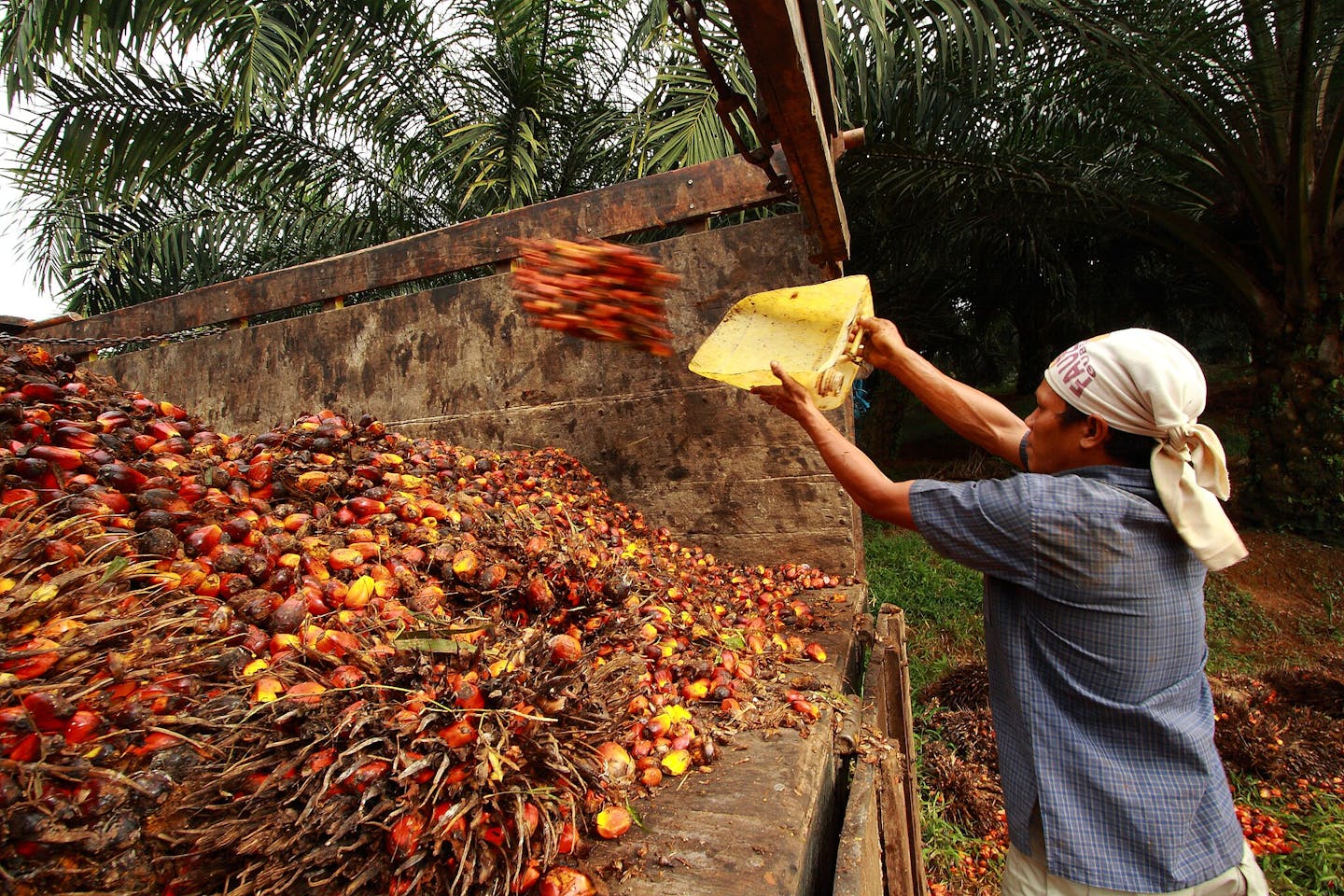
Independent palm oil smallholders in Indonesia and Malaysia face significant challenges in complying with the European Union Deforestation Regulation (EUDR) due to gaps in resources and technical knowledge. Key issues include securing land legality documents, geolocation data, and traceability. Many smallholders lack awareness of EUDR requirements and struggle with digital mapping technology. Efforts by palm oil producers, like Wilmar, aim to support smallholders through training and certification initiatives while reducing reliance on middlemen and enhancing market access. Phased implementation of compliance measures may be necessary for realistic adaptation.
Financial services
Technical knowledge remains the biggest hurdle for independent palm oil smallholders to comply with EUDR

Climate change is significantly altering global wind patterns, leading to increased frequency and severity of sand and dust storms that impact the health of approximately 330 million people annually. These storms expose communities to harmful particulate matter, contributing to respiratory and cardiovascular illnesses, as well as meningitis outbreaks in certain regions. Between 2018-2022, around 3.8 billion people faced dust levels above WHO safety thresholds, marking a 31% rise since earlier years. Climate change is intensifying these storms and influencing other weather phenomena, such as hurricanes, increasing their wind speeds and destructive potential.
Antarctica
Climate change is disrupting global wind patterns, affecting planetary health: report
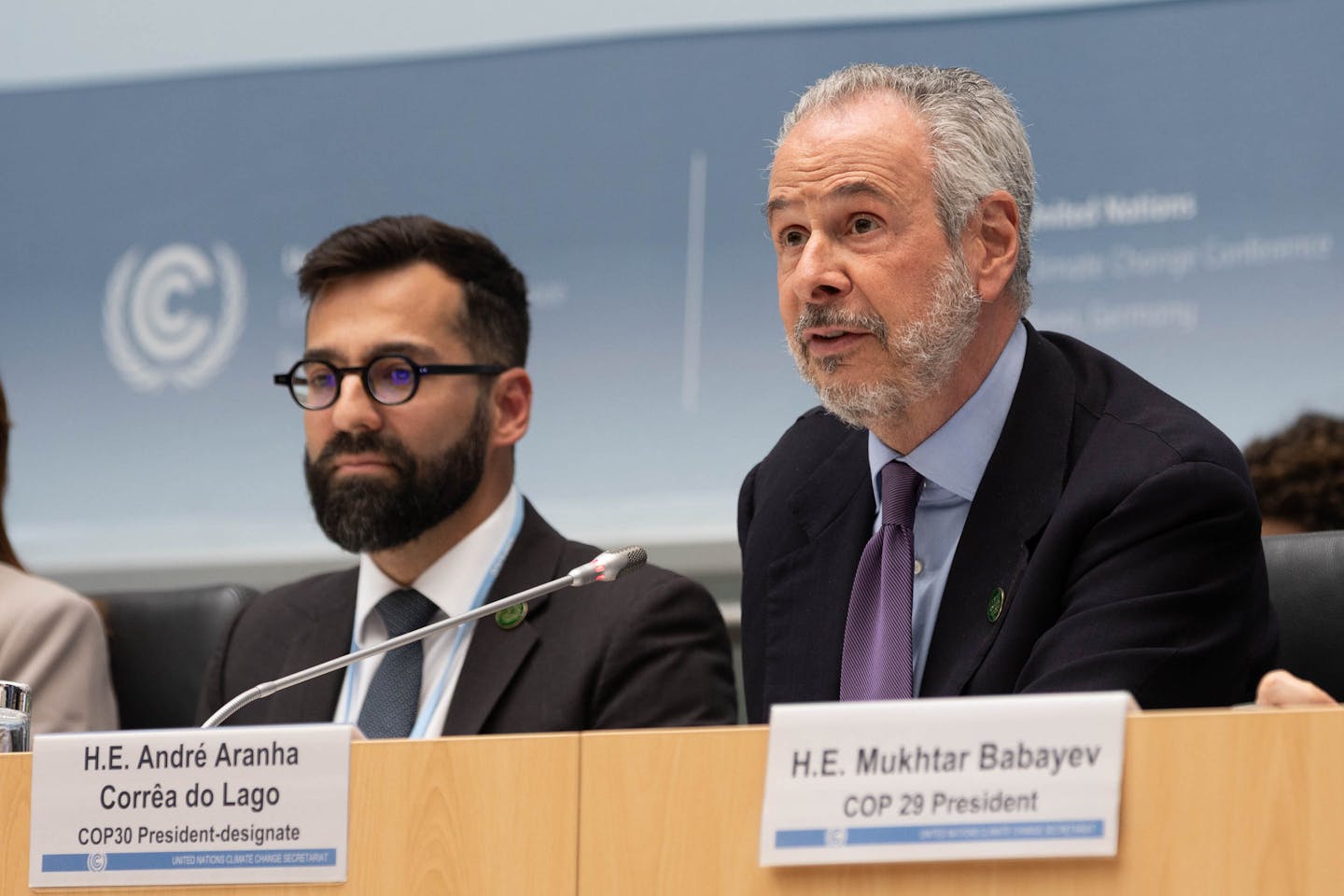
The COP presidencies of Azerbaijan and Brazil have introduced "The Baku to Belém Roadmap," aiming to mobilize US$1.3 trillion annually for climate finance in developing countries by 2035. The roadmap calls for a reformation of the global financial architecture to align with climate goals, responding to criticisms that the prior target of US$300 billion was inadequate. While the plan acknowledges issues like heavy debt burdens in developing nations and highlights accountability for top carbon emitters, critics argue it lacks concrete mechanisms for holding polluters responsible and fails to address the true financial needs for climate action. Success hinges on coordinated efforts among all financial actors.
Latin America | Financial services
COP29 and 30 presidencies release roadmap to deliver US$1.3 trillion in climate finance
AI governance success relies on foresight to prepare for divergent scenarios. Traditional methods, like policy papers, are often inadequate for the rapid development of AI. Strategic wargames, initially used for military strategy, are now applied in AI governance through serious games like Technology Strategy Roleplay’s Intelligence Rising, which engages decision-makers in exploring AI incentives and risks. Google DeepMind aims to co-design a game to investigate AI's impact on science, aligning with multiple stakeholders to address the complex interplay of incentives and ethical frameworks essential for scientific advancement.
Science 2030: Designing role-playing games to help AI governance
Generative artificial intelligence (GenAI) is poised to transform jobs rather than eliminate them. It can undertake non-core tasks, enhancing productivity and enabling employees to focus on core responsibilities and innovative endeavors. Workers are encouraged to "hack" their jobs by stopping redundant tasks, improving efficiency with AI collaboration, and exploring new possibilities. Individual experimentation with AI tools is essential for uncovering valuable use cases, while organizations must foster a culture of innovation that includes structured metrics for evaluating AI's impact. Both bottom-up experimentation and top-down strategic evaluation should evolve together to maximize AI's benefits.
Education
Hack yourself: Reimagine your job and start experimenting with AI at work
Community-based medical schools in Asia and the Pacific are enhancing access to healthcare and advancing universal health coverage by focusing on socially accountable education. Institutions like Ateneo de Zamboanga University require students to engage deeply with rural communities, resulting in a high retention rate of graduates in underserved areas. Similar programs in Thailand and Nepal also prioritize recruitment from disadvantaged backgrounds and community involvement, improving health metrics. Successful transformation of medical education requires innovative curricula aligned with universal health goals and supportive national policies to address emerging healthcare challenges.
Education, Health
How Community-Based Medical Schools Advance Universal Health Coverage
The coffee sector in the Lao PDR faces challenges including deforestation and low-income stability due to unsustainable farming practices. Slow, supported by the Asian Development Bank, promotes a regenerative shade-grown agroforestry model that enhances biodiversity, improves soil health, and offers a sustainable income stream for smallholder farmers. This model integrates advance payments and diversified income to stabilize earnings and reduce vulnerability to external shocks. Traceability from farm to market improves customer trust and loyalty, positioning Slow as a competitive player in the specialty coffee sector while committing to significant emissions reductions and ecological restoration.
Bangladesh, Burkina Faso | Financial services
Transforming Coffee Farming Through A Green Agribusiness Model
The transition to a nature-positive economy can generate $10.1 trillion in value by 2030, offering resilience and new revenue streams for businesses. The World Economic Forum and Oliver Wyman identified 50 investible opportunities across 12 critical sectors, including agriculture and energy, categorized into five types: incremental efficiency improvements, deployable technologies, emerging innovations, ecosystem collaborations, and transformative investments. Despite the significant benefits, many companies still view nature-related investments as costs rather than growth drivers, highlighting a need for a shift in perception.
Financial services
Building a pipeline of 50 investible opportunities for a nature-positive economy
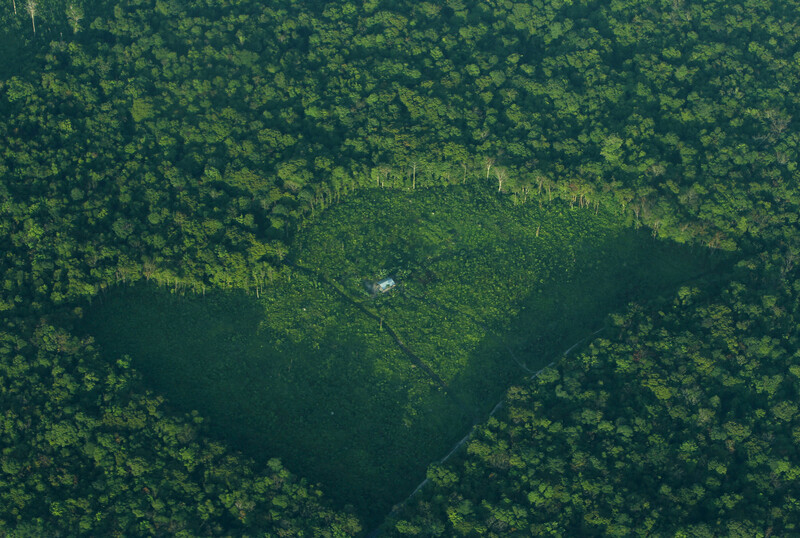
Encouraging advancements in forest restoration and resilience were highlighted ahead of COP30, with Brazil pledging $1 billion to the Tropical Forests Forever Facility and Mexico aiming to restore 30% of its degraded land as part of its National Restoration Plan. These initiatives underscore the recognition of forests' vital role in climate regulation and economic value, generating significant returns on investment. The discussions at recent climate forums emphasized collaboration among public, private sectors, and local communities to combat deforestation and promote sustainable landscape management as part of the UN Decade on Ecosystem Restoration.
Financial services
Ahead of COP30, a new era of forest restoration and resilience is taking root
Soroush Saghafian's book explores how analytics science can tackle significant societal challenges, including improving public policies, creating advanced AI systems, reducing crime, enhancing hospital efficiency, addressing climate change, controlling pandemics, and streamlining supply chains. It discusses the evolution of analytics science, integrating concepts from various fields like AI, data science, and economics, to derive insights that facilitate effective problem-solving. The book emphasizes how simplified models can reveal insights essential for addressing complex issues.
Insight-Driven Problem Solving: Analytics Science to Improve the World
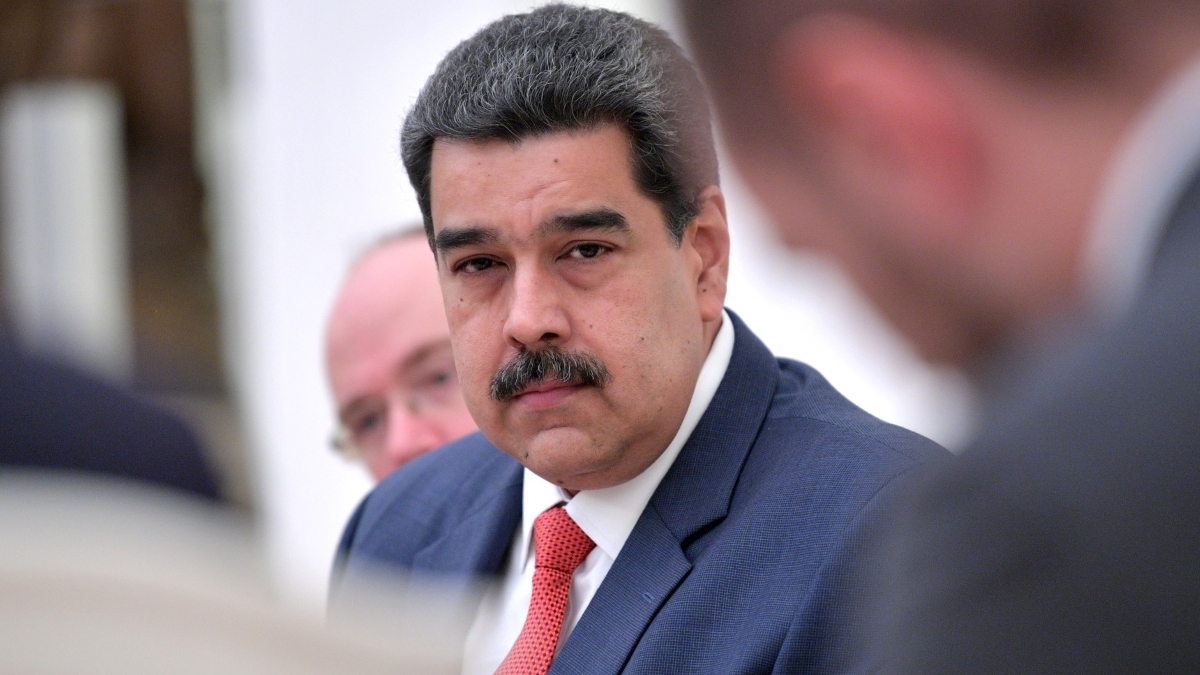
Nicolás Maduro’s foreign relations have evolved due to ongoing isolation from the U.S. and many Latin American nations, prompting him to seek allies with similar authoritarian ideologies and opposition to Western influence. As of 2025, his strategy reflects a continued effort to strengthen alliances that counterbalance U.S. influence while navigating rising geopolitical tensions.
Venezuela
Venezuela’s Foreign Relations Under Maduro and After

The UN climate summit (Cop30) in Belém, Brazil highlights a critical divide in climate governance strategies: stability versus politicisation. Proponents of stability advocate for consistent long-term policies to guide emission reductions and attract business investment. In contrast, supporters of politicisation argue for activism and political conflict to compel significant policy changes and expose efforts by fossil fuel interests to undermine climate goals. Both approaches have merits and drawbacks, complicating climate strategies across different regions and sectors. These dynamics will influence discussions at Cop30 as nations navigate the balance between reporting, accountability, and political activism in addressing climate change.
Antarctica, Nigeria
Why even pro-climate action organisations may pull in different directions
COP30, scheduled for 10-21 November in Belém, Brazil, will gather 198 signatories of the UN Framework Convention on Climate Change to address critical climate issues. Key agenda items include revised Nationally Determined Contributions (NDCs 3.0), financing for resilience, and transforming food systems. Despite progress in private sector climate action, government policy ambition is lagging, widening the gap needed to meet the 1.5°C target. Currently, major economies' NDC submissions show insufficient progress, with the UN warning that a significant emissions reduction is essential to avoid catastrophic warming. COP30 aims to rejuvenate political will and propel the climate action necessary for economic stability and success.
Brazil, Nigeria
COP30 in Brazil: What is at stake for global collaboration on climate and nature?