
Companies are increasingly adopting generative AI, significantly impacting entry-level jobs and return on investment. A multi-year study led by Wharton marketing professor Stefano Puntoni highlights the evolving relationship between human expertise and emerging technologies, emphasizing the need for businesses to navigate this integration.
How Companies Are Adapting to the Generative AI Revolution
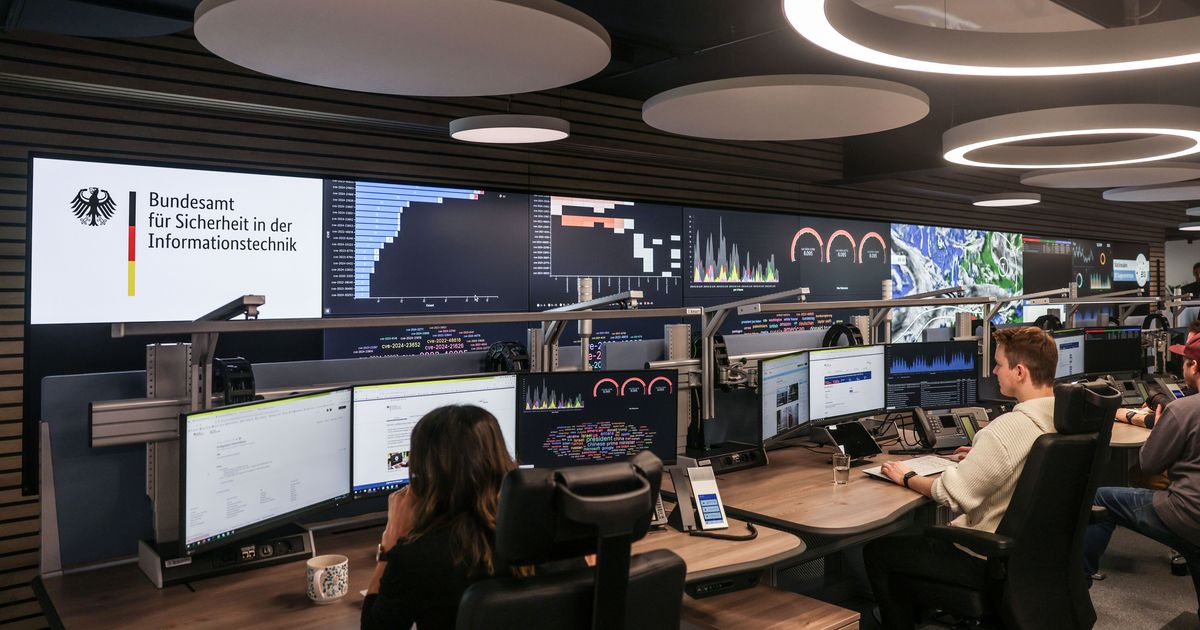
Europe's cybersecurity heavily relies on the United States due to the dominance of US companies in the cybersecurity market and their provision of critical cyber threat intelligence (CTI). The US military also contributes to this ecosystem through intelligence-gathering operations. With American firms leading the market for cybersecurity applications and services, including antivirus software and CTI, Europe faces significant vulnerabilities, especially if US political priorities shift or support diminishes. There is an urgent need for European decision-makers to address these dependencies and enhance Europe's cybersecurity resilience.
Germany, Russian Federation | Financial services
Europe’s Cybersecurity Depends on the United States
Negotiators at COP30 are set to finalize indicators for tracking progress towards the Global Goal on Adaptation (GGA), a significant outcome for the UN climate summit in Belém, Brazil. Adaptation has become a critical focus due to increasing climate impacts, with nearly 3.6 billion people vulnerable to climate-related risks. The GGA, established under the Paris Agreement, aims to enhance adaptive capacity and resilience but has faced challenges in defining measurable progress. Despite difficulties in data collection and measuring outcomes, recent efforts, including the two-year Glasgow-Sharm el-Sheikh work program, aim to establish a robust adaptation framework.
Q&A: COP30 could – finally – agree how to track the ‘global goal on adaptation’
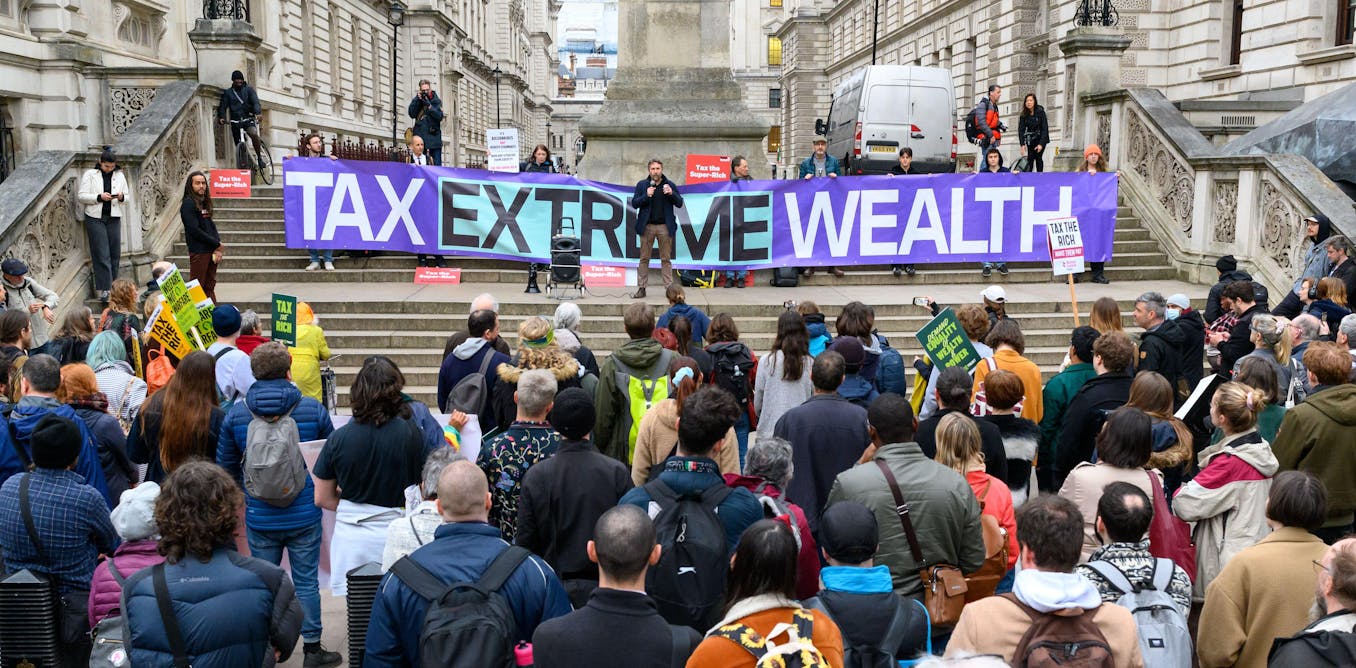
The rise in wealth inequality in the UK parallels historical trends observed in the 1930s, marked by increasing taxation on the rich due to economic pressures. Sir Henry Channon's diaries reflect a pragmatic acceptance of rising taxes during World War II, contrasting with today's societal resistance to similar tax reforms. Public backlash against inheritance tax changes and proposals like ending tax exemptions for non-domiciled residents indicate a shift in attitudes among the wealthy, with less willingness to shoulder social responsibilities. Overall, wealth distribution has drastically changed, with the current top 1% controlling a much larger share of the total wealth than in Channon's era.
Financial services
The UK’s wealth ‘timebomb’ – and how to defuse it

Ukraine's significant nature restoration efforts, particularly with the creation of new national parks and the Rewilding Ukraine initiative, aim to restore 13,500 hectares of wetlands and grasslands. This project has successfully introduced over 240 native animal species and removed barriers to improve ecosystems. Concurrently, the Nature for Veterans program seeks to aid soldiers suffering from PTSD by reconnecting them with nature. The ongoing war has resulted in extensive ecological damage, highlighting the need for such initiatives. These efforts support both environmental recovery and the mental well-being of individuals affected by the conflict.
Ukraine’s massive nature project is helping veterans and land recover

COP30 is taking place amid significant geopolitical instability and declining confidence in multilateral governance. Located in Belém, Brazil, crucial for the Amazon's carbon sink, the summit faces logistical challenges and political fragmentation in climate action. Only a minority of countries have updated their Nationally Determined Contributions (NDCs) to lower greenhouse gas emissions. The competition among major players like Europe, China, and Brazil will be critical in shaping global climate diplomacy and determining the summit's effectiveness in renewing commitment to climate goals. Current NDCs reflect insufficient ambition, with global temperature projections indicating a potential increase of 2.5°C by 2100, far above the Paris Agreement targets.
Belgium, France, Nigeria | Financial services, Health
COP30: Multilateralism on Life Support
Modern banking can draw valuable lessons from 19th-century mutual aid principles focused on community support and cooperation. By embracing stakeholder capitalism, banks can enhance financial inclusion, promote environmental stewardship, and ensure societal benefits. Key strategies include supporting young people with mortgages, fostering job creation through cooperatives, ensuring gender parity in leadership, and prioritizing affordable housing. Banks should also facilitate transitions for carbon-intensive businesses and invest in nature-based solutions. Ultimately, integrating these principles can lead to more resilient communities and greater social and economic value.
Algeria, Belgium, Botswana, Burkina Faso, Guinea, Kuwait, Qatar, Switzerland | Education, Financial services
What modern banking can learn from 19th-century mutual aid
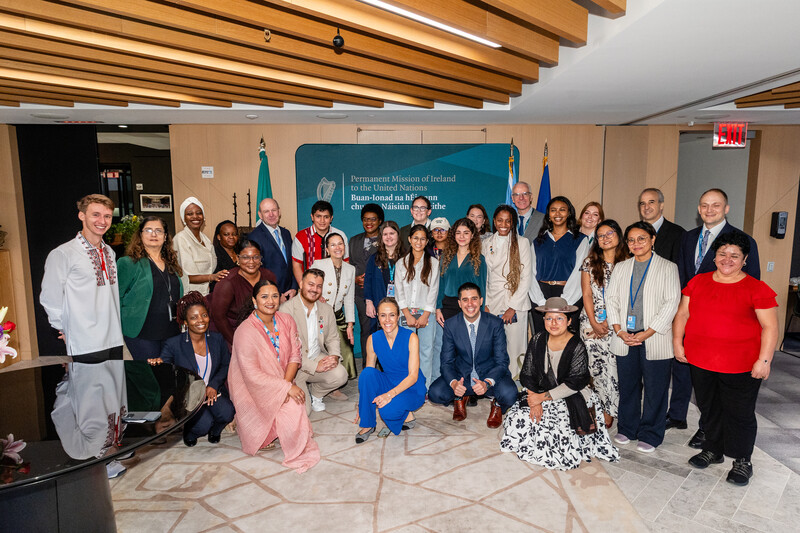
The 80th UN General Assembly marked a historic shift in youth leadership, recognizing young people as equal partners in shaping global priorities. Under the Youth 2030 framework, significant advancements in youth participation have been made, including tangible innovations from the Global Shapers Community. During the GA, youth leaders were actively involved, speaking 34 times in plenary sessions. With over half the global population under 30, the UN acknowledges the need for rejuvenation and has begun reforms to enhance youth representation. The event highlighted the essential role of youth in decision-making for a sustainable future.
Education, Health
Why the 80th UN General Assembly marked a turning point for youth leadership at the UN
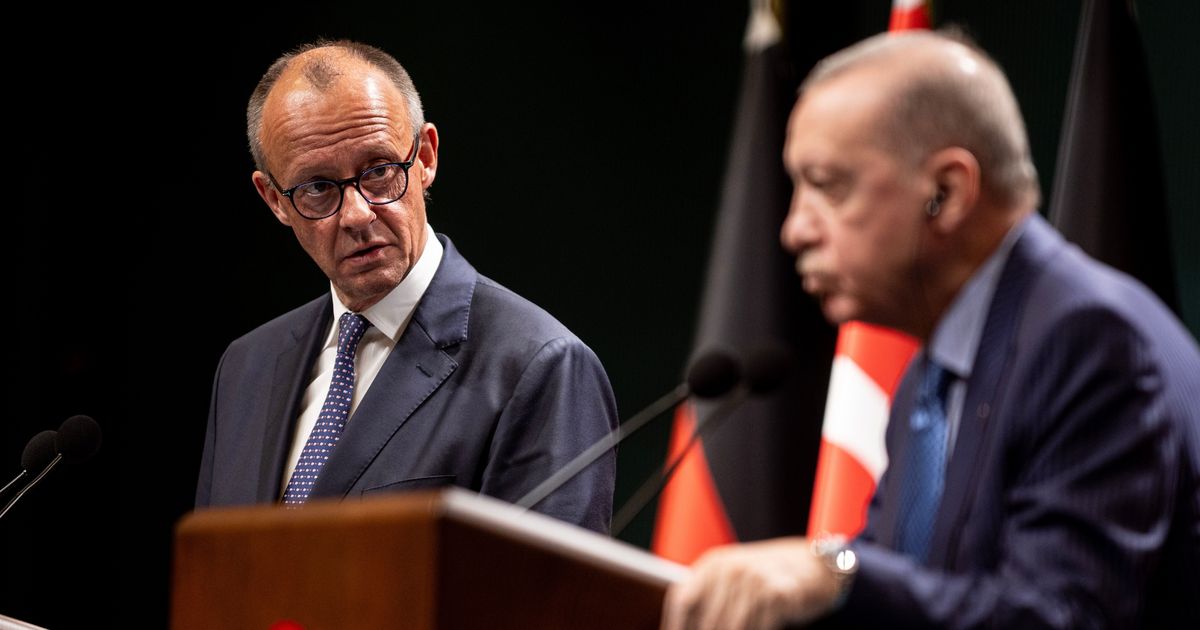
German Chancellor Friedrich Merz emphasized a strategic dialogue and partnership with Turkey, offering a European perspective contingent on Ankara meeting EU criteria. This marks a shift from the previous Merkel administration's stance. Turkish President Erdoğan dismissed criticisms of Turkey's democratic deficiencies while asserting Turkey's regional importance. Key tensions remain, particularly regarding differing views on Hamas and Israel. Germany's interest in Turkey includes defense cooperation, especially through initiatives like the Security Action for Europe, and robust economic ties, with bilateral trade projected at $47.5 billion in 2024. Progress requires addressing fundamental issues surrounding governance and human rights.
Germany
A New Chapter in German-Turkish Relations: From Distance to Critical Pragmatism
Private capital is essential to close the financing gap for climate mitigation and adaptation in emerging markets and developing economies (EMDEs), which require $2.4 trillion annually by 2030, including $1 trillion from private sources. In 2023, international private climate finance to EMDEs doubled to $36 billion but needs to grow 28 times to meet urgent demands. Key barriers include a lack of investable projects, poor matchmaking between supply and demand, and high capital costs. The paper outlines targeted solutions and identifies six priority areas with 16 specific actions to mobilize private climate finance effectively in EMDEs.
Nigeria | Health, Financial services
From Risk to Reward: Unlocking Private Capital for Climate and Growth
Private capital is essential for addressing climate-related financial risks, especially in emerging markets and developing economies (EMDEs) that are vulnerable to climate shocks. EMDEs need to mobilize $2.4 trillion annually by 2030, including $1 trillion from private sources. While international private climate finance to EMDEs increased to $36 billion in 2023, this amount must expand 28-fold to meet urgent needs. Key barriers include a lack of investable projects, poor matchmaking between projects and investors, limited market development, and high capital costs. The paper offers targeted solutions, emphasizing six priority areas and 16 actions tailored for various stakeholders to enhance private climate finance in EMDEs.
Nigeria | Financial services, Health
From Risk to Reward: Unlocking Private Capital for Climate and Growth
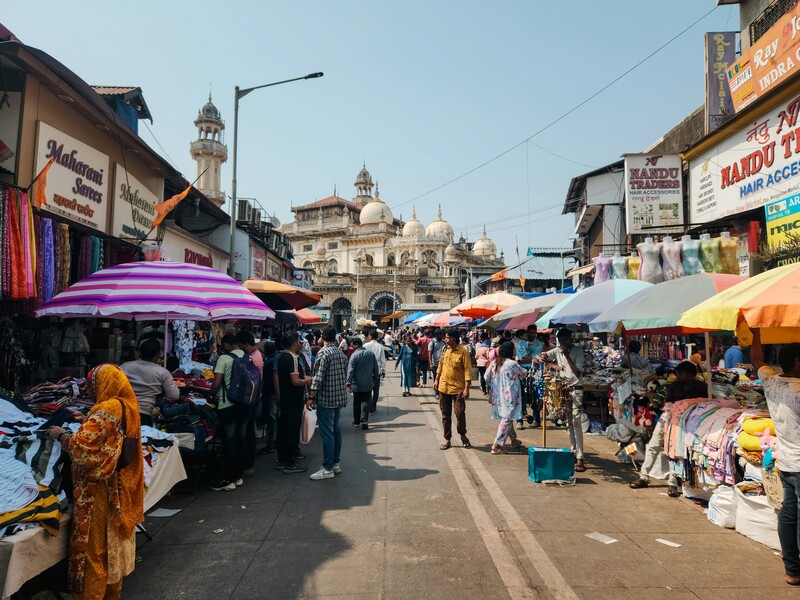
India's small businesses, particularly micro-, small-, and medium-sized enterprises (MSMEs), are pivotal to the nation’s cyber resilience but remain highly vulnerable to cyber threats. With over 60 million MSMEs employing more than 100 million people, their cybersecurity deficiencies can disrupt entire supply chains. A surge in cyber incidents, particularly involving AI-driven fraud, has led to significant economic losses. The shortage of skilled cybersecurity professionals exacerbates the risk. Implementing fundamental security practices and leveraging AI for automation can strengthen defenses. Collaborative efforts among businesses, government, and regulatory bodies are essential for enhancing overall cybersecurity resilience.
Africa | Financial services, Education, ICT
Securing the backbone: Why India’s cyber resilience begins with its small businesses
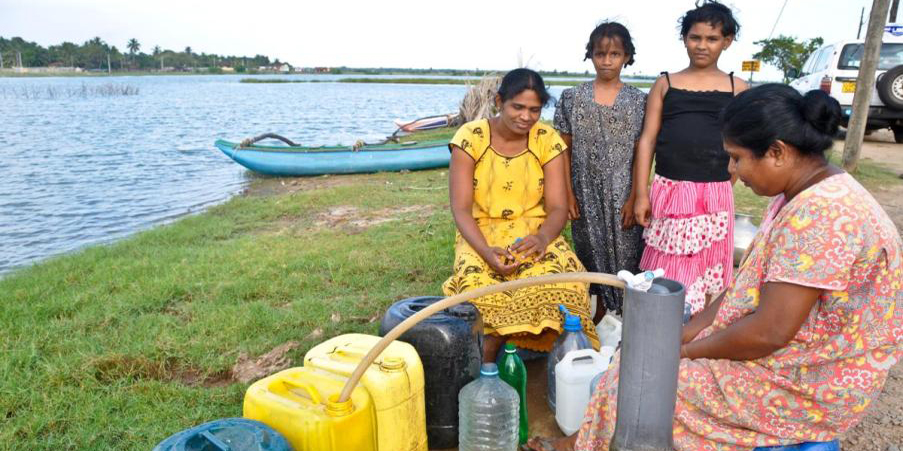
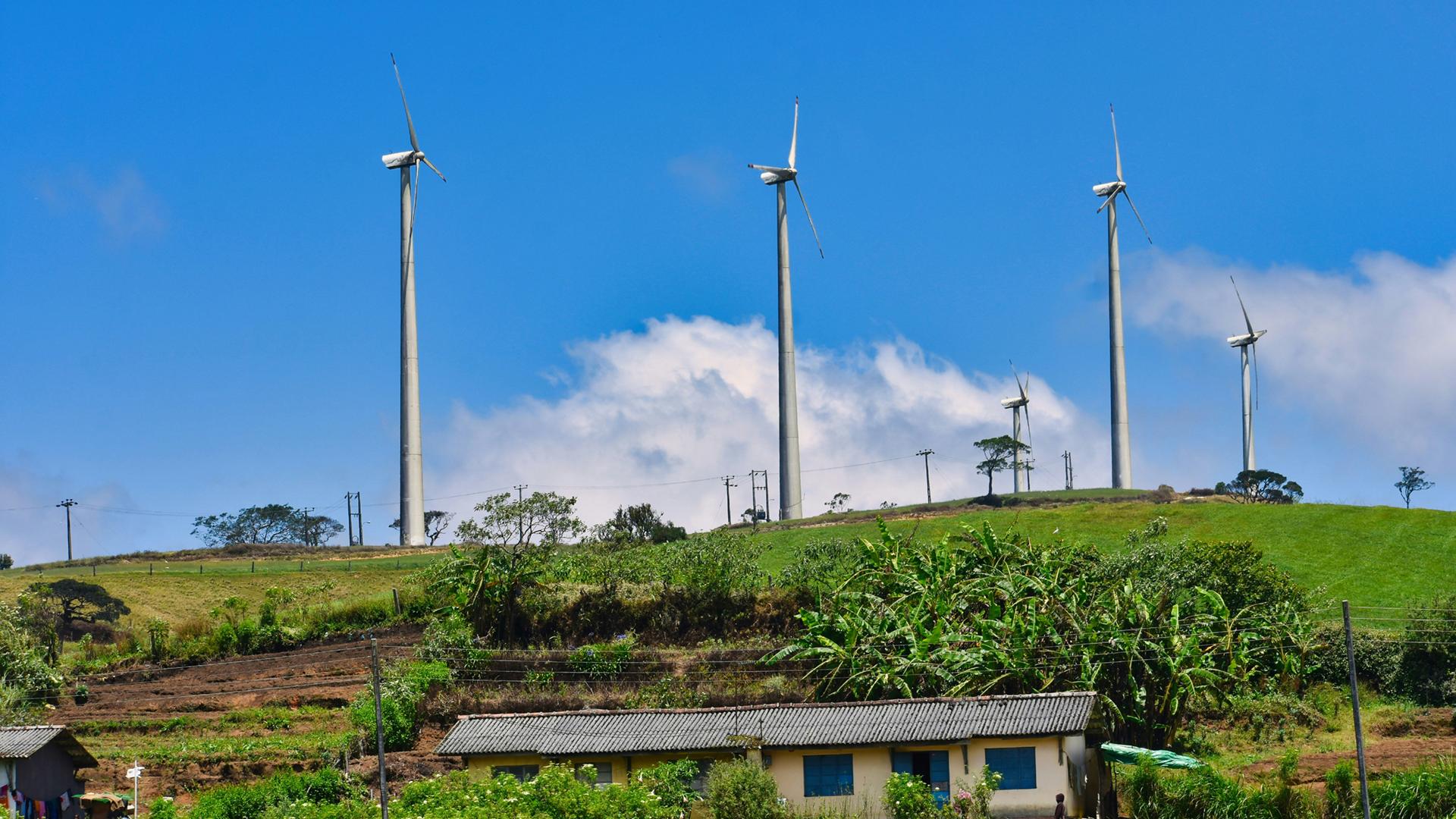
Sri Lanka has developed South Asia’s first climate resilience roadmap for its water utility, addressing major challenges posed by climate change, including rising temperatures and erratic rainfall. This strategic framework assesses vulnerabilities, prioritizes investments, and enhances access to climate finance, integrating efforts into a $200 million Asian Development Bank reform program. The roadmap identifies over $460 million in climate investments for adaptation and mitigation, leveraging technology, data, and governance to optimize water management. It positions Sri Lanka’s water sector towards a climate-resilient and low-carbon future.
Nigeria, Sri Lanka
Climate Resilience Starts Here: Sri Lanka’s Water Utility Roadmap
Countries regard AI compute infrastructure as a strategic asset yet lack systematic tracking of its distribution, availability, and access. A new OECD Working Paper introduces a methodology to estimate the global availability and distribution of public cloud compute for AI. This infrastructure, which includes specialized hardware and software, is essential for training and running AI models. Focusing on public cloud AI compute, the paper highlights its accessibility for SMEs, academic institutions, and public agencies, and its importance in the rapid development of generative AI systems.
The geography of AI compute: Mapping what is available and where
Democracy is currently facing significant challenges, with low levels of trust in governments and institutions globally. According to the OECD Survey on Drivers of Trust, citizens are more likely to trust governments that genuinely consider their voices. Effective participation is crucial for enhancing democracy and rebuilding trust, but requires careful design to avoid frustration. In Brazil, the National Secretariat of Social Participation was established to ensure inclusive policymaking that reflects the nation’s diversity, fostering dialogue between civil society and government while empowering citizens to engage meaningfully.
Latin America
Creating meaningful participation and building trust: The journey of Brasil Participativo

Caring companies are redefining capitalism by prioritizing relationships and trust over traditional profit-maximizing strategies. They demonstrate that wealth is derived from care, human connection, and social value within their ecosystems. Examples like The FruitGuys illustrate a commitment to customer service that transcends mere transactions, fostering loyalty and community support. Unlike stakeholder capitalism, which balances interests among various stakeholders, caring companies focus solely on enhancing social and environmental value, leading to sustainable economic results. Authentic care strengthens business resilience, builds advocacy, and transforms operational processes to prioritize genuine relationships.
Financial services, Education
How caring companies are redefining capitalism
Asia, home to the highest number of billionaires, has the potential to transform philanthropy by shifting from traditional grant-making to catalytic risk capital. By doing so, wealthy individuals can significantly impact the financing gap for the UN's Sustainable Development Goals (SDGs), estimated at $2.5 trillion annually. If Asian philanthropy matched the US giving rate of 2% of GDP, it could generate $700 billion yearly, addressing over a quarter of this gap. Successful examples, like the Rockefeller Foundation’s Zero Gap Fund and the ADB’s Green Recovery Programme, illustrate the effectiveness of catalytic capital, which amplifies investment leverage. Fundamental changes in collaboration and demonstration of impact are essential for this shift.
Africa, ASEAN | Health
What if Asia’s wealthiest become bolder with philanthropy?
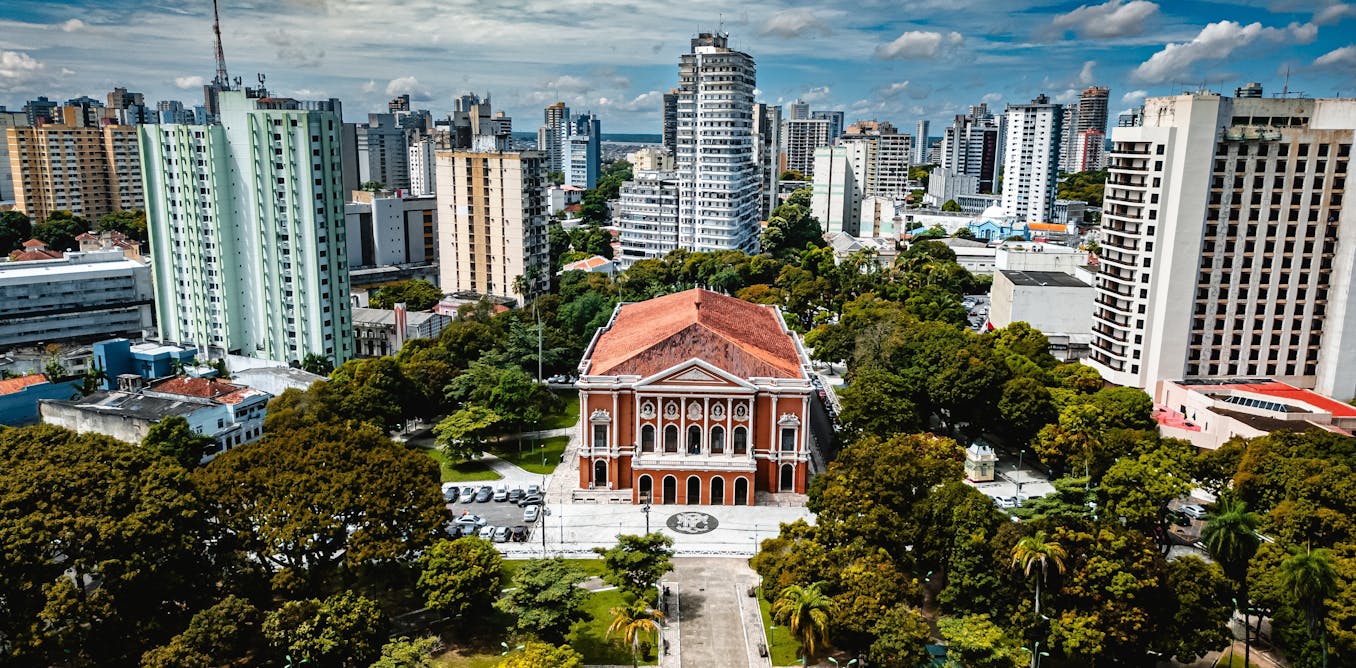
Countries will convene in Belém, Brazil, for the 30th UN climate summit (COP30) to negotiate climate action, marking ten years since the Paris Agreement targeting temperature increases. Despite many nations' intentions, few have submitted climate plans, and the US has withdrawn from the agreement. Research reveals fossil fuel-dependent countries have historically attempted to weaken climate science influence. Brazil's presidency at COP30 seeks to boost collaboration while simultaneously expanding fossil fuel production domestically. A key focus will be empowering Indigenous voices and securing direct funding for community-led climate efforts. Negotiators face pressure to enhance financial commitments critical for effective climate action.
Antarctica
Brazil’s upcoming UN climate summit highlights how tricky climate pledges are to keep
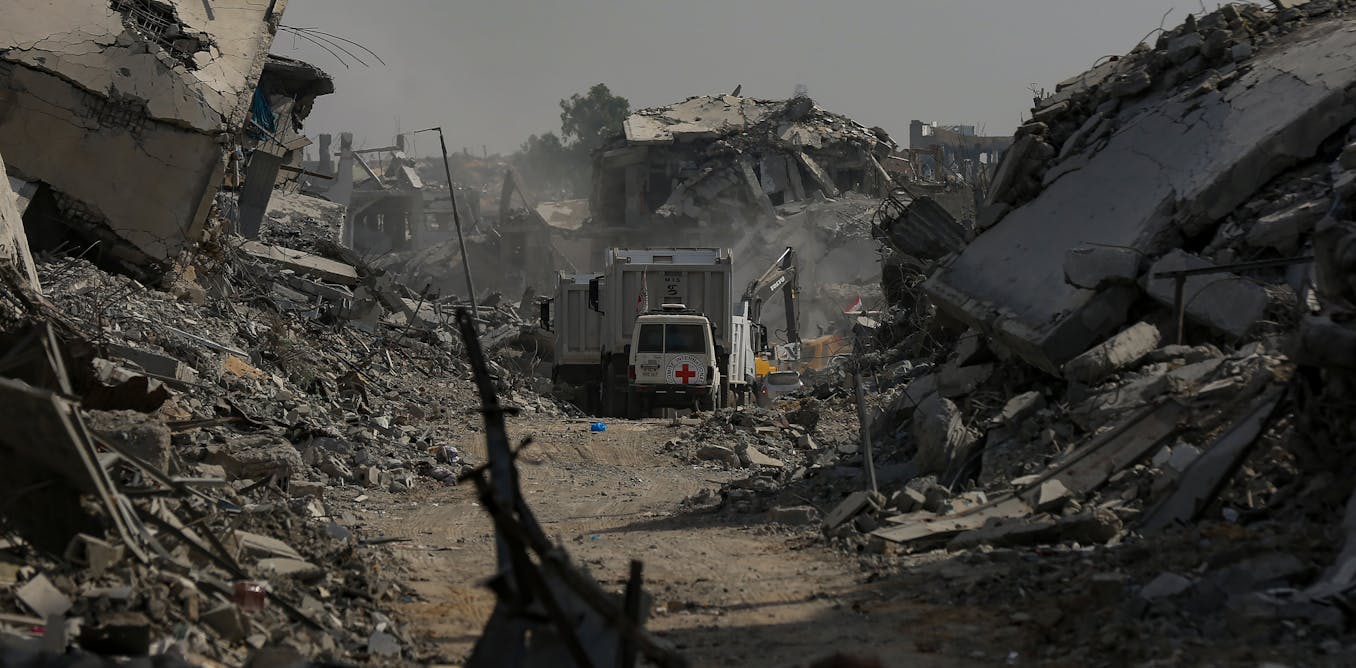
Wars significantly impact the environment, with research showing the Gaza conflict generated over 32 million tonnes of CO₂ in just 15 months, while the Ukraine war emitted nearly 237 million tonnes over three years. These emissions, akin to large countries' annual outputs, highlight the link between climate change and armed conflict, as wars exacerbate environmental degradation. The International Court of Justice has advised that states must report armed conflict emissions, acknowledging that failure to do so hinders climate protection. Recent efforts, including the UN's draft principles on environmental protection in conflicts and the recognition of ecocide, reflect a growing legal acknowledgment of these issues.
How wars ravage the environment – and what international law is doing about it

A survey conducted in the UK and Japan reveals that while there is cautious openness to the use of AI by politicians, the public strongly opposes delegating democratic decisions to machines. In the UK, nearly half of respondents do not support MPs using AI at all, and around 80% reject AI making decisions for them. Japanese respondents showed slightly more acceptance but similarly oppose AI in decision-making roles. Trust in government and attitudes toward AI significantly influence public opinion, with younger individuals and those who view AI positively more supportive. There is a clear distinction between acceptance of AI as a tool for assistance versus a replacement for human judgment, underscoring the need for careful integration into politics to maintain trust and legitimacy.
Is it ok for politicians to use AI? Survey shows where the public draws the line