
The Age of Extraction by Tim Wu critiques how a few dominant tech platforms, while providing convenience, act as major instruments of wealth extraction, taking vast amounts of money, data, and attention. Wu examines the dual impact of digital platforms and AI on the economy, highlighting their potential to both enrich and marginalize industries, thereby widening wealth gaps. He explores the evolution of these technologies and their implications for society, proposing that a balance between economic growth and egalitarianism is crucial for a better future.
The Age of Extraction
Experts at the Annual Meetings of the Global Future Councils and Cybersecurity in Dubai emphasized the need for coordinated global action to enhance cyber resilience amidst emerging technologies and AI. A report highlights cybersecurity as vital for organizational growth and resilience. Concurrently, AI-driven cybercrime is escalating in Japan, prompting calls for improved cybersecurity measures. Additionally, the first UN cybercrime treaty has been established, enhancing global cooperation against online offenses. Recent significant cyber incidents include the Kido nursery chain attack in the UK, where data of thousands was compromised, and a major cyber attack on Jaguar Land Rover, costing approximately $2.5 billion.
Africa | Financial services, Education, ICT
Experts gather to explore cyber resilience in the AI era, and other cybersecurity news
Globalisation, once driven by US dominance post-World War II, has faced criticism for exacerbating inequality and benefiting primarily American corporations. Critics, including economists and activists, have highlighted the disparities caused by global trade policies. In recent years, this critique has been adopted by both left and right factions in the US, with calls for protectionism gaining traction, especially under Donald Trump's leadership. As the US withdraws from global economic leadership, the potential for a severe financial crisis looms, compounded by China's rise and the absence of a suitable successor to US hegemony, raising concerns about a more chaotic global economy.
Australia, Bahrain, Belgium, Bulgaria, Burkina Faso, El Salvador, France, Germany, Guatemala, Honduras, Hungary, Indonesia, Ireland, Italy, Jamaica, Japan, Jordan, Lithuania, Namibia, New Zealand, Nigeria, Pakistan, Philippines, Republic of Korea, Romania, Russian Federation, Seychelles, Slovenia, South Africa, Spain, Switzerland, Taiwan, China, Thailand, Trinidad and Tobago, Ukraine, United Arab Emirates, United Kingdom | Health, Financial services
The rise and fall of globalisation: why the world’s next financial meltdown could be much worse with the US on the sidelines

China has implemented new controls on the export of rare earth elements, crucial for green technology, intensifying trade tensions with the US. China dominates the market, mining 70% and refining 92% of these metals. Concerns are rising about global access to rare earths, which could increase manufacturing costs for electric vehicles and other clean technology. In response, Donald Trump has considered ramping up tariffs and restricting exports of US technology. While China's green tech exports remain significant globally, US tariffs might not heavily impact China's economy as other markets grow. However, China's aspirations for green leadership could stall without access to advanced US technologies.
China’s new controls on rare earths create challenges for the west’s plans for green tech
China's new export controls on rare earth elements pose challenges for Western green technology initiatives, affecting the production of electric vehicles, smartphones, and solar panels. With China holding a monopoly, mining 70% and refining 92% of these metals, potential supply reductions could raise manufacturing costs globally. Although US tariffs on Chinese goods are in place, many Chinese companies have circumvented these by establishing production sites in the US. The US's advanced technologies remain crucial for China’s efforts to lead in clean tech, as Chinese firms need US semiconductors and AI components for effective development in this sector.
Chinese controls on rare earths could create challenges for the west’s plans for green tech
The internet is evolving towards a fairer digital engagement model that emphasizes user control and stewardship over personal data. New technologies, including AI and decentralized systems, enable individuals to manage their digital identities and decide how to share and monetize their information. This shift promotes a deeper understanding of value that prioritizes user benefits and wellbeing over mere engagement metrics. By fostering cross-sector collaboration, the aim is to create an equitable digital economy where individuals actively participate in generating value, enhancing privacy, trust, and sustainable practices in online interactions.
Financial services, Health, Education, ICT
The internet is changing digital engagement. Here’s how we make it fairer for everyone
Digital@UNGA 2025, organized by the ITU and UNDP, aimed to explore how technology can serve humanity during the 80th UN General Assembly. The Digit’all Voices campaign solicited global questions on technology's role, fostering discussions among stakeholders on subjects such as inclusion for rural youth, combating misinformation, and the importance of creativity and empathy over technical skills. Key responses emphasized the need for transparency in AI content, environmental governance in data centers, and addressing social inequalities to bridge the digital divide. These insights align with the objectives of the Global Digital Compact established in 2024.
Africa | Financial services, Education, Health, ICT
Nine questions about the digital future – answered

Travel and tourism significantly contribute over 10% to global GDP and support over 350 million jobs, critical in uncertain economic times. The sector fosters cultural connections and community support but faces challenges like outdated frameworks, overcrowding, and environmental impacts. To thrive, tourism must shift towards sustainable, low-carbon models, emphasizing cooperation and innovation. Successful initiatives in various regions highlight the potential for responsible growth. Policymakers, businesses, and communities must collaborate to balance economic development with environmental and social goals, ensuring tourism continues to connect cultures and create opportunities.
Latin America | Financial services, ICT, Health, Education
How travel and tourism can fuel growth in an uncertain economic era
The German government’s High-Tech Agenda aims to enhance Germany's innovation capacity and economic strength by prioritizing strategic markets and key technologies. The Fraunhofer-Gesellschaft supports this initiative, emphasizing the importance of translating research into practical applications. However, current legal and structural barriers hinder effective technology transfer. To address this, Fraunhofer advocates for a Freedom of Innovation Act to streamline regulations, enhance knowledge transfer, and support commercialization efforts, including adjustments in non-profit laws and software licensing. Overall, a collaborative effort is essential for the success of the High-Tech Agenda.
Germany | Education
Technology Transfer Thrives on Freedom

Climate change is creating an insurance crisis as increasing flood frequency and extreme weather events strain traditional insurance models. Flood claims in the UK surpassed £585 million in 2024, while insurance premiums have surged. Efforts like the Flood Re scheme are failing, with significant delays in flood defenses leading to rising costs and policy uptake in high-risk areas. Without adaptation, up to 3 million UK homes may become uninsurable, risking a financial system collapse akin to the 2008 subprime crisis. Insurers and lenders must evolve their risk models to address these growing climate risks.
Financial services
Climate change is becoming an insurance crisis

Generative artificial intelligence (AI) offers significant benefits to legal practitioners, enabling efficient document drafting and case summaries. However, it has also led to serious issues in the English courts, including fabricated cases and misleading citations in submissions. A recent high court judgment exposed these concerns, holding lawyers accountable for using unverifiable AI outputs. Hallucination rates of fabricated legal information are alarmingly high, prompting calls for enhanced training in law schools to teach responsible AI usage and verification. The integrity of legal advocacy relies on accurate citations, necessitating a shift in legal education to include AI literacy and ethical practices.
‘Hallucinated’ cases are affecting lawyers’ careers – they need to be trained to use AI
The UNECE Report outlines a framework developed by the High-Level Group for the Modernisation of Official Statistics (HLG-MOS) for the responsible use of Artificial Intelligence (AI) and Machine Learning (ML) in producing official statistics. It emphasizes key principles, including fairness, accountability, transparency, and validity, and provides practical guidelines and examples to support national and international statistical organizations in ethically adopting AI technologies.
Responsible AI for Official Statistics Framework
The paper by Marta Zorrilla and Juan Yebenes discusses the critical role of data governance in creating data spaces for secure and controlled data exchange among organizations, driven by the digital economy. It reviews the current state of data governance requirements, proposing a reference enterprise architecture to aid in designing and implementing data governance systems tailored to data space scenarios. The framework emphasizes aspects such as governance principles, organization roles, data quality, security, and lifecycle management. This research aims to assist data space governing bodies in formalizing data strategies and establishing frameworks for effective data governance.
ICT, Health
Architecture Building Blocks for Data Governance in Data Spaces
The United Nations and the European Union face challenges in adapting their idealistic foundations to a world dominated by realpolitik. Europe’s historical successes in transforming former adversaries into cooperative partners grant it a unique position to foster a renewed model of multilateralism. However, issues such as geopolitical rivalries and perceived double standards weaken the credibility of universal norms. The EU must balance its role as a guardian of universalism with its geopolitical ambitions, striving to forge an inclusive order through dialogue and cooperative efforts while navigating competing global interests.
The EU and the UN – can Europe revive multilateralism in a divided world?
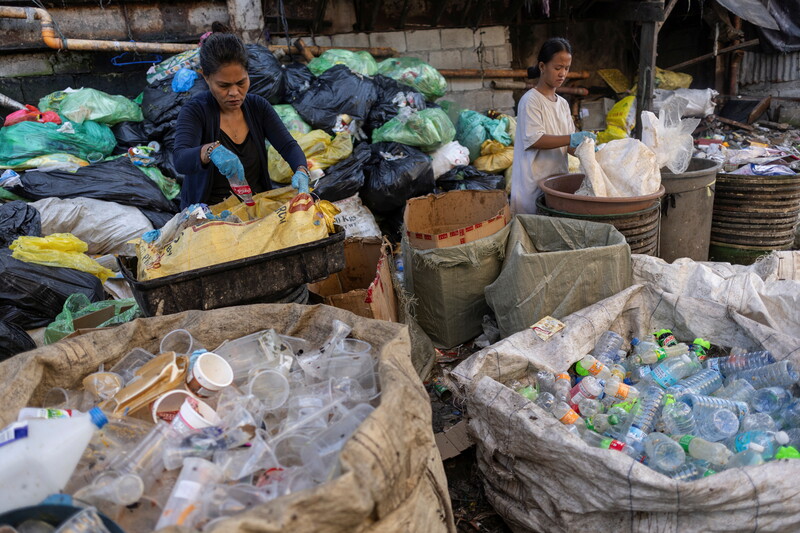
Countries, businesses, and communities globally are advancing national plastic action plans and innovative local solutions despite stalled global treaty negotiations. Community collaborations, such as waste pickers in Ghana and initiatives in the Galapagos Islands, demonstrate measurable progress. National Plastic Action Partnerships (NPAPs) unite stakeholders to implement effective strategies, while systems like extended producer responsibility are being adopted in various countries. Regulatory clarity encourages private investment, as seen with the Montreal Protocol. Regional cooperation, like Southeast Asia's ASEAN plan and West Africa's emerging strategies, further enhances efforts to combat plastic pollution collaboratively.
Health
Beyond the treaty table: Advancing action on plastic pollution

The 42nd ICAO General Assembly concluded on October 3, 2025, reaffirming commitments for the aviation sector to achieve net-zero carbon emissions by 2050. Key topics included the implementation of a robust monitoring methodology and the endorsement of global frameworks for sustainable aviation fuels. ICAO Member States agreed on tighter carbon emission standards, support for clean technology investments, and continued focus on safety amidst rising geopolitical tensions. The assembly emphasized the importance of airports having access to renewable energy to meet decarbonization goals, ensuring no regression in current sustainability ambitions.
The key takeaways from the latest international aviation assembly
Europe's transition to net zero and digital leadership is critically dependent on rare earth materials, which it predominantly imports, particularly from China. This reliance poses significant geopolitical risks that threaten climate targets and industrial goals. Europe needs vast amounts of lithium, cobalt, and nickel for clean technologies, yet domestic production remains limited. Initiatives like the Critical Raw Materials Act aim to enhance self-sufficiency, targeting 10% of EU demand for minerals through domestic extraction and processing. Opportunities exist, such as the discovery of Europe's largest rare-earth deposit in Norway, but require swift action in permitting and investment.
Belgium, France, Germany, Indonesia, Norway, Russian Federation, Ukraine, United Kingdom | Financial services
From chips to turbines: Europe depends on these critical rare earth materials
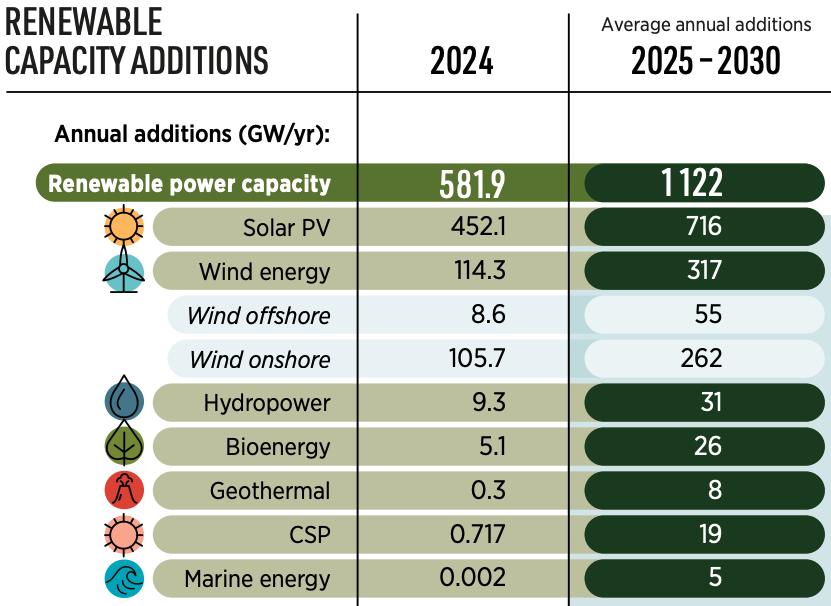
Global renewable energy capacity increased by a record 582 gigawatts in 2024, yet the world is not on track to meet UN targets of tripling renewables by 2030. Achieving this goal now requires nearly double the current annual growth rate. Japan's new government is prioritizing nuclear power to reduce fuel import dependency and combat inflation, attempting to revitalize a sector hindered since the Fukushima disaster. The UK plans to create 400,000 clean energy jobs by 2030, while Iran fast-tracks solar projects amidst fuel shortages. South Africa aims to enhance nuclear and gas electricity generation.
Burkina Faso, Egypt, Indonesia, Jamaica, Japan, Jordan, Kenya, Pakistan, Peru, Philippines, Russian Federation, Saudi Arabia, Seychelles, Thailand, Ukraine, United Arab Emirates, United Kingdom | Financial services, ICT, Health
Clean energy push accelerates but still falls short of global goals – and more top energy stories
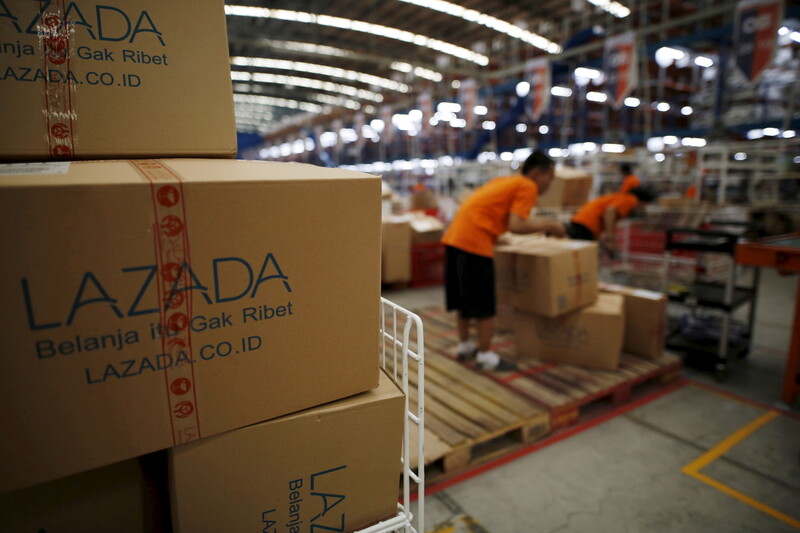
Micro-, small-, and medium-sized enterprises (MSMEs) in ASEAN struggle to leverage existing policies due to insufficient outreach and complex procedures. They seek simplicity, speed, affordability, and practical support to thrive. The ASEAN Digital Economy Framework Agreement aims to foster economic growth by harmonizing digital policies and eliminating trade barriers. However, high-level policies often overlook the realities faced by MSMEs, such as lengthy registration processes and inconsistent import taxes. A unified, accessible knowledge base and streamlined regulatory processes are essential for these businesses to succeed in a truly inclusive digital economy. Enhanced online resources could significantly aid MSMEs in navigating cross-border e-commerce effectively.
Indonesia, Jordan, Thailand | Financial services, ICT
What ASEAN’s small businesses really need for a truly inclusive digital economy
Emerging information technologies, such as social media, search engines, and AI, significantly impact public health, politics, social dynamics, and the environment. A scientific understanding of these impacts is essential to develop evidence-based technology policies that minimize harm and enhance benefits. However, the data needed for research is often controlled by the tech industry itself, which poses risks of undue influence on the scientific record. The paper argues for the need to strengthen existing protections and create new ones to mitigate these challenges in technology research.
Financial services, Education, Health, ICT
The Risks of Industry Influence in Tech Research