
The UNECE Report outlines a framework developed by the High-Level Group for the Modernisation of Official Statistics (HLG-MOS) for the responsible use of Artificial Intelligence (AI) and Machine Learning (ML) in producing official statistics. It emphasizes key principles, including fairness, accountability, transparency, and validity, and provides practical guidelines and examples to support national and international statistical organizations in ethically adopting AI technologies.
Responsible AI for Official Statistics Framework
The paper by Marta Zorrilla and Juan Yebenes discusses the critical role of data governance in creating data spaces for secure and controlled data exchange among organizations, driven by the digital economy. It reviews the current state of data governance requirements, proposing a reference enterprise architecture to aid in designing and implementing data governance systems tailored to data space scenarios. The framework emphasizes aspects such as governance principles, organization roles, data quality, security, and lifecycle management. This research aims to assist data space governing bodies in formalizing data strategies and establishing frameworks for effective data governance.
ICT, Health
Architecture Building Blocks for Data Governance in Data Spaces
The United Nations and the European Union face challenges in adapting their idealistic foundations to a world dominated by realpolitik. Europe’s historical successes in transforming former adversaries into cooperative partners grant it a unique position to foster a renewed model of multilateralism. However, issues such as geopolitical rivalries and perceived double standards weaken the credibility of universal norms. The EU must balance its role as a guardian of universalism with its geopolitical ambitions, striving to forge an inclusive order through dialogue and cooperative efforts while navigating competing global interests.
The EU and the UN – can Europe revive multilateralism in a divided world?
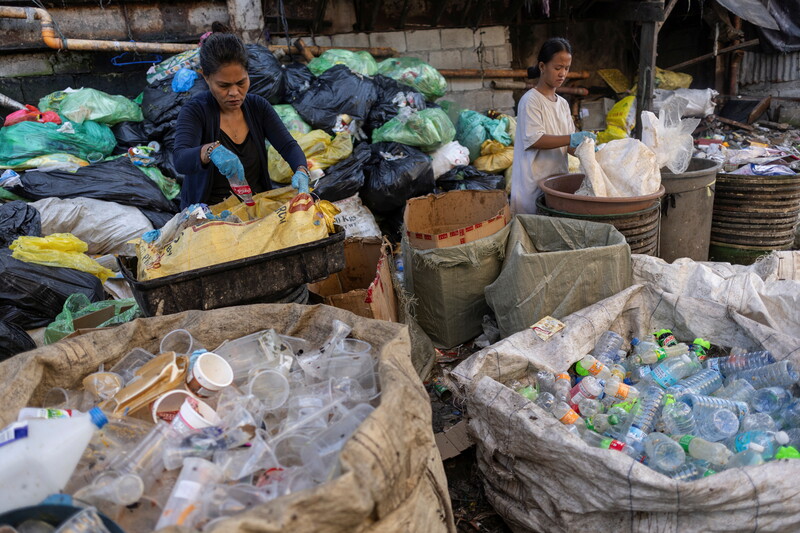
Countries, businesses, and communities globally are advancing national plastic action plans and innovative local solutions despite stalled global treaty negotiations. Community collaborations, such as waste pickers in Ghana and initiatives in the Galapagos Islands, demonstrate measurable progress. National Plastic Action Partnerships (NPAPs) unite stakeholders to implement effective strategies, while systems like extended producer responsibility are being adopted in various countries. Regulatory clarity encourages private investment, as seen with the Montreal Protocol. Regional cooperation, like Southeast Asia's ASEAN plan and West Africa's emerging strategies, further enhances efforts to combat plastic pollution collaboratively.
Health
Beyond the treaty table: Advancing action on plastic pollution

The 42nd ICAO General Assembly concluded on October 3, 2025, reaffirming commitments for the aviation sector to achieve net-zero carbon emissions by 2050. Key topics included the implementation of a robust monitoring methodology and the endorsement of global frameworks for sustainable aviation fuels. ICAO Member States agreed on tighter carbon emission standards, support for clean technology investments, and continued focus on safety amidst rising geopolitical tensions. The assembly emphasized the importance of airports having access to renewable energy to meet decarbonization goals, ensuring no regression in current sustainability ambitions.
The key takeaways from the latest international aviation assembly
Europe's transition to net zero and digital leadership is critically dependent on rare earth materials, which it predominantly imports, particularly from China. This reliance poses significant geopolitical risks that threaten climate targets and industrial goals. Europe needs vast amounts of lithium, cobalt, and nickel for clean technologies, yet domestic production remains limited. Initiatives like the Critical Raw Materials Act aim to enhance self-sufficiency, targeting 10% of EU demand for minerals through domestic extraction and processing. Opportunities exist, such as the discovery of Europe's largest rare-earth deposit in Norway, but require swift action in permitting and investment.
Belgium, France, Germany, Indonesia, Norway, Russian Federation, Ukraine, United Kingdom | Financial services
From chips to turbines: Europe depends on these critical rare earth materials
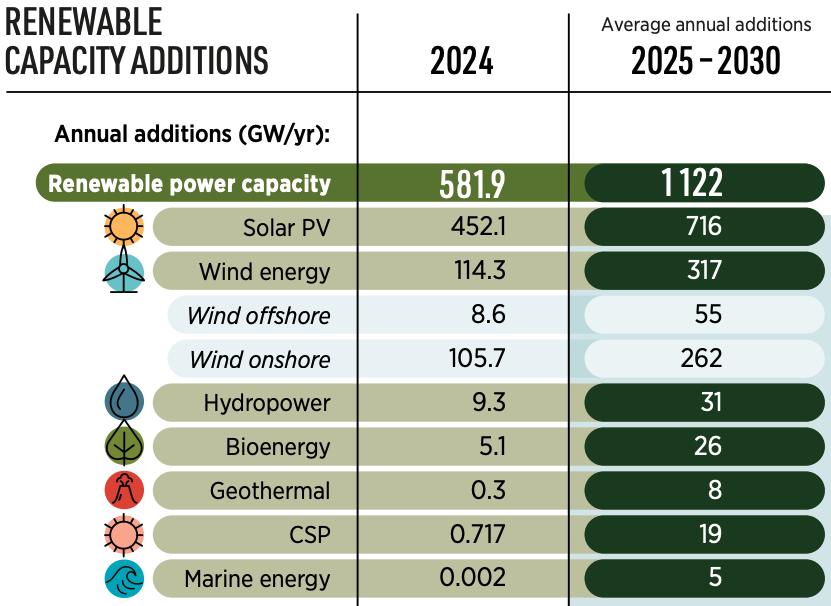
Global renewable energy capacity increased by a record 582 gigawatts in 2024, yet the world is not on track to meet UN targets of tripling renewables by 2030. Achieving this goal now requires nearly double the current annual growth rate. Japan's new government is prioritizing nuclear power to reduce fuel import dependency and combat inflation, attempting to revitalize a sector hindered since the Fukushima disaster. The UK plans to create 400,000 clean energy jobs by 2030, while Iran fast-tracks solar projects amidst fuel shortages. South Africa aims to enhance nuclear and gas electricity generation.
Burkina Faso, Egypt, Indonesia, Jamaica, Japan, Jordan, Kenya, Pakistan, Peru, Philippines, Russian Federation, Saudi Arabia, Seychelles, Thailand, Ukraine, United Arab Emirates, United Kingdom | Financial services, ICT, Health
Clean energy push accelerates but still falls short of global goals – and more top energy stories
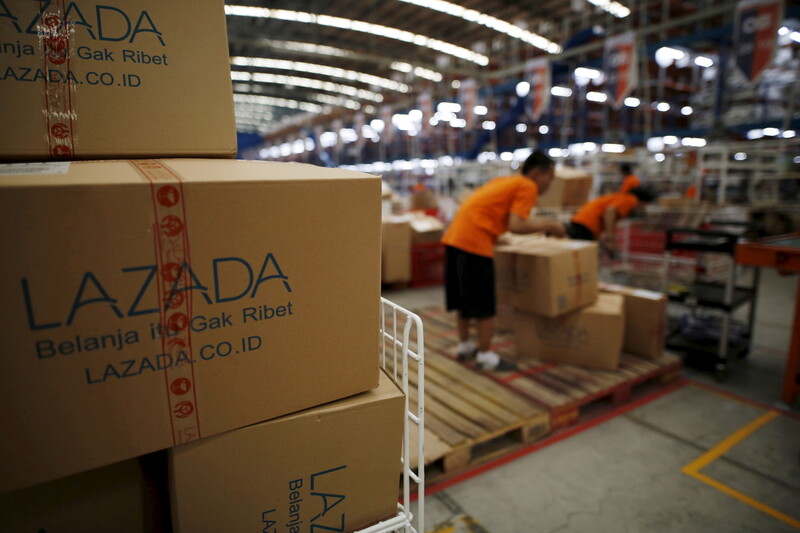
Micro-, small-, and medium-sized enterprises (MSMEs) in ASEAN struggle to leverage existing policies due to insufficient outreach and complex procedures. They seek simplicity, speed, affordability, and practical support to thrive. The ASEAN Digital Economy Framework Agreement aims to foster economic growth by harmonizing digital policies and eliminating trade barriers. However, high-level policies often overlook the realities faced by MSMEs, such as lengthy registration processes and inconsistent import taxes. A unified, accessible knowledge base and streamlined regulatory processes are essential for these businesses to succeed in a truly inclusive digital economy. Enhanced online resources could significantly aid MSMEs in navigating cross-border e-commerce effectively.
Indonesia, Jordan, Thailand | Financial services, ICT
What ASEAN’s small businesses really need for a truly inclusive digital economy
Emerging information technologies, such as social media, search engines, and AI, significantly impact public health, politics, social dynamics, and the environment. A scientific understanding of these impacts is essential to develop evidence-based technology policies that minimize harm and enhance benefits. However, the data needed for research is often controlled by the tech industry itself, which poses risks of undue influence on the scientific record. The paper argues for the need to strengthen existing protections and create new ones to mitigate these challenges in technology research.
Financial services, Education, Health, ICT
The Risks of Industry Influence in Tech Research
Insights from a comprehensive dataset on industrial transformation reveal that effective change results from integrating multiple technologies, rather than isolated efforts. Key findings indicate that addressing operational pain points initiates transformation, while simultaneous advancements in processes, technology, and workforce capabilities yield significant performance gains. Sites maturing in quality, maintenance, and workforce development double their chances of scaling successful pilots. Additionally, sustainability has shifted from being viewed as a cost to becoming a competitive advantage, driving productivity and efficiency across operations. Overall, resilience and agility are essential for adapting to supply chain challenges.
United Arab Emirates | ICT, Education
5 takeaways from the world’s largest dataset on industrial transformation
Inclusive insurance in the Republic of Korea is designed to cater to socioeconomically vulnerable populations, addressing barriers to accessing traditional insurance. Despite its potential to enhance financial resilience, adoption remains low due to financial constraints and insurers' concerns over risks. Global trends show increasing participation in developing regions driven by mobile technology and strategic partnerships among international insurers. Advancing inclusive insurance in Korea requires tailored products for vulnerable groups, improved access, and education programs, while providing an avenue for insurers to fulfill social responsibilities and explore new markets.
Financial services
Expanding Financial Inclusion in the Republic of Korea Through Inclusive Insurance
Targeted government spending on health, education, and social protection significantly promotes inclusive growth across 191 economies from 1980 to 2023. The study emphasizes the importance of focusing resources on disadvantaged populations and enhancing governance to ensure effective implementation. This approach can lead to more equitable and resilient economic outcomes in both advanced and developing nations.
Health
Public Spending and Inclusive Growth: An Empirical Analysis Across Economies

Gen AI is rapidly integrating into enterprise operations, moving from initial exploration to disciplined adoption over three years. By 2025, 82% of enterprises are using Gen AI weekly, with significant optimism about its ROI. Key findings include 89% of respondents believing Gen AI enhances skills, and 72% formally measuring its ROI, primarily focusing on productivity gains. Future expectations entail increased budgets and a focus on training and culture. The emphasis is shifting from mere adoption to leveraging AI for competitive advantage, necessitating organizational readiness and skill development.
2025 AI Adoption Report: Gen AI Fast-Tracks Into the Enterprise
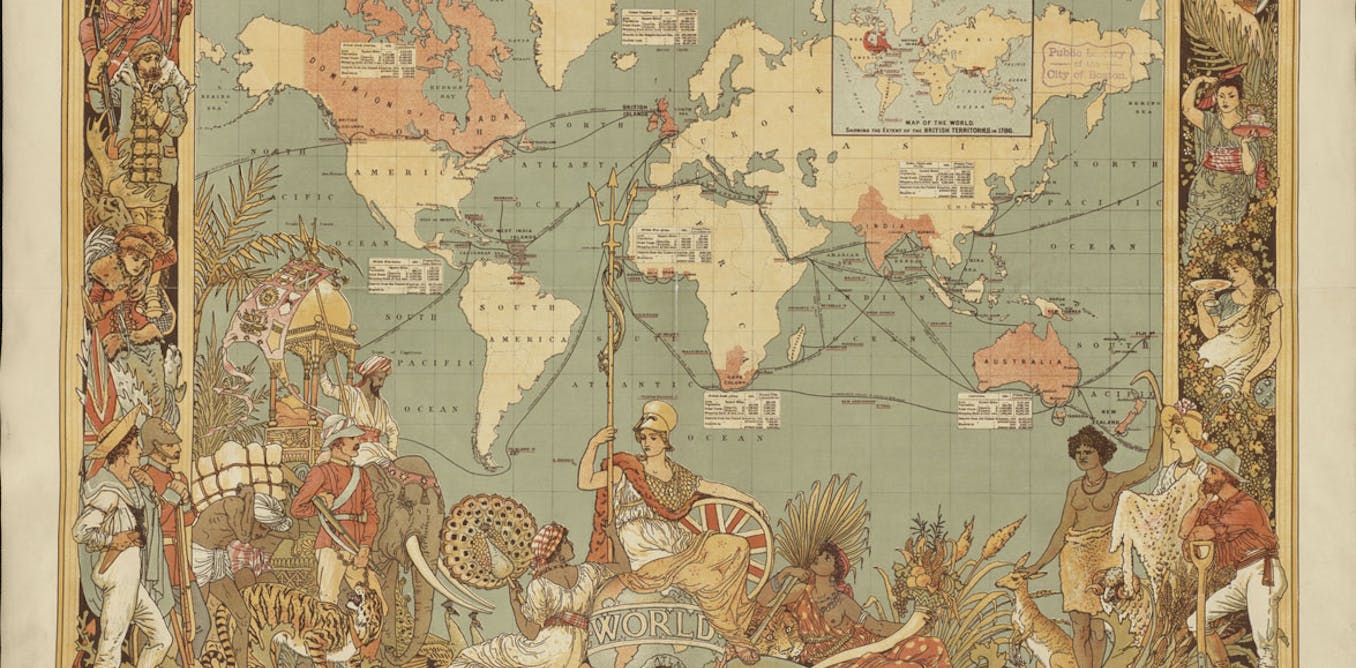
Global economic integration has thrived for nearly 400 years, driven by increased international trade, investment, and advancements in technology. Economic historian J. Bradford DeLong notes an 860-fold growth in the world economy from 1650 to 2020. However, this era of globalization is facing decline, exacerbated by isolationist policies and the decreasing dominance of the U.S. as the primary global power. China, seen as a potential successor, struggles with its own economic challenges and lacks international currency status. Historically, deglobalization has led to instability, as demonstrated in the interwar years, suggesting a similar fate may loom ahead.
Argentina, Belgium, Burkina Faso, Colombia, El Salvador, France, Germany, Guatemala, Honduras, Indonesia, Italy, Jamaica, Japan, Jordan, Malta, Mexico, Namibia, Pakistan, Philippines, Republic of Korea, Russian Federation, Saudi Arabia, South Africa, Switzerland, Thailand, Ukraine, United Arab Emirates, United Kingdom | Health, Financial services
The rise and fall of globalisation, part one: battle to be top dog
Globalisation has driven the world economy towards increased integration for nearly 400 years, evidenced by an 860-fold growth in economic value from 1650 to 2020. The high points of global trade occurred during the 19th century and post-World War II until the 2008 financial crisis. Currently, globalisation is in decline, with the U.S. under Trump leading an isolationist trend that lacks a strong successor to its hegemonic role. The potential for chaos looms similar to the interwar years, marked by rising political instability, trade barriers, and economic turmoil. Historical patterns suggest a deglobalised world may lead to greater instability and conflict.
Argentina, Belgium, Bermuda, Burkina Faso, Canada, Colombia, Dominican Republic, El Salvador, France, Germany, Guatemala, Honduras, Indonesia, Italy, Jamaica, Japan, Jordan, Malta, Mexico, Namibia, Pakistan, Peru, Philippines, Republic of Korea, Russian Federation, Saudi Arabia, South Africa, Switzerland, Thailand, Trinidad and Tobago, Ukraine, United Arab Emirates, United Kingdom | Financial services
The rise and fall of globalisation: battle to be top dog
Globalisation has significantly shaped the world economy over nearly four centuries, marked by soaring international trade and investment, and advancements in technology. From US$81.7 billion in 1650 to US$70.3 trillion in 2020, this growth peaked during the 19th century and post-World War II until the 2008 financial crisis. However, globalisation is now in decline, exacerbated by isolationist policies. The US's diminishing global leadership lacks a viable successor, with China facing its own challenges. The historical context warns of potential instability and chaos similar to the interwar period if deglobalisation continues unchecked.
Argentina, Belgium, Bermuda, Burkina Faso, Canada, Colombia, Dominican Republic, El Salvador, France, Germany, Guatemala, Honduras, Indonesia, Italy, Jamaica, Japan, Jordan, Malta, Mexico, Namibia, Pakistan, Peru, Philippines, Republic of Korea, Russian Federation, Saudi Arabia, South Africa, Switzerland, Thailand, Trinidad and Tobago, Ukraine, United Arab Emirates, United Kingdom | Financial services
The rise and fall of globalisation: the battle to be top dog

Climate change exacerbates violent conflict by altering resource availability and triggering psychological reactions, such as hostile attribution bias. Stresses from prolonged heatwaves and droughts can lead communities to interpret others' actions as aggressive, escalating tensions. Historical evidence links resource scarcity to violence, with modern studies indicating that rising temperatures correlate with increased assault rates. Mitigating climate stress through improved infrastructure and community education can preserve cognitive resources, potentially reducing conflict by fostering cooperation and resource-sharing among affected groups.
Antarctica, Nigeria
How climate change can make people more likely to get into violent conflict
Africa’s sustained growth requires inclusive and resilient transformation characterized by Diversification, Export competitiveness, Productivity, Technology upgrading, and Human well-being (DEPTH). The African Transformation Index (ATI) by ACET tracks progress across these pillars in 30 countries covering over 86% of Africa’s GDP from 2000–2020, revealing slowed transformation amid global shocks. In response, DEPTH 2.0 integrates resilience, environmental sustainability, gender, and youth inclusion to better measure and promote economic transformation, offering policymakers a renewed roadmap for a greener, more equitable future.
Algeria, Angola, Benin, Botswana, Burkina Faso, Burundi, Cameroon, Chad, Egypt, Eswatini, Ethiopia, Ghana, Guinea, Kenya, Lesotho, Malawi, Mali, Mauritania, Mauritius, Mozambique, Namibia, Rwanda, Senegal, South Africa, Tanzania, Tunisia, Uganda
DEPTH 2.0: Deepening Growth With DEPTH

A study from the Wharton AI & Analytics Initiative reveals that large language models (LLMs) reflect racial and gender biases in evaluations. When assessing identical job candidates with varying demographics, LLMs showed a tendency to rate women and racial minorities slightly higher than White males. This reflects underlying biases from their training data, emphasizing the need for more sophisticated auditing methods beyond traditional metrics. Context matters significantly, suggesting tailored audits are essential for ethical AI deployment. The findings stress that organizations should not use LLMs without proper auditing to ensure fairness in decision-making processes.
How to Detect Bias in Large Language Models
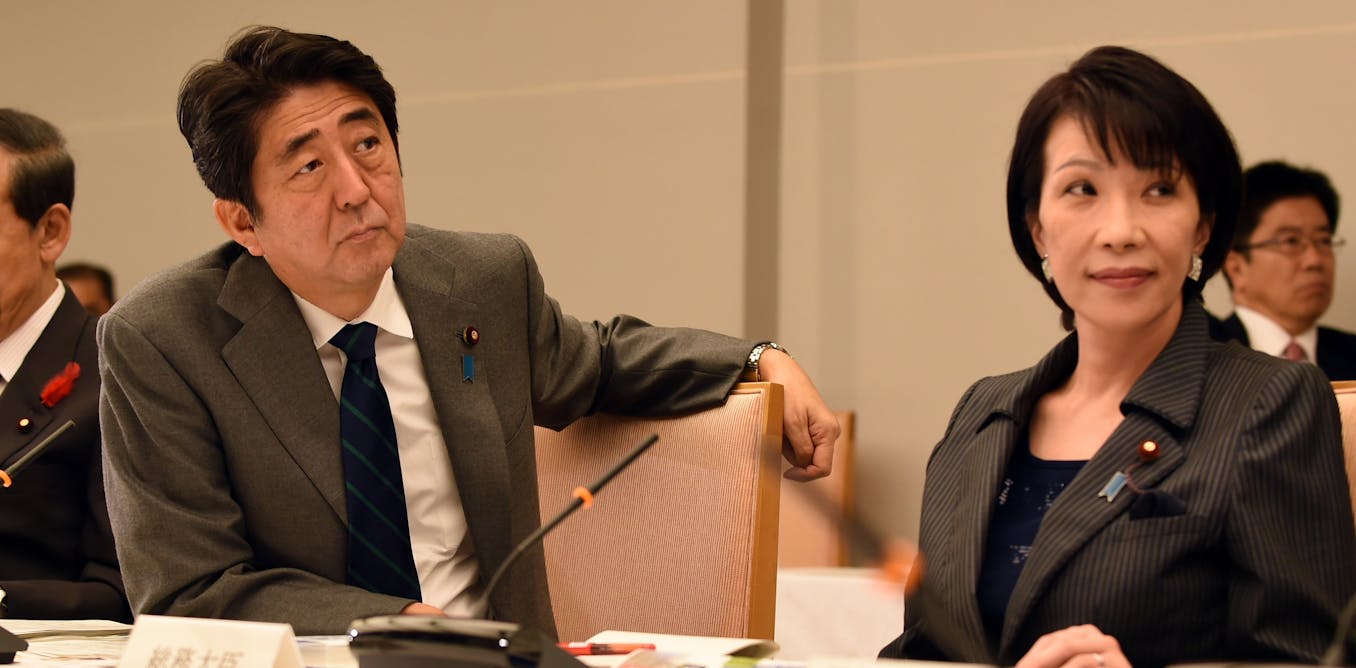
Sanae Takaichi became Japan’s first female prime minister, advocating for a revival of Shinzo Abe's economic strategy known as "Abenomics." Her approach, termed "Sanaenomics," emphasizes expansionary fiscal policy and large-scale government investments, particularly in national security sectors like food, energy, and technology. While aiming to stimulate private sector investment, Takaichi's administration faces challenges such as Japan's aging population and corporate pessimism regarding long-term economic prospects. She seeks to restore public-private partnerships to enhance economic growth and reduce foreign dependence, all amid a backdrop of rising inflation currently at 2.7%.
Japan | Financial services
Japan’s new leader revives Abe’s economic vision – with a twist