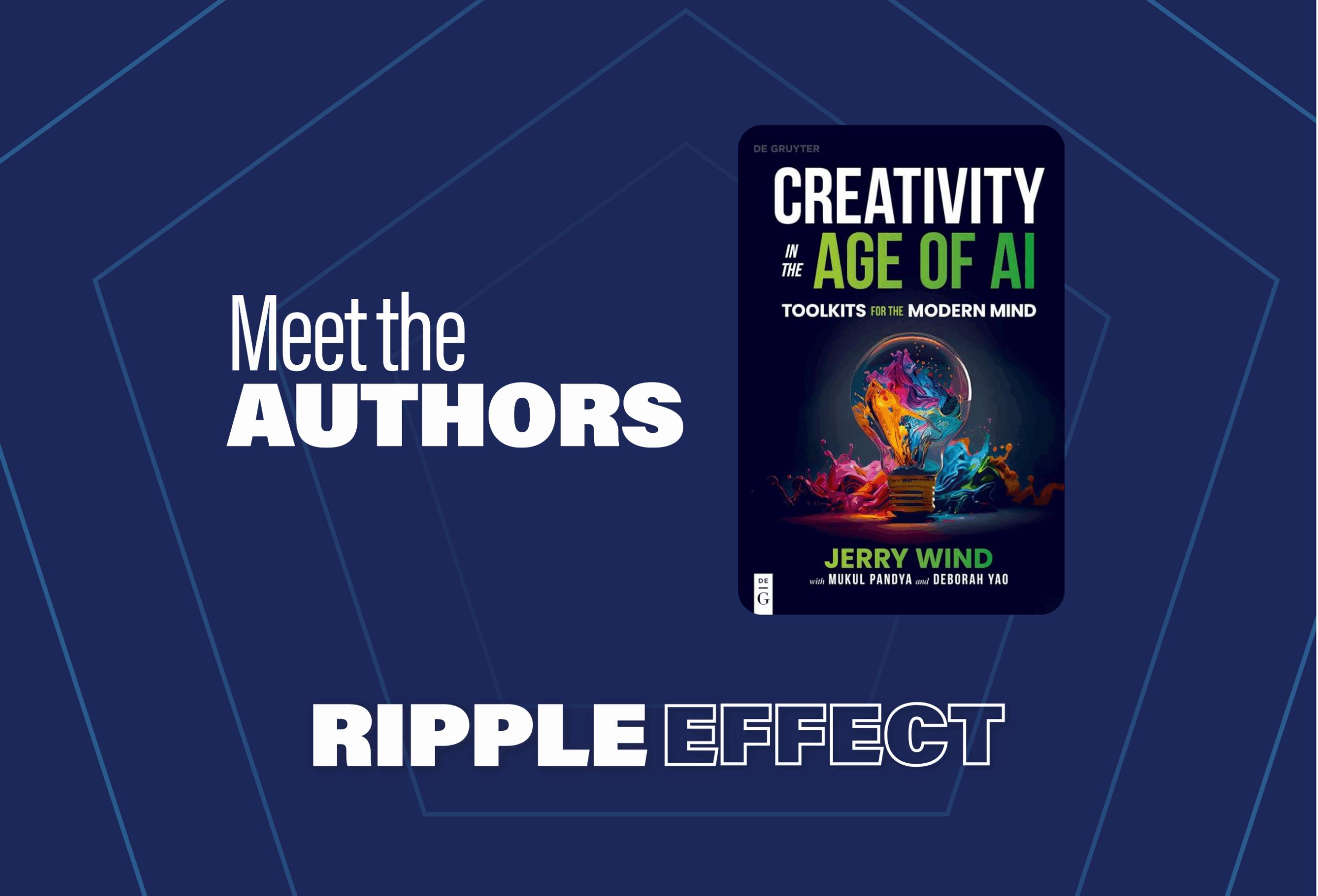
Jerry Wind's book, "Creativity in the Age of AI," examines how AI can enhance creativity for personal and professional growth. He argues that creativity is essential for innovation and that everyone can improve their creative capabilities through specific approaches, which can be amplified by AI. Wind emphasizes the importance of challenging the status quo and adapting to rapid changes in technology and society. He critiques businesses for often neglecting to foster creativity among employees and encourages exploring new strategies to stay competitive. The book provides various methods for enhancing creativity, urging individuals and organizations to embrace change and innovation.
Financial services, Education
Creativity in the Age of AI | Jerry Wind

Banks significantly influence environmental outcomes through their lending practices. They operate on a fractional reserve banking system, where deposits are used primarily for loans rather than stored as reserves. This gives banks the power to direct credit toward various industries, impacting their growth and environmental effects. Currently, major banks allocate much more funding to fossil fuels than sustainable energy, with $3.29 trillion going to fossil fuels compared to $1.37 trillion for renewables between 2021 and 2024. Individual banking choices, while seemingly minor, collectively shape these financial flows, underscoring the need for awareness around how banking decisions relate to environmental sustainability.
Financial services
How banks affect the environment and the role your money plays in it
Peer-to-peer learning facilitates digital transformation for small and medium-sized enterprises (SMEs) by fostering collaboration and knowledge sharing among businesses. As SMEs represent over 90% of all global businesses, their active participation in digital innovation is crucial. Challenges such as fragmented networks, limited access to technology, and lack of expertise hinder their progress. Peer-to-peer initiatives enable SMEs to connect with peers, share experiences, and adapt successful practices, reducing risks and enhancing competitiveness. Programs like PeerLink demonstrate the effectiveness of this model, promoting collective advancement in the face of rapid digital disruption.
ICT, Education
How peer-to-peer learning can help SMEs embrace digital transformation
Chemical management is becoming safer and more transparent through various initiatives and innovations. Key elements include enhanced global governance, such as the Intergovernmental Science-Policy Panel on Chemicals, and stricter regulations like the EU’s proposed PFAS restrictions. Companies are investing in safer alternatives and developing tools for risk assessment and treatment. Transparency is improving with databases tracking chemical use, while education and investor engagement are fostering a stronger focus on safe chemistry. The aim is to create a chemical economy that prioritizes safety, traceability, and sustainability throughout product lifecycles.

Financial services, Health
7 ways chemical management is becoming safer and more transparent
Africa accounts for over 25% of global gold production yet holds only 2% of global gold reserves, highlighting a significant imbalance. This disparity has led to a strategy among African nations to enhance monetary autonomy by accumulating gold reserves and developing refining capabilities. Countries like Ghana and Zimbabwe are introducing gold-backed currencies and refineries to stabilize their economies. A continent-wide strategy, supported by the African Union, is essential for unifying efforts in gold resource management. By leveraging gold as a financial asset, Africa can improve its bargaining power and economic resilience in a shifting global landscape.
Burkina Faso, Ghana, Namibia, South Africa | Financial services
Africa’s golden resurgence
Donald Trump’s political appeal combines strict immigration controls, neoliberal economics, and mercantilist trade. This formula resonates in Europe amid rising economic uncertainty, leading to increased support for populist parties. Economic instability drives voters to seek clear narratives, resulting in the attractiveness of Trump’s three-part strategy: securing borders for psychological reassurance, promoting deregulation for economic opportunity, and framing trade confrontations as patriotic. However, this strategy poses serious risks, including worsened labor shortages and increased inequality, while populist sentiments threaten global stability. European policymakers must offer clear alternatives and strengthen social safety nets to counteract these trends.
Latin America
Can Trump’s political formula find an audience in Europe?

AI is redefining global value chains by clustering production in regional hubs, reshaping where value is created and who governs production. The emergence of key AI centers, such as Silicon Valley and Penang, highlights a significant shift where 30 countries dominate AI chip manufacturing, leaving many nations without access to advanced AI capabilities. This transition leads to greater dependency on regional hubs and alters the logistics and governance of supply chains. Despite increased automation, human roles become more crucial, focusing on tasks that require unique human skills. Firms must adapt to these changes to maintain competitive advantages.
United Arab Emirates
AI is dramatically rewiring global value chains
Children in Brazil, India, Kenya, and Thailand are increasingly using generative AI technologies at home and in school, engaging with tools like ChatGPT, Copilot, and AI features in social platforms. Despite rapid adoption, many children lack a deep understanding of AI, its beneficial use, and associated risks. The RIGHTS.AI research identifies three key challenges for AI literacy policies and programs, emphasizing the need for education to help children navigate opportunities and risks presented by generative AI.
Education
AI literacy in an unequal world: pitfalls and promises

South Korea has enacted a dozen new environment and energy bills aimed at enhancing climate response, promoting green growth, and improving environmental governance. A key reform includes the unification of climate and energy under the new Ministry of Climate, Energy and Environment, streamlining decision-making and addressing climate issues more effectively. The legislation updates the naming of the 2050 Carbon Neutral Green Growth Commission and revises greenhouse gas reporting standards to focus on net emissions. Additionally, the validity of hydrogen station construction permits has been extended to foster infrastructure development, while measures to protect biodiversity and improve disaster preparedness have been introduced.
Nigeria, Republic of Korea
South Korea passes a dozen environment and energy bills to promote green growth

Quantum technologies are poised to transform advanced manufacturing and supply chains, addressing challenges posed by recent disruptions such as extreme weather and geopolitical tensions. The report outlines how these technologies enhance product design, factory operations, and supply chain resilience. It provides a strategic roadmap for scaling adoption through pilot projects, policy initiatives, and talent development. Notable case studies highlight improvements such as Ford Otosan's faster scheduling and Boeing's corrosion-resistant material research. Early adoption of quantum solutions can lead to greater precision, cost reduction, and increased agility in industrial systems.
ICT, Education
Quantum Technologies: Key Opportunities for Advanced Manufacturing and Supply Chains

Global manufacturing and supply chains are facing significant disruptions, with a 38% increase in supply chain issues in 2024 due to extreme weather, geopolitical tensions, and cyberattacks. Traditional digital tools are inadequate for addressing these complex challenges. Quantum technologies present innovative solutions across product design, factory operations, and supply chains. A strategic roadmap for adoption is outlined, featuring hybrid quantum-classical pilots and case studies such as Ford Otosan’s improved scheduling and the Port of Rotterdam’s secure network. Early adoption of quantum solutions can enhance precision, reduce costs, and increase agility in industrial systems.
ICT, Education
Quantum Technologies: Key Opportunities for Advanced Manufacturing and Supply Chains

Southeast Asia's tourism sector is rebounding with a significant focus on sustainability, welcoming over 123 million visitors in 2024. As demand for ecotourism grows, countries like Thailand, Vietnam, and Malaysia are developing policies to balance economic benefits with environmental protection. Ecotourism, now integral to the region's economy, can contribute to conservation efforts, but managing visitor numbers is crucial to preserving natural areas. Initiatives include regulated tourist access and ensuring revenues support local communities and ecosystems. This shift positions ecotourism as essential for both cultural preservation and wildlife protection.
Thailand
Rewilding travel: Southeast Asia’s top ecotourism destinations
Asia faces significant challenges due to a rapidly aging population, projected to reach 81 million people aged 65 or older by 2050, which strains pension systems. Currently, 40% of older adults lack pension access, and AI's rise could exacerbate job displacement, with up to 90% of jobs in East Asia at risk. The reduction in young workers entering the labor force further pressures pension and healthcare systems. However, AI may also offer opportunities by enhancing productivity, supporting older workers, improving healthcare outcomes, and transforming pension systems through digitalization.
Africa, Latin America | Financial services, Education
Asia’s Graying Workforce: Can AI be the Silver Lining?
Countries in Asia and the Pacific contribute significantly to global emissions while being particularly susceptible to extreme weather disasters. This region, home to 60% of the global population, accounted for over half of the rise in greenhouse gas emissions, leading to heightened vulnerability. Despite less disaster frequency than other regions, Asia and the Pacific faced nearly half of the global fatalities from such events, with estimated economic losses of $1.4 trillion. Tracking emissions across sectors and supply chains is crucial to understanding their impacts and developing effective policies to enhance resilience, reduce emissions, and ensure sustainable growth.
Australia, Indonesia, Japan, Kenya, Pakistan, Philippines, Republic of Korea, Seychelles, South Africa, Sri Lanka, Thailand, United Arab Emirates | Financial services, Health
Supply Chains Are Key to Managing Disaster Risk and Cutting Emissions
Creative Commons, established in the early 2000s to promote open sharing of creative work, faces challenges from generative AI technologies that scrape content without attribution. Creative Commons CEO Anna Tumadóttir emphasizes the need for ethical AI practices based on reciprocity to safeguard the principles of attribution and fair use, which underpin Creative Commons licenses. With over 2.5 billion works licensed, the integrity of this sharing model is threatened by AI's disproportionate benefits, prompting calls for a reevaluation of openness in the digital landscape to restore agency for creators and ensure accountability.
What is Creative Commons – and how is AI turning it on its head?
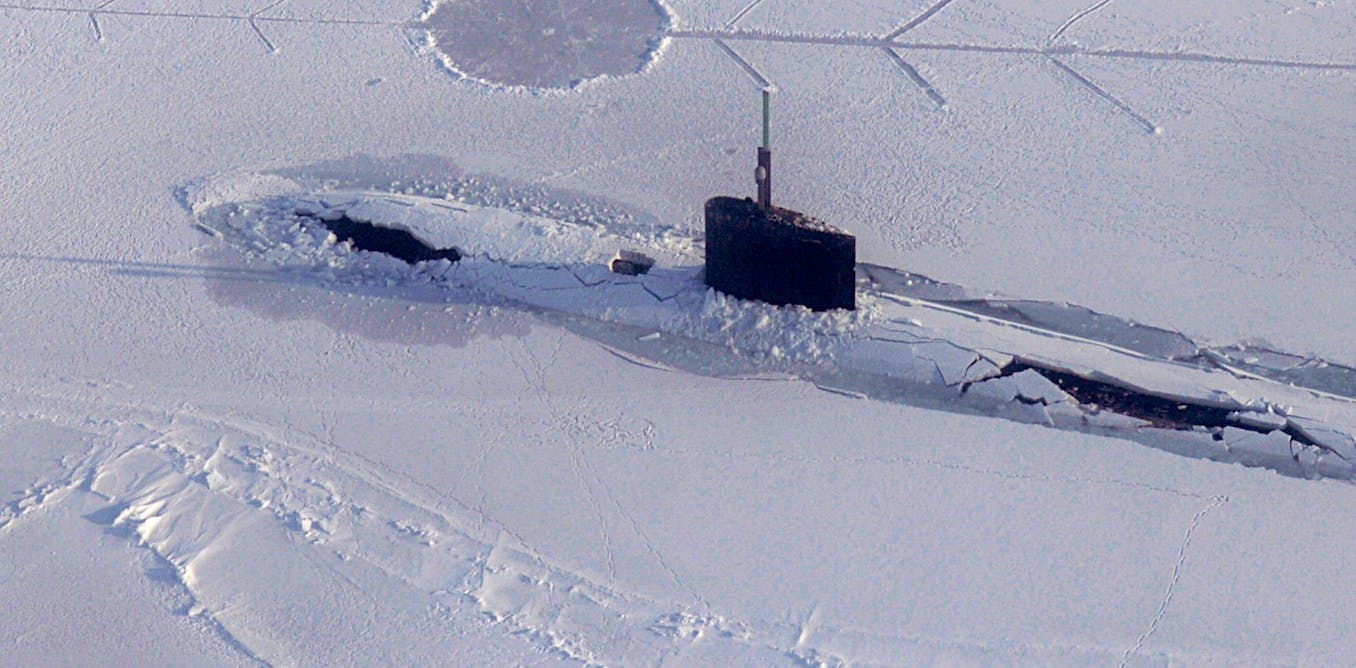
London and Washington announced plans to build 20 small modular reactors (SMRs) and develop microreactor technology to address energy needs. However, evidence suggests that SMRs are unlikely to compete with renewable energy on cost and efficiency. The push for nuclear energy, particularly from military-linked entities, reflects a deeper reliance on civil nuclear industries to support military infrastructures, such as nuclear submarines. This dependency allows military costs to be obscured within civilian programs, creating a cycle of funding and support driven more by strategic military interests than by genuine energy or climate concerns.
The hidden military pressures behind the new push for small nuclear reactors
The U.S. has exhibited inconsistent semiconductor export control policies towards China, recently tightening some restrictions while relaxing others, such as allowing Nvidia AI chip exports and the TikTok deal. Political priorities, reduced bureaucratic capacity, and international relations are influencing these shifts. The focus on domestic issues has lessened pressure for aggressive stances, while upcoming diplomatic events, like the APEC summit, encourage de-escalation. Future U.S. export policies may tighten again if significant provocations arise from China. The global consensus on technology control has weakened, complicating multilateral relations.
France, Germany, Switzerland, Taiwan, China, United Kingdom | Financial services, ICT
Three Questions to Emily Benson: Inside the Conflicting Signals of U.S. Export Control Strategy
Public attitudes towards AI in parliamentary decision-making reveal uncertainty, as shown in surveys conducted in the UK (n = 990) and Japan (n = 2117). Respondents express more support for AI assisting Members of Parliament (MPs) than for AI making decisions independently, with notable resistance in the UK. Factors influencing acceptance include trust in government, demographics, and perceptions of AI. Support increases among those who view AI positively and feel capable of using it, while fear reduces acceptance. Legitimacy hinges on the alignment of AI use with expectations of representation and accountability.
Democracy by algorithm? Public attitudes towards AI in parliamentary decision-making in the UK and Japan
The rapid advancement of AI technology is outpacing traditional cybersecurity measures, leaving micro-, small-, and medium-sized enterprises (MSMEs) and underdeveloped nations particularly vulnerable. Cyberattacks have become faster and more sophisticated, with a significant global shortage of cybersecurity professionals exacerbating the issue. Proactive strategies leveraging AI, automation, and intelligent security posture management are essential to protect organizations effectively. Additionally, the advent of quantum computing poses new challenges that current encryption standards may not withstand. To bolster digital resilience, accessible plug-and-play cybersecurity solutions must be developed to ensure all organizations can compete and secure their infrastructures against evolving threats.
Financial services, ICT, Education
Can cybersecurity withstand the new AI era?
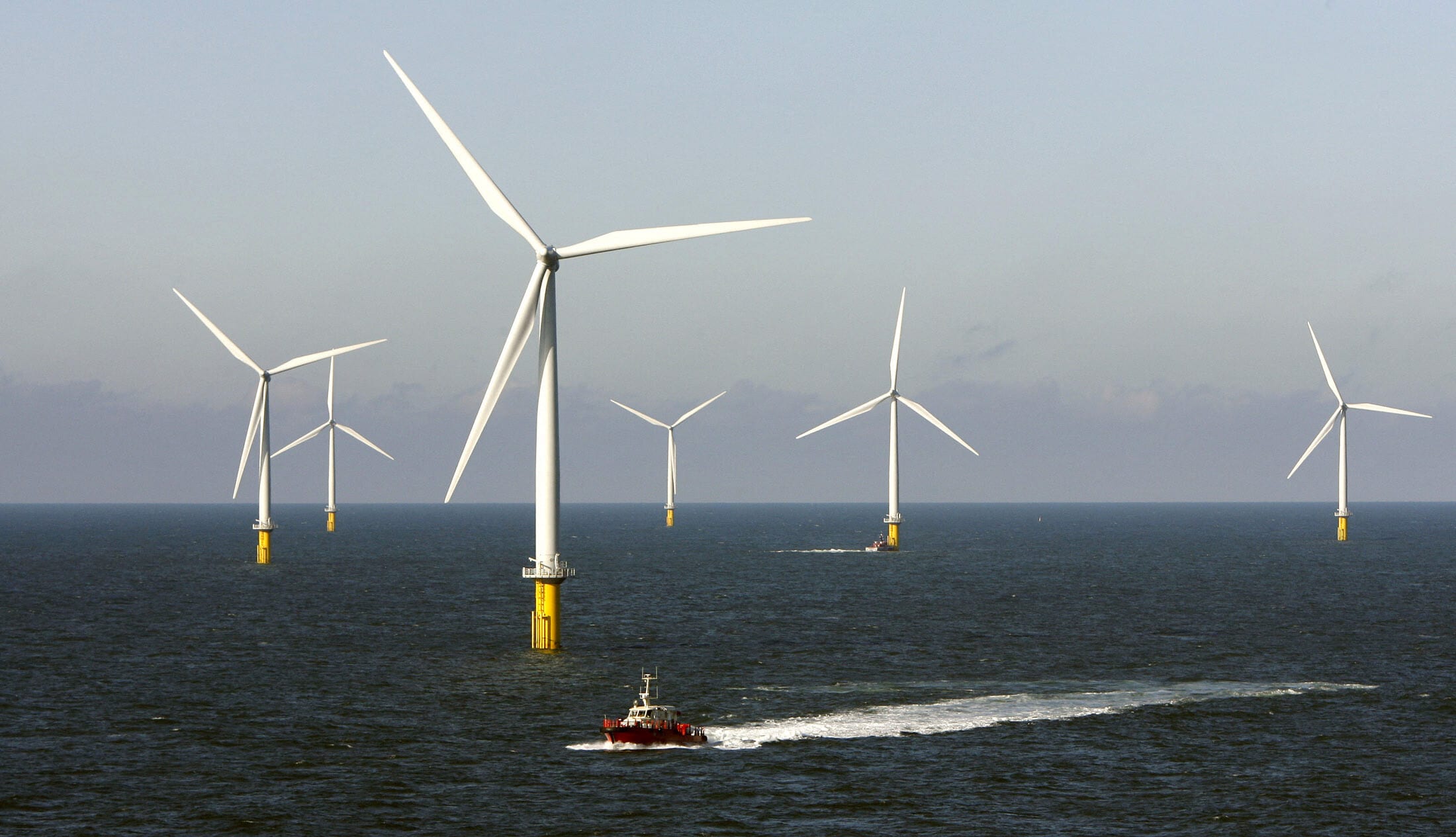
The ocean economy is identified as a critical driver of sustainable growth and investment, with the potential to create jobs and restore ecosystems. It underpins over half of the global GDP, valued at approximately $44 trillion, yet faces risks from climate change and biodiversity loss. There is optimistic potential for regenerative practices, which could unlock $10.1 trillion in annual opportunities and create 395 million jobs by 2030. Key sustainable sectors include ocean conservation, sustainable fisheries, and ocean-based renewable energy, with a projected investment of $550 billion annually by 2030, affirming the ocean economy's transformative potential.
Seychelles | Financial services
How the ocean economy can catalyze sustainable growth