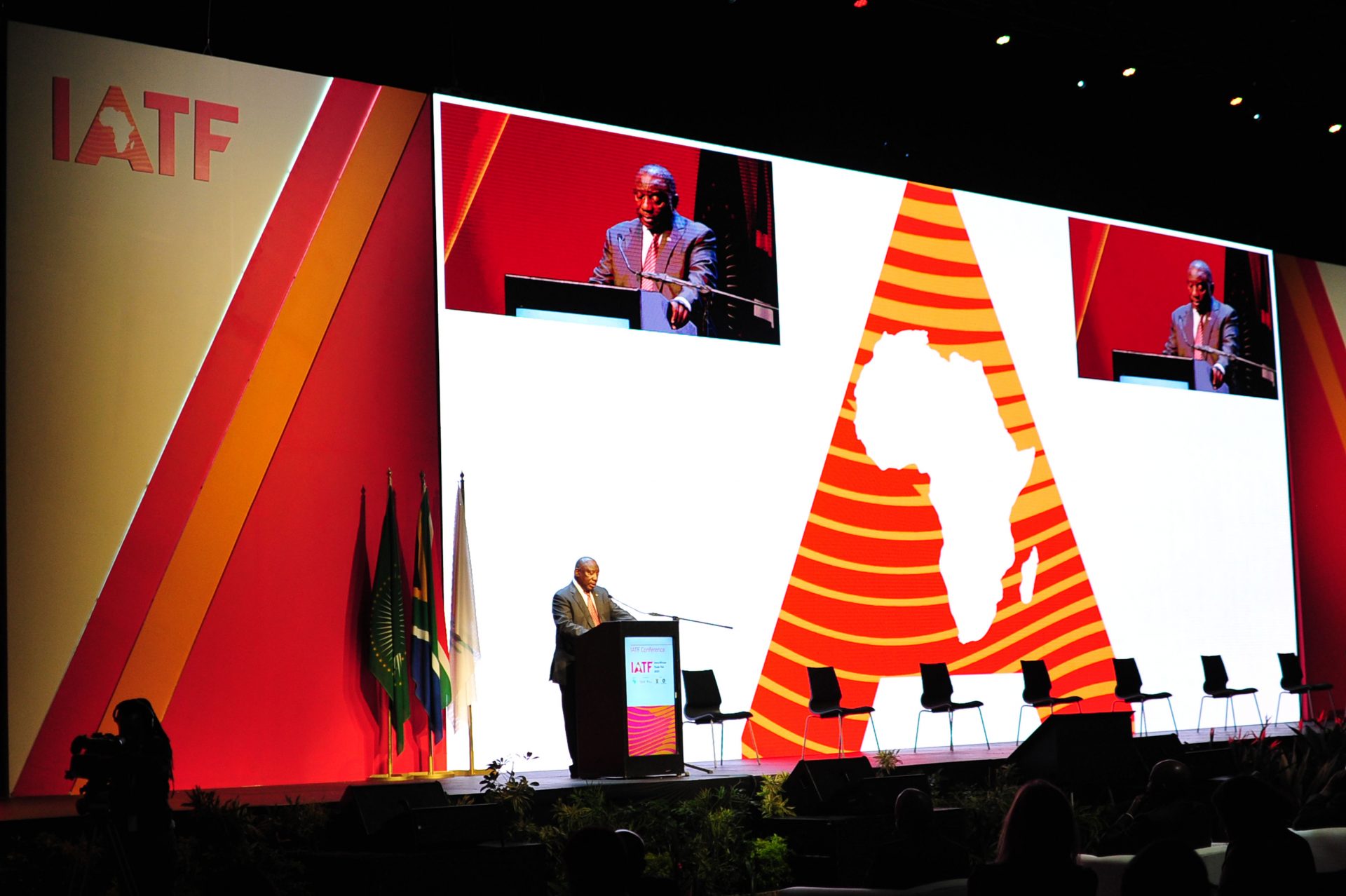
Increased intra-African trade and regional value chain development can enhance the resilience of African economies. The Guided Trade Initiative (GTI) acts as a pilot for the African Continental Free Trade Area (AfCFTA), illustrating the necessary political will and conducive conditions for full implementation. Key involvement from major economies like Nigeria and South Africa strengthens the GTI's strategic importance. Experience from the GTI highlights that tariff liberalization alone is insufficient; structural transformation, productive capacity building, trade facilitation, and institutional alignment are essential for realizing AfCFTA's potential.
Burkina Faso, Ethiopia, Ghana, Guatemala, Kenya, Mozambique, Namibia, Nigeria, Senegal, South Africa, Tanzania, Trinidad and Tobago, Tunisia, Uganda
Operationalising the AfCFTA: Structural Imperatives from the Guided Trade Initiative
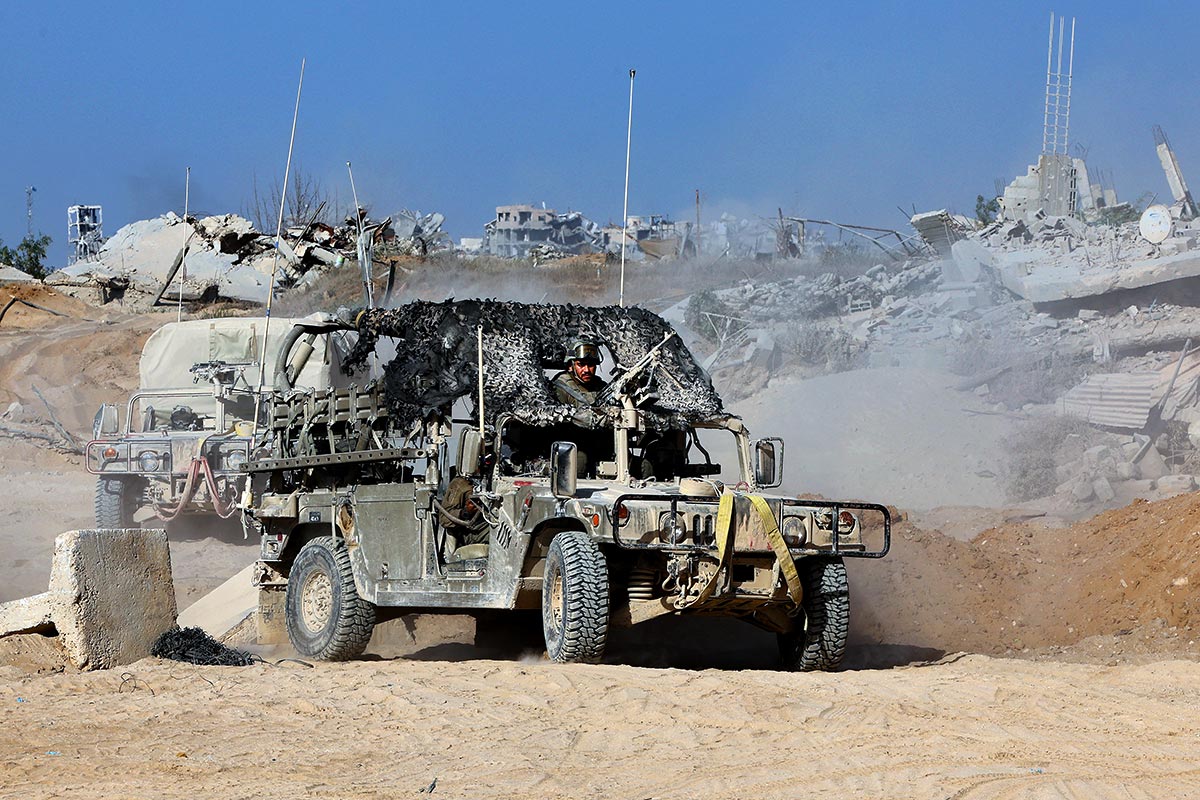
The October 2023 Hamas attacks on Israel initiated a two-year war resulting in significant civilian casualties and humanitarian crises in Gaza, prompting accusations of genocide against the Israeli Defence Forces. The International Court of Justice mandated provisional measures against Israel to prevent further risks of genocide. An independent UN commission affirmed these allegations in September 2025, while questions regarding accountability for arms suppliers emerged. Various legal challenges hinder the prosecution of companies involved in supplying military equipment linked to these atrocities. Different national legal systems, such as France's, show varying approaches to corporate criminal liability for international crimes, including genocide.
Gaza: when will the “lords of war” face criminal trial?

The transition to digitalization and smart infrastructure is accelerating, with significant advancements reported by executives worldwide. Organizations increasingly adopt technologies like AI and automation to enhance efficiency and reduce costs, leading to competitive advantages. Notable examples include the University of East London and Deutsche Bahn, which illustrate the tangible benefits of integrated energy management and operational improvements. The Siemens Infrastructure Transition Monitor highlights that profitability is driving the shift toward sustainability, with autonomous systems poised to unlock even greater efficiencies in resource management, maintenance, and energy distribution.
Financial services, Education, ICT
The digital flywheel is now unstoppable. Smart business will harness it
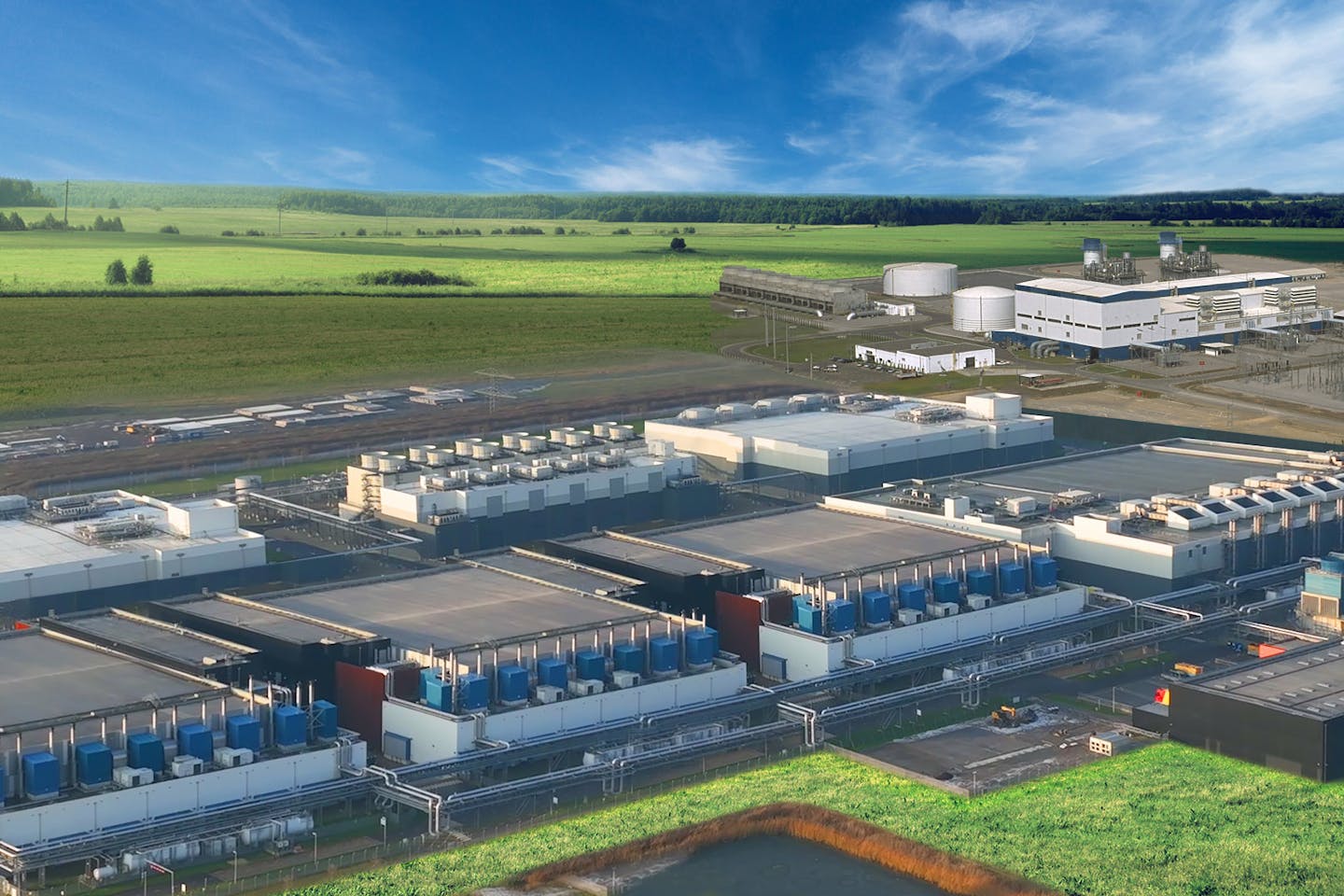
Asia's energy landscape is changing due to rising electricity demand from data centres, which are reshaping traditional consumption patterns. Gagan Porwal from GE Vernova highlights that this surge requires immediate attention to energy capabilities rather than just capacity. GE Vernova is increasing gas turbine supply to support data centre growth and collaborates with regional think tanks to enhance electricity interconnections and promote a balanced mix of renewable and gas sources, aiming to reduce coal reliance in the long term. The goal is to ensure grid stability while adapting to the evolving energy demands.
'A generational shift’: GE Vernova on how data centres are rewriting the rules on power consumption in Asia
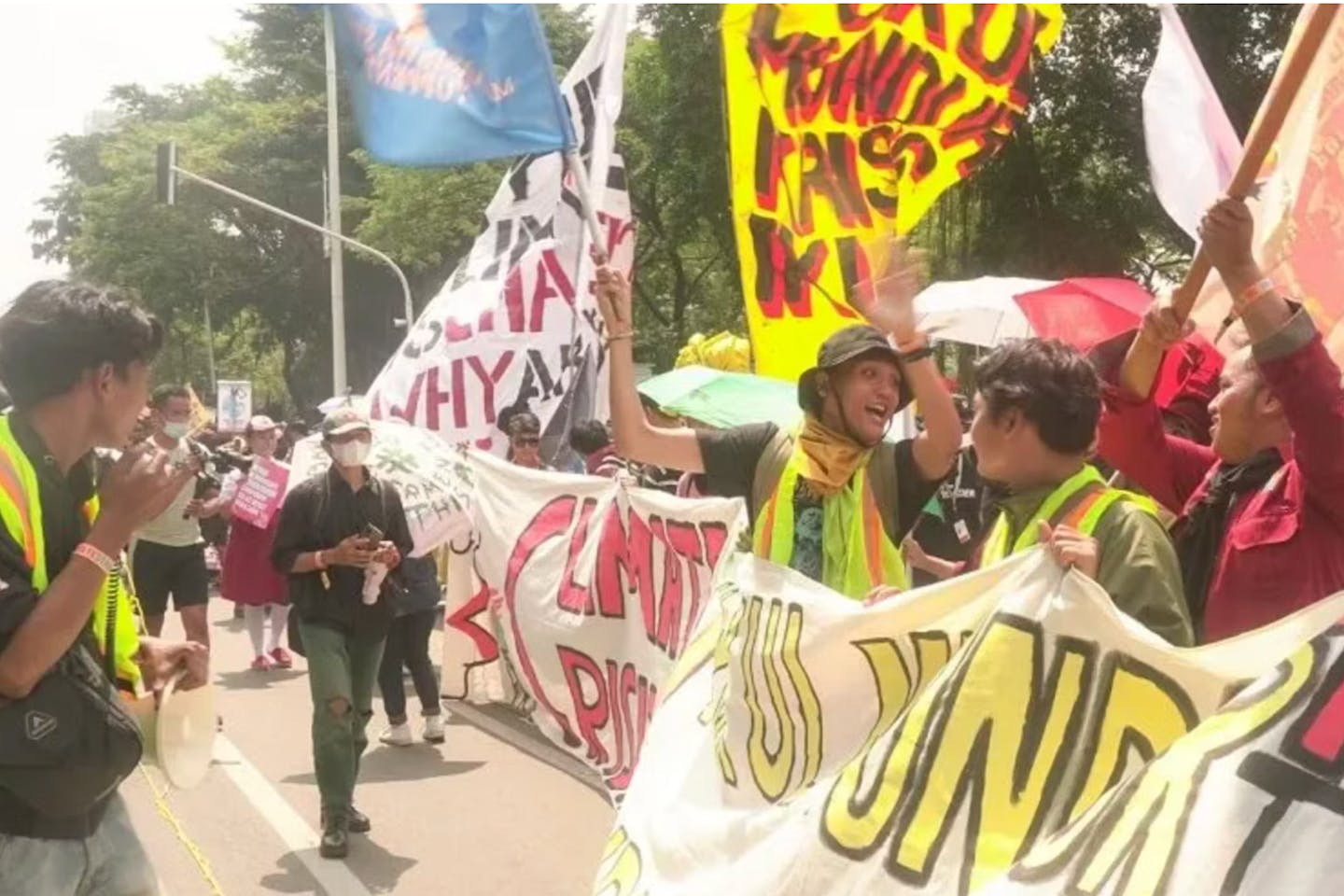
Concern about climate change has significantly declined in 2024-2025, despite worsening climate impacts, as revealed by a GlobeScan survey across 33 countries. The decline is notable in regions like Indonesia, Hong Kong, and Vietnam, driven by decreased communication from leaders, competing priorities, and a phenomenon termed "hypernormalisation." Many in the Global North prioritize issues like cost of living over climate, while those in the Global South, especially in climate-vulnerable countries, maintain higher concern and show strong support for a green economy. The findings come ahead of COP30 negotiations, highlighting financial support for climate adaptation as a pressing issue.
Antarctica, Nigeria | Financial services, Health
The perceived seriousness of climate change is declining amid competing priorities and climate delay: study

NBS compiles a monthly list of the latest business sustainability research, focusing on in-press articles to showcase cutting-edge knowledge. The compilation includes contributions from Financial Times Top 50 journals and other publications, featuring studies on diverse topics such as CEO gender pay inequality, corporate-nonprofit partnerships, and the effects of green bond issuance. Notable themes include strategic corporate social responsibility, diversity in entrepreneurship, and environmental impacts of industry practices.
Belgium, Germany, Indonesia, Japan, Jordan, Kenya, Mozambique, Namibia, Nigeria, Norway, Peru, Philippines, Russian Federation, Saudi Arabia, Switzerland, Ukraine, United Arab Emirates, United Kingdom | Health, Financial services, ICT
Table of Contents: September 2025

The paper by Robin Mansell examines whether developers of large language models in the AI industry can use copyrighted works for model training without permission or compensation to creative industries. It contrasts a dominant view favoring market-driven growth in the UK with an alternative perspective that emphasizes equity and non-market values. The discussion includes policy proposals like licensing and highlights that current debates favor Big Tech while overlooking the potential for technology innovation to benefit the public good.
Education, ICT
A capitalist contest: the AI industry v. the creative industries
Humanity is on the brink of a significant shift in biological understanding and health care, driven by evolving consumer behaviors, increased data collection, health technology advancements, federal policies, and artificial intelligence (AI). Comprehensive longitudinal health records (LHRs) spanning various data types are essential for AI's effective application in health care. Current health organizations lack incentives to maintain complete LHRs, necessitating consumers to take responsibility for their health data management. Rare disease communities exemplify successful consumer-driven data aggregation, highlighting the need for improved policies and tools to empower individuals in managing their health information, ultimately aiding clinical decision-making and disease treatment.
Health
Consumer Data is Key to Artificial Intelligence Value: Welcome to the Health Care Future
Citizens lack control over their social media exposure, while independent regulators struggle to enforce accountability among companies regarding online safety obligations. The research community also faces challenges in identifying platform deficiencies, jeopardizing transparency and individuals' rights. Immediate action is needed to establish standards for social media data access to protect democracy from potential manipulation. The Columbia-Hertie initiative offers funding recommendations across three areas: data access infrastructure, best practices for researchers, and researcher-regulator partnerships, emphasizing data protection and user privacy.
ICT
Building Capacityfor Data Access, Analysis + Accountability
Google Earth AI utilizes advanced geospatial models to enhance disaster response and critical decision-making. It provides life-saving flood forecasts for over two billion people and crisis alerts to millions during events like the California wildfires. With its Geospatial Reasoning framework, AI connects various models—such as weather forecasts and population maps—to address complex questions, allowing organizations like GiveDirectly to identify vulnerable communities needing urgent aid. Google is continuously advancing Earth AI's capabilities to address pressing global challenges more effectively and efficiently.
Google Earth AI
International cooperation in the 20th century was defined by a rules-based multilateral order, supported by institutions like the United Nations and World Bank. However, great-power rivalries and structural inequities have undermined these institutions, leading to a decline in development finance and humanitarian aid. As national governments retreat from cooperation, private companies, particularly in AI, gain increasing influence, risking dependency for others. A new model of cooperation, exemplified by the Apertus coalition, promotes shared infrastructure over traditional treaties. Middle powers must enhance AI access and capabilities through collaborative initiatives like the Public AI Inference Utility to remain relevant and resilient.
Latin America | Financial services, Education, ICT, Health
Public AI Is the New Multilateralism
Mokyr, Aghion, and Howitt were awarded the Nobel Prize for their contributions to understanding economic growth. Mokyr highlighted the importance of "useful knowledge," showcasing how scientific innovations underpin modern growth compared to pre-industrial times. Aghion and Howitt developed a model explaining "creative destruction," where competition fosters innovation and drives older products out of the market. They argued that R&D investment is crucial for growth, yet simply investing is insufficient without replacing inefficient firms. Their findings also acknowledge the need for societal mechanisms to support innovation amidst the disruptions caused by economic change.
Financial services, Education
Economics Nobel prize won by researchers who showed how science boosts growth
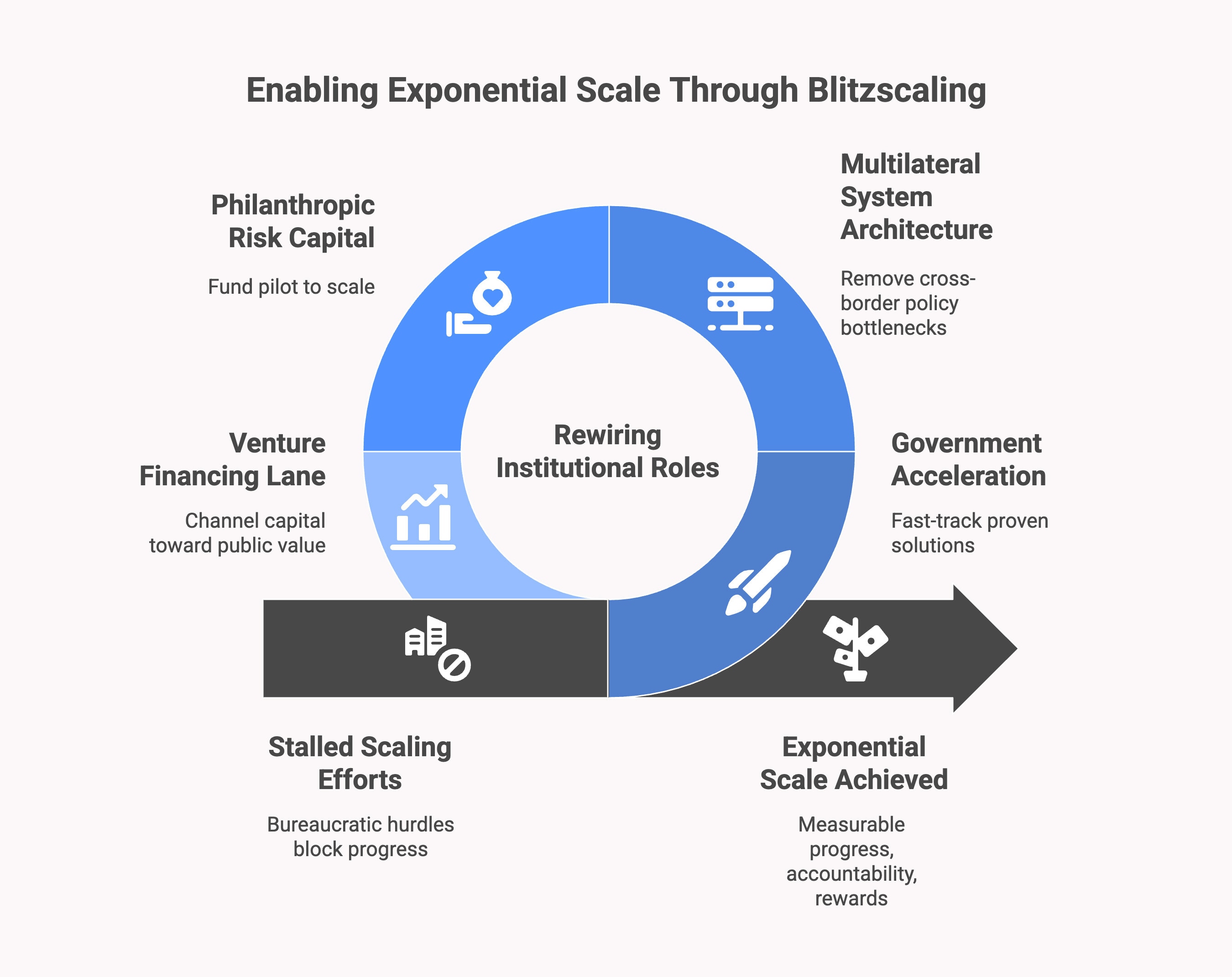
Only 35% of UN Sustainable Development Goals (SDGs) are on track, highlighting a significant gap between available solutions and their scaling. Blitzscaling, a method prioritizing rapid growth and embracing uncertainty, can be repurposed for social impact, creating "impact unicorns" defined by their positive effects on billions rather than financial valuation. These organizations leverage AI and operate within "impact clusters"—ecosystem coalitions of various stakeholders—to enhance efficiency and reach. Examples of scalability and success include Zipline's drone deliveries and SHAYP's water monitoring solutions. Effective collaboration within these clusters can dramatically accelerate progress toward sustainable development.
Financial services, Education, ICT, Health
Blitzscaling: How to build the world's first impact unicorns
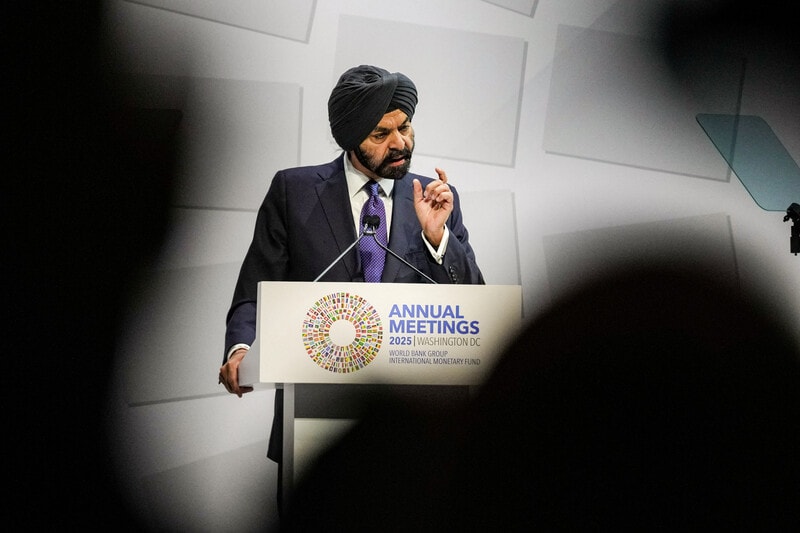
The 2025 IMF-World Bank fall meetings focused on debt transparency and reform, highlighting how economic security, trade tensions, and unregulated AI shape global growth. The IMF warned that global public debt could exceed 100% of GDP by 2029, stressing the need for a new culture of transparency in debt restructuring. Leaders called for stronger representation of low- and middle-income countries in global governance. Climate finance was identified as inseparable from economic stability. Artificial intelligence emerged as a significant risk and opportunity, requiring responsible governance to avoid exacerbating inequality. Credibility in delivering results was emphasized as essential for restoring confidence in global institutions.
Burkina Faso, Peru, Ukraine, United Kingdom | Education, ICT, Financial services, Health
Debt, AI and geopolitical division: takeaways from the 2025 IMF-World Bank fall meetings

The distinction between strong and weak AI is explored, highlighting the skepticism around the creation of genuinely conscious machines. While functionalists view strong AI as a technical challenge, recent advancements in generative AI, like Chat-GPT, raise questions about its consciousness despite passing Turing-like tests. Experts dismiss the notion of AI consciousness, suggesting that true belief in such a machine’s awareness may remain elusive. A key hurdle is demonstrating autonomy, as current AIs are primarily reactive. The challenge could lie in transcending mimicry to establish genuine self-initiated actions, potentially leading to acceptance of AI consciousness.
The hardest part of creating conscious AI might be convincing ourselves it’s real
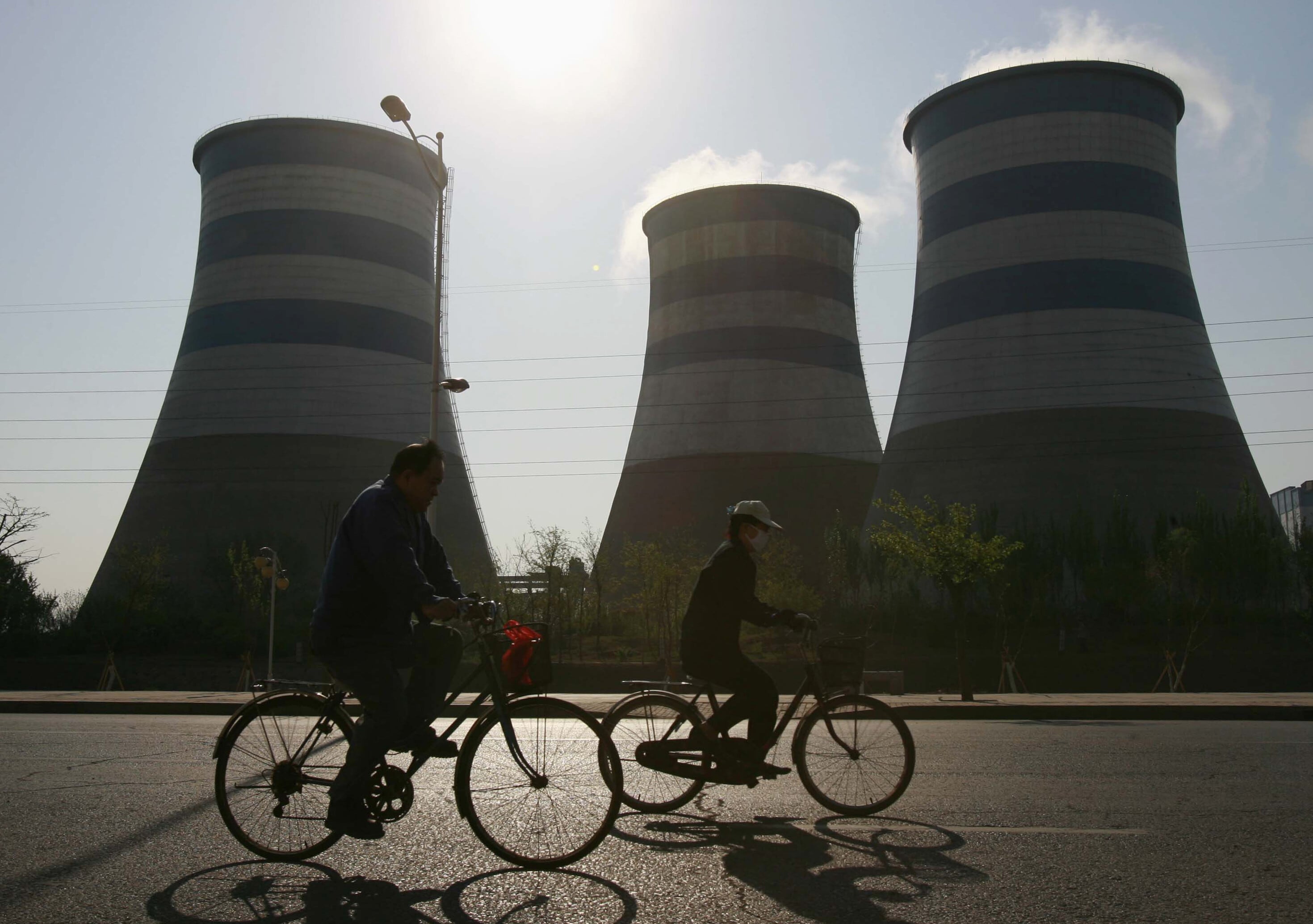
"Crocodile economics" illustrates a new economic model where 49 countries have successfully separated economic growth from fossil fuel dependence, evidenced by rising GDP and declining emissions. This trend is bolstered by advancements in renewable energy and electric vehicles. In 2023, the EU and UK reported significant emissions reductions alongside GDP growth. However, current emissions cuts are insufficient to meet Paris Agreement targets. The potential for rapid change exists, particularly in emerging economies, which can adopt clean technologies to sidestep traditional carbon-intensive paths. Companies are also beginning to adopt similar decoupling strategies.
Belgium, Burkina Faso, Cameroon, Colombia, Costa Rica, Croatia, Democratic Republic of the Congo, Denmark, Germany, Indonesia, Jamaica, Mozambique, Nigeria, Peru, Russian Federation, Seychelles, Sweden, United Arab Emirates, United Kingdom
How ‘crocodile economics’ is proving growth and climate action can thrive together
The evolution of artificial intelligence and human enhancement technologies poses significant risks and vulnerabilities that transcend national boundaries, reflecting core issues of human nature and decision-making. These technologies could be exploited by malicious entities to manipulate human intentions and emotions. The analysis explores the intersection of warfare, peace, and the emotional dimensions of leadership, highlighting the necessity for a transnational response to military, digital, and biological risks. Recognizing that states operate on emotional, egoistic foundations alongside rationality can illuminate past conflicts and guide future cooperative behaviors.
Financial services, Education, ICT, Health
How States Act (and Feel) — and Why It Matters

UNESCO emphasizes the need for enhanced Media and Information Literacy (MIL) in the AI era to equip individuals, particularly youth, with critical thinking and discernment skills. With the rise of AI-generated content, understanding its creation and impact is crucial to combat misinformation, bias, and ethical concerns surrounding data usage. MIL should encompass various societal levels, addressing human rights, algorithmic transparency, and the complexities of digital interactions. Despite recognition of MIL's importance, effective implementation remains limited globally. The annual Global MIL Week serves as a call to action for stakeholders to prioritize and advocate for comprehensive MIL frameworks.
Education
How does media and information literacy need to step up its game in the AI era?

Global demand for computing power is leading to an investment of $1.8 trillion in data centers from 2024 to 2030, as reported by Boston Consulting Group. This surge has significant environmental implications due to the heavy energy and water usage, and considerable CO2 emissions from conventional cement production. Innovative solutions like green cement from Sublime Systems, which reduces emissions by 90% through novel production methods, are emerging. The company has partnered with Microsoft for low-carbon cement supply and is developing a commercial facility in Massachusetts. The World Economic Forum highlights the need for such technologies to mitigate climate change and restore ecological balance.
ICT, Health, Education
How Emerging Technologies For Planetary Health Could Cement Change

China's rising demand for palm oil necessitates strengthened buyer-supplier relationships to promote sustainability. Key stakeholders, including RSPO and the China Sustainable Palm Oil Alliance, advocate for enhanced supply chain traceability and support for smallholders in Southeast Asia. Challenges such as financial limitations and weak awareness of sustainable practices hinder smaller producers. Industry leaders emphasize the importance of direct engagement with plantations, and initiatives like RSPO's jurisdictional approach could catalyze sustainable transformations. Improved procurement policies, informed site visits, and collaboration between Chinese brands and suppliers are essential for advancing certified sustainable palm oil practices.
Thailand
Strengthening buyer-supplier relationships for certified sustainable palm oil: the next step for Chinese brands