
The Sundarbans, the world's largest mangrove forest, spans 10,000 sq km along the India-Bangladesh border and is home to 7.2 million people, primarily marginalized communities like Dalits and Adivasis. These groups have a complex history of dispossession and adapt to increasingly harsh conditions exacerbated by climate change, such as rising sea levels, saline intrusion, and destructive cyclones. Traditional livelihoods like fishing and agriculture are under threat, leading to food insecurity and economic loss. Conservation efforts often overlook their rights and needs, highlighting the intersection of human and environmental challenges in this vulnerable ecosystem.
Life in the Sundarbans, on the front line of climate change
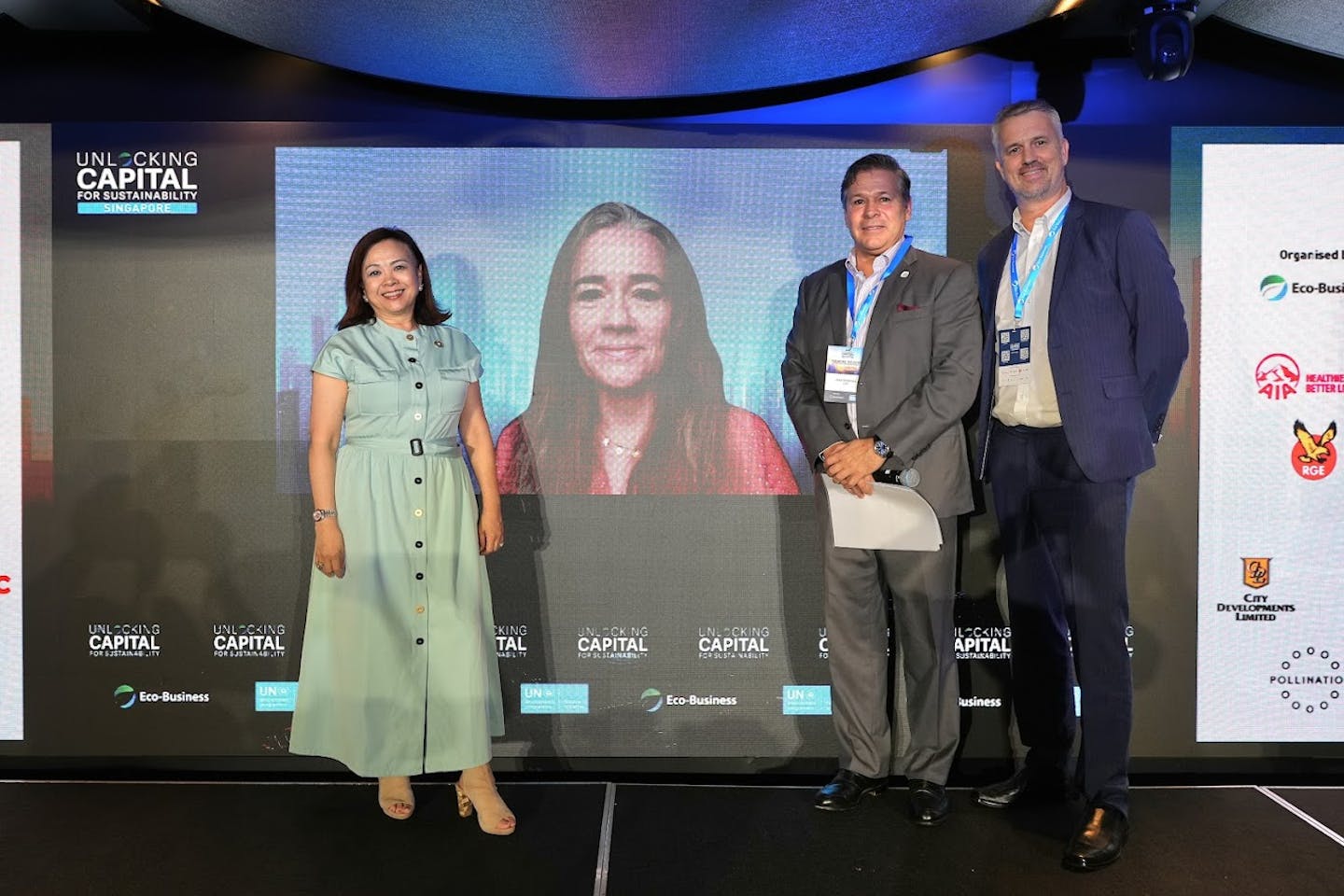
Asian organizations are leading global adoption of the Taskforce on Nature-related Financial Disclosures (TNFD) framework, driven by strong investor demand and regulatory readiness. Over 50% of the 620 global TNFD adopters are from Asia, with 86% of Asia Pacific companies reporting or planning to report on nature-related metrics. TNFD aims to address financial risks from nature loss, aligning with established frameworks like GRI and CDP. Companies are encouraged to integrate climate and nature-related reporting, recognizing that addressing climate change requires considering biodiversity.
Financial services
Investor demand and policy readiness put Asia ahead in global TNFD adoption: official

Indigenous and community leaders view the upcoming COP30 in Belém, Brazil, as a critical opportunity to amplify climate justice and inclusiveness. More than 1,000 representatives from Indigenous and Afro-descendant groups will have unprecedented access to the negotiations, aiming to reshape discussions on climate rights. Key goals include securing legal recognition, direct funding for community land rights, and full participation in decision-making processes. Despite managing over half of the world's land, these groups hold ownership rights to only 11%. Activists emphasize the need for an Indigenous Nationally Determined Contribution (NDC) to ensure their voices are integrated into climate action.
Antarctica, Nigeria
Will COP30 Finally Prioritize Indigenous Voices? - Inside Climate News
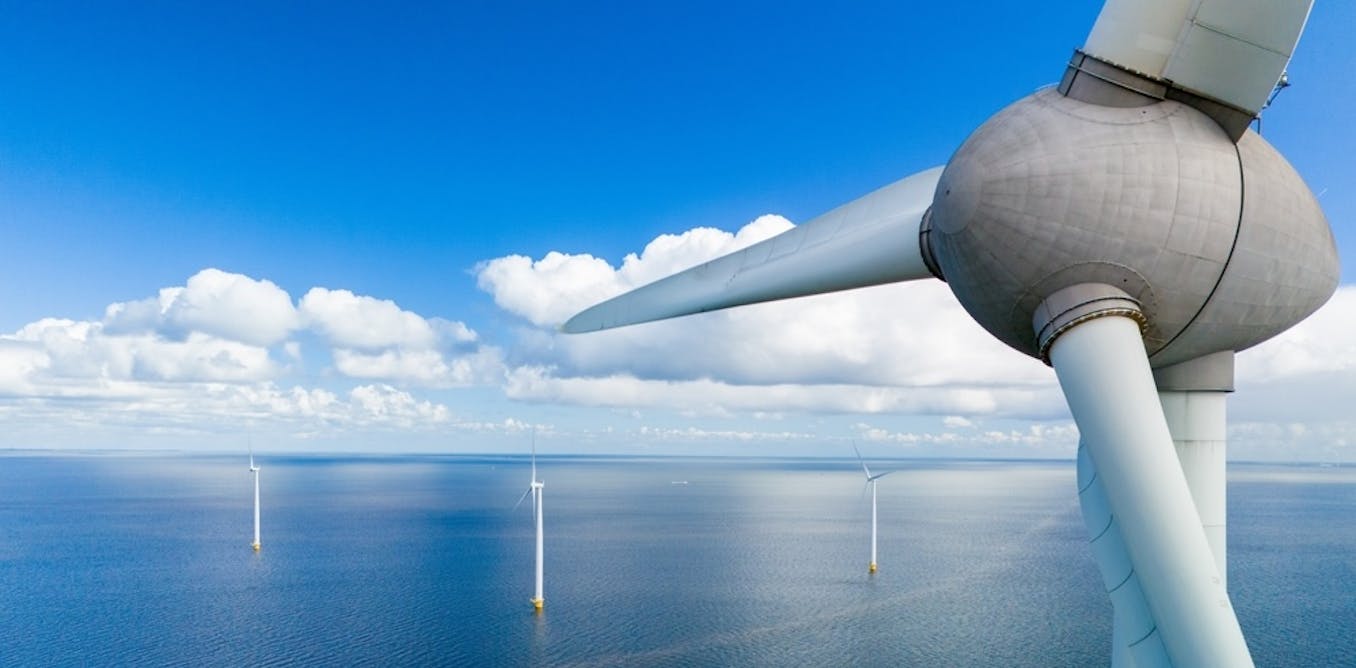
Just 1% of the world's coastal waters could potentially generate a third of global electricity by 2050 through offshore wind and solar power, according to a study by researchers in Singapore and China. While this offers a significant opportunity to reduce emissions, major technical, economic, and political challenges exist. Currently, offshore wind produces less than 1% of global electricity, requiring monumental growth to meet targets. Floating turbines and offshore solar technologies are still in early development stages and face high costs and engineering issues. Regulatory hurdles and competing maritime uses further complicate expansion efforts.
Just 1% of coastal waters could power a third of the world’s electricity – but can we do it in time?

Strong leadership and clear strategy are essential for effective digital transformation in governments. Countries that integrate institutional structures and build trust can enhance services and efficiency. Investment in digital public infrastructure, like identification systems and payment methods, is crucial for creating interoperable systems. Successful digitalization relies on coordinated approaches, strong governance, and empowered agencies to oversee reforms. Key elements include establishing basic laws on data governance, ensuring network connectivity, developing workforce skills, and streamlining procurement processes. A structured plan supports the integration of existing systems and public trust in digital efforts.
Financial services, Health, Education, ICT
Strong Leadership and Clear Strategy Drive Digital Transformation

Latin America, enriched with transition minerals vital for global energy technologies, stands at a pivotal moment for a just energy transition centered on community rights and participation. Despite its resources, the region faces significant challenges, including human rights abuses linked to extractive industries and systemic neglect of Indigenous and rural communities. Advocacy for free, prior, and informed consent is critical as communities resist mining projects. A fair energy transition necessitates recognizing territorial rights, protecting human rights defenders, and institutionalizing community engagement in decision-making processes. COP30 presents an opportunity to align climate finance with human rights and equitable resource distribution, avoiding the pitfalls of "green colonialism."
Latin America
COP30 and the just transition: Centring communities in Latin America’s energy future
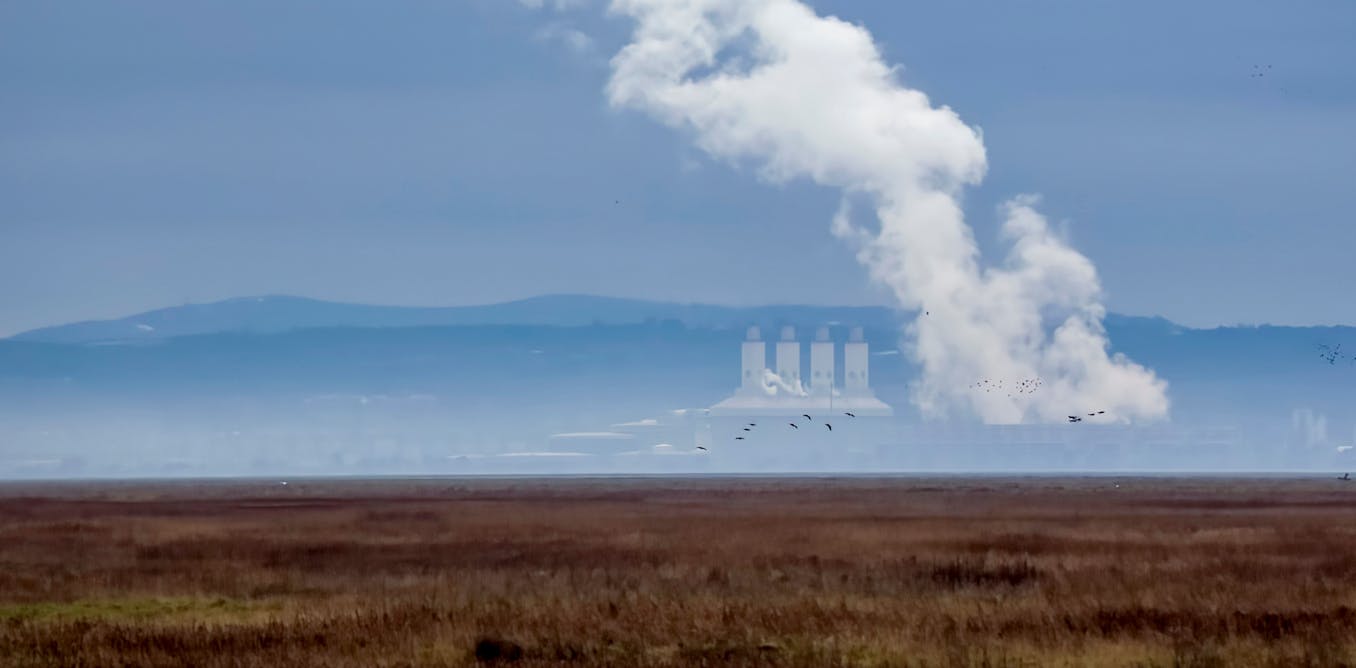
The UK government's potential retreat from phasing out fossil fuels by 2030 aims to lower energy bills amid already high electricity costs. These prices, primarily driven by expensive gas imports and infrastructure issues, are unlikely to decrease significantly. While renewable energy production is becoming cheaper, the high initial setup costs and inadequate grid capacity hinder its efficacy. The UK's reliance on wind over solar due to geographical constraints complicates future transitions to affordable electricity. Investments in new technologies, such as batteries and nuclear power, are essential to mitigate reliance on volatile fossil fuels without significantly lowering energy bills.
United Kingdom
Why electricity costs so much in the UK (it’s not all about the weather)

Openness, once a noble rallying cry for public interest and citizen empowerment, has been weaponised, particularly in the AI era where generative AI exploits public data for corporate gain. This shift has transformed the democratization of knowledge into a new form of extraction, undermining the original intent of initiatives like open data, open science, and open government. Current mechanisms are insufficient to address this issue, but the situation, while serious, is not without hope. Potential mitigating responses are needed to reclaim the public interest in the age of AI.
The Weaponisation of Openness? Toward a New Social Contract for Data in the AI Era

Vladimir Putin's remarks on potentially extending life through organ transplants highlight the ongoing quest for immortality in medicine. While scientific advancements, including a molecular switch for liver transplants, show promise, the dream of using body parts to combat aging remains largely unattainable. Historical and modern attempts, from monkey gland transplants to blood plasma treatments, lack substantial success and raise ethical concerns.

Transplants are essential for saving lives but come with significant risks, especially for older recipients. The scarcity of donor organs exacerbates ethical dilemmas in allocation and has led to a dangerous black market for organ trafficking, prompting exploration into xenotransplantation and lab-grown organs as alternatives.
From monkey glands to ‘young blood’: the long, strange history of chasing immortality through transplants

Khun Samut Chin, a fishing village in Thailand, has experienced severe coastal erosion, losing approximately 4,000 rai of land since the 1990s due to climate change and human activities like dam construction and groundwater extraction. Villagers have relocated four times without government support for compensation or relocation assistance, leading many, especially the youth, to seek jobs in urban areas. Although the government has implemented temporary measures, local leaders feel abandoned. In response, villagers have started a homestay program to generate income and raise awareness, highlighting the challenges faced by low-income coastal communities amid climate change.
Thai villagers have moved four times to escape rising sea levels – life on the climate-change frontline
More than 50% of new online articles are generated by AI, with AI-written content surpassing human-written articles for the first time in November 2024, according to a study by Graphite. The research found that nearly half (39%) of articles published within a specific period were AI-generated, following the launch of ChatGPT in November 2022. The study analyzed 65,000 articles and utilized AI detection tools but noted that most AI-generated articles are not indexed by Google or viewed by users.
Over 50% of New Online Articles Are Being Cranked Out by AI
Impact licensing is introduced as a strategic tool by The Impact Licensing Initiative (ILI) to enhance the societal and environmental value of research and innovation. ILI has successfully transferred five technologies from universities and companies to impact-driven ventures, supporting advancements in sectors such as clean energy, sustainable agriculture, healthcare, artificial intelligence, and education. The white paper targets investment audiences and policymakers, illustrating how impact licensing can foster positive change in tackling societal challenges.
Health, Education
Impact Licensing as a strategic instrument for Impact Investment
AI scaling is projected to continue through 2030, requiring substantial investments in compute, data, hardware, and energy, potentially reaching hundreds of billions of dollars and gigawatts of power. Such infrastructure challenges are deemed surmountable if AI yields corresponding economic returns through enhanced productivity. By 2030, advanced AI models are expected to implement complex scientific software, aid mathematicians, and answer intricate biological queries, indicating transformative capabilities across various scientific disciplines.
What will AI look like in 2030?
Rapid advances in artificial intelligence (AI) have created a significant accessibility disparity, particularly impacting low- and middle-income countries struggling with socioeconomic challenges. The report by the Friedrich Naumann Foundation emphasizes the need for immediate international and national efforts to invest in infrastructure, capacity development, and ethical governance. These initiatives are crucial for enabling these countries to harness AI as a tool for achieving equitable and sustainable growth.
Africa | ICT, Education
Examining AI in Low and Middle-Income Countries
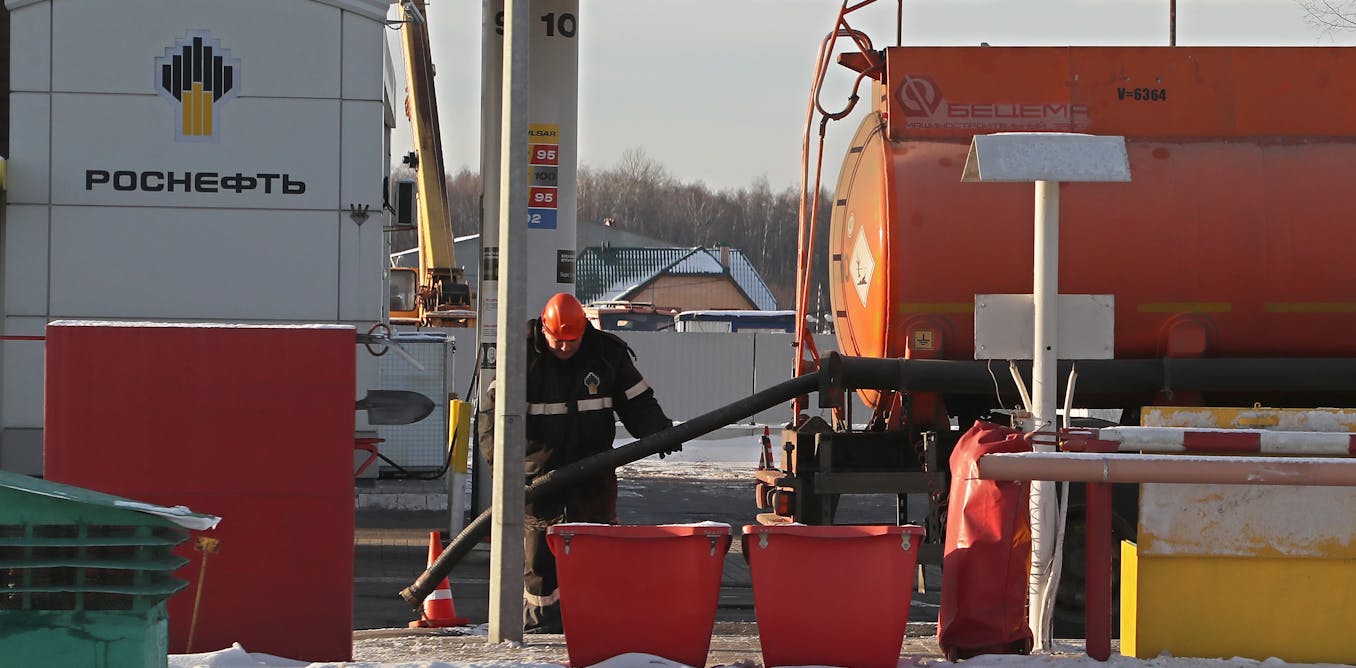
Donald Trump has imposed a new sanctions package targeting Russia's largest oil companies, Rosneft and Lukoil, in response to its refusal to cease hostilities in Ukraine. While these sanctions add to numerous previous measures from the US, UK, and EU, their effectiveness in curbing Russia's war efforts remains questionable. Russia's economy is adapting to sanctions, focusing on military production while continuing to enlist soldiers through substantial financial incentives. Despite sanctions hurting the economy, they have not halted military operations, and loopholes allow ongoing oil exports, particularly to India and China.
Sanctions on Russia have failed to stop the war so far – will Trump’s latest package be any different?

Sean Bruich, senior vice president of AI, engineering, and data science at Amgen, emphasizes that the rapid evolution of AI is transforming industries by fostering opportunities that integrate human expertise with advanced technology. This synergy aims to drive innovation and improve efficiency rather than replace human roles.
Amgen SVP of AI, Engineering, and Data Science, Sean Bruich

As cities face challenges from climate change, urbanization, and water insecurity, innovative solutions are essential for resilient water systems. Many potential solutions, however, are hindered by fragmentation and lack of funding. The Water-BOOST framework, developed by the World Economic Forum and Imperial College London, offers a systems-based approach to enhance conditions for innovation. Research across six cities—San Francisco, Valencia, Barcelona, Singapore, Accra, and Bengaluru—reveals key governance, finance, and partnership factors that support innovation. This framework serves as a blueprint for decision-makers to align policy and investment for resilient, adaptive cities.
Financial services, Education, Health
Water-BOOST: Enabling Innovation for Future-Ready Cities

Only 23 out of 63 submitted national climate plans express support for transitioning away from fossil fuels, despite a call from the COP28 summit for all countries to contribute to this effort. Some nations, including Russia and Nigeria, have committed to increasing fossil fuel production. Two-thirds of countries missed submission deadlines for their climate pledges. The recent global stocktake highlighted the necessity of moving away from fossil fuels, yet many nations lack explicit commitments to phase them out, setting the stage for significant discussions at the upcoming COP30 summit in Brazil.
Nigeria
Revealed: Only a third of national climate pledges support ‘transition away from fossil fuels’

Workers must be involved in the rollout of artificial intelligence to prevent job losses and ensure fair distribution of wealth, asserts Christy Hoffman, general secretary of the UNI Global Union. She emphasizes the importance of shorter hours, higher wages, and meaningful retraining as AI technologies are integrated into industries. Hoffman advocates for collective bargaining on tech-related issues, highlighting the success of worker involvement in technology implementation. She warns of the risks AI poses to labor rights, particularly through algorithmic management and exploitation in the supply chain, and calls for reforms supporting worker representation and retraining initiatives.
Education
Q&A: Give workers a say in AI rollout, says union head
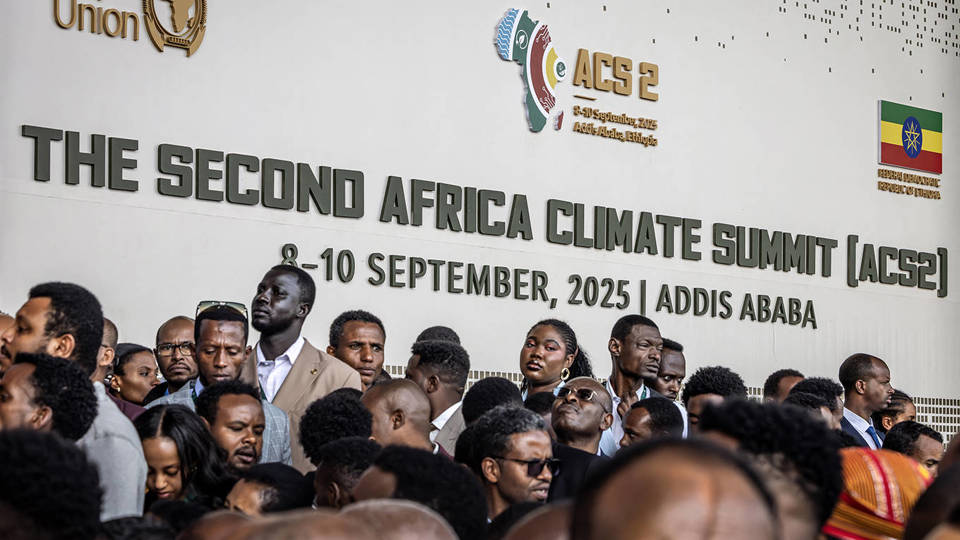
Africa aims to attract investment for its green transition at COP30, shifting from a victimhood narrative to a proactive stance in tackling climate change. Key areas for progress include reducing the high cost of capital, establishing a regulated integrated carbon market, and redefining adaptation as part of industrial policy. These measures are critical for capitalizing on Africa’s potential to contribute to global climate solutions, as the continent seeks to enhance its role and voice in climate negotiations while addressing rising climate-finance needs.
Antarctica, Burkina Faso, Kenya, Mozambique, Namibia, Nigeria, South Africa | Financial services
What Africans Want from COP30