
Gad Allon, a Wharton professor, examines the evolving global supply chains impacted by the pandemic and industrial disruptions. He highlights the trade-offs companies face between cost efficiency and resilience. Allon discusses how technologies like AI and digital twins are transforming risk management and preparation in an increasingly volatile environment.
Building Smarter Supply Chains: Lessons from Crisis, Cost, and Technology

Recognizing the diverse aspects of the night-time economy—beyond nightlife to include healthcare, logistics, and community services—enables cities to create inclusive policies that improve urban life. Night-time workers are vital, deserving equitable wages and safety. Although many cities overlook their night-time potential, over 80 have established night mayors or offices, reflecting a shift towards a 24-hour economy that supports resilience and inclusion. Effective strategies for safety and vibrant public spaces during the night rely on community engagement and thoughtful design rather than just increased policing. Night initiatives can foster social connections and accessibility, essential for thriving urban environments.
Africa, Latin America | Financial services, Health, Education
4 myths about the 24-hour economy and the new vision for thriving cities

Museums are shifting from traditional roles as artifact holders to innovation hubs connecting culture, technology, and sustainable development. Introducing a framework called Cultural Capital Financing can blend public funding with private investment, allowing museums to operate as impact enterprises. Examples like Tokyo’s teamLab exhibitions and Abu Dhabi’s Saadiyat Cultural District highlight the economic benefits of such transformations. Collaborative financing models, such as Public-Private-Philanthropic Partnerships, alongside initiatives like Percent-for-Art schemes, can help sustain cultural institutions while fostering local economies. Digital advancements further enhance accessibility and revenue generation, underpinning the need for supportive government policies in cultural finance.
Financial services, Education
Cultural capital financing: How museums can combine profit and social purpose

Place-based mobility transforms urban environments by grounding transportation planning in community needs and values, moving beyond car-centric designs. Key examples are Medellín's Parque del Río, which buried portions of a highway to create a multifunctional park, and Montréal's revitalization of the Lachine Canal, enhancing it as a recreational and cultural space. Both initiatives demonstrate the importance of community engagement in planning, fostering vibrant, interconnected neighborhoods while addressing social, economic, and environmental benefits as global mobility investment increases.
Latin America
Place-based mobility: How better transport can create better places
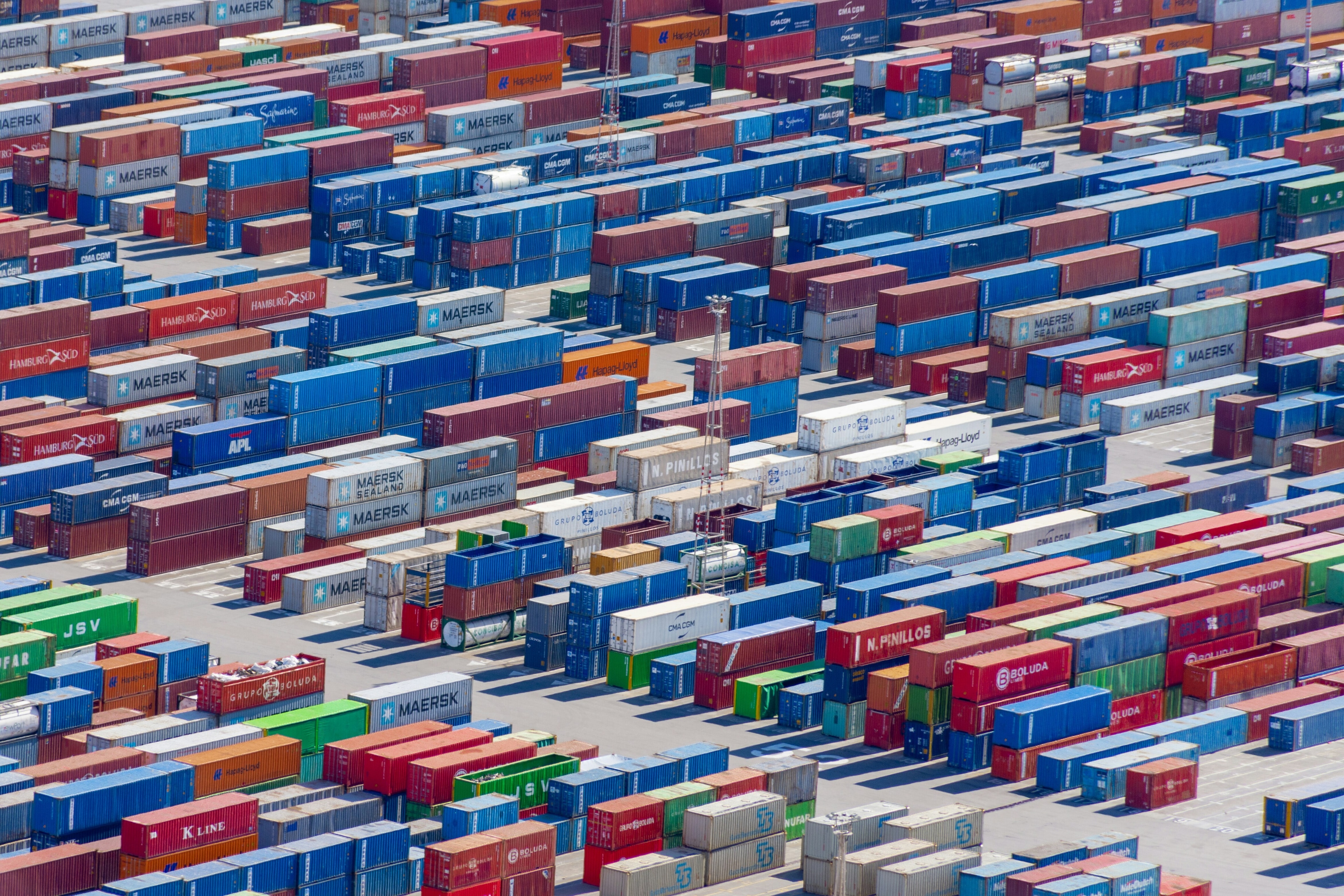
Geopolitical turbulence is reshaping global manufacturing and supply chains, necessitating strategies to enhance industrial competitiveness. Key lessons emphasize that dual supply and demand shocks characterize current disruptions. To build resilience, companies must defend their market positions by standardizing effective practices, optimize inventory management, and strengthen supplier relationships. De-risking operations involves prioritizing supplier resilience, actively exploring alternative products, and leveraging AI for data analysis and optimization. Forward-looking companies must proactively dismantle silos, deepen collaboration, and implement comprehensive risk management strategies to thrive in an uncertain landscape.
Belgium, Burkina Faso, Colombia, Germany, Indonesia, Japan, Jordan, Kenya, Mozambique, Pakistan, Peru, Philippines, Russian Federation, Saudi Arabia, Seychelles, Switzerland, Thailand, Ukraine, United Arab Emirates, United Kingdom | Financial services, ICT, Health, Education
3 steps to industrial competitiveness amidst geopolitical uncertainty
Europe faces a critical dilemma in navigating its trade and investment relations with China and the U.S. China's aggressive expansion poses significant risks, threatening multiple European industries, while the unpredictable U.S. policies create further uncertainty. The EU has improved its trade defense mechanisms but is struggling with internal divisions and conflicting interests among member states. As reliance on a multilateral approach proves ineffective, Europe must pragmatically choose a course of action to avoid being caught between the competing forces of China and the U.S.
Australia, Belgium, France, Germany, Japan, Pakistan, Peru, Russian Federation, South Africa, Switzerland, Taiwan, China, Ukraine, United Kingdom | Financial services
Escaping China’s Trade and Investment Trap - Pointers from a Franco-German Informal Meeting

Giorgia Meloni has maintained a balance of nationalism and pragmatism during her three-year tenure as Italy's prime minister. Despite her image as a stable right-wing leader, her administration has prioritized control over significant renewal. Economic indicators show persistent weak growth, with high public debt and low productivity, while Meloni's government has faced criticism for cuts in education and cultural spending. Policies on migration have been restrictive and controversial, highlighting a tendency to frame dissent negatively. Overall, Meloni's leadership emphasizes identity politics and cultural mobilization, but substantial structural reforms remain elusive.
The Meloni method after three years in power

AI significantly enhances business resilience by amplifying human capabilities rather than replacing them. It serves as a force multiplier across various sectors, improving economic competitiveness and preserving institutional knowledge. Leaders are urged to balance efficiency with long-term adaptability, promoting honest communication about job displacement and investing in retraining. With strategic implementation, AI improves collaboration, maintains continuity, and fosters valuable human-AI partnerships. Organizations should focus on talent development that equips employees with hybrid skills to bridge human insight and AI capabilities. Prioritizing resilience ensures companies can navigate disruptions effectively.
Education
Beyond efficiency: Why business must build resilient human-AI partnerships
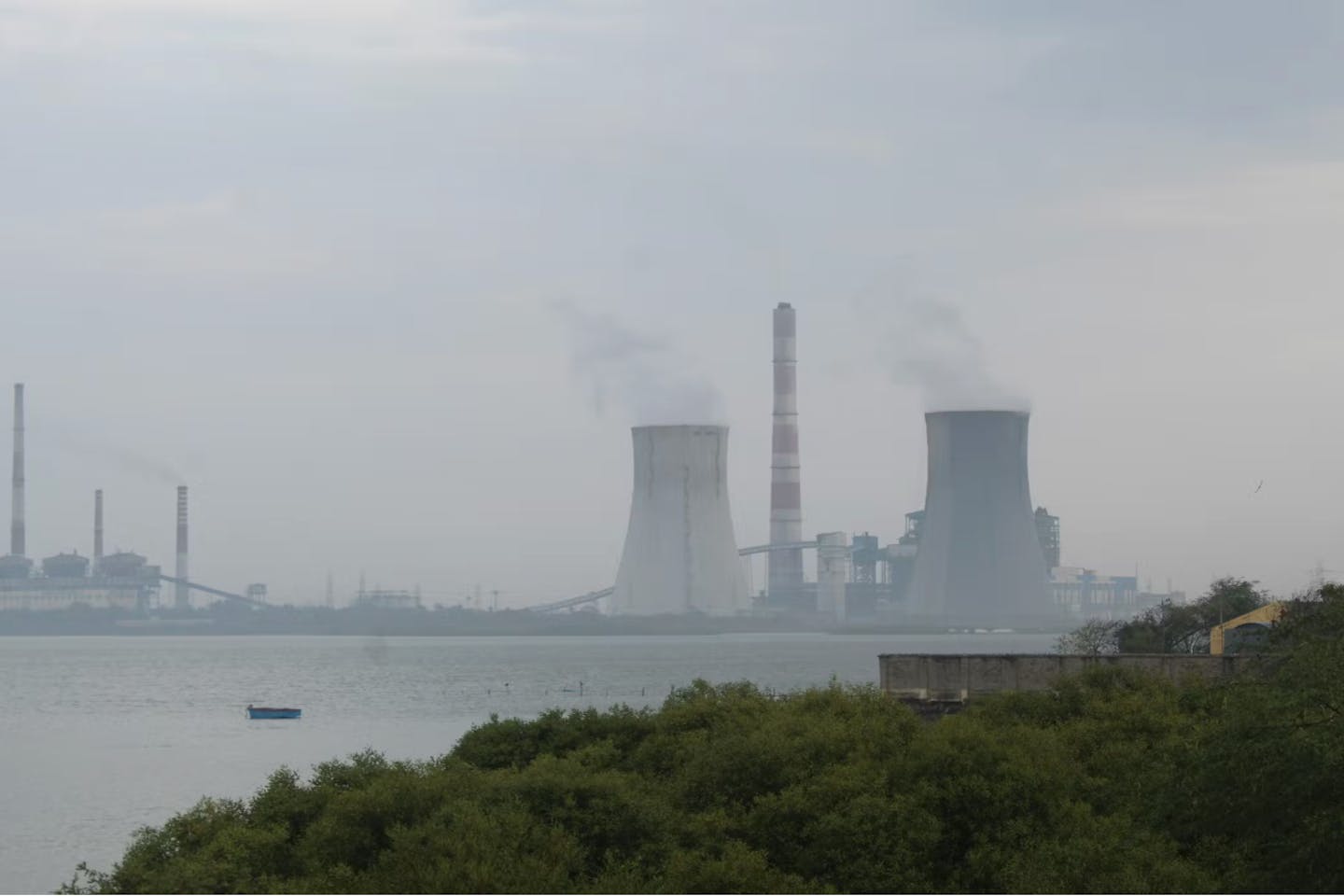
Asian financiers remain committed to climate goals despite perceived ESG backlash, with sustainable finance growing significantly. Eric Lim of UOB noted a 20% increase in their sustainable finance portfolio in 2025 while emphasizing a shift from net zero target-setting to practical decarbonization strategies. OCBC’s Mike Ng echoed this sentiment, highlighting that key markets continue to focus on sustainability investments. Both banks reaffirmed their long-term net zero commitments for 2050, alongside calls for a reassessment of decarbonization pathways in high-emission sectors. Overall, the sustainable finance landscape in Asia appears robust and focused on execution rather than mere vision-setting.
Indonesia, Singapore, Thailand | Financial services
ESG backlash? 'Huge' difference between headlines and reality in Asia: UOB sustainability chief
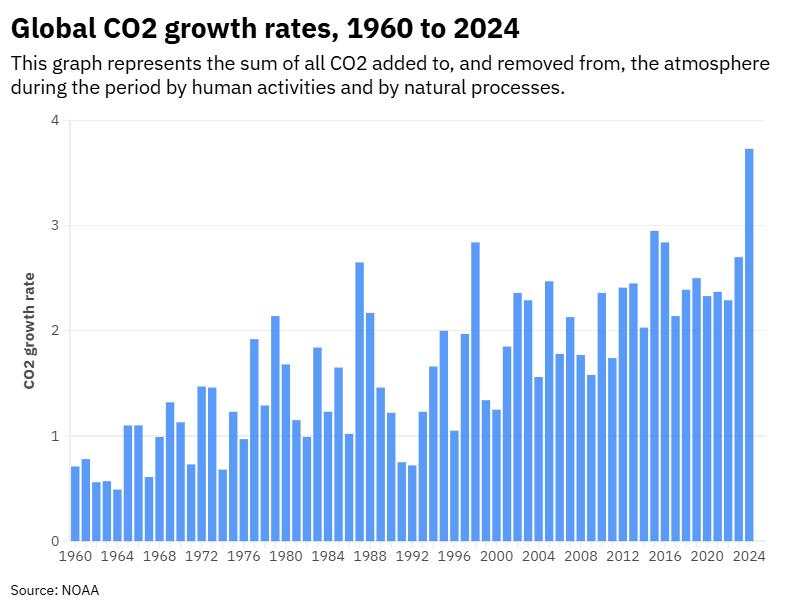
CO2 levels reached a record high in 2024, with the World Meteorological Organization reporting an annual increase of 3.5 ppm, attributed to human activities and wildfires. Nearly 4 in 5 of the world’s poor face climate hazards, with over 887 million directly affected. Global deforestation hit 8.1 million hectares in 2024, exceeding targets for halting forest loss. Meanwhile, a proposed deal to cut global shipping emissions was abandoned under U.S. pressure. In China, natural disasters have caused $30.47 billion in economic losses, while Australia’s tropical rainforests now release more carbon than they absorb.
CO2 levels hit new high in 2024, and other climate and nature news
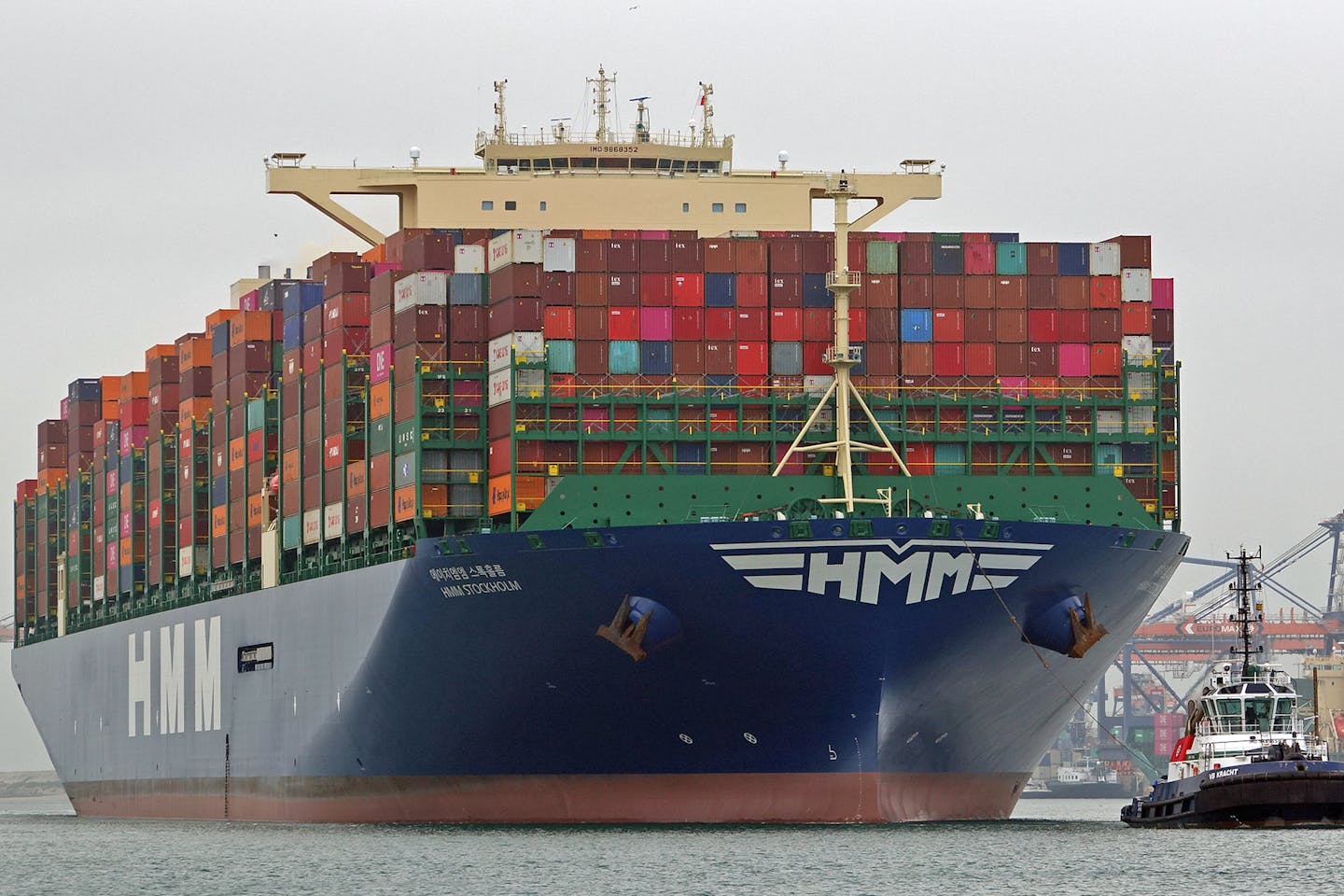
Asia’s major shipbuilding nations, including Japan and South Korea, are urged to lead global efforts for adopting carbon levy mechanisms to address greenhouse gas emissions in shipping, following a recent failed agreement at the International Maritime Organization. China, opposing the carbon levy, advocated for more flexible targets. South Korea aims for net zero shipping emissions by 2050 but did not take a strong stance during talks. Maritime companies in the region have set carbon-neutral goals but require regulatory clarity to drive investment in green technology. The delay is seen as a setback for progressing towards the maritime sector’s decarbonization.
Asia’s ship building countries called to lead adoption of maritime net zero targets, after global delay
The ceasefire of October 10, 2025, has not resolved the uncertainty surrounding security governance in Gaza and the West Bank, where the occupied Palestinian territory (oPt) faces a deep crisis in security, politics, economy, and society. DCAF, with Norway's support, has introduced Interim Security Governance Mechanisms aimed at providing minimum safety and enhancing human security in the oPt. This proposal advocates a practical, inclusive approach that emphasizes Palestinian agency and participation, aiming to strengthen good security governance and complement existing post-war plans for Gaza.
Interim Security Governance Mechanisms for the Occupied Palestinian Territory: Before and after a ceasefire
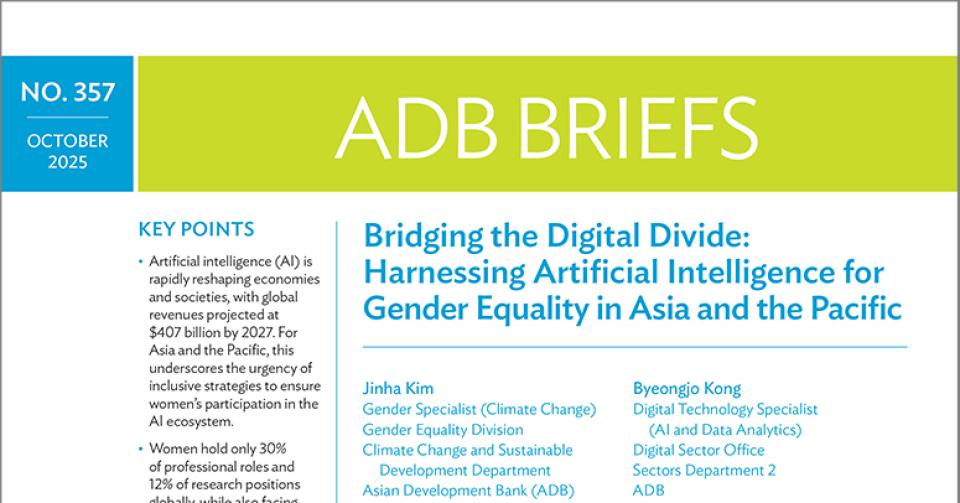
Transformative strategies are essential to promote gender equality in the artificial intelligence ecosystem, which is reshaping economies and societies. Key challenges include the underrepresentation of women in digital technology and biased AI systems. It is crucial to integrate gender equality into AI policies, co-design programs with gender-inclusive tools, expand funding for women-led AI solutions, and enhance women’s digital literacy and participation in STEM fields.
ICT
Bridging the Digital Divide: Harnessing Artificial Intelligence for Gender Equality in Asia and the Pacific
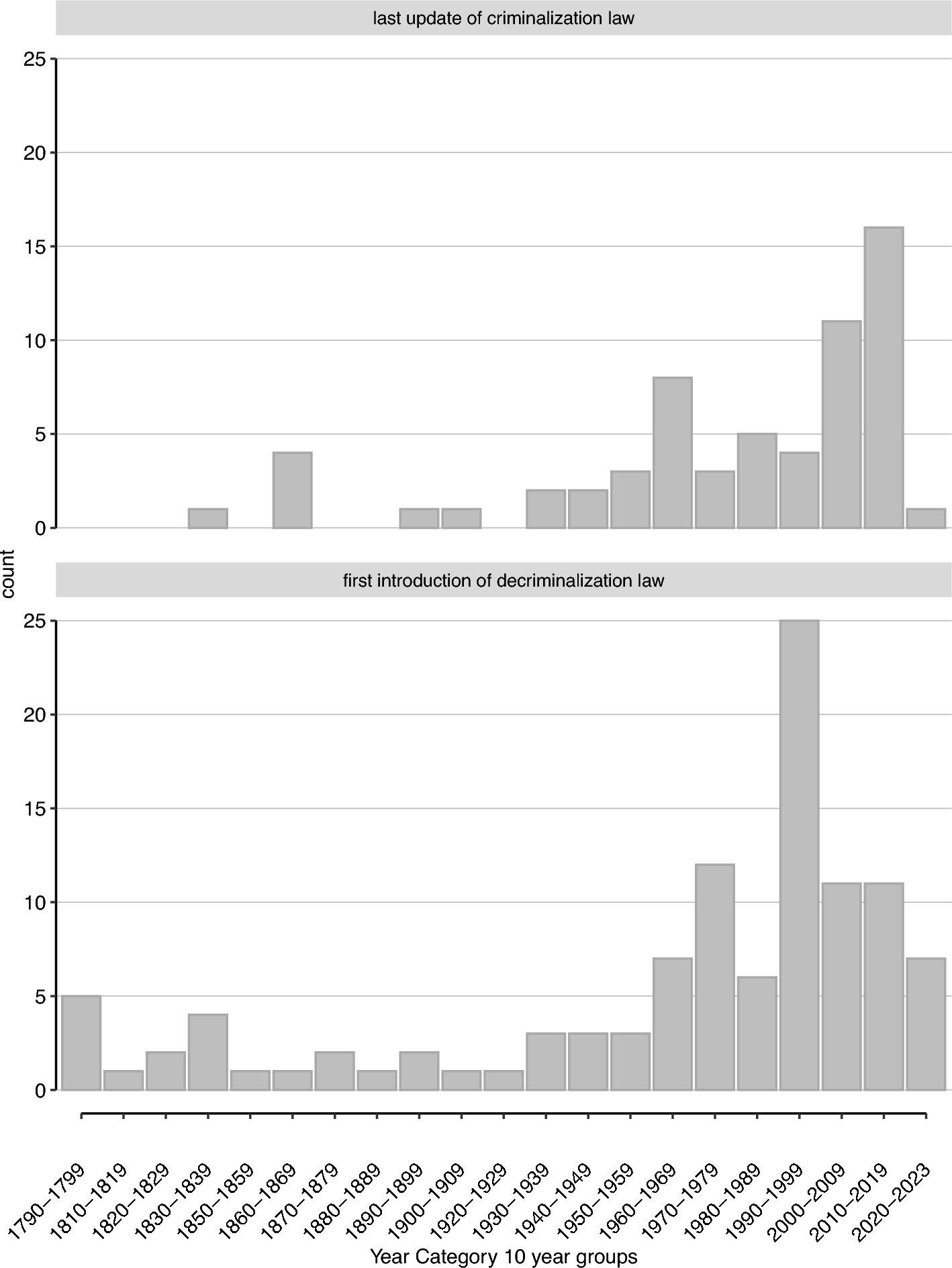
Over the past decades, many countries have decriminalized same-sex sexual acts and enacted legal protections for lesbian, gay, and bisexual (LGB)+ individuals. However, in numerous countries, progress has stalled, with some only achieving decriminalization. This study examines the introduction of nine LGB+ rights across 193 countries from 1995 to 2023, identifying six distinct clusters—Full Resisters, Partial Resisters, Late Adopters, Recognizers, Early Adopters, and Pioneers. An association between the timing of a country's first transition to democracy and these clusters is also discussed, highlighting cross-national variations in the adoption of LGB+ rights.
Latin America
Global paths to LGB+ legal equality? The introduction of LGB+ rights in a longitudinal perspective using sequence analysis
Artificial intelligence (AI) has the potential to significantly improve healthcare access, efficiency, and inclusivity in Asia and the Pacific, addressing challenges like distance, cost, and professional shortages. AI technologies are successfully bringing advanced diagnostic services to remote areas, enhancing disease management, and monitoring chronic diseases through real-time data. During the COVID-19 pandemic, AI facilitated access to vital services in underserved communities. However, the risks of deepening inequities, regulatory challenges, and the need for professional training pose barriers to AI's effective implementation. Ensuring ethical safeguards, robust governance, and investment in workforce development is crucial for maximizing AI’s benefits in healthcare.
Africa | Health
How Artificial Intelligence Can Transform Health Care in Asia and the Pacific
AI is pervasive in society, influencing critical decisions in courtrooms, hiring, and warfare. In "The Means of Prediction," economist Maximilian Kasy argues that AI is not an unstoppable force, but rather shaped by human choices, primarily by the ownership class. He emphasizes that the real conflict lies between those who control AI technology and the broader population. Kasy identifies data, computing power, expertise, and energy as essential resources for AI development, highlighting the risks of concentrating control in unequal societal structures. He advocates for democratic oversight of AI to mitigate its potential harms.
The Means of Prediction: How AI Really Works (and Who Benefits)

OpenAI plans to launch a ChatGPT feature in December 2025, enabling verified adults to engage in erotic conversations. This move aims to increase user engagement and revenue, amid concerns over AI’s potential for exploitation, especially among adolescents. While intended to restrict access through age verification and moderation, such systems are often circumvented. Evidence from existing platforms suggests these tools can lead to emotional dependency and distorted perceptions of intimacy. Moreover, current legal frameworks vary globally, risking the proliferation of harmful content related to gender and consent. The impact on youth and broader societal norms raises significant ethical and regulatory concerns.
ChatGPT is about to get erotic, but can OpenAI really keep it adults-only?
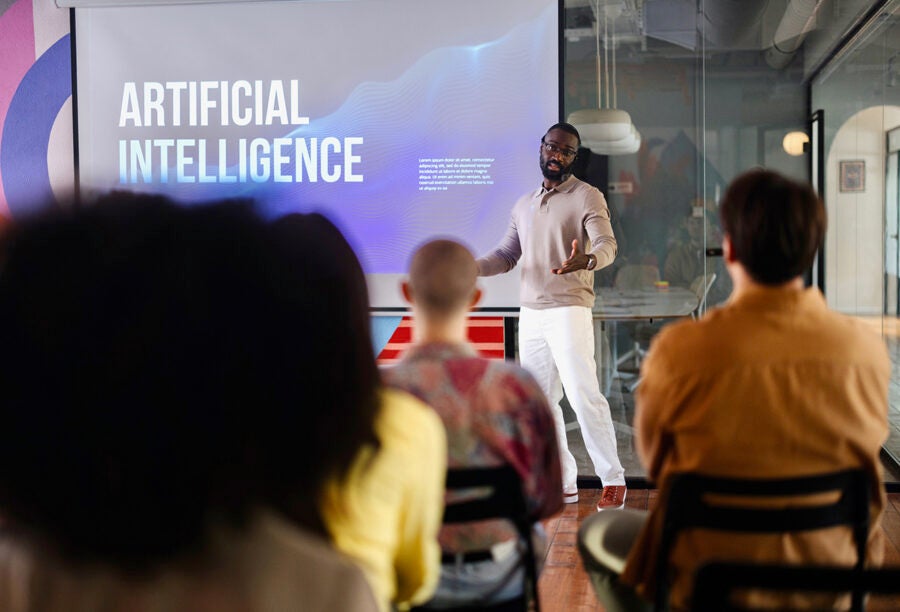
Leaders must adapt to AI's integration into the workplace, requiring a shift in leadership approaches. Michael Platt emphasizes that human emotional and cognitive limitations hinder successful adaptation to these advanced technologies. To effectively leverage AI, leaders should design strategies that align with employees' innate brain capabilities, enhancing cognitive agility and emotional intelligence while promoting trust and social connections. As AI reshapes decision-making and team dynamics, leaders face opportunities and challenges that necessitate rapid adaptation without sacrificing a human-centered approach.
Education
How Can Leaders Adapt to AI?

The United States' withdrawal from climate commitments is causing a significant global slowdown in climate policy momentum, leading to doubts about meeting decarbonisation goals. A report indicates that supportive climate policies decreased by 7.5%, while regressive policies increased by 575%. The Trump administration's policies accounted for 70% of these reversals. Meanwhile, confidence in hydrogen as a decarbonisation solution is eroding, with many projects canceled due to economic viability concerns and insufficient policy support. In contrast, some Asian countries, like Hong Kong, are making progress with new green taxonomies.
Belgium, Burkina Faso, Colombia, Indonesia, Japan, Nigeria, Philippines, Thailand, Trinidad and Tobago | Financial services, Health
As COP30 approaches, US policy reversals are slowing global climate momentum
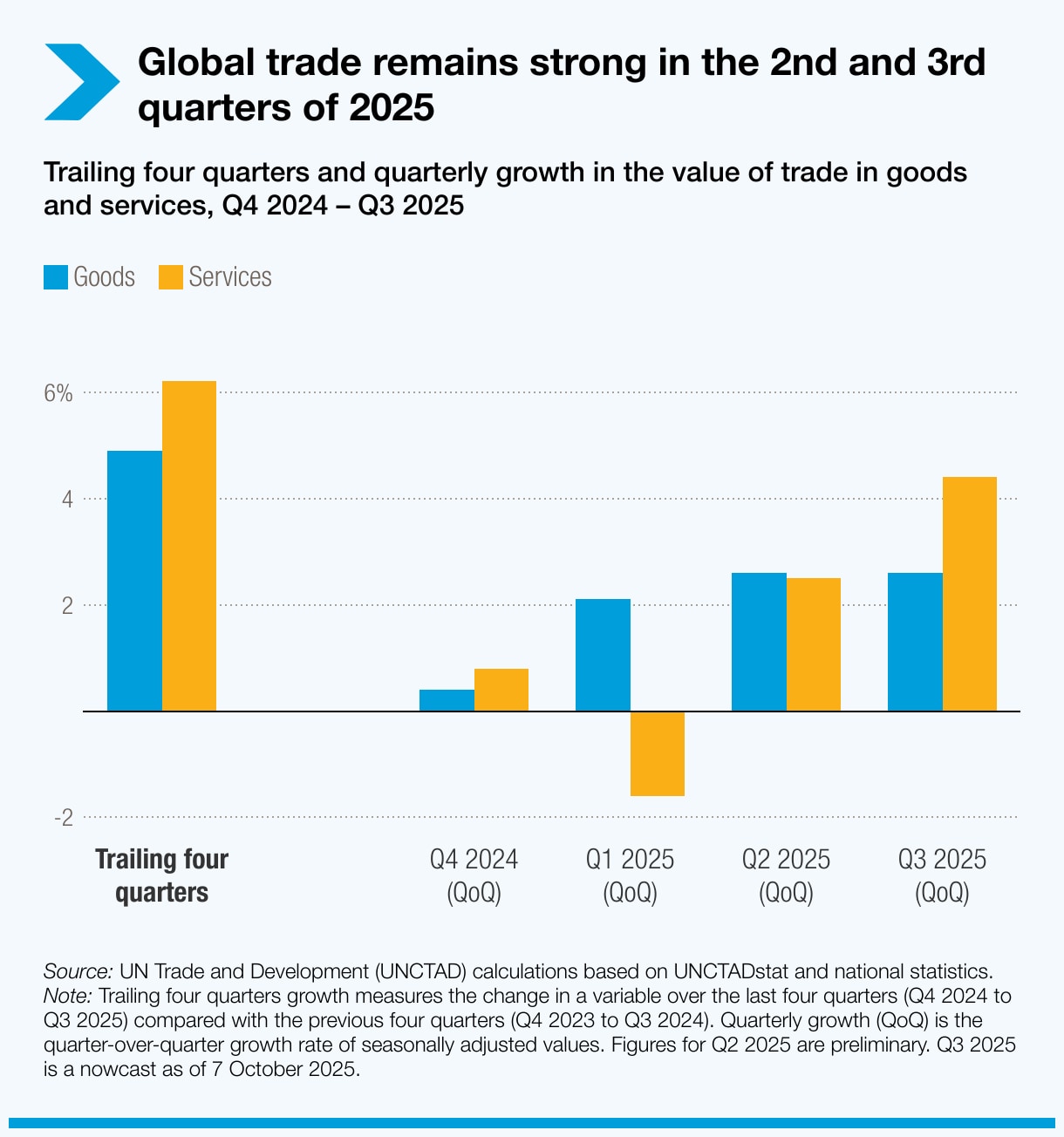
Vulnerabilities in global trade, particularly US-China tensions, have reignited market volatility, impacting financial stability as leaders converge for IMF and World Bank meetings. Despite concerns over geopolitical risks and potential stock market declines, trade data indicates resilience, with a reported $500 billion expansion in the first half of the year and a growth forecast of 2.4% for merchandise trade in 2025, mainly driven by manufacturing and technology sectors. However, both UNCTAD and WTO experts caution against complacency, highlighting ongoing risks and the need for nations to adapt.
Argentina, Australia, Belarus, Belgium, Brazil, Burkina Faso, Canada, Djibouti, Ethiopia, France, Germany, Guatemala, Honduras, Indonesia, Italy, Jamaica, Japan, Jordan, Kenya, Mexico, Mozambique, Namibia, Pakistan, Peru, Philippines, Russian Federation, Seychelles, South Africa, Sudan, Switzerland, Taiwan, China, Tanzania, Thailand, Trinidad and Tobago, Tunisia, Türkiye, Ukraine, United Arab Emirates, United Kingdom | Financial services, ICT
Trade and policy pressures test market stability, and other international trade stories to know this month