
Vilas Dhar, president of the Patrick J. McGovern Foundation, emphasizes the importance of responsible AI development aimed at equity and public good. He believes that the future of AI can be beneficial if guided by community interests and moral courage in decision-making. Dhar highlights examples like Chile's open-source AI efforts and India’s focus on building open-source models to create a collaborative ecosystem. He advocates for a multi-sectoral approach through platforms like the UN to align stakeholders in addressing AI's economic benefits and ensuring equitable distribution. Urgent action is needed to embed rights and values in AI governance within the next five years.
Q&A: Call for 'moral courage' as AI expert charts road ahead

The Grand Ethiopian Renaissance Dam (GERD) signifies a pivotal shift in African hydropolitics, challenging Egypt's long-standing control over the Nile. With water scarcity affecting millions in the region, Ethiopia's development of the GERD aims to alleviate power deficits and mitigate downstream flood risks. However, the project also threatens to exacerbate tensions with Egypt, which has objected to the dam's potential impact on water flow. The increase in water-related conflicts necessitates sustainable cooperation agreements among Nile Basin countries to manage resources effectively amidst growing climate change and scarcity challenges.
Nigeria
Water wars: has GERD reset Africa’s hydropolitics?

Populism can be characterized as a "frenemy" of democracy, having the ability to both revitalize electoral politics and undermine liberal democratic institutions. It enhances popular representation but may also erode institutional norms and promote autocratic tendencies. This duality reflects challenges faced in contemporary politics, particularly in the wake of events like Trump's re-election. While acknowledging its threats, populism can also facilitate inclusion and engagement, as seen in historical contexts where it expanded voting rights and revitalized political discourse. Understanding populism's complex nature is vital for crafting effective democratic strategies.
The frenemy within – populism’s dual role in democratisation
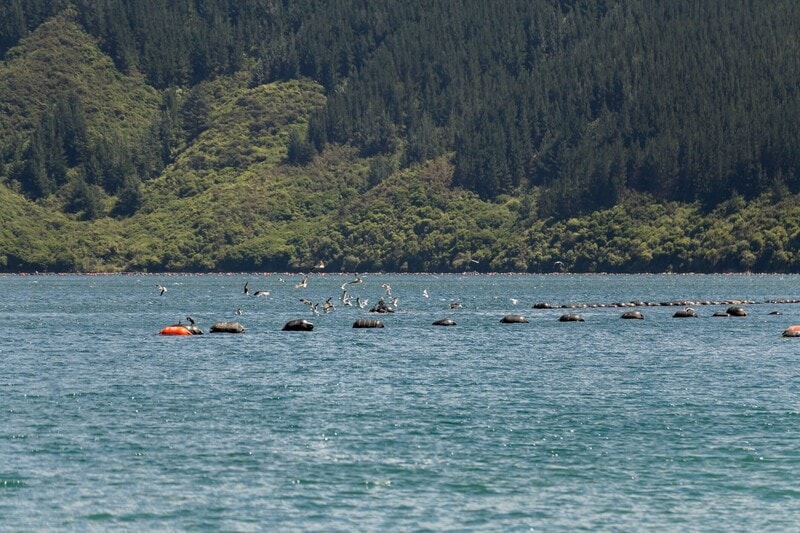
New Zealand's mussel industry exemplifies how high-value sectors can collaborate with the environment to regenerate ocean health. A shift from sustainability to a regenerative blue economy is essential, ensuring that all ocean-dependent sectors enhance the ocean's capacity to support life. This economy focuses on ecological recovery and long-term profitability. Strategies include integrating regeneration into ocean planning, transitioning from harmful practices, and exploring new sectors like offshore renewables and aquaculture. Regulatory frameworks are evolving, mandating measurable improvement in nature and fostering a governance shift towards restoration, making it a legal and economic necessity.
Africa | Financial services, ICT
How to build ocean industries that heal, not harm

Americans born after 1947 have experienced a continuous decline in multiple dimensions of wellbeing over the last 60 years, linking educational setbacks, stagnant wages, and rising mortality rates. Key indicators such as SAT scores, high school graduation rates, and real earnings began to worsen in the late 1960s through the 1980s, with worsening public health highlighted by the increase in "deaths of despair." These declines reflect interconnected patterns driven by the same cohorts, indicating that early-life conditions may underlie these long-term disadvantages.
Latin America
What caused the American decline of the past 60 years?

Strategic foresight is crucial for the Gulf Cooperation Council (GCC) states to adapt to the global energy transition and enhance resilience amid decreasing oil and gas exports. Employing foresight methodologies, such as the "Futures Triangle" and "Three Horizons" frameworks, can help policymakers navigate economic shifts and environmental challenges. The GCC is transitioning from a fossil fuel-dependent economy to a low-carbon future, emphasizing innovations like carbon capture and hydrogen technologies. Successful examples, like Saudi Arabia's Jubail CCS Hub, showcase how foresight can inform sustainable investments and long-term visions for climate resilience.
Bahrain, Indonesia, Jordan, Kenya, Kuwait, Mozambique, Oman, Pakistan, Qatar, Saudi Arabia, Seychelles, United Arab Emirates, United Kingdom
How strategic foresight can future-proof the Gulf’s energy transition

Innovation districts are essential for reimagining urban prosperity and collaboration as global populations approach 70% by 2050. A toolkit is presented, distilling best practices from ten innovation districts worldwide, focusing on collaborative governance, human-centric placemaking, and efficient digital infrastructure. These components align with the World Economic Forum's eight principles for responsible innovation. Successful innovation districts must balance economic growth with environmental sustainability and inclusivity, aiming to address interconnected global challenges effectively.
Africa | Financial services, ICT, Health, Education
Innovation Ecosystems: A Toolkit of Principles and Best Practice
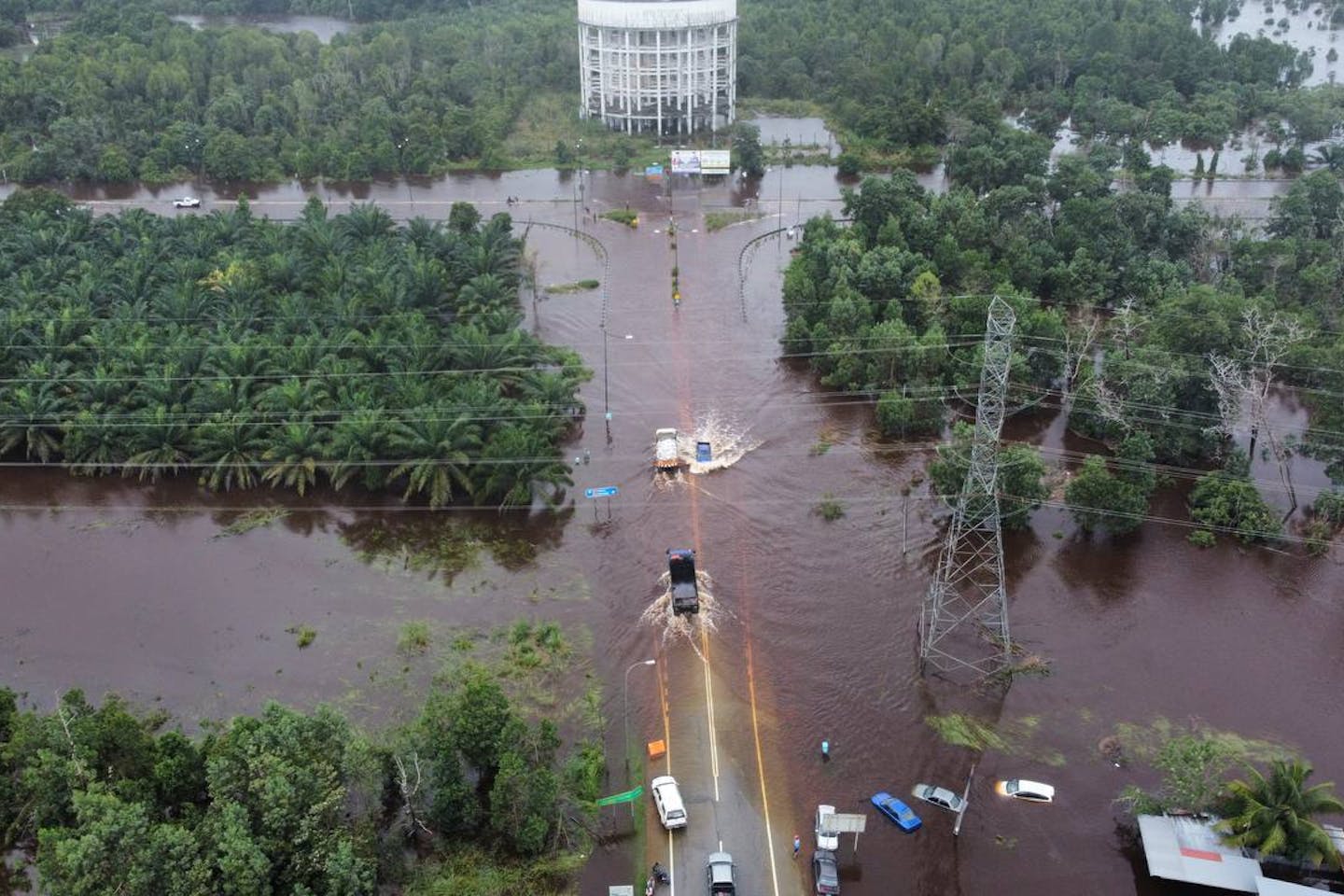
Malaysia's Ministry of Natural Resources and Environmental Sustainability has added a chapter on climate adaptation to its forthcoming climate change bill following extensive public feedback. The decision reflects growing concerns about the country's vulnerability to extreme weather and aims to address rising flood costs. The updated bill, influenced by lessons from COP30, will integrate provisions for emissions thresholds and a carbon tax, while promoting community resilience and green job opportunities. This legislation seeks to create a clearer framework for businesses to navigate climate actions and foster sustainable economic growth.
Nigeria
Adaptation gets its own chapter in Malaysia's upcoming climate change bill
Adaptive social protection provisions in Asia and the Pacific can be enhanced to protect vulnerable populations from climate change and other shocks. A “whole-of-system” approach is necessary, focusing on interagency collaboration and integration with climate and disaster risk data. Examples from the Lao People’s Democratic Republic, Pakistan, and Timor-Leste illustrate effective strategies to improve household resilience through coordinated policies, programs, and delivery systems.
Health
Adaptive and Shock-Responsive Social Protection in Asia and the Pacific

Business Intelligence (BI) is revolutionizing tax administrations by enhancing transparency, efficiency, and accountability. Key benefits include data-driven decision-making, improved reporting, compliance enhancement, operational efficiency, and better stakeholder engagement. Effective BI implementation requires integration into organizational strategies, continuous adaptation, and comprehensive user training. Essential components include defining key performance indicators (KPIs), selecting appropriate technology (commercial vs. open-source), and ensuring data governance. Legislative adjustments may be necessary to support BI initiatives, while the incorporation of AI and machine learning can further improve operational effectiveness.
Financial services
Modernizing Tax Administration Through Data-Driven Business Intelligence
Misinformation significantly hinders disaster risk management by elevating risks and complicating responses. This technical note presents a methodology toolbox aimed at policymakers, practitioners, and scientists to assess, prevent, and mitigate misinformation impacts in disaster scenarios. It comprises eight steps, starting with a PESTEL analysis and Berlo's communication model to evaluate the context and information flow. The methodology includes identifying misinformation patterns with AI methods, assessing its impact on risk perceptions, and applying practical measures like prebunking and debunking procedures. Continuous monitoring and ethical considerations ensure effective and compliant strategies, ultimately enhancing disaster response and trust in information sources.
A toolbox to deal with misinformation in disaster risk management

AI has fundamentally changed the landscape of creativity, enabling professionals to enhance their skills and innovate faster. In "Creativity in the Age of AI," the authors demonstrate that creativity is a learnable skill that thrives when combined with AI. Companies that embrace systematic creativity experience significantly faster innovation cycles and improved productivity. The book offers 12 proven approaches for professionals across various industries to leverage AI collaboratively, fostering a culture of innovation that leads to competitive advantages and breakthrough solutions. Ultimately, AI serves not to replace human creativity but to amplify it.
Education
Creativity in the Age of AI

The exploration of the Moon is set to intensify, with the US, China, and other nations planning to establish permanent bases, particularly near the resource-rich south pole. This push raises concerns over potential conflicts due to limited resources and landing sites. Cooperation can be fostered through international treaties, such as the 1967 Outer Space Treaty and the less widely adopted Moon Agreement, which emphasize non-appropriation of resources. The Artemis Accords propose guidelines for responsible resource extraction and the use of safety zones. As lunar missions become imminent, the need for collaborative frameworks is critical to prevent conflict.
How spacefaring nations could avoid conflict on the Moon

Artificial intelligence (AI) is transforming efforts to protect and restore nature by enhancing risk detection, wildlife monitoring, ecosystem modeling, and community engagement. Key applications include early detection of environmental risks like wildfires through sensor networks and predictive modeling, as exemplified by TELUS and Pano AI. AI aids biodiversity monitoring via machine learning and cameras, as seen in WWF's projects in Kenya and initiatives in the Amazon. Additionally, AI supports ecosystem restoration planning by simulating outcomes based on various datasets. Indigenous knowledge integration further enhances climate adaptation strategies. Emphasizing transparency and equity is essential for maximizing AI's benefits for both communities and ecosystems.
Education
AI is helping these organizations to protect and restore nature

Climate risk assessment has become integral to business operations, requiring a holistic approach that encompasses all sectors of a company. Businesses must actively measure, mitigate, and manage their climate impact while addressing unique organizational risks. The implementation of emissions-based tariffs and disclosure mandates emphasizes the necessity for corporations to engage across all departments to develop comprehensive climate strategies. Effective management of climate risks involves adapting to regulatory changes and trade policies, which may penalize carbon-intensive practices. Companies that swiftly adopt climate-informed strategies will enhance their profitability and market standing while reducing legal liabilities and reputational risks.
Nigeria | Financial services, Health
Beyond net zero: Redefining climate accountability

Donald Trump's administration claims to have attracted significant foreign direct investment (FDI) back to the U.S., particularly in the semiconductor sector, and emphasizes reshoring jobs. However, critics argue that these investments may not result in quality employment and could harm workers and the environment. Despite considerable capital commitments from major tech companies, job losses in traditional sectors and layoffs in technology persist, raising concerns over the sustainability and quality of employment created. The U.S. strategy to limit China's technological rise has shifted focus, yet systemic issues of labor exploitation and environmental degradation remain unresolved.
Latin America | Financial services
Trump is attracting investment to the US – but at a huge cost to workers and the environment

Small and medium-sized enterprises (SMEs) are vital to the ASEAN economy but often face a significant financing gap. There is a pressing need to create diverse financing approaches that cater to the unique requirements of various businesses. Digital financing tools, such as fintech and embedded finance, offer new opportunities for SMEs to access credit, but many still require traditional lending methods due to their lack of digital presence. Private credit can effectively support these "missing middle" firms by providing tailored financing solutions that align with their specific needs. Building a multifaceted financing ecosystem is essential for unlocking the growth potential of ASEAN SMEs.
Indonesia, Viet Nam | Financial services
Tackling the digital financing gap to support SMEs in ASEAN

Debt-for-Development Platforms (DDPs) enable debt-strapped nations to convert sovereign debt into structured investments, promoting self-empowerment rather than relying on charity. A notable example is Belize's 2021 “debt-for-nature” swap, redirecting funds towards environmental protection. With many low-income nations, especially in Africa, facing debt crises, DDPs can restructure debt into investment pools aimed at sustainable development. These platforms involve layers for debt recycling, blended finance, digital transparency, and project deployment. A regional DDP could revolutionize funding across Africa, streamlining investments in sustainable projects while enhancing transparency through monitoring units.
Financial services
How sovereign debt can become sustainability investment gold

AI is projected to displace 92 million jobs while creating 170 million new roles, emphasizing the need for a workforce ready for an AI-driven economy. Education must adopt a transdisciplinary systems mindset to equip graduates with relevant skills, focusing on creativity, contextual reasoning, and ethical judgment. Historical trends show that disruptive technologies replace certain jobs but also generate new opportunities. Future roles will require expertise in AI systems, ethics, collaboration design, and physical AI applications. A collaborative approach across disciplines will enhance innovation and benefit society, necessitating a curriculum that integrates various scientific and technical fields.
ICT, Education
How education can transform disruptive AI advances into workforce opportunities

Water's value extends far beyond its market price, encompassing vital health, productivity, and economic growth aspects. Chronic underinvestment and fragmented financing hinder water systems’ potential, with indirect benefits estimated at seven times greater than direct uses. Effective management and equitable access are crucial, especially in agriculture, which uses 70% of global freshwater. Current financing models are inadequate, with only 3.1% of development assistance targeting water. Emphasizing water’s multidimensional worth is essential for overcoming investment barriers, improving resilience, and promoting sustainability. Frameworks like the Global Common Good Framework and Total Economic Valuation aid in recognizing and applying this value effectively.
Financial services, Health
What is a glass of water worth? How financing innovation can boost global water resilience