
The stocktaking study on Human Resources Management (HRM) reforms identifies essential insights for future programming, focusing on improving oversight and effectiveness within security forces. It highlights HRM reforms as a viable approach for enhancing the efficiency of national resources in security sector governance. The synthesis report outlines challenges, trade-offs, and choices for policy officers and practitioners, supplemented by an Operational Guidance Framework that offers practical recommendations. These insights can guide HRM reform programming across all project phases, including analysis, design, evaluations, and lessons learned.
Navigating the choices of human resources reform within security sector reform contexts What have we learnt so far from HRM programming?

Reciprocity is essential to multilateral trade negotiations, historically driving trade liberalization under GATT and the WTO. Key features include a focus on lowering tariffs, flexible concession exchanges, and the influence of non-discriminatory MFN treatment. Economic theories suggest that unilateral tariff reductions can benefit small economies, while reciprocity can enhance trade liberalization by aligning the interests of export businesses. However, developing countries are often excluded from reciprocity principles due to special treatment rules. Overall, reciprocity aims to balance concessions among trading partners and mitigate trade wars, promoting international trade efficiency.
Back-to-Basics: Reciprocity in the Multilateral Trade Negotiations
Coordinated action is essential to close the digital divide in Asia and the Pacific, which involves addressing issues of affordability, digital literacy, and cybersecurity. Approximately 2.3 billion people are offline in the region, where internet penetration is around 53%. High data costs disproportionately affect low-income families, and limited digital skills hinder access, especially among women and rural communities. Initiatives promoting public-private partnerships, subsidies, and digital literacy programs are underway to enhance connectivity and usage. Enhanced cybersecurity measures are also vital to fostering trust in online transactions. Collaboration across borders is necessary to ensure comprehensive digital inclusion.
Bangladesh | Financial services, Education, Health, ICT
The Other Half of the Internet: Closing Asia’s Digital Gap

Transport generated 8.3 GtCO₂e in 2023, accounting for 16% of global greenhouse gas emissions, with a 78% increase since 1990. Emissions attributed to transport should consider production-based accounts, revealing that demand from sectors like manufacturing largely drives them. Almost two-thirds of transport emissions arise from other sectors, especially manufacturing (32%) and services (32%). Asia and the Pacific are the largest contributors, producing 48% of global emissions, exacerbated by energy-intensive manufacturing and rapid urbanization. Effective decarbonization strategies must target demand drivers across all sectors.
Argentina, Belarus, Belgium, Bermuda, Burkina Faso, Burundi, Canada, Colombia, Djibouti, Dominican Republic, Germany, Ghana, India, Indonesia, Italy, Jamaica, Japan, Jordan, Kenya, Mozambique, Pakistan, Peru, Philippines, Russian Federation, Rwanda, Saudi Arabia, Seychelles, South Africa, Sri Lanka, Thailand, Trinidad and Tobago, Ukraine, United Arab Emirates, United Kingdom | Financial services, ICT
Tracing the True Drivers of Transport Emissions
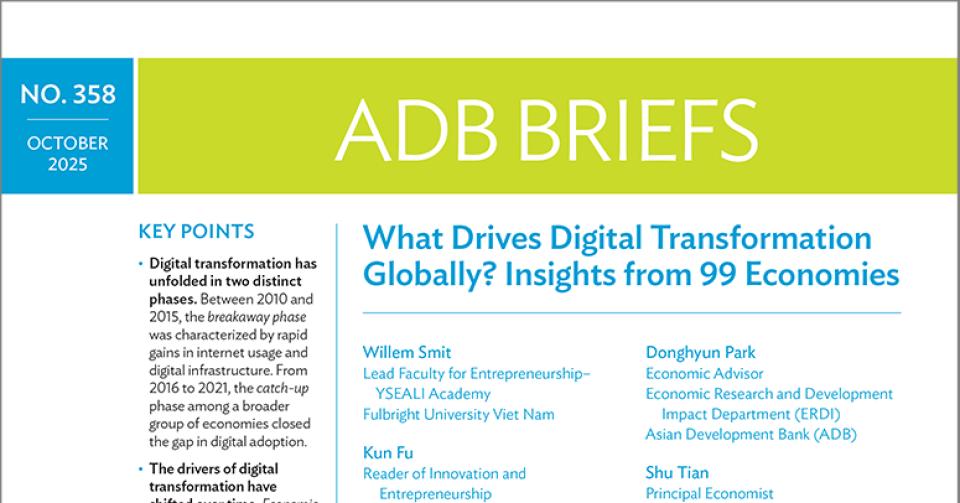
Investment in connectivity, human capital, effective institutions, and inclusive strategies is essential for economies aiming to accelerate digital transformation. Analyzing data from 99 economies, the study identifies key drivers—digital adoption, infrastructure, human capital, and institutional conditions—across two phases: the early breakaway phase (2010–2015) and the catch-up phase (2016–2021). Recommendations focus on leveraging these drivers for future digital strategies, emphasizing the need to differentiate between inputs, enablers, and outcomes of digital transformation.
Botswana, Colombia, Dominican Republic, Germany, Honduras, Indonesia, Japan, Jordan, Kenya, Mozambique, Peru, Philippines, Russian Federation, Saudi Arabia, Seychelles, South Africa, Switzerland, Thailand, Ukraine, United Arab Emirates, United Kingdom | Financial services, Health, Education, ICT
What Drives Digital Transformation Globally? Insights from 99 Economies
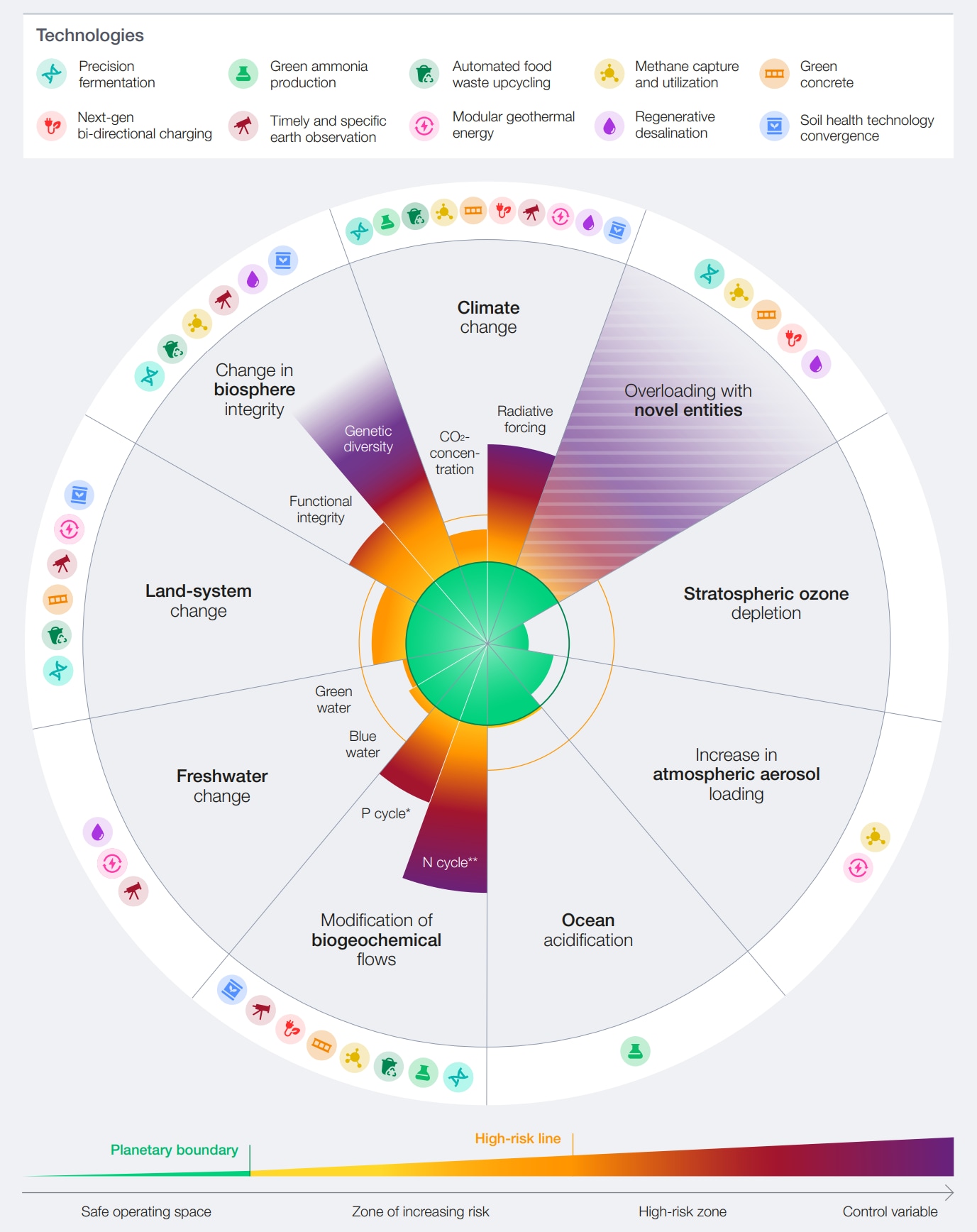
COP30 in Brazil represents a pivotal moment for advancing global climate cooperation, highlighting a shift toward viewing climate adaptation as a profitable investment rather than a burden. Recent research indicates that strategic investments in climate resilience can yield significant economic returns, with studies showing benefits of $2 to $19 for every dollar invested. The urgency of the climate crisis is evident, with increasing temperatures and economic impacts from climate-related disasters costing trillions. Business leaders are encouraged to embrace this new mindset and collaborate on actionable strategies to foster a low-carbon economy while ensuring robust profitability and resilience.
Financial services, Health
Climate and nature action is changing: How new mindsets and solutions will help
Most people in 25 countries are aware of artificial intelligence (AI), with a median of 34% having heard a lot about it. Concerns about AI outweigh excitement, as 34% express more concern than enthusiasm, and 42% feel equally concerned and excited. Individuals in higher-income nations are more knowledgeable about AI than those in lower-income countries. Trust in national regulation of AI varies, with 89% of Indians expressing trust, while only 22% of Greeks do. Americans are nearly split on trusting their government to regulate AI, with 44% trusting and 47% distrusting.
How People Around the World View AI
The European data strategy aims to establish the EU as a leader in the data-driven economy by creating a single market for data that ensures cross-sectoral data flow, respects data protection and competition laws, and offers fair access and use rules. The paper analyzes proprietary, open data, and data commons models, defining data commons as a shared right to exploit data value while managing associated risks. It emphasizes the need for legal frameworks to balance the data holder's interests with those of data users and highlights the role of data intermediaries in facilitating compliance with usage conditions.
Germany, United Kingdom | ICT
Proprietary data, open data, data commons: Who owns the data? How to best reconcile conflicting interests in exploiting the value of data and protecting against its risks

Global youth mortality for those aged 15-24 remains a critical issue, with recent data showing rising death rates in North America and Eastern Europe. Primary causes include preventable factors such as suicide, violence, substance abuse, and road traffic accidents. The Global Burden of Disease study highlights significant disparities, particularly affecting marginalized groups. Mental health challenges are major contributors to these fatalities, exacerbated by economic insecurity and social pressures. Addressing this crisis requires comprehensive interventions beyond healthcare, focusing on social and structural determinants of youth mortality.
Health
Rise in youth mortality fuelled by mental illness, drugs, violence and other preventable causes

COVID-19 increased public visibility and appreciation for key workers, such as street cleaners and refuse collectors, highlighting their essential roles during the pandemic. However, this recognition did not translate into lasting socio-economic changes. Interviews with 41 waste management workers revealed that while some felt a temporary boost in respect and hope for stronger community bonds, the pandemic exacerbated existing inequalities. Many key workers struggled with risky work conditions while others remained at home, deepening societal divisions. The workers expressed frustration over the lack of understanding or concern from more privileged individuals regarding their struggles during this time.
Africa | Financial services, Education, Health
Our research shows COVID-19 made people appreciate street cleaners more – but it also made their lives harder

Temperatures in Europe are rising at twice the global average, leading to more frequent extreme weather, including heatwaves, floods, and wildfires. This climate change threatens ecosystems, infrastructure, and economic stability, resulting in over €738 billion in losses since 1980. Adaptation efforts lag behind the increasing risks, exposing communities to disease and displacement. Political setbacks further jeopardize progress on green policies, worsening climate anxiety. However, with initiatives like the €4.2 billion EU fund for decarbonization and a proven decrease in greenhouse gas emissions, Europe has the potential to achieve its climate goals, provided there is unified action among governments, businesses, and communities.
Africa | Financial services, Health
Europe’s climate is changing fast – here’s how it’s affecting people and the economy
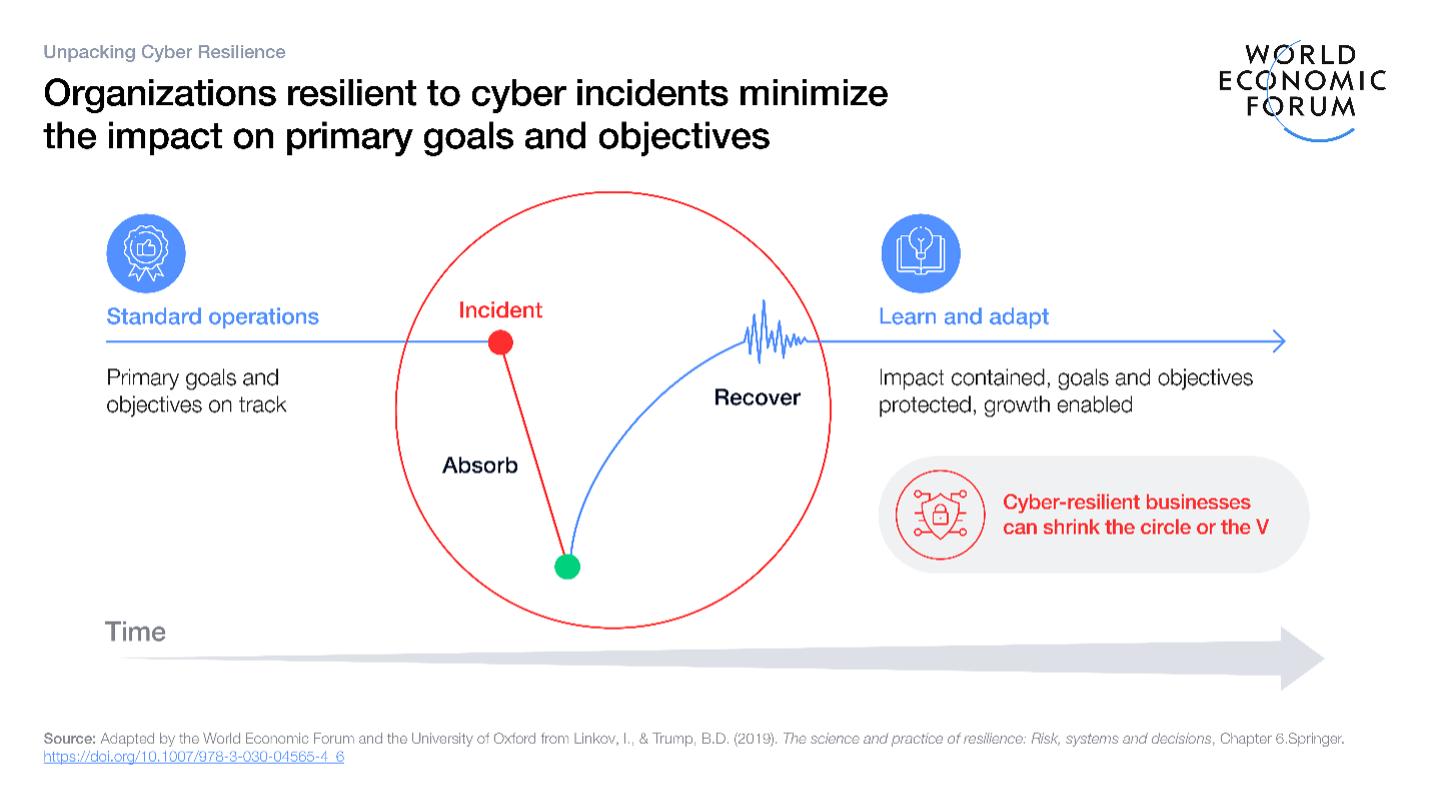
Measuring cyber resilience is essential for protecting organizations and their ecosystems as 72% of organizations report increasing cyber risks. Organizations should embed resilience across all areas, not just IT, and assess it using meaningful data. Effective cyber resilience focuses on minimizing the impact of cyber incidents rather than solely preventing them. Measurement informs decision-making, builds trust, and enhances resource allocation. Key principles for measurement include simplicity, a holistic approach, adaptability, and prioritizing strategic insights. Collaborative initiatives, like the World Economic Forum’s Cyber Resilience in Industries, aim to advance measurable improvements, highlighting that neglecting resilience can lead to significant financial losses.
Financial services
Why cyber resilience must be measured, not assumed

Generative AI (GenAI) is revolutionizing life sciences by shifting healthcare from reactive treatment to predictive, personalized, and preventive models. This convergence of biology and computation is redefining drug development and biological research through advancements in large-scale biological data analysis, protein structure prediction, and virtual cell modeling. Key innovations, including single-cell proteomics and organoids, enhance drug testing and discovery efficiency. GenAI streamlines clinical trials and personalized healthcare, providing real-time patient insights. Automation in labs improves reproducibility, while AI-driven models propose novel therapeutic strategies, paving the way for a transformative era in human health.
Generative AI in life sciences is helping us reimagine the future of human health
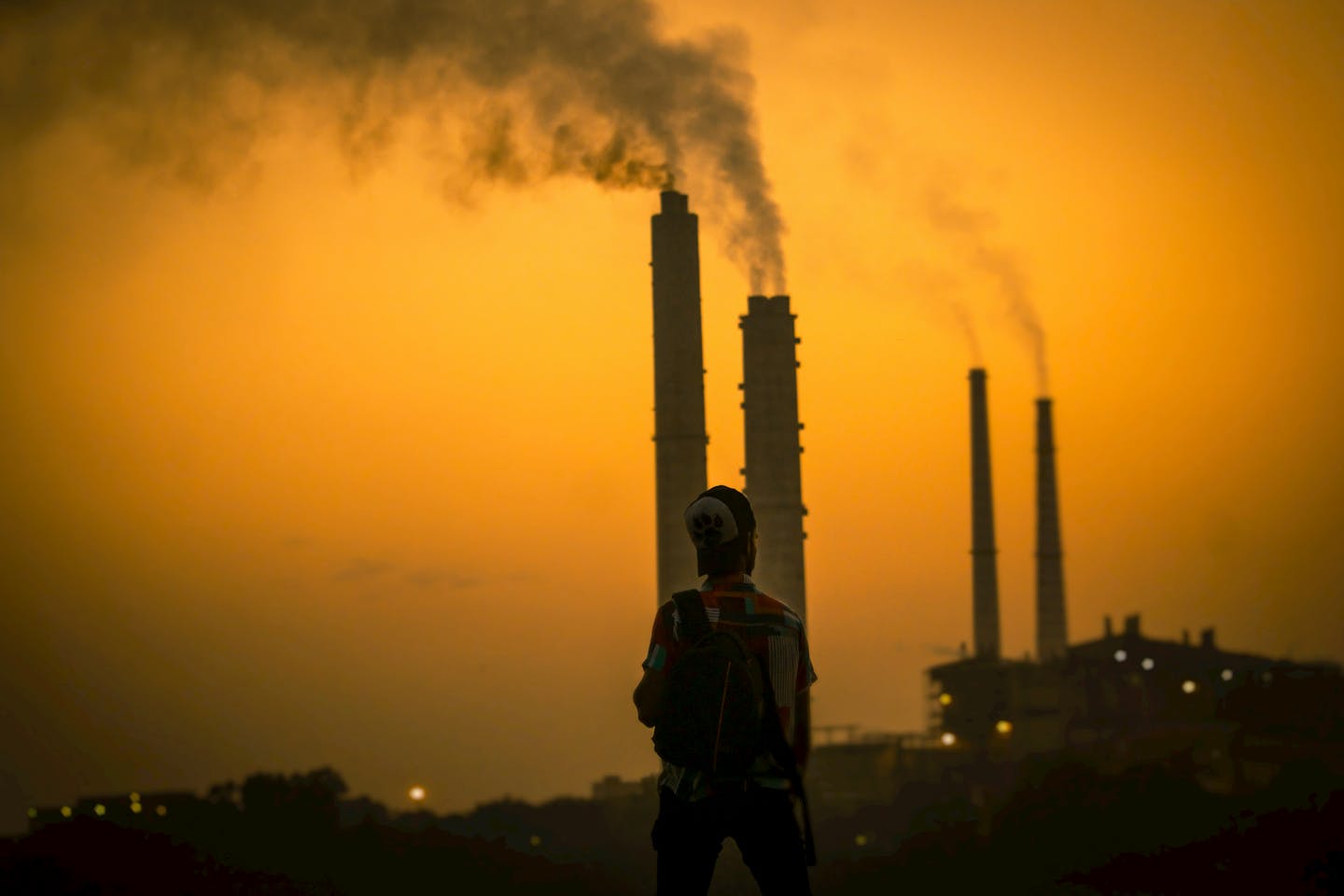
The conference brought together nearly 200 researchers and legal experts to discuss "overshoot" pathways, where global temperatures exceed the Paris Agreement’s 1.5°C limit before being reduced through carbon removal techniques. Key topics included the feasibility of such pathways and their implications for climate action and society. Professor Joeri Rogelj described managing overshoot as "managing failure," emphasizing the need for acknowledgment and preparation for temperature rises. Researchers highlighted the importance of precise communication about overshoot, distinguishing it from other exceedance scenarios and defining it as a temporary exceedance of the target followed by a return below it.
Overshoot: Exploring the implications of meeting 1.5°C climate goal ‘from above’

Doug Arent serves as Executive Director of the National Renewable Energy Laboratory Foundation, where he leads efforts to accelerate the transition to affordable, secure energy. With over 40 years in energy and sustainability, he has authored a book on renewable energy evolution and holds various academic and advisory positions. Arent emphasizes the transformative potential of AI in optimizing energy systems while highlighting the need for comprehensive solutions to integrate technology, supply chains, and financing for energy innovation. He advocates for a holistic approach that addresses abundance, reliability, sustainability, and resilience in energy systems.
Interview Of The Week: Doug Arent, National Renewable Energy Laboratory Foundation

India is poised to shape the future of AI innovation with a focus on speed, scale, and responsibility. The AI for India 2030 initiative, spearheaded by C4IR India at the World Economic Forum, presents a strategic and operational framework for developing AI sandboxes. These sandboxes will address gaps in data access, infrastructure, and markets, enabling inclusive and accountable innovation. The framework, co-created with various sector leaders, provides a modular model for governments and industry to foster responsible AI growth, supporting start-ups, informing regulators, creating research opportunities, and enhancing citizen services.
Education
Shaping the AI Sandbox Ecosystem for the Intelligent Age

Micro, small and medium enterprises (MSMEs) are essential to India’s economy, contributing nearly 30% to GDP and employing over 230 million people, yet they encounter significant growth barriers. AI presents a potential solution, capable of generating over $500 billion in economic value for this sector. The playbook, created by the Centre for the Fourth Industrial Revolution India under the AI for India 2030 initiative, outlines key challenges, showcases real-world applications, and introduces the IMPACT AI framework, which emphasizes awareness, action, and recognition. It also provides a detailed implementation roadmap, defining the roles of government, industry, MSME associations, academia, and start-ups in advancing AI adoption among Indian MSMEs.
Transforming Small Businesses: An AI Playbook for India’s MSMEs

Generative AI has the potential to transform health care in Asia and the Pacific by reducing paperwork, enhancing diagnosis, broadening access, and improving trust in public health systems. It can automate tasks such as summarizing medical histories, aiding in early disease detection, and facilitating drug discovery. Countries are beginning to establish regulations to ensure safe and ethical AI application in health. Existing digital health frameworks in countries like India and China provide a foundation for integrating generative AI. Responsible implementation can lead to faster, fairer, and more efficient health systems, shifting from digital delay to digital advancement.
Health
Generative AI Can Revitalize Asia and the Pacific’s Analog Health Care

Iran faces a severe climate crisis characterized by its worst water shortages in decades, with key dams near Tehran at critically low levels. The city of Isfahan is experiencing dangerous land subsidence due to over-extraction of groundwater for agriculture. International media coverage remains heavily focused on political conflicts, notably the recent war involving Israel, while neglecting the significant environmental impacts. Local and reformist media in Iran are beginning to address these issues, but reports often remain overshadowed by military narratives. Iran's environmental degradation is largely driven by government mismanagement and overuse of resources, exacerbating the region’s challenges of droughts and air pollution.
Drought, sand storms and evacuations: how Iran’s climate crisis gets ignored

The Young Global Leaders developed an eight-point Transformation Map to guide leaders through a rapidly changing landscape marked by crises and technological disruption. Key principles include foresight, sustainability, and adaptability. Effective leadership now requires a focus on inclusion and long-term vision, steering away from traditional top-down authority. The role of AI in leadership is emphasized, along with the need for eco-centric solutions and rethinking climate action. Additionally, upskilling and advancing educational frameworks to integrate technology are critical as trust in institutions remains low. Leaders must balance innovation with empathy to navigate this complex future.
Qatar, United Arab Emirates, United Kingdom | Financial services, Education, Health
The leadership compass: 8 ways for leaders to find their bearings in a changing world