
Global challenges are increasingly interconnected, necessitating collaboration across disciplines. In Dubai, experts from the Global Future Councils and global cybersecurity leaders discussed the importance of digital resilience, trust, and leadership amidst evolving geopolitical and technological landscapes. The meeting emphasized that cybersecurity is a societal imperative, not just a technical concern, as the digital attack surface expands and human error contributes significantly to data breaches. Rising threats target critical infrastructure and intellectual property, with cybercriminals leveraging AI for increased effectiveness. The global cost of cyber threats could reach $20 trillion annually by 2030, highlighting the vital need for secure digital foundations for future prosperity.
United Arab Emirates | Health, Education, Financial services, ICT
Securing the digital future: Resilience, trust and leadership

Senscience has developed a human-in-the-loop AI Data Steward to streamline the process of turning raw data into intelligent, reusable products. This platform automates complex data management tasks, enabling domain experts to focus on meaningful documentation and reuse of data. The FAIR² Data Management system, launched at the International Data Week, aims to improve data accessibility and usability across sectors like finance, pharma, and sustainability. By embedding context and provenance in datasets, Senscience enhances their integrity and applicability, facilitating responsible AI and advancing scientific research.
Startup Of The Week: Senscience
The UN climate system faces significant inefficiencies and inadequacies, with rising emissions indicating a failure in meaningful progress. To enhance global climate governance, three main reforms are proposed: 
1. Redesign decision-making to improve efficiency and representation, moving away from unanimous agreements toward qualified majority voting that reflects state size and fosters regional alliances.
2. Streamline climate finance by consolidating numerous overlapping funds into three to five clear instruments focused on adaptation, mitigation, and technology sharing.
3. Reinvent the format of climate conferences to optimize costs and improve outcomes, ensuring that vital voices are included in decision-making processes.
Africa | Financial services, Health
Why climate summits fail – and three ways to save them

COP30 faces significant challenges in transitioning from gender rhetoric to actionable policies addressing climate resilience. Women and girls, who constitute 80% of those displaced by climate change, experience heightened vulnerabilities due to existing gender inequalities. The upcoming conference aims to develop a comprehensive Gender Action Plan, building on previous commitments, but systemic barriers persist, including inadequate representation and funding. The African Group of Negotiators stresses the need for tailored, financially supported measures to effectively implement gender-responsive climate policies. Without dedicated funding, the Gender Action Plan risks remaining purely aspirational for developing nations.
Africa | Health
COP30’s uphill battle to shift from gender rhetoric to action

The Gulf region has the potential to lead globally in artificial intelligence (AI) by leveraging investments and technologies to drive economic diversification and sustainability. Significant government initiatives, especially in the UAE, aim to establish a tech-driven economy with a focus on integrating AI in sectors like logistics and resource management. However, the rapid growth of AI infrastructure presents challenges, particularly concerning energy consumption and environmental impact. To address these issues, sustainability should be central in AI development, with strategies to optimize energy use and reduce carbon footprints. Regional collaboration and regulatory support will be essential for the Gulf to realize its ambitions in the AI landscape.
Kuwait, Qatar, Saudi Arabia, United Arab Emirates
The Gulf can be a leader in global AI if it gets the focus right
The World Bank's renewed support for nuclear energy marks a significant global shift, emphasizing its role in energy security, climate action, and economic growth. To triple nuclear capacity by 2050, investment must more than double, with blended finance and supportive policies being essential. The emergence of small modular reactors (SMRs) as flexible, cost-effective solutions is highlighted, representing nearly a quarter of new capacity in high projections. Nuclear energy is recognized for its low emissions, stability in the energy grid, diverse applications, and positive economic impact, necessitating their inclusion in energy innovation strategies to meet rising electricity demands and decarbonization goals.
Africa | Financial services
Nuclear energy: How finance, policy and innovation can triple capacity by 2050
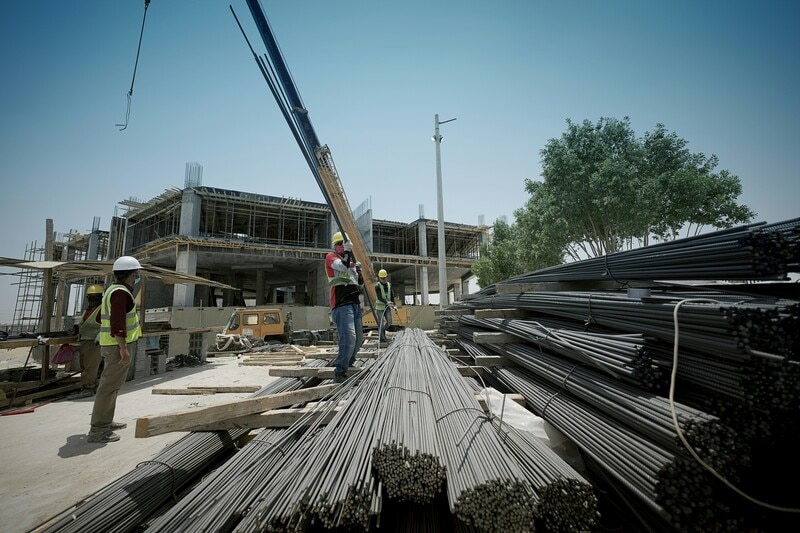
AI is reshaping frontline workforce activities, traditionally marred by inefficiencies in hiring, scheduling, and training. This technological shift is essential for the 80% of workers engaged in non-desk-based roles in sectors like manufacturing and logistics, which have largely resisted digital advances. AI tools enhance recruiting speed, stabilize scheduling through predictive analytics, and improve coaching and training with conversational agents. When implemented responsibly, these innovations foster a more transparent workplace, benefitting both workers and employers. However, careful design is crucial to mitigate potential biases and ensure accessibility, emphasizing the need for collaboration among stakeholders.
Education
Beyond the desk: How AI is transforming the frontline workforce

Strategic foresight enhances competitive advantage by transforming policy-making from reactive to proactive. Countries like the UAE, Singapore, and Finland leverage foresight to anticipate trends, making policies more agile and resilient. A four-step process—formulation, consultation, implementation, and evaluation—integrates strategic foresight into the policy lifecycle, allowing continuous adaptation. The UAE employs a national Strategic Intelligence platform to align priorities and improve decision-making. Other nations apply similar strategies, demonstrating that foresight, coupled with agile execution, yields measurable benefits and prepares economies for future challenges.
United Arab Emirates, United Kingdom | Financial services, Education, ICT
How strategic foresight-driven policy can make economies more competitive

The recent Nobel Prize in Economics was awarded to three economists for their insights into how technological progress fuels economic growth. Their research emphasizes the importance of cultural openness to disruptive changes alongside scientific advancements. Experts highlight that nurturing an adaptable culture is vital for harnessing innovation, especially in contexts of technophobia that may stifle growth. Historical examples illustrate that creative destruction can lead to new opportunities, as demonstrated by technology cycles. Ultimately, countries fostering a competitive environment and embracing change will thrive in the evolving economic landscape.
Education
What drives economic growth? You don’t need a Nobel Prize to take a guess

Spanish democracy is increasingly polarized due to a fundamental constitutional divide rooted in its democratic transition. This divide contrasts defenders of the constitutional framework with those who challenge it, influencing civic mobilizations over issues like terrorism and nationalism. Large-scale protests since 1996 highlight ongoing tensions, especially regarding Catalan independence, reflecting a crisis of legitimacy that extends beyond economic concerns. Political fragmentation worsens the inability to reach cross-party consensus, as rival discourses intensify. This erosion of a shared constitutional narrative exacerbates distrust and affects the vitality of civil society.
Spain
Spain’s deepest political divide is not ideological, but constitutional

Leaders who balance strength and receptivity gain a significant competitive edge, achieving a 24% increase in effectiveness. This concept, termed "integrated leadership on the edge," involves practices like rooted flexibility, caring accountability, whole thinking, and generative power. Through experiences in turbulent environments, such as those recounted by Otto Sonnenholzner from Ecuador and Eva McLellan from Roche Slovenia, it became evident that leaders must prioritize legitimacy, trust, and societal impact over mere efficiency or popularity. The future of effective leadership hinges on integrating diverse leadership styles to navigate complexity and foster resilience in a fractured world.
Africa | Education, ICT, Financial services, Health
The 24% leadership advantage no one talks about
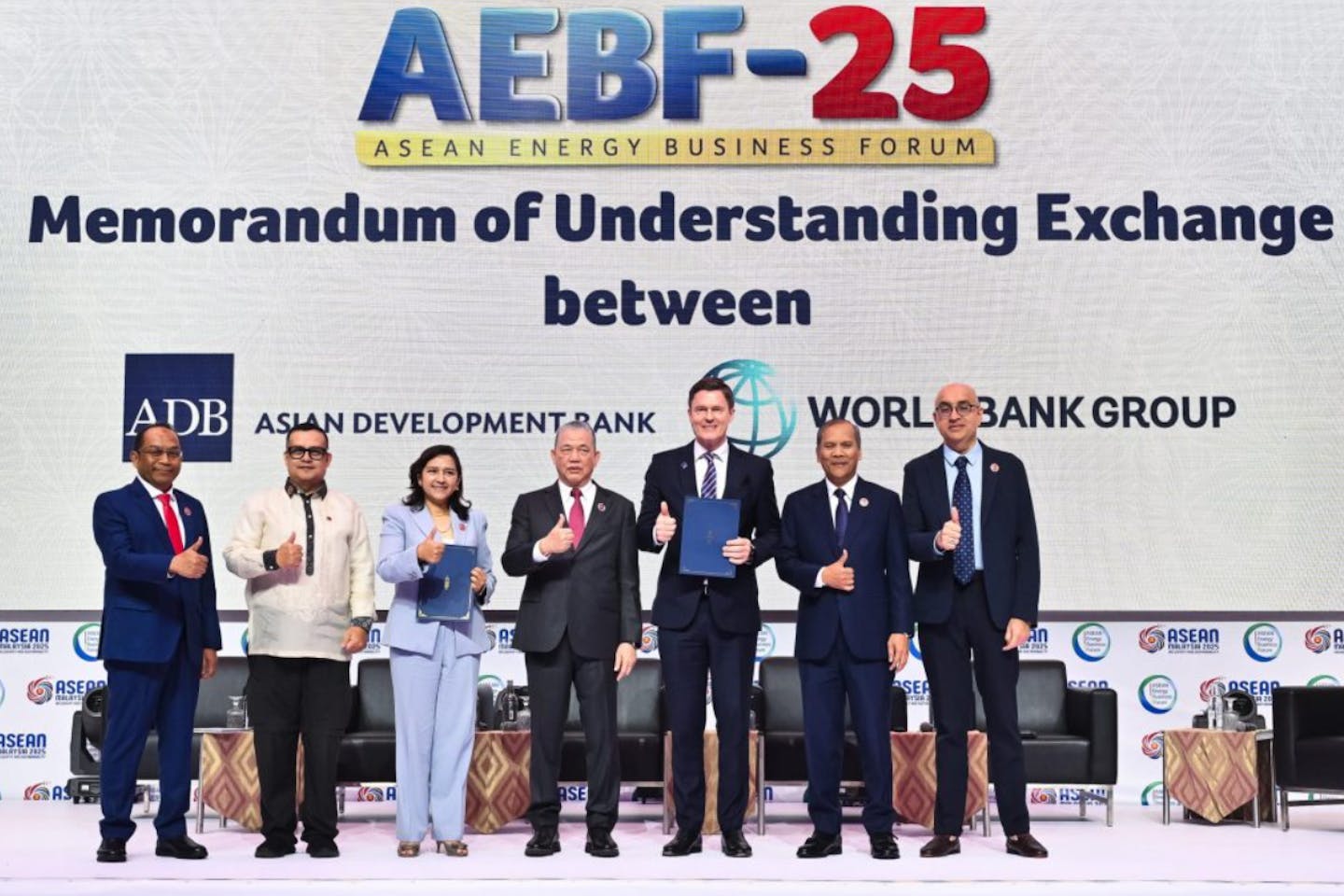
The Association of Southeast Asian Nations (ASEAN), in collaboration with the World Bank and Asian Development Bank (ADB), has launched a financing initiative to advance the ASEAN Power Grid (APG) project, aimed at integrating regional electricity networks. This initiative responds to a projected doubling of Southeast Asia's energy consumption by 2040 due to industrialization and population growth. With ADB committing up to $10 billion and the World Bank pledging $2.5 billion for project support, the initiative seeks to enhance energy security, create jobs, and facilitate renewable energy investments. Both institutions will also provide technical assistance and collaborate with private financiers to support APG-related projects.
ASEAN | Financial services
ADB, World Bank launch financing initiative to boost Asean Power Grid
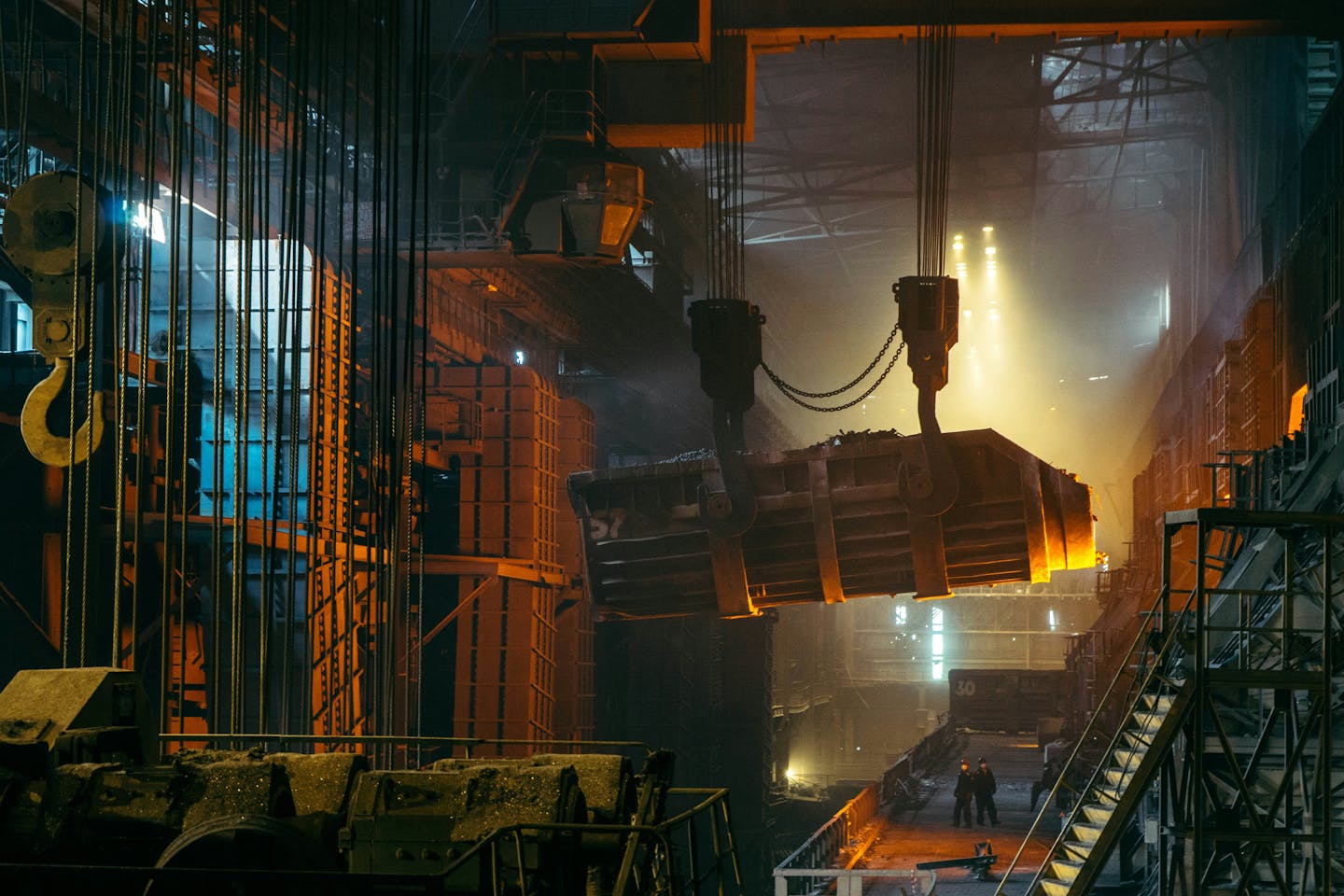
Hebei Iron & Steel (HBIS) has started exporting low-carbon steel to Europe, utilizing hydrogen-based production methods. This reflects an adaptation to stricter EU carbon regulations such as the Carbon Border Adjustment Mechanism (CBAM), which will impose tariffs on imported steel starting in 2026. Chinese steelmakers, including China Baowu, are exploring both domestic emissions reduction and overseas investments in low-carbon steel production. They are investing in technologies to lower emissions and establishing plants abroad in regions with abundant resources, such as natural gas and high-grade iron ore. The approach aims to make steel production more economically viable and sustainable.
China’s greener steelmakers spread overseas
Healthcare systems are increasingly strained due to rising costs, demographic changes, and workforce shortages, with a projected global shortfall of 11 million health workers by 2030. The Future of Health study highlights the need for transformation, emphasizing principles like equity, strong care coordination, digitalization, and innovative governance. Survey results show a global preference for equitable access to care, with a significant majority supporting publicly funded systems. Policymakers are urged to shift from crisis management to long-term design, focusing on prevention and integration, while commercial entities should prioritize trust and accessibility in innovation.
Financial services, Education, Health
Future of health 7: the healthcare system of the future

AI literacy is crucial for determining nations' geopolitical futures, yet countries are currently diverging in their approaches. The absence of a standardized measure for AI literacy creates significant barriers, including lack of comparability and trust, leading to fragmented efforts. Nations like China are advancing rapidly, while others like the U.S. and Canada lag behind, risking brain drain and inequality. To prepare for an AI-driven future, developing foundational, human-centric, and adaptability skills is essential. Delays in fostering AI literacy could deepen global divides and concentrate power among countries that act decisively.
Education
3 vital truths about AI literacy that will define the future
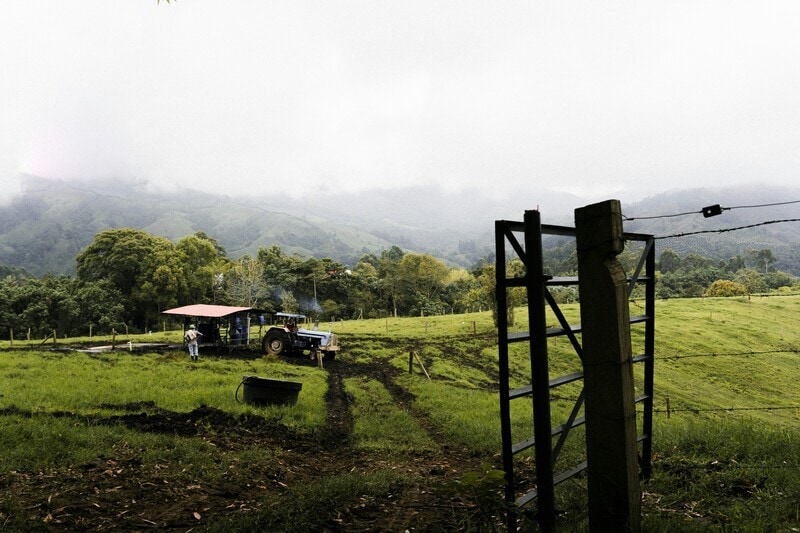
Current global food systems are under significant pressure, failing to meet the nutritional needs of communities due to challenges like climate change, obesity, and geopolitical factors. Approximately 820 million people face hunger, while food-related illnesses cost the economy $3.5 trillion annually. Recent crises, including the COVID-19 pandemic and the Ukraine invasion, have exposed systemic vulnerabilities. To sustain farmers and adapt to evolving consumer demands, the integration of new technologies and improved resilience in food supply chains is crucial for ensuring affordable, nutritious food for all.
Africa | ICT, Education, Health, Financial services
Why our current food systems are no longer fit for purpose
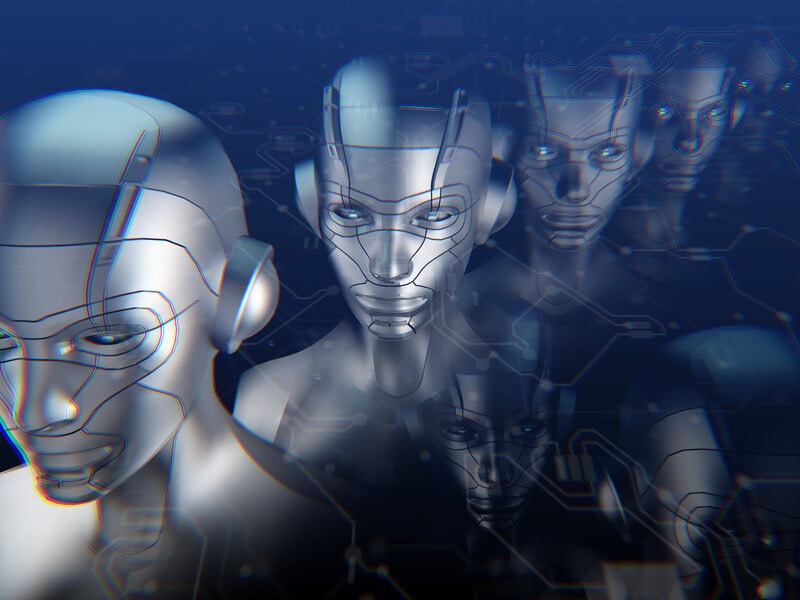
Embodied AI aims to enable robots to interact naturally and safely within human environments, learning not just from textual data but from social cues and physical experiences. Unlike current models that rely on extensive text-based training, robots must develop a nuanced understanding of their surroundings, including physics and social norms. To accomplish this, a combination of social reinforcement learning and active teaching is suggested, allowing robots to learn from human feedback and adapted behaviors in real-world scenarios. This approach would help tailor robots for specific settings, enhancing their integration and functionality in daily life.
Education
When AI gets a body: How robots can learn to belong in human society
Generative Artificial Intelligence (AI) has transformed the creative process, allowing individuals to overcome the intimidation of a blank slate in writing, coding, and design. This technology facilitates rapid idea generation and productivity. However, reliance on AI raises concerns about diminishing the ability to ask meaningful questions, as these systems primarily respond to prompts without understanding. The effectiveness of AI-generated work hinges on the quality of inquiries posed. Society faces the challenge of becoming answer-rich but question-poor, risking the erosion of critical thinking skills essential for meaningful exploration.
Generative AI and the New Tabula Rasa: Why Question Literacy Matters
Humans are adept at reshaping their environments, as highlighted in Maxim Samson's Earth Shapers. The exploration spans various geographical features, from the Inca's Qhapaq Ñan and Mozambique’s railways to modern Saudi Arabian smart cities and Africa’s Great Green Wall. These narratives emphasize how human connectivity-driven alterations of the landscape have significantly impacted history. The work integrates elements of cultural geography, ecology, sociology, and politics, illustrating that humans are not merely subject to geographical constraints but are active creators of their surroundings.
Earth Shapers: How We Mapped and Mastered the World, from the Panama Canal to the Baltic Way
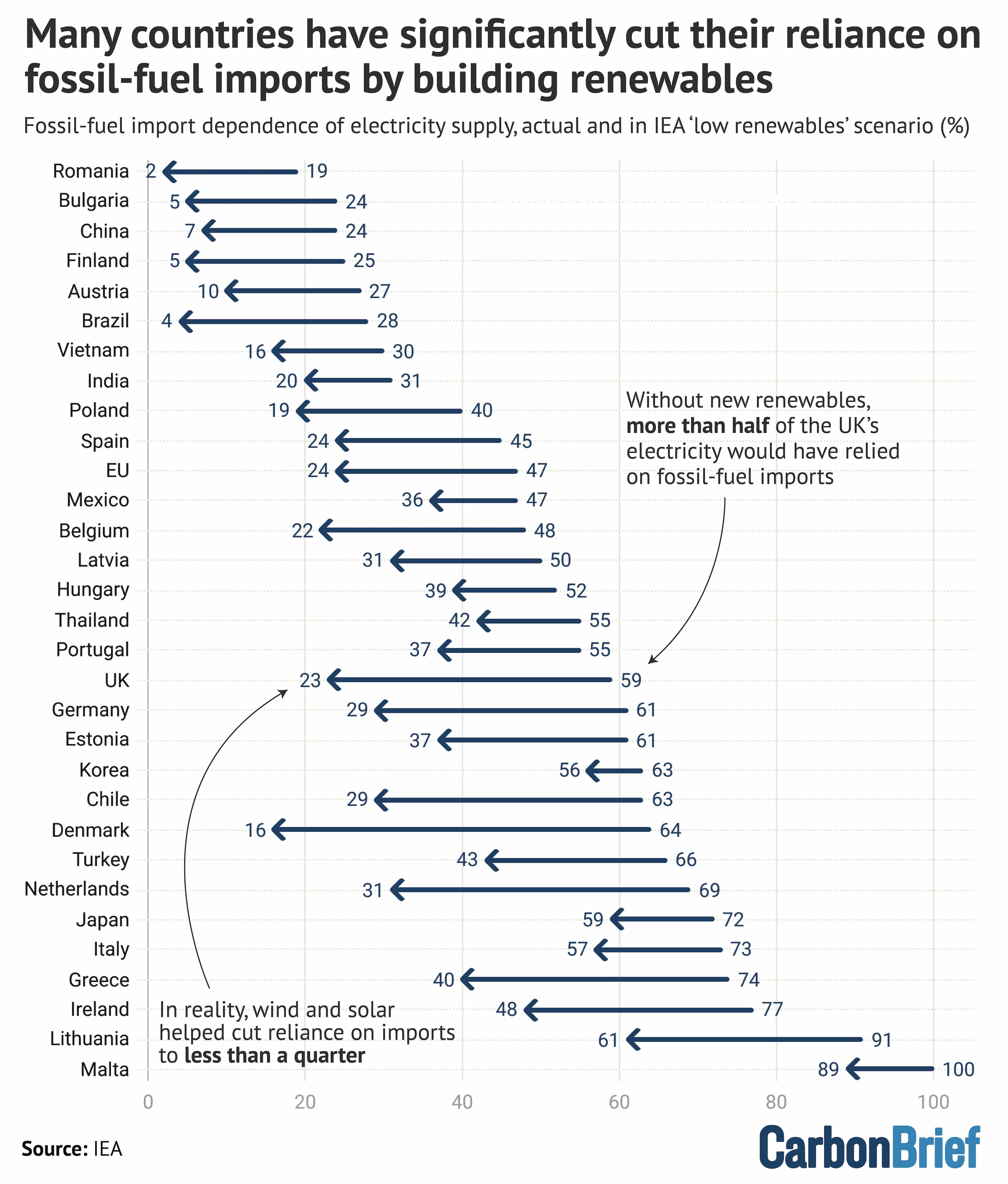
More than 100 countries have reduced fossil fuel imports due to the rise of renewable energy, saving an estimated $1.3 trillion since 2010, according to the International Energy Agency (IEA). These nations avoided importing 700 million tonnes of coal and 400 billion cubic metres of natural gas, crucial during the recent energy crisis. The IEA projects that global renewable capacity will grow by 4,600 gigawatts by 2030, driven largely by solar energy. Additionally, Amnesty International calls for humanitarian visas for Pacific Islanders displaced by climate change, while green sea turtles have recovered from 'Endangered' to 'Least Concern' status.
Africa | Health, ICT
More than 100 countries have cut fossil-fuel imports due to renewables rise, and other climate and nature news