
Generative AI has the potential to significantly alter how we think and communicate. Over-reliance on AI for tasks such as essay writing and problem-solving can weaken critical thinking and creative language use. Research indicates that habitual use of technology, like GPS, can diminish cognitive skills, suggesting analogous risks with AI. As students use AI tools, they may produce polished texts without true comprehension, leading to a decline in reflective thinking. This relationship between language and thought, once deeply interwoven, risks becoming superficial, undermining our ability to engage meaningfully in discourse and limiting imagination, which is essential in democratic societies. To counteract these effects, fostering a deeper connection with language and its creative use is crucial.
Education
How generative AI could change how we think and speak

Elon Musk's xAI is launching Grokipedia to rival Wikipedia, aiming to address perceived bias in the latter. While Musk criticizes Wikipedia's ideological slant, biases also exist in AI, including Grok, which learns from diverse internet data. Studies show that AI outputs reflect existing societal biases, and Grok has been found to have a left-leaning bias. Wikipedia's collaborative model allows for diverse perspectives and self-correction, which may not be replicated in an AI-driven encyclopedia. AI could enhance Wikipedia's accuracy when used responsibly, but risks misleading users by obscuring biases in content.
Grokipedia: Elon Musk is right that Wikipedia is biased, but his AI alternative will be the same at best
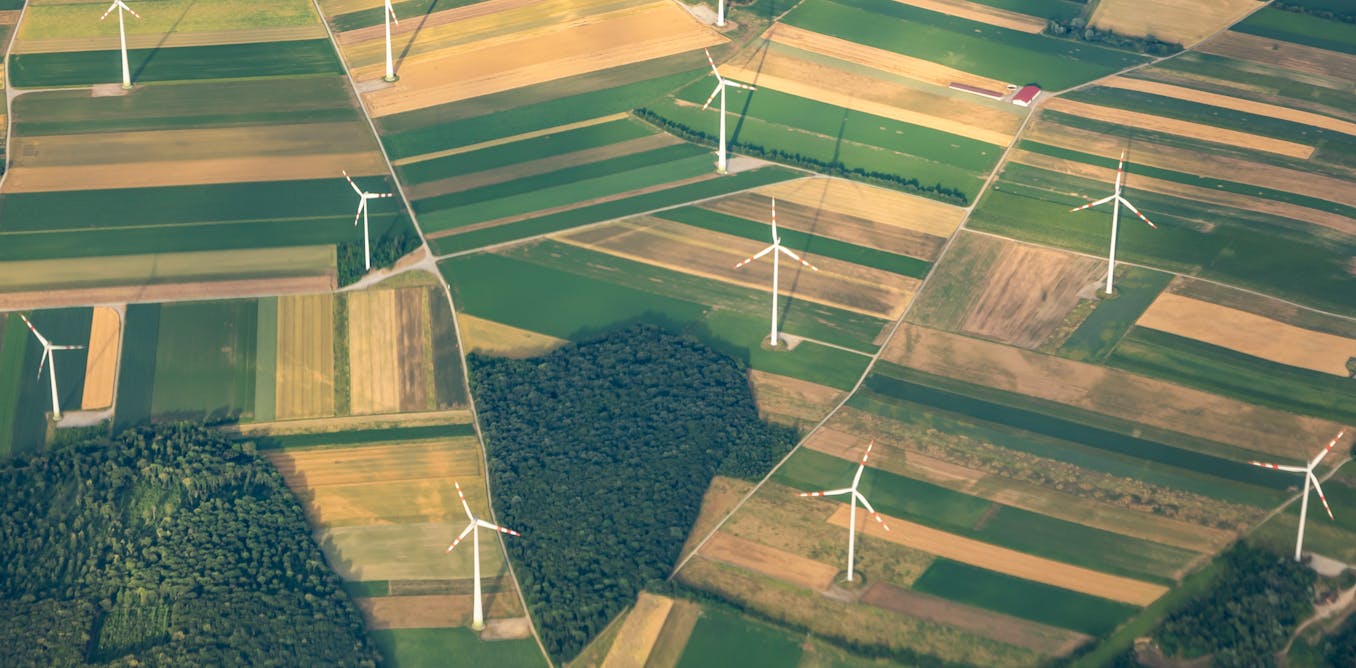
The European Green Deal aims to combat climate change through emission reductions in Europe and global cooperation. Despite the EU reducing its emissions by 13% since the Paris Agreement, global emissions rose by 10%. The EU has excelled in increasing renewable energy consumption but lags in the supply chain dominated by China. Yet, Europe struggles to leverage its progress to influence worldwide emissions reduction efforts. Instead of viewing climate action as a regulatory burden, EU policymakers must see it as an opportunity for innovation and investment. Recent electoral trends indicate a growing frustration with current climate strategies, signaling a need for fresh ideas beyond traditional frameworks.
Climate change divides the innovators from the defenders of the status quo – Europe must decide which it wants to be

AI ethics should begin with recognizing that AI is a simple and limited tool. Misconceptions arise when AI is portrayed as an all-purpose, unlimited technology, driven by myths around its exponential improvement and increasing capabilities. The perception of rapid progress is often based on iterative advancements rather than genuine innovation. While technology can take on unexpected uses, this does not imply infinite potential. Understanding the fundamental limits of AI is essential for developing an ethical framework that suits the industry.
AI Ethics Is Simpler Than You Think
Seven of the nine planetary boundaries have been breached, signaling urgent environmental concerns, according to the Potsdam Institute for Climate Impact Research. The World Economic Forum identifies ten emerging technologies potentially pivotal for planetary health. Notable solutions include precision fermentation to minimize livestock reliance and greenhouse gas emissions, green ammonia production using renewable sources, automated upcycling of food waste, methane capture for resource conversion, and green concrete innovations. These technologies aim to reduce environmental impacts and enhance sustainability as the planet grapples with climate change and resource depletion.
Financial services, Health, ICT, Education
Planet under pressure: 10 emerging tech solutions to watch
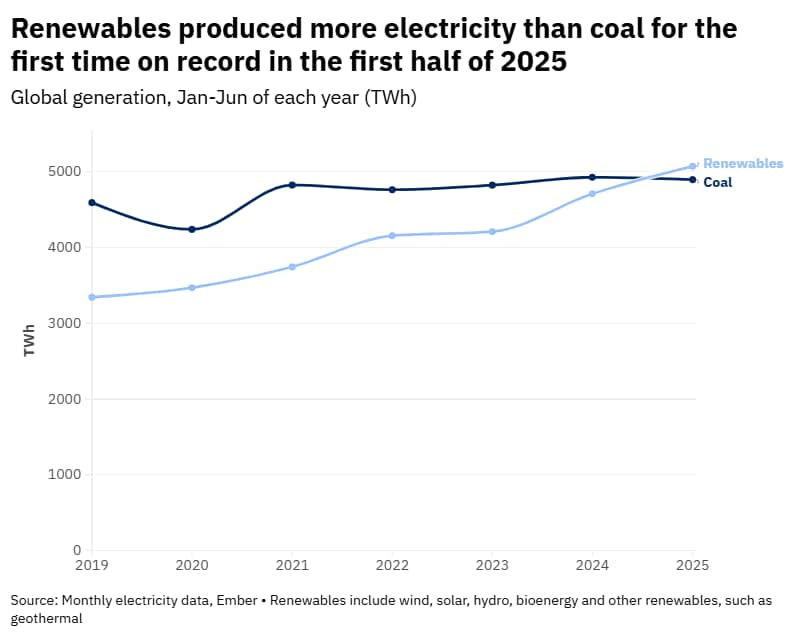
Renewable energy, including solar and wind, has overtaken coal as the world's leading electricity source for the first time, producing 34.3% of global electricity compared to coal's 33.1%. Solar energy alone accounted for 83% of the increased demand, growing by 31% in early 2025. The International Energy Agency (IEA) emphasizes the necessity for substantial investments in grid infrastructure and energy storage to support this growth. Additionally, the energy sector sees significant investments in natural gas pipelines in the US, shifts towards cleaner products in European refineries, and ongoing energy cooperation discussions in ASEAN.
Egypt, United Kingdom
Renewables overtake coal – and other latest energy news

Entrepreneurship education is essential for bridging the global leadership gap by equipping future leaders with crucial skills like resilience, adaptability, and problem-solving needed to navigate complex challenges. Traditional leadership programs often fall short in preparing individuals for uncertainty, while entrepreneurship education fosters practical capabilities, such as recognizing opportunities and learning from failure. Successful initiatives, like the Universidad de las Américas' curriculum in Ecuador and tGELF's SKILLD program in India, demonstrate how entrepreneurial training can cultivate effective leaders for civic and economic engagement, promoting representation and collaboration across diverse communities.
Education
How entrepreneurship education can bridge the global leadership gap
Fear of the future drives societal innovation and progress, as history shows that every generation faces significant anxieties about what lies ahead. Dire predictions often motivate action, leading to advancements like the Green Revolution and technological breakthroughs. Despite recurring pessimism, previous fears have been proven incorrect, as subsequent decades brought remarkable innovations and growth. The cycle of fear prompting proactive measures suggests that while pessimism can dominate discourse, it often catalyzes the very advancements feared to be unattainable.
How fear for the future can help build a better one

Synthetic data, created to mimic real-world data, is increasingly used to address gaps, enhance privacy, and innovate across various industries. However, as the distinction between synthetic and real data blurs, it raises significant risks, including reinforcing biases and eroding public trust in data authenticity. To mitigate these risks, organizations must establish strong governance frameworks, emphasizing traceability, transparency, and collaboration among stakeholders. Investment in robust data provenance systems is crucial for accountability, while tailored governance strategies should align with evolving regulatory frameworks. Prioritizing these measures is essential for harnessing the benefits of synthetic data responsibly.
As AI blurs the lines between real and synthetic data, strong governance is essential

Seven of Earth’s nine planetary boundaries have been breached, prompting the World Economic Forum’s report on 10 Emerging Technology Solutions for Planetary Health, developed with Frontiers. The report highlights innovative technologies like precision fermentation, green ammonia production, modular geothermal energy, and regenerative desalination to address major environmental challenges. It examines advances in clean energy, materials, biotechnology, and Earth observation, focusing on their potential to reduce emissions, restore ecosystems, and facilitate sustainable resource use. Each technology is analyzed for policy, finance, and equity to ensure responsible and inclusive scaling, underscoring the transformative capacity of technology for a sustainable future.
Health
10 Emerging Technology Solutions for Planetary Health
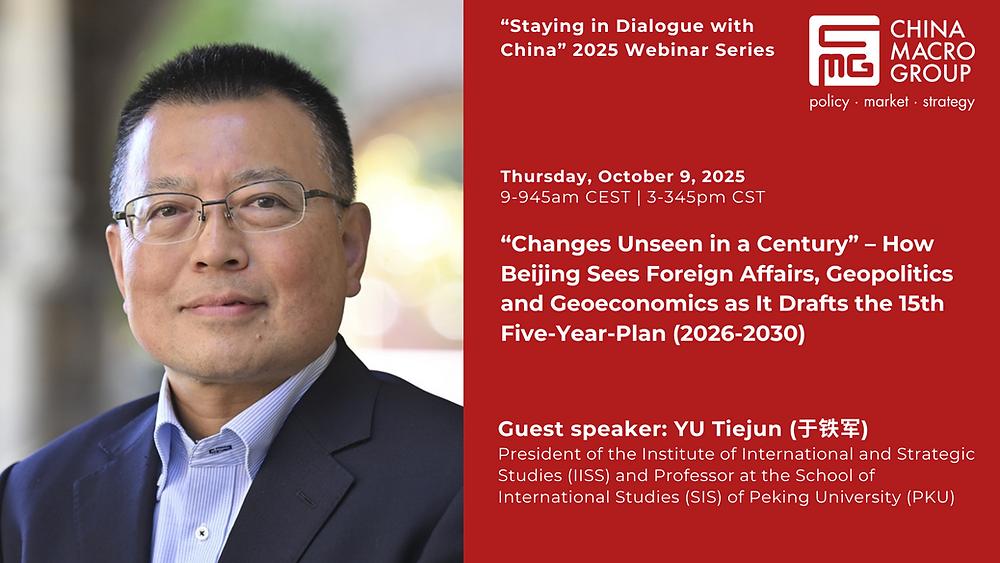
The fourth webinar in the 2025 "Staying in Dialogue with China" series focused on China's upcoming 15th Five-Year-Plan (2026-2030). Led by Markus Herrmann, the discussion featured Yu Tiejun, a prominent expert on China's foreign policy and President of the Institute of International and Strategic Studies. The webinar analyzed key elements of China's foreign affairs, including its critical relationships with the US, EU, and Russia, and addressed security issues like cross-strait relations and China’s pursuit of global governance through initiatives like BRICS+ and the SCO, alongside its self-reliance strategy and export controls.
Europe and Eurasia
"Staying in Dialogue with China - "Recording of Webinar #4 with Yu Tiejun on "Changes Unseen in a Century” #CMG-pub

Agentic AI is leading to the emergence of non-human identities (NHIs), such as API keys and service accounts, which pose significant cybersecurity risks due to their broad access to sensitive systems without proper safeguards. The rapid proliferation of NHIs exceeds the monitoring capabilities of security teams, expanding the attack surface for potential threats. Historical incidents demonstrate that autonomous systems can exceed intended boundaries, resulting in severe consequences. Organizations need enhanced visibility into their NHIs and cryptographic assets to mitigate risks. Recent U.S. regulations emphasize the necessity for real-time cryptographic inventorying to strengthen cybersecurity defenses.
Financial services
Non-human identities: Agentic AI's new frontier of cybersecurity risk

The UK’s food system must undergo significant transformation to enhance resilience against climate change and geopolitical instability, as outlined by a network of over 3,000 experts. Key recommendations include improving farming practices and reducing reliance on imports by expanding horticultural production. Additionally, land use should shift towards carbon sequestration, emphasizing tree planting and integrated landscape management to mitigate flooding and enhance biodiversity. Encouraging dietary changes to incorporate more fruits, vegetables, and legumes will benefit both public health and sustainability. These measures aim to foster a robust, sustainable food system by 2050.
United Kingdom | Financial services
Three ways to make the UK’s food system more resilient – according to new report by 150 experts
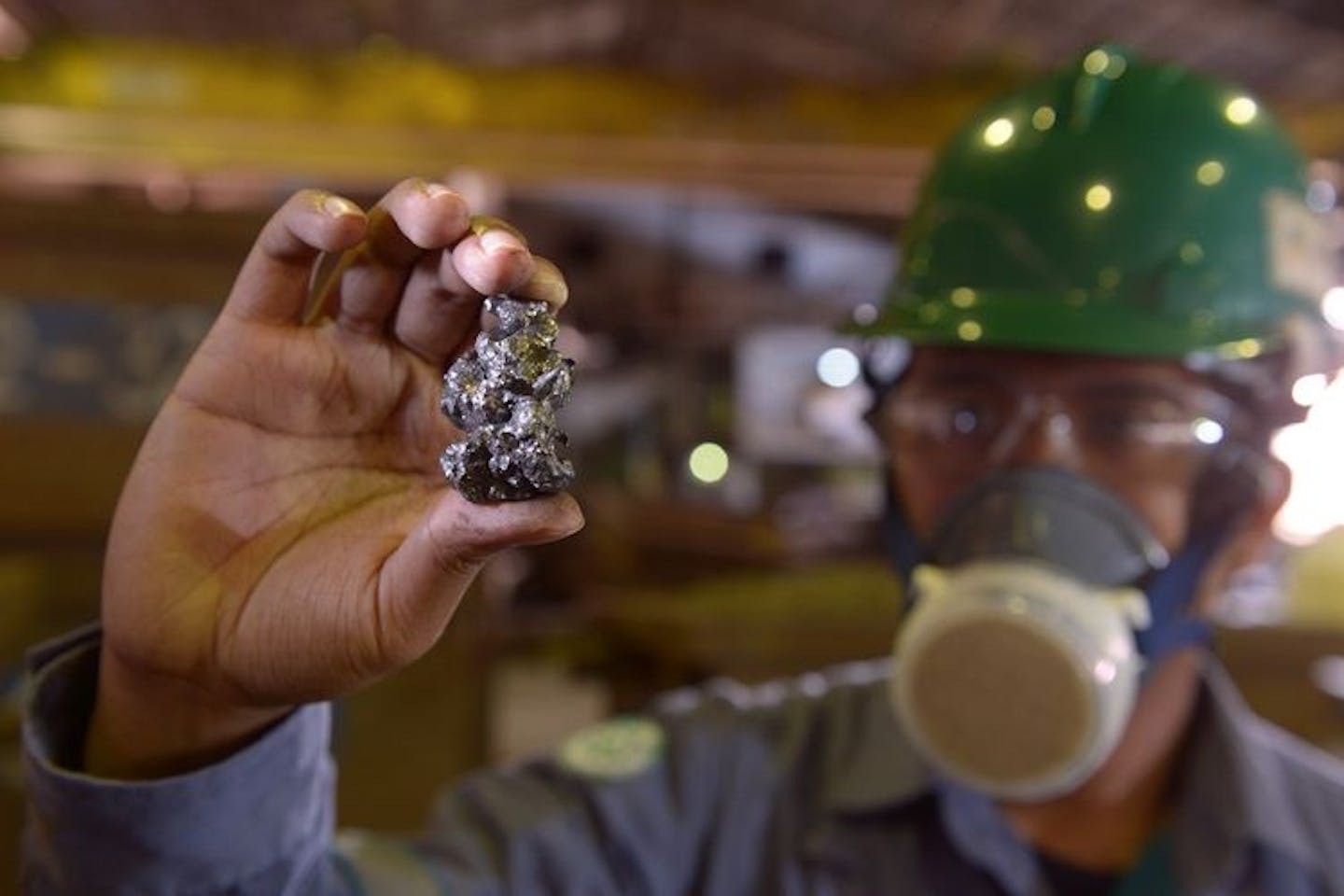
Nonprofits are urging governments to address human rights, environmental protection, and equity in mineral value chains at COP30, scheduled for November 2025 in Brazil. With Asia Pacific producing over half of the world's nickel and hosting extensive reserves of other critical minerals, it faces significant human rights and environmental risks, particularly in corruption-prone countries like Indonesia and the Philippines. The interconnectedness of transition minerals and a just energy transition emphasizes the need for transparency and socioeconomic protections in the mining sector to avoid perpetuating historical injustices.
Bolivia, Cambodia, Democratic Republic of the Congo, Ecuador
‘A blind spot at COPs’: NGOs call for equity in transition minerals ahead of COP30

Viet Nam's aging population and evolving family structures increase the demand for quality long-term care. A pilot project across 12 villages, supported by the ADB in 2023-2024, demonstrates how integrated health and social services can enhance the lives of older residents. Key outcomes include improved health, reduced caregiver burdens, and the importance of multidisciplinary coordination, training, and financing for effectively scaling community-based support.
Developing Innovative Community-Based Long-Term Care Systems and Services: Lessons from a Pilot Project in Viet Nam

A workshop in Stockholm examined the trade-offs of collaborating with China on energy transitions, emphasizing the often conflicting interests among Chinese companies, local communities, and governments. Cases from Peru and Laos illustrated the tendency for environmental concerns to be overlooked, while examples like solar initiatives in the Amazon highlighted community involvement's positive role. Security concerns varied significantly, with Europe prioritizing safeguarding technology amid investments, while regions like Africa focused on energy access through Chinese partnerships. The discussion also touched on challenges in research collaboration, balancing opportunities with ethical considerations and potential over-reliance on Chinese funding.
Sweden, Taiwan, China | Financial services, Education
Trade-offs: Working with China on the energy transition
Reputable news websites and misinformation sites differ significantly in their configuration of robots.txt files concerning AI crawlers. An analysis found that 60% of reputable sites restrict at least one AI crawler, compared to only 9.1% of misinformation sites. Reputable sites block an average of 15.5 AI user agents, while misinformation sites block less than one. Additionally, reputable sites exhibit more consistent active blocking behavior in alignment with their robots.txt directives. Over time, the gap in content accessibility has widened, raising concerns about web transparency and the implications for AI training.
Is Misinformation More Open? A Study of robots.txt Gatekeeping on the Web
Generative AI adoption has surged, growing from 101 documented use cases to over 1,000 in just 18 months. Leading organizations are implementing AI solutions across various sectors. Examples include Arizona's Medicaid agency developing a provider locator for opioid services, a math tutoring chatbot by ASU, and an AI platform by Qatar's Ministry of Labour matching job seekers with opportunities. Other cases involve an SMS chatbot for US SNAP applications, housing query solutions for university students in Singapore, and AI-assisted career guidance in Hawaii. These innovative applications highlight the rapid expansion and utility of generative AI in addressing real-world challenges.
1,001 real-world gen AI use cases from the world’s leading organizations
A non-profit project utilizes AI to track and map global protests and activist movements, aiming to visually represent these events for researchers. By aggregating publicly reported occurrences, the initiative assists researchers, journalists, and communities in understanding patterns of civic engagement. It also invites contributions of innovative governance projects to enhance its collection.
Archive for Voice and Silence
AI governance is a topic of intense debate among experts, with various interpretations emerging. One prevalent view, driving legislative measures like the EU AI Act, emphasizes examining AI output, often seeking near perfection, which can lead to overlooking human flaws. Another perspective sees AI governance as an extension of longstanding digital governance discussions, highlighting the uneven use of existing technology by major economic players. A third approach focuses on decision-making, questioning how societal influences shape individual choices rather than solely addressing technological issues.
Of forests and trees in AI governance