
AI can facilitate communication across diverse stakeholder groups by addressing fundamental differences in mental frameworks. Organizations struggle with collaboration due to varying perspectives on value and risk. Generative AI could significantly boost global GDP, but to harness its potential, it must bridge these worldview gaps. AI serves as a "mindset translator," employing a human experiential matrix that aligns individual, community, national, and global aspirations, emotions, thoughts, and sensations. By implementing neurosymbolic AI, organizations can effectively translate and reconcile different interpretations, ultimately fostering understanding and reducing operational costs.
Education
Can AI Help Us See Beyond Differences to Find Common Ground?

AI tools like ChatGPT and Google Gemini provide travel destination recommendations primarily based on popular spots, risking overtourism in already saturated locations. A rise in AI usage among younger travelers can lead to repetitive suggestions unless users pose more specific questions that encourage diverse and sustainable destinations. Travelers can avoid typical hotspots by requesting off-peak travel options, exploring lesser-known locations, and seeking independent sources. By prompting AI creatively, individuals can enhance their travel experiences and discover new adventures, rather than relying on mainstream, crowded itineraries.
How to use AI to guide your holiday plans – by a tourism expert

AI is transforming cybersecurity, presenting both new threats and defensive tools, according to UAE’s cybersecurity chief, Mohamed Al Kuwaiti. At the World Economic Forum’s meetings in Dubai, he emphasized AI's potential impact on technology sectors, proposing a five-pillar strategy for enhancing digital resilience: partnership, governance, protection, innovation, and technology building. He highlighted the importance of collaboration between government, private sector, and various stakeholders. The UAE also aims to strengthen its cybersecurity capabilities through innovation, as highlighted in the recently approved National Cybersecurity Strategy.
United Arab Emirates | Education, ICT
'AI is a new oil': UAE cyber chief details key pillars of digital resilience
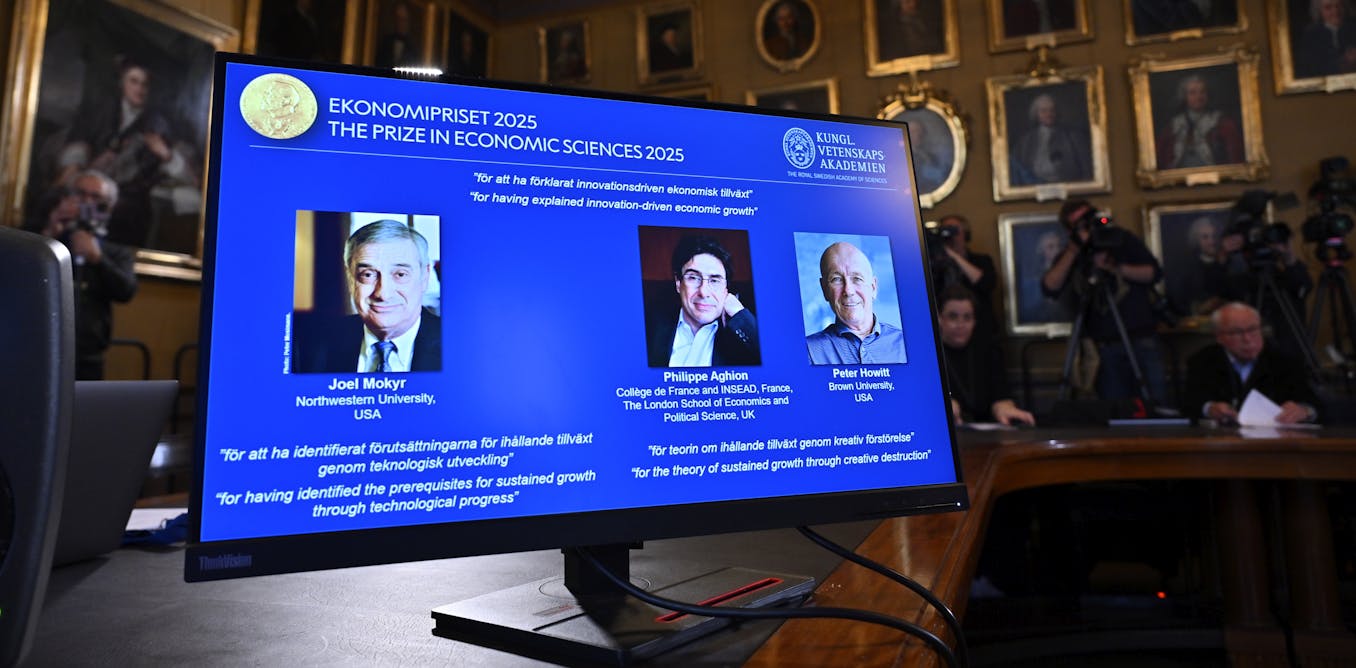
Philippe Aghion, Peter Howitt, and Joel Mokyr received the 2023 Nobel Prize in Economic Sciences for their contributions to understanding economic growth. Their work challenges earlier theories by emphasizing the role of firms in driving technological progress through a concept known as "creative destruction," where new innovations replace outdated technologies. They argue that proper incentives and protection, along with a culture of knowledge and openness to new ideas, are vital for sustained growth. Mokyr highlights historical trends, particularly the Enlightenment, in linking scientific discovery to technological advancement and improved living standards. Their frameworks continue to influence contemporary economic policy discussions.
Germany, Japan, Ukraine, United Arab Emirates, United Kingdom | Financial services, Health, Education
How this year’s Nobel winners changed the thinking on economic growth
A significant risk to democracy arises from reliance on AI for decision-making, which can erode human dignity and civic engagement. The existing political paradigm encourages citizens to defer to elected officials and experts, leading to increased apathy and disconnection from the democratic process. Historically, representative democracy was meant to facilitate citizen involvement, yet it has evolved into a system where the public is largely sidelined in favor of specialists. This dynamic fosters a culture of deferment to authority, undermining the principle of sovereignty residing with the people and creating an elaborate hierarchy of custodians.
Rescuing Democracy From The Quiet Rule Of AI

Africa's Agenda 2063 aims for a prosperous continent driven by its citizens, focusing on sustainable development and inclusive growth, particularly under Aspiration 1 and Goal 1: eradicating extreme poverty. Despite this ambitious framework, over 460 million Africans still live below the poverty line, with progress on poverty reduction remaining slow and uneven. Effective prioritization, strategic financing, and rigorous monitoring are essential for success. Scenario modeling suggests that transformative reforms could significantly reduce the extreme poverty rate to 11% by 2043, contrasting sharply with a business-as-usual approach. Strong governance and human-capital development are crucial for these efforts.
Algeria, Angola, Botswana, Burkina Faso, Ethiopia, Ghana, Guinea, Mali, Mozambique, Senegal, South Africa, Tanzania, Tunisia | Health, Education
Africa’s development blueprints are ambitious but short on action
Europe's growing reliance on American tech companies, particularly in the AI sector, poses significant security and geopolitical challenges. Dimitar Lilkov emphasizes that decoupling from US technology is essential for the EU to maintain sovereignty and relevance. The dominance of US firms in AI and online advertising perpetuates a surveillance capitalism model that threatens personal data security. With 80% of Europe's digital infrastructure imported, Lilkov calls for a robust European alternative to mitigate dependence, ensuring that citizens retain control over their data and services.
Financial services, ICT
Attention is all you need – why Europe should decouple from US technology

Eastern philosophies, particularly Daoism and Zen Buddhism, offer valuable insights for enhancing strategic foresight. While Western approaches often create an illusion of control, Eastern wisdom promotes flexibility and acceptance of change. Key concepts include adopting a "beginner's mind" to foster curiosity, viewing trends as transient insights to detach from current biases, and cultivating "preparedness for preparedness" to enhancing leaders' adaptability to multiple futures. By integrating these principles, leaders can improve their strategic foresight capabilities and navigate uncertainty more effectively.
Education
Why Eastern philosophies matter in strategic foresight

Earth Observation (EO) is emerging as a crucial tool in addressing climate change and resource management, projected to contribute $3.8 trillion to global GDP by 2030. Advances in satellite technology enable cost-effective monitoring of environmental conditions, yet adoption predominantly remains with the public sector. To fully leverage EO's potential, organizations must integrate it into their strategies, focusing on articulating its value, enhancing collaboration, and implementing effective execution plans. Start-up Constellr exemplifies EO's practical applications through its real-time monitoring system for Earth's health, emphasizing the importance of understanding interconnected environmental cycles.
Health
Space in focus: The rise of Earth Observation – and other news to watch in frontier tech
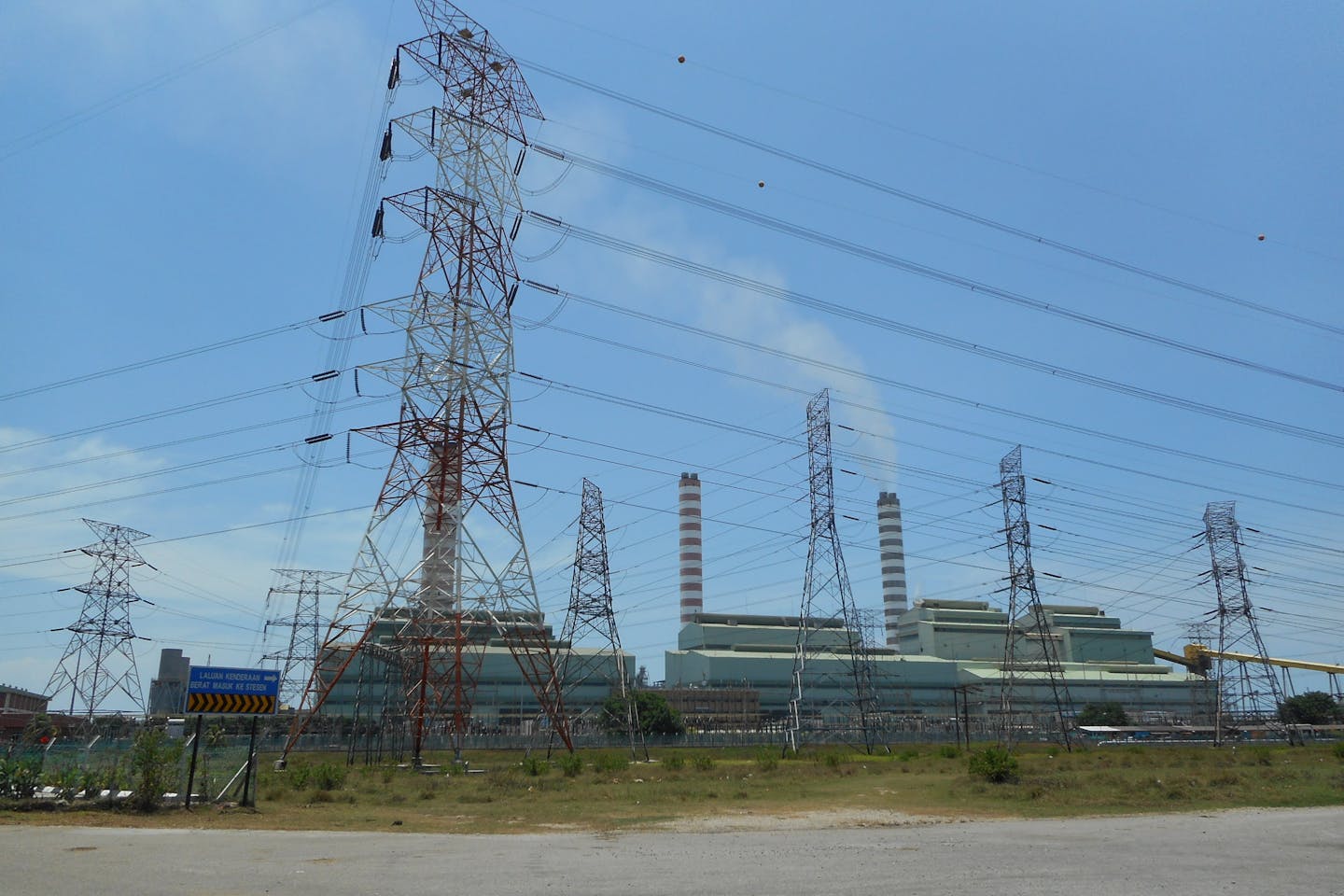
Asia Pacific's renewable energy capacity has surged in the past decade, yet the traditional power grids struggle to support this growth. A study by Ember highlights that integrating smart grids can save the region up to US$2.3 billion annually by 2040, primarily benefiting nations like the Philippines, Indonesia, and Myanmar most affected by outages. Singapore, despite low disruption frequency, faces significant losses during electric outages. The transition to smart grids requires substantial investments ranging from US$4 billion to US$10.7 billion, with national policies increasingly focusing on grid modernization to support renewable energy sources and achieve cleaner energy goals by 2050.
ASEAN | Financial services, ICT
Asia Pacific investment in smart grids could free up US$2.3 billion by 2040: study

Jobs of Tomorrow: Technology and the Future of the World’s Largest Workforces examines the transformative effects of AI, robotics, energy, and network technologies on seven key job families that employ 80% of the global workforce: agriculture, manufacturing, construction, retail and wholesale trade, transport and logistics, business and management, and healthcare. The report outlines the potential for increased productivity and inclusivity, alongside the risks of disruption, emphasizing the need for coordinated actions among stakeholders to ensure these technological advancements foster higher-quality, inclusive job opportunities.

Education
Jobs of Tomorrow: Technology and the Future of the World’s Largest Workforces

Transformative technologies, including AI and robotics, are reshaping seven major job sectors—agriculture, manufacturing, construction, retail, transport, business, and healthcare—employing 80% of the global workforce. The World Economic Forum report highlights opportunities for increased productivity and inclusion, alongside risks of disruption, stressing the importance of how economies and policy-makers facilitate technological adoption and workforce readiness. It calls for coordinated efforts among employers, governments, and tech developers to ensure these advancements promote higher-quality, inclusive employment and a beneficial future of work.
Education, ICT
Jobs of Tomorrow: Technology and the Future of the World’s Largest Workforces
Antimicrobial resistance (AMR) poses a severe threat to health and the economy, causing over 4.5 million deaths annually. Anticipatory governance can enhance AMR surveillance by developing proactive, inclusive strategies that identify early interventions and better coordinate healthcare systems. This approach promotes foresight over mere forecasting, using data from various sources to address emerging risks. Current fragmented surveillance systems need reform to transform AMR response. Successful examples, like the EU's EpiPulse platform and the UK’s rapid genomic sequencing, demonstrate the benefits of real-time data integration and collaborative governance in managing AMR effectively.
Health
Stop playing catch-up with superbugs: the anticipatory governance of antimicrobial resistance

Attracting young people to agriculture is essential for advancing regenerative farming practices and ensuring food system resilience. With fewer than 5% of farmers globally under 35, innovative training and support are needed to align farming with youth values and ambitions. Regenerative agriculture, which focuses on sustainable soil health and biodiversity, can improve crop yields and livelihoods, especially in regions like Africa. Partnerships among governments, businesses, and civil society are crucial for providing practical training and resources. Incorporating technology, including AI and smart tools, enhances the efficiency and appeal of farming, preparing the next generation for success in this vital sector.
Education
We need more young farmers. Here’s how skills and regenerative agriculture can help feed the future

Hundreds of experts are meeting in Dubai for the World Economic Forum’s Annual Meetings of the Global Future Councils and Cybersecurity, discussing pressing issues amid geopolitical shifts and advances in technology. Key themes include the intersection of cybersecurity, national security, and the necessity for international cooperation. The event features 19 public sessions addressing topics like global risks posed by AI and quantum computing, the importance of health investment, and disparities in cybersecurity confidence across regions. Collaboration among sectors is emphasized as essential for enhancing cyber resilience and addressing modern challenges.
Africa | Financial services, Health, Education, ICT
Cybersecurity and other critical issues take centre stage as experts meet in Dubai

A new initiative, Centre Collaboration Incubators, will facilitate joint research and grant writing among global sustainability research centres. The program aims to help centres define impact strategies, engage partners, and secure funding. Selected centres will collaborate on specific sustainability topics to develop research projects and funding proposals over a 10-12 month period. Objectives include building relationships, co-creating research, identifying funding sources, and enhancing visibility within a global network. The initiative emphasizes co-leadership across regions, systems thinking, and collaboration with practitioners to promote impactful sustainability solutions.
Financial services
Expression of Interest: Centre Collaboration Incubators
Asia's maritime sector is at a critical juncture, with 80% of trade moving by sea and significant regional economic dominance. The region builds 98% of new ships, yet faces a stark divide between hyper-connected ports and isolated areas, particularly in small Pacific island states. Major shifts driven by decarbonization, digitalization, and geopolitics require advances in technology, infrastructure resilience, workforce skills, and financial investment. With climate change posing a systemic risk to ports and a major workforce shift on the horizon, substantial investment in human capital and sustainable practices is essential for future competitiveness.
Ethiopia, India, Japan, Panama, Philippines, Republic of Korea, Singapore, Taiwan, China | Financial services, Health, Education, ICT
Building Resilient Ports and a Skilled Workforce for Asia’s Maritime Transformation
This joint report by ERIA, ADB, and METI explores the role of transition finance, technology, and policy in decarbonising high-emission and hard-to-abate sectors in Southeast Asia. It identifies key investment areas for achieving net-zero targets, reviewing current challenges and emerging practices in mobilising transition finance. The report emphasizes the need for regional cooperation among stakeholders, showcases case studies on scaling renewables and building green infrastructure, and proposes establishing standards and financing mechanisms to support early-stage industrial decarbonisation and facilitate cross-border investments.
ASEAN
Decarbonising ASEAN's Hard to Abate and High Emitting Sectors: Transition Finance, Technologies, and Policy Approaches
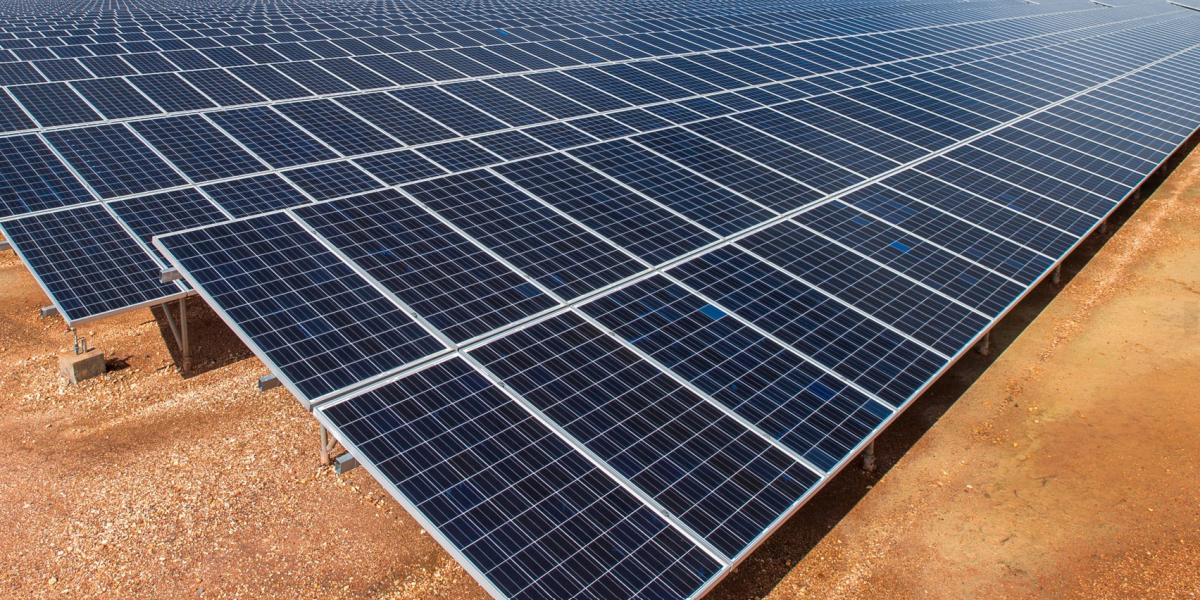
Uzbekistan is shifting from fossil fuels to renewable energy due to diminishing fossil fuel reserves. The government is enacting a 2020–2030 power sector development plan aimed at improving electricity reliability and diversifying energy sources. Public-private partnerships (PPPs) are vital for mobilizing investment and innovation in energy infrastructure. However, challenges persist, including attracting private investment and mitigating risks associated with long-term energy projects. The Asian Development Bank (ADB) is assisting with transaction advisory services to create bankable solar projects, thereby enhancing transparency and viability in energy tenders, crucial for Uzbekistan's sustainable energy transition.
Kyrgyz Republic, Pakistan, Tajikistan, Uzbekistan
Driving Uzbekistan’s Renewable Energy Growth Through PPPs and Policy Reform

Southeast Asia's river systems are crucial for biodiversity, agriculture, and clean water but face severe degradation due to pollution from industrial, agricultural, and urban sources. This pollution threatens ecosystems, public health, and economic growth, with projections indicating significant declines in growth rates for countries like Malaysia and Thailand by 2050. Effective solutions include nature-based strategies, such as wetland construction and mangrove reforestation, supported by innovative financing mechanisms like blue bonds. Policymakers must also implement tax measures and foster intergovernmental cooperation to address pollution effectively, while overcoming a significant infrastructure financing gap is essential for sustainable progress.
Bangladesh | Financial services
Innovative Financing for Cleaner Rivers in Southeast Asia