Large Language Models (LLMs) are becoming integral to evaluative processes, affecting tasks such as information filtering and assessing credibility. A study benchmarks six LLMs against expert ratings and human judgments in news evaluation. Findings indicate significant differences in evaluation criteria, revealing that LLMs may rely on lexical associations and statistical priors rather than contextual reasoning. This reliance can lead to political biases and the confusion of linguistic form with epistemic reliability, termed "epistemia," highlighting concerns about LLMs' roles in shaping evaluative judgments and shifting reasoning from normative to pattern-based approaches.
The simulation of judgment in LLMs
Urban planning aims to enhance the interaction among people, spaces, and objects, yet achieving livable environments remains challenging. Planners are increasingly utilizing digital technologies, particularly artificial intelligence (AI), to navigate these complexities, a practice known as algorithmic urbanism. This approach combines traditional methods with advanced analytics to tackle issues like congestion and quality of life. AI tools can optimize urban features, simulate zoning changes, and improve resource use. However, there are risks, such as data biases and decision-making opacity, that must be considered alongside the benefits of this technological evolution.
Can AI Help Build Cities Better?
Russia is targeting UK military satellites weekly, employing tactics such as shadowing and jamming to collect information and disrupt communications. These tactics can originate from various platforms including ground, air, and space. Additionally, concerns exist over potential attacks using lasers and anti-satellite missiles, which could generate harmful debris. The UK government has increased funding for space security initiatives, investing in technologies to counter threats and enhance satellite encryption, while also strengthening international partnerships to safeguard satellite infrastructure. The overall threat landscape has intensified since Russia's invasion of Ukraine.
The UK military says Russia targets its satellites on a weekly basis. What can be done about it?

Systems leadership is essential for effectively addressing the energy nexus, which highlights the interconnectedness of energy with sectors like water, food, and health. Understanding this nexus is vital for achieving a just and sustainable climate transition amidst challenges like climate change and pollution. Renewable energy solutions can enhance resource security and promote socio-economic development, as demonstrated by South Africa's renewable energy initiatives. However, potential negative impacts, such as land competition and financial feasibility for smallholder farmers, must be balanced through a just energy transition framework. Effective integration across sectors is necessary to optimize synergies and minimize trade-offs, emphasizing the need for collaborative leadership.
Ghana, Nigeria | Health, Education, Financial services
Harnessing the energy nexus for good needs systems leadership
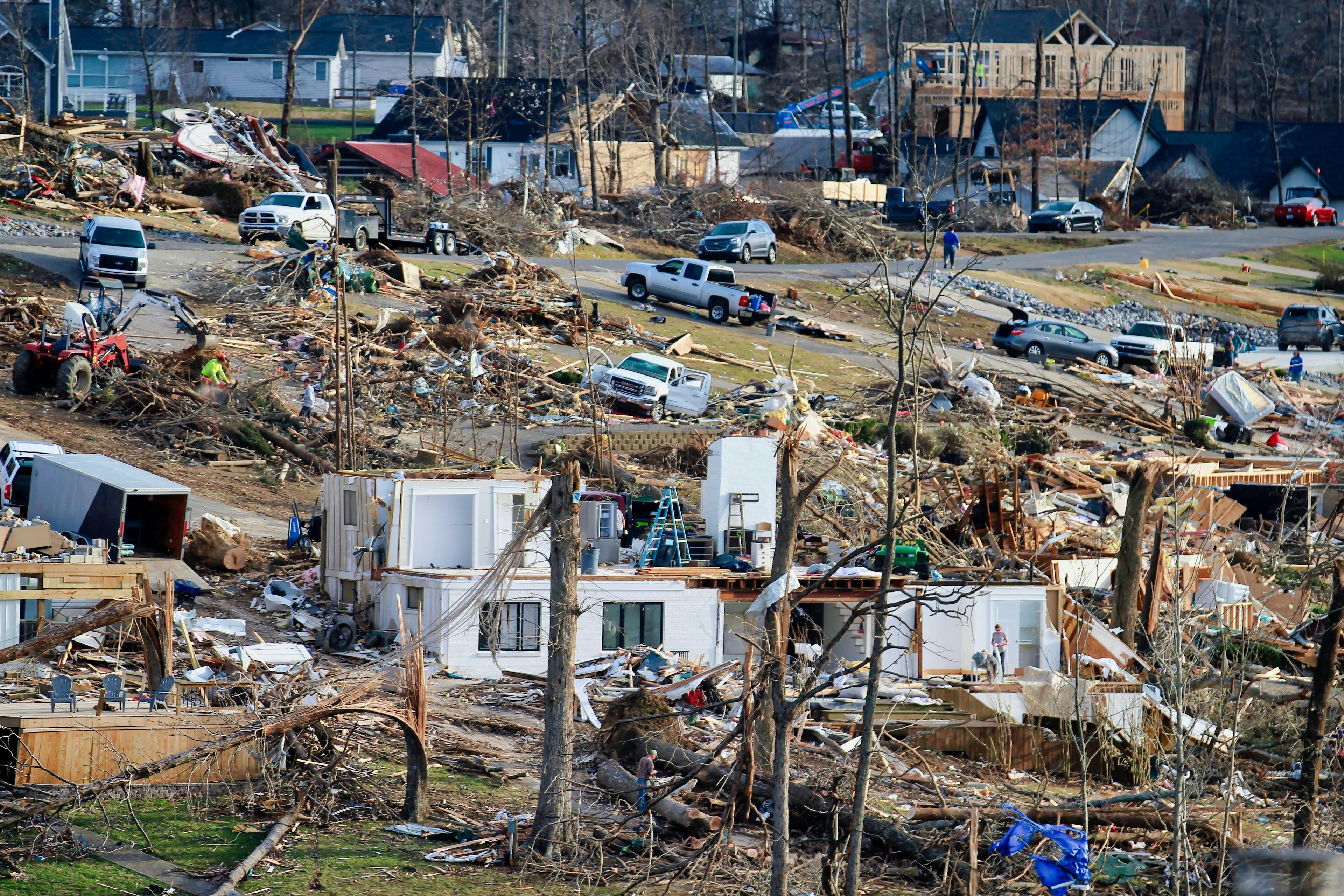
Rethinking climate risk and insurance is essential for corporate boards as climate-related shocks become increasingly systemic. Traditional insurance models are inadequate, with economic losses from climate damage potentially reaching 15% of global GDP by 2050. The rising insurance burden and widening insurance gap leave many businesses vulnerable, especially in high-risk areas where insurers are retreating. Boards must adapt by acknowledging interconnected climate threats and addressing blind spots related to predictability, governance, and emerging risks. Failure to do so jeopardizes not just insurance coverage but also access to capital and workforce sustainability.
Health, Financial services
Rethinking climate risk and insurance can help boards boost company value and resilience

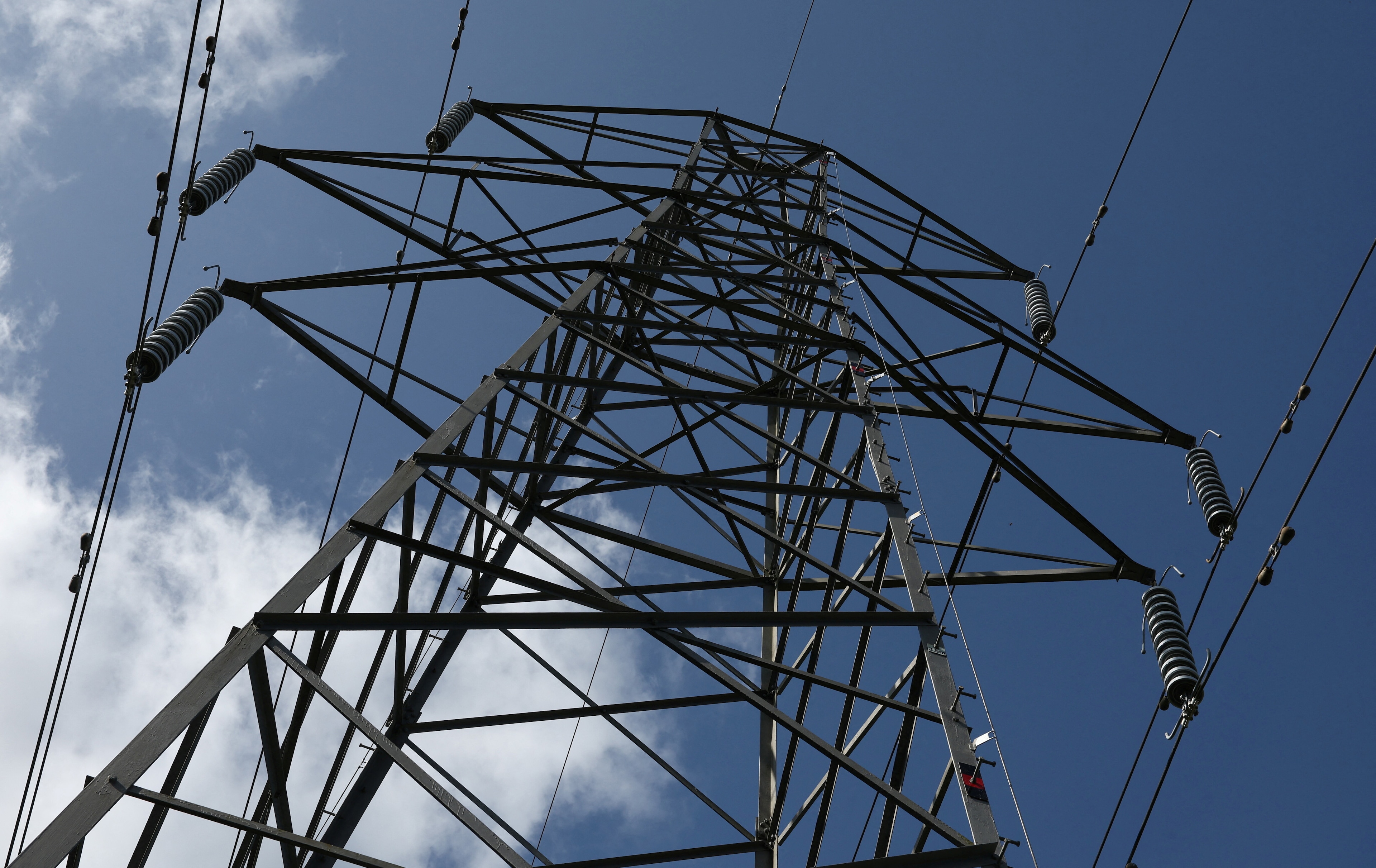
The GovStack Women in GovTech Challenge (WiGTC) empowers women to lead in the development of inclusive digital public infrastructure (DPI) essential for effective governance. The initiative connects 155 mentees and 53 mentors across 50 countries, focusing on user-centric digital services that address local needs while adhering to global standards. Participants create prototypes like GovSpark and TaxBuddy, emphasizing the importance of context in design. The program highlights mentorship and collaboration, with participants reporting increased confidence and understanding in shaping digital policies. Overall, the challenge underscores the vital role women play in ensuring technology fosters inclusivity and equity within public services.
ICT, Education
Empowering women in GovTech to scale inclusive digital public infrastructure
Critical infrastructure, such as electric grids and water treatment facilities, is increasingly vulnerable to cyberattacks due to insufficient cybersecurity, particularly in operational technology (OT) systems that have become interconnected and digitalized. Many of these systems lack adequate monitoring, making it difficult to determine the cause of disruptions, whether due to maintenance issues or cyberattacks. The inability to conduct timely root cause analyses hampers incident response, complicates transparency and accountability, and poses national security risks by enabling adversaries to operate undetected within critical infrastructure networks. Stakeholders increasingly demand reliable cybersecurity information to assess risks and ensure proper governance.
Financial services, ICT
The dangerous blind spot in critical infrastructure cybersecurity

OCBC remains committed to supporting businesses in their transition to a low-carbon economy, despite global sustainability challenges. Yoonmee Jeong, head of the bank’s sustainability office, emphasizes the importance of inclusive transition financing, particularly for hard-to-abate sectors and SMEs. OCBC launched the 1.5°C loan, encouraging companies to align their decarbonization targets with climate science. This unique offering has already seen uptake from major firms, fostering engagement and driving measurable impact towards achieving net zero financed emissions by 2050. The bank surpassed its sustainable finance target of S$50 billion in 2023, focusing on tangible outcomes beyond just financial metrics.
Singapore | Financial services
Transition finance in turbulent times: OCBC on decarbonising Asia's toughest sectors

Advancements in genomics and data science are driving the emergence of precision medicine, promising significant transformation for economies and healthcare in the Asia-Pacific region. Innovations in therapies, particularly CAR-T treatments, can potentially cure diseases, benefiting over 24 million patients and caregivers while easing economic burdens. The On the Cusp of a Cure report indicates these developments could generate $450 billion in investment and 1.2 million jobs within a decade, leading to an overall economic growth of $1.6 trillion. However, barriers to adoption, such as reimbursement challenges and limited infrastructure, must be addressed to maximize these benefits.
ICT, Education, Health
Is Asia-Pacific ready for the era of precision medicine that could transform economies and lives?

Chief Executive Officers face mounting pressure to advance economic returns and climate goals, especially as over 90% of corporate greenhouse gas emissions come from scope 3 emissions linked to upstream activities. This positions procurement leaders to influence CEO priorities and drive change in supply chains. The World Economic Forum and Kearney's playbook for Chief Procurement Officers provides an assessment tool and outlines eight critical building blocks—such as supplier engagement and governance—to integrate sustainability into business strategies without sacrificing value. Companies that embed sustainability into decision-making processes are best positioned to meet climate goals and minimize supply chain risks.
Green Procurement Playbook: The CPO’s Guide to Delivering Value for Business and Planet

Trust in multinational companies has decreased by 21% since 2021, emphasizing the urgent need for strong governance to restore credibility and integrity in business. Current challenges include systemic corruption, short-term incentives undermining long-term planning, and regulatory fragmentation creating compliance difficulties for companies, particularly SMEs. Boards must adapt governance structures to prioritize transparency, trust, and anti-corruption efforts. Embracing these governance opportunities can support resilience, foster innovation, and ensure sustainable business practices, especially in rapidly evolving sectors like technology and AI.
Ghana, Guinea, Haiti, Kuwait, Luxembourg, Qatar | Education, Financial services, Health
3 opportunities to strengthen good governance and corporate resilience
Global supply chain disruptions and increasing ESG expectations are redefining business practices for SMEs in ASEAN. With multinational corporations and regulators demanding greater sustainability accountability, new international and regional frameworks are established as benchmarks. This shift presents SMEs with opportunities to transform compliance into a competitive advantage.
Bulgaria, Cambodia, Estonia, Eswatini, Ethiopia, Germany, Ghana, Indonesia, Japan, Jordan, Kyrgyz Republic, Luxembourg, Malaysia, Philippines, Republic of Korea, Senegal, Singapore, Slovakia, Sweden, Uganda, United Arab Emirates, United Kingdom, Viet Nam | Financial services, ICT
Sustainability: A business essential for Asean SMEs amidst escalating global volatility
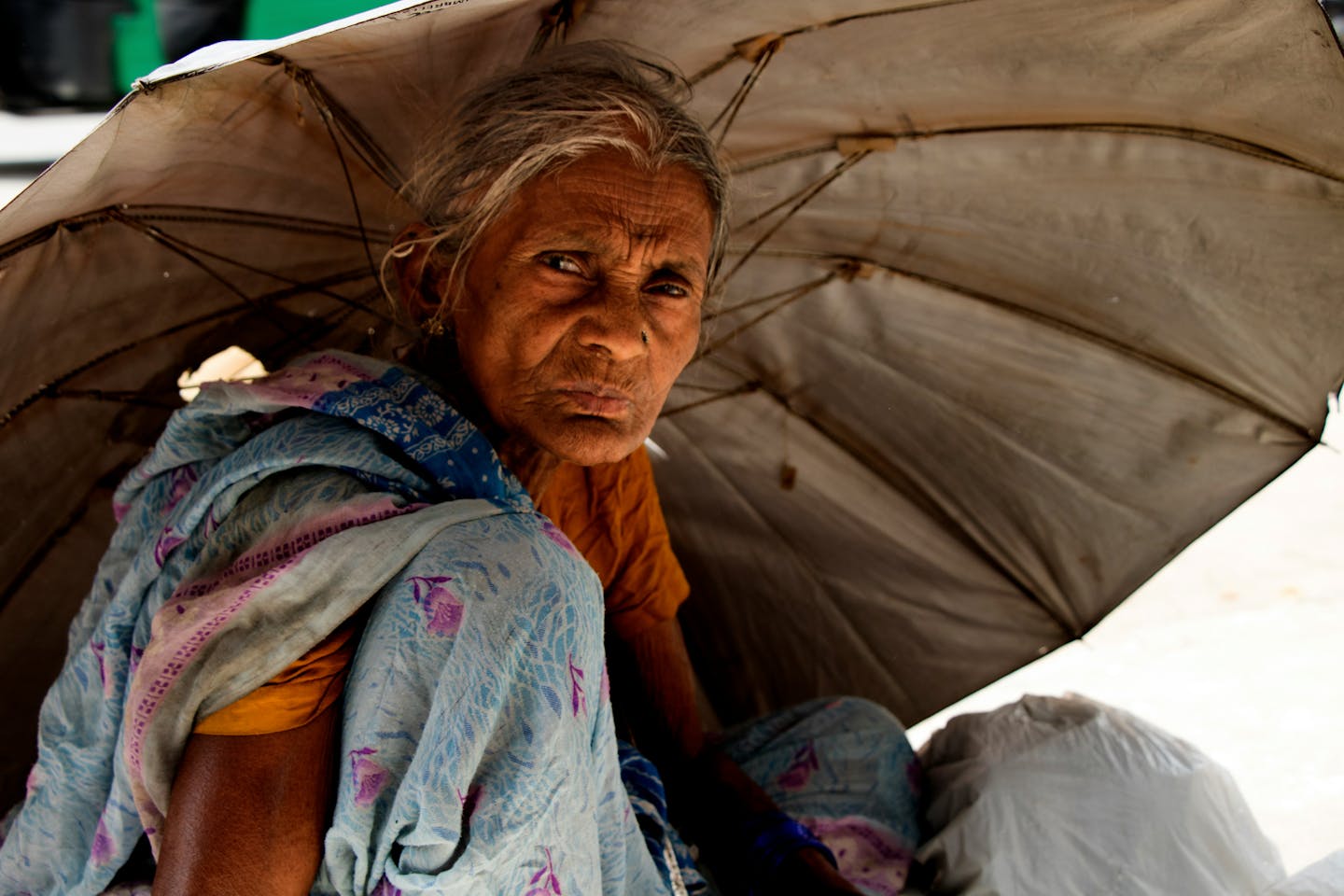
Around 180 experts attended an international conference in Austria focused on the concept of climate "overshoot," where global temperatures exceed the Paris Agreement's 1.5°C limit before being reduced through carbon dioxide removal. Key uncertainties discussed included the peak temperature levels—and their duration—impacting ecosystems and human societies, the effectiveness of current legal frameworks to address these challenges, and the feasibility of transitioning to net-negative emissions. Experts emphasized the dire need for modified adaptation plans and acknowledged significant gaps in understanding the implications of overshoot on climate dynamics and associated risks.
Experts: The key ‘unknowns’ of overshooting the 1.5°C global-warming limit

Firms are adopting and later abandoning ambitious net-zero targets to secure investments, a practice labeled "greenrinsing," according to a UN official. This behavior reflects a trend where companies set unrealistic climate goals but fail to achieve them, especially regarding hard-to-manage Scope 3 emissions. Many multinationals, including Unilever and Shell, have recently weakened their sustainability commitments amid pressures for short-term profits. Dr. Thanyaporn Krichtitayawuth emphasized the need for transparency in revisions to sustainability targets and noted that only a fraction of Thai businesses have committed to carbon neutrality.
Financial services
'Greenrinsing': Firms setting and dropping net-zero targets to create revolving door for finance, says UN official
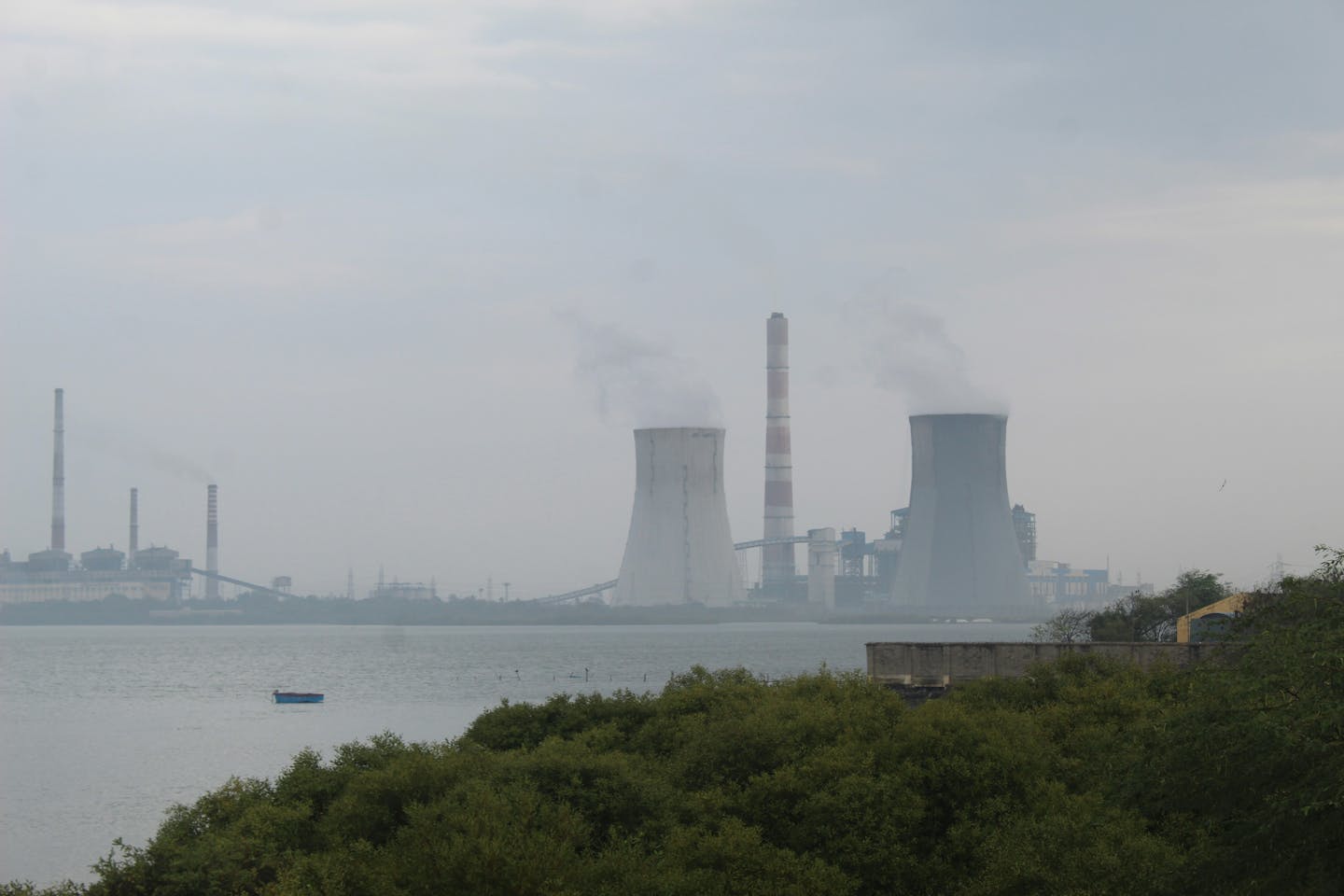
More than 100 countries have reduced fossil fuel imports by investing in renewable energy, saving over $1.3 trillion since 2010, according to the International Energy Agency (IEA). Nations like the UK, Germany, and Chile cut fossil fuel dependence by around a third. In total, these countries avoided importing 700 million tonnes of coal and 400 billion cubic metres of gas in 2023. The IEA emphasizes that renewable energy enhances energy security and economic resilience, particularly evident during crises like the European energy crisis following Russia’s invasion of Ukraine.
Denmark, Norway
IEA: Renewables have cut fossil fuel imports for more than 100 countries

Palestinians in Europe express skepticism about the recent international recognition of a Palestinian state, viewing it as insufficient given the ongoing humanitarian crisis in Gaza, which has resulted in over 67,000 deaths and famine. While some Western nations recognize statehood in hopes of pressuring Israel, critics argue these actions are merely symbolic gestures that fail to address the realities on the ground. Calls for concrete actions include sanctions on Israel and support for justice mechanisms to hold it accountable. Palestinians emphasize the need for true self-determination, not just acknowledgment in diplomatic circles.
'Performative gesture': Voices of Palestinians on statehood

Funding for resilient health systems in Asia and the Pacific is critically low, with only $7 billion in donor commitments in 2022 and $1.4 billion from multilateral banks in 2023, far below the $11 billion per year needed for low- and middle-income countries. Severe health and weather crises in 2025 underscored the urgent need for stronger health systems. Resources are hindered by decreasing contributions from wealthy nations and complex funding access processes. Recommendations to close the funding gap include increasing accessible funding options, offering diverse funding tools, supporting project preparation, coordinating efforts among funders, and engaging the private sector. Immediate action is essential to prevent escalating financial burdens by 2050.
Bangladesh | Health, Financial services
Debt, Disaster, and Doctors: Financing Health in an Unpredictable Asia
Pacific atoll nations can enhance their sustainable blue economy (SBE) through targeted strategies and adaptation plans, aiming to protect marine ecosystems and support sustainable livelihoods. Focused on Kiribati, Marshall Islands, and Tuvalu, the brief outlines the importance of fostering small businesses, expanding the fishing industry, and leveraging technology. A medium-term roadmap emphasizes public financial management, fisheries, and marine transport while promoting regional cooperation for economic diversification and climate risk management.
Seychelles
Developing a Medium-Term Blueprint to Advance Sustainable Blue Economy for Pacific Atoll Nations

Rising temperatures and extreme heat events in the Asia-Pacific region pose a growing public health risk, especially due to chronic heat exposure, which is characterized by prolonged high temperatures rather than short-term heatwaves. Chronic heat negatively impacts health, mental well-being, and workplace productivity, particularly among vulnerable populations. Comprehensive measures are needed to address this challenge, including cross-sector collaboration, real-time health data monitoring, and innovative interventions. Strategies such as year-round heat monitoring and integrating climate resilience into health planning are recommended to mitigate chronic heat's cumulative effects and enhance community resilience.
Health
The Unseen Risk: Chronic Heat’s Growing Threat to Public Health
AI integration with crowdsourced data from social media enhances disaster management and community resilience amidst increasing disaster frequency and complexity. This study employs a systematic review, revealing that AI can process real-time data to provide timely alerts, coordinate emergency responses, and facilitate community engagement. Key insights include the benefits of community participation and AI's ability to handle large information flows, alongside challenges like misinformation and data privacy. Strategic implementation of AI-enhanced crowdsourcing is crucial for developing effective disaster management frameworks, with practical recommendations for Pakistan's systems.
AI-enhanced crowdsourcing for disaster management: strengthening community resilience through social media