AI and digital platforms significantly affect the information ecosystem by altering how information is processed and disseminated. News producers create both truthful and untruthful content, earning revenue from consumer visits, while consumers vary in their ability to discern information quality. The study finds that without proper regulation, such as accountability and content moderation, the quality of information may decline, leading to an increase in misinformation and greater polarization. The potential adverse impacts of AI on this ecosystem could exacerbate these existing issues.
ICT, Education
The Impact of AI and Digital Platforms on the Information Ecosystem
Artificial Intelligence (AI) can potentially draft constitutions for countries, raising questions about its appropriateness. While initial reactions may dismiss the idea, constitution-making is an ongoing process that could benefit from human-AI collaboration at various stages. Richard Albert and Kevin Frazier argue for leveraging AI’s capabilities in constitutional design, blending their expertise in AI innovation with experience in constitutional advisory roles. They explore the opportunities and risks associated with integrating AI into governance, emphasizing the need to thoughtfully utilize AI in constitution-making and reform.
Should AI Write Your Constitution?
Life in refugee camps poses significant challenges for girls, including lack of privacy, food, and security, as they face threats such as sexual violence and child marriage. Despite these hardships, girls are advocating for their rights and futures through initiatives supported by UNFPA, which provide safe spaces for psychosocial support and education on gender issues. Notable efforts include the Girls Shine program for Rohingya girls, the Girls’ Tent in Gaza offering life skills training, and distribution of dignity kits in Lebanon. Empowering adolescent girls is essential for ensuring their agency and improving their living conditions amid ongoing crises.
Camp life
Social connections play a significant role in slowing the ageing process, according to a new study involving over 2,000 adults. Researchers developed the concept of “cumulative social advantage” (CSA) to measure the strength of social ties, finding that those with stronger connections exhibited slower biological ageing and reduced inflammation. While short-term stress responses showed little correlation, historical context suggests humans evolved to thrive socially for survival. Additionally, socio-economic factors influence CSA, highlighting the need for policies that enhance education and reduce poverty. Strengthening personal social ties can also positively impact ageing.
Can friendship keep you young? Scientists say your social life might slow ageing

Digital currencies are reshaping the historical relationship between money and state authority. Governments have long manipulated currency to maintain power, evidenced by instances like Henry VIII's debasement of coins and China's early paper money experiments. Today, leaders like Trump are challenging the traditional role of central banks, advocating for the integration of cryptocurrencies like Bitcoin into official financial systems. This pivot marks a potential shift towards state-controlled digital currencies, with Bitcoin’s growing acceptance reflecting a larger debate over control and governance in the future of money.
Africa | Financial services
Could digital currencies end banking as we know it? The future of money

Keir Starmer's visit to India highlighted the significant economic growth, particularly in the fintech sector, which offers valuable lessons for the UK. India's fintech industry is thriving across various regional hubs, supported by substantial government and foreign investment, contrasting with the UK’s concentrated growth in London. This model has fostered a more resilient innovation landscape, with India attracting $144 billion in investment from 2000 to 2022. For the UK to succeed in its national renewal agenda, it should encourage investment in regional fintech clusters. Collaborating with India could create a dynamic partnership, promoting inclusive growth in a changing global fintech landscape.
Egypt, Finland, Germany, Ghana, India, Indonesia, Ireland, Israel, Kenya, Nepal, New Zealand, Republic of Korea, Singapore, Thailand, United Kingdom | Financial services, Education
India’s burgeoning financial technology sector could teach Keir Starmer something about levelling up

Digital labour, increasingly prevalent in various sectors, lacks comprehensive governance frameworks. AI is employed for tasks such as proposal drafting and customer interaction. The challenge for leaders is defining operational rules while harnessing AI's potential beyond mere efficiency gains. Despite the transformative promise of AI, most implementations struggle to yield meaningful returns. Effective governance requires a focus on accountability, visibility, and continuous evaluation of AI systems as valuable assets integral to organizational strategy. Leadership should prioritize enhancing human dignity and opportunity through responsible digital labour practices.
Education
Digital labour ethics: Who’s accountable for the AI workforce?

The distinction between computation and consciousness is crucial for understanding AI ownership and legal debates surrounding creativity. AI lacks the conscious experience required for authorship, and traditional intellectual property systems are built on the premise of human creativity. Recent legal rulings, such as the UK Supreme Court's decision that AI cannot be an inventor, affirm that rights remain with humans. While AI can simulate aspects of creativity, it cannot replace the human context and meaning behind creation. As AI's role in innovation grows, society must decide whether to maintain a human-centered legal framework or adapt laws to reflect human-AI collaboration.
Here's who owns what when it comes to AI, creativity and intellectual property

Artificial intelligence (AI) in government should prioritize empowering citizens over optimizing systems. Young people play a crucial role in advocating for responsible and transformative AI that emphasizes local value creation. Current AI strategies across 128 countries often lack frameworks for risk assessment and monitoring outcomes, potentially leading to inefficiencies and missed opportunities for innovation. Successful digital public services require robust governance, data interoperability, and citizen involvement, exemplified by projects like Germany's electronic health records. Ensuring transparency, accountability, and resilience are essential for fostering trust in AI-enabled services, necessitating investments in local talent and infrastructure.
Financial services, Health, ICT, Education
Citizen-first AI: How young people can shape AI in public services

Female animals generally live longer than males, a pattern observed across various species, including humans, where women outlive men by about five years. A comprehensive study of 528 mammal species revealed that 72% showed a female life expectancy advantage, with females living 12% longer in zoos and 19% longer in the wild. Factors influencing longevity include genetics, sexual selection, and environmental pressures. In contrast, in birds, males often outlive females, attributed to reproductive costs faced by females. Other taxa, like insects and amphibians, display mixed longevity patterns based on ecological and social dynamics.
Why do so many female animals live longer than males? New research
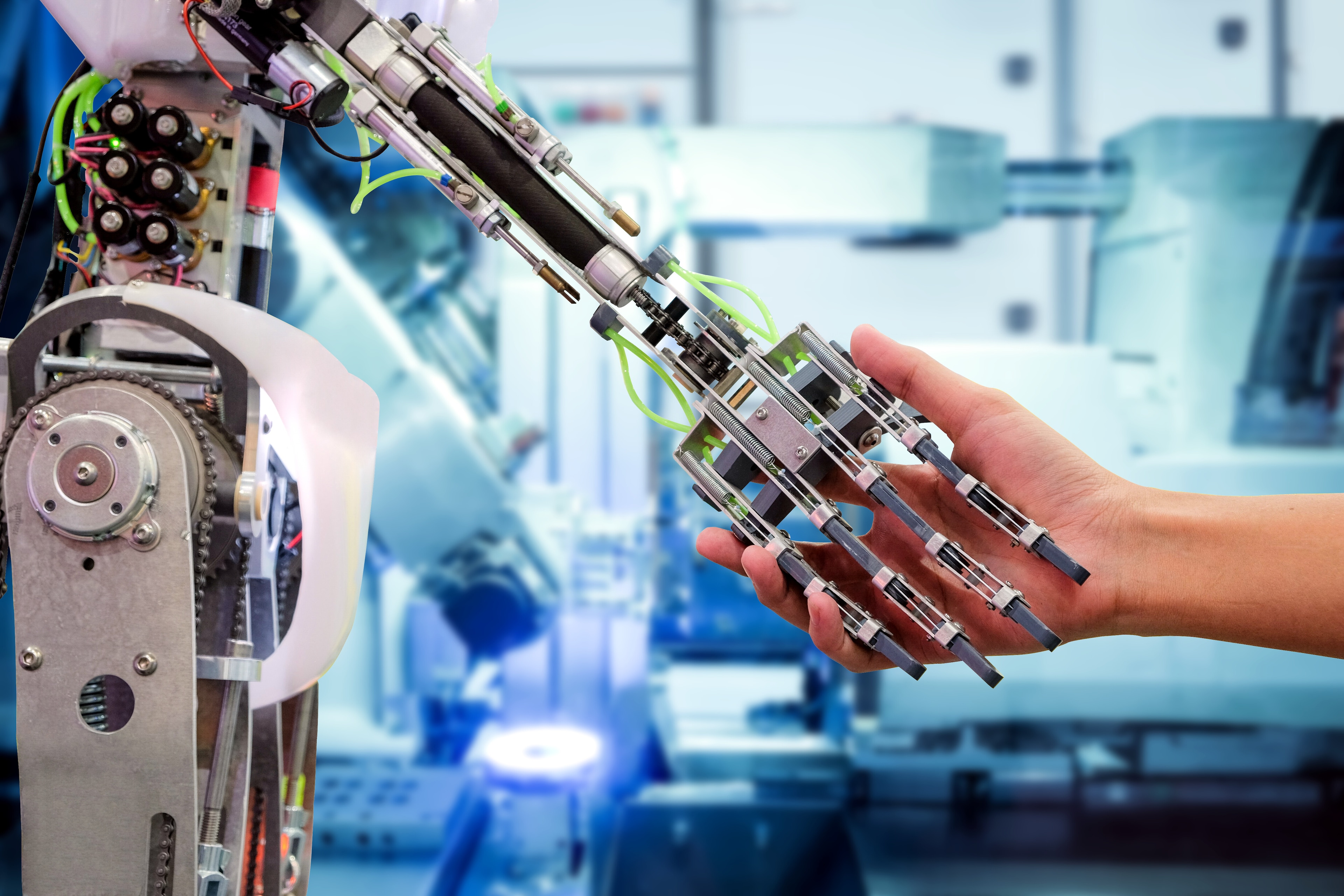
Human-robot interaction presents distinct risks compared to human-to-human relationships, necessitating thoughtful reflections on ethical implications and definitions surrounding robots. Acceptance of such interactions varies culturally and fundamentally challenges our understanding of humanity. Social robots, particularly humanoid designs, evoke concerns about trust, manipulation, and privacy, especially when they possess potential moral agency. The impact of these interactions on personal identity and societal norms raises questions about the essence of being human. It's vital to critically examine these risks to ensure that human development continues positively alongside advancements in AI and robotics.
ICT, Education
Human-robot interaction is coming. Are we ready for it?

Data centres are projected to face a cumulative cost increase of $3.3 trillion by 2055 due to climate-related hazards, with extreme heat being the major contributor. The rising energy demands driven by AI technology and the potential for significant revenue losses from service disruptions highlight the urgent need for resilient infrastructure. Proposed solutions include advanced cooling systems, real-time environmental monitoring, and improved diagnostics to mitigate risks. As data centre capacity expands rapidly, addressing climate vulnerabilities becomes essential for operational efficiency and sustainability in the digital economy.
Haiti, Mali, Nigeria, Qatar, Rwanda, Singapore, United Arab Emirates, United Kingdom | Financial services, Health, ICT, Education
The $3.3 trillion climate question: Can data centres take the heat?

The regenerative blue economy aims to restore marine and coastal ecosystems while promoting equitable prosperity, departing from the failed model of sustainable development that has not halted ocean degradation. Despite contributing significantly to global GDP and job growth, oceans face severe threats from overfishing, habitat loss, and pollution. Key initiatives are emerging to integrate ecological restoration with economic activities across various sectors, emphasizing circular and inclusive practices. Collaborative efforts from businesses, policymakers, and communities are crucial for fostering a resilient blue economy that prioritizes regeneration over exploitation, exemplified by successful projects in regions like Chile, the North Sea, Zanzibar, and Ghana.
Why sustainability is no longer enough for the blue economy

Next-generation computing incorporates revolutionary technologies like quantum mechanics and neuromorphic systems, promising unprecedented capabilities. However, these advancements also present significant vulnerabilities to cyberattacks that must be addressed from the outset of system design. Integrating security into engineering processes is essential to prevent malicious exploitation and to enhance existing cyber defenses. This proactive approach will not only mitigate risks but can also leverage next-generation technologies for improved cybersecurity measures. Collaboration among consumers, companies, and governments is crucial to create resilient systems that prioritize security alongside innovation.
Financial services, Health, Education, ICT
How engineering security into next-generation computing could enable a bold expansion of cyberspace
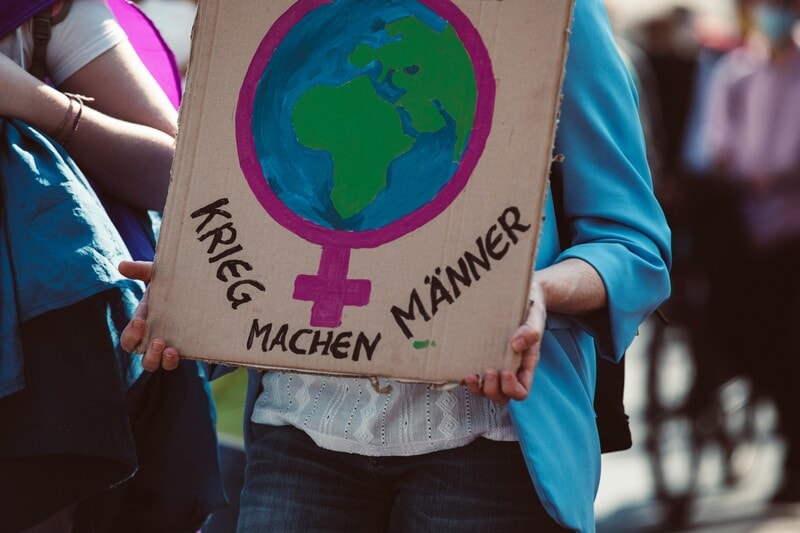
Women are disproportionately affected by climate change due to social roles and systemic inequalities, leading to exacerbated gender disparities. Despite some progress in integrating gender into climate governance, significant gaps remain, particularly in climate finance and policy implementation. Key developments include the adoption of gender action plans under the UNFCCC, with ongoing efforts to reinforce women's roles in climate solutions. However, a vast majority of climate finance fails to support women's empowerment, highlighting the need for inclusive decision-making and equitable resource allocation. Addressing these inequalities is essential for effective climate action and justice for all.
Nigeria | Health
Why women must be centred in climate action
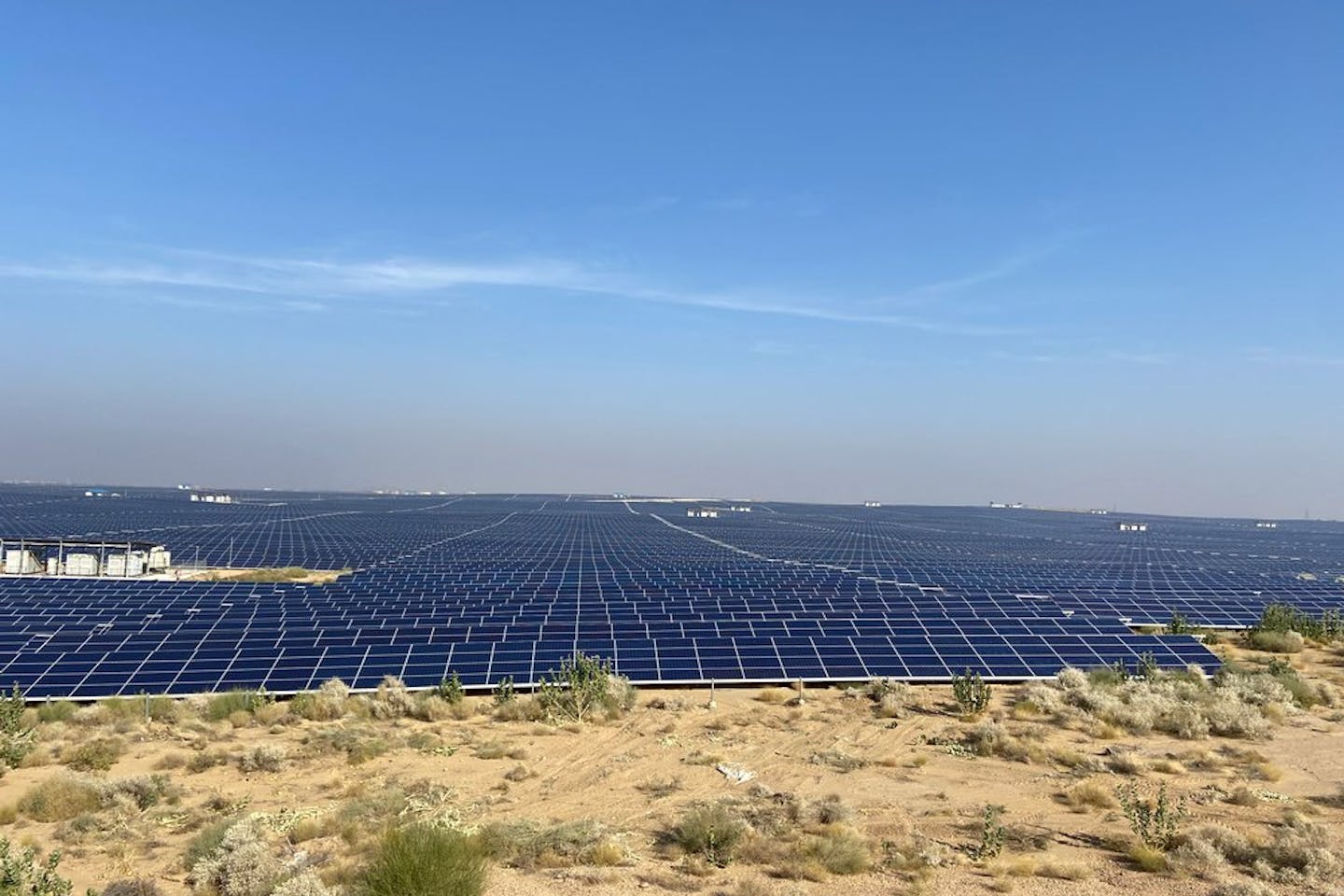
Renewable energy capacity in the Asia Pacific, excluding China, is projected to nearly double by 2030, adding 670 gigawatts (GW), primarily driven by solar PV from India, which will contribute about 345 GW. Hydropower and offshore wind will also see significant growth. India, set to become the second-largest renewable market globally after China, has auctioned 63 GW of capacity, while Pakistan is expected to add nearly 60 GW, mainly through solar and hydropower. However, challenges from financial difficulties in distribution companies may hinder progress. In contrast, the US and EU are experiencing slowed growth in renewables due to increased fossil fuel generation and emissions.
India
Asia Pacific’s clean energy capacity set to nearly double over next five years

China leads globally in renewable energy capacity while also being the largest emitter of greenhouse gases. The nation's emissions may have peaked and could decline despite ongoing investments in coal, which accounts for 79% of its emissions. Reports indicate that while new coal capacity is being added, its utilization is decreasing, indicating a shift towards renewables. In 2024, renewables met a significant portion of energy demand growth, suggesting a trend where renewables increasingly outcompete coal, potentially leading to reduced emissions in the future. Understanding these dynamics requires recognizing the complexity of China's climate performance.
Denmark, Egypt, Ghana, Nigeria, Poland, Taiwan, China
How to reconcile China leading in renewable energy capacity and in CO2 emissions

The United Nations urges reform in financing the extraction of critical minerals to safeguard environmental and human rights as demand for clean energy technologies surges. A report by the International Resource Panel highlights the need for responsible mineral extraction to avoid exacerbating social and environmental inequalities. With global mineral use doubling since 1970, and steep increases in demand projected for lithium and other minerals, sustainable financing practices are crucial. The report also emphasizes the importance of formalizing artisanal mining, enhancing environmental standards, and linking investments to climate-positive outcomes to foster responsible mining practices and achieve sustainability.
Democratic Republic of the Congo | Financial services
UN calls for transition metals mining finance reform to protect environment and human rights
Strong trade links, sound financial systems, and prudent regulation enable developing economies to withstand global volatility and maintain foreign investment. Foreign investment is crucial for growth, but can be volatile due to shifts in global financial conditions. Increased trade policy uncertainty and higher U.S. interest rates tend to drive investors away from emerging markets. Conversely, lower U.S. rates may attract investment. Resilience against global shocks is enhanced by trade openness and financial development. Robust financial institutions and effective regulatory frameworks bolster confidence, allowing economies to better navigate fluctuating capital flows.
Bahrain, Barbados, Bulgaria, Burkina Faso, Chile, Czech Republic, Dominican Republic, Egypt, Ethiopia, Finland, Germany, Ghana, Hungary, India, Indonesia, Japan, Jordan, Kazakhstan, Kenya, Kyrgyz Republic, Luxembourg, Moldova, New Zealand, Pakistan, Paraguay, Peru, Philippines, Poland, Portugal, Republic of Korea, Russian Federation, Rwanda, Senegal, Seychelles, Singapore, South Africa, Switzerland, Taiwan, China, Tanzania, Thailand, Uganda, Ukraine, United Arab Emirates, United Kingdom, Viet Nam, Zimbabwe | Financial services
Robust Fundamentals Shield Developing Economies from Global Shocks

Rapid increases in valuations of AI firms, such as OpenAI and Anthropic, raise concerns about a potential market bubble, as highlighted by the Bank of England. Current valuations may stem from speculative optimism rather than profitability, with OpenAI reportedly losing $7.8 billion in the first half of the year. Historical parallels with previous tech bubbles, like the dotcom era, suggest that a market correction could impact investments and employment if expectations shift. While AI's future potential remains significant, investors are currently betting on long-term profitability without immediate returns.
What could burst the AI bubble?