
Advancements in artificial intelligence (AI), sensor networks, and autonomous vehicles are significantly enhancing anti-submarine warfare (ASW) capabilities, making it increasingly difficult for submarines to remain hidden. Modern technologies, such as satellite-based synthetic aperture radar, quantum magnetometers, and distributed acoustic sensing (DAS), enable detection of submarines via their effects rather than just sound. Uncrewed surface vehicles (USVs) play a central role in this transformation, utilizing AI to analyze data and predict submarine movements. While AI enhances detection, human oversight remains essential for strategic decision-making and trust in automated systems.
AI, drone ships and new sensors could leave submarines with few places to hide in the ocean

Three environmental defenders are murdered or go missing globally every week, with over 2,250 recorded cases since 2012, primarily in Latin America. In 2024, Colombia reported the highest number of deaths, while Guatemala had the highest per capita rate. Indigenous and Afro-descendant communities face significant risks due to their opposition to extractive industries. Violence against these defenders is often systematic, with government and criminal networks involved. While regional protection mechanisms like the Escazú Agreement exist, their effectiveness is limited due to lack of ratification and structural challenges favoring extractive industries.
Latin America
Environmental defenders are being killed for protecting our future – the law needs to catch up
CEO climate leaders emphasize the commercial viability of the climate economy in an open letter ahead of COP30, highlighting the significant financial returns and resilience from investments in sustainable practices. The World Economic Forum’s Alliance of CEO Climate Leaders, representing over $4 trillion in revenues, noted a 12% reduction in emissions alongside a 20% growth in revenue from 2019 to 2023. Despite this progress, headwinds such as policy uncertainties and rising transition costs hinder momentum. They urge businesses and policymakers to create stable environments, support breakthrough technologies, and prioritize clean energy transition to combat climate challenges effectively.
Nigeria | Financial services, Health, ICT
'The climate economy is delivering': CEO climate leaders publish open letter ahead of COP30
Key figures in South Africa's online influence industry are engaging in transnational disinformation campaigns, particularly during the 2024 elections. Research highlights how influencers, some motivated by ideology or financial gain, are utilizing tactics to manipulate social media algorithms and create false perceptions of organic debate. Notably, influencers have been seen collaborating with peers across Africa, using provocative tactics to boost engagement and extend their reach. The study indicates that while overt foreign influence appears limited, local accounts promote foreign narratives, contributing to a distorted information environment. Furthermore, fact-checkers and traditional media efforts were critical in countering misinformation.
South Africa
Africa’s democracies must guard against local online influencer networks

Plastic pollution poses an ecological and economic crisis, threatening biodiversity, public health, and coastal livelihoods, particularly in tourism and fisheries. Each year, approximately 20 million metric tons of plastic enter the environment, impacting marine ecosystems and food chains. Indonesia, heavily affected, has initiated policies to reduce plastic waste, achieving a 41.68% decrease since 2018. The country aims for a 70% reduction in marine plastic leakage by 2025 through the National Plastic Action Partnership. Additionally, global collaborations and grassroots initiatives are emerging to address this urgent issue, emphasizing the interconnectedness of biodiversity and economic health.
Not just trash: Why plastic pollution is an economic and ecological emergency

The role of the chief information security officer (CISO) has become critical and multifaceted in the current cyberspace landscape, requiring navigation through geopolitical volatility, technological disruption, and systemic cyber risks. "Elevating Cybersecurity: Ensuring Strategic and Sustainable Impact for CISOs" highlights cybersecurity as a vital strategic enabler for driving growth, trust, and innovation. The paper examines the various aspects of the CISO's role and provides guidance for aligning cybersecurity strategies with organizational resilience, business growth, and board expectations.
Elevating Cybersecurity: Ensuring Strategic and Sustainable Impact for CISOs
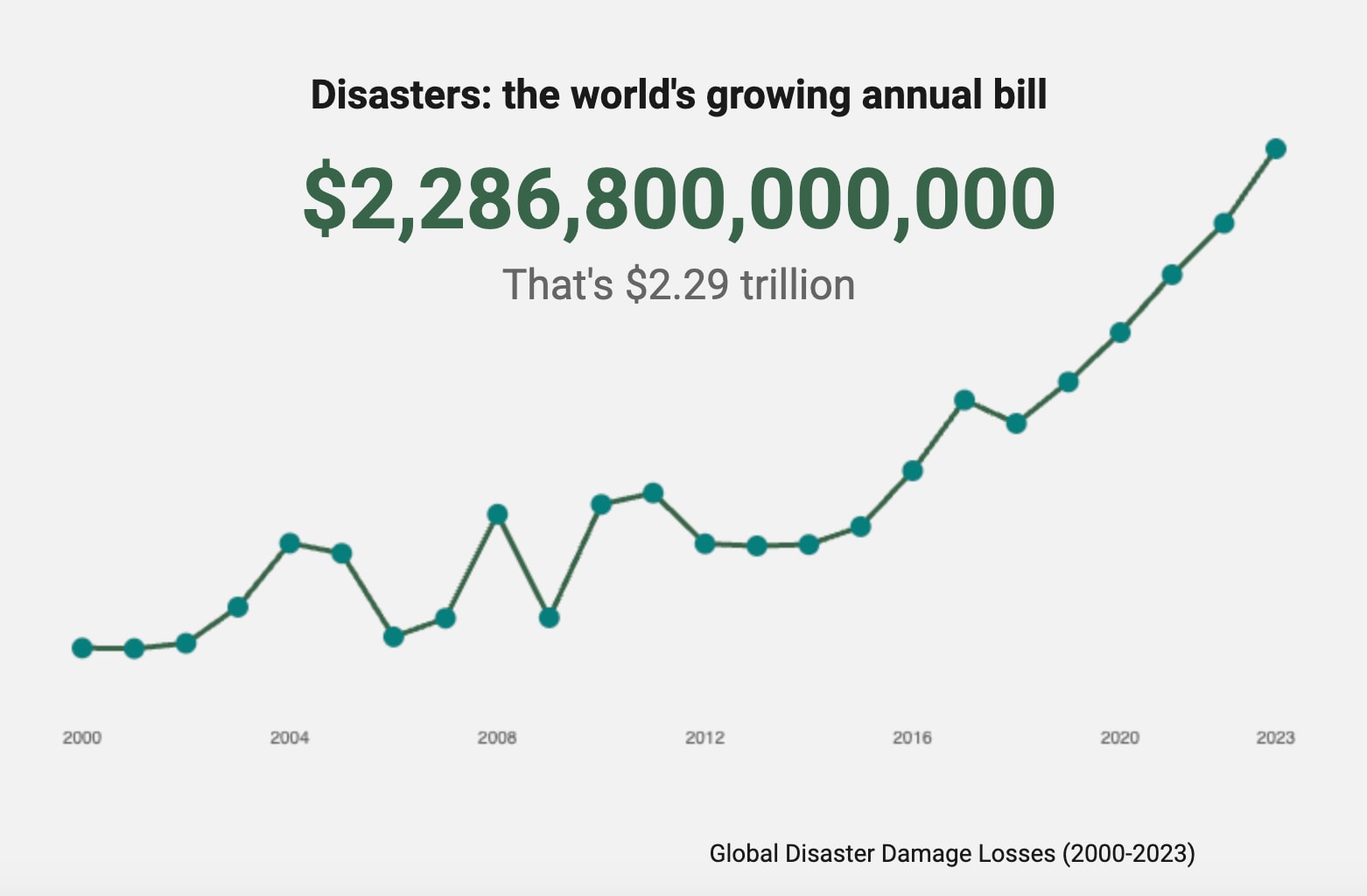
Disasters are increasingly frequent, intense, and costly, particularly impacting poorer countries, with direct annual costs reaching approximately $202 billion. Resilience, or the capacity to withstand and recover from disasters, remains significantly underfunded. To enhance disaster resilience, five strategies are proposed: integrating risk analysis into infrastructure planning, allocating funds for disaster resilience, engaging private sector investments in disaster risk reduction, utilizing insurance mechanisms for rapid recovery, and implementing early warning systems. These approaches aim to promote sustainable development by reducing vulnerability and improving recovery speeds post-disaster.
Health, Financial services
5 ways to fund disaster resilience for a safer future

Neurotechnology offers significant potential for enhancing health and mobility, but also raises privacy concerns regarding mental and health state data. A technology-agnostic approach to privacy regulation is essential, as sensitive insights can be derived from various biometric data, not just neural information. Policymakers face the challenge of safeguarding individual rights while fostering innovation. Effective regulation must address harmful inferences regardless of data source, avoiding narrow definitions that could leave vulnerabilities. Harmonized international standards and additional frameworks can enhance trust and encourage responsible use of neurotechnology, ensuring protection against emerging privacy threats.
Financial services, Education
Beyond neural data: Protecting privacy across technologies

Cybersecurity has become a strategic imperative for business leaders, transcending technical challenges to encompass governance and societal impact. Leaders must address not only system protection but also the societal ramifications of cyberattacks, which can disrupt public trust and national security. With 91% of leaders anticipating a catastrophic cyber incident within two years, cyber literacy is essential for effective leadership. However, definitional confusion and a global trust deficit hinder progress. To overcome these challenges, organizations should develop cyber playbooks for executives and foster clear communication strategies. Building trust through demonstrated cyber literacy is crucial for effective risk management and stakeholder confidence.
Financial services, Education, ICT
Cybersecurity is no longer just a technical challenge – it's a leadership one

Artificial general intelligence (AGI) will transform cybersecurity by enabling highly autonomous systems capable of sophisticated attacks and rapid adaptation. Attackers could leverage AGI to execute coordinated, multi-domain cyber operations, outpacing traditional defenses hindered by bureaucracy and risk aversion. Conversely, AGI also offers potential advantages for defenders, enhancing patching efficiency, proactive resilience, and allowing security teams to focus on complex threats. However, the critical challenge lies in the speed of adoption; defenders must rapidly integrate AGI into their practices to avoid ceding control to attackers. The inequity in AI access may further disadvantage smaller nations lacking resources.
ICT, Education
How we enhance cybersecurity defences before the attackers in an AGI world

The 2026 Times Higher Education World University Rankings reveal a shifting landscape in global higher education, with the University of Oxford maintaining its top position for a decade. China now boasts five universities in the top 40, an increase from three the previous year, indicating a growing competitiveness against Western institutions. The US and UK universities are experiencing declines, with many dropping in rank due to factors such as funding cuts and visa restrictions. Meanwhile, other Asian countries, particularly South Korea and those in Southeast Asia, are emerging as new centers of research and innovation, highlighting significant geopolitical changes in academia.
Albania, Algeria, Angola, Azerbaijan, Bahrain, Botswana, Brunei Darussalam, Burkina Faso, Cambodia, Cape Verde, Chad, Denmark, Egypt, Estonia, Eswatini, Ethiopia, Georgia, Germany, Ghana, Guinea, Haiti, Hungary, India, Indonesia, Ireland, Israel, Japan, Jordan, Kazakhstan, Kenya, Kuwait, Kyrgyz Republic, Luxembourg, Malawi, Malaysia, Mali, Mongolia, Montenegro, Morocco, Namibia, Netherlands, New Zealand, Peru, Philippines, Poland, Qatar, Republic of Korea, Romania, Russian Federation, Rwanda, Saudi Arabia, Senegal, Serbia, Seychelles, Singapore, South Africa, Sweden, Taiwan, China, Tajikistan, Tanzania, Thailand, Tunisia, Türkiye, Uganda, Ukraine, United Arab Emirates, United Kingdom, Yemen | Health, Education
World University Rankings 2026: Is the geopolitics of knowledge and innovation shifting?
The 2025 AlixPartners Disruption Index reveals that two-thirds of CEOs report significant disruption in their businesses, yet many are effectively leveraging these challenges. Top-performing companies are focusing on digital investment for productivity, embracing AI, automation, and robotics, with a majority predicting major shifts in business models by 2025. Issues like data privacy, supply chain instability, and geopolitical tensions are rising concerns. Successful leaders are adopting a proactive approach to disruption, viewing it as an opportunity for growth and innovation rather than merely a challenge to be managed.
Algeria | Financial services
2025 AlixPartners Disruption Index
More than 60% of organizations are inadequately prepared to tackle critical risks such as geopolitical tensions, cybersecurity threats, and regulatory changes, according to AlixPartners' 2025 Global Risk Survey involving 1,000 senior executives. Major findings indicate that while over 60% anticipate an increase in financial crime, only 44% view their current technology as highly effective in detecting risks. Additionally, significant gaps exist in readiness for regulatory shifts and cybersecurity incidents, despite a high implementation rate (93%) of AI in business operations. Overall, the survey highlights a concerning landscape of insufficient preparedness across various sectors and regions.
Algeria | Financial services
More than 60% of Organizations Are Insufficiently Prepared to Address Urgent Geopolitical, Cybersecurity, and Regulatory Risks, According to a New Survey of 1,000 Executives

Recent recognition of Palestinian statehood by countries like Australia and France has led to significant legal implications for stateless Palestinians, limiting their rights in some nations, such as Bulgaria and Hungary. Legal experts highlight that without a nationality law, many Palestinians are effectively stateless under international law. Despite recognition being a political gesture, it has resulted in a shift in policy, causing Palestinians to be classified as having nationality, thereby denying them critical protections. There are concerns that more countries could follow this trend, complicating the legal status of Palestinians and their access to rights and protections.
Q&A: How recognising Palestine affects stateless Palestinians
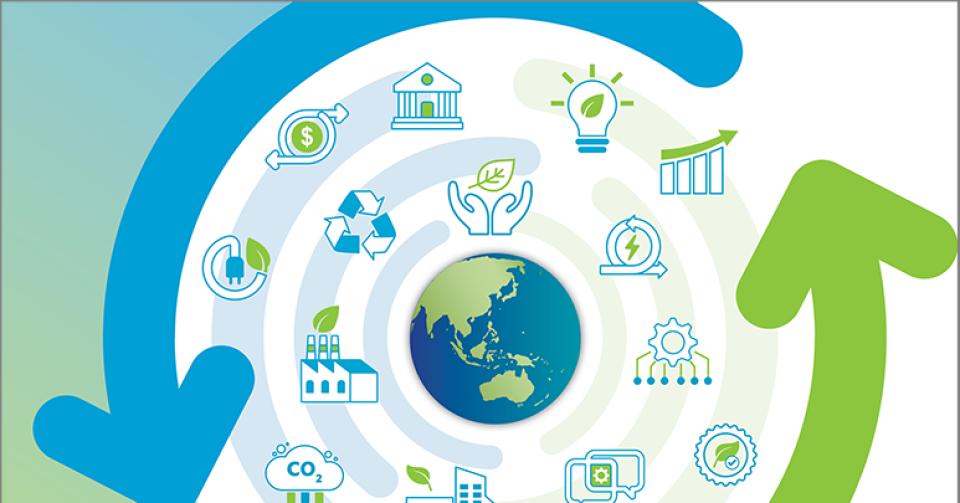
The 2024 conference organized by ADB and Bangko Sentral ng Pilipinas in Cebu focused on mobilizing capital for the green transition in Asia and the Pacific. Discussions involved balancing green development with economic stability, emphasizing the importance of carbon pricing, developing domestic capital markets, attracting international investment, and adopting a unified approach to support climate-resilient development. Key sessions addressed international capital flows, transition finance in debt markets, and the relationship between climate finance and financial stability.
Financial services
Green Transition, Capital Flows, and Financial Stability in Asia and the Pacific: Conference Highlights
The report provides a framework and toolkit for measuring carbon emissions from road sector investments in Asia and the Pacific, aiming to reconcile increasing mobility demand with decarbonization goals. It emphasizes the region's rapid rise in transport emissions and offers strategies for practitioners to assess carbon impacts, suggesting methods to manage demand, transition to low-carbon alternatives, and enhance sustainable transportation policies. The toolkit integrates with the Highway Development and Management System to support these objectives.
Investigating Life Cycle Carbon Emission Impact of Road Investments

Engagement of young women and girls in nature-based solutions is crucial for advancing gender equality and addressing environmental challenges in Asia and the Pacific. Their innovative initiatives focus on combating climate change, biodiversity loss, and pollution. Despite systemic barriers, young women lead impactful projects like Cool the Globe, Eda Davara Marine Sanctuary, and Rainfold, which promote sustainable practices and enhance community resilience. Empowering these leaders not only improves environmental outcomes but supports inclusive solutions and bridges socio-economic disparities, fostering climate-resilient livelihoods essential for tackling the triple planetary crisis.
Bangladesh, Nigeria | Health
Young Women and Girls: Asia and the Pacific’s Changemakers for Nature-Based Solutions

Africa is positioned to leverage responsible AI for inclusive economic growth through digital transformation and infrastructure investment. The deployment of ethical AI can address challenges like financial exclusion and infrastructure gaps. Mobile money services have already connected millions to financial systems, paving the way for innovative AI applications. Investment in local talent and regulatory frameworks is crucial for fostering trust and ensuring privacy. Collaboration among governments, the private sector, and civil society is vital to maximize the benefits of AI, enhance security, and drive entrepreneurship, ultimately supporting economic growth and reducing poverty.
South Africa | Financial services, Education
How responsible AI can be a catalyst for inclusive economic growth in Africa

To successfully scale AI, leaders must integrate it into core operations, moving beyond scattered pilots and quick wins. Poor governance and low data maturity hinder progress, making robust data foundations essential. Empowering and reskilling the workforce is crucial to accompany AI's transformative potential. A tailored AI strategy focused on business outcomes, rather than technology metrics, is vital. Moreover, organizations must treat data as a key asset, ensuring it is clean, consistent, and traceable to support AI initiatives effectively. Fostering a culture of transparency and continuous change will further enhance readiness for an AI-driven future.
Education
Closing the intelligence gap: How leaders can scale AI with strategy, data and workforce readiness

Municipalities in the U.S. face challenges in addressing homelessness due to a decentralized support system and varying local conditions. There are 385 "continuums of care" that include government, nonprofits, and law enforcement. Recent research highlights effective strategies such as Housing First and Treatment First approaches, zoning reforms, and creating tiny home communities. The 2024 HUD count revealed 771,480 people experiencing homelessness, with significant disparities affecting Black individuals. A combination of short-term and long-term solutions, including increasing affordable housing supply and reducing bureaucratic barriers, is crucial for alleviating homelessness and preventing it from occurring.
Reducing homelessness in the US: A solutions-focused, research-based explainer