
Bertrand Piccard, a psychiatrist and clean tech pioneer, has identified over 1,600 financially viable environmental solutions through his Solar Impulse Foundation. His current focus is on promoting these solutions to accelerate a transition to a zero-carbon economy. Piccard advocates for reframing climate action as an opportunity for modernization and efficiency rather than a financial burden. He emphasizes energy efficiency as a way to save costs and improve profit margins, highlighting case studies from various sectors that demonstrate significant economic and ecological benefits. Key examples include optimizing airline routes and upgrading industrial infrastructures to reduce energy waste.
Financial services
Interview Of The Week: Bertrand Piccard, Clean Tech Pioneer
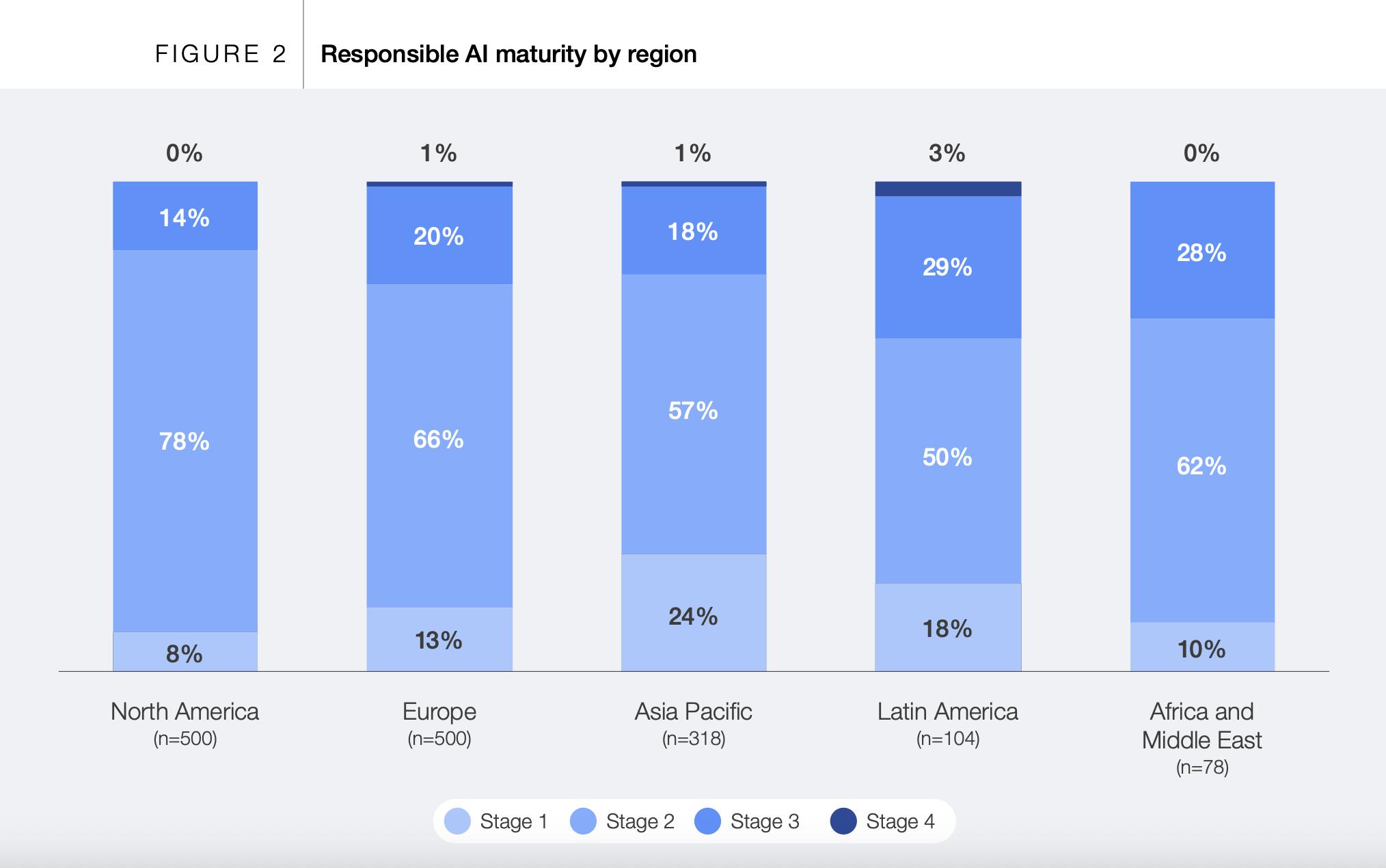
The Tallinn Digital Summit 2025, taking place on October 9-10 in Estonia, aims to address critical global challenges in artificial intelligence (AI) governance. As most organizations struggle with responsible AI implementation—over 80% are still in early maturity stages—discussions will focus on bridging the responsible AI gap. Despite efforts like the Hiroshima AI Process and frameworks from the G7 and OECD, achieving global consensus remains difficult. The summit will showcase practical examples from companies and governments to inspire immediate action towards developing a trustworthy AI ecosystem.
Estonia, Latvia, Sweden | Education, ICT
Trustworthy AI: An Elusive Goal Or Achievable Target?

The paper by John Wihbey and Samantha D’Alonzo reviews academic research on "silicon sampling," which utilizes Large Language Models (LLMs) to simulate public opinion. It provides guidance for communications practitioners on message testing and audience feedback research. While LLMs are effective for refining surveys and enhancing research design, they are not reliable substitutes for human respondents, particularly in policy contexts, due to issues with capturing nuanced opinions and bias. A hybrid approach is recommended, combining AI-driven insights with human data to ensure research integrity and responsible deployment.
AI Simulations of Audience Attitudes and Policy Preferences: “Silicon Sampling” Guidance for Communications Practitioners
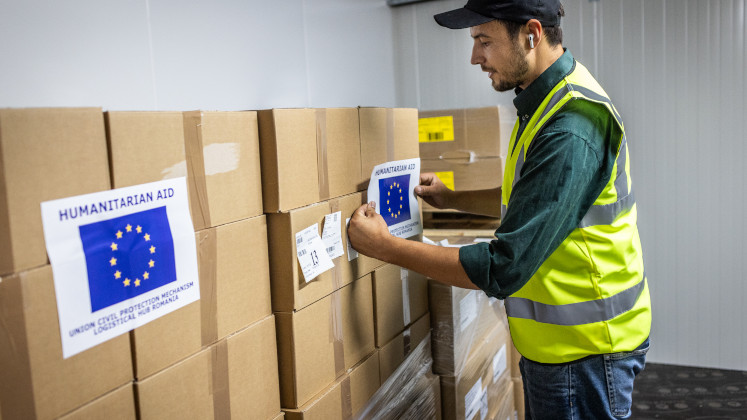
Public support for foreign aid in several European countries and the US is fragile and influenced by domestic political dynamics and global crises. Recent analysis from the Development Engagement Lab indicates ongoing concern for poverty abroad but notes a decline in support for specific aid budgets, particularly in Great Britain, Germany, and France. The dataset reveals that global issues often overshadow long-term development goals, with recent crises like the post-COVID cost-of-living crisis shifting public focus inward. Thorough analysis opportunities arise from the dataset, which includes over 270,000 observations across multiple surveys.
Denmark | Health
Is there still public support for foreign aid?
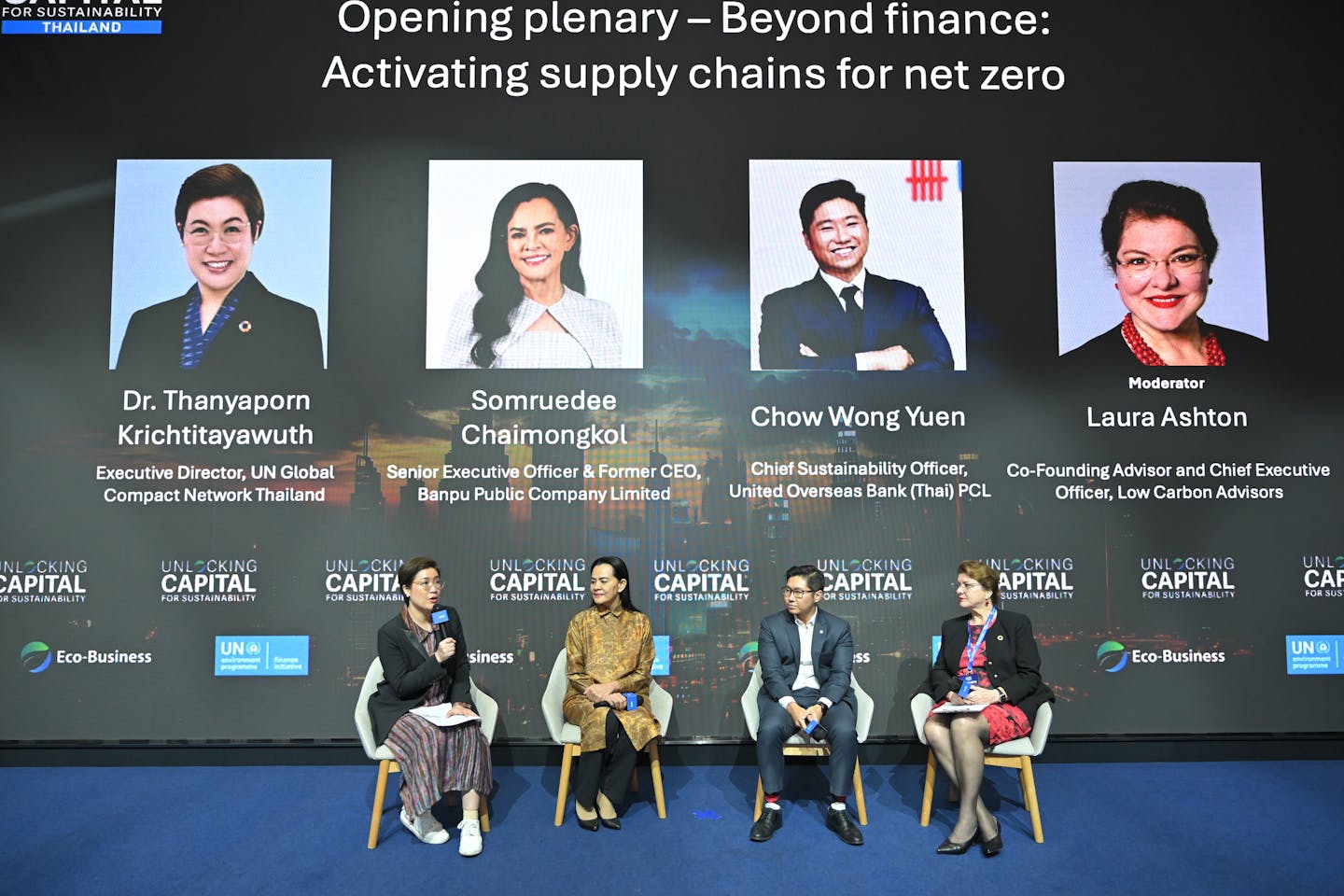
Thai businesses are advocating for the new government to implement essential frameworks for climate change and decarbonisation, including a power development plan (PDP) and a climate change act. Regulatory hurdles have impeded investment in decarbonisation, with only 1,400 of over 20,000 companies committing to carbon neutrality. The new Climate Change Act will feature a mandatory emissions trading scheme, a carbon tax, and a Climate Fund for innovation. Prime Minister Anutin Charnvirakul aims to achieve net-zero emissions by 2050. Collaboration between the government and private sector is crucial for advancing renewable energy initiatives and liberalizing the energy market.
Cambodia, Thailand | Financial services, ICT
Thai industry hopes new government will hasten climate change act, power development plan
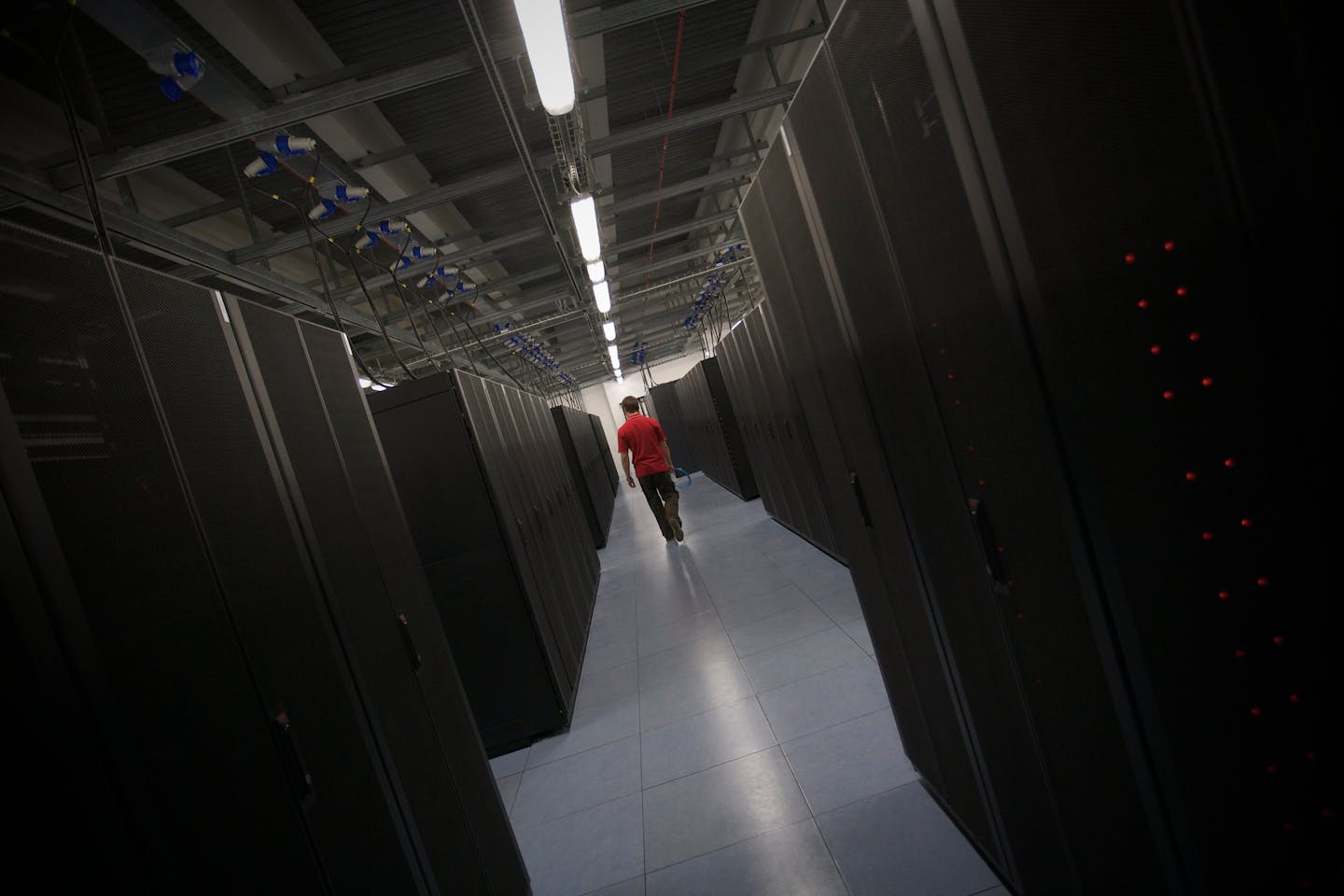
Generative artificial intelligence's rise is raising environmental concerns, particularly regarding energy usage and emissions linked to power-hungry data centers. Experts, including Benedetta Brevini, argue that big tech must disclose AI's ecological impact and reconsider the necessity of certain AI applications, especially amid a climate crisis. Brevini emphasizes the need for a comprehensive strategy addressing the entire AI supply chain, including carbon footprints and e-waste. Investments in green AI literacy and sustainable practices are crucial for promoting responsible development and ensuring natural resources are utilized effectively, rather than disproportionately benefiting technology over communities.
Q&A: 'Digital lords,' AI's carbon footprint and greening tech
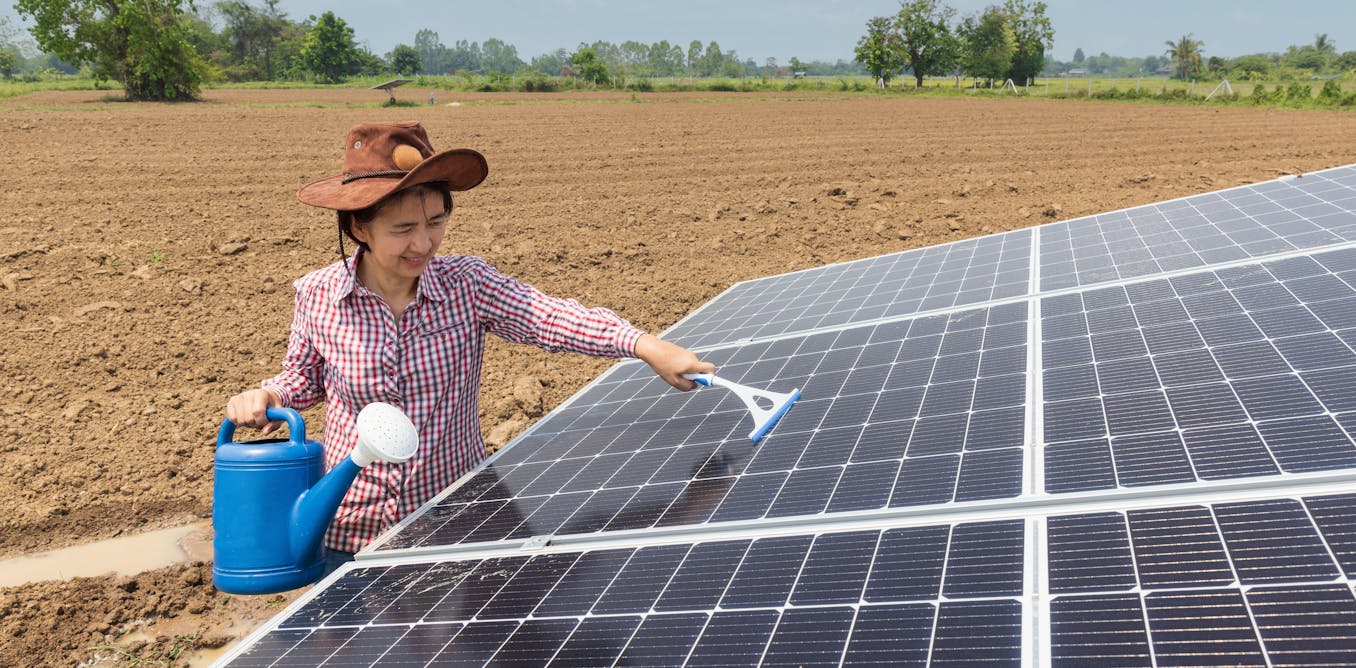
China is a major player in global climate dynamics, both as the largest emitter of greenhouse gases and as a leading force in renewable energy installations. While it continues to rely heavily on coal, it is also stepping into a leadership role in climate diplomacy, particularly as U.S. involvement wanes. China recently pledged to reduce greenhouse gas emissions by 7%-10% by 2035, though many consider this insufficient. Nonetheless, when China sets targets, it influences global expectations and actions on climate change, making it a critical country in future climate discussions.
Is China a climate goodie or baddie – or both?

Leaders of top companies adapt to volatility by embracing agility and bold decision-making. The fastest-growing organizations are more likely to divest underperforming assets, while companies like GE and Siemens exemplify the importance of organizational flexibility. Systemic disruptions—including geopolitical tensions and climate pressures—require businesses to reconfigure their models for resilience rather than relying on outdated strategies. Emphasizing strategic agility, talent development, and inclusivity fosters innovation. By leveraging real-time data and empowering frontline teams, companies can navigate uncertainty, ensuring that disruption is integrated as a core operating principle.
Financial services, Education
The leaders of these top companies  turn volatility into opportunity
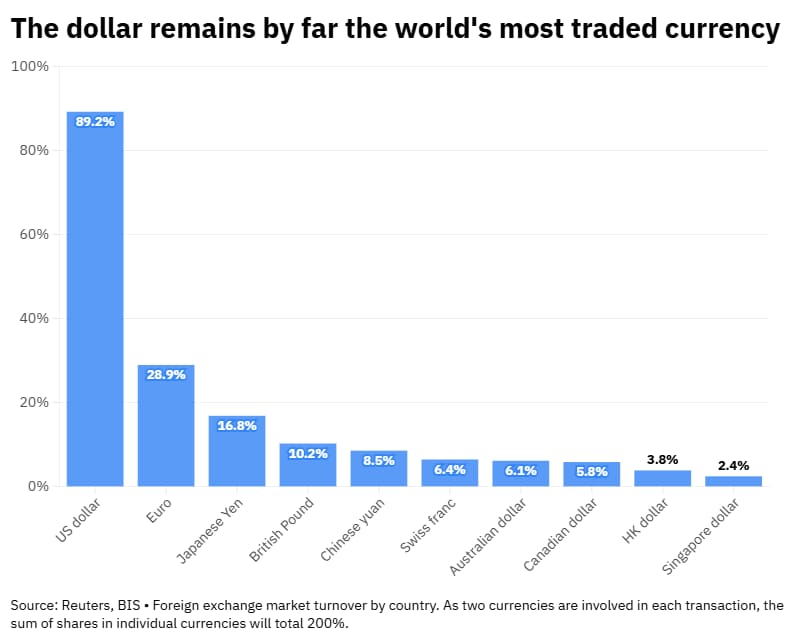
In April 2025, global foreign exchange (FX) trading volumes surged to a record high of $9.6 trillion daily, a 28% increase since 2022, driven by tariff tensions and geopolitical uncertainty. The US dollar dominated, accounting for 89% of trades, while the Chinese yuan's share rose to 8.5%. Stablecoins gained attention in Europe as banks planned a euro-denominated stablecoin for efficient payments, alongside regulatory scrutiny from the Bank of England and the European Central Bank over their potential impacts. A partial US government shutdown has delayed crucial economic data releases, heightening market volatility.
Nigeria, United Kingdom | ICT, Education, Health, Financial services
Tariff tensions drive FX trading to all-time highs in 2025, and other finance news to know

Artificial photosynthesis aims to replicate natural processes by converting sunlight, water, and CO₂ into fuels and materials on an industrial scale, offering a potential solution for climate change. Japan is spearheading this initiative, dubbed the 'Japanese Apollo Project', to bolster global competitiveness and sustainability. The technology promises negative-emission pathways, capable of producing clean fuels and reducing atmospheric CO₂. A roadmap has been established for partial implementation by 2030 and mass production by 2040, emphasizing advancements in catalysis and collaboration. This initiative could also stimulate Japan’s economy amidst declining productivity and population challenges.
Japan
From Japan to the world: Artificial photosynthesis can illuminate global solutions
Businesses must adopt nature-positive strategies to improve resilience, innovation, and competitiveness, as biodiversity underpins essential ecosystem services. The destruction of natural systems poses significant business and human risks. Nearly half of global GDP relies on nature, making biodiversity loss a pressing concern tied to supply chain stability, raw material scarcity, and overall economic health. Companies must prioritize restoring natural capital and aim for net-positive biodiversity, akin to targets for carbon emissions. Upcoming collaborations, such as the ISO Annual Meeting, will focus on integrating biodiversity into business strategies, emphasizing that sustainability is crucial for long-term success.
Financial services, Health
Why biodiversity is everyone’s business

Cutting development aid poses serious risks in an interconnected world, as highlighted by UNDP’s Pedro Conceição. Reductions in aid threaten to exacerbate disparities between wealthy and poor nations, potentially reversing decades of progress in human development. A recent Chief Economists’ Outlook suggests that decreased aid could lead to increased global health risks, migration, security threats, and climate challenges. The article advocates for renewed investment in global public goods and urges wealthy countries to support lower-income nations, emphasizing that aid cuts reflect deeper systemic issues that need to be addressed through mutual investment and multilateral cooperation.
Latin America | Financial services, Education, Health
‘Kicking away the ladder’: Why cutting development aid is a bad idea (and what to do about it)
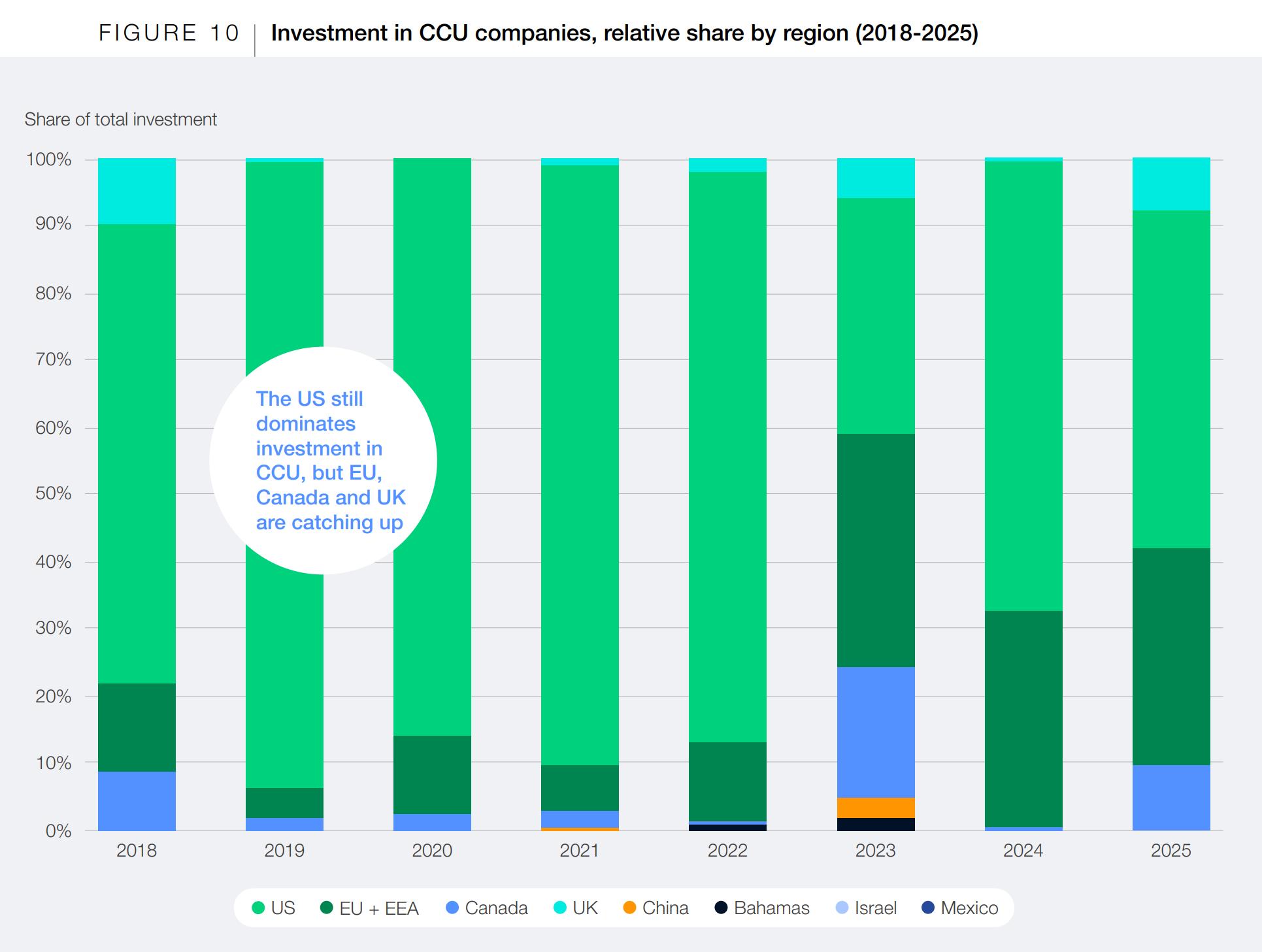
Carbon Capture and Utilization (CCU) has the potential to boost decarbonization, but it requires strong public sector backing and innovative financing. Despite the promise, investment is hindered by fragmented policy frameworks, development challenges, and lack of industry collaboration. Climate health costs are projected to reach $1.5 trillion in lost productivity by 2050, emphasizing the need for proactive adaptation strategies. Additionally, only one-third of global river basins were in normal condition last year, underscoring urgent data monitoring needs. Brazil announced a $1 billion investment in a global forest conservation fund.
Nigeria | Financial services
The state of Carbon Capture and Utilization, and other climate and nature news

Turkey has shifted its perspective on Iraq from a fragmented security frontier to a central regional strategy following changing dynamics post-7 October. This recalibration involves countering the PKK and expanding security cooperation with Baghdad and Erbil while fostering economic interdependence through trade and regional energy projects. High-level visits between Turkey and Iraq have led to numerous agreements, emphasizing Iraq's role in regional security, trade, and connectivity. As Turkey engages with Gulf states, it seeks to diminish Iran's influence and reshape regional power dynamics amid ongoing regional conflicts, positioning Iraq as a vital security partner and geoeconomic hub linking various regions.
Türkiye
From Frontline to Central Regional Node: Turkey’s Recalibration of its Regional Strategy in Iraq

OpenAI's latest study reveals that ChatGPT usage has evolved, with non-work-related interactions now constituting over 70% of total messages. While work-related uses have increased, activities like documenting information and problem-solving dominate the work category. Concerns arise over "workslop," low-effort AI outputs that cost organizations time and erode team trust. Meanwhile, the Forum's report emphasizes the need for responsible AI practices to match increasing adoption. Additionally, significant global investments in AI infrastructure are underway, with initiatives from the UN and collaborations among major tech firms to advance AI governance and deployment.
This month in AI: ChatGPT usage patterns, governance gaps and mega-infrastructure bets
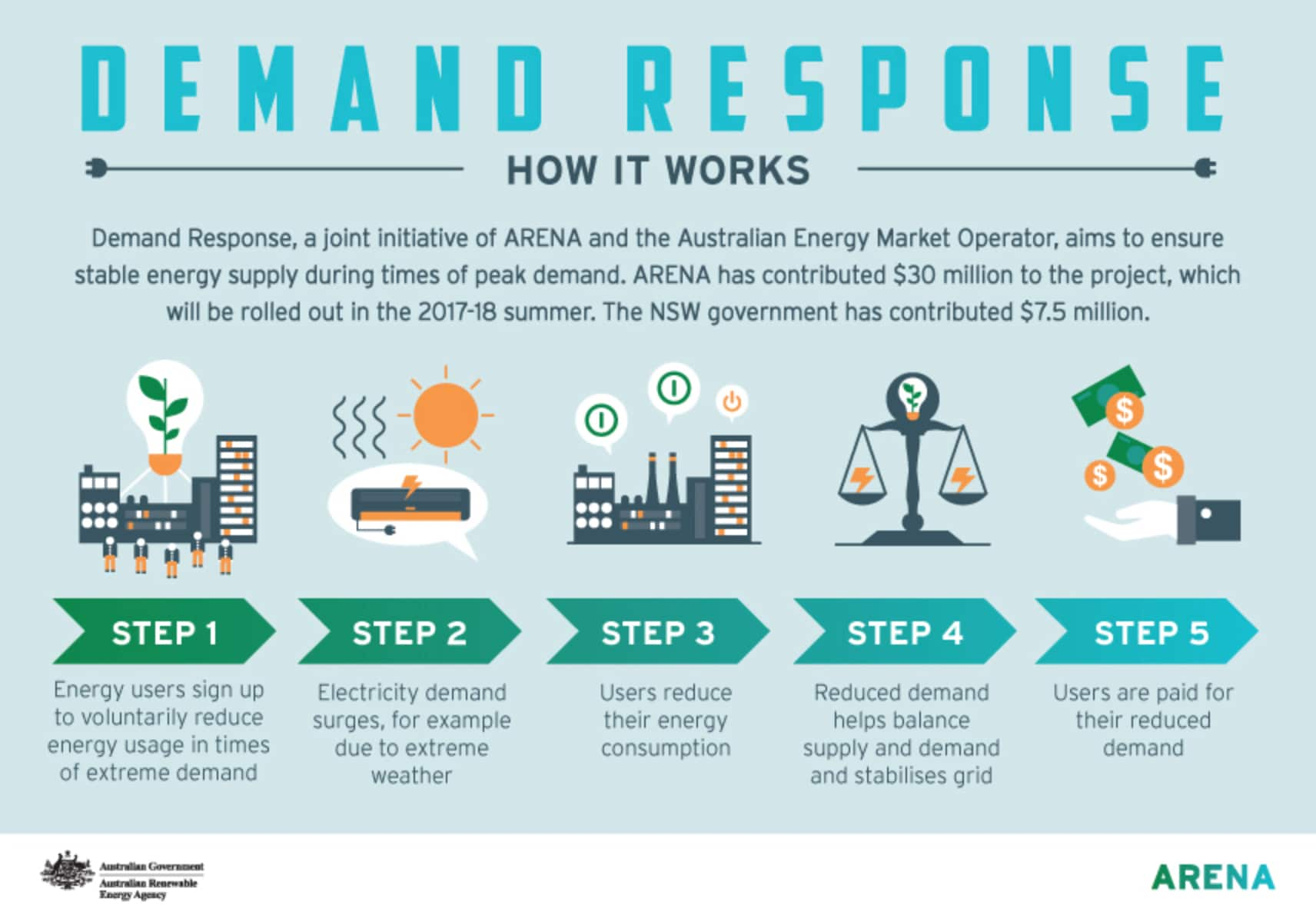
Rising global energy demand, driven by electrification, industrial expansion, and increasing use of generative AI, is outpacing supply capabilities. The International Energy Agency (IEA) forecasts a significant surge in electricity demand, particularly from data centers, which could quadruple by 2030. Demand-side response (DSR) mechanisms are proposed as a solution, allowing users to adjust consumption to stabilize the grid, potentially freeing up 76 gigawatts of capacity in the U.S. However, progress in enhancing system flexibility remains uneven, highlighting the need for additional strategies alongside DSR to ensure energy security and resilience against growing demand.
Financial services, ICT
What is energy flexibility and how can it help meet rapidly rising energy demand?

Anti-immigration discourse in Europe has increasingly framed the arrival of racialized migrants from the Global South as an "invasion." This rhetoric, fueled by far-right groups and politicians, portrays migration as a threat to a perceived bond between whiteness and the nation-state. The notion of "white nativeness" is positioned as a foundation of national identity, misleadingly implying that Europe is inherently white. This constructs a "state of siege," where border violence is rationalized to protect racial order. This dynamic reflects the historical influences of colonialism, shaping modern migration governance and racial anxieties within Europe.
Is migration an invasion? How whiteness, borders and colonialism shape Europe’s migration discourse
The BBNJ Treaty, a landmark agreement for high seas governance, aims to ensure the conservation and sustainable use of marine biodiversity in international waters. Ratified by 60 nations, it will be legally binding from January 17, 2026. The treaty encompasses marine genetic resources, area-based management, environmental impact assessments, and capacity building. Despite low African ratification rates, the continent plays a pivotal role in promoting equitable governance. The treaty emphasizes Africa's leadership in shaping global norms, advocating for fair benefit-sharing, and sustaining ocean health, which is crucial for climate regulation and biodiversity preservation.
Antarctica
As the High Seas Treaty takes effect, Africa can help chart its course

India's digital public infrastructure (DPI) supports over 1.3 billion citizens and processes more than 10 billion transactions monthly, showcasing the importance of security and privacy in its development. Key components like digital identity (Aadhaar) and payment systems (UPI) have significantly lowered transaction costs and improved access to services. However, as these systems scale, cybersecurity threats such as data breaches, synthetic identity fraud, and algorithmic bias emerge as critical challenges. India's model emphasizes integrating security from the outset, combining government oversight with private sector innovation, creating a resilient public good approach to infrastructure.
Bangladesh, Botswana, Mali | Financial services, Health, Education, ICT
Security-by-design lessons from India's digital public infrastructure journey
Banks need to transition from merely being aware of climate risks to actively incorporating adaptation and resilience measures into their core operations. Climate-related physical risks, such as floods and droughts, threaten asset quality and client operations. Frameworks from organizations like the Network for Greening the Financial System provide guidelines for managing these risks. Strategies from the insurance sector can enhance risk management, while case studies highlight innovative financial products supporting resilience. Challenges remain, especially in low- to middle-income countries, but integrating banking and insurance could effectively mobilize capital for climate resilience and ensure financial stability.
Financial services
Mainstreaming Adaptation and Resilience into Banking Practices