
The use of AI in healthcare risks exacerbating global inequalities, as most systems are trained on data from high-income countries, leaving nearly 5 billion people from low- and middle-income countries unrepresented. This lack of diverse data may lead to misdiagnosis and further marginalization of underrepresented populations. To address these disparities, there is a need for global cooperation in building diverse health datasets, investing in local digital infrastructure, and establishing fair governance frameworks. Ensuring AI systems are inclusive will enable equitable healthcare access and improve outcomes across diverse populations.
Africa | ICT, Education, Health
AI in healthcare risks could exclude 5 billion people; here’s what we can do about it
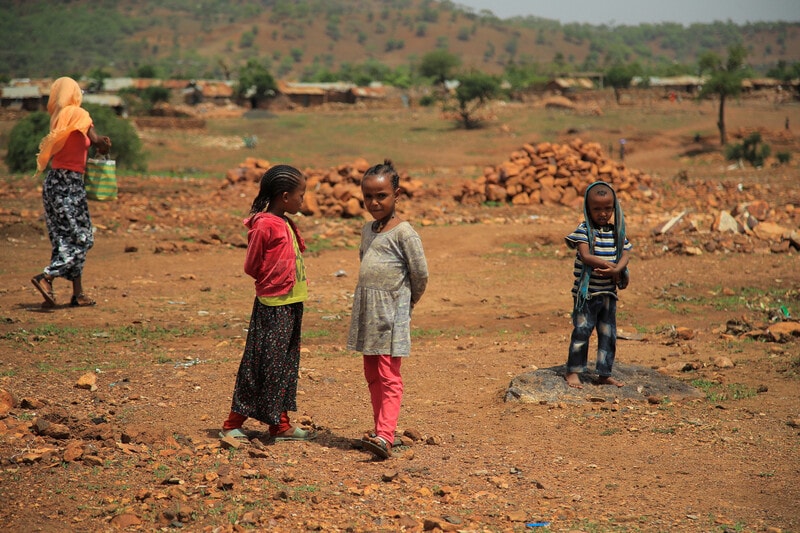
Currently, 300 million people across 72 countries require humanitarian assistance, exacerbated by cuts in foreign aid. Supply chains, which represent 60-80% of response costs, are crucial for delivery yet often function in silos, causing inefficiencies. The European Commission is spearheading the High-Level Group on Supply Chain initiative to revamp this system through five thematic workshops. A focus on digital transformation is essential to improve coordination and resource allocation, but challenges like data standardization and skill gaps persist. Effective reform requires coordinated leadership and robust public-private partnerships, prioritizing shared goals and humanitarian principles.
Haiti, Honduras | Financial services, ICT, Education, Health
How we can rethink humanitarian supply chains for the 21st century

Stefano Puntoni, a Wharton marketing professor, examines recent advancements in artificial intelligence, highlighting significant vertical integration deals, notable copyright settlements, and innovations in synthetic data. These developments are reshaping how businesses gain insights into consumer behavior.
Exploring AI Investments, Legal Challenges, and Customer Insight Innovation
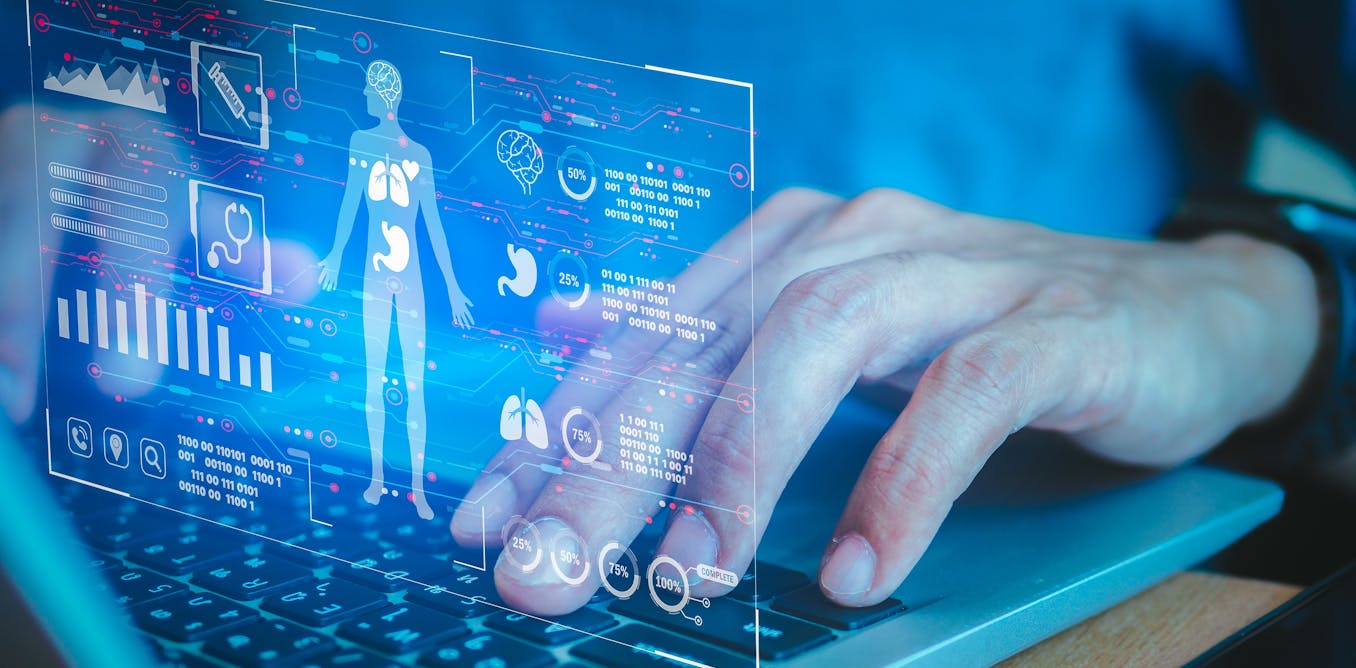
Delphi-2M is an AI tool designed to predict health events up to 20 years in advance for various diseases, including cancer and heart disease. It utilizes data from nearly 403,000 individuals in the UK Biobank and considers factors such as sex at birth, body mass index, and prior health history. The model achieved a predictive accuracy of about 70% and was successful when validated with Danish Biobank data. Delphi-2M employs a modified transformer network, allowing adaptation for multiple diseases while maintaining privacy through synthetic data. Future enhancements may incorporate diverse data sources to improve accuracy, though concerns remain regarding the representation of different racial and ethnic groups.
An AI tool is trying to predict your risk of getting many diseases years in advance – here’s how it works

Regional inequality in the UK significantly hampers productivity and economic performance. Although the government aims to address this issue, its "levelling-up" policies are often criticized for their fragmented approach, focusing heavily on infrastructure. Entrepreneurship, particularly in less prosperous areas, is crucial for boosting economic competitiveness but is concentrated mostly in London and the south. Developing entrepreneurial ecosystems—supportive environments that strengthen connections among start-ups, investors, and institutions—is essential. Success depends on long-term collaboration, nurturing talent, and building a culture that encourages innovation, supported by targeted government funding, particularly for grassroots initiatives.
Chile, Czech Republic, Egypt, Ethiopia, Georgia, Germany, Ghana, Indonesia, Ireland, Jordan, Kenya, Peru, Republic of Korea, Russian Federation, Rwanda, South Africa, Tanzania, Uganda, Ukraine, United Arab Emirates, United Kingdom | Financial services, Education
The UK has a regional inequality problem – levelling the playing field for entrepreneurs could help

Outer space plays a critical role in modern conflicts but is overlooked within the Women, Peace and Security (WPS) Agenda. Integrating a gender perspective into space security is essential to protect women and girls, who are disproportionately affected by warfare and its consequences. The WPS Agenda aims to increase women’s participation in decision-making and integrate gender considerations into military operations. Disruptions in space-based technologies impact civilians severely, especially women and girls, exacerbating vulnerabilities and hindering access to essential services. Promoting a gender lens in space operations can enhance protection and recovery efforts while acknowledging the unique challenges faced by women and girls during conflict.
Bringing the Women, Peace and Security Agenda to Outer Space

Egypt has achieved significant advancements in financial inclusion, particularly for women, with 74.8% of the population now holding a bank account, a 204% increase since 2016. While access to banking services is improving, extending credit to underbanked individuals remains a challenge. Traditional credit scoring systems fall short, leading to the exploration of AI-based models that analyze diverse real-time data to assess creditworthiness effectively. MNT-Halan, a leading fintech, has developed an AI-driven credit scoring engine that automates loan approvals, achieving a 60% approval rate for previously unscoreable users while prioritizing responsible AI principles, including fairness and transparency.
Egypt | Financial services
How responsibly deploying AI credit scoring models can progress financial inclusion

Tariffs imposed by the US government, particularly during Trump's administration, are projected to generate over US$50 billion monthly. However, these tariffs act as taxes on trade, primarily burdening American consumers through higher prices instead of benefiting them. A growing bipartisan consensus views tariffs as a tool for economic nationalism, but research shows their costs negatively affect low- and middle-income households and small businesses reliant on imports. While large domestic producers may gain from reduced competition, the overall economic impact includes rising inflation and a potential GDP contraction, undermining the state’s actual intended financial benefits for ordinary Americans.
Taiwan, China | Financial services
Tariffs may bring a US$50 billion monthly boost to the US government. But ordinary Americans won’t feel the benefit
Declining survey responses, politically motivated dismissals, and accusations of false data threaten the integrity of official statistics, essential for evidence-based policy. To counter this crisis of trust, a shift towards citizen-centric statistics is proposed, focusing on lived realities and encouraging public participation. Traditional metrics often ignore personal experiences and anomalies, leading to dissatisfaction and rising populism. It is crucial to reimagine statistical practices to ensure they reflect diverse perspectives and resonate with citizens, thereby restoring legitimacy and trust in official statistics.
From Averages to Agency: Rethinking Official Statistics for the 21st Century

Journalists frequently overgeneralize research findings, presenting them as applicable to broader populations without sufficient justification. This tip sheet provides guidance, emphasizing the importance of understanding sample representation in studies. Tips include closely examining the study's sample characteristics and ensuring it is representative of the larger population. Researchers' findings should not be generalized unless the sample aligns closely with the demographics of the group in question. Misreporting can mislead the public and professionals relying on news for critical information.
6 tips to help journalists avoid overgeneralizing research findings

Energy transition in Latin America and the Caribbean is at a crucial juncture, as highlighted in the World Economic Forum’s Energy Transition Readiness Assessment (ETRA) 2025. Despite favorable conditions, such as abundant renewable resources and low fossil fuel reliance, the region's readiness for transition has lagged. Recommendations for accelerating progress include advancing policy reforms, increasing private investments, modernizing infrastructure, and enhancing regional interconnections. Additionally, the report emphasizes the importance of investing in human capital, driving innovation, and fostering cross-country cooperation.
Albania, Algeria, Angola, Argentina, Armenia, Azerbaijan, Barbados, Benin, Bolivia, Bulgaria, Burkina Faso, Cape Verde, Chad, Chile, Colombia, Costa Rica, Democratic Republic of the Congo, Dominican Republic, Ecuador, Egypt, El Salvador, Estonia, Eswatini, Ethiopia, Gabon, Georgia, Ghana, Guatemala, Guinea, Haiti, Honduras, Hungary, India, Indonesia, Ireland, Jamaica, Kenya, Kuwait, Latvia, Luxembourg, Madagascar, Malawi, Mali, Malta, Mauritania, Mauritius, Moldova, Montenegro, Mozambique, Nicaragua, Panama, Paraguay, Peru, Philippines, Qatar, Romania, Russian Federation, Rwanda, Senegal, Serbia, Seychelles, Slovakia, South Africa, Spain, Tanzania, Thailand, Trinidad and Tobago, Tunisia, Uganda, Ukraine, United Arab Emirates, United Kingdom, Uruguay, Venezuela, Yemen, Zambia, Zimbabwe
Energy Transition Readiness: Latin America and the Caribbean

Energy transition in Latin America and the Caribbean is at a critical stage, as revealed in the World Economic Forum’s Energy Transition Readiness Assessment (ETRA) 2025. Despite favorable conditions such as abundant renewable resources, critical mineral wealth, and low fossil fuel dependence, the region's progress in transition readiness is lagging. Key recommendations for accelerating this transition include advancing policy reform, increasing private investment, modernizing energy infrastructure, and enhancing regional interconnections. The assessment also emphasizes the importance of investing in human capital, promoting innovation, and fostering international collaboration.
Albania, Algeria, Angola, Argentina, Armenia, Azerbaijan, Barbados, Belgium, Benin, Bolivia, Botswana, Brazil, Bulgaria, Burkina Faso, Burundi, Cape Verde, Chad, Chile, Colombia, Costa Rica, Croatia, Democratic Republic of the Congo, Dominican Republic, Ecuador, Egypt, El Salvador, Estonia, Eswatini, Ethiopia, Gabon, Georgia, Ghana, Guatemala, Guinea, Haiti, Honduras, Hungary, India, Indonesia, Ireland, Jamaica, Kenya, Kuwait, Latvia, Lithuania, Luxembourg, Madagascar, Malawi, Malaysia, Mali, Malta, Mauritania, Mauritius, Moldova, Montenegro, Morocco, Mozambique, Netherlands, Nicaragua, Panama, Paraguay, Peru, Philippines, Portugal, Qatar, Republic of Korea, Romania, Russian Federation, Rwanda, Senegal, Serbia, Seychelles, Slovakia, South Africa, Spain, Taiwan, China, Tanzania, Thailand, Trinidad and Tobago, Tunisia, Türkiye, Uganda, Ukraine, United Arab Emirates, United Kingdom, Uruguay, Venezuela, Yemen, Zambia, Zimbabwe
Energy Transition Readiness: Latin America and the Caribbean
Climate change could lead to $1.5 trillion in productivity losses for businesses by 2050 due to worker availability losses from climate-induced health issues. A report emphasizes the significant economic impact and calls for actions to protect worker health across key sectors. Additionally, the WHO highlights that a $3 annual investment per person in combating noncommunicable diseases (NCDs) could yield up to $1 trillion in economic benefits by 2030. Notable innovations include a generative AI tool predicting risks for over 1,000 diseases.
Nigeria | Health
Climate change could cost businesses $1.5 trillion in productivity losses by 2050, and other health stories
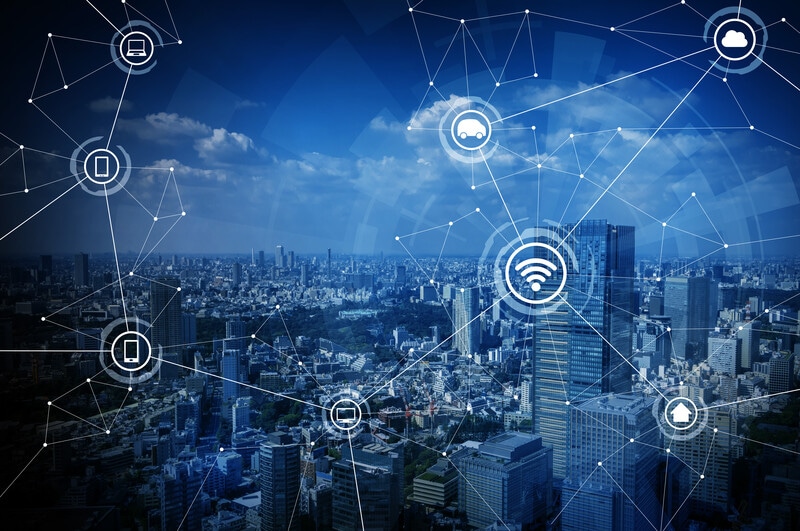
Cybercriminals increasingly merge cybersecurity threats with attacks on information integrity. Both fields must integrate their strategies, as effective defense relies on understanding psychological factors and employing advanced threat intelligence practices. The rise in reliance on digital systems heightens the risks of cyber disruptions and misinformation, eroding trust essential for technological progress. Enhanced collaboration between cybersecurity and information integrity communities is necessary to mitigate evolving threats, especially those blending cognitive and technical attacks. Emphasizing shared insights and developing comprehensive strategies will strengthen defenses against these interconnected risks.
Financial services, Education, ICT
Why cybersecurity and information integrity are two sides of the same coin

The population of older individuals aged 65 and over in Asia and the Pacific is projected to reach nearly one billion by 2050, representing a significant resource for communities due to their skills and experience. To harness this "silver dividend," there is a call for governments, businesses, and communities to implement supportive policies and invest in Universal Health Coverage (UHC). Emphasizing preventive care, community support, and recognizing care work as skilled labor are crucial. Successful models from various countries highlight the importance of integrating long-term care with healthcare systems, enhancing social connections, and promoting active participation of older adults in society.
Africa, Latin America | Education, Health
Building a future-ready society so people can live long and age well

The German federal government has approved a Fusion Action Plan, allocating two billion euros for fusion research by 2029, emphasizing its potential for sustainable, zero-emission energy. This initiative is part of Germany’s High-Tech Agenda, recognizing nuclear fusion as vital for the country’s future. The Fraunhofer-Gesellschaft will play a key role, leveraging its expertise to foster collaboration between research and industry, ensuring early industrialization and securing Germany's competitive edge. Recent breakthroughs in fusion technology highlight the need for strategic investment and government support to stimulate innovation and job creation in this sector.
Fusion Research as a Key to the Future of Energy Supply
Tier-2 and Tier-3 cities in India, Indonesia, and Vietnam are emerging as vital hubs for innovation, manufacturing, and digital growth, driven by improved infrastructure, skilled talent, and investment. These cities present high-return opportunities for investors, contributing significantly to economic growth, with emerging markets expected to account for 65% of global economic growth from 2024 to 2035. For instance, India’s smaller cities host 45% of its urban population and contribute 37% to GDP. As economic engines, they support advancements in digital infrastructure and manufacturing capacity, enhancing global competitiveness while shifting economic value creation beyond traditional metropolitan areas.
Bangladesh, Benin, Cambodia, Egypt, Estonia, Ethiopia, Georgia, Germany, Ghana, Hungary, India, Indonesia, Ireland, Japan, Kenya, Madagascar, Malaysia, Mali, Mauritius, Mongolia, Nepal, New Zealand, Philippines, Republic of Korea, Rwanda, Singapore, Sri Lanka, Taiwan, China, Tajikistan, Tanzania, Thailand, Trinidad and Tobago, Tunisia, Uganda, Ukraine, United Arab Emirates, United Kingdom, Venezuela, Viet Nam, Yemen, Zimbabwe | Education, ICT
How investments in smaller cities in emerging economies can boost global economic growth
Artificial intelligence (AI) is increasingly integrated into conflict landscapes, serving to monitor risks, enhance humanitarian coordination, and facilitate peace dialogues, while also contributing to repression, civilian surveillance, and disinformation. This report presents the most effective AI applications for peacebuilding, derived from the largest systematic review encompassing over 600 articles across relevant fields. Key applications include strengthening early warning systems, enabling inclusive civic engagement, supporting crisis mapping, and promoting positive online interactions. It emphasizes the need for essential guardrails to prevent harm and ensure responsible AI use.
Artificial Intelligence and Peacebuilding: Opportunities and Challenges
A survey of 289 experts in the global information environment reveals critical insights for technology policy. Two-thirds identify accurate information as vital, with half emphasizing the importance of diverse voices. Experts express concerns over artificial intelligence and content moderation, attributing issues to accountability and poor design. Social media and politicians are flagged as significant threats. The lack of access to platform data is seen as a major barrier to research. A majority expect the information environment to worsen by 2024, with differing concerns observed between experts studying autocracies and democracies.
Egypt | Education, ICT, Health
Expert Survey on the Global Information Environment 2023: Lessons for Technology Policy and Design
Misleading information regarding climate change hinders effective policy responses and compromises public trust. Powerful entities, including corporations and political parties, deliberately spread inaccurate narratives through various media channels, resulting in a feedback loop of denialism and inaction. Key findings highlight coordinated misinformation campaigns, misrepresentation of scientific consensus, and regional gaps in climate information integrity research, particularly in the Global South. Recommendations for policymakers include standardized carbon reporting, enforcement of regulations, coalition building, and public education to mitigate misinformation and enhance climate action effectiveness. The report emphasizes the urgency of protecting climate science integrity amidst rising misinformation tactics.
Facts, Fakes, and Climate Science: Recommendations for Improving Information Integrity about Climate Science