Artificial intelligence is transforming smart cities by improving urban life and enhancing service efficiency. Innovations include Buenos Aires’ Boti chatbot, which processes user images and allows crime reporting via WhatsApp. Cities like Lisbon and Tempe employ AI to detect graffiti in real-time using vehicle-mounted cameras, enabling quicker response times. Additionally, Tokyo’s Plant Doctor system monitors urban tree health using advanced computer vision, facilitating proactive maintenance. AI is further aiding urban planning in cities like Shanghai and Singapore through digital twins, demonstrating its significant role in modern urban management.
Civic intelligence: How AI is powering smarter cities

Africa faces significant challenges in data generation and research investment, limiting its ability to make informed decisions and track progress toward the UN's Sustainable Development Goals (SDGs). The continent's research output remains low, at only 3.25% of global scientific publications, while average investment in research and development stands at just 0.42% of GDP, far below the 1% target set by the African Union. Weak data systems hinder effective policymaking, particularly in sectors such as health, agriculture, and finance, which exacerbates issues like resource allocation and gender inequality. Urgent investment in data infrastructure is crucial for enhancing Africa's development prospects and agency.
Algeria, Angola, Bangladesh, Barbados, Benin, Botswana, Burkina Faso, Burundi, Cameroon, Chad, Democratic Republic of the Congo, Egypt, Eswatini, Ethiopia, Gabon, Georgia, Ghana, Guatemala, Guinea, Haiti, Ireland, Kenya, Lesotho, Madagascar, Malawi, Mali, Mauritania, Mauritius, Morocco, Mozambique, Namibia, Nigeria, Rwanda, Senegal, South Africa, Tanzania, Tunisia, Uganda, Zambia, Zimbabwe | Financial services, Health
Can Africa own its data future?

AI-powered translation technology is transforming the role of translators in Japan, shifting towards post-editing machine-generated outputs. However, human translators remain crucial for literature, where cultural sensitivity and nuance are essential. The global visibility of Japanese literature has surged, highlighted by successful translations like Asako Yuzuki's "Butter," which sold over one million copies worldwide. Programs foster translator development, and initiatives by the Agency for Cultural Affairs have supported the translation of numerous titles. Despite advances in technology, skilled human translators are vital for maintaining the depth and complexity of literary works, enhancing cultural understanding worldwide.
Japan | Education
Japan's literature shows why human translation matters in the age of AI

Over the next two decades, an estimated $80 trillion of wealth will shift to new owners, primarily within the private sector, influencing capital costs and economic growth. This transfer is prominent in the US, UK, Europe, and Japan, contrasting with Asia's later wealth accumulation. Women and Gen-Z investors, who prioritize sustainability and diversity, are expected to control a significant portion of this wealth, altering investment dynamics. As women gain wealth and influence, they may favor long-term investments and environmental, social, and governance (ESG) initiatives. Governments, facing high debt levels, may attempt to utilize some of this wealth, potentially affecting private investment resources.
Financial services
What does the great wealth transfer mean for economic growth?
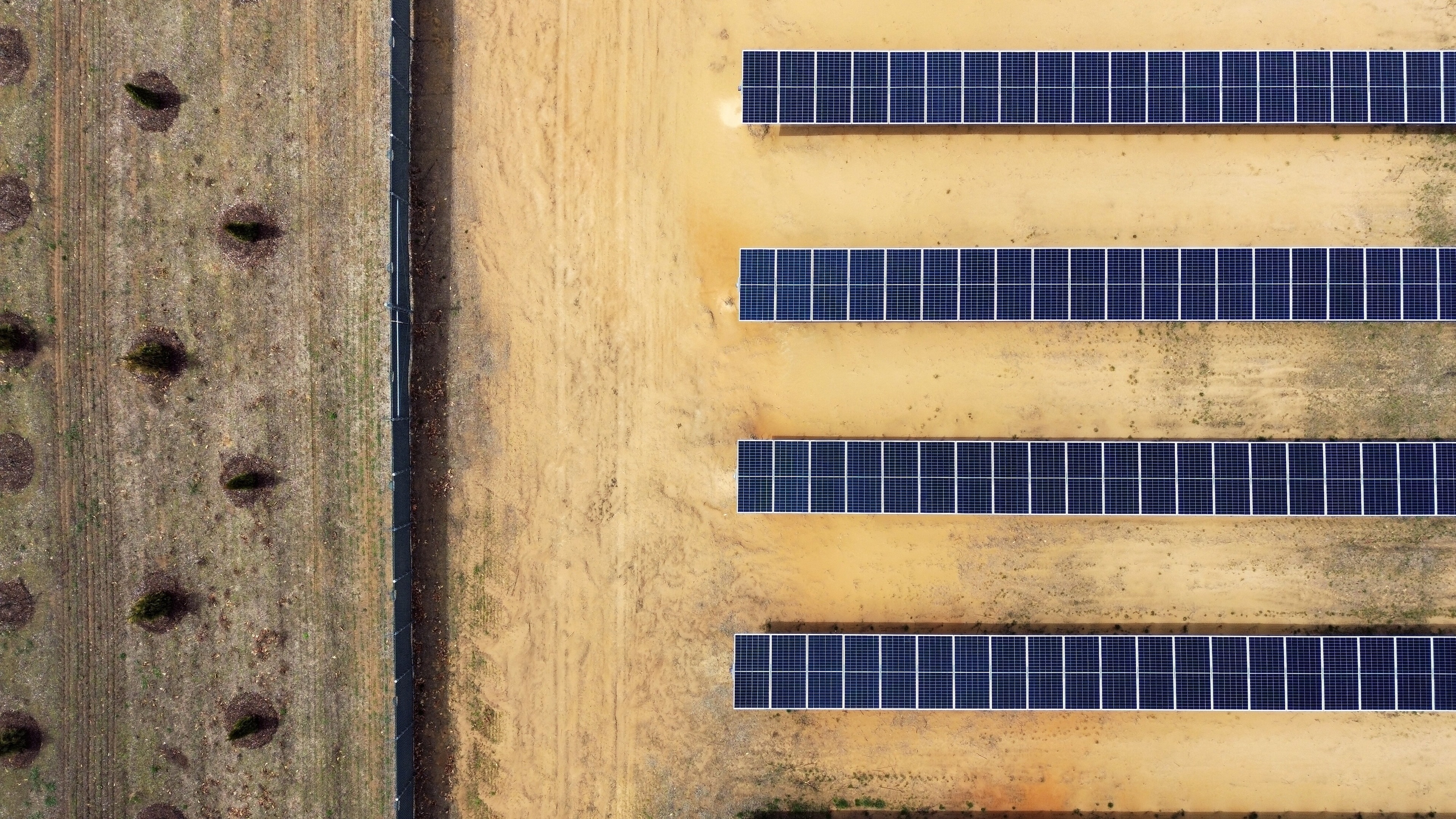
Building flexibility into the renewable energy ecosystem is essential as electricity generation scales. Currently, 30% of electricity is wasted, highlighting a significant opportunity for optimization. Increased collaboration among stakeholders, alongside advancements in technology, can improve efficiency and resilience while reducing environmental impacts. As renewable energy sources rise, especially solar and wind, flexibility in supply and demand becomes vital to manage volatility. Investments in flexible technologies, such as AI and advanced thermal systems, could lead to substantial cost savings and enhanced grid stability by 2030, making energy more affordable and resilient.
ICT, Financial services, Education
Collaboration at scale: Unlocking flexibility for energy optimization and resilience
Artificial intelligence (AI) is enhancing inclusion in global climate negotiations by improving coordination among diverse delegates. In July 2025, negotiators from nine African countries utilized AI at the UNFCCC in Bonn to structure priorities, identify common ground, and align on shared goals. Feedback indicated significant benefits, including a 60% reduction in coordination time and increased empathy. AI is not intended to replace human judgment but to refine the diplomatic process, helping facilitate a more inclusive and efficient environment for complex negotiations.
How AI helps diplomats scale inclusion in global climate negotiations
Modern methods of construction (MMC) support sustainable development by enabling efficient infrastructure delivery in developing and recovering countries, which often face resource and governance challenges. MMC facilitates local industry growth through standardized processes, accelerating project timelines while maintaining quality. Blended finance can address the $2.5 trillion annual investment gap for sustainable development goals by fostering transparent funding mechanisms tied to clear development outcomes. By combining international expertise with local participation, MMC promotes skills development and strengthens local economies, ultimately enhancing infrastructure quality and contributing to long-term growth.
Financial services, Education
How modern methods of construction support the SDGs

Ageing populations and the increasing influence of older voters in Europe are negatively impacting economic growth. Policymakers face challenges in balancing pension demands with the need for pro-growth policies. Despite some calls for reforms, such as raising retirement ages, political resistance persists, exacerbated by high taxes and public debt, particularly after COVID-19 and the energy crisis. With nearly 22% of the EU population over 65, governments prioritize protecting pensions over long-term investments, leading to a cycle of stagnation that threatens future fiscal sustainability.
Albania, Algeria, Angola, Greece, Guinea, Hungary, Mongolia, Poland, Serbia, Sweden | Health
Grey power, pension reforms and the politics of slow growth in Europe

Adopting circular practices in the built environment could reduce emissions by up to 75% by 2050 and significantly cut material costs, as businesses spend more on materials than on labor or energy. Transitioning to a circular economy, which emphasizes “make-use-return,” can enhance competitiveness and promote sustainability. Current recycling efforts are low, with only 20-30% of construction waste recycled and 1% of demolition materials reused. Legislative support, such as the EU’s Circular Economy Act, is crucial to incentivize investment and minimize regulatory barriers. A shift to circularity could generate €1.5 trillion in economic value by 2040.
The future of the built environment is the circular economy
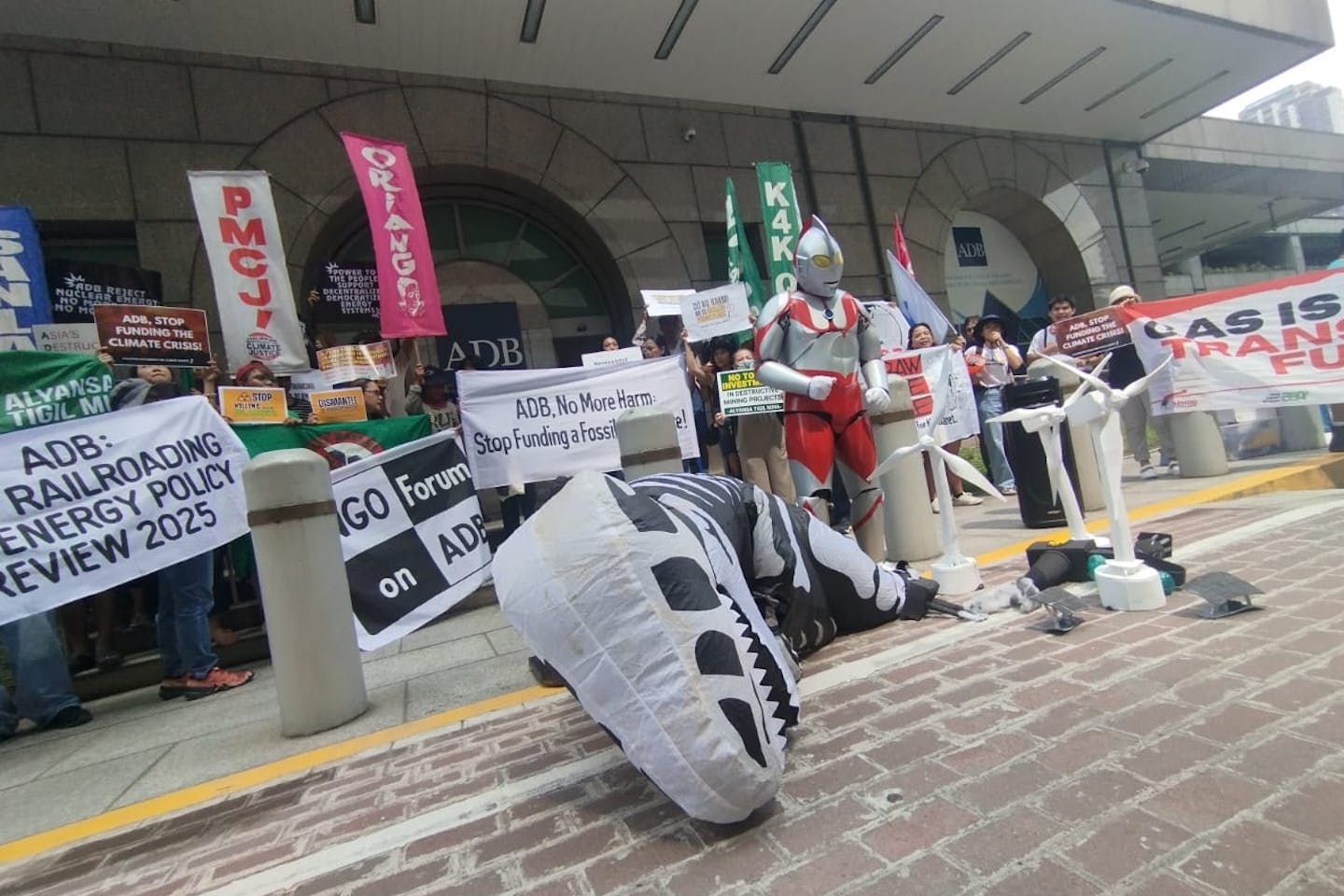
The Asian Development Bank (ADB) plans to finalize its draft energy policy by October 3, amid criticism from civil society organizations (CSOs) regarding a rushed review process. CSOs claim they were not adequately consulted, with discussions deemed superficial and documents shared too late for meaningful input. ADB argues it held multiple consultations and has established a platform for public comments. The new policy will focus on investments in critical minerals and reducing methane leaks, alongside restrictions on oil project financing. ADB's initiatives aim to enhance energy access while promoting sustainable practices in developing nations.
Latin America
ADB set to finalise draft energy policy amid criticism of 'rushed process'

Economic growth in Asia and the Pacific is expected to slow as a new global trade environment develops. Key challenges include higher US tariffs and trade policy uncertainty, while strong domestic demand and AI-driven exports may provide some support. Inflation is predicted to moderate due to decreasing energy and food prices. Potential downside risks include renewed tariff hikes, geopolitical tensions, and issues in China's property market. Policymakers are advised to enhance resilience through sound macroeconomic strategies and increased regional cooperation.
Armenia, Australia, Cambodia, Chile, Egypt, Ethiopia, Georgia, Germany, Ghana, India, Indonesia, Japan, Jordan, Kenya, Malaysia, Nepal, New Zealand, Pakistan, Paraguay, Peru, Philippines, Republic of Korea, Russian Federation, Rwanda, Saudi Arabia, Singapore, South Africa, Taiwan, China, Tajikistan, Tanzania, Thailand, Uganda, Ukraine, United Arab Emirates, United Kingdom, Viet Nam
Asian Development Outlook September 2025: Growth Slows as a New Global Trade Environment Takes Shape
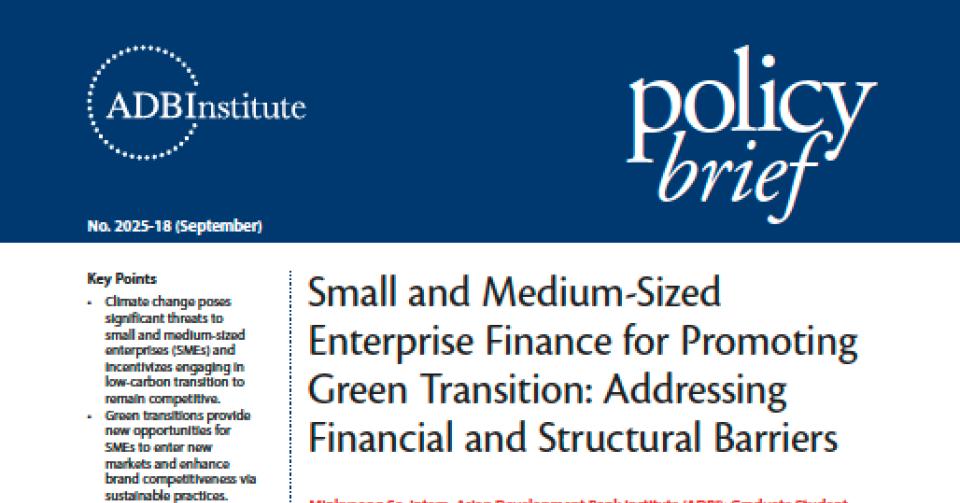
Climate change presents significant challenges and opportunities for small and medium-sized enterprises (SMEs), driving the need for low-carbon transitions to remain competitive. However, SMEs encounter barriers such as high upfront costs, limited financing options, and complex sustainability reporting. To support SMEs in adopting greener practices, governments can implement targeted financing mechanisms like concessional loans and credit guarantees, along with technical assistance to simplify sustainability reporting. Streamlined standards and user-friendly tools are essential for reducing administrative burdens and enhancing access to green finance.
Financial services
Small and Medium-Sized Enterprise Finance for Promoting Green Transition: Addressing Financial and Structural Barriers
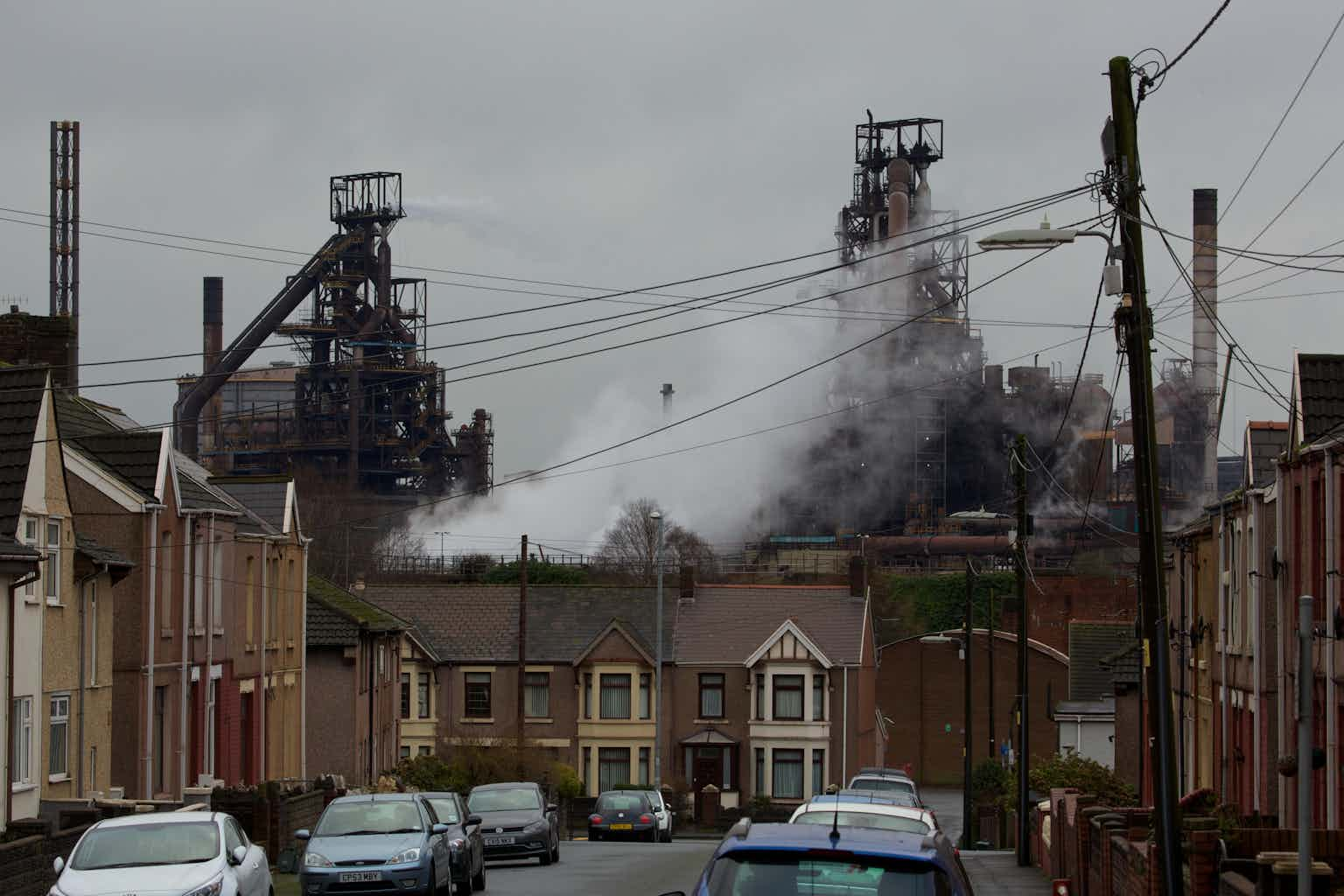
The closure of the Port Talbot steelworks, which ended over a century of steelmaking in the area, has led to significant job losses, with predictions of up to 12,300 total job cuts in the region. Tata Steel attributed the shutdown of its last coal-burning blast furnace to high energy prices and competition, despite the UK government pledging £500 million for a transition to lower-emission electric arc furnaces. Most new jobs in the net zero sector are emerging in different locations and industries, often with poorer working conditions. This has fueled public distrust in the government's net zero promises, as many perceive a lack of local job creation in industrial towns facing closures. As a result, political shifts are occurring, with parties like Reform gaining traction by opposing net zero initiatives.
Port Talbot, one year on: steelworks closure shows why public is losing trust in net zero

Labour faces a critical need for a total brand overhaul as calls for significant change intensify, particularly from Andy Burnham. Current leadership efforts by Keir Starmer have largely focused on superficial resets and reboots to restore credibility and clarify messaging, but these have failed to effectively communicate a clear ideological core or long-term vision. Voters remain unconvinced about Labour's identity and purpose. A comprehensive rebranding strategy is now essential to redefine the party's principles and ensure its relevance and durability in UK politics, drawing parallels with Labour's successful rebranding during the 1990s.
No more resets, reboots and reshuffles: brand experts on why Labour now needs a total overhaul
AI adoption has increased dramatically, yet trust in its responsible deployment is alarmingly low, with only 62% of business leaders expressing confidence. Addressing this trust deficit necessitates public-private partnerships (PPPs) that merge government authority, industry expertise, and civic oversight to implement measurable AI governance. Without these frameworks, the global economy risks losing an estimated $4.8 trillion by 2033 due to growing disparities in AI access. Trust gaps hinder innovation, causing significant opportunities to be missed. Effective PPPs can bridge this divide by ensuring transparency, accountability, and equitable access, ultimately fostering a more productive global environment.
Education
The $4.8 trillion AI trust crisis: Why public-private partnerships are key for equitable innovation
Blaise Agüera y Arcas's book, "What Is Intelligence?", explores the concept that prediction is fundamental to intelligence in both AI and biological systems. It discusses the "predictive brain" hypothesis, proposing that the brain evolved to anticipate future events. The book delves into the computational properties of living systems, the evolutionary origins of intelligence, and the implications for consciousness and ethics in machine intelligence. By integrating insights from various disciplines—including computer science, biology, and neuroscience—it argues that some modern AI systems may possess qualities akin to intelligence, consciousness, and free will.
What Is Intelligence? Lessons from AI About Evolution, Computing, and Minds
France is experiencing significant political upheaval marked by the fall of Prime Minister François Bayrou's government and ongoing protests. While institutions remain stable, the landscape suggests that meaningful reforms are unlikely in the near future, with a bleak outlook for governmental stability. The recent protests reveal both immediate and long-term challenges for labor unions, focusing on influencing the government's agenda and restoring credibility amidst a looming social crisis. Notably, France’s agricultural trade surplus has drastically declined, adding to the complexity of the situation.
France
[Decoding France] -
Generative AI tools like ChatGPT and Claude are increasingly integrated into education, significantly altering student and teacher interactions. 39% of student use involves creating educational content, while 34% requests technical assistance for assignments. This shift raises concerns about plagiarism, assessment methods, and job displacement but also transforms our understanding of knowledge production, challenging traditional educational models based on human-to-human learning. Generative AI can create authoritative text, complicating the distinction between original and assisted thought. As students engage with AI, there is a risk of diminishing independent critical analysis, necessitating a redefined approach to meaningful learning while ensuring that educational values prevail over commercial interests.
Education
How generative AI is really changing education by outsourcing the production of knowledge to big tech
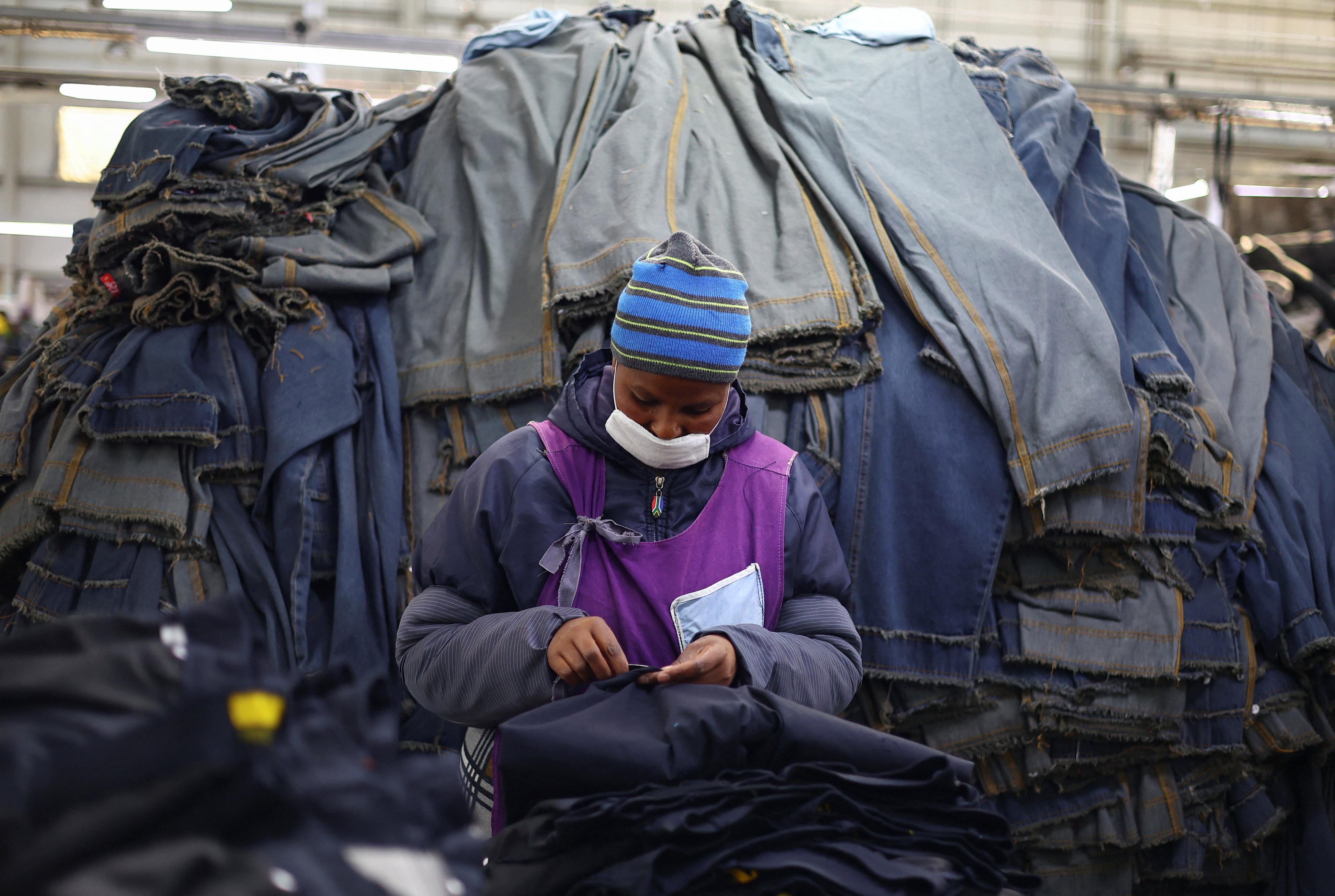
The World Bank's recent classification indicates a significant decrease in low-income economies; however, challenges remain for future growth. A survey of chief economists indicates a potential widening gap between developing and wealthier countries due to political instability and decreased global integration. Countries like Guyana transitioned to higher income levels primarily through resource discovery and globalization. In contrast, Lesotho faces economic difficulties following a US tariff increase, negatively impacting its textile exports and foreign aid, leading to a national disaster declaration. These situations underscore that moving up the income ladder does not guarantee sustained prosperity.
Algeria, Angola, Argentina, Armenia, Austria, Bahrain, Bangladesh, Barbados, Belarus, Belgium, Benin, Bolivia, Bosnia and Herzegovina, Botswana, Brazil, Bulgaria, Burkina Faso, Burundi, Cambodia, Cameroon, Canada, Chad, Chile, Colombia, Costa Rica, Democratic Republic of the Congo, Denmark, Dominican Republic, Ecuador, Egypt, El Salvador, Estonia, Eswatini, Ethiopia, Gabon, Georgia, Germany, Ghana, Greece, Guatemala, Guinea, Haiti, Honduras, Hungary, Iceland, India, Indonesia, Ireland, Israel, Jamaica, Jordan, Kazakhstan, Kenya, Kyrgyz Republic, Latvia, Lebanon, Lesotho, Liberia, Lithuania, Luxembourg, Madagascar, Malawi, Malaysia, Mali, Malta, Mauritania, Mauritius, Moldova, Mongolia, Morocco, Mozambique, Namibia, Nepal, Netherlands, New Zealand, Nicaragua, Oman, Pakistan, Panama, Paraguay, Peru, Philippines, Poland, Portugal, Qatar, Republic of Korea, Romania, Russian Federation, Rwanda, Saudi Arabia, Senegal, Seychelles, Singapore, Slovakia, Slovenia, South Africa, Sri Lanka, Sweden, Switzerland, Taiwan, China, Tajikistan, Tanzania, Thailand, Trinidad and Tobago, Tunisia, Uganda, Ukraine, United Arab Emirates, United Kingdom, Venezuela, Viet Nam, Yemen, Zambia, Zimbabwe | Financial services
The good news is the World Bank's list of the poorest countries thinned... but what now?

Human-centred AI emphasizes the importance of inclusivity, ethics, and transparency in AI development, addressing disparities in access and demographic biases. Global frameworks and reports highlight the need for responsible AI that promotes human flourishing and environmental stewardship. Key questions arise concerning who is considered "human" in AI contexts, representation in tech, and the necessary protections for diverse demographics. Faith traditions and spirituality offer valuable insights into ethical living and human flourishing, highlighting the role of cultural context in shaping AI practices. This collaborative approach seeks to minimize unintended societal and environmental impacts of AI technologies.
Education
Who is the human in human-centred AI?