
Cardiologists spend up to seven hours weekly on administrative tasks, with AI and digital tools having the potential to save five hours of this time, enabling thousands of additional patient visits in the US. A survey of 300 cardiologists revealed that while there is recognition of the value of digital tools, many are frustrated by existing solutions that lack integration and ease of use. As cardiovascular disease prevalence is expected to rise significantly, effective and seamless digital interventions are crucial. Collaborative efforts among industry players aim to establish integrated digital solutions that enhance patient care and streamline workflows.
ICT, Health
Cardiology’s digital future is within reach: here is how to close the gaps

Embodied AI is advancing the field of Advanced Air Mobility (AAM), enabling autonomous capabilities in aerial environments that enhance safety and operational efficiency. This technology improves diverse industries, including travel and logistics, by allowing robots to interpret sensor data and execute decisions swiftly. Successful implementation of AAM relies on continued technological developments and responsible deployment, addressing challenges like regulatory frameworks and public trust. Forecasts suggest AAM could generate over $80 billion in value by 2034, contingent on overcoming issues related to certification and public perception.
Embodied AI could help robots take flight, benefitting travel, logistics and many other industries
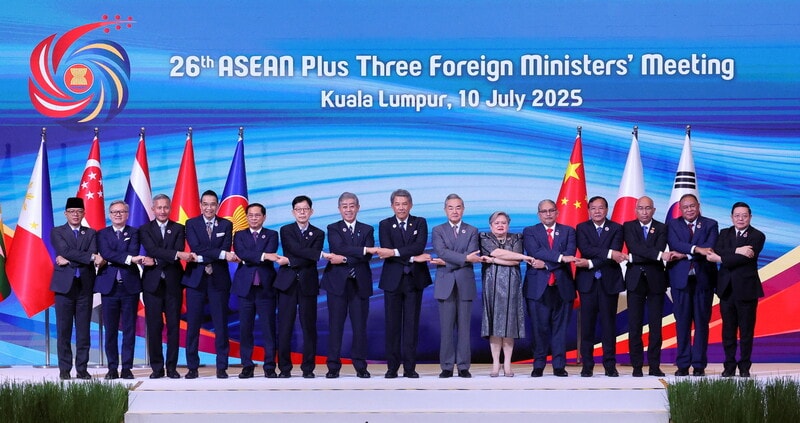
ASEAN faces critical challenges due to fragmented responses to recent US tariffs, revealing the necessity for greater solidarity and economic integration. The ongoing initiatives, such as Malaysia's Regional Payment Connectivity, aim to enhance regional cooperation and reduce reliance on the US dollar through cross-border payment systems. The current geopolitical landscape presents both a test of unity and an opportunity for ASEAN to accelerate economic integration, positioning itself strategically amidst rising multipolarity. The emphasis is on practical solutions, with a focus on enhancing economic frameworks over political consensus to foster resilience and collective bargaining power.
Bangladesh, Indonesia, Malaysia, Philippines, Taiwan, China, Thailand, Viet Nam | Financial services
From tariffs to transformation: Why this is the moment for ASEAN to forge strategic autonomy
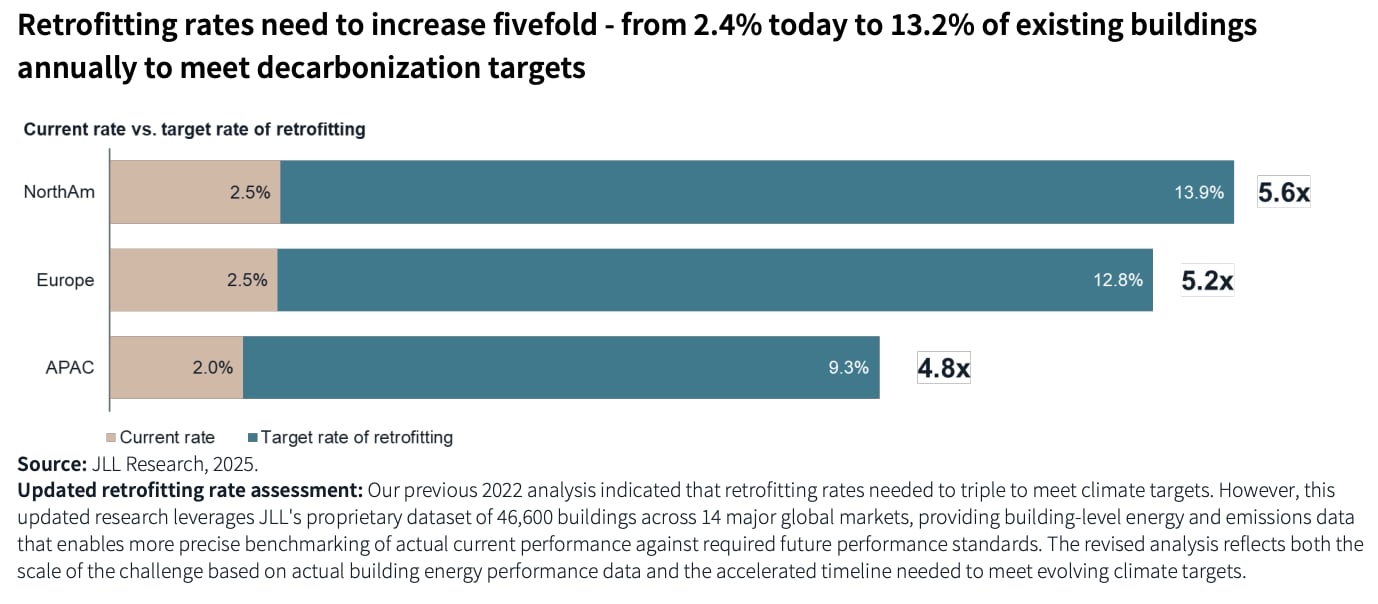
Sustainability has become essential in real estate, with a growing demand for energy-efficient buildings that meet operational performance, employee experience, and technological standards. As market conditions tighten, there's significant value-add potential in retrofitting outdated properties, driven by tenant demand for low-carbon spaces, rising energy costs, stringent regulations, and increased investment momentum. Around 70% of potentially obsolete real estate is located in markets with high sustainability scores, highlighting the need for enhanced retrofitting efforts to achieve decarbonization goals. Tailored strategies are necessary to address sector-specific dynamics for long-term financial benefits.
Financial services, Education
Why real estate's next major value-add opportunity is sustainability

Citizen assemblies are vital institutions for enhancing democratic engagement and civic voice. They involve randomly selected, demographically representative residents who deliberate with experts to produce policy recommendations, fostering a more constructive public discourse. These assemblies serve as a counter to adversarial debates, especially in a volatile political climate where violence threatens free speech. Proven effective in addressing issues such as climate policy and local land use, citizen assemblies empower marginalized communities by providing them with direct access to the democratic process and the opportunity to influence public policy.
The Practice of Democracy Through Citizen Assemblies
The rise of advanced AI agents is poised to generate significant political, economic, and social impacts, with forecasts estimating a potential global economic benefit of $2.6 trillion to $4.4 trillion annually from generative AI. While these agents offer opportunities for innovation and scientific progress, they also pose risks related to accountability and responsibility when mistakes occur. A notable case involved an AI chatbot from Air Canada that inadvertently locked the airline into a legal dispute over a fare promise. There is an urgent need for comprehensive rules concerning the responsibilities tied to AI agents to ensure beneficial human-agent interactions.
We need a new ethics for a world of AI agents
Spatial data, a digital footprint that identifies geographic locations, is essential in various critical applications, including logistics, urban planning, climate monitoring, and national security. It reveals not only location but also insights into timing, methods, stakeholders, and underlying patterns. Given its importance, understanding the cybersecurity risks associated with spatial data and strategies for mitigation is vital for safeguarding this valuable information.
ICT
Spatial data: What is it and why is cybersecurity so vital to it?
Measles cases are alarmingly high worldwide, with over 127,000 cases reported in Europe last year, marking a 20% increase globally and a resurgence in previously measles-free regions like the US and the UK. Contributing factors include misinformation about vaccine safety leading to a significant drop in vaccination rates, now below the WHO recommended 95%. Young children and vulnerable populations face the highest risk of severe complications. Urgent action is needed to address the declining immunization rates and prevent further outbreaks. In 2023, over 100,000 measles-related deaths were recorded, highlighting the urgency of the situation.
Africa | Education, Health
Measles cases are still high – are we at a tipping point?

A new UN treaty, known as the high seas treaty or BBNJ Agreement, aims to protect two-thirds of the world's oceans by creating marine protected areas and regulating environmental impacts, set to take effect in January 2026. While encouraging biodiversity conservation, the treaty could lead to conflicts over resource control, particularly with deep-sea mining interests. Countries that do not ratify the treaty, like China and the US, will be exempt from its rules but lose influence in ocean governance. The treaty also outlines equitable sharing of genetic resources, yet fishing activities remain unaffected. Future discussions will clarify implementation details amid competing interests.
Antarctica
A landmark treaty could protect the high seas – and spark new conflicts
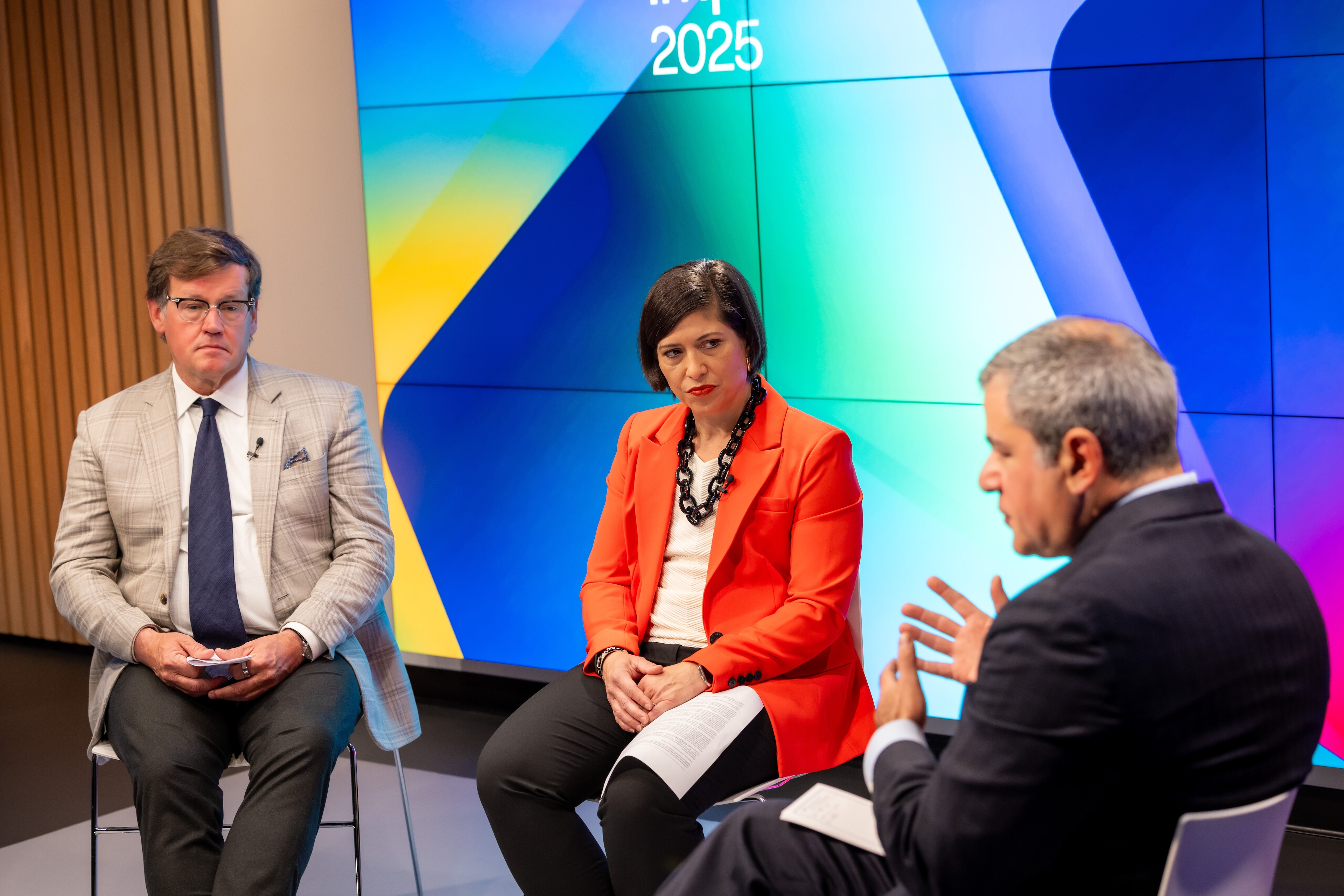
Global energy transition demonstrates resilience amid geopolitical and policy challenges, as discussed at the World Economic Forum's Sustainable Development Impact Meetings 2025. Experts indicate that clean energy deployment will continue its global rise, driven by energy security and affordability considerations. A JPMorganChase report highlights the strategic importance of navigating energy resilience through critical resources and alliances. Additionally, researchers in China have developed a coating that can turn windows into efficient solar panels. Leaders from various regions are advocating for significant funding to support developing countries in the green energy transition.
Egypt, India, Nigeria, United Kingdom | Financial services, Health
Global energy transition shows resilience despite headwinds, and more top energy stories

AI is revolutionizing sustainability reporting by automating data collection, validating disclosures, and enhancing supply chain visibility, which helps organizations meet complex regulatory demands. While AI improves accuracy and streamlines compliance, it's crucial to pair AI's capabilities with human judgment, ensuring transparency and trust. It enables real-time tracking of emissions and supply chain metrics, facilitating tailored reporting and compliance across jurisdictions. Furthermore, AI supports climate risk management through predictive tools. However, reliance on AI poses risks of errors without adequate oversight, emphasizing the need for caution in its application.
How AI can transform sustainability reporting

Arts and culture are vital for global progress, fostering empathy and driving action toward Sustainable Development Goals. The Cultural Table initiative bridges business, policy, and culture, promoting collaboration among diverse leaders to tackle pressing global issues. It emphasizes empathy, creativity, and collaboration as essential principles for innovation. Events, held in various cities, feature discussions with cultural leaders, highlighting art's role in shaping policy and community impact. The initiative strives to make art instrumental in addressing challenges, encouraging dialogue and partnerships that can lead to meaningful change and revolution in society.
The Cultural Table: How arts and culture can drive global change and collaboration
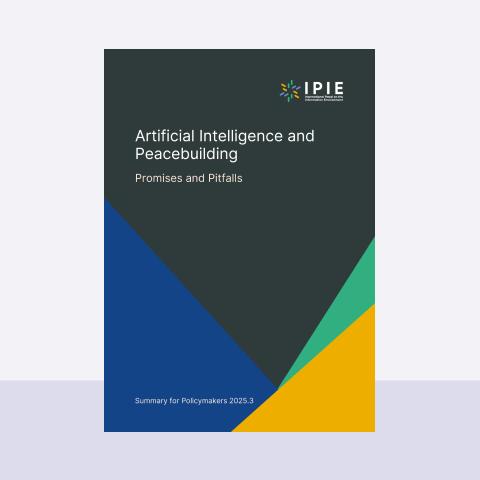
Artificial intelligence (AI) is increasingly integrated into peacebuilding efforts, helping to monitor conflict risks, enhance humanitarian coordination, and foster inclusive dialogues. However, it also poses risks such as repression and misinformation. A comprehensive review of over 600 sources highlights AI's potential for early warning systems, crisis mapping, and promoting civic engagement. For effective use, governance must prioritize human rights, fund evidence-based initiatives, support local language models, ensure accountability for dual-use technologies, and foster partnerships across relevant sectors. Responsible implementation is crucial to mitigate risks and maximize AI's benefits in conflict settings.
Artificial Intelligence for Peacebuilding: Promises and Pitfalls
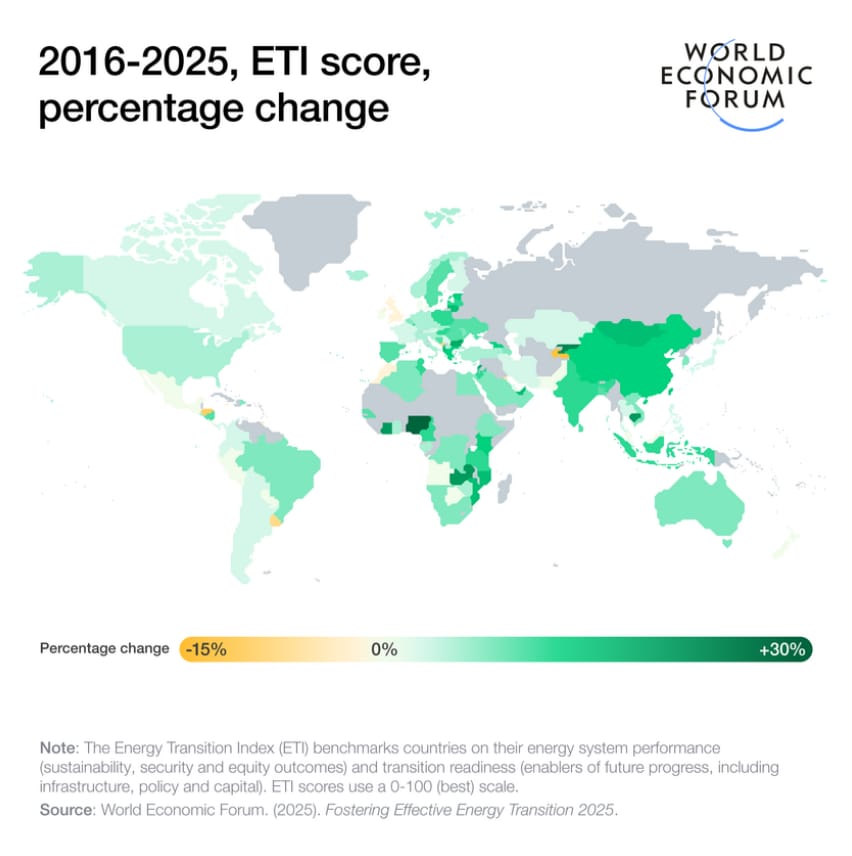
The energy transition is currently hindered by geopolitical tensions, increasing demand, and nations prioritizing energy security over sustainability. Despite a 1.1% rise in the World Economic Forum's Energy Transition Index 2025, challenges including policy fragmentation and market dynamics persist. Experts at the Sustainable Development Impact Meetings 2025 highlighted that while energy security drives urgency, global innovation in renewable technologies continues, particularly in Europe and China. Countries like India are reinforcing domestic energy strategies to reduce dependency on imports, emphasizing that energy transitions will eventually align with climate, affordability, and security goals.
Algeria, Angola, Argentina, Bolivia, Chad, Colombia, Egypt, El Salvador, Estonia, Eswatini, Ethiopia, Georgia, Germany, Ghana, Guatemala, Guinea, Haiti, Hungary, India, Indonesia, Jamaica, Japan, Jordan, Kenya, Kuwait, Luxembourg, Mongolia, Namibia, Nigeria, Pakistan, Paraguay, Peru, Philippines, Poland, Qatar, Russian Federation, Rwanda, Saudi Arabia, Senegal, Serbia, Seychelles, Singapore, South Africa, Sweden, Switzerland, Taiwan, China, Tanzania, Thailand, Trinidad and Tobago, Tunisia, Uganda, Ukraine, United Arab Emirates, United Kingdom, Venezuela, Viet Nam, Zimbabwe | Financial services, ICT, Education, Health
A new age of energy security: navigating the energy transition amid geopolitical shifts
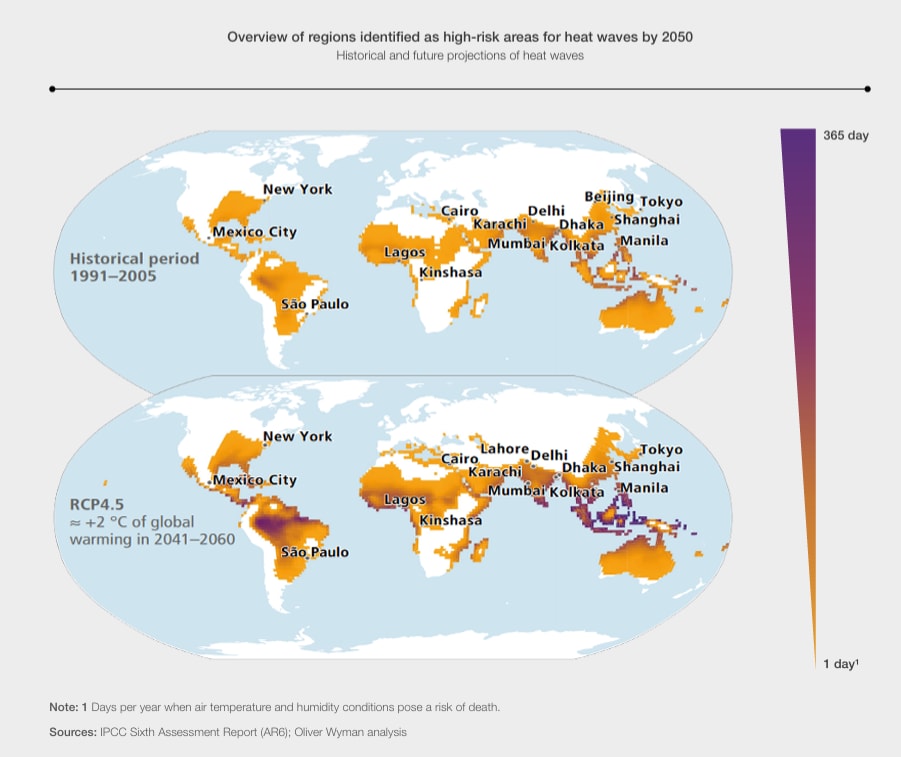
The WHO emphasizes the need for climate-resilient urban planning to address health emergencies intensified by climate change. The organization advocates for the PRET initiative, which promotes early threat detection and scalable healthcare. In India, Delhi has approved its first major drainage system upgrade in 50 years, aiming to mitigate flooding risks tied to climate impacts. Other urban news includes an accommodation crisis for COP30 in Brazil, the U.S. accelerating energy infrastructure due to rising demands, initiatives in London for cleaner rivers, and Malaysia's push towards smart "AI Cities."
Africa | Financial services, Health
WHO pushes for climate-resilient cities – and other urban transformation stories to read this month
Fyodor Lukyanov critiques Trumpism, highlighting its impact on the shifting global order. He asserts that the liberal international order has ended, and Trump's approach has evolved from being perceived as an aberration to a central theme in global politics. Trump's worldview emphasizes transactional relations between states, disregarding institutions, with a focus on maximizing American interests. He believes the U.S. should exploit its strengths without engaging in long conflicts, favoring a mercantilist perspective on international relations and recognizing spheres of influence primarily around the U.S.
Russian Federation, Ukraine
[Trump’s World] - Russia:
Scope 3 downstream emissions represent a significant challenge for corporations, often constituting the largest portion of their carbon footprints. Companies like Schneider Electric, Vestas, DHL, and Banco Bilbao Vizcaya Argentaria have developed innovative solutions that address these emissions by focusing on sustainable design, collaboration, smart logistics, and financing. Schneider Electric’s AirSeT technology eliminates harmful SF6 emissions, while Vestas utilizes low-emission steel in wind turbines, significantly cutting lifecycle emissions. DHL’s GoGreen Plus integrates sustainability into logistics, achieving considerable CO2e reductions. These initiatives demonstrate the potential for systemic change through scalable, collaborative approaches that enhance climate resilience and business value.
Financial services
4 winning solutions that address downstream Scope 3 emissions
India is emerging as a significant player in the global LNG market, securing long-term contracts with Qatar and flexible access to U.S. supplies, which helps manage costs and price fluctuations. A major deal with Qatar Energy will provide India with 10.35 bcm of LNG annually from 2028 to 2048, securing 35% of its LNG needs and achieving substantial cost savings. With increasing demand projected to reach 64 bcm annually by 2030, India’s strategic diversification of suppliers and infrastructure investment, supported by state-owned companies, is crucial for energy security and shapes competition in the EU gas market.
Ghana, India, Mauritius
From Spot to Security: India’s LNG Strategy and EU Energy Security
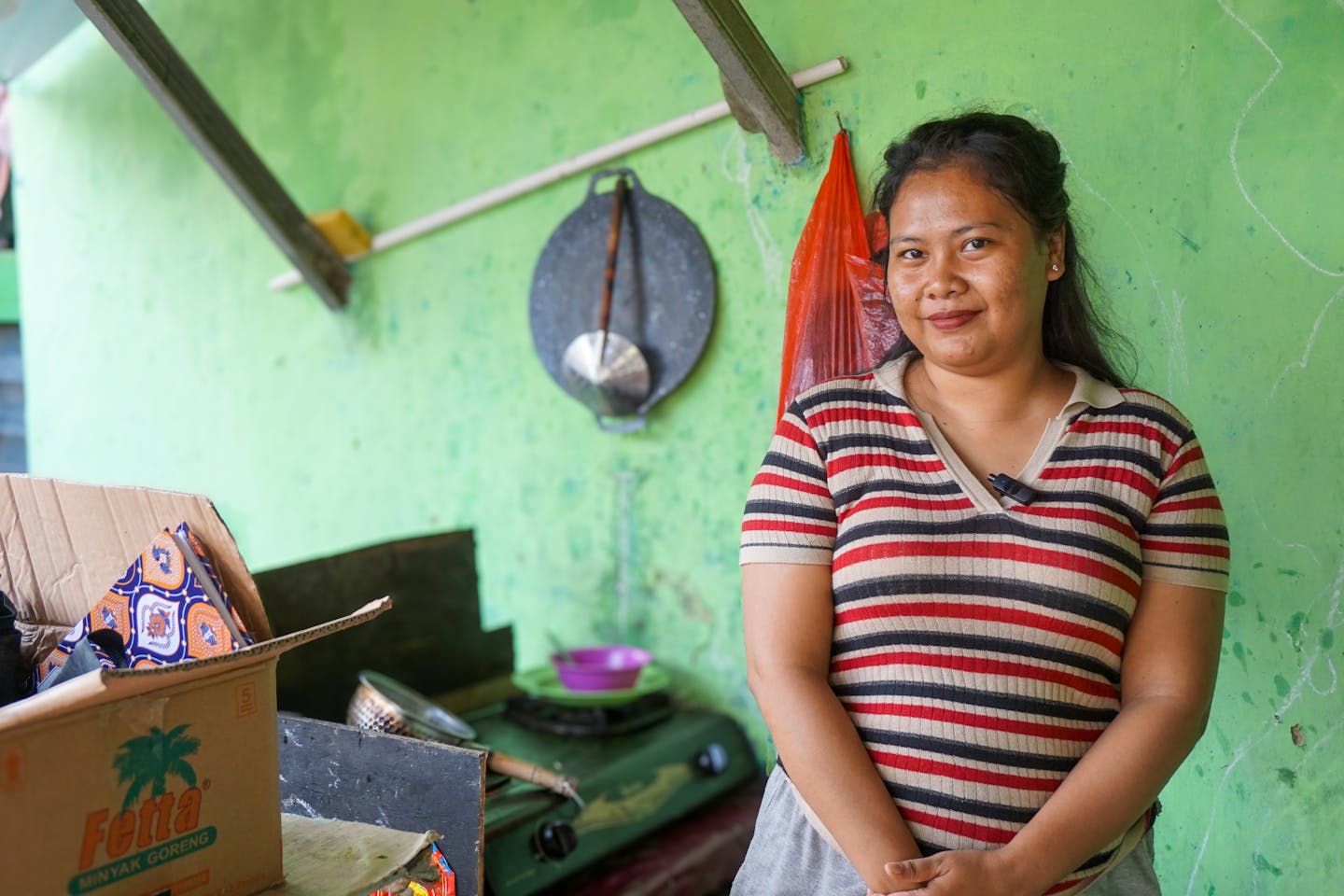
Indonesia's women entrepreneurs significantly contribute over 60% to the national GDP, yet face systemic barriers limiting their access to capital and markets. Despite their success in sectors like food and textiles, only 19% have received bank loans. The government has implemented gender-focused lending and “orange bonds” to enhance financial access for women-led MSMEs. The Impact Investment Exchange (IIX) partners with local institutions to issue these bonds, aiming to support 250,000 women entrepreneurs through a substantial bond initiative. The Global South's leadership in gender-responsive financing is deemed crucial amid global DEI challenges.
Indonesia | Financial services
Could a Global South movement boost gender-responsive investments amid DEI retreat?

Carl Benedikt Frey, Dieter Schwarz Associate Professor at the University of Oxford and author of the book "How Progress Ends: Technology, Innovation and The Fate Of Nations," examines the relationship between technological change and institutional adaptation. He argues that sustained growth is contingent on the flexibility of institutions to evolve with technological advancement, as evidenced by the Soviet Union's historical shift from growth to stagnation. Effective institutions for resource mobilization can hinder innovation if they become outdated, highlighting the need for decentralization, competition, and adaptability to foster ongoing progress in technology.
Germany, Japan, United Arab Emirates | Financial services, ICT, Education
Interview Of The Week: Carl Benedikt Frey