
The United States' retreat from multilateralism, highlighted by President Trump's speech to the UN General Assembly and the dismantling of USAID, threatens the foundations of the UN and undermines the viability of the Sustainable Development Goals (SDGs). Urgent calls for increased funding and innovative solutions are necessary to confront systemic barriers and address rising geopolitical tensions and populist sentiments in wealthy nations.
Health
Answering Trump’s United Nations Challenge

Southeast Asian energy ministers will sign an enhanced memorandum of understanding to improve the Asean Power Grid from October 14-17 in Kuala Lumpur. Key priorities include establishing common technical standards, transparent tariff rules, and a dispute resolution mechanism to enhance interoperability among member states' electricity grids. The initiative aims to address significant regulatory uncertainties that hinder cross-border energy trade and attract investment. A collaborative regulatory framework, supported by multilateral development and energy agencies, is essential for sustaining progress in regional power grid integration and ensuring investor confidence.
Malaysia | Financial services
Asean to prioritise common grid codes, transparent tariffs and dispute resolution mechanism for regional power grid
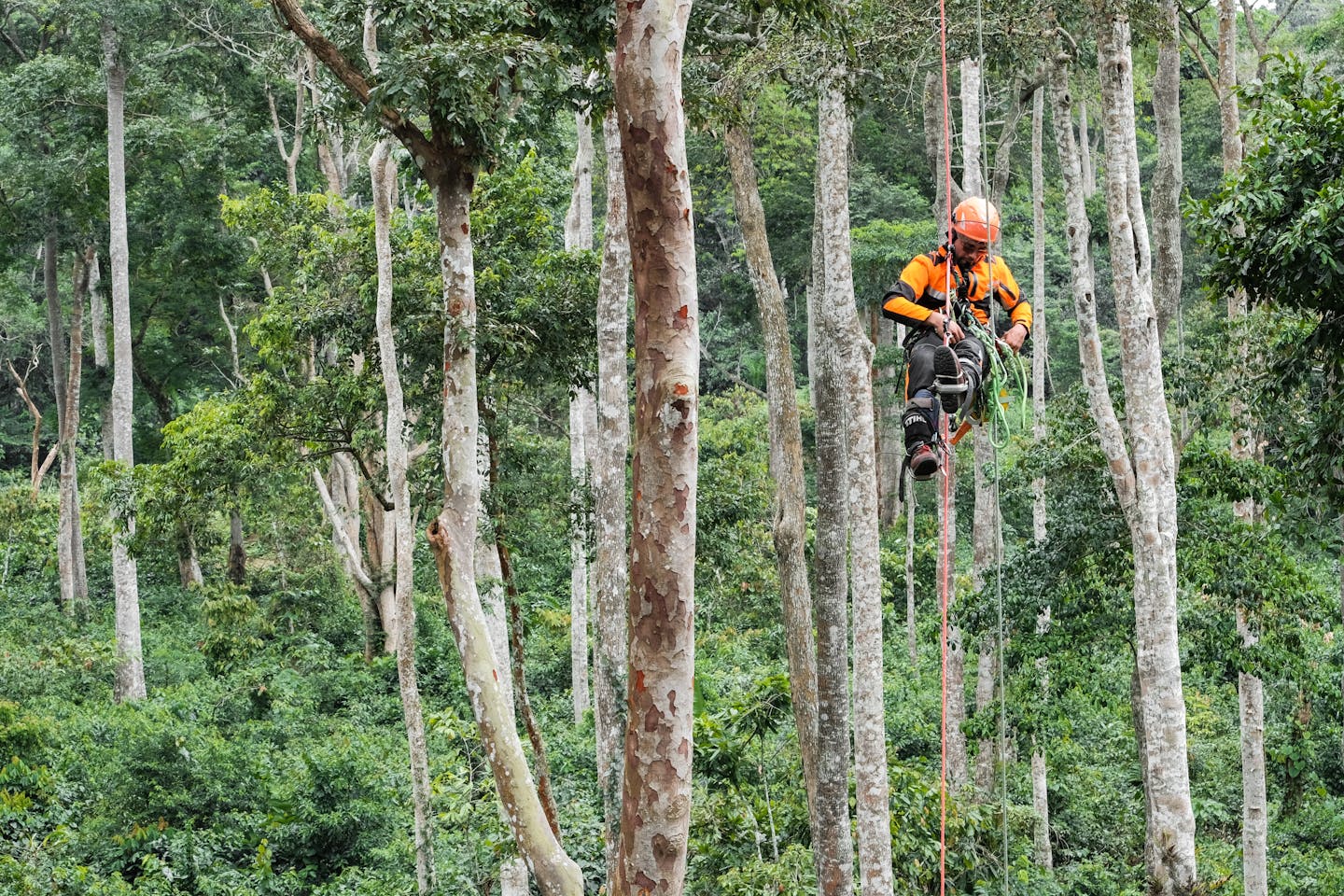
A coalition of 34 governments has introduced the Forest Finance Roadmap for Action to address a US$66.8 billion annual investment shortfall necessary to halt tropical forest loss by 2030, as highlighted by UNEP. The roadmap outlines six key funding strategies, including mobilizing private investments and aligning corporate agricultural spending, aiming to inform discussions at COP30. The largest potential funding sources include US$15 billion from the forest bioeconomy, US$10 billion from corporate investments, and various fiscal policy adjustments. Innovative financing mechanisms may also contribute an estimated US$7.6 billion.
New multilateral roadmap aims to close US$67 billion gap in tropical forest financing
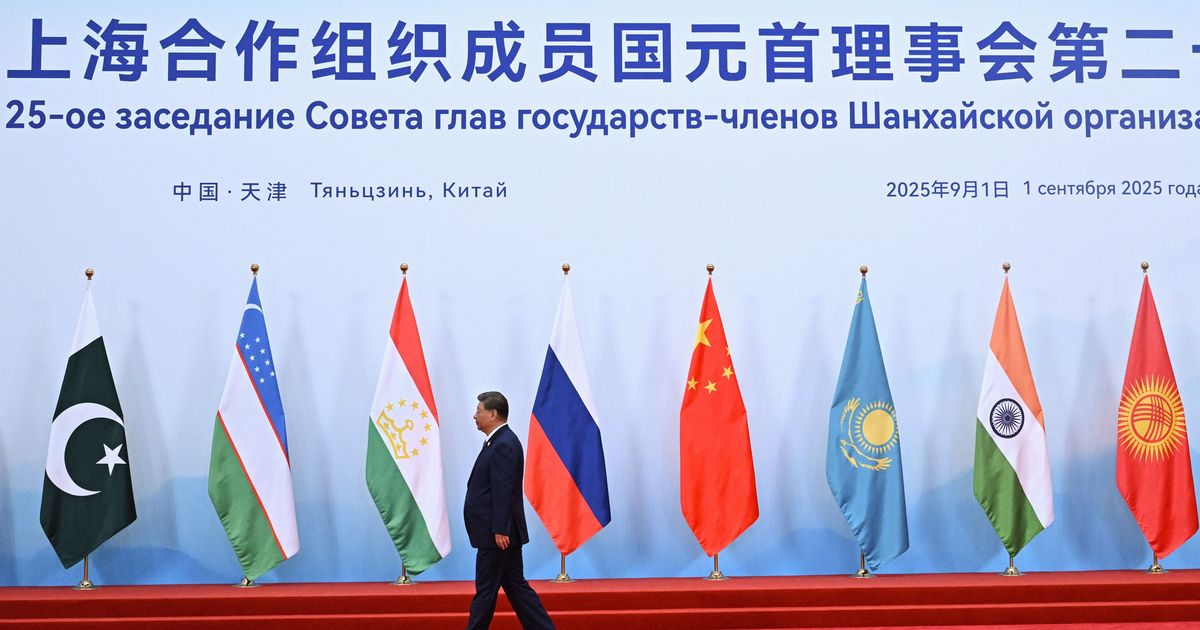
The Shanghai Cooperation Organization (SCO) summit in Tianjin gathered over 20 heads of state, marking a significant moment for China's Global Governance Initiative (GGI), presented by Xi Jinping. The GGI is built on four pillars: development, security, civilization, and governance, aiming to forge a "community with a shared future for mankind." The initiative emphasizes sovereign equality, respect for international law, multilateral cooperation, and a "people-centered" approach to global issues. By promoting these concepts, China seeks to reshape the international order and position itself as a leader among both major and smaller nations, challenging Western-dominated frameworks.
Germany, Russian Federation, Singapore, Taiwan, China | Financial services
China’s Claim to a New World Order
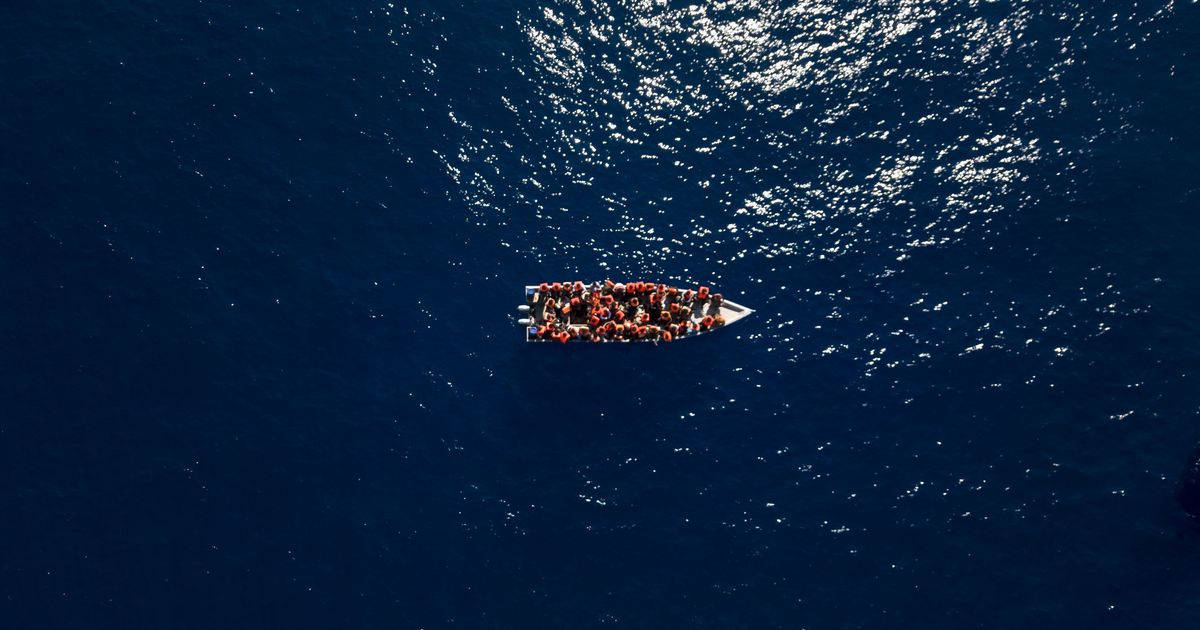
European efforts to curtail irregular migration through Libya, involving the European Commission, Italy, and Greece, have largely failed, particularly in improving detention conditions for migrants. A backlash from the Libyan public against perceived EU plans for migrant resettlement has emerged. The EU's strategy has shifted to hard measures, including partnerships with Libyan security forces, which are linked to arbitrary detention practices that serve criminal interests. Recent diplomatic attempts, such as support for Khalifa Haftar's forces, demonstrate the EU's increasing dependence on problematic partners, complicating its migration policy.
Africa, Latin America
The Political Fallout of European Migration Policy in Libya

The introduction of AI technologies results in uneven benefits for stakeholders, with managers and firms often gaining more than employees. A systematic review of 191 academic articles reveals that while AI can enhance job performance and help businesses recover from recessions, it can also negatively impact workers' mental health and impede product innovation. Stakeholders' perceptions of AI are influenced by their value systems, affecting trust and acceptance. Furthermore, having access to AI technology does not guarantee its usage; individuals may choose to engage with or reject technological innovations based on personal preferences.
AI’s winners and losers in the workplace – a stakeholder analysis
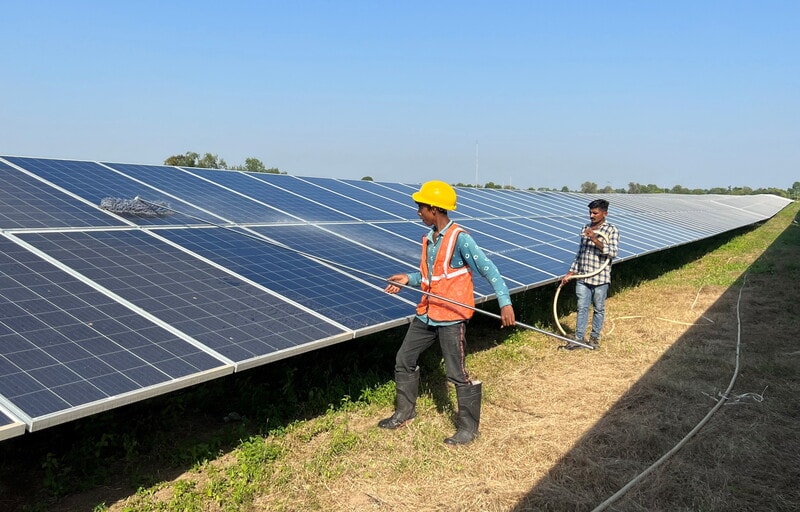
India has announced its bid to host COP 33 in 2028, supported by BRICS nations, emphasizing the Global South's role in shaping climate policy. India's leadership reflects its stance on climate justice and its experience with balancing economic growth and clean energy expansion, achieving significant renewable capacity and near-universal electricity access. Hosting COP 33 would position India as a bridge between developed and developing nations, promoting equitable climate action and showcasing successful initiatives like the PM Surya Ghar Muft Bijli Yojana. This move aims to foster international cooperation and trust amid global climate challenges.
Why India’s bid for COP 33 is particularly poignant for the Global South
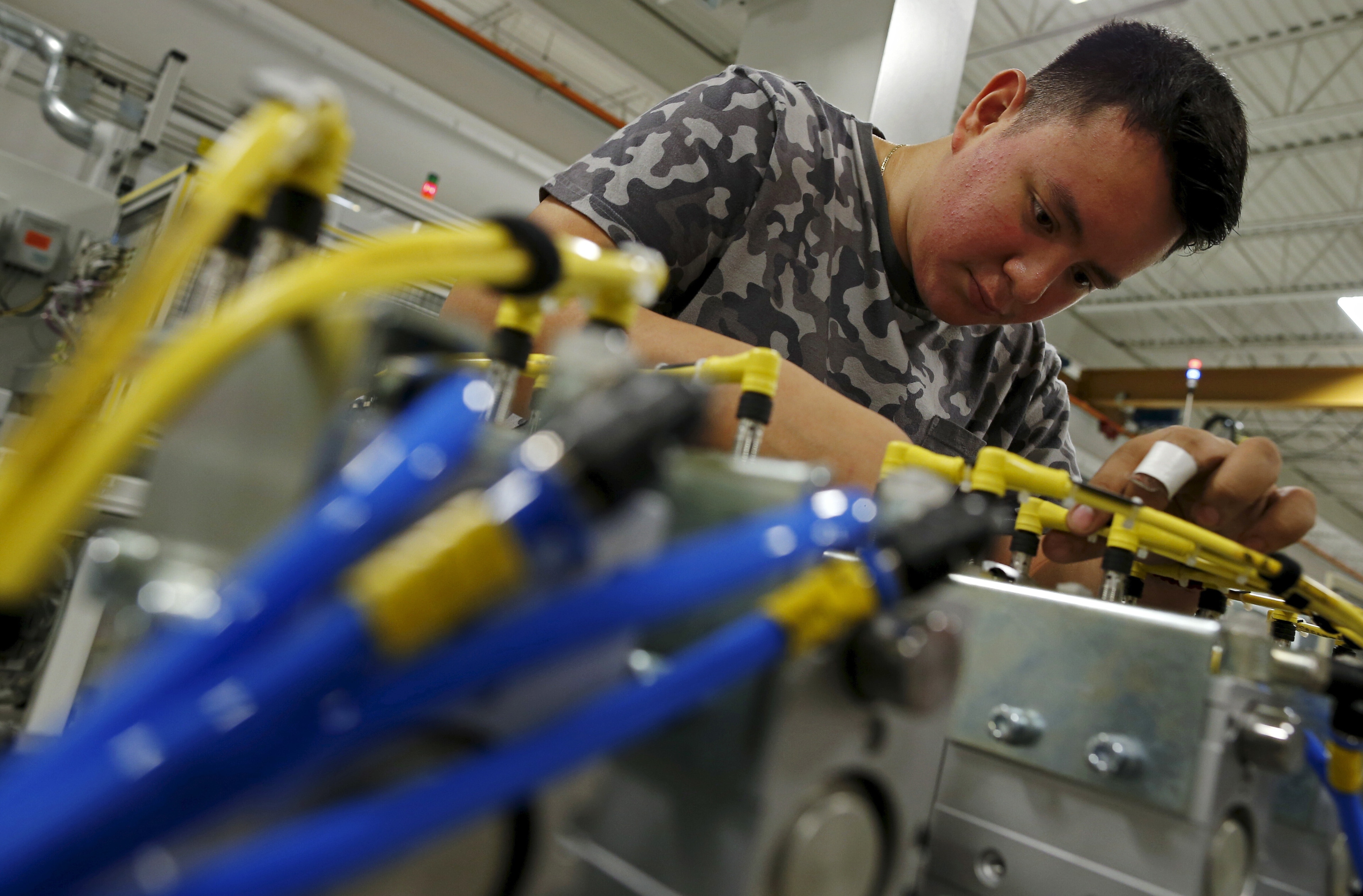
Generation Z possesses the digital skills and collaborative mindset that align well with modern smart manufacturing. Equitable workforce strategies are crucial to attract this generation, addressing skills gaps and ensuring productivity. Hands-on training, clear career pathways, and engagement through apprenticeships enhance skill application in industrial settings. With a significant percentage of Gen Z experiencing workplace stress and job insecurity, manufacturing can provide structured advancement and job satisfaction. Successful initiatives, such as dual-track apprenticeships and virtual skill assessments, demonstrate the potential for inclusive growth, while coordinated policy actions are essential for maintaining industrial competitiveness.
Education
Born digital, built industrial: Why Gen Z is the perfect fit for smart manufacturing

The European Union has introduced an anti-coercion instrument in response to threats from the U.S., particularly from Donald Trump regarding substantial tariffs on countries with tech regulations. This instrument targets economic coercion that seeks to interfere with EU sovereignty. Despite criticism of its complex digital regulations, the EU must resist U.S. pressure to change its rules, as yielding would undermine its credibility. Trump's assertions against EU digital taxes may qualify as coercive threats, and failing to investigate these could suggest that external entities can manipulate EU affairs. Europe must maintain its regulatory stance to ensure sovereignty and competitiveness.
Why the EU has no choice but to respond to Donald Trump’s bullying on tech regulation with a coercion investigation
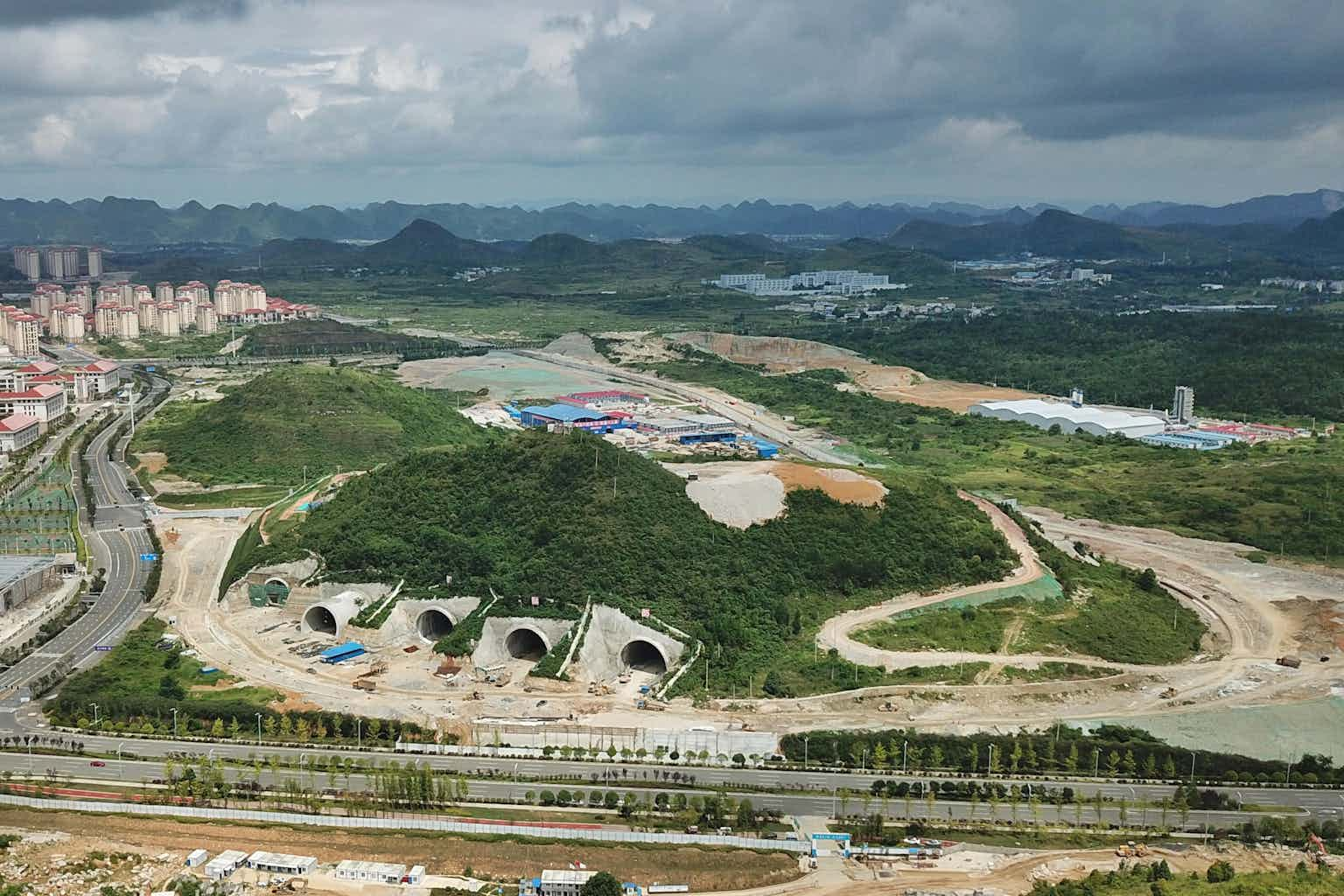
Underground facilities, originally designed for military purposes, are being repurposed as high-tech data storage centers due to rising concerns about data protection. Notable examples include the Cyberfort bunker in England, repurposed from a nuclear command center, and various sites worldwide, such as abandoned mines and military bases in Sweden, Switzerland, and the U.S. These facilities reflect modern anxieties about data loss, depicting how digital information has become a valuable asset, often described as the "new gold" in today's technology-driven society.
Financial services
Underground data fortresses: the nuclear bunkers, mines and mountains being transformed to protect our ‘new gold’ from attack

Singapore is advancing patient care through a responsible AI strategy that emphasizes collaboration, ethics, and real-world testing. Regulatory sandboxes allow developers and regulators to trial AI technologies safely, ensuring they work effectively before deployment. Initiatives like Project ENTenna at Ng Teng Fong General Hospital utilize AI for personalized treatment, improving patient outcomes and resource allocation. The National Precision Medicine initiative aims to gather comprehensive datasets from a diverse population to ensure fairness in AI applications. Overall, Singapore's coordinated efforts aim to make AI in healthcare innovative, trustworthy, and focused on improving patient care.
5 ways Singapore is building trust in AI for better patient care
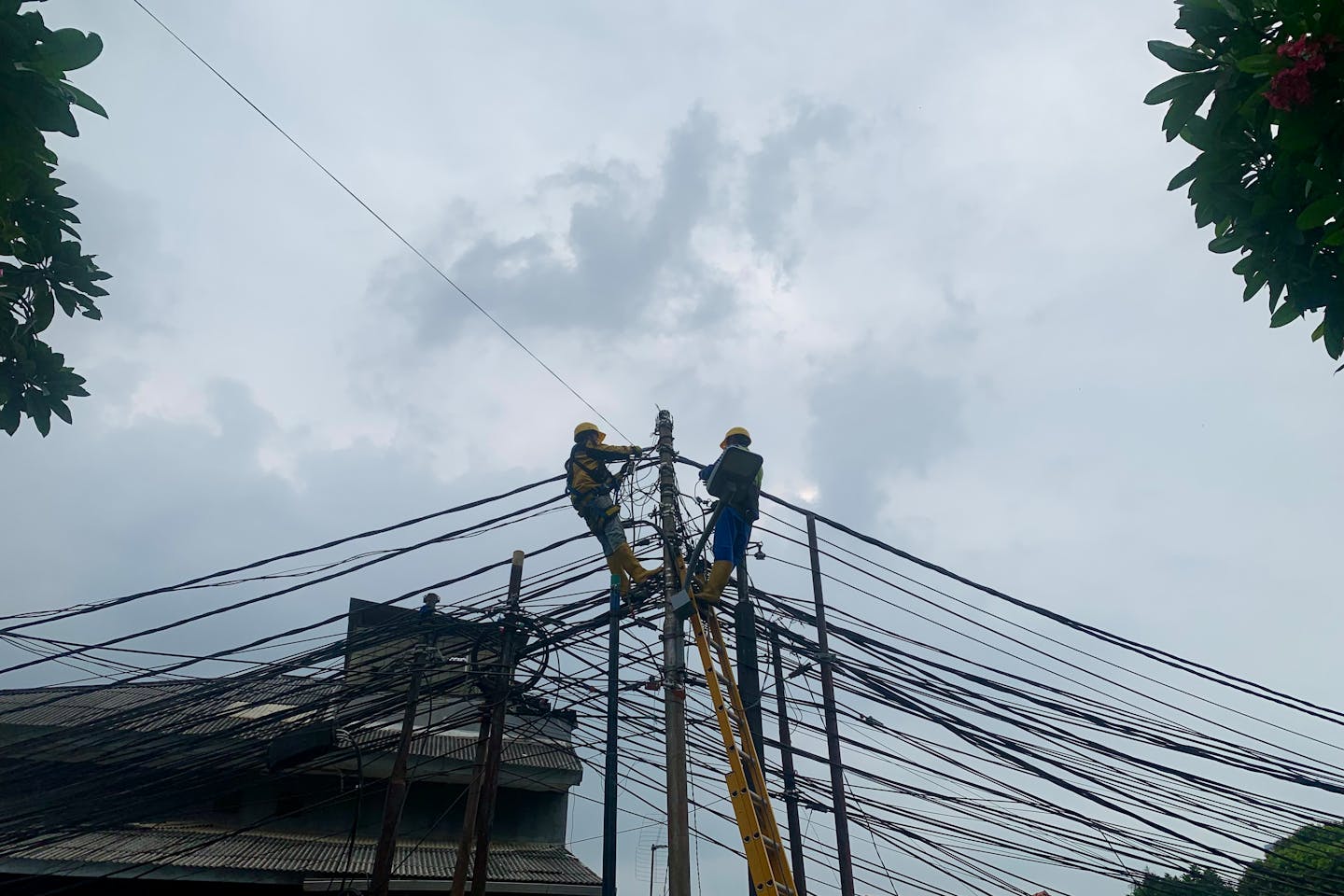
Southeast Asia's clean energy transition is facing significant challenges due to geopolitical instability, financial constraints, and outdated infrastructure, according to a survey by the Sustainable Energy Association of Singapore. While Singapore remains a key player, its perceived leadership has declined sharply from 95% to 51.4%. Malaysia and Vietnam are emerging as competitors. Key obstacles identified include grid fragmentation, regulatory uncertainty, and financing issues, with over half of respondents citing regional conflicts as a major threat. The survey underscores the urgent need for stronger cross-border coordination and resilient infrastructure to support the transition towards net-zero ambitions.
Brunei Darussalam, Cambodia, Denmark, Egypt, Estonia, Ghana, Hungary, Indonesia, Kuwait, Malaysia, Philippines, Qatar, Republic of Korea, Senegal, Serbia, Seychelles, Singapore, Sweden, Taiwan, China, Thailand, Viet Nam | Financial services
Southeast Asia's clean energy transition marred by geopolitical and financial risk, survey shows

A decade after the adoption of the Sustainable Development Goals (SDGs), global political fragmentation poses challenges to improving lives and protecting the planet. Nonetheless, progress in green growth is being driven by businesses, innovations, and regional alliances. Advances in technology, such as AI for efficiency and new financial tools like blue bonds, are facilitating the green transition. Commitment to decarbonization has significantly improved climate forecasts, and notable agreements, like those reached at COP29, have bolstered financing for developing countries. Businesses are increasingly prioritizing sustainability in response to evolving regulations and market demands.
Nigeria | Health
A decade since the SDGs, a green growth agenda is growing
A cyber-attack on a major airline technology provider caused significant disruptions across European airports, forcing a return to manual check-in systems and highlighting vulnerabilities in highly digitized processes. The incident underscores the urgent need for enhanced cyber resilience in critical infrastructure, particularly in aviation, which is susceptible to cascading failures due to its complex interdependencies. Key principles for building resilience include understanding systemic failures, increasing executive awareness of security risks from third-party suppliers, and ensuring continuous monitoring and transparency in cybersecurity practices.
Seychelles | Education, Health, Financial services, ICT
Grounded. Why the European airports cyber incident is a wake-up call
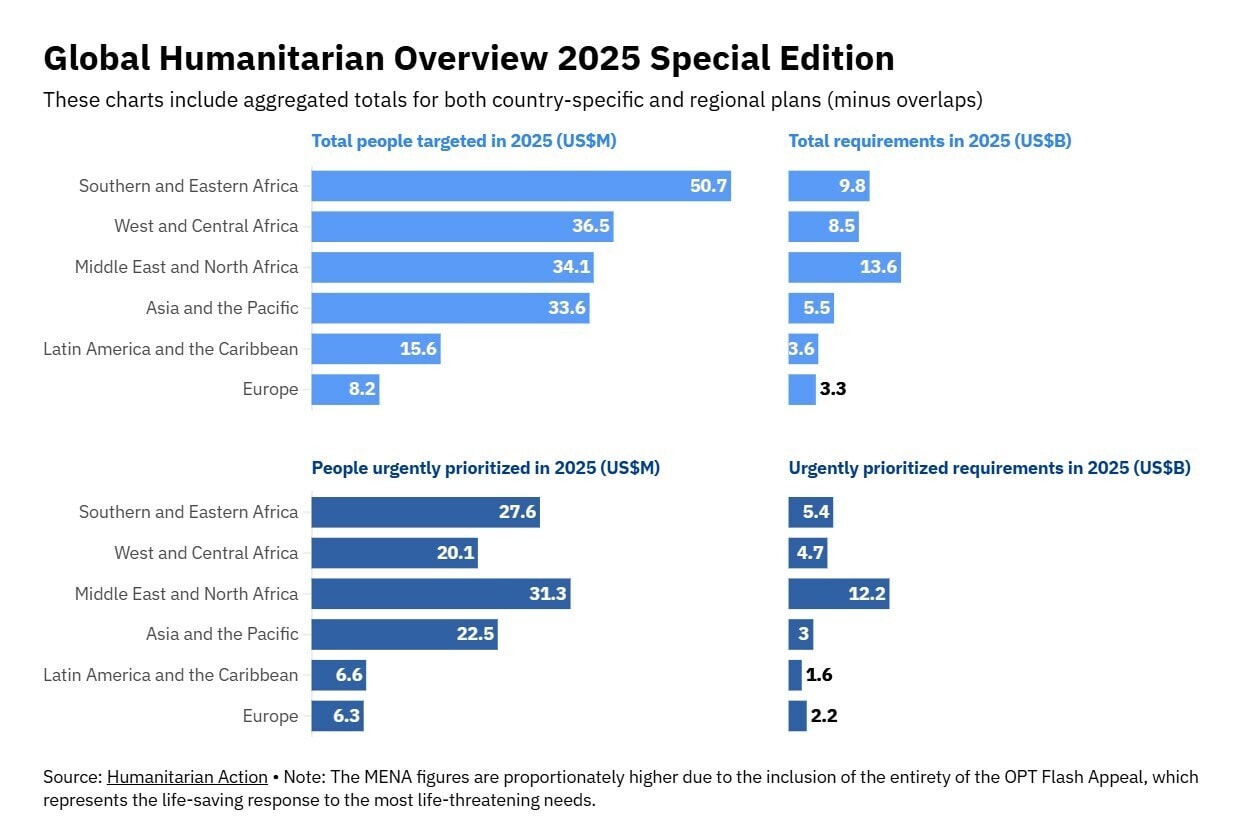
The Logistics Emergency Team (LET), established 20 years ago, plays a crucial role in coordinating humanitarian aid globally. With over 305 million people in need of assistance, the LET fosters public-private partnerships to enhance emergency response efforts. The collaboration began in 2005, involving leading logistics companies and the World Food Programme’s Logistics Cluster to streamline aid delivery. LET supports humanitarian operations by providing logistics expertise, resources, and solutions, including innovative tools like EDUARDO. This model of cooperation ensures effective logistics management and accelerates relief efforts worldwide.
Logistics Emergency Team: 20 years of coordinating humanitarian aid

Africa's geopolitical landscape is shifting, presenting both opportunities and risks for the continent's diplomacy. African leaders are urged to pursue unity and cooperation to avoid deepening divisions and conflicts, reminiscent of historical outside exploitation. Current crises, like the ongoing violence in Sudan and the challenges in the Sahel, illustrate the failure of both Western and regional powers to stabilize the situation. Increased involvement from countries such as China and Turkey has not translated into significant support for peace initiatives. African states must navigate this new multipolar world by forming strategic alliances and refining their diplomatic tactics to protect their interests.
Burkina Faso, Democratic Republic of the Congo, Egypt, Ethiopia, Ghana, Kenya, Malawi, Mozambique, Namibia, Nigeria, Senegal, South Africa, Tanzania, Uganda, Zambia, Zimbabwe | Health
Africa needs a new diplomacy
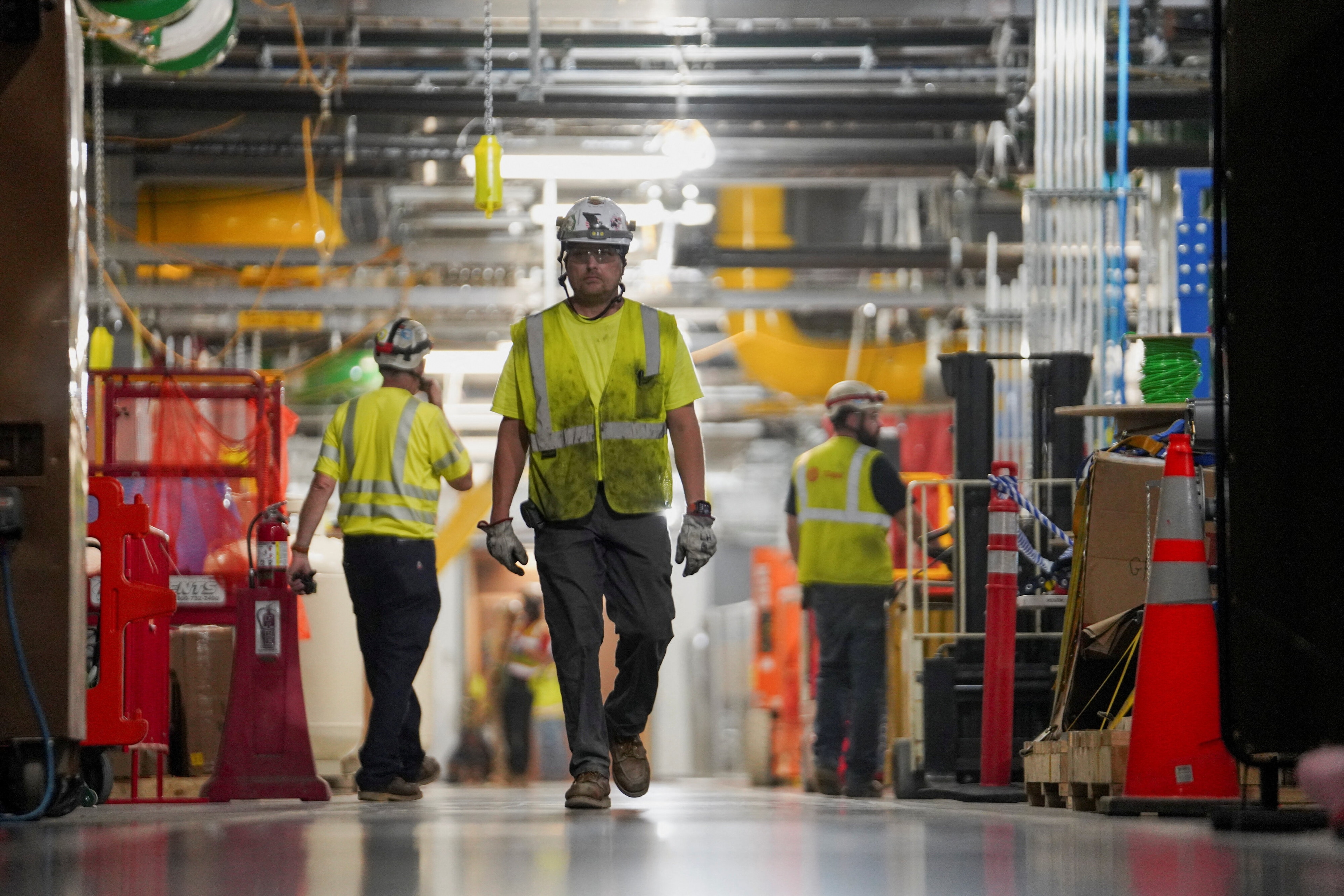
Over two-thirds of economists predict that artificial intelligence will be commercially disruptive in the coming year, with significant earnings expected from heavy investments in AI infrastructure. Large tech firms, particularly the "Magnificent Seven," are experiencing soaring valuations due to unprecedented capital expenditures, contrasting with smaller companies facing investor caution. While U.S. equity markets reflect heightened optimism, particularly in technology, the sustainability of these valuations remains in question. Investors must balance optimism with caution as risks linger in sectors slower to adopt AI technologies, making informed decision-making essential for navigating the current market landscape.
Financial services, Education, ICT
Artificial Intelligence: ‘Less a bubble and more a boom’ - why market optimism for AI’s future is justified
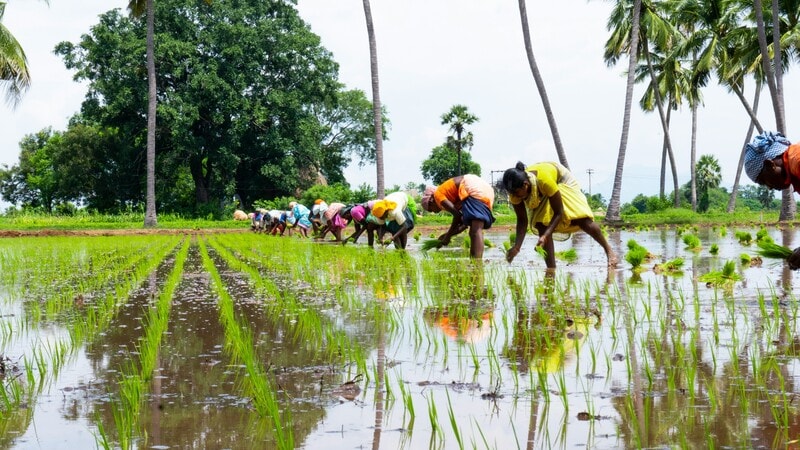
Climate change is intensifying the frequency and severity of floods, disproportionately affecting women, who make up 80% of those displaced by such disasters. Women's exclusion from disaster committees leads to the overlooking of critical needs in recovery efforts, including better aid distribution and shelter design. Strategies for improving flood resilience must involve women's voices, such as developing inclusive early-warning systems that provide actionable information tailored to community needs. Empowering women in disaster response can significantly enhance recovery and safety for affected communities.
Africa | Health
Why women must be involved in building flood resilience

Businesses are rapidly deploying AI agents across various functions, leading to a potential cybersecurity threat due to poor identity management. With non-human identities expected to surpass 45 billion, only 10% of executives have effective strategies in place to manage these identities, despite the fact that 80% of breaches involve compromised identities. AI agents require unique identities and access controls, making them vulnerable to prompt injection attacks, which can lead to data leaks and security breaches. Organizations must prioritize establishing identity and security protocols while integrating AI systems to mitigate risks associated with these complex technologies.
What to do about unsecured AI agents – the cyberthreat no one is talking about

Antimicrobial resistance (AMR) poses a significant threat to advancements in non-communicable disease (NCD) management, potentially increasing complications and mortality rates among patients. Tackling AMR alongside NCDs necessitates integrated health strategies to safeguard treatment effectiveness. Evidence shows a high prevalence of resistant infections in patients with NCDs, notably cancer and diabetes, complicating treatments and increasing healthcare costs. A coordinated global effort is imperative to address both challenges effectively, as highlighted in upcoming UN discussions aimed at reducing premature NCD mortality by one-third by 2030.
Financial services, Health
Why the fight against non-communicable diseases means confronting drug resistance