Reframing climate change as a human problem emphasizes the vulnerability of interconnected systems such as health, food, and economies at risk due to global warming. Solutions that focus on human needs, like Bangladesh’s floating farms and India’s community-driven waste management, demonstrate effective adaptations. Reports indicate that climate change is already harming health and livelihoods, causing over 250,000 deaths annually and displacing millions. By connecting climate impacts to daily life, communities are motivated to innovate and act, promoting policies that prioritize human experience alongside environmental sustainability.
Bangladesh, Nigeria | Financial services, Health
Why we must reframe climate change as a human problem, not a planetary one

The rapid expansion of data centres, essential for powering AI technologies, raises significant environmental concerns due to their energy use and associated carbon emissions. Currently, data centres account for just over 1% of global electricity demand and 0.5% of CO2 emissions, with projections suggesting they may reach 1% of emissions by 2030. The International Energy Agency (IEA) estimates that data-centre electricity consumption could double by 2030, driven largely by AI, contributing to about 10% of global demand growth, though this is still less than other sectors like transportation and industrial use.
AI: Five charts that put data-centre energy use – and emissions – into context

Pakistan faces severe flooding, displacing millions and resulting in significant fatalities. The floods are attributed to a combination of intense monsoon rainfall, glacial melt, and human factors, including weak governance and inadequate land-use planning. Urbanization and deforestation exacerbate runoff and flood risks. Although infrastructure like barrages has been rehabilitated, it may worsen downstream flooding due to bottlenecks. To mitigate future flood impacts, Pakistan must adopt adaptive strategies, integrate flood management with development planning, and restore natural floodplains, emphasizing the need for systemic changes.
Bangladesh, Nigeria
Q&A: ‘Pakistan will have to adapt to floods as the new normal’
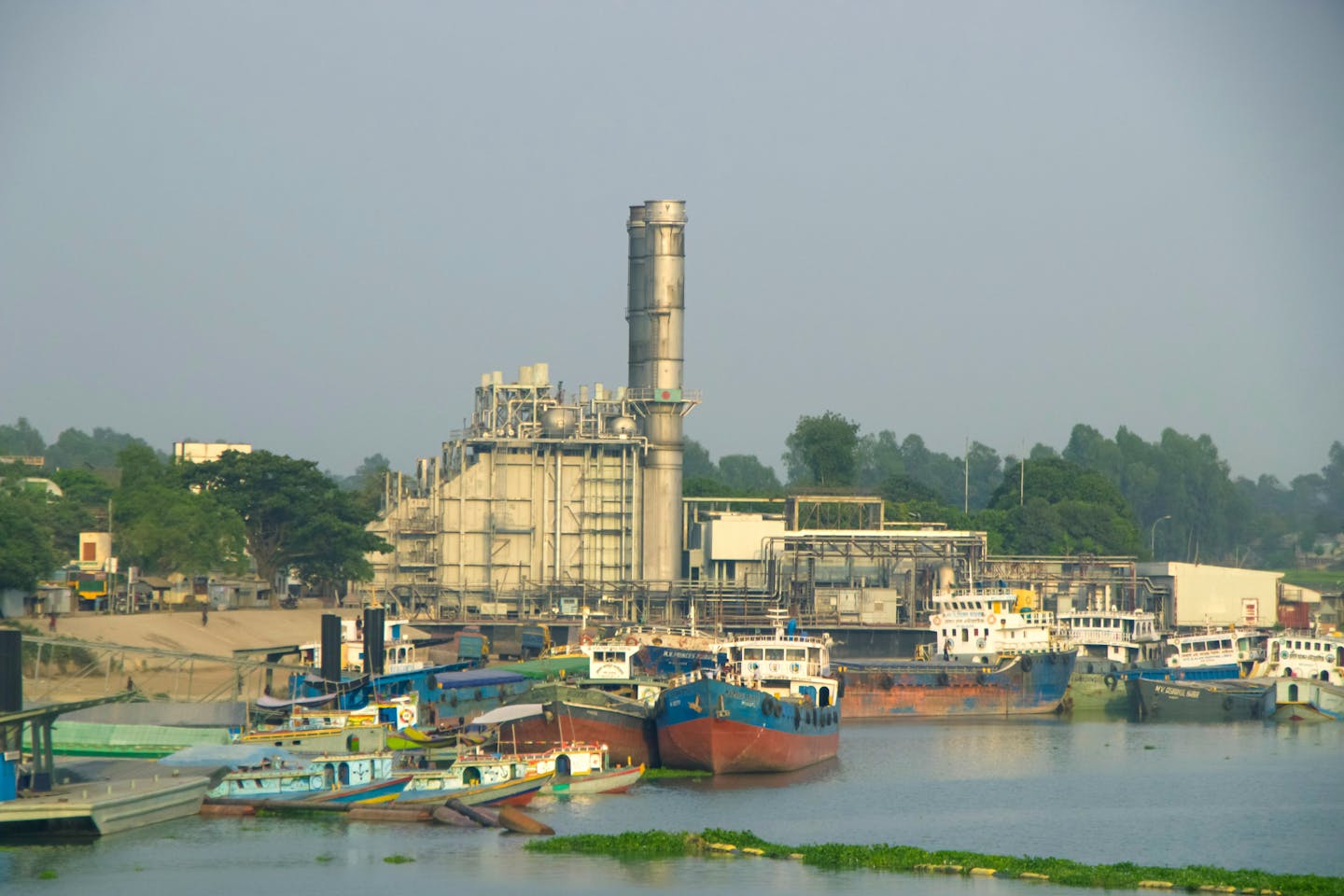
India's CO2 emissions from its power sector decreased by 1% in the first half of 2025, marking only the second decline in nearly 50 years. Total emissions from fossil fuels and cement grew at their slowest rate since 2001, primarily driven by a substantial increase in clean energy capacity, which rose by 25.1 GW. Economic factors led to zero growth in oil product demand, while emissions from steel and cement production continued to rise. This slowdown in overall emissions growth indicates a potential peak in power sector emissions before 2030, despite previous rapid increases.
India
Analysis: India’s power-sector CO2 falls for only second time in half a century

Constitutions are crucial in establishing the legal and institutional frameworks necessary for governance, stability, and security. They define the distribution of power, institutional mandates, and citizen rights, ensuring accountability, transparency, and adherence to human rights. The constitution-building process is vital for democratic oversight of the security sector, enhancing the effectiveness and accountability of security institutions. This process is inherently political, influenced by historical and geopolitical factors. A well-crafted constitution embeds governance principles, checks and balances, and oversight mechanisms, thus reinforcing democratic control and ensuring security actors operate within an accountable framework.
Constitution-Building and SSG/R
Maria Branyas Morera lived to 117 years due to a combination of a healthy diet and favorable genetic variants that protect against cardiovascular disease and lower the risk of Alzheimer's. Blood tests indicated she had low inflammation markers and a robust immune system. Physician Manel Esteller emphasizes that while genetics play a role, lifestyle choices are crucial for longevity.
Daily briefing: How to live to 117
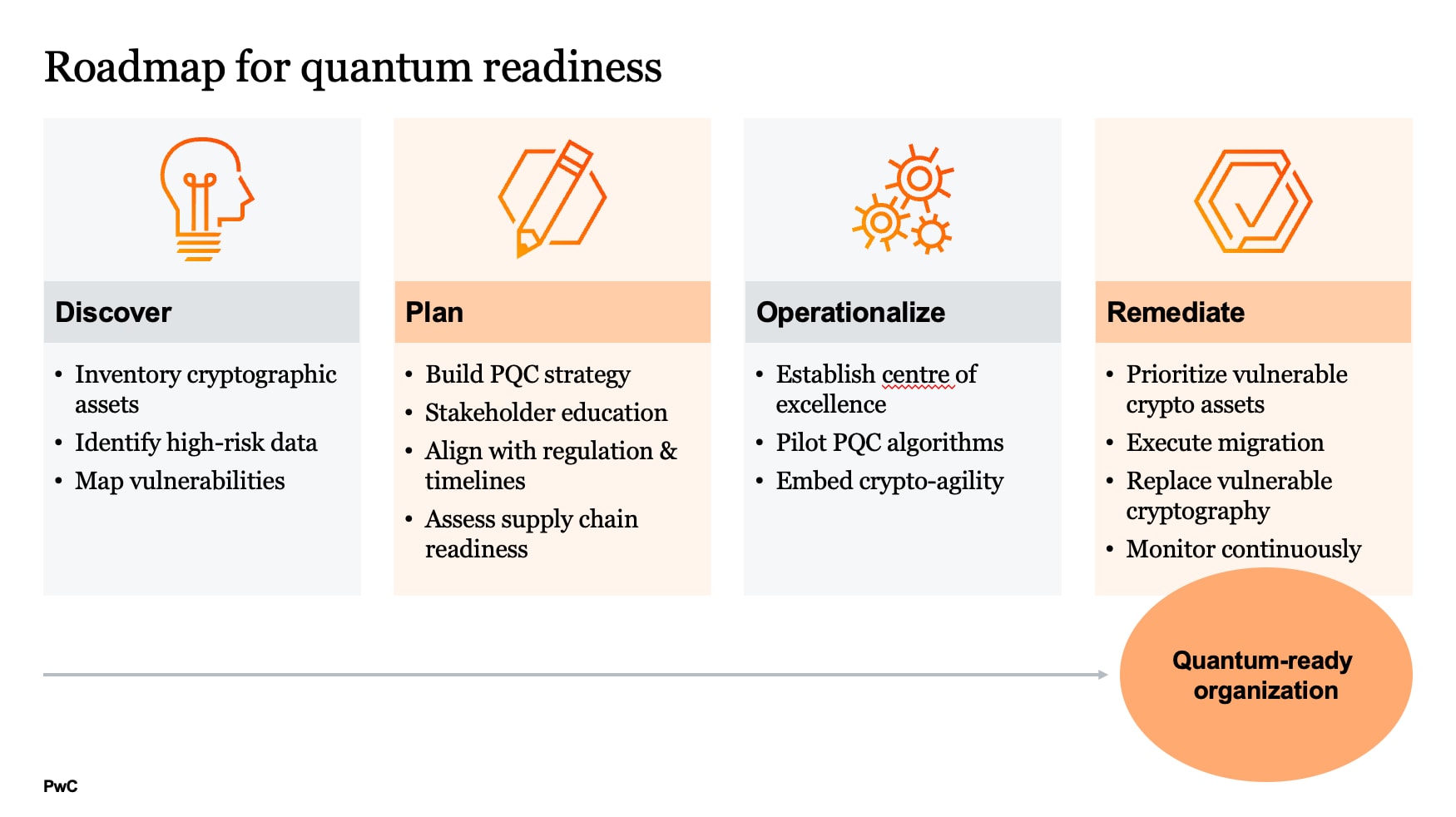
Quantum computing poses a significant threat to the pharmaceutical and life sciences sectors by undermining current encryption standards crucial for protecting clinical trials, intellectual property, and patient health data. Organizations must act swiftly to transition to post-quantum cryptography, as cryptographically relevant quantum computers (CRQCs) could emerge by 2030-2035. The sector's long data lifecycles and reliance on global partnerships compound risks, exposing them to espionage and data breaches. Immediate preparation is essential to mitigate vulnerabilities and maintain data integrity, as regulatory pressures necessitate transition roadmaps and skilled personnel are limited.
Financial services, Education, ICT
Why pharma and life sciences must act now on the quantum threat

Russia faces a significant shortage of workers in its defense industry, needing approximately 400,000 additional employees to meet demands. Contributing factors include the emigration of about 1 million Russians due to opposition to the war and military draft fears, alongside a declining birth rate limiting young labor availability. Efforts to address these shortages involve increased salaries and recruitment from North Korea and Africa, with reports of harsh working conditions. Remarkably, while Russian women are largely excluded from many critical roles due to long-standing regulations, approximately 200 African women have been hired to work in defense manufacturing.
Russia is turning to African women and conscripted North Koreans to tackle its defence worker shortage
The UN will launch the Global Dialogue on Artificial Intelligence Governance during its Global Assembly, marking a significant gathering of member states, UN agencies, and diverse stakeholders. However, the dialogue must address critical asymmetries in data and AI to avoid becoming ineffective. These asymmetries impact access to knowledge, standards, and the benefits of AI technologies. Key issues require focus to ensure equitable outcomes in AI governance, influencing who benefits and who is marginalized in the evolving technological landscape.
ICT
Five Asymmetries, 20 Questions: Reflections ahead of the UN’s Global Dialogue on AI Governance
Local governments are embracing digital transformation and facing critical challenges in digital governance by managing the opportunities and risks of technology to enhance public services and democratic engagement. The adoption of artificial intelligence (AI) is increasing, yielding benefits like improved efficiency, cost savings, and better decision-making while promoting transparency and accountability. However, local governments must carefully evaluate the risks of AI to ensure they uphold the principles of open government. The report discusses how to integrate open government practices into AI and digital governance policies, drawing insights from civil society and various local governments.
Artificial Intelligence and Open Government: Local Perspectives
Mireille Hildebrandt's chapter examines the relationship between contestability, essential for constitutional democracies, and the falsifiability of scientific theories in the context of large language models (LLMs). It asserts that decision-making involving LLMs must be legally contestable, emphasizing the need for transparency and explainable AI. The chapter argues that fairness and reliability should be assessed through scientific methods, necessitating researchers to develop theoretical frameworks that can be inductively tested and potentially falsified, moving beyond mere model explanations.
LLMs, legal contestability and scientific falsifiability
The ESIR paper introduces a new policymaking approach for the EU, termed “policy acupuncture” or “pressure points,” aimed at tackling Europe’s complex challenges. It emphasizes the importance of identifying high-leverage points to stimulate systemic change, presenting ten strategic interventions intended to facilitate the twin green and digital transitions, enhance competitiveness, and foster resilience in Europe.
Financial services, Education, Health
Policy pressure points
Social impact organizations are utilizing AI to address significant global challenges, but progress remains slow. The 2025 Accelerate Report outlines a strategic roadmap for leveraging data and AI to enhance social impact. Key recommendations include aligning AI with organizational missions, fostering partnerships to share resources and best practices, and prioritizing the needs of communities served. The report emphasizes the importance of responsible and inclusive technology use to drive meaningful change.
Accelerate What’s Possible
AI can enhance democratic processes, as analyzed in a critical study of the Italian Chamber of Deputies' AI initiative. The 2024 project developed three prototype systems: NORMA for legislative analysis, MSE for drafting assistance, and DepuChat for citizen engagement, all emphasizing transparency, human oversight, and privacy. The project employs a public-academic partnership model, highlighting tensions between efficiency and the necessary deliberative friction in democracy, while also addressing risks like deskilling and digital inequality. The findings contribute to a theoretical understanding of augmented democracy within a complex legislative framework.
Augmented Democracy in Action: AI Systems for Legislative Innovation in the Italian Parliament
Businesses must balance enthusiasm for new technologies, like AI, with historical lessons, market fundamentals, and strategic analysis. This approach helps identify sustainable innovations and avoid costly missteps. Cait Lamberton emphasizes the importance of combining optimism with caution in innovation and business strategy.
Education
Balancing Optimism and Caution in Innovation and Business Strategy
Donald Trump’s statement at the United Nations, "Get away from the green scam or your country will fail," frames climate policy as a cultural and geopolitical battle, specifically targeting Europe. He positions clean energy initiatives as un-American, promoting fossil fuels as patriotic symbols of strength. This rhetoric seeks to mobilize support among his base while undermining the economic case for decarbonization. Europe, facing its own energy crisis exacerbated by the Ukraine invasion, is caught in a struggle between U.S. demands for fossil fuel imports and its renewable energy ambitions. The complex interplay of energy, climate, and global trade dynamics complicates Europe's strategic position.
France, Germany, Nigeria, Taiwan, China, Ukraine, United Kingdom | Financial services
"Get Away from the Green Scam or Your Country Will Fail" - Trump, the Climate Culture War, and Europe's Dignity

The "Unite the Kingdom" rally in London highlighted the ability of the far right to mobilize protests by framing migration and crime as urgent moral crises. The rally featured extreme calls for remigration and sparked violent confrontations with police. Britain's far right has a historical lineage, evolving from the British Union of Fascists to groups like the BNP and the EDL, with a resurgence linked to the Brexit referendum. The anxiety over immigration grew in mainstream politics, culminating in significant far-right activism fueled by social media and recent societal events, leading to widespread mobilization and protests across the UK.
Latin America
A contemporary history of Britain’s far right – and how it helps explain why so many people went to the Unite the Kingdom rally in London

The Ganges River is experiencing unprecedented drying, threatening the livelihoods of over 650 million people in South Asia. Factors such as climate change, erratic monsoons, excessive water extraction, and dam construction are exacerbating the situation. Studies indicate that recent droughts in the basin are outside natural variability, drastically affecting navigation, irrigation, and freshwater supply. Glacial retreat and groundwater depletion worsen the decline, leading to critical agricultural challenges and potential food shortages. Urgent, coordinated action is needed to manage water resources sustainably, improve climate models, and enhance transboundary cooperation among India, Bangladesh, and Nepal.
Bangladesh, Nigeria | Health
The Ganges River is drying faster than ever – here’s what it means for the region and the world

Sustainable finance is becoming mainstream, with significant capital flows into food systems, nature, industry, and infrastructure. Debt issuance surpassed $1 trillion in 2024, and private nature finance has increased over elevenfold since 2020, driven by risks from extreme weather and resource insecurity. Key sectors are emerging, such as regenerative agriculture, which saw climate finance rise over 300% since 2019. Opportunities in nature finance are projected at $10 trillion by 2030, while industrial decarbonization remains challenging, needing $1.6 trillion despite only $250 billion mobilized. Action is essential for leaders to capture early market advantages.
Nigeria | Education, Health, Financial services
Sustainable finance in 2025: These are the key sectors redefining global markets

Adopting gender-intentional Digital Public Infrastructure (DPI) in agriculture is essential for enhancing inclusivity and access for women, who make up 43% of the global agricultural workforce yet face significant barriers. Many lack formal identification, smartphone ownership, and access to high-speed internet, resulting in their exclusion from digital and financial ecosystems. To build gender intentional agri-DPI, it's crucial to understand women's unique challenges, collect gender-disaggregated data, and develop accessible platforms. Multistakeholder collaboration among policy-makers, businesses, and civil society is vital to address these issues and empower women farmers effectively.
ICT
How gender-intentional digital infrastructure can transform agriculture