
Global supply chains are experiencing significant shifts due to frequent disruptions, prompting a move from cost-efficiency to regionalization and modularity. Companies face unique local challenges, such as labor shortages in North America and geopolitical instability in Europe, necessitating tailored solutions. A flexible and modular supply chain design allows for rapid adjustments to logistics and inventory management, isolating issues without systemic failure. Roland Berger advocates for networks that balance efficiency with adaptability, stressing the importance for leaders to act decisively to build resilient supply chains amid complex global trade conditions.
Financial services
Rethinking supply chain design for a disruptive world

Remote work has a carbon footprint linked to digital infrastructure like video conferencing and cloud storage, which can negate the benefits of reduced commuting. An hour-long HD video call can emit significant CO2, and constant use of digital services drives energy demand in data centers. To mitigate emissions, organizations can adopt measures such as lowering video resolution, shifting to asynchronous workflows, evaluating cloud sustainability, and integrating carbon tracking. Technology can further enhance sustainability through AI optimization and green software engineering. Companies need to include digital collaboration emissions in their environmental, social, and governance (ESG) frameworks.
Financial services, Education, Health, ICT
The carbon footprint of remote work: Designing low-carbon digital collaboration

The European Union has postponed the implementation of its anti-deforestation law, the European Deforestation Regulation (EUDR), until the end of 2026, citing IT issues and pressure from industry. This delay has drawn criticism for compromising climate goals while industry stakeholders, including Indonesia's palm oil sector, seek exemptions for smallholders from reporting requirements. Environmental groups argue that the delay risks forest conservation efforts and undermines business confidence, emphasizing the need for immediate action to maintain progress in sustainable practices.
EU delays deforestation law again, as Indonesian palm oil sector pushes for smallholder exemptions

Artificial intelligence is rapidly transforming relationships with animals, but many changes are occurring without regulation, posing risks to animal welfare. AI-powered pet training tools, such as smart collars and training devices, could address owner inconsistencies and support better pet behavior. However, the use of AI shock collars raises ethical concerns, as they may enable owners to distance themselves from cruelty while potentially leading to increased harm to pets. The need for clearer regulations and standards for ethically using AI in animal training is critical to prevent adverse effects and ensure responsible practices.
Should you let AI train your dog? The lawless world of AI and animals
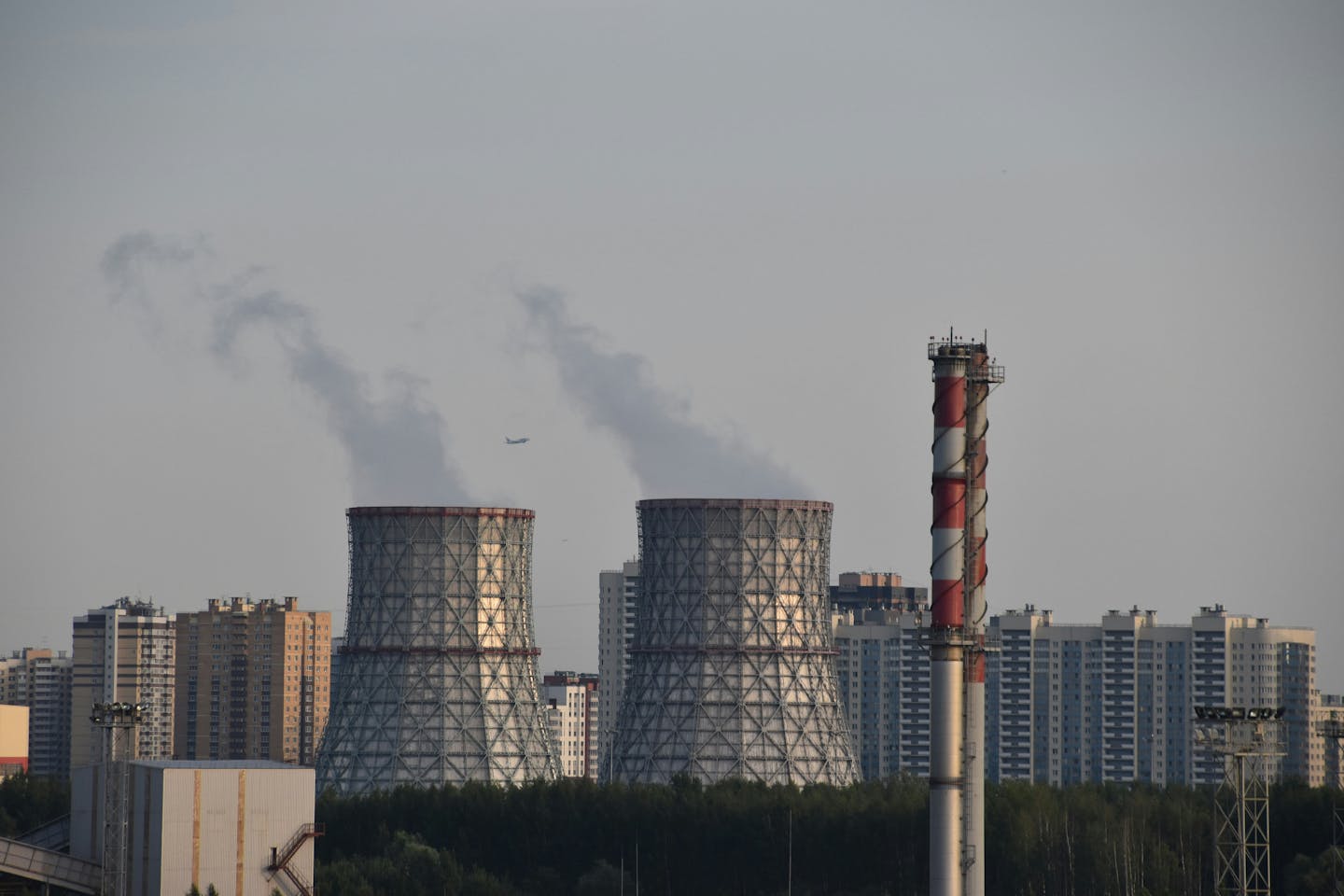
China's recent commitment at the Shanghai Cooperation Organisation (SCO) summit to invest in 10 GW of solar and 10 GW of wind power across member countries represents a significant increase in its energy cooperation efforts. This builds on previous investments and may enhance China's role in global clean energy deployment. The revival of the Power of Siberia-2 gas pipeline could further increase Russian gas imports to China. These developments may shift energy transitions in SCO nations, boost Chinese clean energy partnerships, and contribute to global climate goals, despite potential reputational risks associated with investing in Russia.
Bolivia, India, Nigeria, Pakistan, Russian Federation, Seychelles
Roundtable: How has the SCO summit impacted the global energy landscape?
The data centre industry is projected to surpass $135 billion by 2026, driven by growing demands in technology, including AI and cloud computing. However, a significant skills gap poses a threat, with over half of operators struggling to retain qualified staff. To address this issue, a collaborative effort among governments, industry leaders, and educational institutions is necessary. An effective workforce requires both technical skills, such as knowledge in server hardware and cybersecurity, and non-technical skills like problem-solving and teamwork. Initiatives like Microsoft's Datacenter Academy and AWS Workforce Accelerator exemplify successful partnerships that aim to align educational programs with industry needs and create a sustainable talent pipeline.
Education, ICT
The data centre boom needs a resilient workforce – here’s how to build one

Rich countries can potentially generate US$6.6 trillion annually for climate action by implementing policies such as taxing extreme wealth, phasing out fossil fuel subsidies, and reforming global financial rules, according to a report by Oil Change International. The report emphasizes that a progressive wealth tax could yield US$3.5 trillion, while ending fossil fuel subsidies might add another US$1.1 trillion. Additionally, cutting military spending could contribute approximately US$280 billion. The findings highlight the need for political will to utilize these funds for urgent investments in renewable energy and climate resilience, particularly in vulnerable developing nations.
Nigeria | Financial services, Health
Rich countries could free up US$6.6 trillion a year for climate action, study finds

The World Meteorological Organization's 2024 report reveals an increasingly erratic global water cycle, marked by heightened extremes of flood and drought. Approximately two-thirds of river basins now experience significant variability. Notably, Asia and Southeast Asia face severe impacts from weather-related hazards, affecting economies and food supplies while escalating the risks of poverty and health issues. With 3.6 billion people lacking adequate water access, projections suggest this could rise to over 5 billion by 2050. The report calls for enhanced cooperation and better data management to address these growing challenges.
Latin America | Health
Global water resources under strain, WMO finds, as extremes of scarcity and deluge deepen
China, alongside the BRICS nations (Brazil, Russia, India, South Africa, and others), is enhancing its role in global climate leadership. President Xi Jinping's recent engagements and climate speech underscore a commitment to climate action and growing cooperation within the group, particularly in response to assertive US policies. The BRICS, representing 27% of global GDP and 52% of emissions, is increasingly prioritizing climate change within its agenda. Analysts recognize the bloc’s potential to influence international governance and negotiations, focusing on sustainable development as a central theme.
Benin, Bolivia, Brazil, India, Nigeria | Financial services
Q&A: Will China and the BRICS fill the ‘leadership gap’ on climate change?

Computational progress presents a dual challenge for democracy, enhancing communicative practices while also serving as tools of coercion. Historically, advances in computing initially bolstered democratic principles, but recent trends show a decline in liberal democracies, with more nations shifting toward authoritarianism. Despite the rise of powerful AI technologies, public trust in tech companies has decreased, leading to regulatory responses against their influence. The essay explores the potential benefits and challenges of integrating AI agents into democratic systems, striving for a balanced view of their impact on democratic values.
ICT
AI Agents and Democratic Resilience
Artificial intelligence (AI) is being leveraged to enhance humanitarian efforts, particularly in disaster response and displacement monitoring. AI models improve global weather forecasting, energy management, and deforestation tracking. Notable projects include the use of social media data during the 2023 Türkiye-Syria earthquake for real-time situational awareness, and satellite imagery to monitor internal displacement in the Syrian civil war. A vehicle detection model processes satellite images to track population movements, addressing data gaps in conflict-affected areas and providing a scalable solution for monitoring displacement trends.
AI-Driven Disaster Response and Displacement Monitoring

More than 1,000 global leaders convened in New York for the World Economic Forum’s Sustainable Development Impact Meetings 2025 (SDIM25), coinciding with the 80th United Nations General Assembly. Discussions focused on urgent global challenges, including humanitarian crises, inclusive economic growth, and climate action, amidst an uncertain geopolitical landscape. Key sessions addressed energy security, environmental sustainability, and the relationship between technology and societal trust. Notable participants included leaders from government and international organizations, emphasizing the need for multilateral cooperation and proactive global engagement to tackle pressing issues.
Barbados, Burkina Faso, Chad, Egypt, Ethiopia, Ghana, Guinea, Indonesia, Luxembourg, Malawi, Namibia, Nigeria, Seychelles, Singapore, Sweden, Ukraine, United Arab Emirates, United Kingdom, Zimbabwe | Financial services, Education, ICT, Health
SDIM 2025: Surprising stats and key conversations from our New York meetings
AI's impact is often perceived as an uncontrollable surge of technological change, yet its governance is a human decision influenced by effective global institutions. As AI systems advance, states and international bodies are pressured to manage their effects amidst a dynamic environment. "Architectures of Global AI Governance" offers conceptual and practical tools to navigate this challenge, emphasizing the necessity to consider sociotechnical shifts, AI’s influence on international law, and political changes in the global AI regime. The book advocates for adaptable governance frameworks to address these evolving factors.
Architectures of Global AI Governance
The integration of artificial intelligence (AI) into peace dialogues presents innovative opportunities and significant challenges for peacebuilding. A context-sensitive taxonomy of digital deliberation tools is proposed to guide the implementation of AI platforms in conflict settings, considering factors such as scale, digital literacy, inclusivity, and security. The framework emphasizes the need for hybrid models that combine AI with human facilitation to enhance trust and effectiveness. Case studies involving the United Nations and civil society highlight the importance of addressing algorithmic bias, digital exclusion, and cybersecurity threats, advocating for a dynamic approach that responds to ethical and socio-cultural dimensions of peace processes.
Education, ICT
Leveraging AI in peace processes: A framework for digital dialogues
Representative deliberative assemblies are emerging as vital democratic forums amid rising societal fragmentation and political polarization. This paper investigates how ideas evolve into policy recommendations within these assemblies, focusing on two questions: tracing the evolution of ideas and understanding the impact of the deliberative process on delegate perspectives and voting dynamics. It presents LLM-based methodologies for analyzing transcripts, identifying expressed suggestions, and reconstructing delegates' evolving viewpoints, offering novel empirical insights into deliberative processes.
An AI-Powered Framework for Analyzing Collective Idea Evolution in Deliberative Assemblies
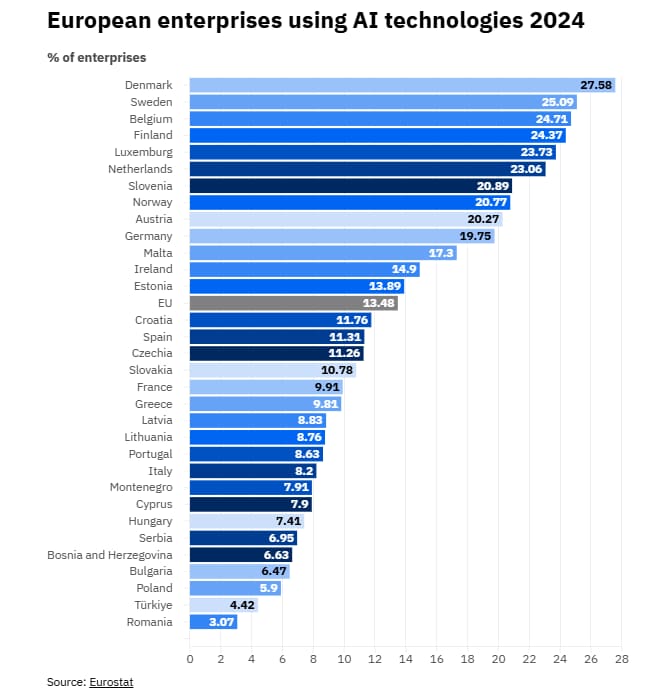
Europe is significantly behind the US in AI adoption, with over half of large organizations not scaling transformative investments. Key findings highlight that supportive regulations, assistance for SMEs, and resilient national ecosystems are crucial for boosting adoption. The EU's AI Act of 2024 and the AI Continent Action Plan aim to establish Europe as a global leader by promoting AI in strategic sectors, enhancing infrastructure, and fostering innovation. Despite regulatory efforts, fragmented progress across EU countries poses challenges. Investment trends indicate a growing risk for Europe to miss out on economic opportunities in the AI sector.
Belgium, Denmark, Estonia, Iceland, Ireland, Netherlands, Sweden | Education, ICT
Europe is lagging in AI adoption – how can businesses close the gap?

The silver transition refers to the impending transfer of approximately $84 trillion to the next generation in the U.S. by 2045, as many baby boomers retire. Currently, half of U.S. privately owned businesses face succession challenges, often leading to business closures or acquisitions by larger entities. In response, many business leaders are considering steward-ownership as a solution, which separates economic rights from voting rights, allowing businesses to remain purpose-oriented and independent. This model is exemplified by Bosch and Patagonia, allowing a wider range of successors beyond just family members, thus preserving the integrity and continuity of businesses.
What is the silver transition and how is it reshaping business succession planning?

Frontline activism is not the only avenue for climate activism; diverse approaches exist. Local activists, like the Nanas of Lancashire, protested against fracking due to environmental concerns, while others contribute through community projects and wildlife trusts. A study reveals that while some activists feel disillusioned by political inaction, they recognize the importance of collaboration across different activist strategies. Disruptive protests may draw attention, but all forms of activism, from radical to moderate, are vital in the struggle for a sustainable future.
Why you don’t have to block roads or glue yourself to buildings to be a climate activist

Support for green transport projects, such as cycle lanes and pedestrianised streets, is significantly influenced by individual attitudes towards welfare spending. A study analyzing British Social Attitudes survey data found that 41% of differences in support for various transport infrastructure proposals can be attributed to views on welfare, with political party preference accounting for 26%. Advocates of generous welfare systems are more likely to back public transport investments, while those skeptical of welfare prioritize individual responsibility. Engaging with diverse motivations—highlighting benefits like reduced congestion and economic boosts—may enhance support for these initiatives.
The more in favour of welfare you are, the more likely you are to support cycle lanes

The UK government announced significant inward investment following a US state visit, including £31 billion for AI development. Major tech companies, including Microsoft and Nvidia, pledged substantial funding for infrastructure and operations related to AI technologies. However, concerns persist regarding how AI's benefits will be distributed. The effectiveness of large language models (LLMs) is hindered by issues like "hallucinations," where they produce confident but false results, leading to misplaced trust from users. Additionally, LLM alignment processes are externally imposed and may reflect biased interests rather than neutral ethics, raising risks of misinformation and extremist content.
The US-UK tech prosperity deal carries promise but also peril for the general public