
Indigenous land in the Philippines faces significant threats from commercial developers despite legal protections like Certificates of Ancestral Domain Title (CADTs) and the Indigenous Peoples’ Rights Act. At least 1.25 million hectares of ancestral land are at risk due to weak enforcement of free, prior and informed consent (FPIC) protocols. Criticism arises from the government's top-down approach, where policies are often inaccessible to Indigenous Peoples, undermining meaningful consultation. Community members argue that consultations are largely superficial, serving investor and bureaucratic interests, while some tribal leaders have reportedly enabled land use sales, exacerbating the issue.
Indigenous land rights can’t stop commercial development in the Philippines

Europe faces significant challenges, marked by political tension and external threats, as highlighted in the recent State of the Union address by Ursula von der Leyen. The address emphasized the union's struggle for survival amid ongoing crises—including security concerns due to war in Eastern Europe and economic instability. Von der Leyen outlined three strategic pillars: a robust defense framework, economic competitiveness, and upholding democratic values. The goal is to establish a European Defence Union and ensure the continent's sovereignty and unity, while responding decisively to contemporary threats.
Africa
State of the European Union: Can Europe Step it up a Notch?
Africa can leverage new global climate alliances with Europe and China to address climate challenges and enhance renewable energy investment. As the continent faces significant climate impacts despite minimal contributions to greenhouse gas emissions, it has established strong partnerships, including the Africa-EU Green Energy Initiative and collaborations with China on various renewable projects. Currently, Africa receives only 2% of global renewable energy investment, despite accounting for 80% of the global energy deficit. To maximize benefits, Africa should assert its green development ambitions in upcoming international meetings, prioritize industrial partnerships, and address its substantial debt burden while pursuing climate finance solutions.
Nigeria, South Africa | Health
Africa can benefit from new global climate alliances
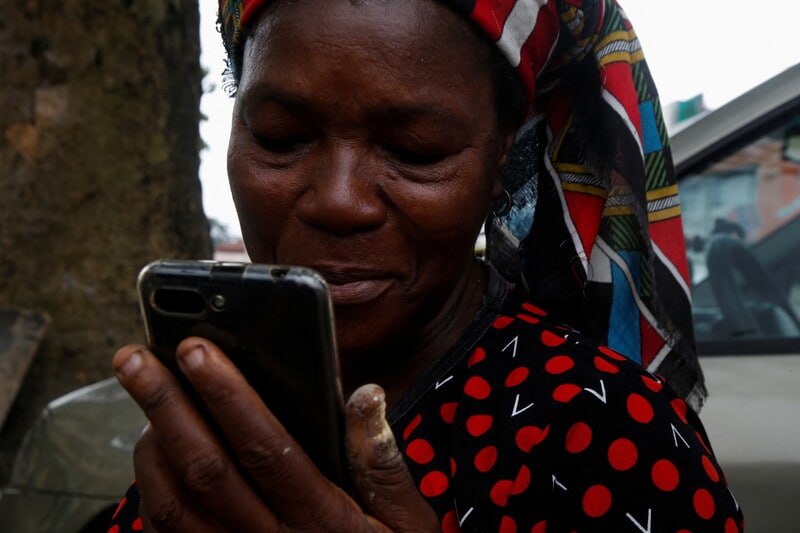
GovTech presents a significant opportunity for African nations to enhance governance through digital-first systems, allowing them to bypass outdated models. With over 60% of the population under 25 and 500 million mobile internet users, Africa can leverage digital technologies for greater public sector impact. Key implementations include Rwanda's IremboGov platform, which streamlines over 200 government services, and Kenya's eCitizen portal with over 22,000 services. While challenges such as cybersecurity and equitable digital access remain, strategic investments in digital public infrastructure and collaborations with tech innovators can drive efficiency and accountability, potentially unlocking $9.8 trillion in global public value by 2034.
Angola, Botswana, Mali, Nigeria, South Africa | Health, Education, ICT
How GovTech in Africa can unlock inclusive governance

In Gilgit-Baltistan, Pakistan, rising temperatures and reduced snowfall threaten water supplies essential for agriculture. In response, locals have implemented ice stupas, inspired by a technique from Ladakh, which create artificial glaciers by spraying water into the cold winter air. These structures store water for the spring thaw, aiding irrigation in arid months. The first ice stupa was built in 2019, and additional ones have since been constructed, demonstrating innovative, low-cost methods for water management. However, experts caution that ice stupas are not a long-term solution to the region's water scarcity challenges.
In northern Pakistan, Indigenous ice stupas offer a nature-based water solution

Corporate leadership is crucial for establishing deforestation-free supply chains, particularly within food and agriculture sectors, where companies influence sustainable practices. Firms like Louis Dreyfus Company are making strides towards these goals, emphasizing the importance of protecting tropical forests for ecosystem services essential to global food security. Current agricultural practices contribute significantly to global greenhouse gas emissions, necessitating a transition to sustainable production methods. Implementing deforestation-free commitments not only mitigates risk but also aligns with rising investor expectations. Programs to incentivize farmers for environmental conservation are vital for achieving these sustainability goals while ensuring economic viability.
Financial services
Why corporate leadership should choose deforestation-free supply chains
Alex Pentland's book, Shared Wisdom, explores the historical interplay between technology, cultural inventions, and human society. It argues that major advancements—such as the rise of civilizations and the Scientific Revolution—stem from cultural innovations that fostered collective wisdom. To tackle modern issues like climate change and social challenges, the book emphasizes the importance of fundamental new inventions. It advocates for leveraging technologies, including AI and digital media, to enhance human deliberation rather than replace it, providing a comprehensive view of current and future challenges in the age of AI.
Education
Shared Wisdom: Cultural Evolution in the Age of AI
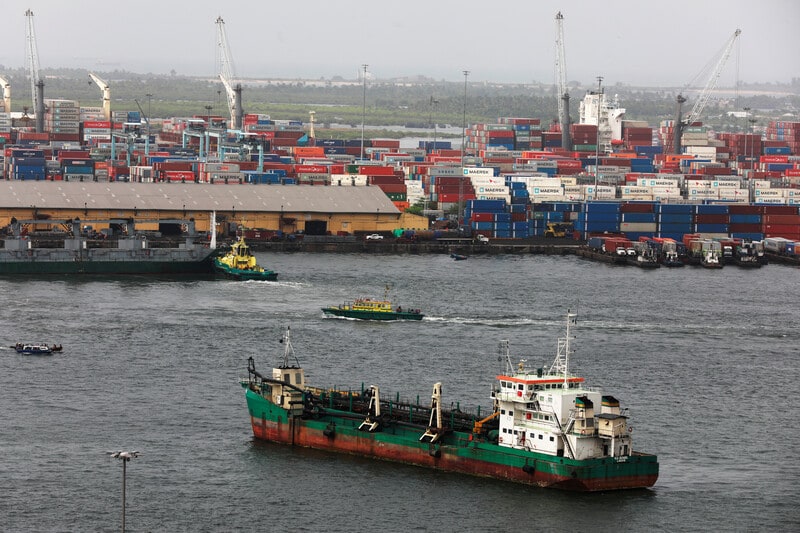
Nigeria is well positioned to lead West Africa's transition to low-carbon logistics by electrifying its container transport sector, capitalizing on a projected 30% growth in trade volumes by 2030. Full electrification of its container ports could attract $830 million in private investment, reduce air pollution, and cut carbon dioxide emissions by 80,000 tons annually. Significant cost savings are anticipated, with energy costs expected to decrease by up to 40% compared to diesel. A clear roadmap for this transformation includes electrifying terminals, enhancing the national grid, and launching pilot electric corridors, paving the way for a more resilient and efficient logistics infrastructure.
Benin, Ghana, Nigeria
Leading the charge: How Nigeria can transform container logistics to a low-emissions future
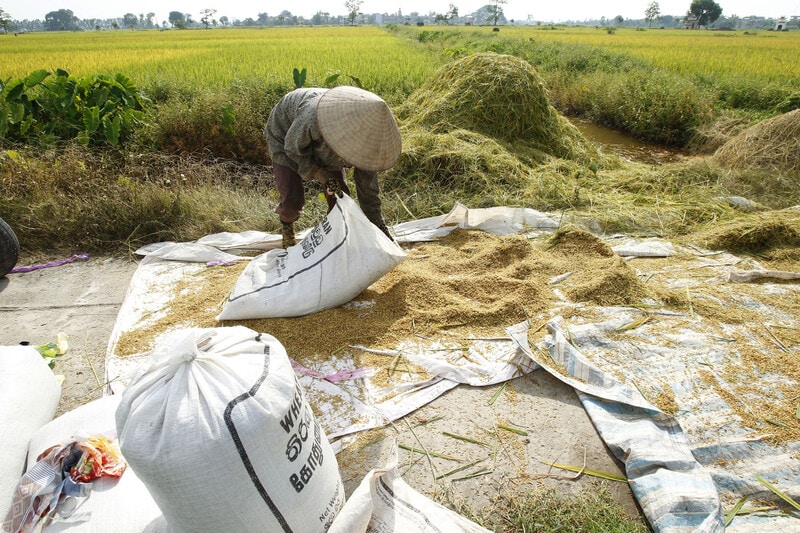
Climate change is significantly impacting businesses, leading to increased costs, including higher insurance premiums and potential bankruptcies. Investing in climate resilience is profitable, with returns exceeding one dollar for every dollar spent, while adaptation solutions are becoming essential as the demand grows. Major events, such as PG&E's bankruptcy and devastating natural disasters, illustrate the urgent need for businesses to adopt resilience strategies. Companies face escalating losses due to heat, flooding, and supply chain disruptions, particularly in advanced economies. Private investments in climate resilience are rising, reflecting its importance for business continuity and revenue growth.
Nigeria | Financial services, Health
5 things business leaders need to know about climate resilience
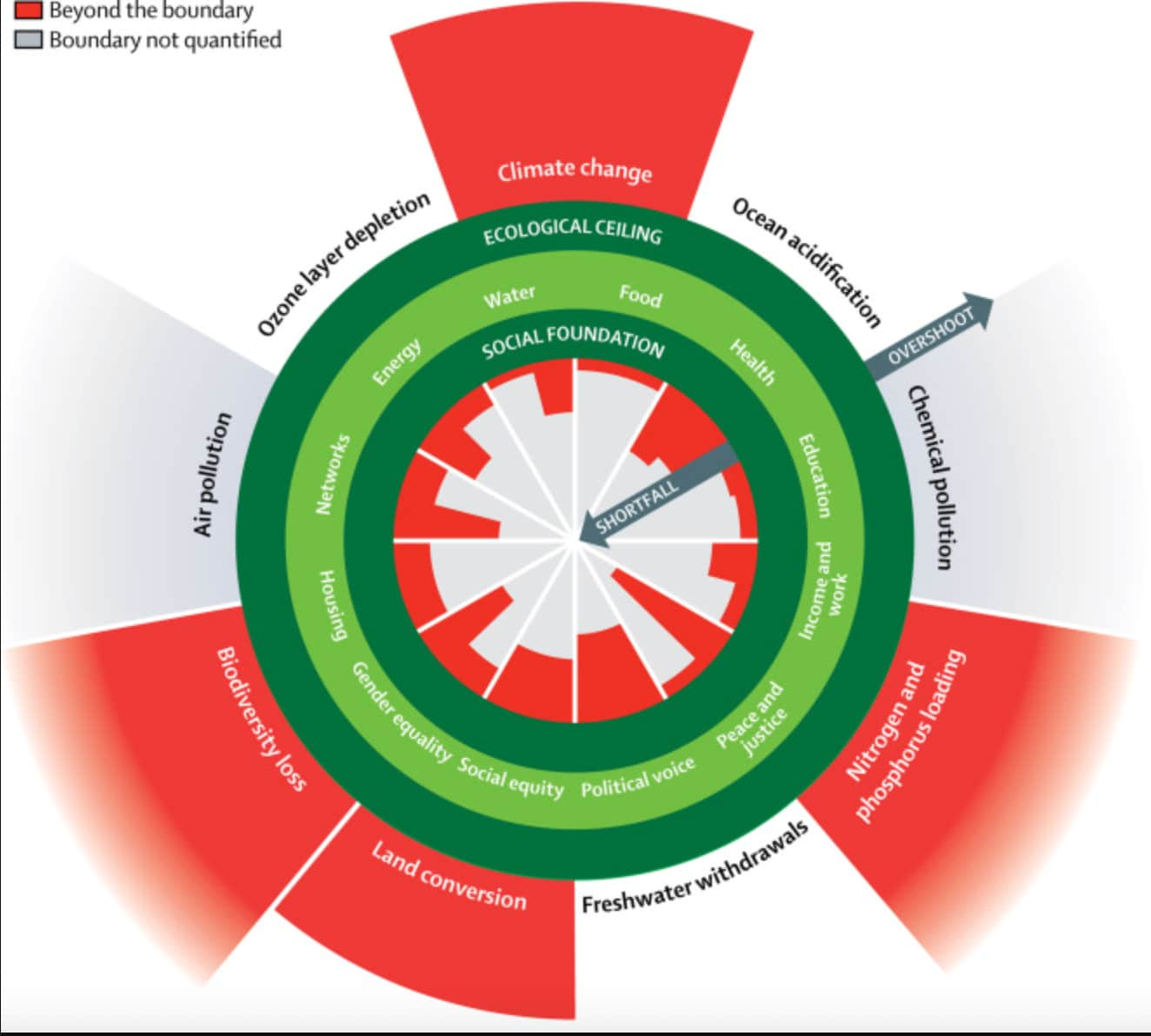
Doughnut economics advocates for a balance between meeting basic human needs and respecting ecological limits. For the Global South, achieving this balance necessitates a two-step approach: first focusing on growth to build social foundations, then transitioning to stabilization. This contrasts with the degrowth discourse, which may hinder developing nations from advancing economically. Indigenous principles, such as balance with nature and community cohesion, are essential in guiding sustainable development. Integrating traditional practices with modern technologies can enhance resilience and well-being, enabling the Global South to pursue equitable growth while addressing ecological sustainability.
Bangladesh, Namibia, Nigeria, South Africa | Financial services, Health, Education
Reimagining doughnut economics for the Global South

Ukrainian civil society has dramatically redefined security amidst Russia's aggression, emerging as a vital, unconventional actor in wartime. Groups such as army support organizations, humanitarian efforts, and digital defense initiatives have significantly contributed to Ukraine's military capabilities and societal resilience. Since the 2014 invasion, these groups have provided critical military support and innovatively engaged in security provision, transforming procurement practices and raising substantial funds for military equipment. Moreover, civil society's broader interpretation of security encompasses human dignity and cultural preservation, opposing authoritarian control and Russia's attempts at erasure of Ukrainian identity.
Ukraine
Ukrainian civil society has redefined security in wartime

Non-communicable diseases (NCDs) significantly burden global health systems, accounting for 43 million deaths in 2021, with projections rising to 52 million annually by 2030 due to various factors including aging populations and climate change. The poorest communities are disproportionately affected, as nearly three-quarters of NCD deaths occur in low- and middle-income countries. Although 80% of NCDs are preventable, current funding and policy initiatives are inadequate. Effective interventions and coordinated care can avert 39 million deaths by 2030. Key recommendations include focusing on health equity, implementing integrated care models, advancing workforce planning, and leveraging data and technology for better management of NCDs.
Africa | Financial services, ICT, Education, Health
5 ways to turn the tide on non-communicable diseases
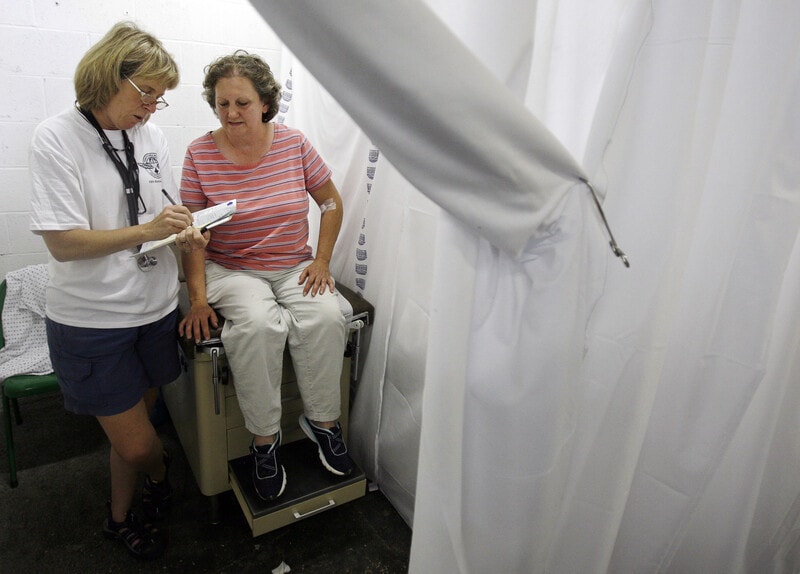
AI has the potential to transform women's health by addressing bias, underinvestment, and data gaps in healthcare. Historically, healthcare has overlooked women's unique biology, leading to misdiagnoses and delayed treatments. AI can analyze vast datasets to reveal specific health issues affecting women and enhance health outcomes. With improved data representation and a focus on sex-specific analysis, AI can reshape understanding and care delivery. Key opportunities include applying AI in fertility improvements and predicting disease patterns based on real-world data. However, overcoming structural barriers in research and funding is essential for realizing this potential.
Health
From margins to momentum: How AI could transform women’s health

Climate-driven health risks could cost the global economy $1.5 trillion in productivity losses by 2050, disproportionately affecting sectors like food, agriculture, and healthcare. Extreme heat impacts 70% of the workforce, resulting in significant fatalities and injuries. The World Economic Forum report underscores the urgency for businesses to invest in health-resilience measures. Effective strategies include promoting climate-smart agriculture, enhancing urban infrastructure, and developing climate-adaptive healthcare solutions. By acting now, companies can not only safeguard their workforce but also unlock growth opportunities while mitigating risks.
Nigeria | Financial services, Health
Why workforce health should be at the core of every business strategy

Climate change poses significant health risks, resulting in economic costs projected to exceed $1.5 trillion in lost productivity by 2050 across various sectors, including food and agriculture, built environment, health and healthcare. Businesses must prioritize human health as a key component of economic resilience to safeguard their workforce, operations, and growth. The report identifies vulnerabilities and offers scalable, cost-effective interventions to enhance health resilience, ultimately aiming to stabilize supply chains and provide a competitive advantage amidst climate disruptions.
Africa | Financial services, Health
Building Economic Resilience to the Health Impacts of Climate Change

Climate change negatively impacts human health, leading to significant economic costs across various sectors. By 2050, health effects related to climate change could result in at least $1.5 trillion in lost productivity. The report identifies vulnerabilities and cost-effective interventions for the food and agriculture, built environment, health and healthcare, and insurance sectors. Investing in health resilience enhances worker protection, stabilizes supply chains, and provides a competitive advantage amid climate disruptions.
Financial services, Health
Building Economic Resilience to the Health Impacts of Climate Change
Digitalization impacts employment differently in developed and developing economies. In developed nations, the effect is initially positive but becomes negative over time. Conversely, developing economies benefit from a consistent positive effect, although it is weaker in Asia and the Pacific compared to other regions. Job quality plays a critical role in determining whether digitalization results in job creation or loss. The analysis includes discussions on policy implications and empirical illustrations.
Education, ICT
Digitalization and Employment: Lessons from Developed and Developing Economies
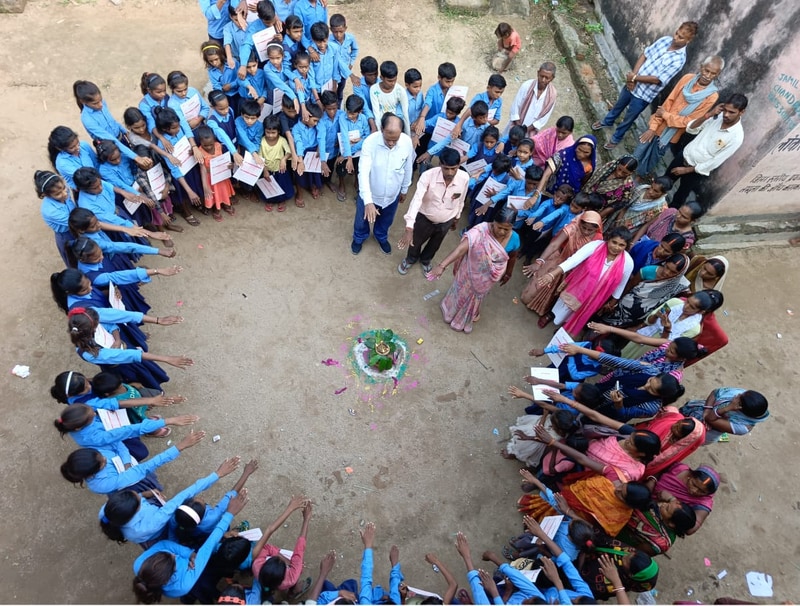
Collective social innovation relies on collaboration among communities, governments, markets, and funders towards shared goals. For systemic change, funders must prioritize long-term relationships, trust, and shared platforms over siloed, short-term projects. Effective philanthropy should support collective capacities, allowing for risk-taking and adaptive learning. Successful examples include initiatives like the Punjab Education Collective, which significantly improved educational outcomes through cross-sector collaboration. Building trust capital is essential, as it underpins effective collective action, requiring investment in participatory governance and open data systems. Transformational results stem from fostering ecosystems rather than isolated funding.
Health, Education
The future of innovation is collective but only if we reimagine how we work together

The industrial sector must decarbonize while meeting growing energy demands and sustaining profitability. Accenture's Powered for Change 2025 report advocates for a multigenerational, AI-powered approach to decarbonization, highlighting significant value creation through scalable low-carbon infrastructure. Transitioning from bespoke projects to standardized, repeatable systems can drive down costs and expedite deployment, especially in green hydrogen production, which could see costs decrease by 30% faster than conventional methods. Four key strategies include enhancing supply chains, engaging stakeholders, reinventing workforce skills, and establishing a strong digital core to leverage AI insights.
ICT, Education
Industrial decarbonization in the age of gen AI: Powered for Change 2025

Quantum technology is increasingly impacting the financial sector, with banks adapting their cybersecurity to address the risks and opportunities presented by quantum advancements. Strategies such as post-quantum cryptography, quantum key distribution, and quantum random number generation are being tested to secure financial data. Collaboration among industry players and regulators is essential to navigate the complexities of the quantum era. Additionally, startups like Haiqu are working on enhancing the software infrastructure needed to leverage quantum capabilities effectively, addressing challenges such as hardware noise to enable broader industrial application.
Financial services, Education
Quantum in focus: how finance is adapting and what else to watch in frontier tech