
The Global Lighthouse Network, established in 2018, comprises 201 advanced production sites worldwide that exemplify tech-enabled transformation, achieving significant improvements such as over 50% productivity increases, 80% defect reductions, and 30% CO2 cuts. The network facilitates knowledge sharing, helping members adopt scalable digital solutions, particularly artificial intelligence, which now underpins 50% of top use cases. Recent Lighthouses report average labor productivity boosts of 40% and lead time reductions of 48%. The focus includes enhancing environmental sustainability, with reductions in emissions, material waste, and energy consumption across operations.
ICT
Smart, sustainable manufacturing: 3 lessons from the Global Lighthouse Network

AI-powered citizen science enhances community-led climate action by democratizing access to technology and improving environmental monitoring. AI improves data accuracy and predictive capabilities through automated analysis, as demonstrated by projects like River Watchers and the GeoAI platform in India. It also facilitates real-time biodiversity monitoring with apps like iNaturalist and Biome, enabling immediate data validation and increased engagement. Furthermore, AI synthesizes diverse datasets, providing comprehensive insights for better environmental management, as seen in initiatives like Google Earth Engine. These advancements empower communities to proactively address sustainability challenges.
How AI-powered citizen science is amplifying community-led climate action
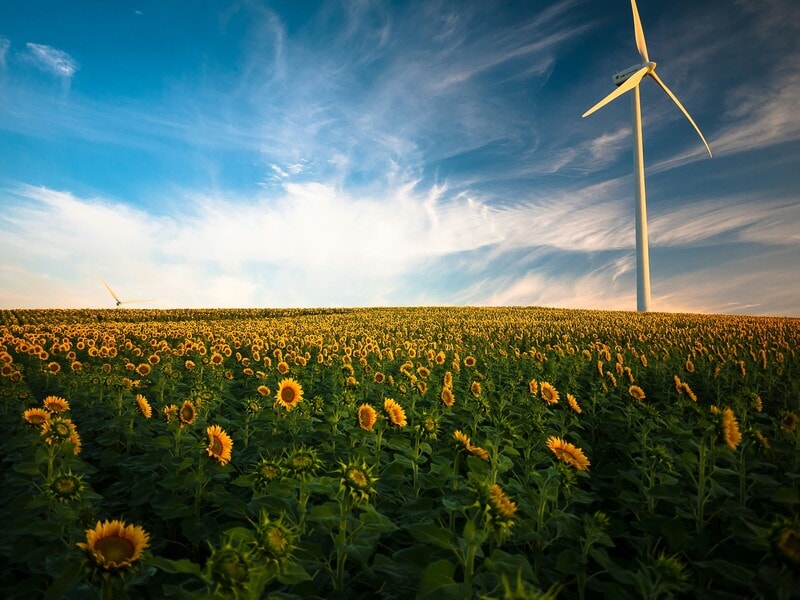
Businesses must adopt long-term stewardship to address structural challenges in finance, ecology, and talent, which ultimately enhances competitiveness and value creation for future generations. The stewardship concept balances responsibility with resilience, attracting patient capital amidst a significant wealth transfer. Executives should navigate complex environments by focusing on changing fiscal conditions, resource scarcity, and talent availability. By embedding stewardship into corporate culture, companies can recognize their societal impacts, encourage innovation, and secure investments that foster long-term sustainability. As generational wealth shifts, companies demonstrating stewardship are likely to attract family offices and institutional investors seeking durable investments.
Financial services
Stewardship is how businesses can build value for future generations

Botswana transformed its diamond wealth into a model for sustainable development despite the common "resource curse" faced by many African nations. Effective governance, transparent management of resources, and strategic investments in education, health, and infrastructure drove its rise from poverty to upper-middle-income status since independence in 1966. A robust legal framework and democratic institutions supported this progress. While challenges remain, including reliance on diamond exports and poverty, Botswana aims for economic diversification and inclusive growth through Vision 2036, highlighting the importance of governance in resource-rich countries. Four key lessons emphasize preemptive governance, prioritization of public needs, transparency, and economic diversification.
Botswana, Namibia, Nigeria, South Africa
Turning diamonds into development

Manufacturing companies are increasingly prioritizing workplace safety as a competitive advantage to attract and retain talent amid a labor shortage. Advanced technologies, such as AI, wearables, and digital twins, are enhancing safety and operational efficiency. The transition from compliance to a core safety strategy is critical, as it reduces preventable injuries that result in significant workday losses. Case studies show that prioritizing safety leads to lower injury rates and increased employee morale. As generational preferences shift towards prioritizing safety, manufacturers recognize that effective safety practices boost productivity and employee loyalty, paving the way for future innovations in human-centric operations.
Education
Why manufacturing companies now see safe workplaces as a competitive advantage
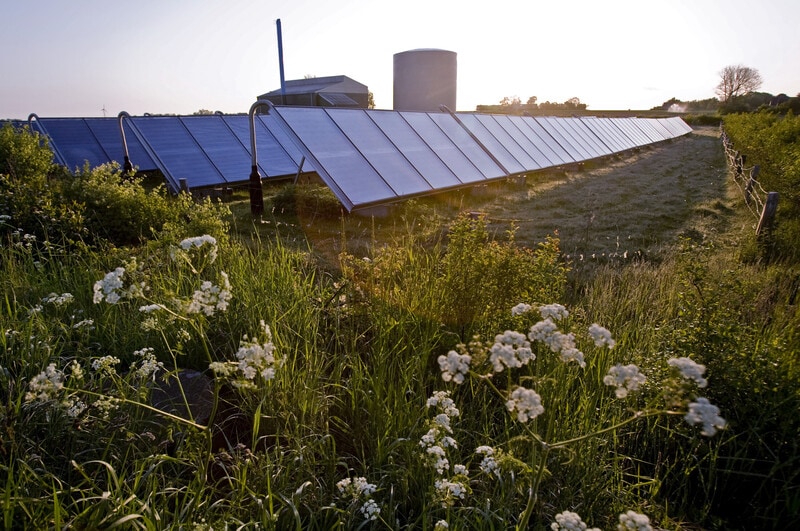
Climate risks are significantly disrupting supply chains and increasing costs, prompting companies to integrate sustainability into their core business strategies. This approach fosters innovation, margin expansion, and competitive advantages. Examples like IKEA and Avery Dennison illustrate that investing in sustainability can yield financial benefits alongside reduced emissions. Improving supply chain efficiency and traceability can mitigate waste and enhance profitability. Ultimately, sustainability should be framed as a strategic economic opportunity that supports long-term resilience and growth rather than merely a compliance requirement.
Financial services, Health
Call sustainability what you want but focus on its financial opportunity

Rangers play a vital role in biodiversity conservation, but a sustainable future requires a collective and systemic approach beyond the environmental sector. Globally, over 280,000 rangers work to protect nature, yet meeting UN biodiversity goals by 2030 necessitates a fivefold increase in their ranks. Successful conservation involves integrating ecological responsibility into various sectors, with engagement from businesses, individuals, and communities. Innovations in technology and local stewardship can significantly impact biodiversity. Prioritizing diverse actors, such as local knowledge holders and ecopreneurs, is essential for fostering lasting ecological resilience and effective conservation practices.
Rangers protect biodiversity worldwide, but the work cannot stop with them
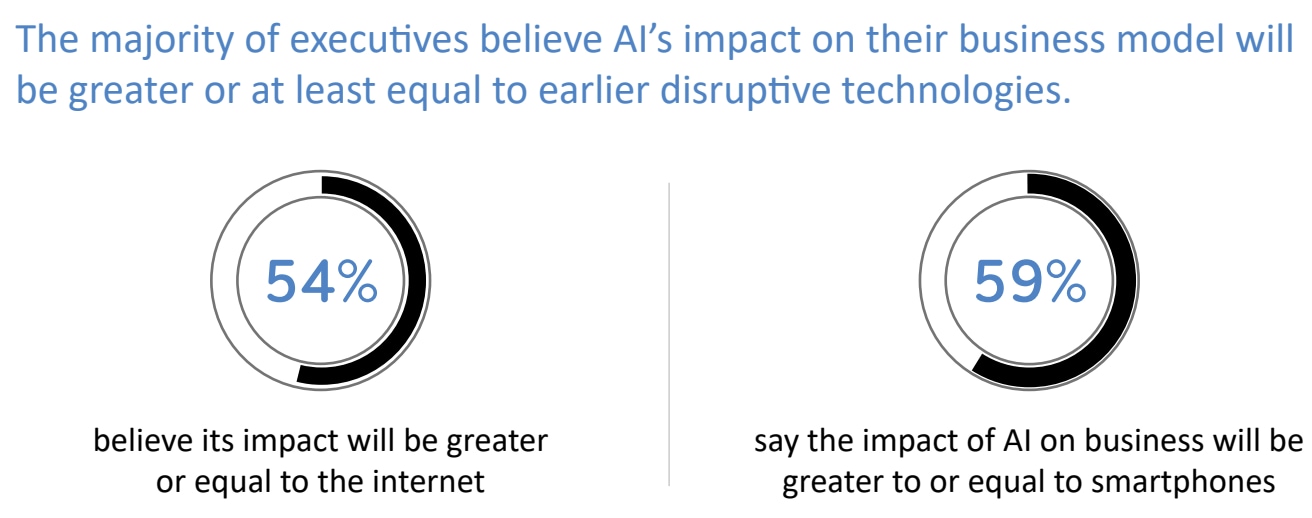
Successful AI adoption in the workplace centers on empowering people rather than merely integrating technology. In Europe, AI usage grew by 5.5% last year, driving a transformation in roles and workflows to harness human creativity alongside AI insights. Executives recognize the need for significant organizational change, with most believing human intuition and creativity are key competitive advantages. Fostering AI-human collaboration through redesigned workflows can enhance performance and innovation. The evolving workplace will prioritize connection and digital fluency, requiring ongoing reskilling and inclusive talent strategies to thrive in the AI era.
Education, ICT
How human-centric AI can shape the future of work

The traditional five-year business plan is obsolete; companies must adopt adaptable strategies known as "strategic tracks." Successful firms now prioritize capabilities and ecosystem collaboration over fixed assets, responding flexibly to ongoing disruptions in technology, geopolitics, and market demands. The six dimensions for thriving in this environment include: a balance of "today-forward" and "future-back" thinking, operating multiple strategic tracks, mastering ecosystem collaboration, prioritizing iterative progress over perfection, and embracing rapid decision-making to foster innovation. Companies must prepare for shifting customer needs while maintaining focus on long-term objectives.
Japan, Republic of Korea, Switzerland | Financial services, Health, Education, ICT
Industry insights: 6 dimensions to surviving (and thriving) in the era of uncertainty

India faces significant challenges in its foreign policy following the imposition of a 50% tariff by the U.S. on imports, linked to India's favorable stance towards Russia. Prime Minister Modi’s recent visit to China and upcoming meetings, including with President Putin, reflect efforts to navigate these complexities. The heightened U.S. tariffs, affecting key sectors like textiles and steel, have shocked New Delhi and strained U.S.-India relations, especially in light of President Trump's engagement with Pakistan. This situation raises concerns about India's multi-alignment strategy and future partnerships with entities like the EU.
France, India
India's Foreign Policy Conundrum Following the U.S. Tariffs Setback

Narratives surrounding irregular migration significantly impact policymaking across Europe. A study by Bastian Vollmer and Markus Rheindorf reveals diverse discourses fueled by political ideologies, media representations, and historical contexts. The research indicates that media often amplifies crises, shaping public perception and pressuring restrictive policies. Political language tends to frame exclusionary measures as protective, obscuring human costs. Gendered and racialised narratives influence who receives protection, while conflicting economic views either depict migrants as burdens or benefits. Civil society acts as a counterforce, advocating for human rights and integration. To foster constructive dialogue, the analysis suggests exposing strategic doublespeak, reforming media practices, amplifying civil society's role, and enhancing public awareness on migration issues.
Latin America | Education
How Europe talks about irregular migration – and why it matters

In 2024, climate disasters caused $368 billion in damages, with $223 billion uninsured, highlighting a substantial global climate protection gap, particularly impacting vulnerable communities in the Global South. The urgent need for innovative financial tools, such as parametric insurance, catastrophe bonds, and public-private partnerships, is emphasized to enhance resilience and expedite recovery. Traditional risk management systems struggle against the accelerating frequency of climate events, necessitating adaptive solutions to ensure rapid funding and support for affected areas. Expanding access to these financial instruments can significantly reduce rebuilding times and socioeconomic inequalities.
Financial services
How to close the $223 billion climate protection gap
The book "China's Negotiating Mindset and Strategies" explores the historical and cultural foundations shaping China's approach to negotiation. It emphasizes key concepts such as Confucianism, Taoism, Yin-Yang, and Chinese military strategy. The text examines practical applications of these ideas through case studies, including the Belt-and-Road Initiative and geopolitics in the South and East China Seas. The findings aim to enhance negotiation theory and assist Western practitioners and policymakers in understanding and engaging with Chinese counterparts effectively. This work is particularly relevant for students and professionals in international relations, foreign policy, and business studies.
China's Negotiating Mindset and Strategies

Asean has been pursuing a regional power grid (APG) since the 1990s to enhance energy interconnectivity among its ten member states, aiming for full integration by 2045 to meet rising energy demands. Despite challenges like diverse energy policies and political concerns around sovereignty, a 'holistic' approach advocated by the UN Economic and Social Commission for Asia and the Pacific emphasizes social equity and long-term cooperation over purely technical solutions. This includes addressing concerns about energy security and governance, while promoting economic growth and sustainability within the region. Current metrics for power connectivity often overlook social and environmental impacts, necessitating a broader framework for successful implementation.
ASEAN, Latin America | Financial services
Q&A: A ‘holistic’ approach to the long-awaited Asean Power Grid

Asia accounts for over 50% of global greenhouse gas emissions and 55% of global GDP, making its carbon markets vital for achieving global net-zero goals. Currently, only 28% of these emissions are covered by carbon markets. China leads with the world’s largest carbon market, while other countries like Japan, South Korea, and Southeast Asia are developing their systems. Regional collaborations, such as ASEAN’s Common Carbon Framework and Article 6.2 of the Paris Agreement, enhance crossborder trading and streamline methodologies, potentially mobilizing up to US$250 billion in savings from carbon market strategies by 2030.
Argentina, Australia, Canada, Denmark, Germany, Indonesia, Japan, Malaysia, Republic of Korea, Singapore, Taiwan, China, Thailand, United Arab Emirates, Viet Nam | Financial services
Asia makes up over half of global emissions but less than a third are covered by carbon markets: study

Asia Pacific economies must significantly boost investment to achieve climate targets, requiring a tripling of annual funding to US$2.3 trillion by 2030. Despite ambitious emissions reduction commitments, the region is struggling to meet its climate goals, with current pledges addressing only 3% of total emissions. Decarbonising the economy could generate up to US$47 trillion by 2070, necessitating advancements in emerging technologies and cleaner fuels. Key areas for development include critical minerals, battery production, and transforming carbon-intensive industries, highlighting the urgent need for strategic frameworks to support this transition.
Japan, Malaysia, Nigeria, Thailand | Financial services, ICT
Asia Pacific decarbonisation could unlock US$47 trillion by 2070: study
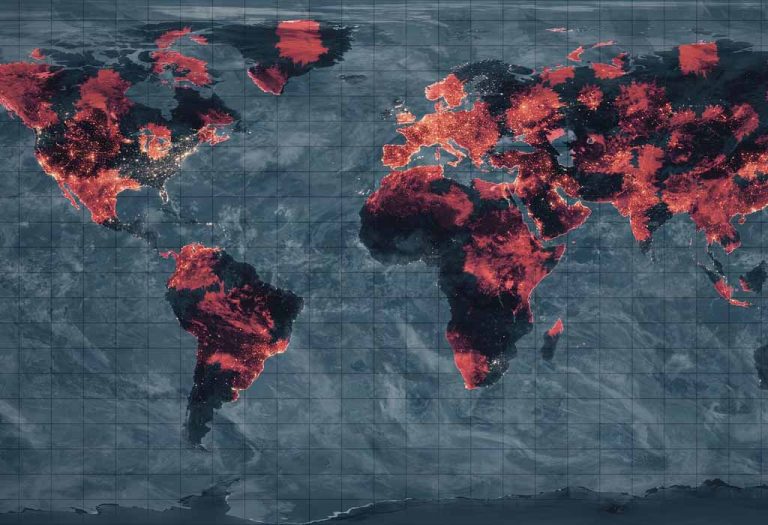
The United States is shifting towards protectionism, impacting its economic policies and global integration efforts, particularly under President Trump's reelection. China faces economic challenges, including a real estate bubble and over-reliance on foreign trade, while grappling with its geopolitical ambitions. Europe struggles with military and energy dependencies and lacks a unified foreign policy. In contrast, Spain shows economic resilience due to diversified sectors and strong exports but faces challenges like a housing shortage and high public debt.
Argentina, Bulgaria, Chile, Costa Rica, Cyprus, Denmark, Ecuador, Egypt, Estonia, France, Georgia, Germany, Greece, Guatemala, Hungary, Iceland, Ireland, Israel, Italy, Japan, Latvia, Mexico, Paraguay, Peru, Philippines, Poland, Portugal, Republic of Korea, Russian Federation, Slovenia, South Africa, Spain, Sweden, Switzerland, Taiwan, China, Thailand, Türkiye, Ukraine, United Arab Emirates, United Kingdom, Venezuela | Financial services
Geopolitical and economic crises: an uncertain future for the United States, China and Europe

China has become a leading global issuer of green, social, and sustainability bonds, with US$555.5 billion issued by the end of 2024. The rapid growth is driven by the expansion of eligible green projects, increased financing needs for new infrastructure, and supportive regulations from Chinese authorities. The market is evolving towards greater maturity, with price setting influenced by investor demand. China also updated its Green Finance Catalogue to include more climate-mitigation projects and issued its first sovereign green bond in London, indicating increased international engagement in green finance.
Denmark | Financial services
Q&A: What next for China’s green finance?
Climate change is rapidly shrinking the Caspian Sea, leading to significant ecological and socioeconomic impacts. The water levels have declined by about 6 cm annually, with unprecedented drops of up to 30 cm since 2020. This retreat has transformed vital wetland habitats into arid land, threatening unique species such as the Caspian seal and sturgeon, which face severe habitat loss. As the sea's area diminishes, millions of people risk displacement and industry challenges grow, underlining the need for urgent environmental and strategic responses from the nations surrounding the Caspian.
Climate change is fast shrinking the world’s largest inland sea
Cancer survival rates in the UK, while having doubled over the past 50 years, have plateaued in recent decades. A study of over 10 million cancer patients reveals that improvements in survival are uneven; some cancers, like breast and bowel, have shown significant progress, while pancreatic, brain, and lung cancers lag behind due to factors such as lifestyle changes, socioeconomic disparities, and underfunded research. The rise in ultra-processed foods has increased obesity-related cancer risks, and air pollution contributes notably to lung cancer cases. Enhanced screening programs and awareness campaigns are crucial for improving survival rates for hard-to-detect cancers.
Why have cancer survival rates stopped improving in the UK?